Chinese AI Firms Expose U.S. Military Movements During Iran Conflict

Thumbnail Image

The information displayed in the AIM should not be reported as representing the official views of the OECD or of its member countries.

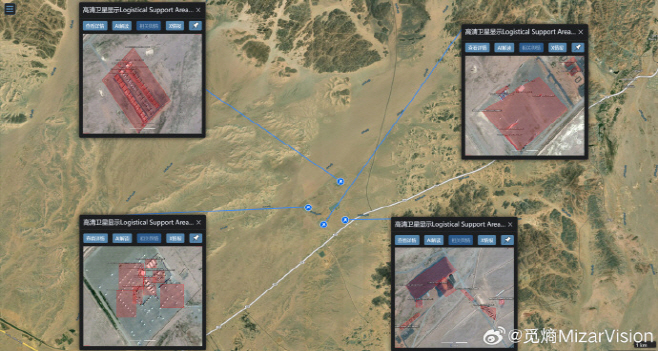
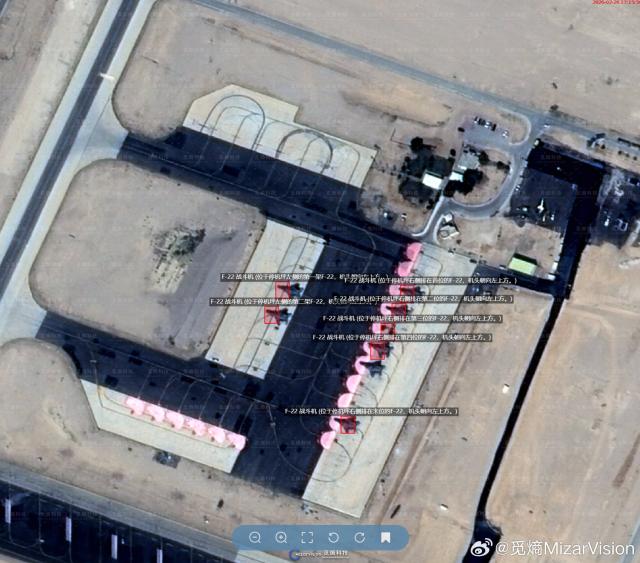
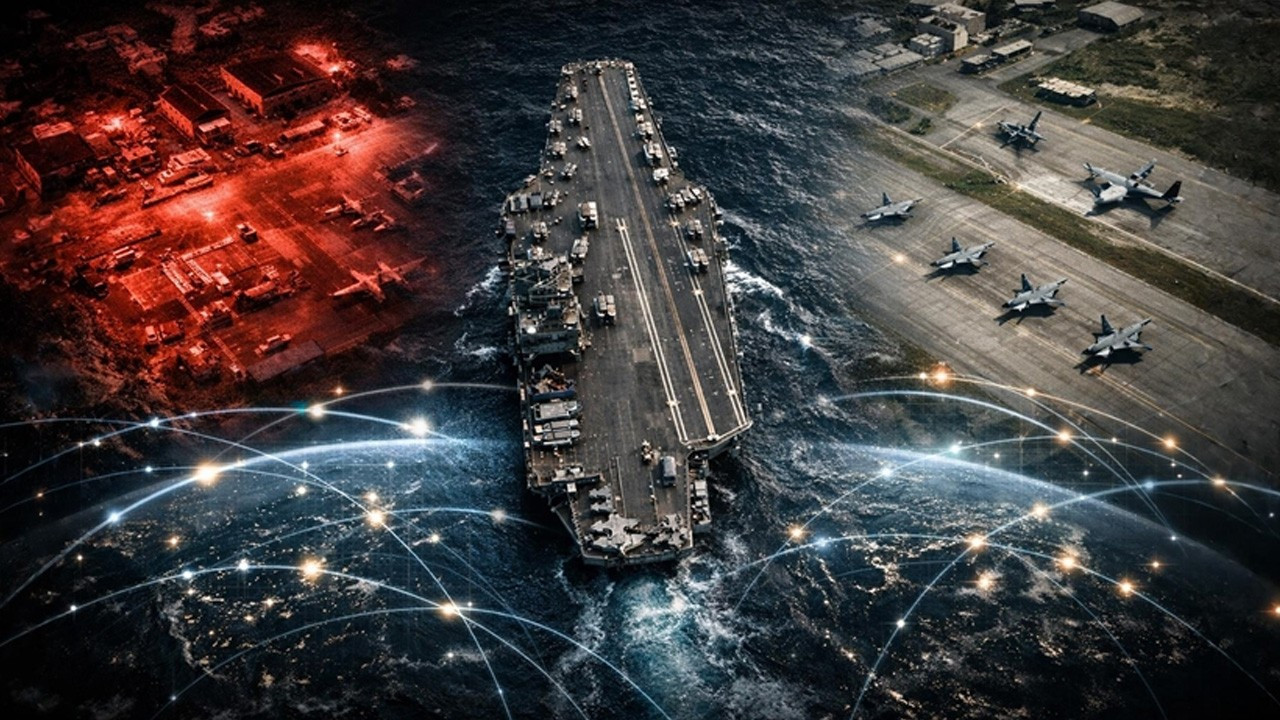
Chinese private companies used AI to analyze satellite and open-source data, revealing sensitive U.S. military activities related to the Iran conflict. These firms disseminated detailed intelligence, including troop and equipment movements, on social media and for commercial purposes, raising significant security concerns and prompting U.S. requests to halt satellite imagery distribution.[AI generated]

Why's our monitor labelling this an incident or hazard?

The event involves AI systems explicitly used by Chinese companies to analyze and disseminate military intelligence about US forces, which is a direct use of AI leading to harm (security risks and potential military harm). The article details actual ongoing use and dissemination of this intelligence, not just potential or hypothetical risks. Therefore, it meets the criteria for an AI Incident due to the direct link between AI use and harm to national security and military operations. The involvement is in the use of AI systems for intelligence gathering and dissemination that harms US military interests and potentially broader geopolitical stability.[AI generated]
AI principles
AccountabilityRobustness & digital security

Industries
Government, security, and defenceDigital security

Affected stakeholders
Government

Harm types
Public interest

Severity
AI incident

Business function:
Other

AI system task:
Recognition/object detection


Articles about this incident or hazard

Thumbnail Image

تحركات الجيش الأميركي مكشوفة.. الذكاء الاصطناعي الصيني يراقب الحرب

2026-04-04
قناة العربية
Why's our monitor labelling this an incident or hazard?
The event involves AI systems explicitly used for analyzing and synthesizing open-source data to produce military intelligence. Although no direct harm has yet occurred, the AI's role in exposing sensitive military movements and capabilities could plausibly lead to harms such as increased conflict risk or strategic disadvantages, which fall under harm to communities or national security. The article does not report any realized harm but highlights a credible risk stemming from AI-enabled intelligence capabilities. Hence, it fits the definition of an AI Hazard rather than an AI Incident or Complementary Information.
Thumbnail Image

مبالغة أم تهديد حقيقي؟ شركات ذكاء اصطناعي صينية تكشف تحركات الجيش الأمريكي في حرب إيران | المصري اليوم

2026-04-04
AL Masry Al Youm
Why's our monitor labelling this an incident or hazard?
The event involves AI systems explicitly used by Chinese companies to analyze and disseminate military intelligence about US forces, which is a direct use of AI leading to harm (security risks and potential military harm). The article details actual ongoing use and dissemination of this intelligence, not just potential or hypothetical risks. Therefore, it meets the criteria for an AI Incident due to the direct link between AI use and harm to national security and military operations. The involvement is in the use of AI systems for intelligence gathering and dissemination that harms US military interests and potentially broader geopolitical stability.
Thumbnail Image

واشنطن بوست: شركات صينية تسوق معلومات استخباراتية عن الجيش الأمريكي

2026-04-04
Anadolu Ajansı
Why's our monitor labelling this an incident or hazard?
The event involves AI systems used by Chinese companies to process and market intelligence on U.S. military movements, which could plausibly lead to harm to persons (military personnel) and disruption of military operations (critical infrastructure). The article does not report a specific incident of harm caused by this AI-enabled intelligence marketing but highlights a credible security risk and potential for harm. Therefore, this qualifies as an AI Hazard rather than an AI Incident. The involvement of AI in integrating and analyzing open-source data to produce actionable intelligence is explicit and central to the event's risk profile.
Thumbnail Image

شركات التكنولوجيا الصينية تستغل حرب إيران للترويج لقدراتها

2026-04-06
العربي الجديد
Why's our monitor labelling this an incident or hazard?
The article explicitly mentions the use of AI systems by Chinese companies to process open-source data and produce detailed intelligence on U.S. military activities, which is then used for surveillance and potentially hostile purposes. This use of AI directly contributes to a security threat that could lead to harm to persons or critical infrastructure, fulfilling the criteria for an AI Incident. The involvement of AI in generating and disseminating intelligence that could be used in military operations or attacks on U.S. forces is a direct or indirect cause of harm. The U.S. House committee's warning about the imminent threat further supports the classification as an AI Incident rather than a mere hazard or complementary information.
Thumbnail Image

سلاحٌ استراتيجي... الذكاء الاصطناعي الصيني يُراقب الحرب

2026-04-04
MTV Lebanon - Live Online TV
Why's our monitor labelling this an incident or hazard?
The event involves AI systems used for military intelligence analysis, which is a clear AI system involvement. However, the article does not describe any actual harm or incident caused by these AI systems, only their current use and potential strategic implications. Since no direct or indirect harm has occurred yet, but there is a credible risk that such AI-enabled intelligence capabilities could influence future conflicts or military confrontations, this fits the definition of an AI Hazard rather than an AI Incident. It is not complementary information because the article's main focus is on the emerging AI-enabled intelligence capability and its strategic implications, not on updates or responses to a prior incident.
Thumbnail Image

تقرير: شركات صينية تسوّق معلومات استخباراتية حول الحرب في إيران وتزعم تتبّع تحركات القوات الأمريكية

2026-04-05
euronews
Why's our monitor labelling this an incident or hazard?
The event involves AI systems explicitly used by Chinese companies to analyze and track military activities, fulfilling the definition of an AI system. The use of these AI systems in intelligence gathering and military tracking is a use case that could plausibly lead to significant harms, including disruption of military operations and geopolitical instability, which fall under harm categories (b) and (d). However, the article does not report any realized harm or incident resulting directly from these AI systems, only potential risks and warnings from experts and legislators. Thus, the event is best classified as an AI Hazard rather than an AI Incident. It is not Complementary Information because the article's main focus is on the current use and implications of AI in military intelligence, not on updates or responses to prior incidents. It is not Unrelated because AI systems are central to the described activities and risks.
Thumbnail Image

"واشنطن بوست" تكشف .. شركات صينية تسوّق معلومات استخباراتية ترصد تحركات القوات الأميركية

2026-04-04
كتابات
Why's our monitor labelling this an incident or hazard?
The event involves AI systems explicitly used for intelligence gathering and tracking military movements, which is a clear AI system involvement. The use of these AI systems to produce and market intelligence on U.S. forces could plausibly lead to harm such as disruption of military operations or escalation of conflict, meeting the criteria for an AI Hazard. There is no indication that harm has already occurred, so it is not an AI Incident. The article does not focus on responses or updates, so it is not Complementary Information. Therefore, the classification is AI Hazard.
Thumbnail Image

شركات صينية ترصد تحركات القوات الأميركية في الحرب على إيران

2026-04-04
Addiyar
Why's our monitor labelling this an incident or hazard?
The article explicitly mentions AI systems being used to analyze and integrate multiple data sources to track U.S. military movements, which constitutes an AI system involvement. The use of these AI systems has led to the exposure of sensitive military information, which can be reasonably inferred to cause harm by compromising military security and operational effectiveness. This fits the definition of an AI Incident because the AI system's use has directly or indirectly led to harm in the form of disruption to critical infrastructure and military operations, and potentially injury or harm to personnel. The event is not merely a potential risk but an ongoing reality as detailed by the intelligence dissemination and tracking activities.
Thumbnail Image

شركات صينية تسوق معلومات استخباراتية عن الجيش الأميركي - جريدة الصباح الجديد

2026-04-06
جريدة الصباح الجديد
Why's our monitor labelling this an incident or hazard?
The event involves the use of AI systems to process and analyze open-source data to produce military intelligence, which is then marketed. This activity could plausibly lead to harm by enabling adversaries to gain strategic advantages, thus constituting a security hazard. Since no direct harm or incident has been reported yet, but the risk is credible and ongoing, the event fits the definition of an AI Hazard rather than an AI Incident.
Thumbnail Image

واشنطن بوست: شركات صينية تسوق معلومات استخباراتية تكشف تحركات قواتنا

2026-04-04
الجزيرة نت
Why's our monitor labelling this an incident or hazard?
The event involves AI systems explicitly used by Chinese companies to collect and distribute detailed intelligence on U.S. military forces, which directly harms U.S. military security and operational secrecy. The harm is realized and ongoing, as the AI-enabled surveillance and dissemination of sensitive information compromises military operations and could lead to injury or harm to personnel or disruption of critical military infrastructure. The AI systems' development and use are central to the incident, fulfilling the criteria for an AI Incident rather than a hazard or complementary information. The article clearly links AI use to direct harm, not just potential or future harm, and the harm is significant and clearly articulated.
Thumbnail Image

تحركات سرية للقوات الأميركية مكشوفة للجميع.. ما علاقة الصينيين؟ | التلفزيون العربي

2026-04-06
التلفزيون العربي
Why's our monitor labelling this an incident or hazard?
The article explicitly mentions AI systems used by Chinese companies to analyze large-scale open-source data to reveal precise US military movements and bases, which were previously secret. This AI-enabled exposure directly undermines the secrecy and security of critical military infrastructure, constituting harm to the management and operation of critical infrastructure (military bases and operations). The involvement of AI in analyzing and producing this intelligence is central to the harm. Although the harm is indirect (exposure rather than physical damage), it is a clear and significant security harm caused by AI use. Hence, the event meets the criteria for an AI Incident rather than a hazard or complementary information.
Thumbnail Image

شركات التكنولوجيا الصينية تستغل حرب إيران للترويج لقدراتها

2026-04-07
العربي الجديد
Why's our monitor labelling this an incident or hazard?
The article explicitly mentions AI systems used by Chinese companies to analyze open-source data and produce detailed intelligence on U.S. military forces. While no direct harm or incident is reported, the use of AI in this context creates a credible risk of harm by facilitating military targeting and escalation in an ongoing conflict. The AI's role is pivotal in enhancing the effectiveness and timeliness of intelligence, which could plausibly lead to injury, disruption, or violations of rights. Since the harm is potential and not yet realized, this event is best classified as an AI Hazard rather than an AI Incident.
Thumbnail Image

美항모 위치, 중국에 털렸다?...미군 움직임 낱낱이 파헤쳐 퍼뜨린다는데 - 매일경제

2026-04-05
mk.co.kr
Why's our monitor labelling this an incident or hazard?
The event involves AI systems explicitly used by Chinese companies to process and analyze open-source data to produce detailed military intelligence on U.S. forces, which is then disseminated, potentially aiding adversaries and threatening U.S. military security. The harm is indirect but real, as it compromises military operational security and could endanger personnel and operations. The U.S. government's active response to restrict satellite data distribution further confirms the recognition of harm. Hence, this is an AI Incident involving the use of AI systems leading to harm through intelligence leaks and security threats.
Thumbnail Image

中 AI업체, 美 중동 작전 실시간 분석 공개 - 매일경제

2026-04-05
mk.co.kr
Why's our monitor labelling this an incident or hazard?
The event involves AI systems explicitly used by Chinese private companies to analyze and infer sensitive military information from multiple data sources. The AI-enabled analysis and public dissemination of U.S. military movements constitute a breach of operational security, which is a violation of rights and can cause harm to communities and military personnel. The harm is realized as the information is actively shared and commercially exploited, not merely a potential risk. Hence, it meets the criteria for an AI Incident due to the direct role of AI in causing harm through misuse of data and exposure of sensitive military operations.
Thumbnail Image

"미군 위치 알려줄테니 기다려봐"...中 민간AI업체들, SNS에 올린다 - 매일경제

2026-04-05
mk.co.kr
Why's our monitor labelling this an incident or hazard?
The article explicitly describes AI systems employed by Chinese private companies to analyze and combine multiple data sources to infer and publicly disclose sensitive U.S. military movements in real time. This disclosure of sensitive military information via AI analysis and social media posts can be reasonably inferred to cause harm to U.S. military operations and national security, which fits within the harm categories of violations of rights and harm to communities. The AI system's use is central to the incident, as it enables rapid, precise, and large-scale analysis and dissemination of sensitive information. Hence, this event meets the criteria for an AI Incident due to the realized harm stemming from AI system use.
Thumbnail Image

AI로 이란전쟁 들여다보는 中기업들...미군 위치 정보 유통 | 연합뉴스

2026-04-05
연합뉴스
Why's our monitor labelling this an incident or hazard?
The event involves AI systems explicitly used by Chinese companies to analyze large datasets (satellite images, ADS-B, AIS data) to generate detailed military intelligence about U.S. forces. The dissemination of this intelligence has already occurred, representing a direct or indirect harm to U.S. military operational security and potentially to broader geopolitical stability. The U.S. government's active response to halt satellite image sales further confirms the recognition of harm. The AI's role is pivotal in extracting and reconstructing sensitive information from publicly available data, which otherwise would be difficult to compile manually at this scale and speed. Hence, the event meets the criteria for an AI Incident due to the direct or indirect harm caused by the AI system's use.
Thumbnail Image

[영상] 여기 美항모, 저기 F-22...中기업, AI로 분석해 SNS에 뿌려 | 연합뉴스

2026-04-06
연합뉴스
Why's our monitor labelling this an incident or hazard?
An AI system is explicitly involved as Chinese companies use AI to analyze large datasets (satellite images, ADS-B, AIS data) to generate detailed military intelligence. The event involves the use of AI systems to process and disseminate sensitive information, which could plausibly lead to harm such as compromising military operations or endangering personnel. Although no direct harm has yet occurred or been reported, the potential for significant security risks is credible and recognized by experts and governments, including the U.S. government's request to suspend satellite image distribution. Thus, the event fits the definition of an AI Hazard rather than an AI Incident or Complementary Information.
Thumbnail Image

'지금이 절호의 기회?'...中 기업, AI로 미군 위치 정보 유통

2026-04-05
문화일보
Why's our monitor labelling this an incident or hazard?
The event explicitly involves AI systems analyzing and distributing sensitive military data, which directly impacts military operations and security, constituting harm to critical infrastructure and national security. The dissemination of such information by Chinese companies using AI can be seen as causing or enabling harm. The U.S. military's use of AI for targeting further confirms AI's central role in the conflict. Given the realized harm and direct involvement of AI systems, this qualifies as an AI Incident.
Thumbnail Image

AI로 전쟁 감시하는 중국 기업들...미군 군사활동 기밀 노출

2026-04-05
매일방송
Why's our monitor labelling this an incident or hazard?
The event explicitly involves AI systems used by Chinese companies to analyze satellite and other data to reveal sensitive U.S. military information. The use of AI in this context has directly led to the exposure of military secrets, which is a violation of legal obligations and a harm to national security and communities. The harm is realized, not just potential, as the information is already being disseminated. This fits the definition of an AI Incident because the AI system's use has directly led to harm (violation of obligations and harm to communities through security risks).
Thumbnail Image

AI로 이란전쟁 관전하는 중국 기업들...미군 위치 정보 공개

2026-04-05
연합뉴스TV
Why's our monitor labelling this an incident or hazard?
The event involves AI systems explicitly used to analyze satellite and other data to reveal sensitive military information. The disclosure of such information constitutes a violation of rights and could harm communities or international security. Since the AI system's use has directly led to this harm, this qualifies as an AI Incident under the framework, specifically under violations of rights and harm to communities.
Thumbnail Image

경악의 中 기업들, AI로 중동 전쟁 상황 완벽 파악

2026-04-05
아시아투데이
Why's our monitor labelling this an incident or hazard?
The event involves the use of AI systems by Chinese companies to analyze and disseminate sensitive military information, which directly leads to harm in terms of national security threats and potential violations of legal and human rights frameworks. The AI systems' development and use have directly contributed to this harm. Therefore, this qualifies as an AI Incident under the framework, as the AI system's use has directly led to significant harm (security breach and exposure of military operations).
Thumbnail Image

中 민간기업 AI에 노출된 미군 정보

2026-04-05
국민일보
Why's our monitor labelling this an incident or hazard?
The event involves AI systems explicitly used by Chinese private companies to analyze satellite and tracking data to produce and disseminate sensitive military intelligence about U.S. forces. This use of AI has directly led to a harm: increased security risks and potential compromise of military operations, which qualifies as harm to communities and national security interests. The U.S. government's request to halt satellite imagery distribution further confirms the recognition of this harm. Therefore, this event meets the criteria of an AI Incident because the AI system's use has directly led to a significant harm related to security and military operations.
Thumbnail Image

AI 전쟁, 이제 정보전으로...中 민간기업 '미국추적' 서비스 제공 | 아주경제

2026-04-05
아주경제
Why's our monitor labelling this an incident or hazard?
The article explicitly mentions AI systems used by Chinese companies to analyze satellite and open-source data to produce detailed military intelligence on U.S. forces, which is then widely disseminated. This use of AI directly contributes to harm by undermining military operational security and enabling information warfare. The harm is realized, not just potential, as the information is actively shared and linked to military conflict contexts. Hence, it meets the criteria for an AI Incident involving violations of security and harm to communities through information warfare.
Thumbnail Image

中 AI 기업들, 美 이란전쟁 군사정보 SNS서 공개... "감시도구로 AI활용"

2026-04-06
디지털데일리
Why's our monitor labelling this an incident or hazard?
The event involves AI systems explicitly used to analyze and disseminate sensitive military information, which directly or indirectly harms U.S. military security and potentially violates legal and security obligations. The AI's role in enabling real-time tracking and public disclosure of military movements is pivotal to the harm described. The concerns raised by U.S. authorities about surveillance and intelligence sharing with adversaries further support the classification as an AI Incident. Although physical harm is not detailed, the breach of security and potential threat to personnel and operations meet the criteria for harm under violations of obligations and harm to communities/security. Hence, this is not merely a potential hazard or complementary information but a realized AI Incident.