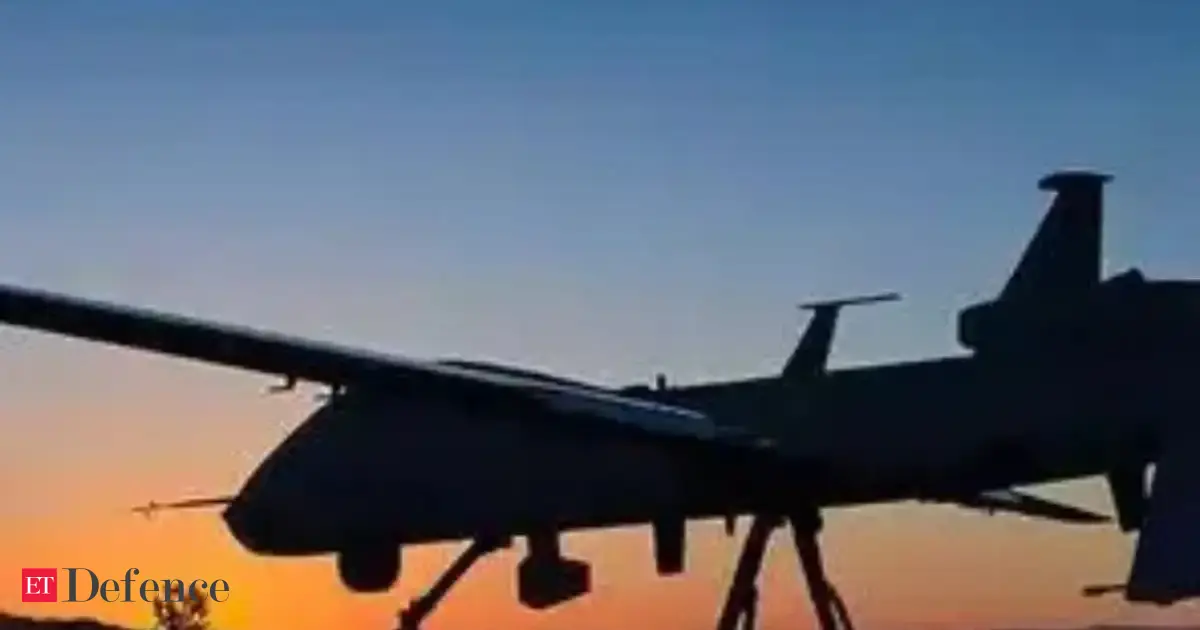
India Approves Development of Autonomous Combat Search and Rescue UAVs

Thumbnail Image

The information displayed in the AIM should not be reported as representing the official views of the OECD or of its member countries.

The Indian government has approved the design and development of an AI-enabled, autonomous unmanned aerial vehicle (UAV) for the Air Force. Intended for combat search and rescue and logistics in challenging terrains, the system poses future risks if misused or malfunctioning, but no harm has yet occurred.[AI generated]

Why's our monitor labelling this an incident or hazard?

The event involves the development and intended use of an AI-enabled UAV system with autonomous capabilities. However, there is no report of any realized harm or incident caused by the system, as it is still in the design and development phase. The article highlights the potential future use and benefits of the UAV but does not describe any direct or indirect harm resulting from its use or malfunction. Therefore, this event represents a plausible future risk scenario where the AI system could lead to harm if misused or malfunctioning, but no such harm has occurred yet. This fits the definition of an AI Hazard rather than an AI Incident or Complementary Information.[AI generated]
AI principles
SafetyRobustness & digital security

Industries
Government, security, and defence

Severity
AI hazard

AI system task:
Goal-driven organisation


Articles about this incident or hazard

Thumbnail Image

Govt plans design, development of runway-independent UAV for rescue missions, ferrying logistics

2026-04-08
Economic Times
Why's our monitor labelling this an incident or hazard?
The event involves the development and intended use of an AI-enabled UAV system with autonomous capabilities. However, there is no report of any realized harm or incident caused by the system, as it is still in the design and development phase. The article highlights the potential future use and benefits of the UAV but does not describe any direct or indirect harm resulting from its use or malfunction. Therefore, this event represents a plausible future risk scenario where the AI system could lead to harm if misused or malfunctioning, but no such harm has occurred yet. This fits the definition of an AI Hazard rather than an AI Incident or Complementary Information.
Thumbnail Image

IAF to Get Indigenous Unmanned Combat Search and Rescue Aircraft

2026-04-08
Rediff.com India Ltd.
Why's our monitor labelling this an incident or hazard?
The article explicitly mentions an AI-driven autonomous UAV system under development, indicating AI system involvement. The event is about the system's development and intended use, with no current harm reported. Given the nature of autonomous combat UAVs, there is a credible risk that their deployment could lead to injury, disruption, or other harms in the future. Since no harm has yet occurred, and the article focuses on the project approval and specifications, this fits the definition of an AI Hazard.
Thumbnail Image

CSAR drone: India planning to design, build unmanned combat search & rescue aircraft

2026-04-08
The Times of India
Why's our monitor labelling this an incident or hazard?
The event involves the development of an AI system (an autonomous UAV with AI-driven autonomy) that is intended for combat search and rescue and logistics in challenging environments. While no harm has yet occurred, the nature of the system and its intended use in combat and hostile environments plausibly could lead to AI incidents involving harm to persons or communities, or disruption of critical infrastructure, if misused or malfunctioning. Therefore, this event represents an AI Hazard due to the credible potential for future harm stemming from the AI system's deployment and use in military operations. There is no indication of realized harm or incident at this stage, nor is the article primarily about governance or societal responses, so it is not Complementary Information.
Thumbnail Image

Govt plans design, development of unmanned combat search and rescue aircraft

2026-04-08
ThePrint
Why's our monitor labelling this an incident or hazard?
The article explicitly mentions the development of an AI-driven autonomous UAV for combat search and rescue, which qualifies as an AI system. The event concerns the development and planned use of this system, not an incident where harm has already occurred. However, given the military nature and autonomous capabilities, there is a credible risk that the system could lead to harms such as operational accidents, misuse in combat, or unintended consequences. Hence, it fits the definition of an AI Hazard, as it plausibly could lead to an AI Incident in the future. It is not Complementary Information because it is not an update or response to a prior incident, nor is it unrelated as it clearly involves AI system development with potential harm.
Thumbnail Image

India's New Drone Mission: Revolutionizing Combat Search and Rescue | Headlines

2026-04-08
Devdiscourse
Why's our monitor labelling this an incident or hazard?
The article focuses on the planned development of an AI-enabled autonomous UAV for combat search and rescue missions, which clearly involves AI systems. While the system's intended use in military operations could plausibly lead to harms such as injury or disruption if deployed, no actual harm or incident is reported at this stage. Therefore, this event represents a credible potential risk (AI Hazard) rather than an incident or complementary information. The development of such autonomous military drones is recognized as a plausible source of future AI-related harm, meeting the criteria for an AI Hazard.
Thumbnail Image

Pioneering Unmanned Rescue: India's Vision for Advanced CSAR Drones | Headlines

2026-04-08
Devdiscourse
Why's our monitor labelling this an incident or hazard?
The article focuses on the planned development and intended capabilities of an AI-enabled unmanned rescue drone, highlighting its potential to improve operational safety and self-reliance. There is no indication of any harm caused or any incident occurring due to the AI system. However, given the military nature and autonomous capabilities, there is a plausible risk that such systems could lead to harm in the future if misused or malfunctioning. Therefore, this event qualifies as an AI Hazard because it plausibly could lead to harm, but no harm has yet occurred.
Thumbnail Image

Govt plans design, development of runway-independent UAV for rescue missions, ferrying logistics

2026-04-08
NewsDrum
Why's our monitor labelling this an incident or hazard?
The event involves the development and intended use of an AI-enabled UAV system, which qualifies as an AI system. However, since the UAV is still in the design and development phase with no reported incidents or harms, and the article focuses on the project approval and specifications rather than any realized or imminent harm, this constitutes a plausible future risk scenario rather than an actual incident. The UAV's potential use in rescue and logistics missions implies possible future benefits and risks, but no direct or indirect harm has yet occurred. Therefore, this event is best classified as an AI Hazard, reflecting the plausible future risk of harm from the deployment of such autonomous UAVs in military contexts.