AI System Recovers Stolen Painting After 50 Years in Italy

Thumbnail Image

The information displayed in the AIM should not be reported as representing the official views of the OECD or of its member countries.

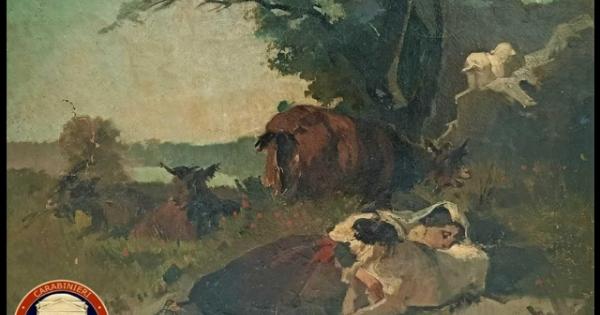
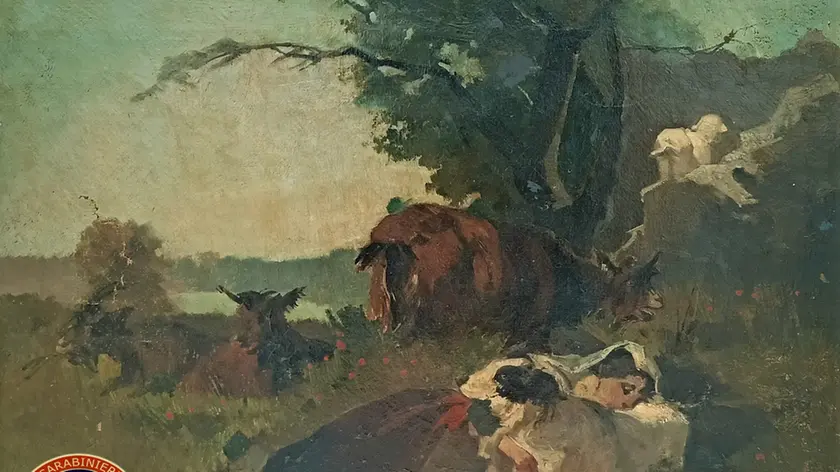
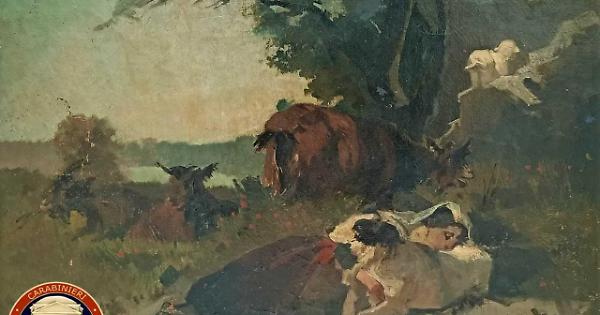
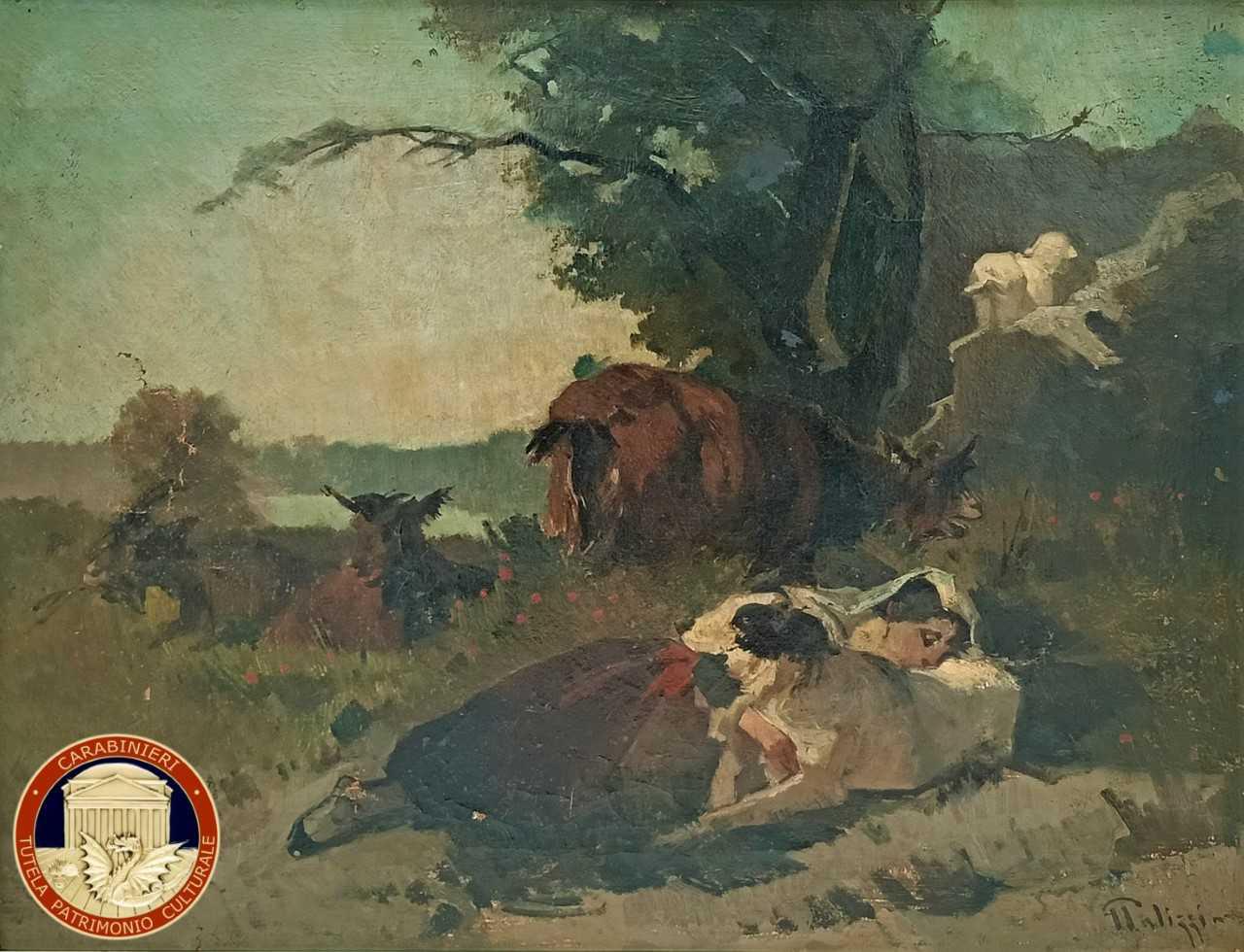
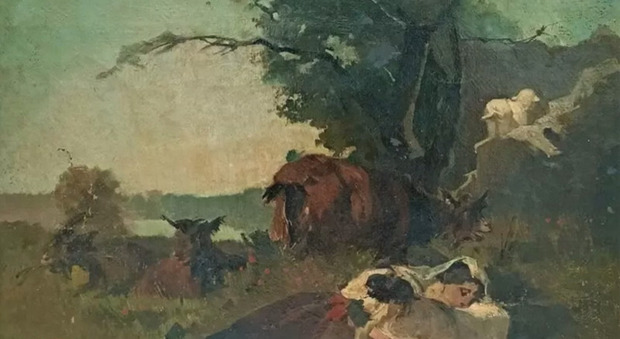
Italian authorities used the AI-powered Stolen Works of Art Detection System (Swoads) to scan online platforms and identify a painting stolen from Feltre's art gallery in 1972. The system matched the artwork to a database of stolen items, enabling its recovery and return, resolving long-standing harm to cultural property.[AI generated]

Why's our monitor labelling this an incident or hazard?

An AI system was explicitly involved in the use phase to detect and recover stolen artwork, which is a form of harm to property and cultural heritage. The AI system's role was pivotal in resolving a long-standing theft case, leading to the restoration of the stolen property to its rightful owner. Since the harm (theft of cultural property) had already occurred and the AI system helped remediate it, this qualifies as an AI Incident involving harm to property and cultural heritage.[AI generated]
Industries
Government, security, and defenceArts, entertainment, and recreation

Severity
AI incident

Business function:
Compliance and justice

AI system task:
Recognition/object detection


Articles about this incident or hazard

Thumbnail Image

Dipinto rubato restituito grazie all'intelligenza artificiale dopo oltre 50 anni - Notizie - Ansa.it

2026-04-09
ANSA.it
Why's our monitor labelling this an incident or hazard?
The event involves the use of an AI system in the investigation and recovery of stolen art, which is a positive application of AI. There is no harm or potential harm caused by the AI system; rather, it facilitated law enforcement efforts. Therefore, this is not an AI Incident or AI Hazard. The article primarily provides complementary information about the use of AI in cultural heritage protection and law enforcement success, enhancing understanding of AI's beneficial applications.
Thumbnail Image

Quadro rubato da oltre 50 anni recuperato grazie all'intelligenza artificiale: il "Riposo della pastorella" restituito al Comune

2026-04-09
Gazzettino
Why's our monitor labelling this an incident or hazard?
An AI system was explicitly involved in the use phase to detect and recover stolen artwork, which is a form of harm to property and cultural heritage. The AI system's role was pivotal in resolving a long-standing theft case, leading to the restoration of the stolen property to its rightful owner. Since the harm (theft of cultural property) had already occurred and the AI system helped remediate it, this qualifies as an AI Incident involving harm to property and cultural heritage.
Thumbnail Image

Dipinto rubato restituito grazie all'intelligenza artificiale dopo oltre 50 anni

2026-04-09
Gazzetta di Parma
Why's our monitor labelling this an incident or hazard?
An AI system was explicitly involved in the use phase, monitoring and detecting stolen artworks online. The AI system's role directly led to the recovery and restitution of the stolen painting, addressing harm related to theft and loss of cultural property, which constitutes harm to property and communities. Therefore, this event qualifies as an AI Incident because the AI system's use directly led to the mitigation of harm associated with stolen cultural heritage.
Thumbnail Image

Feltre, l'intelligenza artificiale ritrova il quadro rubato nel 1972: "Ora il restauro e poi sarà esposto"

2026-04-10
Il Corriere della Sera
Why's our monitor labelling this an incident or hazard?
The AI system is explicitly mentioned and was used in the investigation and recovery of stolen art. There is no indication of injury, rights violations, disruption, or harm caused by the AI system. Instead, the AI system played a beneficial role in resolving a long-standing theft case. Therefore, this event does not qualify as an AI Incident or AI Hazard. It is best classified as Complementary Information because it provides supporting context on the positive application of AI in cultural heritage protection without involving harm or risk of harm.
Thumbnail Image

Torino, un dipinto di Filippo Palizzi ritrovato grazie all'Ai dopo 54 anni: era stato sottratto alla galleria Feltre nel '72

2026-04-09
Corriere della Sera
Why's our monitor labelling this an incident or hazard?
The event involves the use of an AI system in the investigation and recovery of stolen art, but there is no harm caused by the AI system itself. Instead, the AI system's use led to a positive outcome without any indication of injury, rights violations, or other harms. Therefore, this is not an AI Incident or Hazard. It is best classified as Complementary Information because it provides context on how AI is being applied in cultural heritage protection and law enforcement.
Thumbnail Image

Feltre, quadro rubato nel 1972 ritrovato dai carabinieri con l'Intelligenza Artificiale

2026-04-09
Corriere delle Alpi
Why's our monitor labelling this an incident or hazard?
An AI system was explicitly used in the investigation and detection process, leading directly to the recovery of stolen property, which constitutes harm to property and cultural heritage. Since the AI system's use directly contributed to resolving a crime involving stolen art, this qualifies as an AI Incident under the definition of harm to property caused by the use of an AI system.
Thumbnail Image

Capolavoro rubato nel '72 ritrovato grazie all'IA: torna a Feltre dopo mezzo secolo

2026-04-09
lapiazzaweb.it
Why's our monitor labelling this an incident or hazard?
The event involves the use of an AI system explicitly described as scanning and analyzing digital content to detect stolen artworks. The AI system's outputs directly led to the identification and recovery of a stolen painting, which constitutes harm to property and cultural heritage. Since the AI system's use directly caused the resolution of this harm, this qualifies as an AI Incident under the definition of harm to property and communities caused by AI system use.
Thumbnail Image

Quadro rubato nel 1972 ritrovato in Piemonte: l'Intelligenza Artificiale smaschera il furto

2026-04-09
torinocronaca.it
Why's our monitor labelling this an incident or hazard?
An AI system was explicitly involved in the use phase, scanning online sources to detect stolen art, which directly led to the recovery of the stolen painting. This recovery addresses harm related to theft and loss of cultural property, which constitutes harm to property and communities. Since the AI system's use directly contributed to resolving a crime and restoring stolen property, this qualifies as an AI Incident under the framework.
Thumbnail Image

Rubato nel 1972, ritrovato nel 2026: i carabinieri rintracciano un antico dipinto utilizzando l'IA - Prima Torino

2026-04-10
Prima Torino
Why's our monitor labelling this an incident or hazard?
An AI system (S.W.O.A.D.S.) was explicitly used in the investigation and directly contributed to locating and recovering the stolen artwork. The event involves realized harm (theft of cultural property) and the AI system's use led to remediation of that harm. Therefore, this qualifies as an AI Incident because the AI system's use directly led to addressing harm related to stolen property and cultural heritage. It is not merely complementary information or a hazard, as the AI system's involvement had a direct impact on resolving a harm event.