Dutch AI-Powered Parking Scanners Issue Hundreds of Thousands of Wrongful Fines

Thumbnail Image

The information displayed in the AIM should not be reported as representing the official views of the OECD or of its member countries.

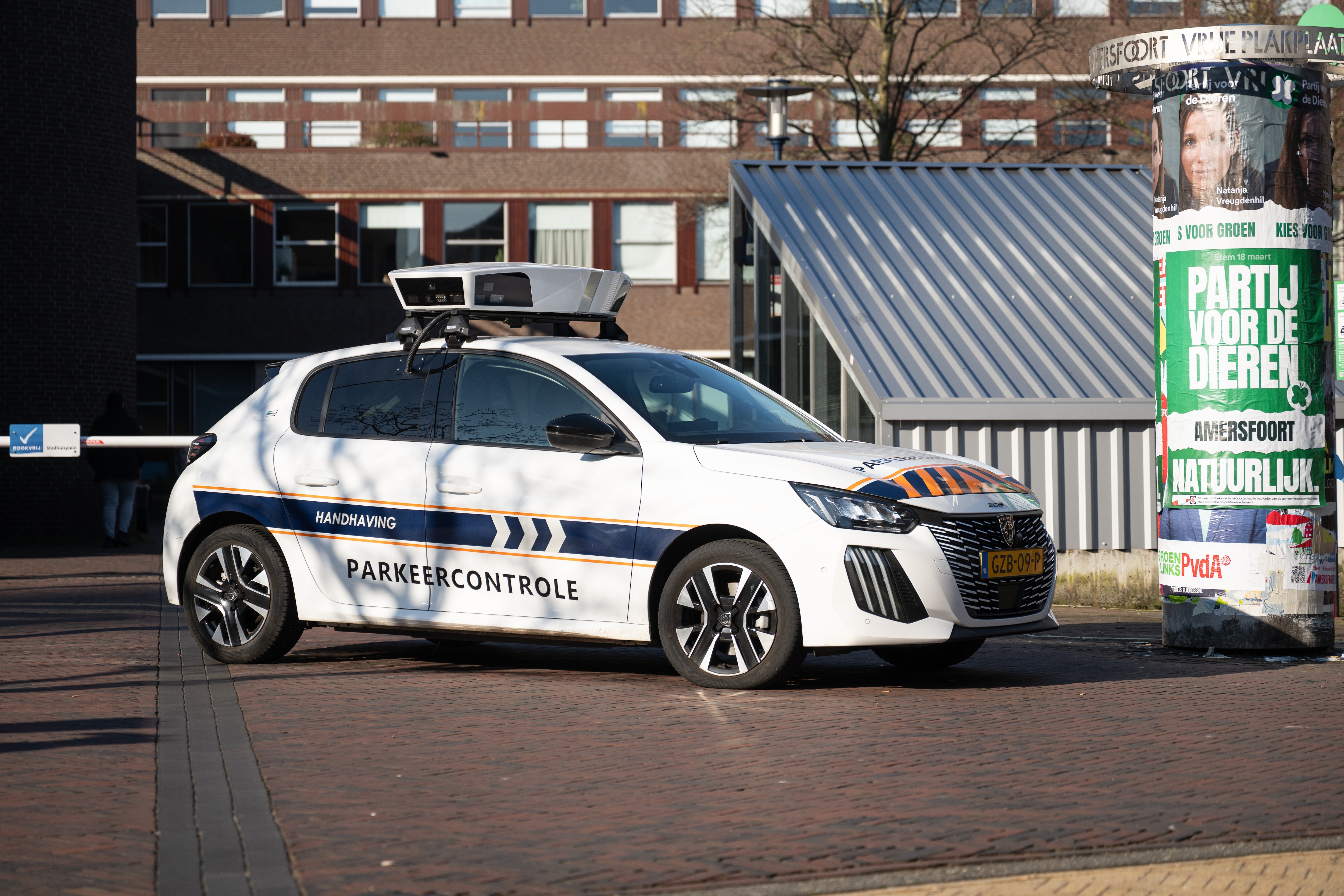
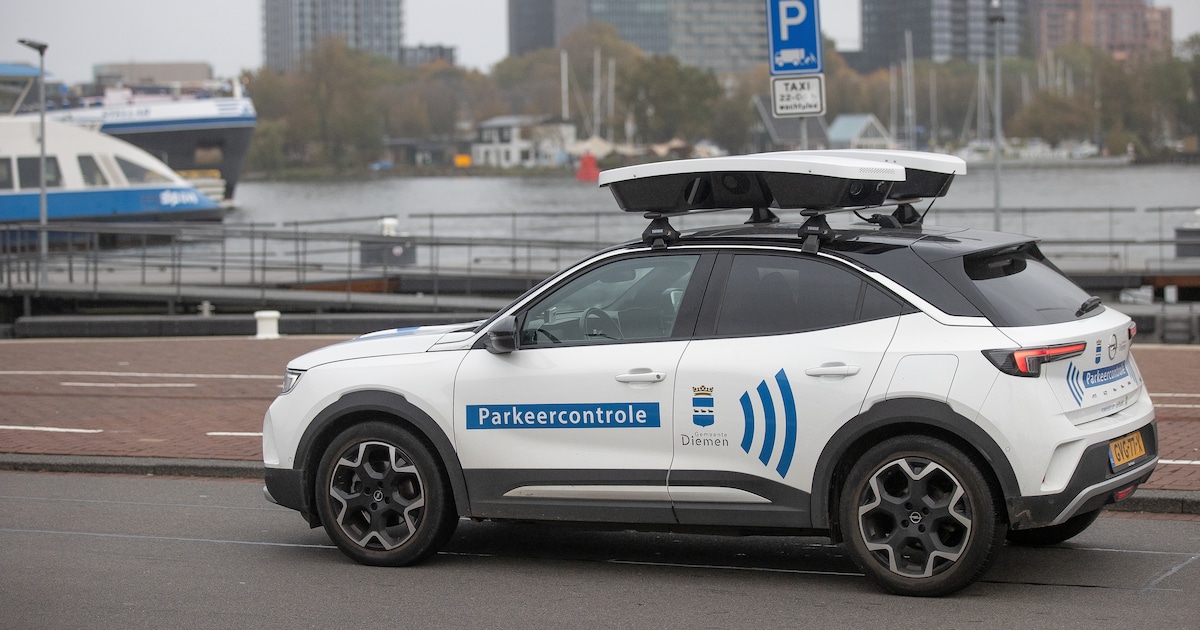
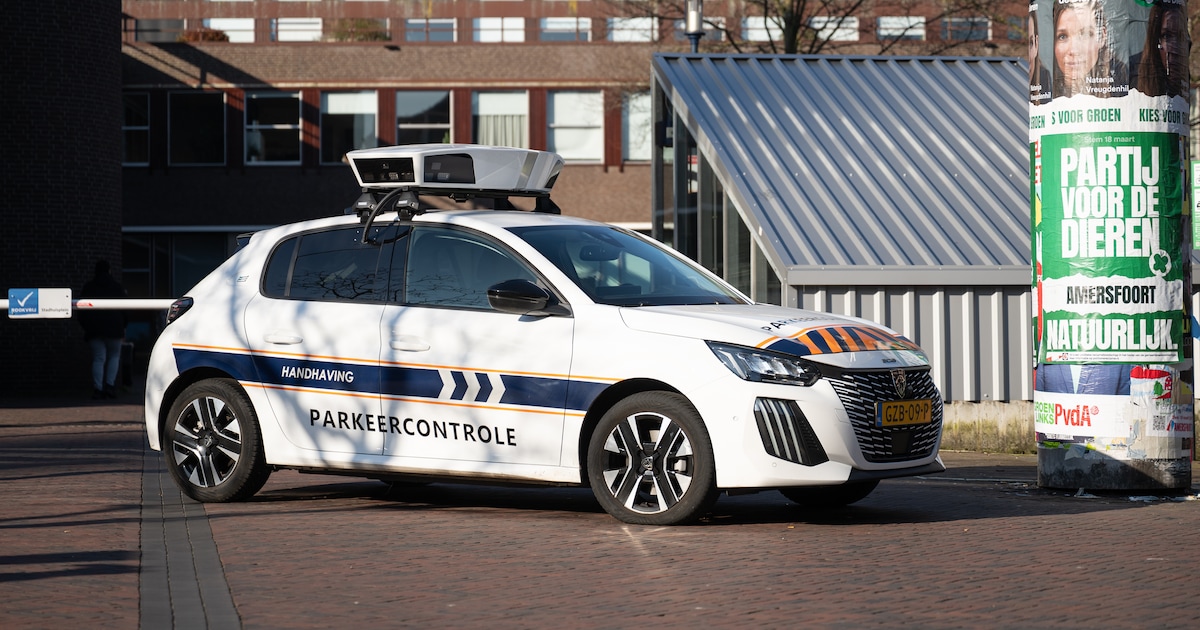
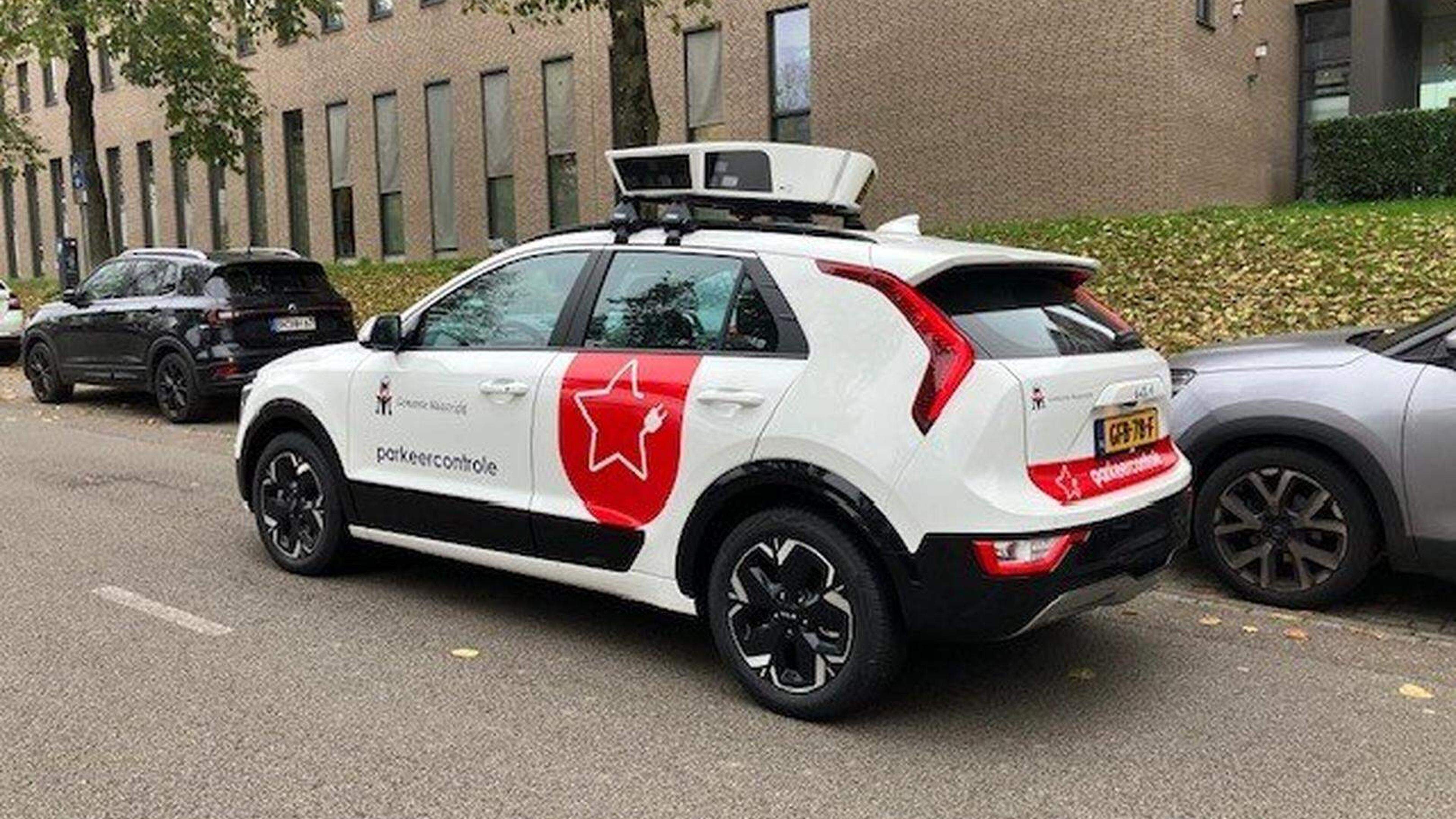
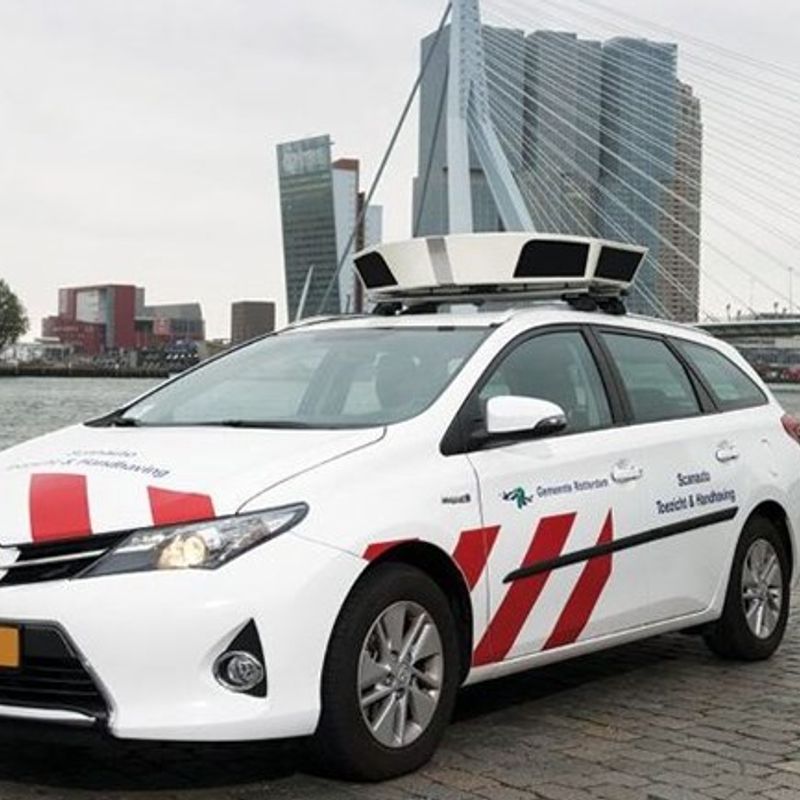
In the Netherlands, AI-driven scanauto systems used by municipalities to enforce parking regulations have wrongly issued over 500,000 fines annually, affecting especially vulnerable groups. The Autoriteit Persoonsgegevens found that more than 10% of fines are unjust, due to the AI's inability to assess real-world context, causing significant harm.[AI generated]

Why's our monitor labelling this an incident or hazard?

The AI system (the AI-camera scanning and automated fining system) is explicitly described and is central to the event. Its use has directly caused harm by issuing unjustified parking fines, which is a violation of rights and causes financial harm to individuals, especially vulnerable groups. The system's malfunction or limitations (lack of contextual understanding) contribute to these harms. The privacy risks further compound the issue. Since actual harm has occurred and is ongoing, this qualifies as an AI Incident rather than a hazard or complementary information.[AI generated]
AI principles
FairnessTransparency & explainability

Industries
Government, security, and defence

Affected stakeholders
General public

Harm types
Economic/Property

Severity
AI incident

Business function:
Compliance and justice

AI system task:
Recognition/object detection


Articles about this incident or hazard

Thumbnail Image

Blunderende AI-camera's scanauto's spekken gemeentekas: half miljoen parkeerboetes onterecht uitgedeeld

2026-04-09
Telegraaf
Why's our monitor labelling this an incident or hazard?
The AI system (the AI-camera scanning and automated fining system) is explicitly described and is central to the event. Its use has directly caused harm by issuing unjustified parking fines, which is a violation of rights and causes financial harm to individuals, especially vulnerable groups. The system's malfunction or limitations (lack of contextual understanding) contribute to these harms. The privacy risks further compound the issue. Since actual harm has occurred and is ongoing, this qualifies as an AI Incident rather than a hazard or complementary information.
Thumbnail Image

Scanauto's gaan vaak de fout in met parkeerboetes: jaarlijks honderdduizenden keren

2026-04-09
de Volkskrant
Why's our monitor labelling this an incident or hazard?
The scanauto systems use AI-based image recognition to identify license plates and parking violations. The article reports concrete cases where these AI systems have malfunctioned or been misused, resulting in wrongful parking fines. This constitutes a violation of rights (incorrect penalties, lack of transparency in evidence) and harm to individuals (financial and procedural harm). The AI system's malfunction and use are directly linked to these harms, meeting the criteria for an AI Incident rather than a hazard or complementary information.
Thumbnail Image

Jaarlijks half miljoen onterechte parkeerboetes door controles met scanauto's

2026-04-09
De Gelderlander
Why's our monitor labelling this an incident or hazard?
The scanauto system explicitly uses AI and algorithms to scan license plates and issue fines. The system's malfunction or limitation in not recognizing legitimate exceptions results in over 10% of fines being incorrect, equating to about half a million wrongful fines annually. This causes direct harm to individuals through financial penalties and administrative difficulties, fulfilling the criteria for an AI Incident. The harm is realized, not just potential, and the AI system's role is pivotal in causing this harm.
Thumbnail Image

Scanauto's zouden per jaar een half miljoen onterechte boetes uitdelen. 'Gemeenten denken: we hebben AI en algoritmes, het is helemaal geautomatiseerd'

2026-04-09
NRC
Why's our monitor labelling this an incident or hazard?
The event involves AI systems (scanauto software and algorithms) used for parking enforcement. The AI's malfunction or limitations cause a large number of wrongful fines, which harm individuals financially and create bureaucratic burdens, fulfilling the criteria for harm to people and communities. The harm is realized and ongoing, not just potential. Hence, this is an AI Incident rather than a hazard or complementary information.
Thumbnail Image

Jaarlijks half miljoen onterechte parkeerboetes door controles met scanauto's: 'Gemeenten moeten niet denken: dat zit wel goed met die AI'

2026-04-09
Het Parool
Why's our monitor labelling this an incident or hazard?
The event involves an AI system (scanning cars using AI to detect parking violations) whose use directly leads to harm: unjustified parking fines and related procedural burdens on individuals. The harm is realized and significant, affecting thousands annually. The article explicitly links AI as a key cause of these errors. Hence, it meets the criteria for an AI Incident, as the AI system's use has directly led to harm to people (financial and procedural).
Thumbnail Image

Half miljoen onterechte parkeerboetes door scanauto's, schat AP

2026-04-09
Trouw
Why's our monitor labelling this an incident or hazard?
The AI system is explicitly mentioned as being used in the scanning cars to automatically detect license plates and issue fines. The harm arises from the AI system's failure to interpret contextual information, leading to wrongful fines. This constitutes a direct harm to individuals (unjust penalties) and a violation of rights (incorrect enforcement). Therefore, this event qualifies as an AI Incident because the AI system's use has directly led to harm.
Thumbnail Image

Scanauto's delen veel onterechte boetes uit

2026-04-09
Trouw
Why's our monitor labelling this an incident or hazard?
The scanauto system is an AI system using multiple cameras and algorithms to identify parking violations automatically. The article explicitly states that the AI system's outputs have directly led to a large number of wrongful fines, causing financial and procedural harm to individuals. This meets the criteria for an AI Incident because the AI system's use has directly caused harm to people (wrongful fines and associated burdens). The involvement is in the use of the AI system, and the harm is realized and significant. Hence, the classification is AI Incident.
Thumbnail Image

Jaarlijks half miljoen onterechte verkeersboetes: 'AI-software in scanauto's maakt foutjes'

2026-04-09
Provinciale Zeeuwse Courant
Why's our monitor labelling this an incident or hazard?
The article explicitly mentions AI software used in scanauto's that incorrectly identifies parking violations, resulting in a large volume of wrongful fines. This is a direct harm to people (financial and procedural harm) caused by the AI system's malfunction or misuse. The harm is realized and ongoing, not merely potential. The involvement of AI in the issuance of these fines and the resulting unjust penalties meets the criteria for an AI Incident under the framework, as it causes violations of rights and harm to individuals.
Thumbnail Image

Half miljoen onterechte parkeerboetes door scanauto's

2026-04-09
RD.nl
Why's our monitor labelling this an incident or hazard?
The scanauto systems explicitly use AI and algorithms to scan license plates and issue fines. The article states that these systems fail to recognize important contextual information (e.g., short stops for loading/unloading, presence of disabled parking permits), causing wrongful fines. This constitutes direct harm to individuals through unjust penalties and financial strain, fulfilling the criteria for an AI Incident. The harm is realized and ongoing, not merely potential, so it is not an AI Hazard or Complementary Information. The involvement of AI in causing harm is clear and direct.
Thumbnail Image

Scanauto's, die ook in Limburg rondrijden, delen honderdduizenden onterechte parkeerboetes uit, waarschuwt AP

2026-04-09
De Limburger
Why's our monitor labelling this an incident or hazard?
The scanauto system is explicitly described as using AI cameras and algorithms to detect unpaid parking, which directly causes the issuance of fines. The high error rate and lack of human oversight cause wrongful fines, which constitute harm to individuals and communities. The procedural burdens and digital divide exacerbate this harm. Privacy risks from insufficient data protection assessments further support the classification as an AI Incident. Since harm is occurring and linked to the AI system's use, this is not merely a potential risk or complementary information but an AI Incident.
Thumbnail Image

Inzet scanauto bij foutparkeren leidt tot half miljoen onterechte boetes per jaar

2026-04-09
Rijnmond
Why's our monitor labelling this an incident or hazard?
The scanauto system is an AI system as it uses algorithms to detect parking violations and automatically issue fines. The malfunction or limitation of the AI system (failure to recognize handicapped cards not registered to license plates) directly leads to harm in the form of unjust fines to many individuals. This is a clear case of harm caused by the use of an AI system, fulfilling the criteria for an AI Incident under violations of rights and harm to people.
Thumbnail Image

Scanauto's scannen slecht - met honderduizenden onterechte boetes als gevolg

2026-04-09
RTL Nieuws
Why's our monitor labelling this an incident or hazard?
The scanauto is an AI system that scans and processes vehicle data to issue parking fines. Its malfunction or limitations in recognizing context (e.g., loading activities, handicapped permits) have directly caused unjust fines, which constitute harm to individuals. The article reports realized harm (unjust fines and administrative burdens), not just potential harm. Therefore, this qualifies as an AI Incident under the framework because the AI system's use has directly led to harm to people and breaches of fair treatment rights.
Thumbnail Image

Half miljoen onterechte parkeerboetes door scanauto's, schat AP

2026-04-09
Nederlands Dagblad
Why's our monitor labelling this an incident or hazard?
An AI system is explicitly involved as the scanauto uses AI and algorithms to scan license plates and issue fines. The AI system's malfunction or limitation in understanding context directly leads to harm in the form of unjustified parking fines, which can be considered harm to individuals (a form of harm to persons through wrongful penalties). Therefore, this qualifies as an AI Incident because the AI system's use has directly led to significant harm (unjust fines) to a large number of people.
Thumbnail Image

Scanauto's strooien met onterechte parkeerboetes: meer dan 10 procent foutmarge

2026-04-09
FOK!
Why's our monitor labelling this an incident or hazard?
The scanauto system is an AI system performing automated license plate recognition and decision-making to issue parking fines. Its malfunction or limitations cause direct harm by issuing wrongful fines, especially impacting vulnerable groups like disabled persons. The harm includes unjust penalties and procedural burdens, which constitute violations of rights and harm to people. Therefore, this event qualifies as an AI Incident due to realized harm caused by the AI system's use.
Thumbnail Image

AP: Meer dan 10 procent boetes door scanauto's is onterecht

2026-04-09
Blik op nieuws
Why's our monitor labelling this an incident or hazard?
The scanauto system is an AI system using advanced cameras and algorithms to automatically detect parking violations and issue fines. The article documents that this system has caused actual harm by issuing unjustified fines in over 10% of cases, disproportionately affecting vulnerable groups and causing financial and procedural harm. This fits the definition of an AI Incident because the AI system's use has directly led to violations of rights and harm to individuals. The article also discusses governance and mitigation recommendations, but the primary focus is on the realized harm caused by the AI system's deployment.
Thumbnail Image

Scanauto's innen tonnen aan onterechte parkeerboetes

2026-04-09
Mobiliteit
Why's our monitor labelling this an incident or hazard?
The scanauto system is an AI system using advanced cameras and algorithms to automatically detect parking violations. Its use has directly caused harm by issuing unjustified fines, which is a violation of individuals' rights and causes financial and procedural harm. The AP's findings and recommendations confirm that the AI system's outputs have led to real, materialized harm. Therefore, this event qualifies as an AI Incident rather than a hazard or complementary information.
Thumbnail Image

Zo gaat het mis met onterechte boetes door scanauto's

2026-04-09
RTL.nl
Why's our monitor labelling this an incident or hazard?
The scanauto system uses automated scanning and likely AI-based image recognition to detect parking violations. The wrongful fines issued due to misinterpretation of the camera's viewpoint directly harm individuals by imposing unjust penalties. This harm is a violation of rights and thus fits the definition of an AI Incident. The involvement of AI in the detection process and the resulting harm from its malfunction or misuse justifies this classification.