Supreme Court Reviews Biometric AI Voter Authentication Proposal

Thumbnail Image

The information displayed in the AIM should not be reported as representing the official views of the OECD or of its member countries.

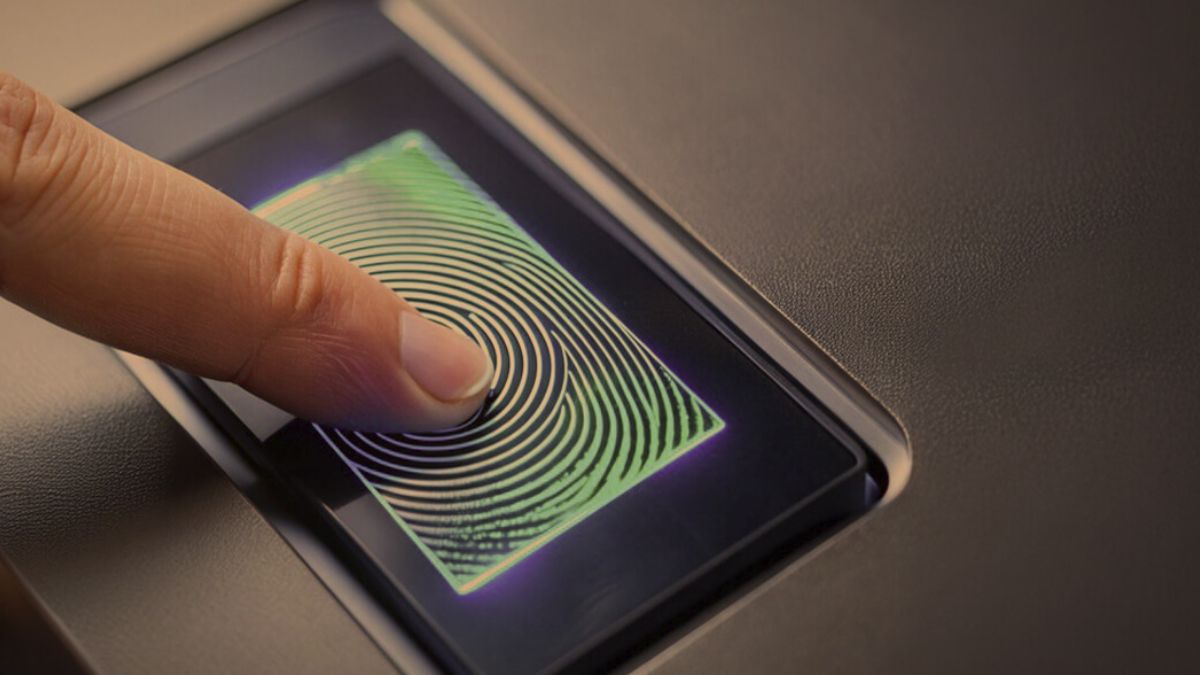
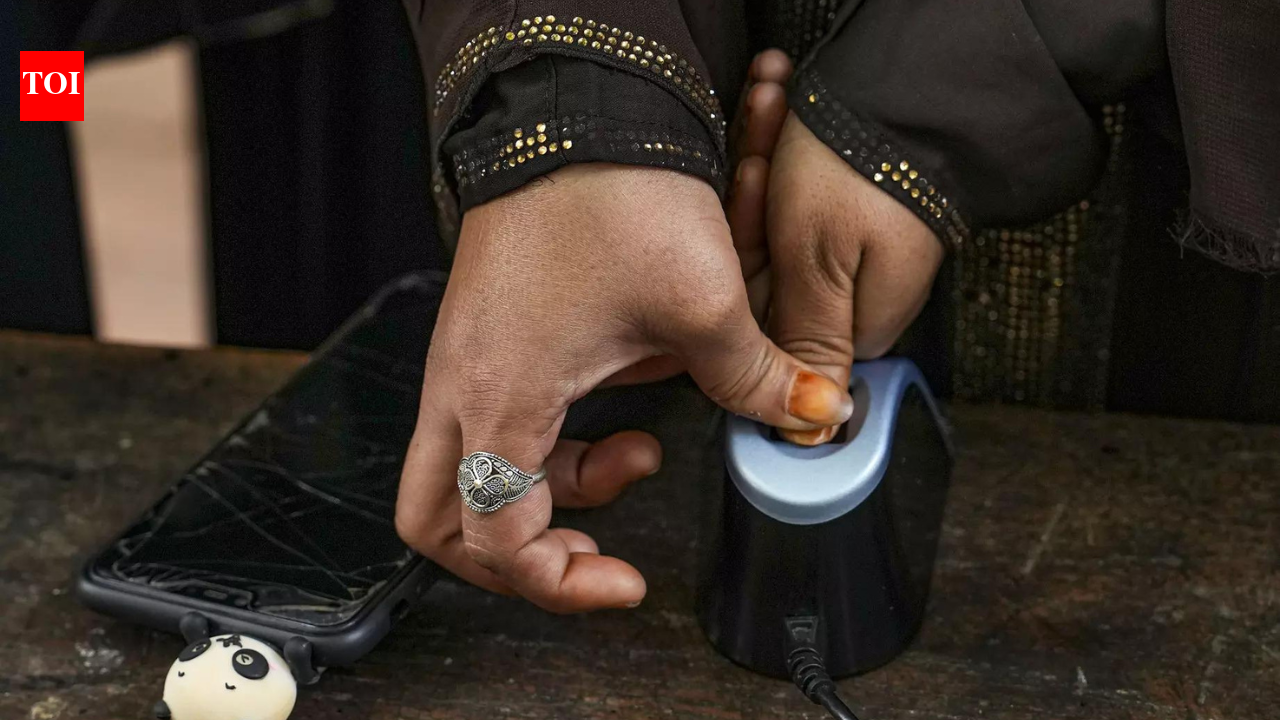
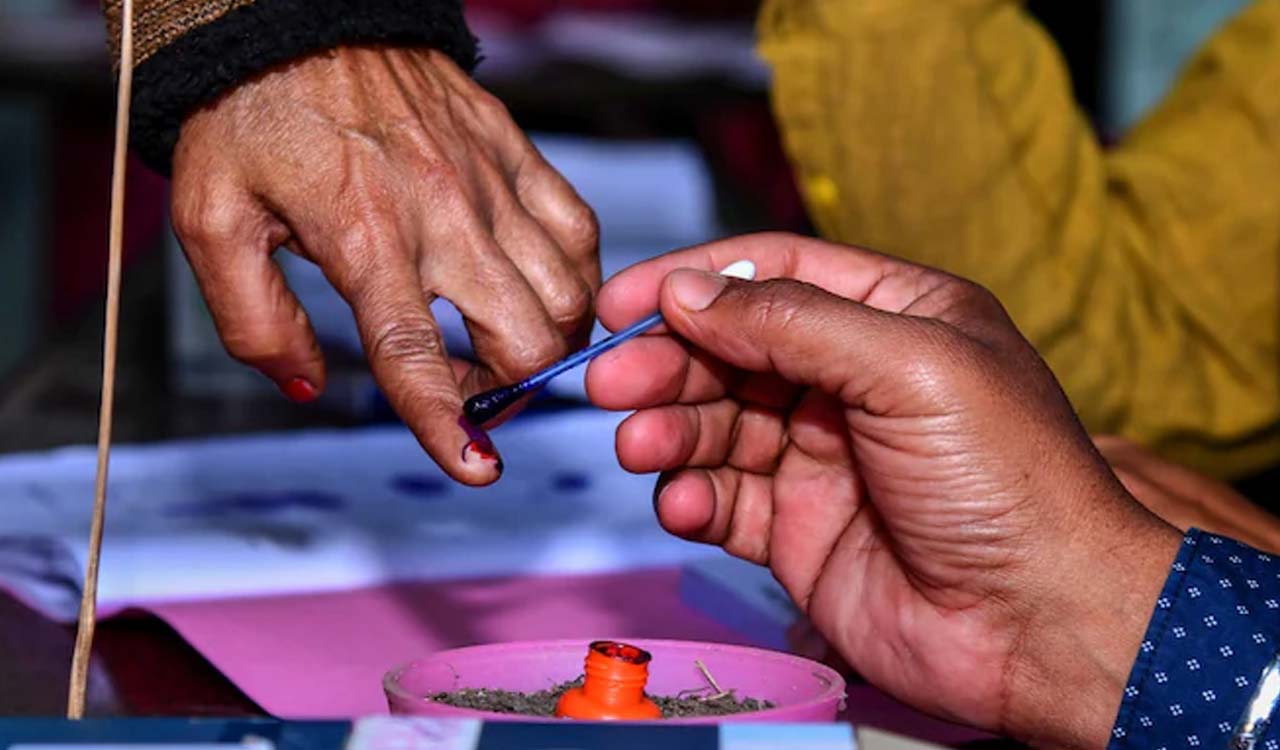
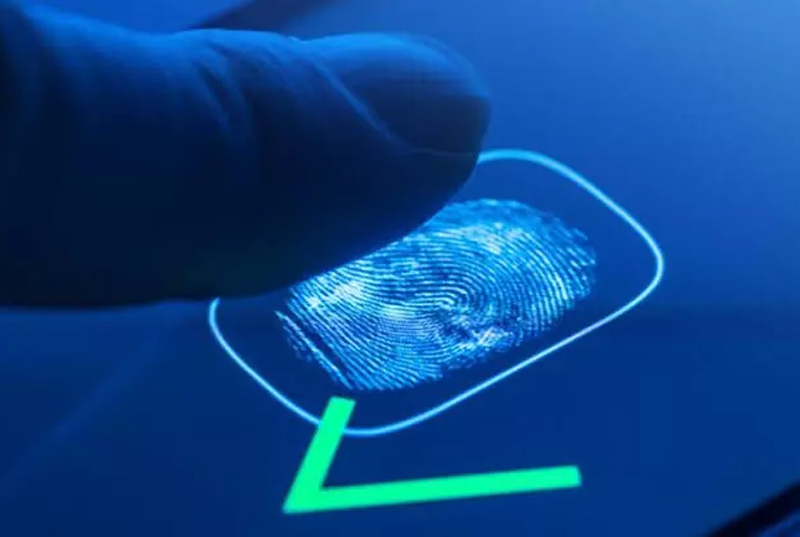
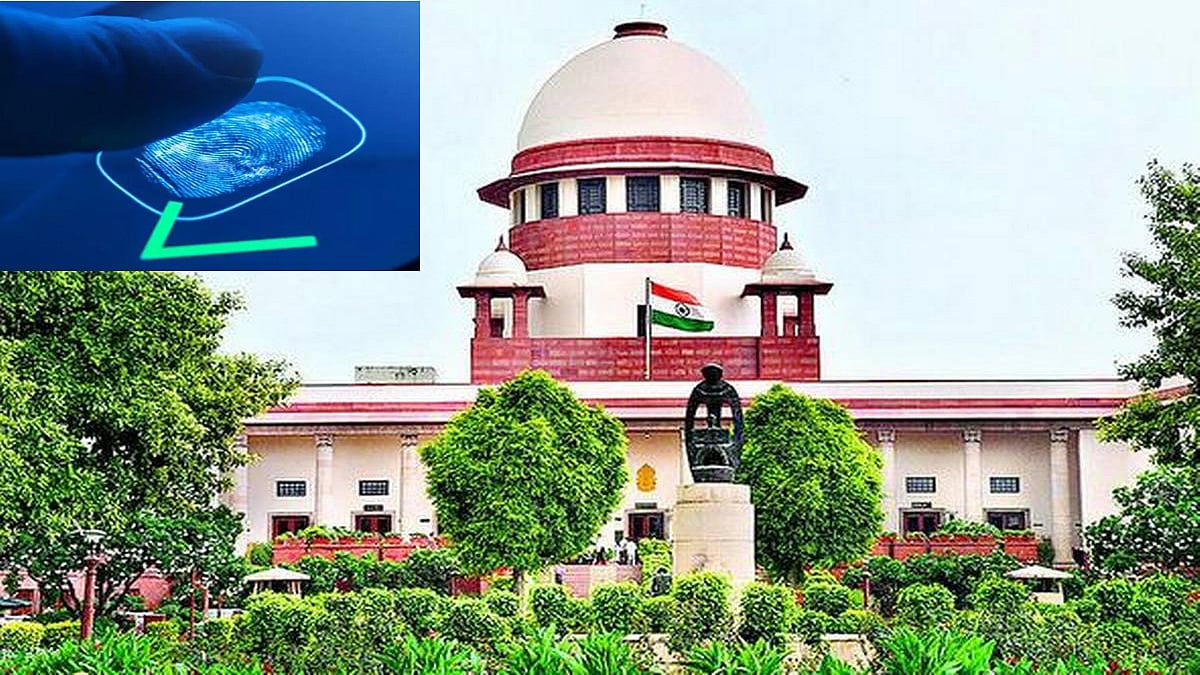
India's Supreme Court has sought responses from the government and Election Commission on a petition proposing the use of AI-driven fingerprint and iris biometric systems for voter authentication to prevent electoral fraud. The court is considering the feasibility and implications for future elections, but no system has been implemented yet.[AI generated]

Why's our monitor labelling this an incident or hazard?

The petition concerns the potential use of biometric AI systems for voter verification, which could plausibly lead to improved election security or raise privacy and data handling concerns. However, since the biometric system is not yet deployed or malfunctioning, and no harm has occurred, this constitutes a plausible future risk rather than an actual incident. Therefore, it qualifies as an AI Hazard due to the credible potential for both positive and negative impacts related to AI-based biometric verification in elections.[AI generated]
AI principles
Privacy & data governanceRespect of human rights

Industries
Government, security, and defence

Severity
AI hazard

Business function:
Citizen/customer service

AI system task:
Recognition/object detection


Articles about this incident or hazard

Thumbnail Image

Supreme Court Flags Plea for Biometric Voting, Seeks Replies from ECI and Government

2026-04-13
Republic World
Why's our monitor labelling this an incident or hazard?
The petition concerns the potential use of biometric AI systems for voter verification, which could plausibly lead to improved election security or raise privacy and data handling concerns. However, since the biometric system is not yet deployed or malfunctioning, and no harm has occurred, this constitutes a plausible future risk rather than an actual incident. Therefore, it qualifies as an AI Hazard due to the credible potential for both positive and negative impacts related to AI-based biometric verification in elections.
Thumbnail Image

SC agrees to examine feasibility of biometric, facial recognition for voters

2026-04-13
Hindustan Times
Why's our monitor labelling this an incident or hazard?
The article focuses on the Supreme Court agreeing to examine the feasibility of AI-based biometric and facial recognition for voter verification, which involves AI systems. The event does not describe any actual harm or incident caused by these systems but discusses the potential future use and the legal framework needed. Since the AI system's use could plausibly lead to harms related to privacy, rights violations, or exclusion, this fits the definition of an AI Hazard rather than an Incident or Complementary Information. It is not unrelated because AI systems are central to the proposal.
Thumbnail Image

Supreme Court Notice On Biometric Voting: Can Facial Recognition Improve India's Elections?

2026-04-13
Oneindia
Why's our monitor labelling this an incident or hazard?
The article centers on a legal and policy discussion about the possible future use of biometric and facial recognition AI systems in elections. No AI system is currently in use or has caused harm, so there is no AI Incident. However, the court's examination of the proposal indicates a credible potential for AI systems to impact election integrity, which could plausibly lead to harms or benefits. This fits the definition of an AI Hazard, as it involves the plausible future use of AI systems with significant societal implications. The article does not report on any actual harm or incident, nor is it merely general AI news or a complementary update on a past incident.
Thumbnail Image

Supreme Court notice to Centre, EC on plea to bring in iris, biometric verification of voters at polling booths

2026-04-13
The Hindu
Why's our monitor labelling this an incident or hazard?
The article discusses a legal plea and the court's consideration of biometric AI systems for voter verification, which could plausibly lead to AI-related impacts in elections. However, no actual harm, malfunction, or incident has occurred yet. The focus is on potential future implementation and legal responses, making this an AI Hazard rather than an Incident or Complementary Information.
Thumbnail Image

Biometric check at booths? Supreme Court seeks govt reply

2026-04-13
The Times of India
Why's our monitor labelling this an incident or hazard?
The article discusses a PIL seeking the creation of a biometric database for voter authentication, which would likely involve AI systems for biometric recognition. However, the Supreme Court is only seeking responses and has not approved or implemented the system yet. No harm or incident has occurred, but the use of biometric AI systems in elections could plausibly lead to significant impacts on election integrity, either positive or negative. Since this is about potential future use and its implications, it fits the definition of an AI Hazard rather than an Incident or Complementary Information.
Thumbnail Image

'Needs to be examined': Supreme Court seeks Centre, ECI response on biometric voting plea

2026-04-13
The Times of India
Why's our monitor labelling this an incident or hazard?
The article discusses a petition and the Supreme Court's consideration of biometric AI systems for voting verification, which involves AI system use. However, it is at the stage of legal examination and potential future implementation, with no current harm or malfunction reported. Thus, it fits the definition of an AI Hazard, as the AI system's use could plausibly lead to incidents related to election integrity, but no incident has yet occurred.
Thumbnail Image

SC issues notice to EC, Centre on plea to implement finger, iris biometric systems at polling stations

2026-04-13
India TV News
Why's our monitor labelling this an incident or hazard?
The event involves the potential use of biometric AI systems for voter identification, which can be reasonably inferred to involve AI technologies for biometric recognition. However, no actual harm or incident has occurred yet; the court is only examining the possibility of implementing such systems in the future. Therefore, this constitutes a plausible future risk or change in election processes involving AI systems but does not describe any realized harm or malfunction. Hence, it qualifies as an AI Hazard, as the development or use of AI biometric systems could plausibly lead to incidents related to election integrity or rights violations in the future.
Thumbnail Image

SC seeks Centre, EC's response on plea for biometric voter verification

2026-04-13
Business Standard
Why's our monitor labelling this an incident or hazard?
The event involves the proposed use of biometric AI systems (finger and iris recognition) for voter verification, which is an AI system by definition. The plea aims to prevent harms like duplicate voting, bribery, and personation, which are violations of electoral rights and harm to communities. Since the system is not yet implemented and no harm has occurred, but the use of such AI systems could plausibly lead to preventing or causing harm, this is best classified as an AI Hazard. The Supreme Court's seeking of responses indicates the matter is under consideration, not yet realized harm or incident.
Thumbnail Image

SC seeks Centre, ECI response on plea for biometric voter verification

2026-04-13
Business Standard
Why's our monitor labelling this an incident or hazard?
The article centers on a legal plea proposing the use of AI-based biometric and facial recognition systems for voter verification, which could plausibly lead to AI-related impacts in elections. However, since the system is not yet implemented and no harm has occurred, this constitutes a potential future risk rather than an incident. The Supreme Court's involvement and the need for responses indicate the issue is under consideration but not realized. Therefore, this is best classified as an AI Hazard, reflecting the plausible future risk of AI use in voter verification that could lead to harms such as privacy violations or disenfranchisement if implemented improperly.
Thumbnail Image

SC to hear plea seeking biometric voter identification at polling stations

2026-04-12
The New Indian Express
Why's our monitor labelling this an incident or hazard?
The article discusses a legal plea to adopt biometric AI systems for voter identification to prevent election fraud. There is no indication that AI systems have caused harm or malfunctioned, nor that harm is imminent or plausible from the AI system itself. The event is primarily about a proposed policy measure and the court's consideration of it, which fits the category of Complementary Information as it relates to governance and societal response to AI use in elections.
Thumbnail Image

SC notice to Centre, EC on plea to implement finger, iris biometric system at polling stations

2026-04-13
ThePrint
Why's our monitor labelling this an incident or hazard?
The biometric identification system involves AI systems for biometric recognition, but the event is about a legal process considering its implementation, with no current harm or malfunction reported. This constitutes a plausible future use of AI that could prevent electoral fraud, but no incident or hazard is realized yet. Therefore, it is best classified as Complementary Information, as it provides context on governance and potential AI adoption in elections without describing an AI Incident or AI Hazard.
Thumbnail Image

SC to hear plea on finger, iris biometric system implementation at polling stations

2026-04-13
The Telegraph
Why's our monitor labelling this an incident or hazard?
The event involves the potential use of AI systems (biometric identification) in a critical public infrastructure context (elections). However, no actual harm or incident has occurred yet; the plea is about implementing a system to prevent harms like duplicate voting and fraud. Therefore, this is a plausible future risk mitigation measure involving AI systems, not an incident or harm. The event is about the consideration of AI system deployment and its governance implications, making it Complementary Information rather than an Incident or Hazard.
Thumbnail Image

Supreme Court Agrees To Examine Feasibility Of Biometric & Facial Recognition For Voters; Seeks Centre And ECI Response

2026-04-13
Free Press Journal
Why's our monitor labelling this an incident or hazard?
The article focuses on the Supreme Court seeking responses and examining the potential use of AI-based biometric and facial recognition systems for voter verification. Since no deployment or malfunction has occurred, and no harm has been reported or implied as having happened, this is a discussion of a potential future AI application with possible implications. Therefore, it fits best as Complementary Information, as it provides governance context and societal response regarding AI use in elections, without constituting an AI Incident or AI Hazard at this stage.
Thumbnail Image

SC notice to Centre, EC on PIL seeking biometric identification of voters at polling stations - The Tribune

2026-04-13
The Tribune
Why's our monitor labelling this an incident or hazard?
The event involves AI systems in the form of biometric identification technologies that use AI for fingerprint, facial, or iris recognition. The PIL seeks to implement these AI systems to prevent electoral fraud, which is a potential harm to democratic processes and communities. Since the system is not yet implemented and no harm has occurred, but the use of AI biometric systems could plausibly lead to either preventing or causing harm in elections, this qualifies as an AI Hazard. The article does not describe any realized harm or incident, only the potential future use and legal consideration.
Thumbnail Image

SC seeks ECI, govt response on PIL for biometric, facial recognition of voters before casting votes

2026-04-13
Asian News International (ANI)
Why's our monitor labelling this an incident or hazard?
The event involves the proposed use of biometric AI systems for voter identification, which qualifies as an AI system under the definitions. The PIL seeks to mandate their use to prevent electoral fraud, which if implemented, could reduce harms related to impersonation and duplicate voting (harm to communities and violation of rights). Since the system is not yet deployed and no harm has occurred, but the proposal and judicial consideration indicate a plausible future risk and impact, this constitutes an AI Hazard. The article does not describe any realized harm or malfunction, nor does it focus on responses to past incidents, so it is not an AI Incident or Complementary Information.
Thumbnail Image

Supreme Court seeks response on biometric system for polling stations

2026-04-13
mid-day
Why's our monitor labelling this an incident or hazard?
The event involves an AI system (biometric authentication) proposed for use in elections to prevent harms such as voter impersonation and fraud, which are violations of electoral rights and harm to the integrity of democratic processes (harm to communities). However, the biometric system is not yet deployed or malfunctioning; the Supreme Court is only seeking responses to the plea. Thus, no realized harm has occurred yet. The event describes a plausible future scenario where the AI system's use could significantly impact election integrity, either positively by preventing fraud or negatively if misused or malfunctioning. Hence, it fits the definition of an AI Hazard rather than an AI Incident or Complementary Information.
Thumbnail Image

Supreme Court seeks response on plea for biometric voting system in elections

2026-04-13
@businessline
Why's our monitor labelling this an incident or hazard?
The event involves the potential use of biometric AI systems for voter authentication, which is an AI system application. The plea and court proceedings indicate a plausible future scenario where the AI system's use could prevent harms such as duplicate voting and election fraud, thus affecting the integrity of elections and potentially protecting rights. Since the system is not yet implemented and no harm or incident has occurred, this constitutes a plausible future risk and benefit scenario rather than an actual incident. Therefore, this is best classified as an AI Hazard, as the development and potential use of biometric AI systems in elections could plausibly lead to significant impacts on fundamental rights and election processes.
Thumbnail Image

SC notice to Centre, EC on plea to implement finger, iris biometric system at polling stations

2026-04-13
Telangana Today
Why's our monitor labelling this an incident or hazard?
The plea involves the potential use of biometric AI systems for voter identification, which could plausibly prevent harms related to election integrity. However, since the biometric system is not yet implemented and no harm has occurred or been caused by AI system malfunction or misuse, this event represents a plausible future risk mitigation measure rather than an incident or hazard. It is primarily a governance/legal consideration about AI system deployment, thus fitting the category of Complementary Information rather than an Incident or Hazard.
Thumbnail Image

SC seeks ECI's response on biometric facial verification for voters

2026-04-13
NewsBytes
Why's our monitor labelling this an incident or hazard?
The article describes a legal proceeding about the potential use of AI systems (biometric and facial recognition) for voter verification, which could plausibly lead to harms such as violations of rights or privacy if implemented improperly. Since no harm has yet occurred and the event is about considering the proposal, it qualifies as an AI Hazard, reflecting a credible risk of future harm if the system is adopted without safeguards.
Thumbnail Image

India News | SC Seeks ECI, Government Response on PIL for Biometric, Facial Recognition of Voters at Polling Stations | LatestLY

2026-04-13
LatestLY
Why's our monitor labelling this an incident or hazard?
The article explicitly mentions biometric identification systems including fingerprint and iris recognition, which are AI systems used for authentication. The event concerns a PIL seeking to mandate their use at polling stations to prevent electoral fraud, which is a potential violation of rights and harm to democratic processes. However, the systems are not yet implemented, and no harm or malfunction has occurred. The Supreme Court is seeking responses, indicating the matter is under consideration. Thus, the event represents a plausible future risk (AI Hazard) related to AI system deployment in elections, rather than an incident or complementary information.
Thumbnail Image

Biometric Voting: SC Issues Notice to Centre and ECI on PIL Seeking Fingerprint and Iris Identification To Curb Electoral Fraud | 🇮🇳 LatestLY

2026-04-13
LatestLY
Why's our monitor labelling this an incident or hazard?
The event involves the potential use of biometric AI systems (fingerprint and iris recognition) for voter identification, which could plausibly prevent electoral fraud, a form of harm to the integrity of democratic processes (harm to communities). However, since the biometric system is not yet implemented and no harm has occurred or been caused by the AI system, this constitutes a plausible future risk mitigation measure rather than an incident. Therefore, this is best classified as an AI Hazard because the development and potential use of biometric AI systems could plausibly lead to preventing or causing harm related to electoral fraud, but no realized harm or incident is reported yet.
Thumbnail Image

India News | SC Seeks ECI, Govt Response on PIL for Biometric, Facial Recognition of Voters Before Casting Votes | LatestLY

2026-04-13
LatestLY
Why's our monitor labelling this an incident or hazard?
The event involves the proposed use of biometric and facial recognition AI systems for voter identification, which is an AI system as it infers from biometric inputs to generate outputs (authentication decisions) influencing the voting process. The event concerns the development and potential use of such AI systems to prevent electoral fraud, which could plausibly lead to harms or benefits related to human rights and election integrity. Since the AI system is not yet deployed and no harm has occurred, but there is a credible potential for future impact, this qualifies as an AI Hazard. The article does not describe any realized harm or incident caused by AI, nor does it focus on responses to past incidents, so it is not an AI Incident or Complementary Information.
Thumbnail Image

SC notice to Centre, EC on biometric system at Polling Stns

2026-04-13
Jammu Kashmir Latest News | Tourism | Breaking News J&K
Why's our monitor labelling this an incident or hazard?
The event involves an AI system (biometric identification) but does not describe any actual harm or malfunction caused by it. The plea aims to prevent harms like duplicate voting and bribery, which are potential harms that the AI system could help mitigate. Since the system is not yet implemented and no harm has occurred, this is a discussion of a potential future use of AI technology. Therefore, it qualifies as Complementary Information, as it provides context and updates on governance and societal responses related to AI systems in elections, without reporting an AI Incident or AI Hazard.
Thumbnail Image

Is India headed for foolproof polls? SC issues notice on plea for biometric, facial recognition of voters

2026-04-13
The Statesman
Why's our monitor labelling this an incident or hazard?
The event involves biometric verification technology, which can be reasonably inferred to involve AI systems for fingerprint and iris recognition. However, the event is about the court's consideration and feasibility assessment of implementing such AI-based biometric systems in elections, with no actual deployment or harm reported yet. There is no direct or indirect harm occurring at this stage, only a potential future reform being examined. Therefore, this constitutes an AI Hazard, as the use of AI biometric systems could plausibly lead to incidents related to electoral integrity or privacy concerns in the future, but no incident has occurred yet.
Thumbnail Image

SC issues notice on PIL seeking biometric voter verification to curb electoral fraud

2026-04-13
Social News XYZ
Why's our monitor labelling this an incident or hazard?
The event involves the potential use of biometric AI systems for voter verification, which could plausibly lead to preventing electoral fraud (harm to the integrity of elections). However, since the biometric system is not yet implemented and no harm or incident has occurred, this constitutes a plausible future risk or benefit scenario rather than an actual incident. Therefore, it qualifies as an AI Hazard because the development and use of biometric AI for voter verification could plausibly lead to an AI Incident (electoral fraud prevention or potential misuse).
Thumbnail Image

Supreme Court to Examine Biometric and Facial Recognition Voting System to Prevent Electoral Fraud in India

2026-04-13
Pragativadi: Leading Odia Dailly
Why's our monitor labelling this an incident or hazard?
The event involves AI systems (biometric and facial recognition) being considered for use in elections, which could plausibly lead to significant impacts on electoral integrity and voter rights. However, since the system is not yet deployed and no harm or incident has occurred, it fits the definition of an AI Hazard rather than an AI Incident. The article focuses on the potential and challenges of implementing such AI systems, not on any actual harm or misuse. Hence, it is classified as an AI Hazard.
Thumbnail Image

Supreme Court Issues Notice to Centre, ECI on Biometric Voting Plea

2026-04-13
Pragativadi: Leading Odia Dailly
Why's our monitor labelling this an incident or hazard?
The petition explicitly involves AI systems (biometric authentication and facial recognition) intended for voter verification. The Supreme Court's notice indicates the proposal is under legal and constitutional scrutiny, with no current implementation or harm. The concerns raised about privacy and data misuse reflect potential future harms if such AI systems are deployed without adequate safeguards. Since no harm has materialized yet but plausible risks exist, this event qualifies as an AI Hazard rather than an Incident or Complementary Information.
Thumbnail Image

Supreme Court to examine plea for biometric verification in voting process

2026-04-13
National Herald
Why's our monitor labelling this an incident or hazard?
The event involves AI systems in the form of biometric verification technologies proposed for use in elections. The Supreme Court's agreement to hear the petition indicates potential future adoption, but no current harm or incident has occurred. Therefore, this is a plausible future scenario where AI could impact election integrity, fitting the definition of an AI Hazard rather than an AI Incident or Complementary Information. It is not unrelated because it involves AI biometric systems and their potential use in a critical infrastructure process (elections).
Thumbnail Image

Supreme Court Considers Biometric Voting to Thwart Electoral Fraud | Law-Order

2026-04-13
Devdiscourse
Why's our monitor labelling this an incident or hazard?
The article involves AI systems in the form of biometric identification technologies, which use AI for fingerprint and iris recognition. The event is about the Supreme Court reviewing a plea to adopt these systems to prevent electoral fraud, which is a potential harm scenario. However, since the biometric AI systems are not yet deployed or malfunctioning, and no harm has occurred, this constitutes a plausible future risk rather than an incident. Therefore, this is best classified as an AI Hazard, reflecting the credible potential for AI use to impact electoral integrity positively or negatively in the future.
Thumbnail Image

Supreme Court to Review Biometric Voting Proposal | Law-Order

2026-04-13
Devdiscourse
Why's our monitor labelling this an incident or hazard?
The article discusses a legal review of a proposal to implement biometric AI systems for voter identification to prevent fraud. While the AI system is not yet deployed and no harm has occurred, the discussion centers on the potential use of AI to affect fundamental rights and election integrity. This fits the definition of an AI Hazard, as the development and potential use of biometric AI systems could plausibly lead to incidents involving violations of rights or harm to democratic processes. There is no indication of realized harm or incident yet, nor is the article primarily about responses or updates to past incidents, so it is not an AI Incident or Complementary Information.
Thumbnail Image

SC Agrees To Examine PIL On Allowing Biometric Authentication Of Voters

2026-04-13
ODISHA BYTES
Why's our monitor labelling this an incident or hazard?
The event involves AI systems (biometric authentication and facial recognition) proposed for use in voter verification, which can be reasonably inferred as AI systems due to their nature of processing biometric data and recognizing faces. However, the event is about the court's decision to examine the feasibility and implications of such AI use, with no actual deployment or harm reported. Therefore, it represents a plausible future risk or benefit scenario rather than an incident or realized harm. This fits the definition of an AI Hazard, as the development and potential use of these AI systems could plausibly lead to harms or benefits in the electoral process, but no harm has yet occurred.
Thumbnail Image

SC issues notice on plea for biometric voting to curb electoral fraud

2026-04-13
Asianet News Network Pvt Ltd
Why's our monitor labelling this an incident or hazard?
The article involves biometric identification technology, which can be reasonably inferred to involve AI systems for fingerprint and iris recognition. However, the event is about a legal petition and the Supreme Court's notice to authorities to consider the proposal, not about an actual deployment or malfunction causing harm. There is no realized harm or direct AI system failure reported, nor is there a credible imminent risk of harm described. The focus is on examining the feasibility and implications of future biometric AI use in elections. This fits the definition of Complementary Information, as it relates to governance and societal responses to AI technology proposals, rather than an AI Incident or AI Hazard.
Thumbnail Image

SC issues notice on PIL for biometric ID at polls to curb malpractices

2026-04-13
Asianet News Network Pvt Ltd
Why's our monitor labelling this an incident or hazard?
The event involves the potential use of biometric AI systems for voter identification, which is an AI system application. However, the event is about a legal and governance process considering the implementation of such a system, not about an actual incident or harm caused by AI. There is no realized harm or malfunction described, only a potential future application to prevent harm. Therefore, this qualifies as an AI Hazard because the biometric AI system's use could plausibly lead to preventing or causing harm in future elections, but no incident has yet occurred. It is not Complementary Information because it is not an update or response to a past AI Incident or Hazard, but a new potential development. It is not Unrelated because it clearly involves AI biometric systems.
Thumbnail Image

SC notice to Centre, EC on plea to implement finger, iris biometric system at polling stations

2026-04-13
metrovaartha.com
Why's our monitor labelling this an incident or hazard?
The plea explicitly concerns the use of finger and iris biometric identification systems, which involve AI-based biometric recognition technology. The event does not describe any realized harm or malfunction but discusses the potential implementation to prevent harms such as duplicate voting and bribery, which are violations of rights and electoral integrity. Since the system is not yet deployed and no harm has occurred, it is not an AI Incident. The event is not merely general AI news or a governance response but a legal proceeding considering the future use of AI systems with plausible impacts on fundamental rights and election integrity. Hence, it fits the definition of an AI Hazard, where the AI system's use could plausibly lead to harm or prevent harm in the future.
Thumbnail Image

SC issued notices to Centre & EC on biometric voting identification to stop duplicate voting | DD News On Air

2026-04-13
newsonair.gov.in
Why's our monitor labelling this an incident or hazard?
The article focuses on a Supreme Court notice and examination of a plea proposing biometric AI-based voter identification to prevent electoral fraud. No actual use or malfunction of such AI systems has occurred yet, so no direct or indirect harm has materialized. The discussion is about feasibility and legal considerations, implying a potential future application that could prevent harm. This fits the definition of an AI Hazard, as the AI system's use could plausibly lead to preventing or causing harm in future elections, but no incident has occurred yet.