Uber Accelerates Investment and Testing of AI-Powered Robotaxi Fleet

Thumbnail Image

The information displayed in the AIM should not be reported as representing the official views of the OECD or of its member countries.

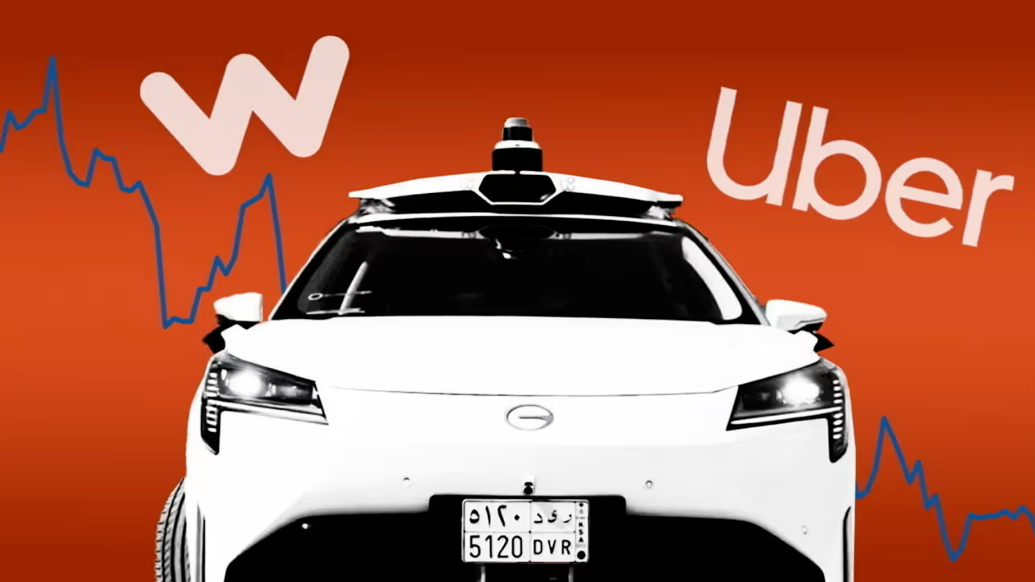
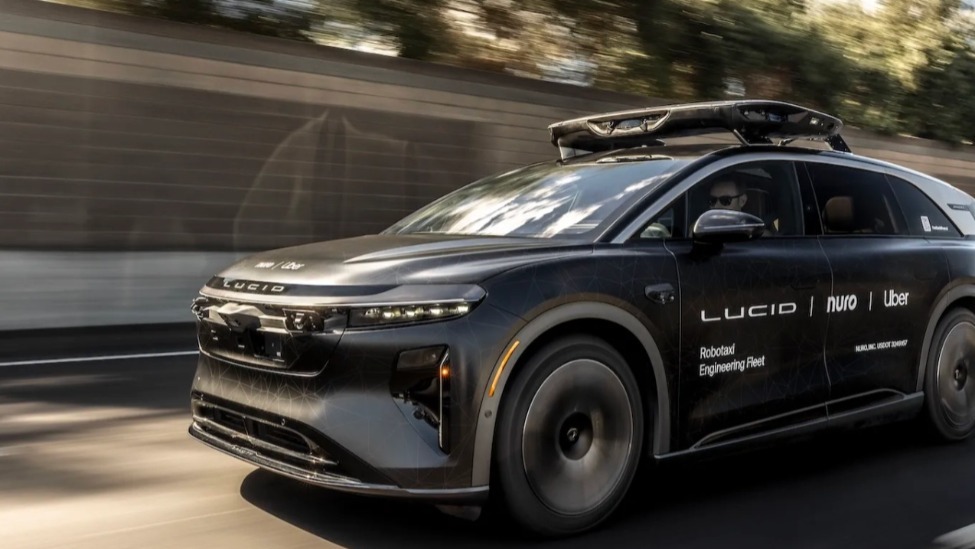
Uber is rapidly advancing its autonomous Robotaxi project in the US, investing over $10 billion to purchase and deploy AI-driven vehicles from partners like Lucid and Nuro. Employees are already testing the service with human safety drivers. No harm has occurred, but large-scale AI deployment poses future risks.[AI generated]

Why's our monitor labelling this an incident or hazard?

The article describes Uber's planned large-scale deployment and investment in autonomous driving technology, which involves AI systems. While no harm has yet occurred, the widespread use of autonomous vehicles could plausibly lead to AI incidents such as accidents or disruptions. Therefore, this event represents a plausible future risk related to AI systems, qualifying it as an AI Hazard rather than an incident or unrelated news.[AI generated]
AI principles
SafetyRobustness & digital security

Industries
Mobility and autonomous vehicles

Severity
AI hazard

Business function:
Logistics

AI system task:
Recognition/object detectionReasoning with knowledge structures/planning


Articles about this incident or hazard

Thumbnail Image

优步实施战略转向,百亿美元押注自动驾驶出租车 - FT中文网

2026-04-15
英国金融时报中文版
Why's our monitor labelling this an incident or hazard?
The article describes Uber's planned large-scale deployment and investment in autonomous driving technology, which involves AI systems. While no harm has yet occurred, the widespread use of autonomous vehicles could plausibly lead to AI incidents such as accidents or disruptions. Therefore, this event represents a plausible future risk related to AI systems, qualifying it as an AI Hazard rather than an incident or unrelated news.
Thumbnail Image

Uber优步加速Robotaxi自动驾驶出租车项目落地,员工已可预约试乘

2026-04-14
凤凰网(凤凰新媒体)
Why's our monitor labelling this an incident or hazard?
The event involves the use of AI systems in autonomous driving taxis, which are being tested with real users. However, there is no indication of any harm or incident caused by the AI system at this stage. The presence of human safety drivers further reduces immediate risk. The article describes ongoing deployment and testing, which could plausibly lead to future AI incidents if issues arise, but currently no harm has occurred. Therefore, this event is best classified as an AI Hazard, reflecting the plausible future risk associated with deploying autonomous AI-driven vehicles.
Thumbnail Image

防止被Robotaxi颠覆,Uber战略转型:豪掷百亿采购无人车入股供应商

2026-04-15
凤凰网(凤凰新媒体)
Why's our monitor labelling this an incident or hazard?
The article explicitly involves AI systems in the form of autonomous driving technology and robotaxis. Uber's investments and plans to deploy these AI systems in multiple cities indicate the use and development of AI with significant potential impact. However, there is no mention of any actual harm, malfunction, or incident caused by these AI systems so far. The focus is on strategic investment and future deployment, which could plausibly lead to AI-related harms such as accidents or disruptions. Hence, the event fits the definition of an AI Hazard rather than an AI Incident or Complementary Information.
Thumbnail Image

防止被Robotaxi颠覆,Uber战略转型:豪掷百亿采购无人车入股供应商-汽车频道-和讯网

2026-04-15
和讯网
Why's our monitor labelling this an incident or hazard?
The event involves AI systems (autonomous driving technology) and their development and use, but no direct or indirect harm has occurred yet. The article focuses on Uber's investment and strategic transformation to prepare for the autonomous taxi market, which is a potential future scenario. Therefore, it fits the definition of an AI Hazard, as the deployment of these AI systems could plausibly lead to incidents in the future, but no incident has yet materialized.
Thumbnail Image

美国造车新势力Lucid任命新CEO 获Uber及沙特增资 - CNMO科技

2026-04-14
smartcar.cnmo.com
Why's our monitor labelling this an incident or hazard?
The article involves AI systems implicitly through the mention of autonomous taxi vehicles, which rely on AI for operation. However, there is no indication of any realized harm, malfunction, or misuse related to these AI systems. The event is about new investments and leadership changes, which are business developments without direct or indirect harm or plausible future harm described. Therefore, this is Complementary Information as it provides context on AI ecosystem developments and investments but does not report an AI Incident or AI Hazard.
Thumbnail Image

智通财经APP获悉,Lucid Group(LCID.US)周二宣布,公司正获得优步(UBER.US)和沙特公共投资基金(PIF)旗下关联投资实体Ayar Third Investment的新一轮融资,同时将其与优步的自动驾驶出租车(Robotaxi)协议扩大至至少......

2026-04-14
证券之星
Why's our monitor labelling this an incident or hazard?
While the event involves AI systems (autonomous driving technology) and their development and deployment, there is no indication of any realized harm or incident caused by these AI systems. The article primarily reports on financial investment and strategic partnerships to advance autonomous vehicle projects, which is typical industry news without direct or indirect harm. Therefore, this is not an AI Incident or AI Hazard but rather complementary information about AI ecosystem developments.
Thumbnail Image

智通财经APP获悉,据分析师预测及知情人士透露的消息,全球网约车巨头优步(UBER.US)已承诺在未来几年内投入超过100亿美元,用于购买数千辆自动驾驶汽车及入股其技术开发商。这一重大战略转向标志着优步正式打破其赖......

2026-04-15
证券之星
Why's our monitor labelling this an incident or hazard?
The article describes Uber's planned use and development of AI-enabled autonomous driving systems but does not report any actual harm, malfunction, or violation resulting from these AI systems. The focus is on future deployment and investment, with potential benefits and risks implied but not realized. Therefore, this event represents a plausible future risk scenario related to AI systems, qualifying it as an AI Hazard rather than an AI Incident or Complementary Information. It is not unrelated because AI systems are central to the autonomous driving technology discussed.
Thumbnail Image

Uber启动战略转向,斥百亿美元巨资买自动驾驶车辆、投资相关企业

2026-04-15
新浪财经
Why's our monitor labelling this an incident or hazard?
The event involves AI systems (autonomous driving technology) and their development and use, but no direct or indirect harm has occurred yet. The article focuses on Uber's investment and strategic plans, which represent potential future risks or impacts associated with autonomous vehicles. Therefore, this qualifies as an AI Hazard because the deployment of autonomous taxis could plausibly lead to incidents involving harm in the future, but no incident has yet materialized.
Thumbnail Image

股价开盘大涨近6%!Lucid获优步及PIF追加投资7.5亿美元!

2026-04-15
k.sina.com.cn
Why's our monitor labelling this an incident or hazard?
The event involves AI systems (autonomous driving for Robotaxi) and their development and use, but there is no indication of any harm or malfunction occurring or any plausible immediate risk of harm. The article primarily discusses financial investment and strategic collaboration, which are typical developments in the AI ecosystem. Therefore, it does not meet the criteria for an AI Incident or AI Hazard. It is best classified as Complementary Information as it provides context and updates on AI system development and deployment plans.
Thumbnail Image

Uber战略转型 豪掷百亿采购无人车入股供应商 - cnBeta.COM 移动版

2026-04-15
cnBeta.COM
Why's our monitor labelling this an incident or hazard?
The event involves AI systems explicitly (autonomous driving cars and services) and concerns their large-scale deployment and investment. No direct or indirect harm has occurred yet, but the nature of autonomous vehicles and their integration into public transport systems plausibly could lead to incidents involving injury, disruption, or other harms. The article focuses on strategic investment and future deployment rather than any realized harm or incident. Hence, it fits the definition of an AI Hazard rather than an AI Incident or Complementary Information.