South Korean Government Cracks Down on AI-Generated Deepfake Election Content

Thumbnail Image

The information displayed in the AIM should not be reported as representing the official views of the OECD or of its member countries.

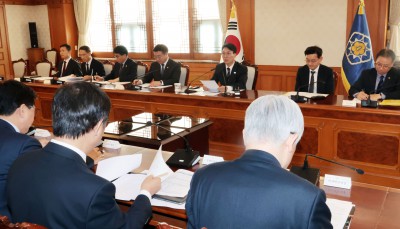
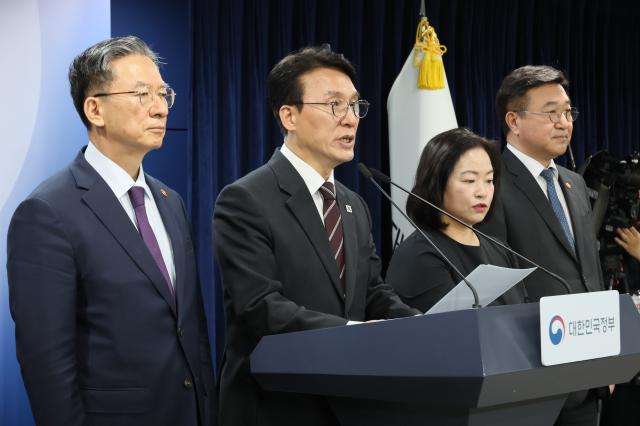
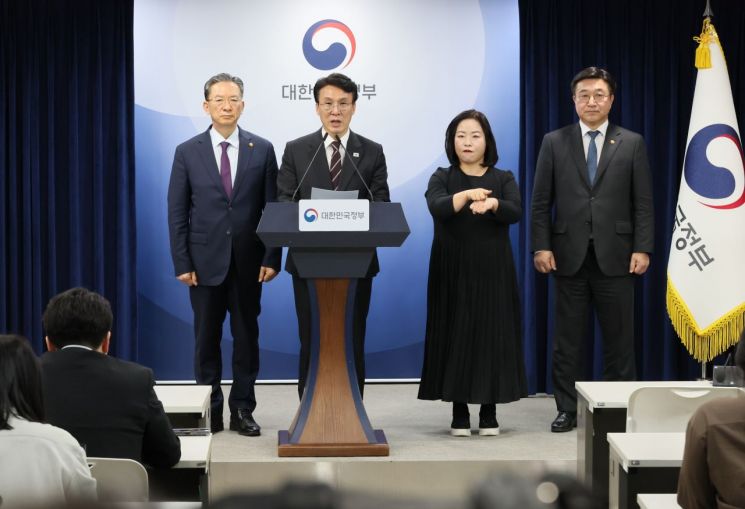
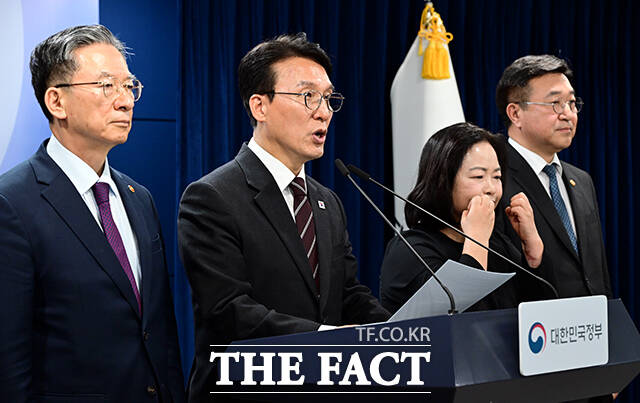
South Korea's government, led by Prime Minister Kim Min-seok, announced strict enforcement and maximum legal penalties against the use of AI-generated deepfake videos and fake news during elections. The misuse of generative AI is seen as a direct threat to electoral fairness and democratic trust, prompting new prohibitions and rapid response measures.[AI generated]

Why's our monitor labelling this an incident or hazard?

The article explicitly mentions AI systems in the context of AI-generated deepfake videos and fake news that could undermine election integrity. However, it does not describe any realized harm or incident caused by AI misuse; rather, it is a warning and policy announcement about preventing such harms. Therefore, this event represents a plausible future risk of harm from AI misuse in elections, qualifying it as an AI Hazard. It is not an AI Incident because no harm has yet occurred, nor is it Complementary Information since it is not an update on a past incident but a new government statement about potential risks and responses.[AI generated]
AI principles
Democracy & human autonomyTransparency & explainability

Industries
Government, security, and defenceMedia, social platforms, and marketing

Affected stakeholders
General public

Harm types
Public interest

Severity
AI hazard

AI system task:
Content generation


Articles about this incident or hazard

Thumbnail Image

金총리, 지선 D-50 대국민 담화..."AI 가짜뉴스 최대한 엄중처벌"(종합) | 연합뉴스

2026-04-14
연합뉴스
Why's our monitor labelling this an incident or hazard?
The article explicitly mentions AI systems in the context of AI-generated deepfake videos and fake news that could undermine election integrity. However, it does not describe any realized harm or incident caused by AI misuse; rather, it is a warning and policy announcement about preventing such harms. Therefore, this event represents a plausible future risk of harm from AI misuse in elections, qualifying it as an AI Hazard. It is not an AI Incident because no harm has yet occurred, nor is it Complementary Information since it is not an update on a past incident but a new government statement about potential risks and responses.
Thumbnail Image

김민석 "선거 기간 AI 가짜뉴스, 법이 허용하는 최대한으로 처벌" - 정치 | 기사 - 더팩트

2026-04-14
더팩트
Why's our monitor labelling this an incident or hazard?
The article centers on the government's intention to punish AI-generated fake news and deepfakes during elections to prevent harm, indicating a credible risk of AI misuse that could undermine democracy and social trust. Since no actual harm or incident has yet occurred, but there is a plausible risk of harm from AI misuse in the election context, this qualifies as an AI Hazard. It is not Complementary Information because the main focus is not on responses to a past incident but on warnings and preventive enforcement. It is not an AI Incident because no realized harm is reported.
Thumbnail Image

김민석 총리 "AI 딥페이크 영상 선거 90일 전부터 금지"

2026-04-14
뉴스핌
Why's our monitor labelling this an incident or hazard?
The event explicitly involves AI systems (generative AI creating deepfake videos) that have been used to spread false information during elections, which is a direct violation of democratic rights and harms communities by undermining trust in the electoral process. The announcement of legal prohibitions and penalties is a response to an ongoing harm caused by AI misuse. Since harm is occurring and the AI system's role is pivotal in causing this harm, this qualifies as an AI Incident rather than a hazard or complementary information.
Thumbnail Image

[6·3 지방선거] 金총리 "AI 가짜뉴스, 최대한 엄중히 처벌" | 아주경제

2026-04-14
아주경제
Why's our monitor labelling this an incident or hazard?
The event involves the use and potential misuse of AI systems (specifically AI-generated deepfakes and fake news) that can cause harm to communities by undermining democratic processes and spreading misinformation. However, the article focuses on the government's preventive and enforcement measures rather than reporting an actual incident of harm occurring. Therefore, this is a credible warning and response to a plausible risk of AI misuse leading to harm, fitting the definition of an AI Hazard rather than an AI Incident or Complementary Information.
Thumbnail Image

金총리 "선거 앞, AI 가짜뉴스 일벌백계...법 허용치 최대 처벌"

2026-04-14
아시아경제
Why's our monitor labelling this an incident or hazard?
The article explicitly discusses AI systems (generative AI creating deepfake videos and fake news) being used to spread misinformation during an election, which directly harms the fairness of the election and undermines democratic trust, constituting harm to communities and violation of democratic rights. The government's response to punish such acts and the mention of actual cases of AI-generated deepfake content being detected and acted upon confirm that harm is occurring. Hence, this is an AI Incident, not merely a hazard or complementary information.
Thumbnail Image

김민석 총리 "선거 기간 AI 가짜뉴스 일벌백계...최대한 엄중 처벌"

2026-04-14
매일일보
Why's our monitor labelling this an incident or hazard?
The article discusses the potential misuse of AI (deepfake technology) to spread fake news during elections, which could harm democratic processes and public trust. However, it does not report an actual AI Incident or a realized harm caused by AI, but rather a governmental warning and commitment to enforcement. This fits the definition of Complementary Information, as it provides context on societal and governance responses to AI-related risks without describing a specific AI Incident or AI Hazard event.