Anthropic Limits AI Cybersecurity Capabilities Amid U.S. Government Concerns

Thumbnail Image

The information displayed in the AIM should not be reported as representing the official views of the OECD or of its member countries.

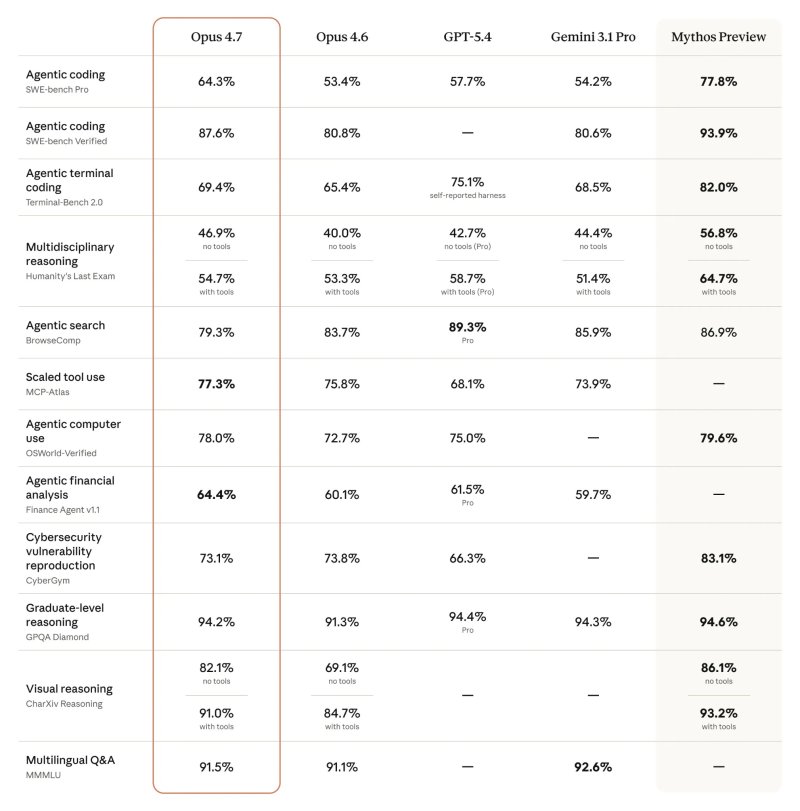
Anthropic's advanced AI model Mythos raised cybersecurity concerns due to its ability to find critical software bugs. In response, the U.S. government is considering protective measures for its use, and Anthropic released Opus 4.7 with intentionally reduced cybersecurity features to mitigate misuse risks.[AI generated]

Why's our monitor labelling this an incident or hazard?

The article explicitly involves an AI system (Anthropic's Mythos) with advanced capabilities in cybersecurity, including finding critical software bugs that could be exploited maliciously. The U.S. government's cautious approach and protective measures indicate awareness of potential risks. No actual harm or incident has been reported yet, but the potential for misuse leading to harm to critical infrastructure or data security is credible and significant. Hence, this is an AI Hazard, as the AI system's use could plausibly lead to an AI Incident involving disruption or harm, but such harm has not yet materialized.[AI generated]

AI principles
Robustness & digital securitySafety

Industries
Digital securityIT infrastructure and hosting

Affected stakeholders
General publicGovernment

Harm types
Public interestEconomic/Property

Severity
AI hazard

Business function:
ICT management and information security

AI system task:
Event/anomaly detection


Articles about this incident or hazard

Thumbnail Image

꼬리내린 미 정부?...미토스 위력에 공급망 위험 지정 앤트로픽 사용 재추진

2026-04-16
디지털데일리
Why's our monitor labelling this an incident or hazard?
The article explicitly involves an AI system (Anthropic's Mythos) with advanced capabilities in cybersecurity, including finding critical software bugs that could be exploited maliciously. The U.S. government's cautious approach and protective measures indicate awareness of potential risks. No actual harm or incident has been reported yet, but the potential for misuse leading to harm to critical infrastructure or data security is credible and significant. Hence, this is an AI Hazard, as the AI system's use could plausibly lead to an AI Incident involving disruption or harm, but such harm has not yet materialized.
Thumbnail Image

'미토스 쇼크' 앤트로픽, '오퍼스 4.7' 출시⋯"사이버 보안 성능 낮춰"

2026-04-16
브릿지경제
Why's our monitor labelling this an incident or hazard?
The event involves the development and use of an AI system (Opus 4.7) with intentionally lowered cyber security capabilities. While this design choice is meant to reduce potential national security risks, it also plausibly increases the risk of cyber security incidents if malicious actors exploit the model's weaker defenses. However, no actual harm or incident has been reported yet; the article describes a controlled experiment and safety measures to mitigate risks. Therefore, this situation represents a plausible future risk (AI Hazard) rather than a realized harm (AI Incident).
Thumbnail Image

앤트로픽, '오퍼스 4.7' 공개...미토스 충격 속 '성능보다 안전' | 아주경제

2026-04-17
아주경제
Why's our monitor labelling this an incident or hazard?
The event involves AI systems explicitly (Anthropic's AI models) and addresses concerns about AI safety and control. However, there is no indication that these AI systems have caused any direct or indirect harm (such as injury, rights violations, or disruption). The article mainly reports on the development and release of a safer AI model as a response to prior safety concerns, which is a governance and technical response to potential risks rather than an incident or hazard itself. Therefore, this qualifies as Complementary Information rather than an AI Incident or AI Hazard.
Thumbnail Image

'미토스 쇼크' 앤트로픽, 보안기능 조정한 '오퍼스 4.7' 공개

2026-04-17
파이낸셜뉴스
Why's our monitor labelling this an incident or hazard?
The event involves an AI system (Anthropic's Claude models) and addresses cybersecurity risks related to its capabilities. However, no actual harm or incident has occurred; rather, the company is proactively adjusting the AI's features to reduce potential misuse and is implementing safety controls. This fits the definition of Complementary Information, as it provides updates on mitigation efforts and governance responses to previously raised concerns without reporting a new AI Incident or AI Hazard.
Thumbnail Image

'미토스 파장' 앤스로픽, '오퍼스4.7' 출시..."사이버 특화 능력 의도적으로 낮춰"

2026-04-17
이투데이
Why's our monitor labelling this an incident or hazard?
The article explicitly discusses an AI system (Opus 4.7) and its development, including intentional limitation of cybersecurity capabilities to reduce misuse risk. It describes safety features and improved performance in other areas. There is no report of any harm caused by the AI system, nor any plausible imminent harm. The focus is on the company's response to prior security concerns and the introduction of safer AI capabilities. This fits the definition of Complementary Information, as it provides context and updates on AI system development and risk management without describing an AI Incident or AI Hazard.
Thumbnail Image

앤스로픽 '미토스 쇼크'에 베타 버전보다 보안 위험성 낮춘 '오퍼스4.7' 공개

2026-04-17
이투데이
Why's our monitor labelling this an incident or hazard?
The article explicitly mentions AI systems (Anthropic's AI models) and their development and use. It references a prior AI hazard incident ('Mithos Shock') involving a model with hacking capabilities that raised global security concerns, which fits the definition of an AI Hazard. The new model 'Opus 4.7' is released with reduced capabilities and enhanced security to mitigate these risks. No new harm or incident is reported from this release; rather, it is a response and mitigation effort to a previously known hazard. The article focuses on the company's cautious approach and security improvements, which aligns with Complementary Information as it updates on mitigation and governance responses to an existing AI hazard. There is no direct or indirect harm reported from the new model, nor is there a new plausible hazard beyond what was already known. Hence, the classification is Complementary Information.
Thumbnail Image

'미토스 충격' 앤트로픽, 보안 위험성 낮춘 '오퍼스4.7' 출시 | 연합뉴스

2026-04-16
연합뉴스
Why's our monitor labelling this an incident or hazard?
The article explicitly involves AI systems (Anthropic's Claude Mitos and Opus4.7 models) and discusses their development and use, particularly focusing on cybersecurity capabilities and associated risks. While there is significant concern about potential security threats these AI models could pose, the article does not report any actual incidents of harm or breaches caused by the AI. Instead, it highlights efforts to limit capabilities and implement safeguards to reduce risks, as well as governmental responses to these potential threats. This fits the definition of an AI Hazard, where the AI system's development and use could plausibly lead to harm (cybersecurity threats), but no direct or indirect harm has yet materialized.
Thumbnail Image

'미토스 충격'에...백악관, 제재했던 앤트로픽 모델사용 재추진(종합) | 연합뉴스

2026-04-16
연합뉴스
Why's our monitor labelling this an incident or hazard?
The article centers on the potential risks and regulatory considerations surrounding the deployment of a powerful AI model with advanced cybersecurity capabilities. While the AI system's development and potential use could plausibly lead to harms such as security breaches or misuse, no direct or indirect harm has occurred as per the article. Therefore, this event fits the definition of an AI Hazard, as it describes circumstances where the AI system's use could plausibly lead to an AI Incident in the future, but no incident has materialized yet.
Thumbnail Image

'미토스 충격'에...백악관, 제재했던 앤트로픽 모델사용 재추진(종합)

2026-04-16
Wow TV
Why's our monitor labelling this an incident or hazard?
The article centers on the potential security risks posed by the AI model and the government's efforts to establish safeguards before allowing its use. There is no indication that the AI system has caused any direct or indirect harm so far. The concerns and regulatory actions reflect a credible possibility that the AI system could lead to harm in the future, particularly regarding cybersecurity and national security. Therefore, this event fits the definition of an AI Hazard, as it plausibly could lead to an AI Incident but has not yet done so.
Thumbnail Image

美, '미토스 충격'에 앤트로픽 재추진 - 전파신문

2026-04-16
jeonpa.co.kr
Why's our monitor labelling this an incident or hazard?
The article explicitly involves an AI system (Anthropic's Claude Mitos and Claude Opus models) with advanced cybersecurity capabilities. The U.S. government's initial ban and current reconsideration reflect concerns about potential harms related to national security and cybersecurity vulnerabilities. Although no direct harm is reported yet, the potential for misuse or unintended consequences that could disrupt critical infrastructure or compromise security is credible. Therefore, this event qualifies as an AI Hazard, as the development and potential use of this AI system could plausibly lead to significant harms, but no actual harm has been reported so far.
Thumbnail Image

'미토스 충격'에 美 앤스로픽 퇴출 번복하나...재도입 검토

2026-04-16
아시아경제
Why's our monitor labelling this an incident or hazard?
The event involves an AI system (Anthropic's Claude Mitos model) whose deployment is being reconsidered by the U.S. government with attention to security and safety measures. There is no indication that the AI system has caused any harm or incident so far. The article highlights the potential for future use and the precautions being taken, which aligns with the definition of an AI Hazard, as the AI system's use could plausibly lead to harm if not properly managed. Since no harm has occurred yet, and the focus is on potential risks and regulatory responses, this is best classified as an AI Hazard.
Thumbnail Image

'미토스 충격'에...백악관, 제재했던 앤트로픽 모델사용 재추진(종합)

2026-04-17
파이낸셜뉴스
Why's our monitor labelling this an incident or hazard?
The article involves AI systems explicitly (Anthropic's Claude Mitos and Opus 4.7 models) and discusses their development, security risks, and government regulatory considerations. There is no indication that these AI models have caused any realized harm or incidents. Instead, the article highlights the potential security risks and the government's efforts to manage them before deployment. Therefore, this event fits the definition of an AI Hazard, as the AI systems' use could plausibly lead to incidents related to cybersecurity or national security, but no direct or indirect harm has yet occurred.