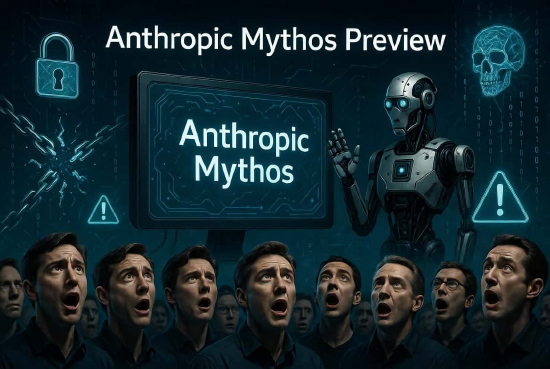
Anthropic's Mythos AI Model Sparks Global Cybersecurity and Financial System Fears

Thumbnail Image

The information displayed in the AIM should not be reported as representing the official views of the OECD or of its member countries.

Anthropic's advanced AI model, Mythos, can autonomously detect and exploit software vulnerabilities, raising alarms among governments, financial regulators, and tech firms. While intended for defensive use, Mythos has enabled rapid cyberattacks and data breaches, prompting restricted access, urgent risk assessments, and international calls for coordinated safeguards.[AI generated]

Why's our monitor labelling this an incident or hazard?

The event involves the use of advanced AI systems capable of automating and accelerating vulnerability discovery and exploitation processes. Although no specific harm has yet occurred, the article clearly states that these AI capabilities could plausibly lead to AI incidents involving disruption of critical infrastructure and cybersecurity breaches. Therefore, this constitutes an AI Hazard because it describes a credible and imminent risk of harm due to AI-accelerated cyberattacks. The article focuses on the potential threat and recommended mitigations rather than reporting an actual incident, so it is not an AI Incident. It is not merely complementary information because the main focus is the warning about plausible future harm from AI use in cyberattacks.[AI generated]
AI principles
Robustness & digital securityPrivacy & data governance

Industries
Digital securityFinancial and insurance services

Affected stakeholders
GovernmentBusiness

Harm types
Economic/PropertyHuman or fundamental rights

Severity
AI hazard

Business function:
ICT management and information security

AI system task:
Event/anomaly detection


Articles about this incident or hazard

Thumbnail Image

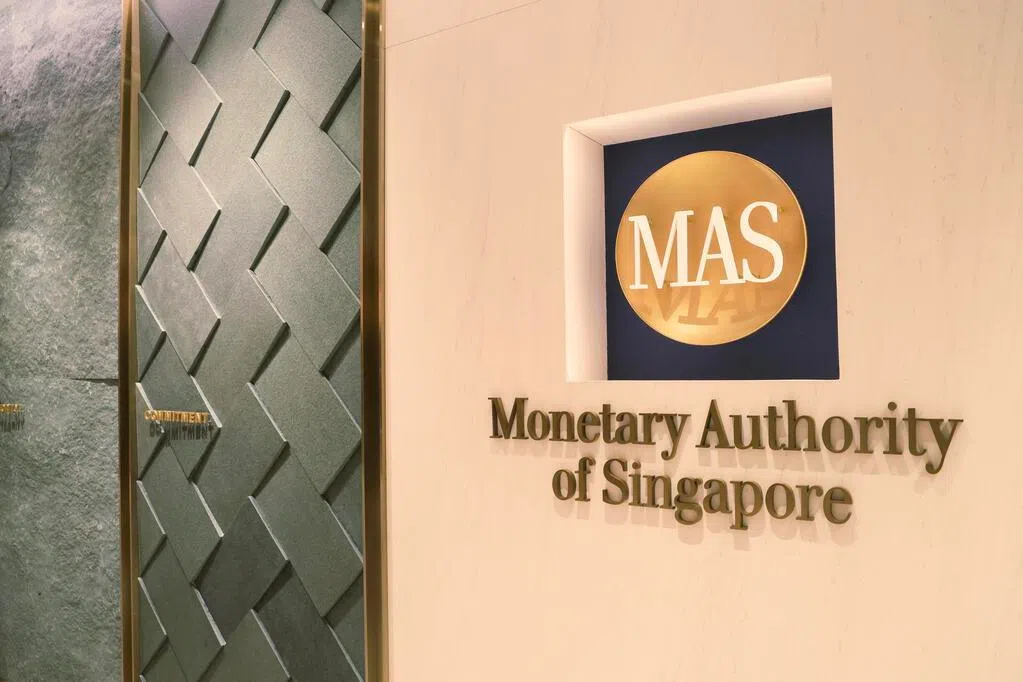
新加坡示警前沿AI恐改變漏洞利用節奏,要求銀行與關鍵基礎設施加速補強防線

2026-04-20
iThome Online
Why's our monitor labelling this an incident or hazard?
The event involves the use of advanced AI systems capable of automating and accelerating vulnerability discovery and exploitation processes. Although no specific harm has yet occurred, the article clearly states that these AI capabilities could plausibly lead to AI incidents involving disruption of critical infrastructure and cybersecurity breaches. Therefore, this constitutes an AI Hazard because it describes a credible and imminent risk of harm due to AI-accelerated cyberattacks. The article focuses on the potential threat and recommended mitigations rather than reporting an actual incident, so it is not an AI Incident. It is not merely complementary information because the main focus is the warning about plausible future harm from AI use in cyberattacks.
Thumbnail Image

Mythos能力強大但暗藏網攻風險 資安需求升級

2026-04-20
工商時報
Why's our monitor labelling this an incident or hazard?
The event involves an AI system (Claude Mythos) with advanced capabilities related to cybersecurity. The article explicitly mentions the risk that this AI could be exploited by malicious users to carry out cyberattacks, which could disrupt critical infrastructure or cause other harms. Since the harm is not yet realized but plausibly could occur due to the AI's capabilities and potential misuse, this situation fits the definition of an AI Hazard rather than an Incident or Complementary Information.
Thumbnail Image

遭列黑名單也無妨 傳美國家安全局仍在使用Anthropic模型

2026-04-20
工商時報
Why's our monitor labelling this an incident or hazard?
The event involves an AI system (Anthropic's Mythos Preview) with advanced autonomous capabilities used by a government agency (NSA). The article highlights concerns about the AI's potential to enhance cyberattacks, which is a plausible future harm. No direct or indirect harm has been reported yet. Therefore, this situation fits the definition of an AI Hazard, as the AI system's use could plausibly lead to an AI Incident involving cybersecurity harm, but no incident has occurred or been reported at this time.
Thumbnail Image

Mythos能力強大但暗藏網攻風險 資安需求升級-MoneyDJ理財網

2026-04-20
MoneyDJ理財網
Why's our monitor labelling this an incident or hazard?
Mythos is an AI system explicitly described as capable of performing complex cybersecurity offensive tasks, including exploiting vulnerabilities and conducting multi-step attacks. The article indicates that while these capabilities exist, the main concern is the potential misuse by malicious actors leading to cybercrime, which could cause harm to property, communities, or critical infrastructure. Since no actual harm or incident has been reported yet, but the risk of such harm is credible and plausible, this event fits the definition of an AI Hazard. The article also mentions responses and collaborations to mitigate these risks, but the primary focus is on the potential for harm rather than a realized incident.
Thumbnail Image

新加坡金管局要求银行补上安全漏洞 Mythos引发网络攻防新焦虑 - 财经 - 即时财经

2026-04-20
星洲日报
Why's our monitor labelling this an incident or hazard?
The event involves the use and potential misuse of an AI system (Mythos) that could plausibly lead to harm, specifically disruption of critical infrastructure through cybersecurity breaches. The regulatory response and warnings indicate a credible risk but no realized harm is described. Therefore, this qualifies as an AI Hazard, as the AI system's development and use could plausibly lead to an AI Incident involving cybersecurity harm to critical infrastructure.
Thumbnail Image

金管局要求银行加强网络防护 以应对人工智能风险

2026-04-20
早报
Why's our monitor labelling this an incident or hazard?
The article describes a credible potential risk stemming from the use or misuse of advanced AI systems (frontier AI models) that could lead to cyberattacks harming critical infrastructure and data security. However, it does not report any realized harm or incident caused by AI systems. Instead, it focuses on warnings, preparedness, and risk mitigation efforts by regulators and financial institutions. Therefore, this event fits the definition of an AI Hazard, as it plausibly could lead to an AI Incident but no incident has yet occurred.
Thumbnail Image

白宫寻求Mythos访问权 与Anthropic谈判有成效 | 川普 | 特朗普 | 人工智能

2026-04-18
The Epoch Times
Why's our monitor labelling this an incident or hazard?
The Mythos AI model is an AI system with advanced cybersecurity capabilities. The article highlights ongoing negotiations and government efforts to access and evaluate the model, reflecting concerns about potential national security risks. However, there is no indication that the AI system has caused any harm or incidents so far. The discussion of risks and the need for safety assessments indicates a plausible risk of future harm, qualifying this as an AI Hazard rather than an Incident or Complementary Information. It is not unrelated because the AI system and its potential impacts are central to the article.
Thumbnail Image

白宮尋求Mythos訪問權 與Anthropic談判有成效 | 川普 | 特朗普 | 人工智能

2026-04-18
The Epoch Times
Why's our monitor labelling this an incident or hazard?
The Mythos AI model is an AI system with advanced capabilities related to cybersecurity vulnerabilities. The article discusses the U.S. government's efforts to gain access to this system and the associated national security concerns, including its potential misuse by hackers. However, there is no indication that the AI system has directly or indirectly caused any harm so far. The focus is on the plausible future risks and the need for careful evaluation and control. Hence, the event fits the definition of an AI Hazard rather than an AI Incident or Complementary Information.
Thumbnail Image

AI新模型拉响网络安全攻防警报

2026-04-20
China News
Why's our monitor labelling this an incident or hazard?
The article explicitly involves an AI system (Claude Mythos Preview) with advanced autonomous capabilities to find and exploit software vulnerabilities. While the AI is currently used to enhance cybersecurity by identifying flaws, the article emphasizes the dual-use nature of the technology, warning that it could be weaponized by hackers, posing a credible threat to critical infrastructure and digital security. No actual harm or incident has been reported yet, but the potential for significant harm is clearly articulated and plausible. The responses by governments and financial institutions underscore the recognition of this risk. Hence, the event fits the definition of an AI Hazard rather than an AI Incident or Complementary Information.
Thumbnail Image

AI競賽白熱化:開放人工智慧推GPT-5.4-Cyber,人擇原理Mythos陷安全爭議

2026-04-20
Yahoo!奇摩股市
Why's our monitor labelling this an incident or hazard?
The article explicitly involves AI systems (Mythos and GPT-5.4-Cyber) with advanced autonomous capabilities in cybersecurity, including vulnerability detection and potential exploitation. While the AI systems are currently used responsibly with access controls, the dual-use nature and government concerns about supply chain risks and misuse indicate a credible risk of future harm. No actual harm or incident is reported, but the potential for misuse that could disrupt critical infrastructure or cause cyber harm is clear. Hence, this is an AI Hazard rather than an AI Incident or Complementary Information.
Thumbnail Image

白宮官員會晤Anthropic CEO,雙方討論使用人工智能模型Mythos

2026-04-20
Yahoo!奇摩股市
Why's our monitor labelling this an incident or hazard?
The article focuses on a productive meeting about the responsible use and potential deployment of an AI system (Mythos) by federal agencies, with no indication of harm or risk materializing or imminent. It is primarily about governance and collaboration, which fits the definition of Complementary Information rather than an AI Incident or AI Hazard.
Thumbnail Image

Mythos安全模型

2026-04-20
zhiding.cn
Why's our monitor labelling this an incident or hazard?
The Mythos AI model is an AI system with identified serious security vulnerabilities. The provision of early access to institutions for remediation indicates a proactive approach to prevent potential harm. Since no actual harm has occurred yet but there is a credible risk that these vulnerabilities could be exploited leading to harm, this situation qualifies as an AI Hazard rather than an AI Incident. The focus is on plausible future harm due to the AI system's vulnerabilities.
Thumbnail Image

新型安全模型

2026-04-20
zhiding.cn
Why's our monitor labelling this an incident or hazard?
The article discusses the development and controlled testing of an AI system designed to improve cybersecurity by detecting and fixing vulnerabilities. There is no mention of any realized harm, violation, or malfunction caused by the AI system. The focus is on the potential benefits and the need for automated repair mechanisms to keep pace with AI-accelerated vulnerability discovery. Therefore, this is best classified as Complementary Information, providing context and updates on AI applications in cybersecurity without reporting an incident or hazard.
Thumbnail Image

智通财经APP获悉,来自全球多国的最高级别金融监管机构近日普遍表示,他们正积极监测Anthropic处于初步测试阶段的全球最前沿人工智能模型Mythos的发展轨迹。一些聚焦于金融行业的资深技术专家称,该AI大模型可能具备被用于大规模破坏银行体系稳定的能力。专家们表示,Mythos在高水平Agent编程方面的无比强大能力,使其具备一种可能前所未有的识别网络安全系统漏洞的能力,这促使美联储、英国央行等全球一些最具影响力的广泛政策制定者与金融系统监管机构对Mythos发展轨迹加大审视力度,这些监管机构已经将Mythos视为可能撬动银行体系、支付清算与关键金融数据库安全的最核心新型风险源。前沿AI大模型Mythos已经具备攻击金融系统零日漏洞的超级能力,可谓正在倒逼金融监管从"机构级防御"转向"系统级韧性治理"。当前最紧迫的问题,不只是单个银行或数据库如何防守,而是全球银行监管机构、财政部门、全球央行与关键金融基础设施运营方,能否建立跨境信息共享、统一威胁评估、模型访问管理与应急协同机制。因为Mythos引发的真正困境,不在于它已经被证明摧毁了金融体系,而在于它让各国监管者第一次直面一个现实:AI能力演进速度,已经开始跑在金融安全治理框架之前。 在这种情况下,市场的恐慌与困惑并非情绪化反应,而是对"技术进步正在快于制度防线成形"的理性警报。来自澳大利亚证券与投资委员会(ASIC)的一位发言人周一表示:"ASIC正与同行监管机构们一道密切监测这些技术进展,以评估其对澳大利亚金融市场可能产生的影响。""ASIC与其他金融监管机构、政府机构以及金融业务执行部门保持密切沟通,以理解并应对不断变化的技术轨迹。"ASIC表示,其预计持牌金融服务机构应"走在前面",以保护其大型客户与顾客们。该国银行业监管机构 -- -- 澳大利亚金融审慎监管局(APRA)表示,该机构将"继续评估这些AI技术进步所带来的影响,以确保金融体系持续的安全性和韧性。"几乎同一时间,韩国金融监督院(FSS)周一表示,该机构已于上周一与本土的大型金融公司们的信息安全官员召开会议,审查与Mythos相关的风险。据了解,韩国联合通讯社报道称,该国金融委员会(FSC)于上周三与韩国国内的金融监督院、银行及保险公司的首席信息安全官们召开了紧急会议,以审查相关风险;该报道援引了未具名的行业消息人士。前沿AI逼近银行业"安全红线"! 全球金融监管机构严防AI冲击银行体系据悉,全球AI应用领军者Anthropic初步推出的Mythos不是普通AI聊天机器人,而是一个尚未公开全面发布的前沿通用大模型预览版,其最突出的能力集中在高阶代码理解、漏洞挖掘与漏洞利用生成。Anthropic 官方披露,Claude Mythos Preview已能在测试中发现并利用所有类型主流操作系统与主流浏览器中的"零日漏洞",并且在某些情况下下能够在较少人工干预下自主生成复杂exploit链。"零日漏洞"指的是软件、硬件或固件中此前未知、因而尚无补丁可修复的安全缺陷;一旦被发现并立即利用,防守方几乎没有准备时间,这也是它最危险的地方。之所以连美联储在内的全球金融监管机构都会紧张,是因为Mythos能够攻击系统零日漏铜的这种强大能力,意味着金融系统IT风险就不再只是单家机构被黑,如果AI大模型的这种能力把零日漏洞的发现、武器化和规模化利用门槛大幅压低,可能演变成账户盗取、支付中断、关键数据库暴露乃至金融稳定被摧毁的金融末日级别重大问题。Anthropic因此没有将其一般性开放,而是先通过 "Project Glasswing" 让一部分关键基础设施维护者们把它用于防御性安全工作。换句话说,Mythos 本质上是一个通用前沿模型 + 极强网络攻防能力的组合体,它的意义不只是"更会写代码",而是把过去只有顶级安全研究员才具备的部分能力,推进到了更高自动化、更高规模化的阶段。金融行业尤其恐惧它,核心不是"AI更聪明"这么简单,而是它可能把金融体系最脆弱的环节同时暴露出来:银行普遍运行着新旧技术叠加的复杂遗留系统,系统间高度互联、攻击面广,而 Mythos 这类模型恰恰擅长在这种复杂代码与协议环境中识别薄弱点,并推演利用路径。美联储、英国央行、欧洲央行以及澳大利亚金融监管机构都已把它视为可能显著强化网络攻击的新型风险源;英国央行行长贝利甚至直言,这类模型可能把"整个网络风险世界撬开"。从工程角度来看,Mythos真正可怕之处在于:高质量漏洞发现、利用链拼接、零日漏洞武器化和非专家可用化这几件事,过去都很难同时成立,而Mythos让它们开始收敛到同一个工具里,这对大型商业银行、支付、清算和市场基础设施体系这种"不能停、不能错、不能被攻破"的"大而不能倒行业",天然就是高压警报。

2026-04-20
证券之星
Why's our monitor labelling this an incident or hazard?
The event involves an AI system (Mythos) with advanced autonomous capabilities in cybersecurity offense and defense. Although no realized harm or incident has occurred, the AI's potential to exploit zero-day vulnerabilities and disrupt critical financial infrastructure constitutes a credible and significant risk. The global financial regulators' active monitoring and concern reflect the recognition of this plausible future harm. Therefore, this situation fits the definition of an AI Hazard, as it could plausibly lead to an AI Incident involving harm to financial system stability and critical infrastructure.
Thumbnail Image

Anthropic新型AI模型Mythos引发网络安全隐患

2026-04-21
ai.zhiding.cn
Why's our monitor labelling this an incident or hazard?
The article explicitly involves an AI system (Mythos) designed for cybersecurity tasks, including vulnerability detection and exploit generation. The AI's malfunction or misuse has directly led to harms such as increased cyberattacks, unauthorized data breaches, and espionage activities, fulfilling the criteria for injury to groups (harm to organizations and communities), violations of rights (security and privacy breaches), and harm to property (digital assets). The involvement of government officials and financial institutions underscores the severity and reality of these harms. The AI system's role is pivotal in these incidents, not speculative or potential, thus classifying this as an AI Incident rather than a hazard or complementary information.
Thumbnail Image

Anthropic将向英国银行开放Mythos AI安全模型预览权限

2026-04-20
net.zhiding.cn
Why's our monitor labelling this an incident or hazard?
The article centers on the use and controlled preview deployment of an AI system (Mythos) that identifies critical security vulnerabilities. While no direct harm has yet occurred, the AI's capabilities could plausibly lead to significant harm if misused by malicious actors, such as enabling sophisticated cyberattacks on banks and other institutions. The event is therefore best classified as an AI Hazard, as it involves a credible risk of future harm stemming from the AI system's capabilities and potential misuse. The proactive measures and controlled access are responses to this hazard, but the article does not describe an actual incident of harm caused by the AI system's deployment or malfunction. Hence, it is not an AI Incident or Complementary Information, and it is clearly related to AI systems, so it is not Unrelated.
Thumbnail Image

Anthropic发布Glasswing项目:用AI守护数据中心安全

2026-04-20
net.zhiding.cn
Why's our monitor labelling this an incident or hazard?
The article explicitly involves an AI system (Claude Mythos) used for security vulnerability detection and repair assistance, which fits the definition of an AI system. The use of this AI system is ongoing in a controlled environment, with no reported incidents of harm or breaches. The discussion of risks such as the AI's potential misuse to find vulnerabilities for exploitation and the repair paradox indicates plausible future harms. Since no actual harm has occurred but credible risks exist, the event fits the definition of an AI Hazard. It is not Complementary Information because the article focuses on the project launch and its implications rather than updates or responses to past incidents. It is not Unrelated because the AI system and its security implications are central to the article.
Thumbnail Image

Anthropic新模型專揭漏洞 威脅全球 - 20260419 - 經濟

2026-04-18
明報新聞網 - 即時新聞 instant news
Why's our monitor labelling this an incident or hazard?
The article explicitly involves an AI system (Claude Mythos Preview) designed to find software vulnerabilities. The AI's use is central to the event, and the potential for harm is significant, including threats to critical infrastructure and data security. However, the article does not report any realized harm or incidents caused by the AI system; rather, it discusses the plausible future harm and the measures being taken to mitigate risks. Therefore, this event fits the definition of an AI Hazard, as the AI system's development and use could plausibly lead to an AI Incident involving cybersecurity breaches or attacks if misused.
Thumbnail Image

AI新模型拉响网络安全攻防警报

2026-04-20
科学网
Why's our monitor labelling this an incident or hazard?
The AI system (Claude Mythos Preview) is explicitly described as having autonomous capabilities to find and exploit software vulnerabilities, which directly relates to the management and operation of critical infrastructure (harm category b). The article states that the AI has already discovered thousands of serious vulnerabilities, implying a direct link to potential or realized harm. The concern about misuse by hackers and the urgent governmental and financial sector responses further confirm the AI's pivotal role in a significant cybersecurity threat. Therefore, this event qualifies as an AI Incident due to the realized and ongoing harm and risk to critical infrastructure security caused by the AI system's use and potential misuse.
Thumbnail Image

美國防部與國安局不同調?美軍視Anthropic為風險 NSA卻密用Mythos | 鉅亨網 - 美股雷達

2026-04-20
Anue鉅亨
Why's our monitor labelling this an incident or hazard?
The article explicitly involves an AI system (Anthropic's Mythos model) used by the NSA and other government agencies for cybersecurity tasks. The Department of Defense considers Anthropic a supply chain risk, indicating concerns about potential future harm. The article does not report any realized harm or incident caused by the AI system but discusses the plausible risks and internal government disagreements about its use. Therefore, the event fits the definition of an AI Hazard, as it plausibly could lead to harm due to the AI system's capabilities and the policy conflicts, but no direct or indirect harm has yet occurred.
Thumbnail Image

AI競賽白熱化:OpenAI 推GPT-5.4-Cyber,Anthropic Mythos陷安全爭議 | yam News

2026-04-20
蕃新聞
Why's our monitor labelling this an incident or hazard?
The article explicitly discusses AI systems (Mythos and GPT-5.4-Cyber) with advanced capabilities in cybersecurity, including identifying vulnerabilities and potentially creating exploits. While no specific harm has yet been reported as occurring, the dual-use nature and government concerns about misuse indicate a credible risk of future harm, such as cyberattacks or critical infrastructure disruption. The involvement of AI in development and use, combined with the plausible risk of harm, fits the definition of an AI Hazard. There is no indication that actual harm has occurred yet, so it is not an AI Incident. The article is not merely complementary information or unrelated news, as it focuses on the risks and potential harms associated with these AI systems.
Thumbnail Image

Anthropic發表Claude Opus 4.7強化AI安全 同期更強大模型恐引資安危機 | yam News

2026-04-19
蕃新聞
Why's our monitor labelling this an incident or hazard?
The article explicitly involves AI systems (Claude Opus 4.7 and Mythos) and discusses their development and use. While Claude Opus 4.7 includes safety mechanisms, the Mythos model's capabilities to exploit system vulnerabilities and perform advanced hacking tasks represent a credible and significant cybersecurity threat. The warnings from high-level government officials and financial institutions about potential misuse and the risk of large-scale identity theft and internal threats indicate plausible future harm. No actual harm is reported yet, but the described circumstances and concerns meet the criteria for an AI Hazard, as the AI systems could plausibly lead to incidents involving harm to property, communities, or critical infrastructure through cybersecurity breaches. Therefore, this event is best classified as an AI Hazard.
Thumbnail Image

新浪人工智能热点小时报丨2026年04月21日00时_今日实时人工智能热点速递

2026-04-20
k.sina.com.cn
Why's our monitor labelling this an incident or hazard?
The article primarily covers discussions and collaborations around AI safety, governance, and industry developments without reporting any realized harm or incidents caused by AI systems. The meeting between the White House official and Anthropic CEO is about assessing AI model safety, indicating precaution rather than harm. The judicial and industry events focus on standards and cooperation, and Adobe's product launch is a market response to competition, not an incident or hazard. Therefore, this is Complementary Information as it enhances understanding of AI developments and governance without describing a new AI Incident or Hazard.
Thumbnail Image

AI模型为何牵动美欧金融业敏感神经

2026-04-20
k.sina.com.cn
Why's our monitor labelling this an incident or hazard?
The article explicitly involves an AI system (Claude Mythos) with advanced autonomous capabilities relevant to cybersecurity in the financial sector. While no direct harm has yet occurred, the AI's demonstrated ability to create complex attack chains and bypass security measures could plausibly lead to significant harm to critical financial infrastructure, which fits the definition of an AI Hazard. The article focuses on the potential risks and the need for regulatory and defensive responses, without reporting any realized incident of harm. Hence, it does not meet the criteria for an AI Incident but clearly qualifies as an AI Hazard due to the credible threat posed by the AI model's capabilities and potential misuse.
Thumbnail Image

Anthropic的新模型震动华府,AI安全共识面临考验

2026-04-21
k.sina.com.cn
Why's our monitor labelling this an incident or hazard?
The event involves an AI system (Mythos) with advanced capabilities in cybersecurity vulnerability detection. Although no actual harm has occurred, the article emphasizes the potential dangers and dual-use risks associated with the model, which could plausibly lead to significant harms such as exploitation of vulnerabilities or misuse in cyberattacks. The company's decision to withhold public release and form a defense alliance indicates recognition of these risks. Therefore, this event fits the definition of an AI Hazard, as it plausibly could lead to AI Incidents involving harm to critical infrastructure or security breaches if misused or released without controls.
Thumbnail Image

揪出27年陳年漏洞!Anthropic新模型實力太狂「金融界」卻陷入集體焦慮? | ETtoday AI科技 | ETtoday新聞雲

2026-04-20
ETtoday AI科技
Why's our monitor labelling this an incident or hazard?
Claude Mythos is an AI system with advanced cybersecurity capabilities. Although no actual harm has been reported, the article highlights credible concerns and warnings from financial authorities and cybersecurity experts that misuse of this AI could plausibly lead to significant harm, such as cyberattacks threatening critical infrastructure and financial systems. Therefore, this event fits the definition of an AI Hazard, as it plausibly could lead to an AI Incident in the future. The article also includes some complementary information about responses and expert opinions, but the main focus is on the potential risk posed by the AI system.
Thumbnail Image

Mythos引发网络攻防新焦虑 新加坡金管局要求银行补上安全漏洞 - cnBeta.COM 移动版

2026-04-20
cnBeta.COM
Why's our monitor labelling this an incident or hazard?
The AI system Mythos is explicitly mentioned as a new AI model considered dangerous and potentially accelerating the discovery and exploitation of software vulnerabilities. The regulatory response to strengthen defenses indicates recognition of plausible future harm. No actual incident or realized harm is reported, only warnings and preventive measures. Therefore, this event fits the definition of an AI Hazard, as it involves plausible future harm due to the AI system's use or capabilities.
Thumbnail Image

Mythos 能力強大但暗藏網攻風險 資安需求升級

2026-04-20
TechNews 科技新報
Why's our monitor labelling this an incident or hazard?
The article explicitly describes an AI system (Claude Mythos) with advanced capabilities in cybersecurity vulnerability detection and exploitation, which can be reasonably inferred as an AI system due to its described functions and testing results. The concerns about malicious use by cybercriminals to conduct large-scale ransomware attacks indicate a credible risk of harm to property, communities, and possibly critical infrastructure. Since no actual harm has yet occurred but the risk is credible and recognized by experts, this fits the definition of an AI Hazard rather than an AI Incident. The article also mentions responses such as the Glasswing Project to mitigate risks, but the main focus is on the potential for harm rather than a realized incident.
Thumbnail Image

NSA据称已接入Anthropic高风险AI模型Mythos - cnBeta.COM 移动版

2026-04-20
cnBeta.COM
Why's our monitor labelling this an incident or hazard?
The event involves the use of a high-risk AI system by a government agency (NSA) with acknowledged potential for offensive cyber operations and national security risks. Although the AI system is in active use, the article does not report any actual harm or incident caused by the AI system so far. The concerns and disputes about the AI's risks and restricted access indicate plausible future harm but no realized harm. Therefore, this qualifies as an AI Hazard, as the AI system's use could plausibly lead to an AI Incident involving harm to critical infrastructure or national security, but no incident has yet occurred or been reported.
Thumbnail Image

只是表面封殺?傳美國國家安全局正在秘密使用Anthropic最新資安AI模型「Mythos」 | udn科技玩家

2026-04-20
udn科技玩家
Why's our monitor labelling this an incident or hazard?
The article explicitly involves an AI system (Anthropic's Mythos model) used by a government intelligence agency for cybersecurity tasks. There is no report of actual harm or incident caused by the AI system, but the secretive use despite official bans and ongoing legal disputes suggests a credible risk of future harm, such as security vulnerabilities or governance failures. The event does not focus on responses or updates to a past incident, so it is not Complementary Information. It is not unrelated since AI system use is central. Hence, the classification as an AI Hazard is appropriate.
Thumbnail Image

AI新模型拉响网络安全攻防警报

2026-04-20
zhpd.dahe.cn
Why's our monitor labelling this an incident or hazard?
The AI system (Claude Mythos Preview) is explicitly described as having advanced autonomous capabilities to find and exploit vulnerabilities, which could be used maliciously by hackers to disrupt critical infrastructure, posing a credible threat to cybersecurity. Although no actual harm has yet been reported, the potential for significant harm is clearly articulated and recognized by governments and industry leaders, who are taking urgent measures. This fits the definition of an AI Hazard, as the AI's development and potential misuse could plausibly lead to an AI Incident involving disruption of critical infrastructure and harm to communities. There is no indication that harm has already occurred, so it is not an AI Incident. The article is not merely complementary information because the main focus is on the risk posed by the AI system and the urgent responses to it, not just updates or responses to past incidents.
Thumbnail Image

Anthropic新AI模型引发网络攻击担忧 日本及澳大利亚保持密切关注

2026-04-22
新浪财经
Why's our monitor labelling this an incident or hazard?
The AI system Mythos is explicitly mentioned and is described as capable of enabling complex cyberattacks, which could disrupt critical infrastructure such as financial systems. The unauthorized access to the model increases the risk of misuse. Although no harm has yet occurred, the credible concern and active monitoring by financial regulators indicate a plausible future risk of harm. Therefore, this event fits the definition of an AI Hazard, as it involves the development and potential misuse of an AI system that could plausibly lead to an AI Incident involving disruption of critical infrastructure.
Thumbnail Image

亞馬遜加碼投資Anthropic達50億美元 深化雙方合作 | 國際 | 中央社 CNA

2026-04-21
Central News Agency
Why's our monitor labelling this an incident or hazard?
The article primarily focuses on investment, collaboration, and strategic developments in AI between Amazon and Anthropic. While it references potential cybersecurity risks leading to withholding public release of a new AI model, there is no indication that any harm has occurred or that the AI system has malfunctioned or been misused. The government interactions and past disputes are mentioned as context but do not describe realized harm or direct threats. Therefore, this is complementary information providing context on AI ecosystem developments and governance-related interactions, not an AI Incident or AI Hazard.
Thumbnail Image

Mythos使用權 Anthropic擬向歐洲銀行開放

2026-04-21
工商時報
Why's our monitor labelling this an incident or hazard?
The AI system Mythos is explicitly mentioned and is designed to detect cybersecurity vulnerabilities, which is a task indicative of AI. The article highlights concerns about the model's potential misuse by hackers to breach bank security, which could disrupt critical infrastructure. Although no incident of harm has occurred yet, the potential for such harm is credible and significant. Thus, the event fits the definition of an AI Hazard, as it plausibly could lead to an AI Incident involving disruption of critical infrastructure. There is no indication that harm has already occurred, so it is not an AI Incident. The article is not merely complementary information or unrelated news, as it focuses on the potential risks associated with the AI system's deployment.
Thumbnail Image

萤石发布搭"星辰世界模型"的蒸汽洗地机-36氪

2026-04-22
36氪:关注互联网创业
Why's our monitor labelling this an incident or hazard?
The event involves the use of an AI system (Mythos AI model) in banking institutions, but there is no indication of any harm or incident caused by the AI system. The article focuses on the planned rollout and safety review process, which is a governance and deployment update rather than an incident or hazard. Therefore, it qualifies as Complementary Information, providing context on AI adoption and safety measures without reporting any realized or potential harm.
Thumbnail Image

Mozilla發布Firefox 150,修補Claude Mythos找到的271個漏洞

2026-04-22
iThome Online
Why's our monitor labelling this an incident or hazard?
The article explicitly mentions the use of an AI system (Claude Mythos) to find security vulnerabilities, which is a clear AI system involvement in the development and use phase. However, the event describes a positive outcome—vulnerabilities were found and patched, preventing potential harm. There is no realized harm or incident caused by the AI system, nor is there a plausible future harm from its use described. The event is about the AI system's role in improving cybersecurity and is thus complementary information about AI's beneficial application and impact on the ecosystem.
Thumbnail Image

Anthropic AI 新模型揭資安隱憂 助防禦亦恐為駭客利器

2026-04-22
Yahoo!奇摩股市
Why's our monitor labelling this an incident or hazard?
An AI system is explicitly involved (Claude Mythos Preview) in cybersecurity vulnerability detection. The use of this AI system has directly led to improved identification of security flaws, which is beneficial. However, the article also discusses the plausible future misuse of such AI capabilities by cybercriminals to launch attacks, which could cause harm to property, communities, or critical infrastructure. Since no actual harm from misuse is reported yet, but a credible risk is identified, this event qualifies as an AI Hazard rather than an AI Incident. The article focuses on both the current use and the potential risks, but the realized harm is not described, so it is not an Incident. It is more than just complementary information because it highlights a credible future risk.
Thumbnail Image

AI犯罪風暴來襲!微軟攔截40億美元詐騙、Anthropic揭露資安防禦新戰略

2026-04-22
Yahoo!奇摩股市
Why's our monitor labelling this an incident or hazard?
The article explicitly mentions AI systems being used by criminals to generate malicious content and conduct cyberattacks that have caused significant financial harm (fraud worth billions). Microsoft's interception of these attacks confirms the AI systems' direct involvement in causing harm. The use of AI to automate and scale attacks fits the definition of an AI Incident, as the AI system's use has directly led to harm to people and communities through fraud and cybercrime. The mention of Anthropic's defensive AI model and collaborative projects is complementary information about responses to these harms but does not negate the classification of the main event as an AI Incident.
Thumbnail Image

恐發動毀滅性網攻?神秘模型 Mythos 爆外流 日財相、澳央行緊急應戰 | 國際焦點 | 國際 | 經濟日報

2026-04-22
Udnemoney聯合理財網
Why's our monitor labelling this an incident or hazard?
The AI system Mythos is explicitly mentioned as having the capability to conduct complex and dangerous cyberattacks by exploiting system vulnerabilities. The unauthorized use of this AI model and its potential to cause harm to critical infrastructure (financial institutions) constitutes a plausible and credible risk of harm. Although no actual cyberattack harm is reported yet, the situation clearly indicates a credible threat that could lead to an AI Incident. Therefore, this event qualifies as an AI Hazard due to the plausible future harm from the AI system's misuse or malfunction.
Thumbnail Image

亞馬遜加碼投資Anthropic達50億美元 深化雙方合作 | 國際焦點 | 國際 | 經濟日報

2026-04-21
Udnemoney聯合理財網
Why's our monitor labelling this an incident or hazard?
The event involves AI systems as Anthropic develops AI models and infrastructure, and Amazon supports this development. However, the article does not describe any harm caused or any incident where AI use or malfunction led to harm. The mention of potential cybersecurity risks and ethical concerns is precautionary and does not describe an actual incident or a plausible immediate hazard. The focus is on investment, collaboration, and governance dialogue, which fits the definition of Complementary Information rather than an AI Incident or AI Hazard.
Thumbnail Image

Mythos:新AI模型引发的恐慌,是真实威胁还是公关炒作?

2026-04-21
ai.zhiding.cn
Why's our monitor labelling this an incident or hazard?
The article does not describe any realized harm or direct/indirect involvement of the Mythos AI model causing injury, rights violations, or other harms. It also does not present a credible or specific plausible future harm scenario but rather debates the authenticity of risk claims and marketing narratives. The focus is on the discourse and strategic communication by Anthropic and the AI industry, which fits the definition of Complementary Information as it enhances understanding of AI ecosystem dynamics without reporting a new incident or hazard.
Thumbnail Image

AI犯罪風暴來襲?微軟攔截40億美元詐騙、Anthropic揭露資安防禦新戰略 | yam News

2026-04-22
蕃新聞
Why's our monitor labelling this an incident or hazard?
The article explicitly mentions AI systems being used by criminals to perpetrate large-scale fraud and cyberattacks, causing direct harm to victims (financial loss and security breaches). Microsoft's AI systems blocking these attacks further confirm the AI involvement in harm. The development of defensive AI tools by Anthropic is a response to these harms but does not negate the fact that harm has occurred. The harms fall under (a) injury or harm to persons (financial harm) and (e) other significant harms where AI's role is pivotal. Hence, the event is best classified as an AI Incident.
Thumbnail Image

美公司研發先進資安防禦模型 可找出軟體系統漏洞

2026-04-21
公共電視
Why's our monitor labelling this an incident or hazard?
The AI system (Mythos) is explicitly described as an advanced AI model capable of finding software vulnerabilities. The article discusses both its beneficial use and the credible risk of malicious use leading to large-scale cyberattacks, which would disrupt critical infrastructure and harm communities. Since no actual incident of harm is reported but the potential for harm is clearly articulated and plausible, this fits the definition of an AI Hazard rather than an AI Incident. The article also notes that Anthropic has limited access to the model to mitigate risks, reinforcing the recognition of potential future harm.
Thumbnail Image

智通财经APP获悉,据报道,一小群未经授权的用户访问了Anthropic PBC公司的新型 Mythos AI 模型。该公司曾警告称,这一模型能力极强,可能被用于实施高危网络攻击。知情人士透露,在Anthropic首次宣布计划向少数公司发布该模型以供测试的同一天,某私密网络论坛中的几名用户就已获取了Mythos的访问权限。自那时起,这群用户一直在定期使用Mythos,但并非用于网络安全目的。该人士提供截图与演示证实了此事。Anthropic公司表示,Mythos能够在用户指示下识别并利用"所有主流操作系统和主流网络浏览器中的漏洞"。因此,该公司特意通过一项名为 "Glasswing 项目" 的计划,确保这项技术仅向特定软件开发商开放,目的是让这些企业测试并加固自身系统,防范潜在网络攻击。此次未公开的泄露事件,凸显出Anthropic在管控前沿高风险AI技术扩散时所面临的严峻挑战。这起事件也引发外界质疑:是否还有其他人员在未经许可的情况下使用Mythos,以及他们这样做是出于何种目的。知情人士透露,这些用户主要通过第三方承包商权限、网络信息探测工具,结合从Mercor数据泄露事件中获取的模型地址格式信息,成功访问了 Mythos。这些用户隶属于一个专注挖掘未发布AI模型的私密Discord群组。知情人士还表示,这些用户仅出于兴趣研究新模型,并未执行恶意操作,主要进行搭建网页等简单任务以避免被检测。此外,这批人员还获取了Anthropic多款其他未发布模型的访问权限。Anthropic 一位发言人在声明中表示:"我们正在调查一则报道,该报道声称有人通过我们的第三方供应商环境未经授权访问了Claude Mythos Preview。"该公司称,目前没有证据表明报道提到的访问超出了第三方供应商的环境范围,也没有证据表明该访问影响了Anthropic的任何系统。目前,Anthropic 已允许苹果公司、亚马逊公司、思科系统公司以及其他数十家机构开始试用Mythos。作为Anthropic的重要合作伙伴和资助方,亚马逊还通过其 Bedrock 平台向部分获准机构提供Mythos服务。近期,欧美多国金融机构与政府部门正争相申请加入Mythos测试名单,以加强自身网络安全防护。值得注意的是,Mythos早期测试信息披露曾引发市场震荡:3 月下旬,随着该模型能够自主发现漏洞、绕过现有网络防御的潜在风险逐步曝光,市场担忧情绪升温,网络安全板块集体承压,CrowdStrike、Palo Alto Networks、Zscaler 等多只相关个股显著下跌。由于无法获得访问权限、对模型实际功能了解有限,银行与政府机构也普遍对此感到担忧。据报道,美国财政部长贝森特与美联储主席鲍威尔紧急召集花旗、摩根士丹利、美银、富国银行、高盛等华尔街大行高管举行闭门会议;与此同时,英国央行行长贝利呼吁全球监管机构快速评估该模型威胁,加拿大央行也已召集金融机构就相关风险展开讨论。

2026-04-22
证券之星
Why's our monitor labelling this an incident or hazard?
The Mythos AI system is explicitly described as an AI system with capabilities to identify and exploit software vulnerabilities, which is a clear AI system involvement. The event involves unauthorized use (misuse) of the AI system, which could plausibly lead to high-risk cyberattacks, a form of harm to critical infrastructure and potentially to communities and property. Although the unauthorized users have not yet caused harm, the potential for such harm is credible and significant. The company and regulators are actively investigating and responding, but no confirmed incident of harm has occurred. Hence, the event fits the definition of an AI Hazard rather than an AI Incident or Complementary Information.
Thumbnail Image

有未经授权用户采访Mythos AI模型,Anthropic回应称正在调查

2026-04-22
k.sina.com.cn
Why's our monitor labelling this an incident or hazard?
The event involves an AI system (Claude Mythos) with advanced capabilities related to cybersecurity. Unauthorized users accessed the system without permission, which is a misuse of the AI system. While no direct harm has yet occurred, the breach demonstrates a credible risk of future harm, including potential exploitation of the AI's capabilities for malicious purposes. Since the harm is plausible but not realized, this fits the definition of an AI Hazard rather than an AI Incident. The event is not merely complementary information because it reports a concrete unauthorized access event with security implications, nor is it unrelated as it directly involves an AI system and potential harm.
Thumbnail Image

新浪人工智能热点小时报丨2026年04月22日08时_今日实时人工智能热点速递

2026-04-22
k.sina.com.cn
Why's our monitor labelling this an incident or hazard?
The article does not describe any AI Incident or AI Hazard. It mainly reports on ongoing AI competition, AI adoption in industry and research, infrastructure improvements, and labor market impacts, all without indication of harm or risk of harm. These are typical examples of Complementary Information, as they provide context and updates about AI's evolving role and influence without reporting specific harms or credible threats.
Thumbnail Image

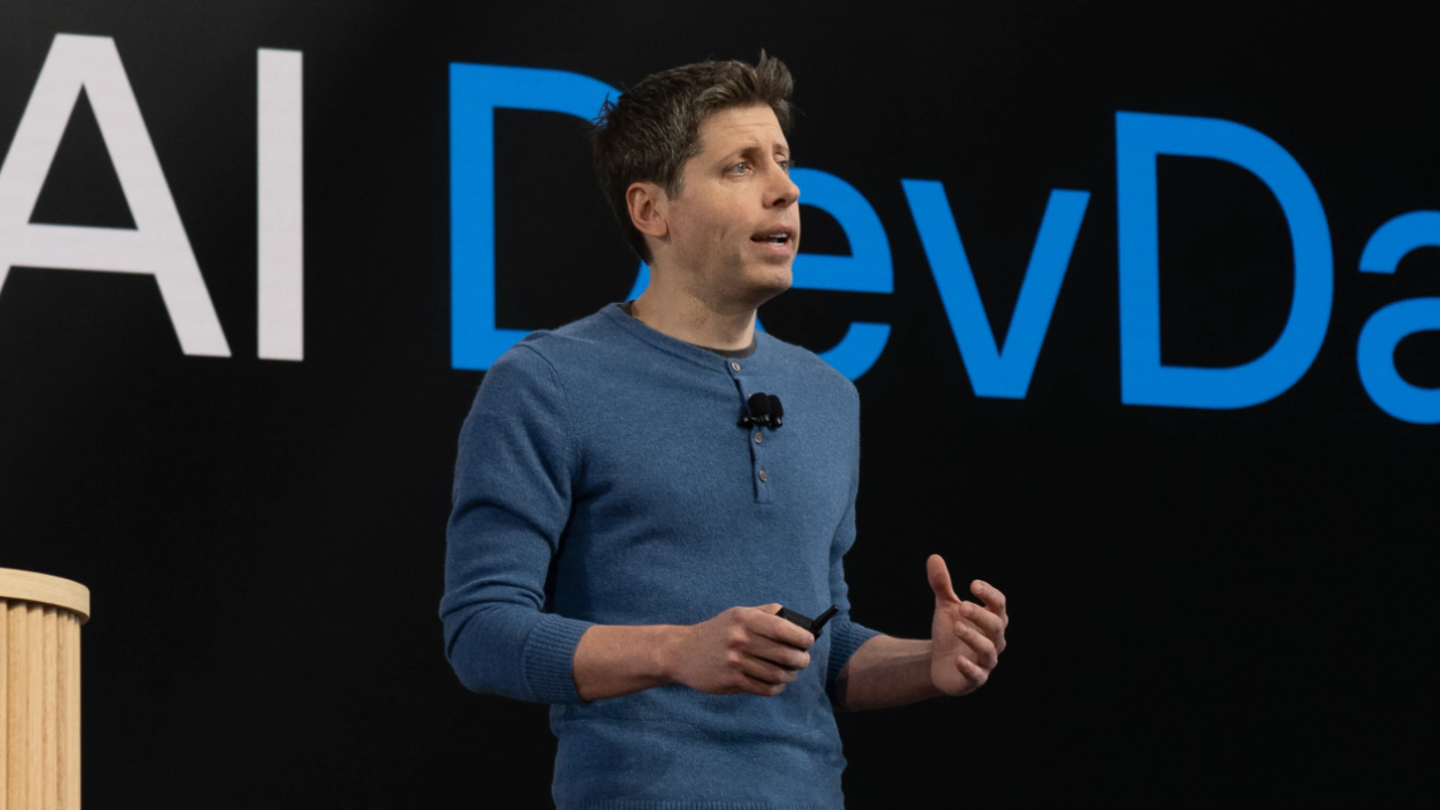
OpenAI CEO 奥尔特曼炮轰 Anthropic:为 Mythos"制造恐慌式营销"

2026-04-21
新浪财经
Why's our monitor labelling this an incident or hazard?
The event involves AI systems and their marketing but does not describe any realized harm or a credible risk of harm caused or potentially caused by the AI system. The focus is on public statements and industry critique, which falls under providing contextual and governance-related information about AI. Therefore, it qualifies as Complementary Information rather than an AI Incident or AI Hazard.
Thumbnail Image

特朗普称Anthropic"表现良好" 愿与五角大楼达成协议 - cnBeta.COM 移动版

2026-04-21
cnBeta.COM
Why's our monitor labelling this an incident or hazard?
The article does not report any realized harm or incident caused by Anthropic's AI systems. It discusses government concerns, legal disputes, and cooperative efforts to assess and manage AI risks, which aligns with complementary information about societal and governance responses to AI. The mention of potential supply chain risks and cybersecurity capabilities relates to plausible concerns but does not describe an actual AI hazard event causing harm. Therefore, the article fits the definition of Complementary Information rather than an AI Incident or AI Hazard.
Thumbnail Image

Mythos模型据悉被未经授权用户访问 Anthropic曾称其技术极其强大 - cnBeta.COM 移动版

2026-04-22
cnBeta.COM
Why's our monitor labelling this an incident or hazard?
The event involves an AI system (Mythos model) that is extremely powerful and capable of exploiting software vulnerabilities. Unauthorized access to this AI system has occurred, which could plausibly lead to significant harms such as dangerous cyberattacks. Although no direct harm has been reported yet, the potential for harm is credible and significant given the AI's capabilities and the nature of the unauthorized access. This fits the definition of an AI Hazard, as the development and use of the AI system could plausibly lead to an AI Incident. There is no indication that harm has already occurred, so it is not an AI Incident. The event is not merely complementary information or unrelated news, as it concerns unauthorized use and potential misuse of a powerful AI system.
Thumbnail Image

AI模型Mythos遭未授權存取 Anthropic展開調查 | 科技 | 中央社 CNA

2026-04-22
Central News Agency
Why's our monitor labelling this an incident or hazard?
The article explicitly mentions an AI system (Mythos) and unauthorized access to it. The misuse is ongoing but no direct harm or incident has been reported yet. The potential for harm is credible given the AI's powerful capabilities and the risk of misuse. Anthropic's investigation indicates recognition of the risk. Since no actual harm has been confirmed, this fits the definition of an AI Hazard rather than an AI Incident. It is not merely complementary information because the unauthorized access itself is a significant event with plausible future harm.
Thumbnail Image

Anthropic尖端模型Mythos遭外流!最強AI遭未授權存取 官方啟動調查

2026-04-22
工商時報
Why's our monitor labelling this an incident or hazard?
The event involves an AI system (Anthropic's Mythos model) that has been accessed without authorization. The misuse of this AI system, which is designed for cybersecurity defense, could plausibly lead to harms such as security breaches or exploitation of vulnerabilities. Since the unauthorized use is ongoing and the AI's capabilities are powerful, there is a credible risk of future harm. No direct harm is reported yet, so this situation fits the definition of an AI Hazard rather than an AI Incident. The mention of regulatory concern and planned discussions with financial institutions further supports the recognition of potential risks.
Thumbnail Image

英國網路安全官員:AI 駭客工具 Mythos 潛藏風險亦能助益資安

2026-04-22
Yahoo!奇摩股市
Why's our monitor labelling this an incident or hazard?
The article does not describe any realized harm or incident caused by the AI system Mythos or other AI cybersecurity models. Instead, it highlights the plausible future risks (AI Hazard) and the potential benefits of these AI tools in cybersecurity defense. It also covers governance and strategic responses to these AI developments, which aligns with Complementary Information. However, since the main focus is on the potential risks and benefits without a specific incident or harm occurring, the classification as an AI Hazard is most appropriate. The article does not report an AI Incident or Complementary Information primarily, nor is it unrelated to AI systems.
Thumbnail Image

中國360開發AI驅動漏洞發現工具,恐成Mythos模型競爭對手

2026-04-23
Yahoo!奇摩股市
Why's our monitor labelling this an incident or hazard?
The event involves the development and use of an AI system designed to autonomously discover and exploit software vulnerabilities. While no direct harm has been reported, the article clearly outlines the plausible future harm that could arise from the offensive use of this AI technology, especially given the context of government control and legal frameworks in China. This fits the definition of an AI Hazard, as the AI system's development and potential use could plausibly lead to significant harms such as cyber intrusions and disruptions. There is no indication that harm has already occurred, so it is not an AI Incident. The article is not merely complementary information or unrelated news, as it focuses on the risks posed by this AI system.
Thumbnail Image

Mythos 傳外洩 遭未經授權使用 加劇疑慮 | 國際焦點 | 國際 | 經濟日報

2026-04-22
Udnemoney聯合理財網
Why's our monitor labelling this an incident or hazard?
The Mythos model is an AI system with advanced network attack capabilities. Unauthorized use of this AI system by unapproved users constitutes misuse of the AI system. While no direct harm has been reported, the potential for this misuse to cause harm to critical infrastructure, financial systems, and broader societal harm is credible and significant. Therefore, this event qualifies as an AI Hazard because it plausibly could lead to an AI Incident involving disruption and harm. The article focuses on the risk and regulatory responses rather than a realized harm, so it is not an AI Incident yet.
Thumbnail Image

Anthropic顶级模型Mythos被曝遭非法访问!引发网络攻击担忧

2026-04-22
东方财富网
Why's our monitor labelling this an incident or hazard?
The Mythos model is an AI system designed for cybersecurity testing but with capabilities to identify and exploit vulnerabilities. Unauthorized access to this system by users not authorized to use it has been confirmed, and while no malicious actions have been reported so far, the potential for dangerous cyberattacks exists. The article explicitly mentions concerns about possible network attacks stemming from this unauthorized use. Since no actual harm has yet occurred but there is a plausible risk of significant harm, this event fits the definition of an AI Hazard rather than an AI Incident. The involvement of the AI system is clear, and the potential for harm is credible and significant, especially given the model's capabilities and the sensitive nature of cybersecurity.
Thumbnail Image

多国央行预警!Anthropic最新模型让金融系统如临大敌

2026-04-22
东方财富网
Why's our monitor labelling this an incident or hazard?
The event involves an AI system (Anthropic's Mythos model) whose development and use (including unauthorized access) could plausibly lead to significant harm, specifically disruption of critical financial infrastructure and cybersecurity breaches. The concerns and emergency responses by multiple central banks and regulators indicate a credible risk of future harm, even though no incident has yet materialized. Therefore, this qualifies as an AI Hazard rather than an AI Incident, as the harm is potential and not yet realized. The unauthorized access further heightens the plausibility of future harm. The article focuses on the risk and regulatory responses rather than reporting an actual harm event, so it is not Complementary Information or Unrelated.
Thumbnail Image

AI辅助安全分析文章列表 第1页-至顶网频道 - 至顶网

2026-04-22
zhiding.cn
Why's our monitor labelling this an incident or hazard?
The event involves the use of an AI system (Mythos Preview) to analyze software for security vulnerabilities. However, the article does not report any harm or incident caused by the AI system; rather, it highlights a beneficial application that improves security and reduces risks. There is no indication of realized harm or plausible future harm caused by the AI system itself. Therefore, this is complementary information about AI's positive role in cybersecurity, not an incident or hazard.
Thumbnail Image

Anthropic新模型Opus 4.7:刻意降低能力以平衡安全与性能

2026-04-22
ai.zhiding.cn
Why's our monitor labelling this an incident or hazard?
The article primarily provides information about the development and deployment strategy of Anthropic's AI models, emphasizing safety improvements and capability trade-offs. It does not describe any realized harm, injury, rights violations, or disruptions caused by the AI systems. Nor does it describe a plausible future harm event or credible risk scenario arising from these models. Instead, it offers complementary information about AI system development, safety considerations, and market context. Therefore, the event fits the definition of Complementary Information rather than an AI Incident or AI Hazard.
Thumbnail Image

Sam Altman批评Anthropic网络安全模型Mythos:这是"恐惧营销"

2026-04-22
ai.zhiding.cn
Why's our monitor labelling this an incident or hazard?
The article explicitly involves an AI system (Anthropic's Mythos cybersecurity model) and discusses its development and limited deployment. However, there is no indication that the AI system has caused or directly contributed to any harm or incident. The discussion is about marketing strategies and public statements, which do not constitute realized or plausible harm. This fits the definition of Complementary Information, as it provides context on societal and governance responses and industry discourse around AI risks and marketing, without reporting a new incident or hazard.
Thumbnail Image

Mozilla借助Claude Mythos修复了Firefox中的271个安全漏洞

2026-04-22
net.zhiding.cn
Why's our monitor labelling this an incident or hazard?
The article explicitly mentions the use of an AI system (Claude Mythos Preview) in identifying and fixing security vulnerabilities, which is a direct use of AI in development and testing. However, no harm or risk of harm is reported or implied; instead, the AI's role is beneficial and supportive. There is no indication of an AI Incident or AI Hazard since no harm occurred or is plausibly expected. The main focus is on the positive impact and efficiency gains from AI use, making this a case of Complementary Information that enhances understanding of AI's role in cybersecurity.
Thumbnail Image

Mozilla:Anthropic的Mythos在Firefox 150中发现271个安全漏洞

2026-04-22
net.zhiding.cn
Why's our monitor labelling this an incident or hazard?
The Mythos AI system was used to analyze Firefox source code and found hundreds of security vulnerabilities that traditional methods would have taken much longer and more resources to detect. The AI's involvement directly led to identifying these vulnerabilities, which if left unaddressed, could have caused harm through exploitation. Since the AI system's use has directly contributed to preventing harm related to cybersecurity, this fits the definition of an AI Incident. The event is not merely a potential hazard or complementary information; it documents realized impact through AI-enabled vulnerability detection and mitigation.
Thumbnail Image

据称未经授权用户已访问Anthropic高危AI模型Mythos

2026-04-22
新浪财经
Why's our monitor labelling this an incident or hazard?
The AI system Mythos is explicitly described as having powerful autonomous capabilities to find and exploit software vulnerabilities, which clearly involves AI. Unauthorized users gained access to this system, which could plausibly lead to harmful incidents like cyberattacks. While no actual harm has been reported yet, the event reveals a security breach in the controlled release of a high-risk AI system, indicating a credible risk of future harm. Hence, it fits the definition of an AI Hazard rather than an Incident or Complementary Information.
Thumbnail Image

超级AI的权力逻辑:从Mythos到数字主义的世界秩序重构 | 地缘科技「平」论 x 黄平

2026-04-22
k.sina.com.cn
Why's our monitor labelling this an incident or hazard?
The article explicitly discusses an AI system (Mythos) with autonomous capabilities and its geopolitical and societal implications, indicating AI system involvement. However, it does not report any direct or indirect harm caused by Mythos or any other AI system, nor does it describe a plausible imminent harm event. The focus is on the analysis of the AI system's potential and the structural changes it may bring, including power imbalances and governance challenges. This aligns with the definition of Complementary Information, as it provides supporting data and contextual details about AI developments and their broader impacts without describing a specific AI Incident or AI Hazard. Therefore, the appropriate classification is Complimentary Info.