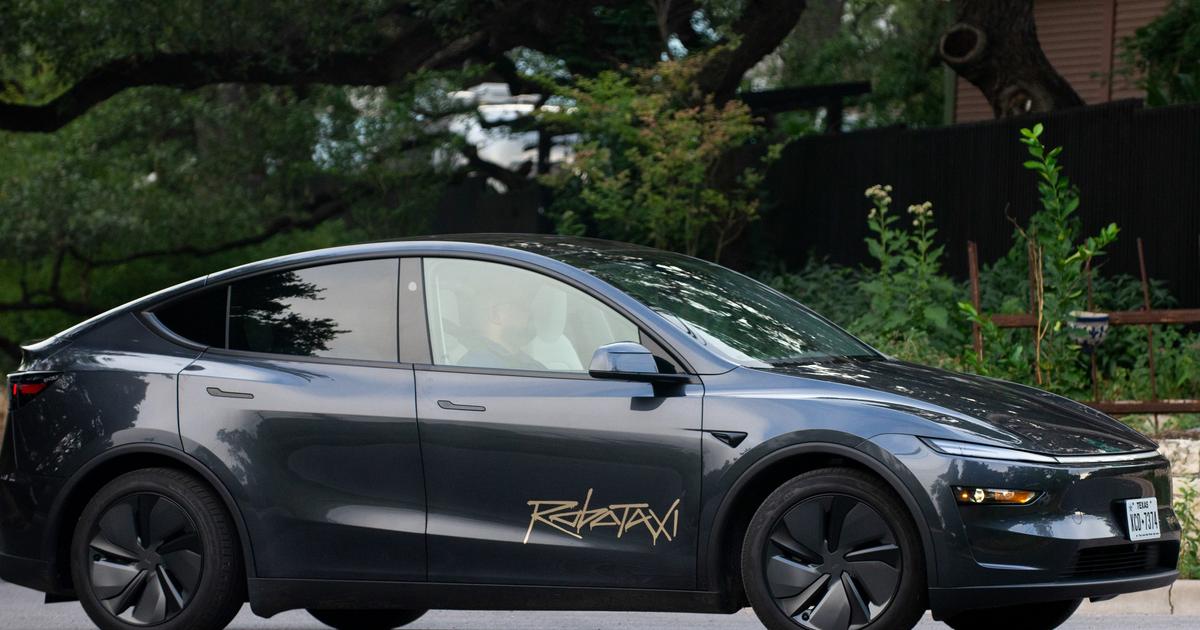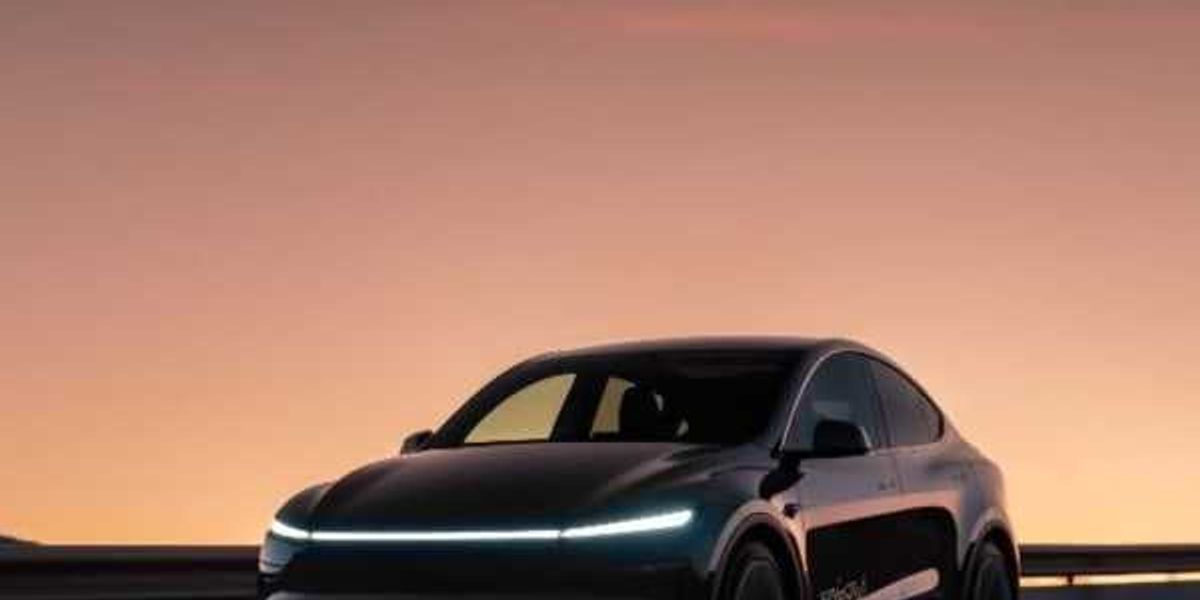
Tesla Launches Unsupervised Robotaxi Service in Dallas and Houston

Thumbnail Image

The information displayed in the AIM should not be reported as representing the official views of the OECD or of its member countries.

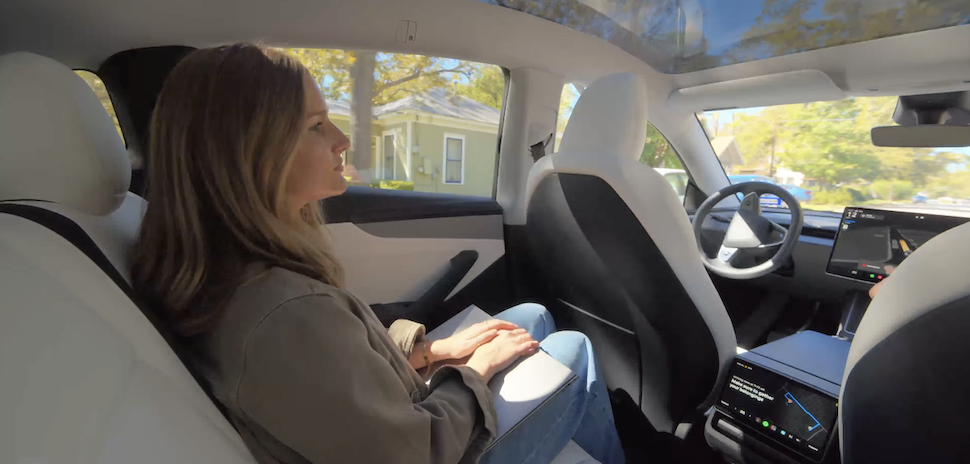
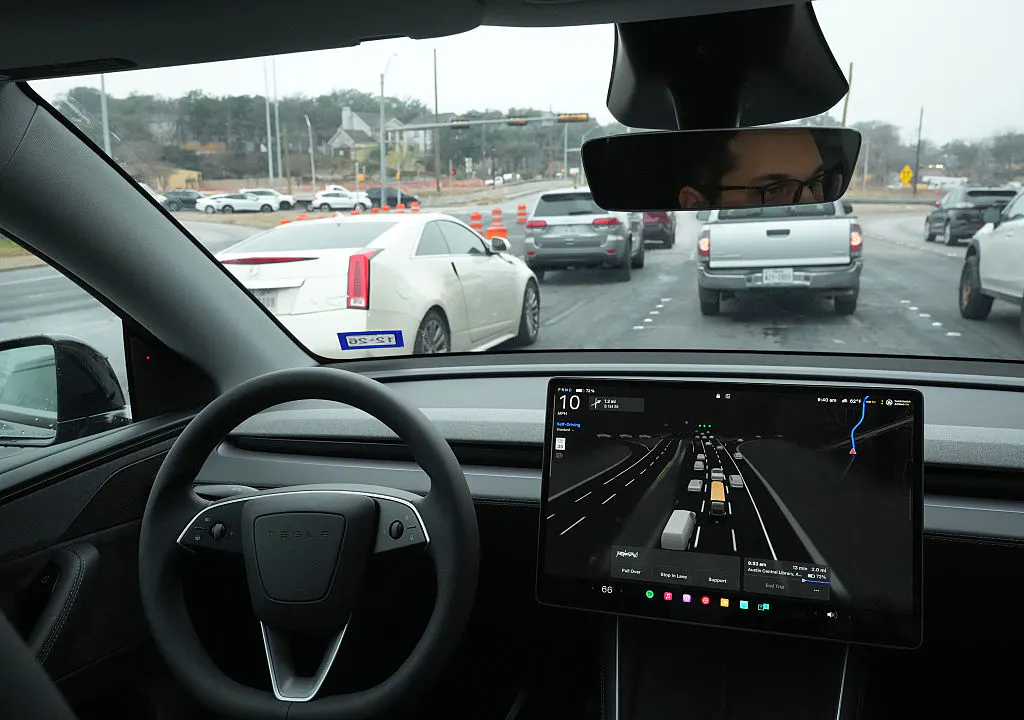
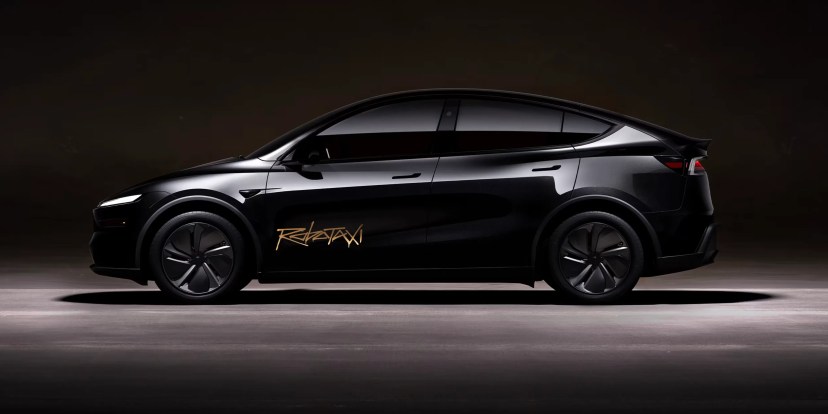
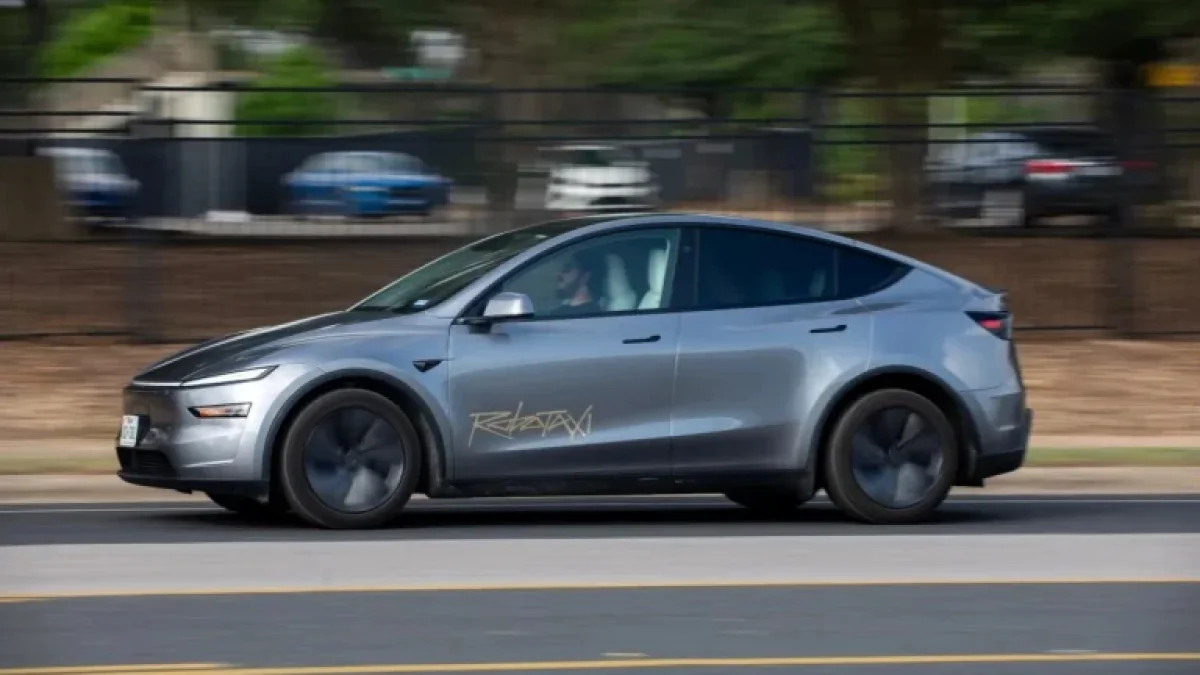
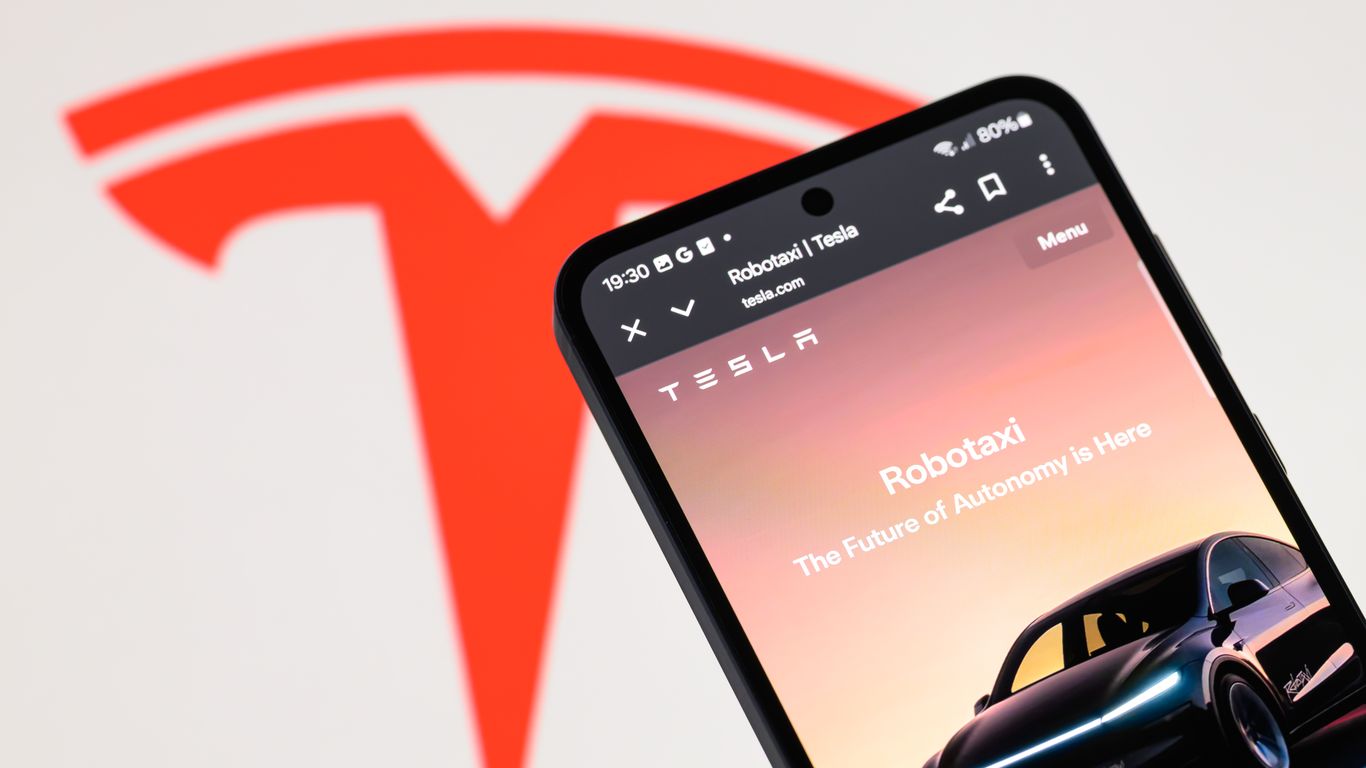
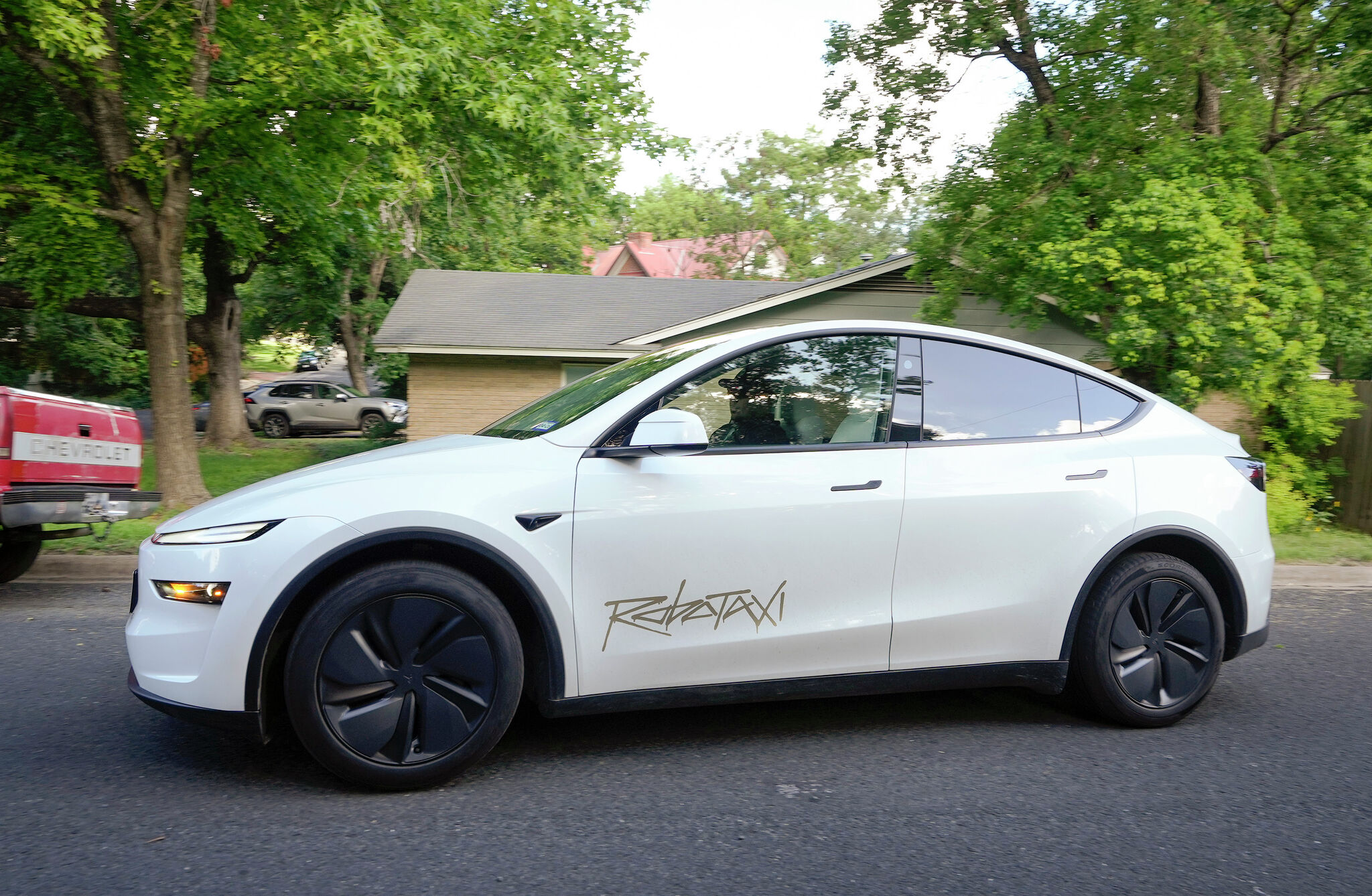
Tesla has expanded its autonomous Robotaxi rideshare service to Dallas and Houston, deploying fully unsupervised vehicles without human safety drivers. The service, powered by Tesla's AI-driven full self-driving software, marks a significant step in commercial autonomous vehicle deployment, though no incidents or harm have been reported.[AI generated]

Why's our monitor labelling this an incident or hazard?

Tesla's robotaxi service involves AI systems for autonomous driving. The reported crashes and the video showing operational errors demonstrate that the AI system's use has directly led to safety incidents, posing harm to people and public safety. The lack of transparency about crash details further complicates safety assessments. These factors meet the criteria for an AI Incident, as the AI system's use has directly led to harm or risk thereof. The limited availability and rollout scale do not negate the occurrence of harm or incidents.[AI generated]
AI principles
AccountabilitySafety

Industries
Mobility and autonomous vehicles

Severity
AI incident

Business function:
Citizen/customer service

AI system task:
Recognition/object detectionGoal-driven organisation


Articles about this incident or hazard

Thumbnail Image

Tesla's Robotaxi rideshare service is now self-driving around Dallas

2026-04-20
CultureMap Dallas
Why's our monitor labelling this an incident or hazard?
The event involves the use of AI systems for autonomous vehicle operation in a commercial rideshare context. While the article does not report any harm or incidents resulting from the use of the Robotaxi service, the deployment of fully autonomous vehicles without human monitors in some cases inherently carries plausible risks of harm to passengers, pedestrians, or other road users. However, since no harm or incident is reported or implied, and the article primarily describes the launch and operation of the service, this constitutes a current AI system deployment with potential future risks but no realized harm yet.
Thumbnail Image

Tesla Q1 earnings preview: Robotaxi rollout, mega capex spending in focus

2026-04-20
Yahoo! Finance
Why's our monitor labelling this an incident or hazard?
Tesla's robotaxi service is an AI system in use, and the article mentions unsupervised operation, indicating AI autonomy. However, there is no mention of any injury, rights violation, disruption, or other harm caused or plausibly caused by these AI systems. The focus is on earnings, expansion, and capital spending related to AI ventures, which fits the definition of Complementary Information. There is no indication of an AI Incident or AI Hazard as no harm or credible risk of harm is described.
Thumbnail Image

Tesla launches robotaxis in Dallas and Houston, and oops, it's already unavailable

2026-04-20
The Verge
Why's our monitor labelling this an incident or hazard?
Tesla's robotaxi service involves AI systems for autonomous driving. The reported crashes and the video showing operational errors demonstrate that the AI system's use has directly led to safety incidents, posing harm to people and public safety. The lack of transparency about crash details further complicates safety assessments. These factors meet the criteria for an AI Incident, as the AI system's use has directly led to harm or risk thereof. The limited availability and rollout scale do not negate the occurrence of harm or incidents.
Thumbnail Image

Tesla Technically Launched Robotaxis in Dallas and Houston (Just in Time for Quarterly Earnings)

2026-04-20
Gizmodo
Why's our monitor labelling this an incident or hazard?
The article describes the deployment and limited use of Tesla's AI-powered Robotaxi service but does not report any realized harm or incidents caused by the AI system. The service is in early stages with minimal rides and no reported accidents or rights violations. Although there were past safety concerns in Austin, this article does not document any current harm or credible imminent risk. Therefore, this event does not meet the criteria for an AI Incident or AI Hazard. It is primarily an update on the status and rollout of an AI system, which fits best as Complementary Information.
Thumbnail Image

Tesla expande robotáxi e leva frota autônoma para mais cidades

2026-04-19
Olhar Digital - O futuro passa primeiro aqui
Why's our monitor labelling this an incident or hazard?
Tesla's robotaxi service uses AI systems for autonomous driving. The report explicitly states that 14 accidents have occurred since the service began in Austin, which constitutes harm to persons or property. This harm is directly linked to the AI system's use in autonomous vehicles. The expansion to new cities while such incidents have occurred indicates ongoing risk and realized harm. Therefore, this event qualifies as an AI Incident due to the direct involvement of AI systems in causing accidents and associated harms.
Thumbnail Image

Tesla is rolling out Robotaxis in Dallas and Houston

2026-04-20
Mashable
Why's our monitor labelling this an incident or hazard?
The event involves the use of AI systems—Tesla's autonomous driving AI powering Robotaxis. The vehicles operate without onboard safety monitors, implying reliance on AI for navigation and decision-making. While the article does not report any actual incidents or harm, the unsupervised operation of autonomous vehicles in public spaces plausibly could lead to injury or other harms. Therefore, this event fits the definition of an AI Hazard, as it describes a circumstance where AI system use could plausibly lead to an AI Incident.
Thumbnail Image

Tesla (TSLA) Expands Robotaxi Service Ahead of Earnings as AI Strategy Faces Test

2026-04-19
Markets Insider
Why's our monitor labelling this an incident or hazard?
Tesla's robotaxi service involves an AI system (full self-driving software) used in real-world autonomous vehicles. While the deployment of such AI systems carries inherent risks, the article does not describe any actual or imminent harm, malfunction, or legal violations caused by the AI system. The expansion is presented as a business development and strategic update rather than an incident or hazard. Therefore, this is best classified as Complementary Information, providing context and updates on AI deployment without reporting harm or plausible harm.
Thumbnail Image

Tesla Expands Unsupervised Robotaxis to Dallas and Houston Days Before the Earnings Call

2026-04-20
autoevolution
Why's our monitor labelling this an incident or hazard?
The event involves an AI system (Tesla's autonomous driving AI for robotaxis) whose use is leading to operational errors and potential safety risks. Although no actual injuries or accidents are reported yet, the described mistakes (missing exits, unsafe stopping behavior, getting stuck) demonstrate malfunctions that could plausibly lead to harm. This fits the definition of an AI Hazard, as the AI system's malfunction could plausibly lead to injury or harm to people if not addressed. There is no indication that harm has already occurred, so it is not an AI Incident. The article is not merely complementary information or unrelated news, as it focuses on the AI system's deployment and its problematic performance with potential safety implications.
Thumbnail Image

Tesla's 'Robotaxi' expansion looks like another stock pump before earnings

2026-04-19
Electrek
Why's our monitor labelling this an incident or hazard?
Tesla's Robotaxi service involves AI systems for autonomous driving. The article reports 15 crashes since launch, a crash rate significantly worse than human drivers, and operational failures such as vehicles navigating incorrectly. These represent direct harms to safety (harm to persons) linked to the AI system's use and malfunction. Additionally, the misleading announcements contribute to potential economic harm and erosion of trust. The presence of actual crashes and operational issues confirms realized harm, making this an AI Incident rather than a hazard or complementary information. The article's focus on the harms and operational failures supports this classification.
Thumbnail Image

Tesla is rolling out its Robotaxi service to Dallas and Houston

2026-04-19
engadget
Why's our monitor labelling this an incident or hazard?
The event involves the use of AI systems in Tesla's Robotaxi autonomous vehicles, which are operating or will operate in public cities without consistent human supervision. This clearly involves AI system use. While no harm or incident is reported, the deployment of fully autonomous taxis inherently carries plausible risks of injury or harm to people (passengers, pedestrians, other drivers) if the AI malfunctions or makes errors. Thus, this expansion is best classified as an AI Hazard, reflecting the credible potential for harm from the AI system's use in this context. There is no indication of actual harm or incident yet, so it is not an AI Incident. It is more than just complementary information because the focus is on the rollout of a potentially risky AI system, not just an update or governance response.
Thumbnail Image

Tesla Robotaxi launches in Dallas: How to ride and what it costs

2026-04-20
FOX 4 News Dallas-Fort Worth
Why's our monitor labelling this an incident or hazard?
Tesla's Robotaxi service uses AI-based autonomous driving software to operate driverless rides. The report of 14 crashes involving the fleet during the initial launch phase, along with documented performance issues causing unsafe driving behavior, shows that the AI system's use has directly led to harm risks and actual incidents. The harms include potential or actual injury to passengers or others due to crashes and unsafe maneuvers. This meets the criteria for an AI Incident because the AI system's use has directly led to harm to persons. The event is not merely a hazard or complementary information, as actual crashes have occurred, and the harms are realized rather than potential.
Thumbnail Image

Tesla expande serviço de robotáxis e chega a novas cidades | A TARDE

2026-04-19
Portal A TARDE
Why's our monitor labelling this an incident or hazard?
The event involves AI systems explicitly (autonomous vehicles with no human drivers). The mention of 14 accidents involving these vehicles indicates incidents where AI use has led to harm or risk of harm. Although the article does not detail injuries or fatalities, accidents involving autonomous vehicles can reasonably be inferred to cause or risk injury or harm to persons or property. Therefore, this qualifies as an AI Incident due to the realized harm (accidents) linked to the AI system's use. The expansion itself is not a hazard or complementary information but part of the context of the incident.
Thumbnail Image

Tesla Q1 earnings preview: Robotaxi rollout, mega capex spending in focus

2026-04-20
Yahoo7 Finance
Why's our monitor labelling this an incident or hazard?
Tesla's Robotaxi service involves AI systems for autonomous driving, and the article notes unsupervised operation, which implies AI system use. However, there is no mention of any accidents, injuries, rights violations, or other harms caused by these AI systems. The capital expenditure on AI-related technology and chipmaking is a strategic business move without direct or indirect harm reported. Therefore, this article is best classified as Complementary Information, providing context and updates on AI system deployment and company strategy without describing an AI Incident or AI Hazard.
Thumbnail Image

Tesla launches robotaxi service in Dallas and Houston - electrive.com

2026-04-20
electrive.com
Why's our monitor labelling this an incident or hazard?
The event involves the use of AI systems in autonomous vehicles providing a robotaxi service. The deployment without safety drivers indicates that the AI system is actively controlling the vehicles, which could directly impact passenger and public safety. Although no harm is reported, the expansion of fully autonomous robotaxi services without human safety drivers presents a plausible risk of harm (e.g., accidents or injuries) due to potential AI system failures or limitations. Therefore, this event qualifies as an AI Hazard because it plausibly could lead to an AI Incident involving injury or harm to people, even though no incident has yet occurred.
Thumbnail Image

Tesla grows robotaxi fleet with Texas expansion | News.az

2026-04-20
News.az
Why's our monitor labelling this an incident or hazard?
The event involves the use of AI systems in Tesla's fully autonomous robotaxis operating without human drivers, which fits the definition of an AI system. The mention of 14 road incidents since launch indicates that the AI system's use has directly or indirectly led to harm or risk (potential injury or disruption) on public roads. Although details of the incidents are not provided, the involvement of AI in these incidents and the potential for harm to persons or property meets the criteria for an AI Incident. The expansion of the service and ongoing operation with known incidents further supports this classification over AI Hazard or Complementary Information.
Thumbnail Image

Tesla Expands Robotaxi Service to 2 More Texas Cities

2026-04-20
PCMag Australia
Why's our monitor labelling this an incident or hazard?
The event involves the use of AI systems (autonomous driving AI) in a real-world commercial setting. The rides are fully unsupervised, meaning the AI system is making real-time decisions affecting passenger safety and public road users. However, the article does not report any harm, accident, injury, or violation resulting from this deployment. There is no indication of malfunction or misuse causing harm. While the deployment of unsupervised autonomous vehicles carries inherent risks, the article does not describe any realized or imminent harm. Therefore, this event is best classified as Complementary Information, as it provides an update on the expansion of an AI system's deployment and its operational context, without reporting an incident or hazard.
Thumbnail Image

Tesla is rolling out Robotaxis in 2 more cities

2026-04-20
Mashable SEA
Why's our monitor labelling this an incident or hazard?
The event involves the use of AI systems—specifically, autonomous driving AI in Tesla's Robotaxis. The vehicles operate without onboard human safety monitors, which increases the risk of malfunction or failure to respond to complex road situations. Although no specific harm or incident is reported in the article, the expansion of unsupervised autonomous vehicles in public areas plausibly could lead to injury, property damage, or disruption. Hence, this is an AI Hazard rather than an AI Incident, as harm has not yet been reported but is a credible risk given the nature of the technology and its deployment context.
Thumbnail Image

Tesla lança robotáxis em Dallas e Houston e enfrenta falhas | Blog do Esmael

2026-04-20
Blog do Esmael
Why's our monitor labelling this an incident or hazard?
Tesla's robotaxi service uses AI for autonomous driving, which is explicitly mentioned. The reported 14 accidents involving these robotaxis and the video showing a near-miss event requiring remote intervention demonstrate that the AI system's use has directly or indirectly led to harm or risk of harm to people. The instability and limited availability further suggest operational challenges related to the AI system. Therefore, this event qualifies as an AI Incident due to realized safety harms and operational failures linked to the AI system's use.
Thumbnail Image

Tesla expande serviço de robotáxis para Dallas e Houston | TugaTech

2026-04-19
TugaTech
Why's our monitor labelling this an incident or hazard?
Tesla's robotaxi service involves AI systems for autonomous driving. The mention of fourteen accidents since the project's start in Austin shows that the AI system's use has directly or indirectly led to harm or risk of harm. The expansion to Dallas and Houston with vehicles operating without human supervisors continues this use, implying ongoing risk. Therefore, this event qualifies as an AI Incident due to the realized harm (accidents) linked to the AI system's operation.
Thumbnail Image

Tesla's Texas Robotaxi Push: Driverless Rides Hit Dallas and Houston Amid Safety Scrutiny

2026-04-19
WebProNews
Why's our monitor labelling this an incident or hazard?
Tesla's robotaxi service uses an AI system (Full Self-Driving software) to operate vehicles without human drivers. The article explicitly mentions multiple minor crashes involving these AI-driven vehicles, which constitute harm to persons or groups (even if minor and no injuries reported, the crashes represent physical harm or risk thereof). The NHTSA investigation linking deaths to the FSD system further supports the presence of harm related to AI use. The deployment of unsupervised AI vehicles on public roads with documented incidents meets the criteria for an AI Incident, as the AI system's use has directly or indirectly led to harm or risk to health and safety. The article does not merely discuss potential future harm or regulatory responses but reports actual incidents and safety concerns, thus it is not an AI Hazard or Complementary Information. It is not unrelated because the AI system is central to the event and its consequences.
Thumbnail Image

Tesla's Texas Robotaxi Blitz: Big Promises, Barely a Car in Sight

2026-04-20
WebProNews
Why's our monitor labelling this an incident or hazard?
The event involves the use of Tesla's AI-powered autonomous driving system in robotaxis, which have been involved in multiple crashes and a specific incident where a vehicle veered onto a freeway requiring remote intervention. These are direct safety-related harms or near harms linked to the AI system's operation. The presence of AI is explicit (Tesla's neural net and camera-based autonomous driving). The harms relate to safety risks to persons, fulfilling the criteria for an AI Incident. Although no injuries are reported, the crashes and dangerous maneuvers constitute realized harm or at least direct risk to health and safety. Hence, this is not merely a hazard or complementary information but an AI Incident.
Thumbnail Image

Tesla Launches Unsupervised Robotaxi Service In Dallas

2026-04-20
Dallas Express
Why's our monitor labelling this an incident or hazard?
The event involves the use of AI systems (autonomous driving AI) in a real-world service that directly affects public safety. The deployment of fully driverless Robotaxis carries inherent risks of malfunction or failure that could lead to injury or harm to people, or disruption of critical infrastructure. Although no harm is reported yet, the nature of the service plausibly leads to potential harm if the AI system malfunctions or makes errors. Therefore, this event qualifies as an AI Hazard due to the credible risk of harm from the AI system's operation in public spaces without human oversight.
Thumbnail Image

Robotaxis are the new millennial lifestyle subsidy

2026-04-20
Sherwood News
Why's our monitor labelling this an incident or hazard?
The article clearly involves AI systems, specifically autonomous driving AI in robotaxis. However, it does not describe any realized harm (such as accidents, injuries, rights violations, or disruptions) caused by these AI systems, nor does it highlight any credible or imminent risk of such harm. The focus is on pricing, market strategy, and consumer experience, which are informative but do not constitute an AI Incident or AI Hazard. Thus, it fits the definition of Complementary Information, as it provides supporting context and updates about AI deployment in robotaxis without reporting harm or plausible future harm.
Thumbnail Image

Tesla Launches Robotaxis in Dallas and Houston

2026-04-20
Dallas Innovates
Why's our monitor labelling this an incident or hazard?
The event involves the use of an AI system (Tesla's self-driving software) in a real-world application (robotaxi service). The AI system's use is explicit and central to the event. Although the deployment of autonomous vehicles inherently carries risks of injury or harm (a), the article does not describe any incidents or harms that have occurred. Thus, the event represents a plausible risk of harm due to AI use but no realized harm. According to the definitions, this qualifies as an AI Hazard because the AI system's use could plausibly lead to an AI Incident (e.g., accidents or injuries) but no such incident has yet occurred or been reported.
Thumbnail Image

Tesla Robotaxi expands to 2 new cities, but it looks like there's just 1 driverless car in each

2026-04-20
Sherwood News
Why's our monitor labelling this an incident or hazard?
The event involves AI systems (autonomous driving AI in Tesla Robotaxis) but does not describe any direct or indirect harm resulting from their use, malfunction, or development. There is no indication of injury, rights violations, property damage, or other harms. The article mainly provides an update on the deployment status and future expansion plans, which fits the definition of Complementary Information rather than an Incident or Hazard.
Thumbnail Image

Musk eyes $1 trillion robotaxi market as Tesla hits Dallas, Houston

2026-04-20
Daily News on African Billionaires and UHNWIs
Why's our monitor labelling this an incident or hazard?
The event describes the deployment and expansion of an AI system (Tesla's autonomous driving AI) in real-world robotaxi services. However, the article does not report any realized harm or incidents caused by the AI system. It focuses on market potential, operational scale, and strategic implications rather than any harm or risk materializing. Therefore, it does not qualify as an AI Incident. Although there is potential for future harm inherent in autonomous vehicle deployment, the article does not emphasize credible or imminent risks or hazards, nor does it describe any near misses or warnings. Hence, it is not classified as an AI Hazard either. The article is primarily informative about the AI system's deployment and market context, which fits best as Complementary Information.
Thumbnail Image

Tesla expands driverless US fleet with Model Y SUVs

2026-04-20
Business Day
Why's our monitor labelling this an incident or hazard?
The event explicitly involves AI systems in the form of Tesla's full self-driving software powering robotaxis operating without human drivers or monitors. Although no harm has been reported yet, the removal of human safety monitors and expansion into new cities increases the risk that AI system failures could lead to injury, property damage, or other harms. This fits the definition of an AI Hazard, as the AI system's use could plausibly lead to an AI Incident. There is no indication that harm has already occurred, so it is not an AI Incident. The article is not merely complementary information or unrelated, as it focuses on the deployment of AI systems with potential safety implications.
Thumbnail Image

Tesla Launches Robotaxi Rollout in Dallas and Houston - News Directory 3

2026-04-20
News Directory 3
Why's our monitor labelling this an incident or hazard?
Tesla's Robotaxi service uses an AI system (the Vision-based FSD system) for autonomous driving. The rollout is in a pilot phase with human safety drivers, and no actual harm or incident is reported yet. However, the article highlights concerns about safety metrics transparency and challenges in complex scenarios, implying potential risks of accidents or harm in the future. Since the AI system's use could plausibly lead to injury or harm if it malfunctions or fails in complex situations, this qualifies as an AI Hazard rather than an AI Incident. The event is not merely general AI news or a complementary update but a deployment with credible potential for harm.
Thumbnail Image

Tesla brings Robotaxi service to Houston and Dallas

2026-04-20
ArenaEV.com
Why's our monitor labelling this an incident or hazard?
The Tesla Robotaxi service involves AI systems for autonomous driving. The article reports 15 crashes since launch, with at least one injury, directly linking AI system use to harm to persons. The presence of human safety monitors does not negate the AI's role in these incidents. The service's limitations in rain and lack of transparency on safety data further highlight risks. These factors meet the criteria for an AI Incident, as the AI system's use has directly led to harm and safety concerns.
Thumbnail Image

Tesla estende o serviço de robotáxis para mais cidades nos EUA

2026-04-19
DIÁRIO DO ESTADO | Confira as principais notícias do Brasil e do mundo
Why's our monitor labelling this an incident or hazard?
Tesla's robotaxi service relies on AI systems for autonomous driving. The article explicitly states that 14 accidents have occurred since the service began, which constitutes harm to persons or property. This harm is directly linked to the use of the AI system controlling the vehicles. Although the expansion is ongoing and the number of vehicles is small, the presence of accidents confirms realized harm. Hence, the event meets the criteria for an AI Incident rather than a hazard or complementary information.
Thumbnail Image

Tesla Launches Robotaxi Service in Dallas and Houston

2026-04-19
El-Balad.com
Why's our monitor labelling this an incident or hazard?
The event involves an AI system (Tesla's autonomous driving AI) actively used in robotaxi services. The mention of 14 accidents since the Austin launch indicates that the AI system's use has directly led to harm (accidents). This fits the definition of an AI Incident, as the AI system's use has caused injury or harm. The expansion to Dallas and Houston is part of the ongoing deployment but does not negate the existing harm evidence. Hence, the classification is AI Incident.
Thumbnail Image

Tesla launches Robotaxi service in Houston suburbs

2026-04-21
Axios
Why's our monitor labelling this an incident or hazard?
The event involves the use of AI systems (Tesla's Full Self-Driving technology) in autonomous vehicles providing ride-hailing services. However, there is no indication of any harm or incident resulting from the deployment or operation of these AI systems. The rollout is described as conservative and limited, with safety drivers still present, and no mention of accidents, injuries, rights violations, or other harms. Therefore, this is a deployment update without any realized or potential harm described, making it complementary information about AI system use and progress rather than an incident or hazard.
Thumbnail Image

Tesla submits plans for first Robotaxi-only Supercharger stations

2026-04-21
Electrek
Why's our monitor labelling this an incident or hazard?
Tesla's Robotaxi fleet involves AI systems for autonomous driving, so the charging stations are related to AI system use. However, the event is about permit applications for infrastructure that may support future AI system deployment. There is no indication of any harm, malfunction, or violation caused by the AI systems currently. The article explicitly notes that the stations are not yet built and that the autonomous operations are still limited and not fully solved. Therefore, this event represents a plausible future development that could lead to AI system use at scale but does not currently constitute an incident or hazard. It is best classified as Complementary Information, providing context on AI ecosystem developments and infrastructure planning without describing any harm or credible risk of harm at this time.
Thumbnail Image

Tesla brings driverless robotaxis to new TX cities amid self-driving concerns

2026-04-22
mySA
Why's our monitor labelling this an incident or hazard?
The event involves AI systems explicitly: Tesla's Autopilot and full self-driving software are AI systems controlling autonomous vehicles. The article reports that these systems have been linked to hundreds of nonfatal incidents and dozens of deaths, which are direct harms to human health and safety. The expansion of these services despite known safety concerns and recorded incidents further supports the classification as an AI Incident. The harms are realized and documented, not merely potential, fulfilling the criteria for an AI Incident rather than an AI Hazard or Complementary Information.
Thumbnail Image

Tesla's RoboTaxi rides into Dallas

2026-04-21
KERA
Why's our monitor labelling this an incident or hazard?
The event explicitly involves AI systems in Tesla's autonomous Robotaxi service. The reported collisions and safety issues demonstrate that the AI system's use has directly led to harm or increased risk of harm to passengers and others, fulfilling the criteria for an AI Incident. The presence of multiple collisions and a higher crash rate than human drivers confirms realized harm rather than just potential risk. Hence, the classification as AI Incident is appropriate.
Thumbnail Image

Tesla makes new robotaxi move in two major U.S. cities.

2026-04-22
TheStreet
Why's our monitor labelling this an incident or hazard?
The article explicitly describes Tesla's deployment of AI-powered autonomous vehicles (robotaxis) operating without human safety monitors in two major cities. This confirms the presence and use of AI systems. However, no actual harm, accidents, or violations are reported, so it does not meet the criteria for an AI Incident. The expansion carries plausible risks of future harm due to the challenges of safely operating autonomous vehicles in complex traffic conditions and regulatory scrutiny, fitting the definition of an AI Hazard. The article is not primarily about responses or governance, so it is not Complementary Information. It is clearly related to AI systems, so it is not Unrelated.
Thumbnail Image

Tesla seems to say Robotaxi launch will be pushed back in 5 US cities

2026-04-22
Electrek
Why's our monitor labelling this an incident or hazard?
The event involves an AI system, specifically Tesla's Full Self-Driving (FSD) technology intended for autonomous Robotaxis. However, the article does not report any realized harm or incidents caused by the AI system. Instead, it focuses on delays, unfulfilled promises, and the current limited deployment status. There is no indication of injury, rights violations, property harm, or other significant harms resulting from the AI system's use or malfunction. The delays and lack of full deployment imply a potential future risk or hazard if the system were to be deployed prematurely, but the article does not explicitly state any plausible harm or near-miss incidents. Therefore, the event is best classified as Complementary Information, providing context and updates on the AI system's development and deployment status without reporting an incident or hazard.
Thumbnail Image

Tesla makes new robotaxi move in two major U.S. cities.

2026-04-22
The Kansas City Star
Why's our monitor labelling this an incident or hazard?
The event involves AI systems explicitly, as Tesla's robotaxis use self-driving AI technology to operate vehicles autonomously. The deployment without a front-seat safety monitor increases the risk that any AI malfunction or misjudgment could lead to harm. Although no actual harm is reported, the article emphasizes unresolved safety and regulatory concerns, indicating credible potential for future incidents. Hence, the event does not describe realized harm (which would be an AI Incident) but does describe a credible risk of harm from AI system use, fitting the definition of an AI Hazard.
Thumbnail Image

Tesla Plans to Expand Robotaxi to 'Dozen or So' States

2026-04-22
Money Talks News
Why's our monitor labelling this an incident or hazard?
The event describes the deployment and planned expansion of an AI system (autonomous driving/robotaxi) but does not report any actual harm or incidents resulting from its use. The company highlights safety and absence of accidents so far. While there is a plausible risk of future harm from autonomous vehicles, the article focuses on current operations and cautious rollout without any realized harm. Therefore, this is best classified as Complementary Information, providing context and updates on AI deployment and safety efforts, rather than an AI Incident or AI Hazard.
Thumbnail Image

Tesla Q1 earnings preview: Robotaxis, AI bets, and rising spending | News.az

2026-04-22
News.az
Why's our monitor labelling this an incident or hazard?
Tesla's Robotaxi service uses AI systems for autonomous driving in unsupervised mode, which qualifies as AI system involvement. However, the article does not mention any accidents, injuries, rights violations, or other harms caused by these AI systems, nor does it describe any near misses or credible warnings of imminent harm. The focus is on earnings, expansion, and investment in AI technologies, which informs about the AI ecosystem and future potential but does not report realized or imminent harm. Hence, it does not meet the criteria for AI Incident or AI Hazard. The article mainly provides an update on Tesla's AI-related activities and strategic direction, fitting the definition of Complementary Information.
Thumbnail Image

Tesla Boosts Spending Plan to $25 Billion for AI, Robot Push

2026-04-23
Financial Post
Why's our monitor labelling this an incident or hazard?
The article describes Tesla's ongoing development and deployment of AI systems in the Robotaxi service and increased spending on AI and robotics. There is no mention of any realized harm, malfunction, or risk that could plausibly lead to harm. The focus is on business growth and expansion, which fits the definition of Complementary Information as it provides context and updates on AI system deployment without reporting an incident or hazard.
Thumbnail Image

Tesla Robotaxis Are Expanding in Texas

2026-04-23
92.5 The Ranch
Why's our monitor labelling this an incident or hazard?
While the article involves AI systems (Tesla's autonomous vehicles), it does not describe any specific harm resulting from their use or malfunction. The mention of 258 incidents is factual but lacks detail on harm or consequences. The expansion of robotaxi services is a development update without indication of realized or imminent harm. Therefore, this is best classified as Complementary Information, providing context and updates on AI system deployment and related incidents without constituting a new AI Incident or AI Hazard.
Thumbnail Image

Two truths and a lie from Tesla's earnings call

2026-04-23
Sherwood News
Why's our monitor labelling this an incident or hazard?
The event explicitly involves an AI system—Tesla's autonomous driving AI used in Robotaxi services. The CEO and VP made claims about the AI system's safety record that are contradicted by official accident reports, indicating a misrepresentation of the AI system's performance. This misrepresentation can lead to harm by misleading regulators, users, and the public about the safety of the AI system, which is a violation of trust and can indirectly cause harm to people. Since actual crashes with minor injuries have occurred, and the AI system's role is pivotal, this constitutes an AI Incident rather than a hazard or complementary information.
Thumbnail Image

日産・ウーバー・NVIDIA、水平分業でロボタクシー テスラ対抗軸に

2026-04-21
日本経済新聞
Why's our monitor labelling this an incident or hazard?
The event involves AI systems explicitly (autonomous driving AI and dispatch AI) and their development and planned use. Since the robotaxi service is not yet operational and no harm or malfunction is reported, the event represents a plausible future risk of AI-related harm (e.g., accidents or operational failures) but no actual incident has occurred. Therefore, it qualifies as an AI Hazard rather than an AI Incident or Complementary Information. It is not unrelated because AI systems are central to the event.
Thumbnail Image

テスラのロボタクシーがダラスで運行を開始。この男性は高速道路でスリリングなドライブを体験した | Business Insider Japan

2026-04-20
businessinsider.jp
Why's our monitor labelling this an incident or hazard?
The event involves an AI system (Tesla's autonomous robotaxi) and its use, but no actual harm or incident resulting from the AI system is described. The issues reported are service unavailability and some general concerns about safety and trust, but no direct or indirect harm has occurred. The article does not describe a plausible future harm event either, only early operational challenges and user experience. Therefore, this is best classified as Complementary Information, as it provides context and updates on the AI system's deployment and public reception without reporting an AI Incident or AI Hazard.
Thumbnail Image

テスラ、ロボタクシー事業を米テキサス州2都市へ拡大

2026-04-20
JP
Why's our monitor labelling this an incident or hazard?
Tesla's robotaxi service uses AI-based fully autonomous driving software to operate vehicles without human drivers. The deployment of such AI systems on public roads carries inherent risks of harm to people or property if the AI malfunctions or makes incorrect decisions. However, the article does not report any actual harm, accident, or incident resulting from this expansion. Therefore, while the AI system's use could plausibly lead to harm in the future, no harm has yet occurred or been reported. This qualifies the event as an AI Hazard rather than an AI Incident.