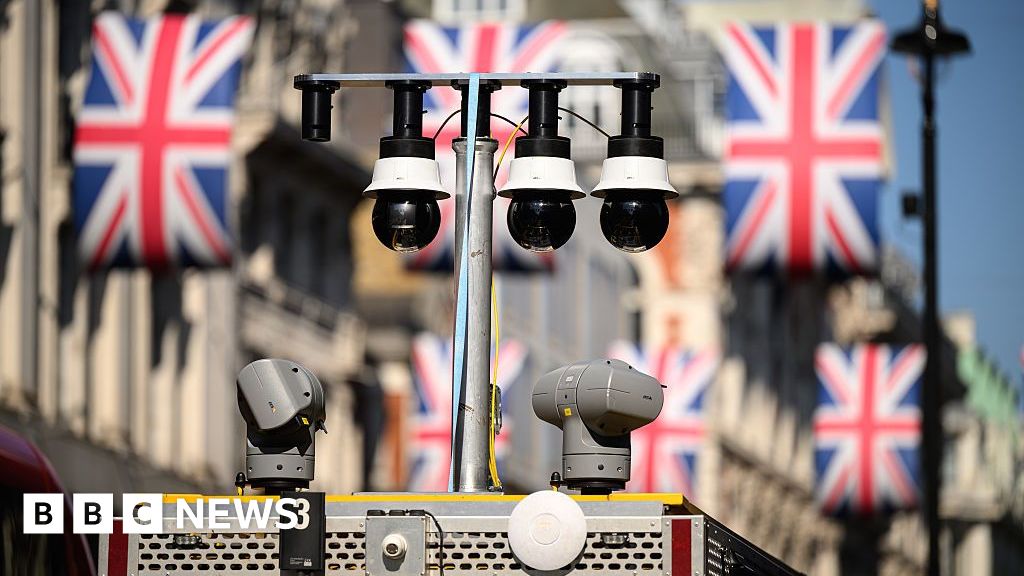
UK Court Upholds Police Use of AI Facial Recognition Despite Misidentification and Rights Concerns

Thumbnail Image

The information displayed in the AIM should not be reported as representing the official views of the OECD or of its member countries.

The UK High Court upheld the Metropolitan Police's use of live AI facial recognition technology, despite legal challenges citing misidentification, wrongful detention, and potential racial bias. The ruling allows nationwide rollout, raising ongoing concerns about privacy violations and discriminatory impacts on individuals in London.[AI generated]

Why's our monitor labelling this an incident or hazard?

The event involves an AI system (live facial recognition) whose malfunction (misidentification) directly caused harm to an individual (wrongful detention and questioning), which constitutes injury to personal rights and privacy. The use of LFR also raises concerns about potential discrimination and chilling effects on freedoms, which are human rights issues. The court ruling confirms the system's continued use despite these harms. Since harm has occurred and is directly linked to the AI system's malfunction and use, this event meets the criteria for an AI Incident rather than a hazard or complementary information.[AI generated]
AI principles
FairnessPrivacy & data governance

Industries
Government, security, and defence

Affected stakeholders
General public

Harm types
Human or fundamental rights

Severity
AI incident

Business function:
Compliance and justice

AI system task:
Recognition/object detection


Articles about this incident or hazard

Thumbnail Image

Legal case lost over Met Police's use of live facial recognition

2026-04-21
BBC
Why's our monitor labelling this an incident or hazard?
The event centers on the use of an AI system (live facial recognition) and its implications for human rights and privacy. The misidentification of a claimant indicates a malfunction or error in the AI system's use, which could be linked to harm such as violation of rights. However, the court ruled no breach of rights occurred, and the article focuses on the legal outcome rather than new or ongoing harm. Therefore, this is not a new AI Incident but rather a Complementary Information event providing an update on societal and legal responses to AI use in law enforcement.
Thumbnail Image

Legal case lost over Met Police's use of live facial recognition

2026-04-21
BBC
Why's our monitor labelling this an incident or hazard?
The article involves an AI system (live facial recognition) and a legal challenge regarding its use, which relates to human rights concerns. However, the challenge was unsuccessful, and no harm or violation has been established or reported as having occurred. The event is primarily about the legal and policy context surrounding AI use, making it complementary information about governance and societal response rather than an incident or hazard involving realized or plausible harm.
Thumbnail Image

Pair lose court battle against police over use of live facial recognition technology

2026-04-21
The Independent
Why's our monitor labelling this an incident or hazard?
The event involves the use of an AI system (live facial recognition technology) and concerns about its impact on human rights and privacy. However, the court ruling found no breach of rights and dismissed the challenge, indicating no realized harm has occurred as a result of the AI system's use. The article primarily reports on the legal decision and ongoing policy developments rather than an incident of harm or a direct or indirect AI-related harm event. The mention of expansion plans is a policy context but does not itself constitute a hazard or incident. Therefore, this is best classified as Complementary Information, providing context and updates on societal and governance responses to AI use in law enforcement.
Thumbnail Image

Met commissioner Sir Mark Rowley warns against "clumsy regulation" of facial recognition technology as High Court case thrown out | LBC

2026-04-21
LBC
Why's our monitor labelling this an incident or hazard?
The article explicitly involves an AI system (Live Facial Recognition) and discusses its use and legal challenges related to potential harms such as privacy violations and discrimination. However, the court ruled no human rights breach occurred, and no new harm is reported. The article mainly provides an update on the legal status and policy debate around the AI system's use, including statements from officials and campaigners. This fits the definition of Complementary Information, as it enhances understanding of the AI system's societal and governance context without reporting a new AI Incident or AI Hazard.
Thumbnail Image

Pair lose High Court challenge against Metropolitan Police over use of live facial recognition technology - AOL

2026-04-21
AOL.com
Why's our monitor labelling this an incident or hazard?
The article involves an AI system (live facial recognition) and discusses its use, legal challenges, and concerns about privacy and discrimination. However, the court ruling dismisses the challenge, stating no breach of human rights or illegality. No direct or indirect harm from the AI system is reported as having occurred. The article mainly provides an update on legal and governance responses to the AI system's deployment, fitting the definition of Complementary Information rather than an Incident or Hazard.
Thumbnail Image

Court challenge over Met Police's use of live facial recognition thrown out

2026-04-21
Yahoo
Why's our monitor labelling this an incident or hazard?
The event involves an AI system (live facial recognition) whose malfunction (misidentification) directly caused harm to an individual (wrongful detention and questioning), which constitutes injury to personal rights and privacy. The use of LFR also raises concerns about potential discrimination and chilling effects on freedoms, which are human rights issues. The court ruling confirms the system's continued use despite these harms. Since harm has occurred and is directly linked to the AI system's malfunction and use, this event meets the criteria for an AI Incident rather than a hazard or complementary information.
Thumbnail Image

Facial recognition to be 'rolled out' across UK after human rights challenge fails

2026-04-21
Yahoo
Why's our monitor labelling this an incident or hazard?
The event involves an AI system (live facial recognition technology) actively used by police forces. The system's use has directly led to harms such as misidentification, wrongful detention, and threats of arrest, which constitute injury or harm to persons and potential violations of human rights. The legal challenge and court ruling confirm the system's deployment despite these harms. The article documents realized harm rather than just potential harm, so this is an AI Incident rather than a hazard or complementary information. The concerns about racial bias and privacy violations further support classification as an incident involving rights violations and harm to individuals.
Thumbnail Image

Met Police wins high court challenge over use of live facial recognition technology

2026-04-21
Yahoo News UK
Why's our monitor labelling this an incident or hazard?
The event involves an AI system (Live Facial Recognition) used by the police, which processes biometric data to identify individuals. The technology's use has directly led to at least one misidentification, which constitutes a harm related to privacy and potential rights violations. Although the court ruled the policy lawful and safeguards adequate, the misidentification and concerns about mass surveillance and discrimination indicate realized harm related to human rights and privacy. Therefore, this qualifies as an AI Incident because the AI system's use has directly led to harm (misidentification and privacy concerns), even if the court found the policy lawful. The ongoing legal challenge and public debate are complementary but do not negate the incident classification.
Thumbnail Image

Facial recognition rollout likely after critics lose legal suit

2026-04-21
The Canary
Why's our monitor labelling this an incident or hazard?
The article explicitly discusses the use of AI-based facial recognition technology by law enforcement, which has caused misidentification and racial discrimination, harming individuals' rights and communities. The legal challenge was based on these harms, and the technology's deployment despite these concerns means the harm is ongoing. The AI system's use has directly led to violations of privacy and discriminatory treatment, fulfilling the criteria for an AI Incident under the framework.
Thumbnail Image

High Court challenge over Met Police controversial use of facial recognition thrown out of court

2026-04-21
GB News
Why's our monitor labelling this an incident or hazard?
The event involves an AI system (live facial recognition technology) and concerns about its use potentially leading to violations of rights (discriminatory surveillance). However, since the legal challenge was thrown out and no actual harm or incident is reported as having occurred, this does not constitute an AI Incident. It also does not describe a plausible future harm beyond the existing concerns, as the system is already in use and the challenge was rejected. The article mainly reports on the legal proceedings and their outcome, which is a governance-related update but does not introduce new harm or hazard. Therefore, it is best classified as Complementary Information.
Thumbnail Image

Metropolitan Police Facial Recognition Legal Challenge Lost in High Court

2026-04-21
El-Balad.com
Why's our monitor labelling this an incident or hazard?
The facial recognition system is an AI system as it performs automated, real-time biometric identification by scanning and matching faces against a database. The event involves the use of this AI system by the Metropolitan Police, which has directly led to harm, including wrongful detention due to misidentification. The legal challenge centers on alleged violations of human rights and privacy laws, which are fundamental rights. The court ruling maintains the legality of the system but does not negate the fact that harm has occurred. Hence, the event meets the criteria for an AI Incident because the AI system's use has directly led to harm and rights violations, even if the court ruled in favor of the police. The ongoing debate and appeal plans do not change the classification of this event as an AI Incident.
Thumbnail Image

UK to roll out facial recognition nationwide after court backs Metropolitan Police

2026-04-22
The Times of India
Why's our monitor labelling this an incident or hazard?
The event involves the use of an AI system (live facial recognition technology) in policing. The article reports on a legal and policy decision allowing the expansion of this AI system's deployment. While there are concerns and allegations of harm such as privacy invasion, potential racial bias, and wrongful identification, the court ruling and police statements indicate that no confirmed unlawful harm or wrongful arrests have occurred as a direct result of the AI system. The harms described are concerns or allegations rather than confirmed incidents. Therefore, the event does not describe a realized AI Incident but rather a situation where the AI system's use could plausibly lead to harms such as privacy violations or discriminatory policing practices. This fits the definition of an AI Hazard, as the expansion of the system could plausibly lead to incidents involving harm to human rights and communities in the future, given the nature of biometric surveillance and algorithmic bias risks. The article focuses on the legal validation and planned expansion, highlighting potential risks but no confirmed direct harm.
Thumbnail Image

Facial recognition to roll out nationwide after failed human rights challenge

2026-04-22
Chronicle Live
Why's our monitor labelling this an incident or hazard?
The facial recognition system is an AI system used by police for live identification. The article details actual harms: a person was misidentified, detained, and threatened with arrest due to the AI system's error, which constitutes harm to the individual's rights and health (stress, detention). Additionally, a study found racial bias in the system's identification rates, indicating discriminatory harm. These harms have materialized, not just potential risks. The failed legal challenge and court ruling do not negate the occurrence of harm. Hence, this event meets the criteria for an AI Incident due to realized human rights violations and harm caused by the AI system's use.
Thumbnail Image

High Court approves Met Police's facial recog after dispute

2026-04-22
TheRegister.com
Why's our monitor labelling this an incident or hazard?
The event involves the use of an AI system (live facial recognition) by the police, which directly led to harm: a false identification causing wrongful detention and threat of arrest, violating the individual's rights and causing personal harm. This fits the definition of an AI Incident because the AI system's use has directly led to harm to a person and violations of human rights. The legal ruling confirms the system's use is lawful but does not negate the harm experienced. The presence of demographic bias and false positives further supports the classification as an AI Incident rather than a hazard or complementary information. The event is not merely about potential harm or policy updates but involves realized harm from the AI system's malfunction or misuse.
Thumbnail Image

London police win legal challenge against live facial recognition deployment | Biometric Update

2026-04-22
Biometric Update
Why's our monitor labelling this an incident or hazard?
The event explicitly involves an AI system (live facial recognition) used by police, which has directly led to harm through misidentification and detention of an individual, implicating violations of privacy and human rights. The legal challenge and court ruling focus on whether these harms occurred and if they were lawful. The presence of false alerts and concerns about discrimination and chilling effects on rights further support the classification as an AI Incident. The AI system's use in law enforcement and its impact on individuals' rights meet the criteria for an AI Incident as defined, since harm to human rights has occurred or is ongoing due to the AI system's deployment and malfunction (false positives).
Thumbnail Image

Met Police Defeat Challenge To Live Facial Recognition | Silicon

2026-04-22
Silicon UK
Why's our monitor labelling this an incident or hazard?
The event involves an AI system (live facial recognition) whose use has directly led to at least one misidentification and police questioning, which can be considered a form of harm related to human rights (privacy and potential discrimination). Although the court ruled no violation occurred, the AI system's role in affecting individuals' rights is clear. This fits the definition of an AI Incident because the AI system's use has directly led to a circumstance impacting human rights, even if the court did not find a legal breach. The article also discusses the potential for expanded use, but the primary focus is on the existing use and its legal challenge, not just potential future harm. Therefore, the classification is AI Incident.
Thumbnail Image

"Nothing to Fear" Is Back: The UK High Court Clears Way for Police Facial Recognition

2026-04-22
Reclaim The Net
Why's our monitor labelling this an incident or hazard?
The article explicitly describes an AI system (live facial recognition) that processes biometric data of millions of people, including those not suspected of any crime, and compares them against watchlists. The system's malfunction caused wrongful detention and distress to an innocent individual, directly constituting harm to a person and a violation of human rights. The court ruling and government plans to expand this technology further institutionalize this harm. The presence of the AI system, its use, and malfunction leading to realized harm and rights violations clearly meet the criteria for an AI Incident rather than a hazard or complementary information.
Thumbnail Image

Facial Recognition Cameras Uk: 5 Key Takeaways After the Met Wins Court Challenge

2026-04-22
El-Balad.com
Why's our monitor labelling this an incident or hazard?
The event involves the use of an AI system (live facial recognition) in active policing, which has directly caused harm through misidentification and detention of an individual, constituting a violation of privacy and potential discrimination. The court ruling enables continued and expanded use of this AI system despite these harms. The presence of realized harm (misidentification and detention), the AI system's role in causing it, and the legal context confirm this as an AI Incident rather than a hazard or complementary information. The article's focus on the legal challenge and the concrete example of harm supports this classification.
Thumbnail Image

Three arrests in Slough after police live facial recognition use

2026-04-23
BBC
Why's our monitor labelling this an incident or hazard?
Live facial recognition is an AI system that processes and matches faces in real-time. Its deployment by police leading to arrests shows direct use of AI in law enforcement actions that impact individuals' rights and freedoms. The mention of a previous misidentification case further supports the presence of harm or risk of harm. The event involves the use of AI technology leading to realized harm (arrests and detentions), fitting the definition of an AI Incident rather than a hazard or complementary information.
Thumbnail Image

UK High Court Backs Facial Recognition Rollout

2026-04-23
ZeroHedge
Why's our monitor labelling this an incident or hazard?
The article explicitly involves an AI system—Live Facial Recognition Technology—used by the police. The legal challenge was about potential human rights violations (privacy, discrimination) linked to the use of this AI system. The court ruling permits the continued and expanded use of this technology, which implies a credible risk of future harm through rights violations and discriminatory practices. Since no actual harm or incident is described as having occurred yet, but the ruling facilitates plausible future harm, the event fits the definition of an AI Hazard rather than an AI Incident. The article also includes broader political commentary but does not report a realized harm caused by the AI system.
Thumbnail Image

UK High Court Supports Facial Recognition Roll-out, New Ruling Confirms

2026-04-23
The Expose - Home
Why's our monitor labelling this an incident or hazard?
The event explicitly involves an AI system (live facial recognition) used by law enforcement, which has already caused harm through wrongful identification and detention of an individual. The court ruling allows the continued and expanded use of this AI system, which implicates ongoing and systemic privacy and human rights concerns. The misidentification incident and the mass surveillance implications meet the criteria for harm to human rights and harm to communities. Thus, this is an AI Incident rather than a hazard or complementary information, as harm has already occurred and is ongoing.
Thumbnail Image

Met chief calls for more facial recognition cameras to track criminals

2026-04-24
Mail Online
Why's our monitor labelling this an incident or hazard?
The event involves the active use of an AI system (live facial recognition) in policing, which has directly led to arrests and monitoring of offenders, thus impacting human rights and privacy. The article provides concrete examples of the system's use leading to criminal apprehension, fulfilling the criteria for an AI Incident. Although the article discusses potential risks and the need for trust, the realized use and outcomes classify it as an incident rather than a hazard or complementary information.
Thumbnail Image

UK court rejects challenge to London police's use of live facial recognition

2026-04-21
London South East
Why's our monitor labelling this an incident or hazard?
The event involves an AI system (live facial recognition technology) used by the police, but the court found no breach of rights or harm resulting from its use. There is no indication of injury, rights violation, or other harm caused by the AI system. The article reports on a legal decision confirming the lawfulness of the AI system's use, which is a governance and societal response to AI deployment. Therefore, this is Complementary Information as it provides context and updates on the legal and governance aspects of an AI system's use without describing an AI Incident or AI Hazard.
Thumbnail Image

Live facial recognition critics lose UK court challenge

2026-04-21
Court House News Service
Why's our monitor labelling this an incident or hazard?
The event explicitly involves an AI system (live facial recognition) whose use directly caused harm to a person through false identification and police questioning, which is a violation of privacy and human rights. The harm is realized and not merely potential. The legal challenge and court ruling are responses to this incident but do not negate the fact that harm occurred. Hence, this is classified as an AI Incident rather than a hazard or complementary information. The presence of safeguards and legal rulings does not remove the fact of harm caused by the AI system's malfunction or error (false positive).
Thumbnail Image

UK Court Upholds London Police Use of Live Facial Recognition Tech

2026-04-21
Global Banking & Finance Review
Why's our monitor labelling this an incident or hazard?
The article involves an AI system (live facial recognition) and discusses its use by law enforcement and the legal scrutiny it underwent. However, it does not report any actual harm or incident caused by the AI system, nor does it indicate a plausible future harm from its use. Instead, it centers on the court's decision affirming the lawfulness and safeguards of the system's use, which is a governance and societal response to AI deployment. Therefore, this is best classified as Complementary Information, as it provides important context and updates on societal and legal responses to AI use without describing a new AI Incident or AI Hazard.
Thumbnail Image

Live facial recognition critics lose UK court challenge

2026-04-21
newseu.cgtn.com
Why's our monitor labelling this an incident or hazard?
The live facial recognition system is an AI system as it processes biometric data and compares it to a watchlist in real time. The event involves the use of this AI system by police. However, the court ruling concluded that the system's use does not breach human rights legislation, implying no direct or indirect harm has been legally recognized. The event is primarily about the legal challenge and its outcome, not about an incident of harm caused by the AI system. Thus, it does not qualify as an AI Incident or AI Hazard. It is best classified as Complementary Information because it provides context on societal and governance responses to AI deployment and its legal scrutiny.
Thumbnail Image

Facial Recognition Policy Upheld By UK Court

2026-04-23
The Cyber Express
Why's our monitor labelling this an incident or hazard?
The facial recognition system is an AI system used by the police for surveillance. The article discusses a court ruling that upholds the policy governing its use, emphasizing legal compliance and safeguards. Although concerns about potential harms such as privacy violations, wrongful identification, and bias are mentioned, no actual harm or incident is reported as having occurred due to the AI system. The ruling and related government plans represent a governance and societal response to AI deployment. Hence, the event does not describe an AI Incident or AI Hazard but rather provides complementary information about the legal and regulatory context of an AI system's use.