Geely's Caocao Plans Global Deployment of AI-Powered Robotaxis

Thumbnail Image

The information displayed in the AIM should not be reported as representing the official views of the OECD or of its member countries.

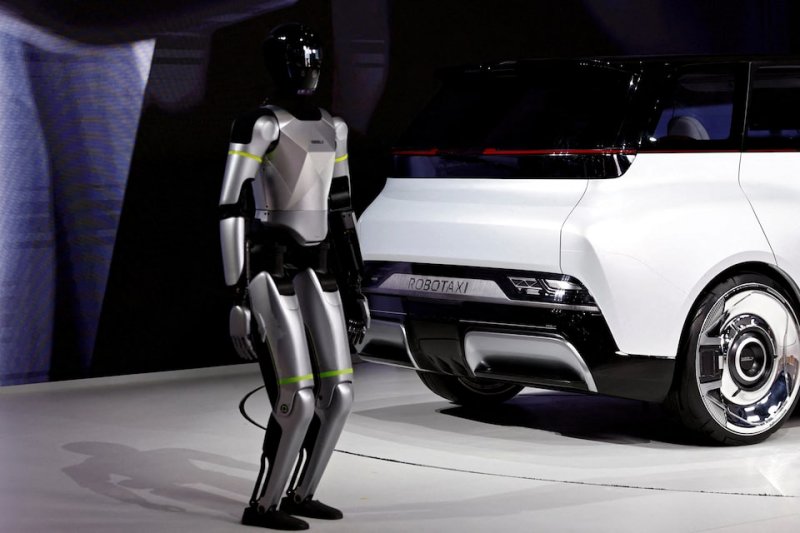
Caocao Inc, Geely's ride-hailing arm, announced plans to deploy thousands of fully autonomous robotaxis, the Eva Cab, globally starting in 2027. Initial rollouts will occur in Abu Dhabi, Hong Kong, and several Chinese cities, with large-scale expansion to 100,000 vehicles by 2030. No incidents reported yet.[AI generated]

Why's our monitor labelling this an incident or hazard?

The event involves AI systems (autonomous robotaxis) and their planned deployment, which could plausibly lead to AI incidents such as accidents or disruptions in the future. However, since no harm or malfunction has been reported yet, and the article only discusses future plans, it fits the definition of an AI Hazard rather than an AI Incident. It is not complementary information because it does not provide updates or responses to existing incidents, nor is it unrelated as it clearly involves AI systems with potential impacts.[AI generated]
AI principles
SafetyRobustness & digital security

Industries
Mobility and autonomous vehicles

Severity
AI hazard

Business function:
Other

AI system task:
Recognition/object detectionGoal-driven organisation


Articles about this incident or hazard

Thumbnail Image

China's Caocao plans delivery, deployment of fully customised robotaxis

2026-04-24
Yahoo! Finance
Why's our monitor labelling this an incident or hazard?
The event involves AI systems (autonomous robotaxis) and their planned deployment, which could plausibly lead to AI incidents such as accidents or disruptions in the future. However, since no harm or malfunction has been reported yet, and the article only discusses future plans, it fits the definition of an AI Hazard rather than an AI Incident. It is not complementary information because it does not provide updates or responses to existing incidents, nor is it unrelated as it clearly involves AI systems with potential impacts.
Thumbnail Image

China's Caocao plans delivery, deployment of fully customised robotaxis

2026-04-24
Reuters
Why's our monitor labelling this an incident or hazard?
The event describes the planned deployment of AI-enabled autonomous robotaxis, which are AI systems by definition due to their autonomous navigation and decision-making capabilities. However, the article does not mention any realized harm or incidents caused by these robotaxis, nor does it describe any current malfunction or misuse. The focus is on future deployment plans, which implies potential future risks but no immediate or direct harm. Therefore, this event represents a plausible future risk scenario related to AI systems, qualifying it as an AI Hazard rather than an Incident or Complementary Information.
Thumbnail Image

Geely's Caocao to deploy thousands of fully customised robotaxis in 2027

2026-04-25
ETAuto.com
Why's our monitor labelling this an incident or hazard?
The event involves AI systems (autonomous robotaxis) and their planned use, but there is no indication of any direct or indirect harm caused by these systems yet. The article focuses on the business strategy, production, and deployment timeline without mentioning any accidents, malfunctions, or rights violations. Therefore, it does not qualify as an AI Incident or AI Hazard. It is best classified as Complementary Information because it provides important context about the evolving AI ecosystem in autonomous vehicles and mobility services, which is relevant for understanding future AI developments and potential risks.
Thumbnail Image

Geely's Caocao to deploy thousands of fully customised robotaxis in 2027 By Reuters

2026-04-24
Investing.com South Africa
Why's our monitor labelling this an incident or hazard?
The article explicitly involves AI systems in the form of fully autonomous robotaxis, which are AI-powered vehicles making real-time decisions in complex environments. While no harm or incident is reported, the large-scale deployment of such systems could plausibly lead to AI incidents involving injury, disruption, or other harms. Since the article focuses on future deployment plans and competition without describing any actual harm or malfunction, it fits the definition of an AI Hazard rather than an AI Incident or Complementary Information. It is not unrelated because it clearly involves AI systems and their potential impacts.
Thumbnail Image

AsiaOne

2026-04-25
AsiaOne
Why's our monitor labelling this an incident or hazard?
The article explicitly mentions AI systems in the form of autonomous robotaxis being developed and planned for deployment globally. While these systems have the potential to cause harm (e.g., accidents, operational failures), the article does not report any actual harm or incidents. The focus is on future deployment and competition, which implies a credible risk of future AI-related incidents but no current incident. Hence, the event is best classified as an AI Hazard rather than an AI Incident or Complementary Information.
Thumbnail Image

Geely's Caocao to deploy thousands of fully customised robotaxis in 2027

2026-04-24
The Business Times
Why's our monitor labelling this an incident or hazard?
The event involves AI systems (autonomous robotaxis) and their planned use, but no harm or malfunction is reported. The article focuses on the development and future deployment of AI-enabled robotaxis, which could plausibly lead to AI-related incidents in the future (e.g., accidents, safety issues), but no such harm is currently described. Therefore, this constitutes an AI Hazard, as the deployment of these AI systems could plausibly lead to incidents, but no incident has yet occurred.
Thumbnail Image

Geely's Caocao plans thousands of robotaxis by 2027 | News.az

2026-04-24
News.az
Why's our monitor labelling this an incident or hazard?
The event involves AI systems (autonomous robotaxis) and their planned use, but there is no indication of any harm or malfunction occurring or any direct or indirect harm caused by these AI systems at this stage. The article is primarily about future deployment plans and industry trends, which could imply potential future risks but does not describe any specific plausible harm or incident. Therefore, it does not meet the criteria for an AI Incident or AI Hazard. It is best classified as Complementary Information as it provides context and updates on AI ecosystem developments without reporting harm or credible risk of harm.
Thumbnail Image

Geely's Caocao to deploy thousands of fully customised robotaxis in 2027

2026-04-24
Superhits 97.9 Terre Haute, IN
Why's our monitor labelling this an incident or hazard?
The article clearly involves AI systems as it discusses fully autonomous robotaxis, which rely on AI for navigation and operation. However, it only describes plans and intentions for deployment in the future, with no mention of any harm, malfunction, or legal issues arising from these AI systems. Therefore, it does not meet the criteria for an AI Incident or AI Hazard. Instead, it provides contextual information about the AI ecosystem and industry developments, which fits the definition of Complementary Information.
Thumbnail Image

China's Robotaxi Push Accelerates as Geely's Caocao Targets Global Fleet Amid Intense Competition - Tekedia

2026-04-25
Tekedia
Why's our monitor labelling this an incident or hazard?
The article centers on the announcement and strategic plans for large-scale deployment of autonomous robotaxis, which are AI systems. However, it does not describe any actual or imminent harm, malfunction, or misuse resulting from these AI systems. The content is primarily about market competition, technological development, and future deployment timelines, which fits the definition of Complementary Information. There is no direct or indirect link to realized harm or a credible immediate risk of harm described, so it is not an AI Incident or AI Hazard.