U.S. Mandates AI-Driven Driver Monitoring Systems in All New Vehicles by 2027

Thumbnail Image

The information displayed in the AIM should not be reported as representing the official views of the OECD or of its member countries.

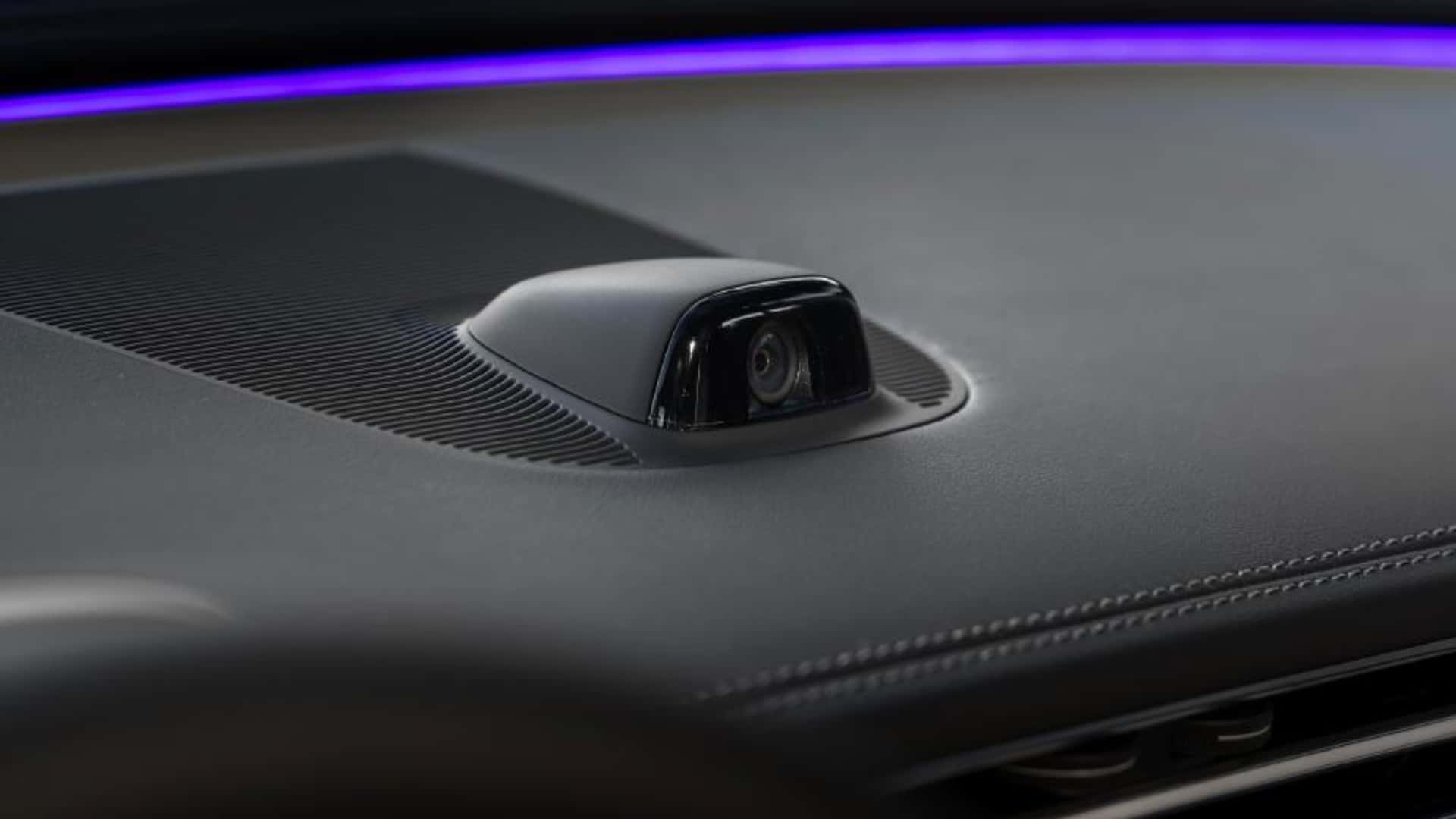
The U.S. government has mandated that all new vehicles sold from 2027 must include AI-based driver monitoring systems to detect impairment and potentially prevent driving. Critics warn of privacy risks, false positives, and loss of autonomy, while automakers and regulators acknowledge the technology's readiness and error concerns.[AI generated]

Why's our monitor labelling this an incident or hazard?

The article explicitly mentions AI-related driver-monitoring systems intended to detect impaired driving, which involve AI system development and use. However, these systems are not yet deployed at scale, and no incidents of harm have been reported. The potential harms include privacy violations and false positives that could prevent sober drivers from driving, which are plausible future harms. Since the article focuses on the potential and challenges of these AI systems rather than actual harm, it fits the definition of an AI Hazard rather than an AI Incident or Complementary Information.[AI generated]

AI principles
Privacy & data governanceSafety

Industries
Mobility and autonomous vehicles

Affected stakeholders
Consumers

Harm types
Human or fundamental rights

Severity
AI hazard

Business function:
Monitoring and quality control

AI system task:
Recognition/object detection


Articles about this incident or hazard

Thumbnail Image

Your Car May Soon Be Monitoring Everything You Do Behind The Wheel

2026-04-28
Motor1.com
Why's our monitor labelling this an incident or hazard?
The article explicitly mentions AI-related driver-monitoring systems intended to detect impaired driving, which involve AI system development and use. However, these systems are not yet deployed at scale, and no incidents of harm have been reported. The potential harms include privacy violations and false positives that could prevent sober drivers from driving, which are plausible future harms. Since the article focuses on the potential and challenges of these AI systems rather than actual harm, it fits the definition of an AI Hazard rather than an AI Incident or Complementary Information.
Thumbnail Image

What Happens When Big Brother Becomes Your Passenger?

2026-04-27
Townhall
Why's our monitor labelling this an incident or hazard?
The article explicitly describes AI systems (cabin sensors, behavioral monitoring, cameras) designed to detect driver impairment and autonomously intervene in vehicle operation. The concerns about false positives and privacy represent plausible future harms that could arise from the deployment of such AI systems. Since the technology is mandated but not yet deployed and no actual harm has been reported, this constitutes an AI Hazard rather than an AI Incident. The article focuses on the potential risks and societal implications rather than reporting an actual incident or harm caused by AI.
Thumbnail Image

The Kill Switch Is Here! New Cars Must Have It By 2027

2026-04-28
www.independentsentinel.com
Why's our monitor labelling this an incident or hazard?
The event clearly involves AI systems that monitor driver behavior in real time and make autonomous decisions affecting vehicle operation, fulfilling the definition of an AI system. The mandated use of these systems is a development and use scenario. The harms include potential violations of privacy rights and personal freedom (human rights), risks of false positives leading to unjustified vehicle control (harm to persons), and concerns about data misuse. Although the system is not yet widely deployed, the law requires it by 2027, making the event a plausible future risk scenario. The article discusses both the intended safety benefits and the significant risks and harms that could arise from these AI systems' use. Therefore, this event qualifies as an AI Hazard because it plausibly could lead to AI incidents involving harm to persons and violations of rights, but no specific incident of harm has yet occurred as described.
Thumbnail Image

All New Vehicles Sold In The U.S. Will Soon Be Equipped With An AI Kill Switch That Will Determine Whether You Are Allowed To Drive Or Not

2026-04-28
SGT Report
Why's our monitor labelling this an incident or hazard?
The event involves the use of AI systems in vehicles to monitor driver impairment and control vehicle operation, which is a direct use of AI technology. The AI system's use is mandated by law and will directly influence whether a person is allowed to drive, thus affecting physical safety. The AI system's decisions could lead to harm if it incorrectly prevents driving in emergencies or allows impaired driving due to errors. Since the system is not yet widely deployed but is mandated by law and will soon be implemented, the event describes a credible and imminent risk of harm due to AI system use. Therefore, this qualifies as an AI Hazard because the AI system's use could plausibly lead to harm (e.g., injury or disruption) through malfunction or misuse, but no specific harm has yet been reported as occurring.
Thumbnail Image

Federal In-car Monitoring Mandate Expands Data Collection and Control Powers

2026-04-28
The New American
Why's our monitor labelling this an incident or hazard?
The event involves AI systems explicitly described as driver monitoring technologies that detect impairment and can intervene in vehicle operation. The mandate requires their deployment in all new vehicles, establishing continuous monitoring and control capabilities. Although no direct harm has yet occurred, the article outlines credible risks including privacy violations, data misuse, and expanded governmental or corporate control over mobility, which could plausibly lead to significant harms. Since the harms are potential and not yet realized, and the AI system's development and mandated use create credible future risks, the classification as an AI Hazard is appropriate.
Thumbnail Image

All New Vehicles Sold In The U.S. Will Soon Be Equipped With An AI Kill Switch That Will Determine Whether You Are Allowed To Drive Or Not " Sons of Liberty Media

2026-04-28
Sons of Liberty Media
Why's our monitor labelling this an incident or hazard?
The article explicitly discusses AI systems designed to monitor and control vehicle operation based on driver impairment detection, which fits the definition of an AI system. The law mandates their future deployment, so the AI system's use is planned but not yet realized. The potential harms include wrongful prevention of driving, privacy invasion, and loss of autonomy, which are significant harms to individuals and communities. Since these harms have not yet materialized but are plausible once the systems are implemented, this event is best classified as an AI Hazard. It is not an AI Incident because no direct or indirect harm has yet occurred. It is not Complementary Information because the article focuses on the law and its implications rather than updates or responses to a past incident. It is not Unrelated because the AI system and its potential harms are central to the article.
Thumbnail Image

Aus AI 'kill switch' to fight drink driving

2026-04-30
News.com.au
Why's our monitor labelling this an incident or hazard?
The article clearly involves AI systems, specifically driver monitoring cameras and software capable of detecting driver impairment including alcohol intoxication. The AI system's use is intended to prevent harm (drunk driving accidents), but concerns about reliability, privacy, and unintended consequences are raised. Since no actual harm or incident has occurred yet, and the discussion centers on the potential and challenges of deploying such AI systems, this fits the definition of an AI Hazard. It plausibly could lead to harm if the system malfunctions or is misused, or if unintended consequences arise, but no direct or indirect harm has been reported so far.
Thumbnail Image

Sinister in-car spy tech that can kill your engine mandatory next year under Biden policy -- sparking major privacy fears

2026-04-30
New York Post
Why's our monitor labelling this an incident or hazard?
The event involves AI systems explicitly described as monitoring driver impairment and controlling vehicle operation (kill switch). The AI's use directly leads to harms including privacy violations and potential physical harm by disabling vehicles in critical situations. The article details realized and ongoing harms (privacy invasion, risk of being unable to drive in emergencies), not just potential risks. Hence, it meets the criteria for an AI Incident due to direct and indirect harm caused by AI system use.
Thumbnail Image

NHTSA's New 'Kill Switch' Law Approaches Key Deadline - Kelley Blue Book

2026-04-30
Kbb.com
Why's our monitor labelling this an incident or hazard?
The article explicitly mentions AI's likely role in the driver monitoring systems mandated by the new law, indicating the presence of AI systems. However, no harm has yet occurred; the law is approaching its implementation deadline, and the technology is still to be developed and deployed. The discussion centers on potential privacy concerns and the expected positive impact on reducing impaired driving fatalities, but these are prospective rather than realized harms. Thus, the event does not meet the criteria for an AI Incident or AI Hazard but fits well as Complementary Information about AI's evolving role in vehicle safety and regulatory responses.
Thumbnail Image

Contextualizing claims all new cars sold in US will include mandatory surveillance technology by 2027

2026-04-30
Snopes
Why's our monitor labelling this an incident or hazard?
The event involves the development and potential future use of AI-enabled or advanced sensor-based systems for impaired driving detection in vehicles. Although the technology is mandated by law, it is not yet implemented, and the agency responsible has not issued final rules. There is no evidence of realized harm or incidents caused by the technology at this stage. The concerns and misinformation relate to plausible future impacts and privacy risks, but no direct or indirect harm has materialized. Therefore, this event represents an AI Hazard, as the mandated technology could plausibly lead to harms such as privacy violations or operational restrictions in the future once deployed, but no incident has yet occurred.
Thumbnail Image

Federal law requires new cars to detect, stop impaired driving. What to know

2026-04-30
ArcaMax
Why's our monitor labelling this an incident or hazard?
The article describes an AI system under development intended to detect impaired driving and intervene to prevent accidents, which could plausibly lead to harm prevention or, conversely, harm through false positives or privacy violations. No actual harm or incident has yet occurred, so it is not an AI Incident. The article is not merely complementary information about AI but focuses on the potential risks and implications of the upcoming AI system. Therefore, it fits the definition of an AI Hazard, as the AI system's use could plausibly lead to harm in the future.
Thumbnail Image

Federal law requires new cars to detect, stop impaired driving. What to know

2026-04-30
UnionLeader.com
Why's our monitor labelling this an incident or hazard?
The article describes an AI system under development that will monitor driver behavior to detect impairment and intervene to stop driving if necessary. Although no incidents of harm have yet occurred, the technology's deployment could plausibly lead to harms such as wrongful prevention of driving (potentially causing safety risks), privacy violations due to data collection and sharing, and economic impacts through increased costs and insurance adjustments. Therefore, this event fits the definition of an AI Hazard, as the AI system's use could plausibly lead to significant harms in the future, but no direct harm has yet been reported.
Thumbnail Image

Sinister in-car spy tech that can kill your engine will be mandatory next year under Biden policy -- sparking major privacy fears

2026-05-01
End Time Headlines
Why's our monitor labelling this an incident or hazard?
The event involves AI systems explicitly described as using machine learning and sensor data to monitor driver impairment and control vehicle operation. The potential harms include injury or harm to persons if the car disables in emergencies, privacy violations through data collection and sharing, and broader societal harms from government overreach. Since the technology is not yet deployed but will be mandatory soon, and the article discusses plausible risks and harms that could arise from its use, this qualifies as an AI Hazard. There is no indication that harm has already occurred, so it is not an AI Incident. The article is not merely complementary information or unrelated news, as it focuses on the potential risks and harms of the AI system's mandated use.
Thumbnail Image

Federal law requires new cars to detect, stop impaired driving. What to know

2026-04-30
Eagle-Tribune
Why's our monitor labelling this an incident or hazard?
The technology described likely involves AI systems capable of detecting impaired driving behavior and autonomously stopping the vehicle, which is a safety-critical application. However, the article does not report any actual incidents or harms caused by such systems yet; it only describes a future regulatory requirement and the intended use of AI-enabled safety technology. Therefore, this represents a plausible future risk mitigation measure rather than an incident or hazard.
Thumbnail Image

Could Your Future Car Watch You And Stop You From Driving?

2026-04-30
Ubergizmo
Why's our monitor labelling this an incident or hazard?
The article explicitly describes AI systems (driver monitoring using cameras and sensors) intended to detect impairment and intervene in driving. While no harm has yet occurred, the article outlines credible concerns about false positives, privacy, and control, which could plausibly lead to harms such as wrongful driving prevention or privacy breaches. Since the event concerns the potential future use and regulatory development of such AI systems without any realized harm, it fits the definition of an AI Hazard rather than an AI Incident or Complementary Information.