AI-Generated Fake Posters Cause Misinformation for 'Singer 2026'

Thumbnail Image

The information displayed in the AIM should not be reported as representing the official views of the OECD or of its member countries.

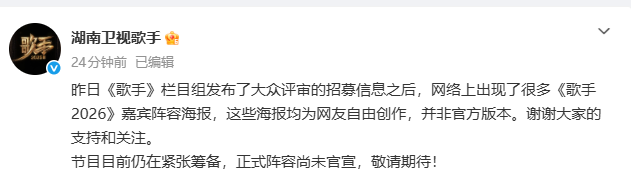
AI-generated posters falsely announcing the lineup for the Chinese music show 'Singer 2026' circulated online, misleading fans and even artists. The realistic visuals led to widespread confusion and reputational harm, prompting official denials and highlighting the risks of AI-driven misinformation in entertainment.[AI generated]

Why's our monitor labelling this an incident or hazard?

The event involves AI systems generating fake promotional images that were mistaken for official announcements, leading to misinformation and public confusion. This constitutes an AI Incident because the AI-generated content directly caused harm in the form of misleading the public and the artists, impacting social trust and information integrity. Although the harm is non-physical, it fits within the harm to communities category. Therefore, this event qualifies as an AI Incident rather than a hazard or complementary information.[AI generated]
AI principles
AccountabilityTransparency & explainability

Industries
Arts, entertainment, and recreation

Affected stakeholders
ConsumersWorkers

Harm types
Reputational

Severity
AI incident

AI system task:
Content generation


Articles about this incident or hazard

Thumbnail Image

被列《歌手》AI海报假官宣 ​美依礼芽自嘲差点信了 - 娱乐 - 国外娱乐 - 中港台

2026-04-28
星洲日报
Why's our monitor labelling this an incident or hazard?
The event involves AI systems generating fake promotional images that were mistaken for official announcements, leading to misinformation and public confusion. This constitutes an AI Incident because the AI-generated content directly caused harm in the form of misleading the public and the artists, impacting social trust and information integrity. Although the harm is non-physical, it fits within the harm to communities category. Therefore, this event qualifies as an AI Incident rather than a hazard or complementary information.
Thumbnail Image

歌手2026海报是AI制作,官方打假,技术进步了虚假信息不能也“进步”

2026-04-28
扬子网(扬子晚报)
Why's our monitor labelling this an incident or hazard?
The event involves the use of AI systems (AI image generation models like ChatGPT Images 2.0) to create highly realistic fake content that has already caused misinformation and reputational harm (e.g., misleading fans about the music show lineup, false news about a company's closure). This constitutes realized harm to communities (misinformation and reputational damage) and violations of intellectual property rights (unauthorized use of celebrity images). Therefore, it meets the criteria for an AI Incident because the AI system's use has directly led to harm. The article also discusses broader implications and challenges but the core event is the occurrence of AI-generated misinformation causing harm.
Thumbnail Image

《歌手》官方紧急辟谣!嘉宾阵容海报为网友自由创作

2026-04-28
新浪财经
Why's our monitor labelling this an incident or hazard?
An AI system was used to generate the fake posters, which led to misinformation about the show's lineup. However, there is no indication that this misinformation has caused direct harm such as injury, rights violations, or disruption. The event highlights a misuse of AI-generated content that could potentially mislead the public, but no actual harm or incident has been reported. Therefore, this situation represents a plausible risk of harm (misinformation and reputational damage) but not a realized harm incident. It is best classified as an AI Hazard because the AI-generated content could plausibly lead to harm if believed or acted upon, but no harm has yet occurred according to the description.
Thumbnail Image

歌手辟谣嘉宾阵容海报

2026-04-28
新浪财经
Why's our monitor labelling this an incident or hazard?
An AI system was involved in generating fake promotional content that mimics official materials, which could plausibly lead to misinformation or reputational harm. However, since the official broadcaster has already denied the authenticity and the event is about the spread of AI-generated false content without reported harm, this constitutes a potential risk rather than realized harm. Therefore, this event is best classified as an AI Hazard, reflecting the plausible future harm from AI-generated misinformation, rather than an AI Incident or Complementary Information.