AI Smart Glasses Enable Rapid Dementia Risk Detection for Elderly in Taiwan

Thumbnail Image

The information displayed in the AIM should not be reported as representing the official views of the OECD or of its member countries.

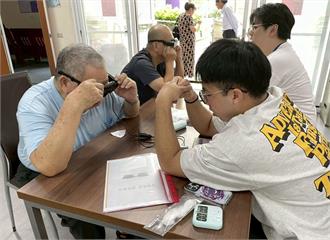
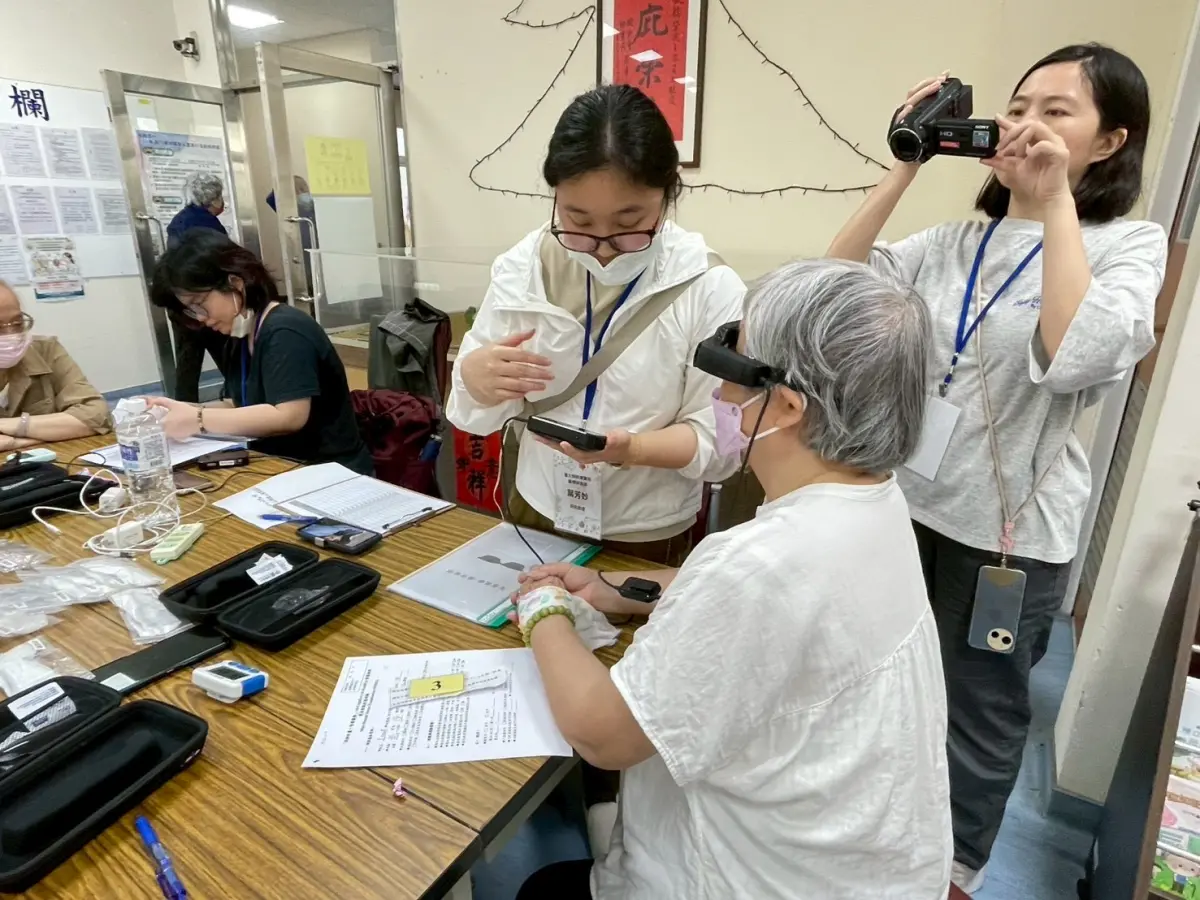
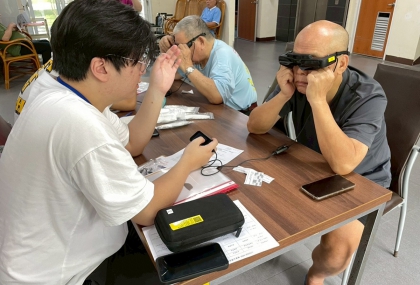
Taipei Veterans General Hospital developed AI-powered smart glasses that assess cognitive and reading abilities in 5–10 minutes, enabling early detection of dementia risk among elderly users. The system, deployed in community events, uses AR and eye-tracking, achieving 90% accuracy and supporting preventive healthcare interventions.[AI generated]

Why's our monitor labelling this an incident or hazard?

The event involves an AI system explicitly described as performing cognitive and reading assessments through eye-tracking and AI algorithms to detect dementia risk. The system is used in clinical settings and has demonstrated a high accuracy rate, directly impacting health outcomes by enabling early detection and brain exercise recommendations. This constitutes the use of AI leading to potential health benefits and prevention of harm, which aligns with the definition of an AI Incident involving injury or harm to health (a), here in a preventive and diagnostic context. Therefore, it qualifies as an AI Incident rather than a hazard or complementary information.[AI generated]
Industries
Healthcare, drugs, and biotechnology

Severity
AI incident

Business function:
Other

AI system task:
Forecasting/prediction


Articles about this incident or hazard

Thumbnail Image

北榮研發「AI智慧眼鏡」5分鐘可測失智風險 助長輩大腦練習 | 生活焦點 | 要聞 | NOWnews今日新聞

2026-04-29
NOWnews 今日新聞
Why's our monitor labelling this an incident or hazard?
The event involves an AI system explicitly described as performing cognitive and reading assessments through eye-tracking and AI algorithms to detect dementia risk. The system is used in clinical settings and has demonstrated a high accuracy rate, directly impacting health outcomes by enabling early detection and brain exercise recommendations. This constitutes the use of AI leading to potential health benefits and prevention of harm, which aligns with the definition of an AI Incident involving injury or harm to health (a), here in a preventive and diagnostic context. Therefore, it qualifies as an AI Incident rather than a hazard or complementary information.
Thumbnail Image

大腦健康防護網新突破!AI智慧眼鏡助攻,打造「認知腦」與「健康腦」 | yam News

2026-04-30
蕃新聞
Why's our monitor labelling this an incident or hazard?
The AI system is explicitly mentioned and involved in the use phase, providing cognitive assessments and health recommendations. However, the article does not report any injury, rights violation, disruption, or other harm resulting from the AI system's use. There is also no indication of plausible future harm or risk. The content focuses on the deployment and benefits of the AI system, making it complementary information about AI's role in healthcare innovation rather than an incident or hazard.
Thumbnail Image

AI智慧眼鏡5分鐘測失智風險!臺北榮總深入社區守護長者認知健康-台視新聞網

2026-04-29
台視新聞網
Why's our monitor labelling this an incident or hazard?
The event involves the use of an AI system (AI-powered smart glasses with cognitive assessment algorithms) in a healthcare context to detect dementia risk. The AI system's use directly relates to health outcomes by enabling early identification of cognitive impairment, which can lead to timely medical intervention and improved patient care. This constitutes an AI Incident because the AI system's use has a direct impact on health (harm category a) by potentially preventing or mitigating injury or harm through early detection. There is no indication of malfunction or misuse causing harm, but the AI system's role in health assessment and its direct influence on health outcomes qualifies it as an AI Incident rather than a hazard or complementary information.
Thumbnail Image

北榮「AI智慧眼鏡」助日常大腦練習 還可5分鐘測失智風險 - 民視新聞網

2026-04-29
民視新聞網
Why's our monitor labelling this an incident or hazard?
The AI system is explicitly mentioned and involved in the use phase, assisting in cognitive health monitoring. However, the article focuses on the positive application and benefits of the AI system without any mention or implication of injury, rights violations, disruption, or other harms. There is no indication that the AI system could plausibly lead to harm either. Thus, the event is best classified as Complementary Information, providing context and updates on AI applications in healthcare without reporting an incident or hazard.