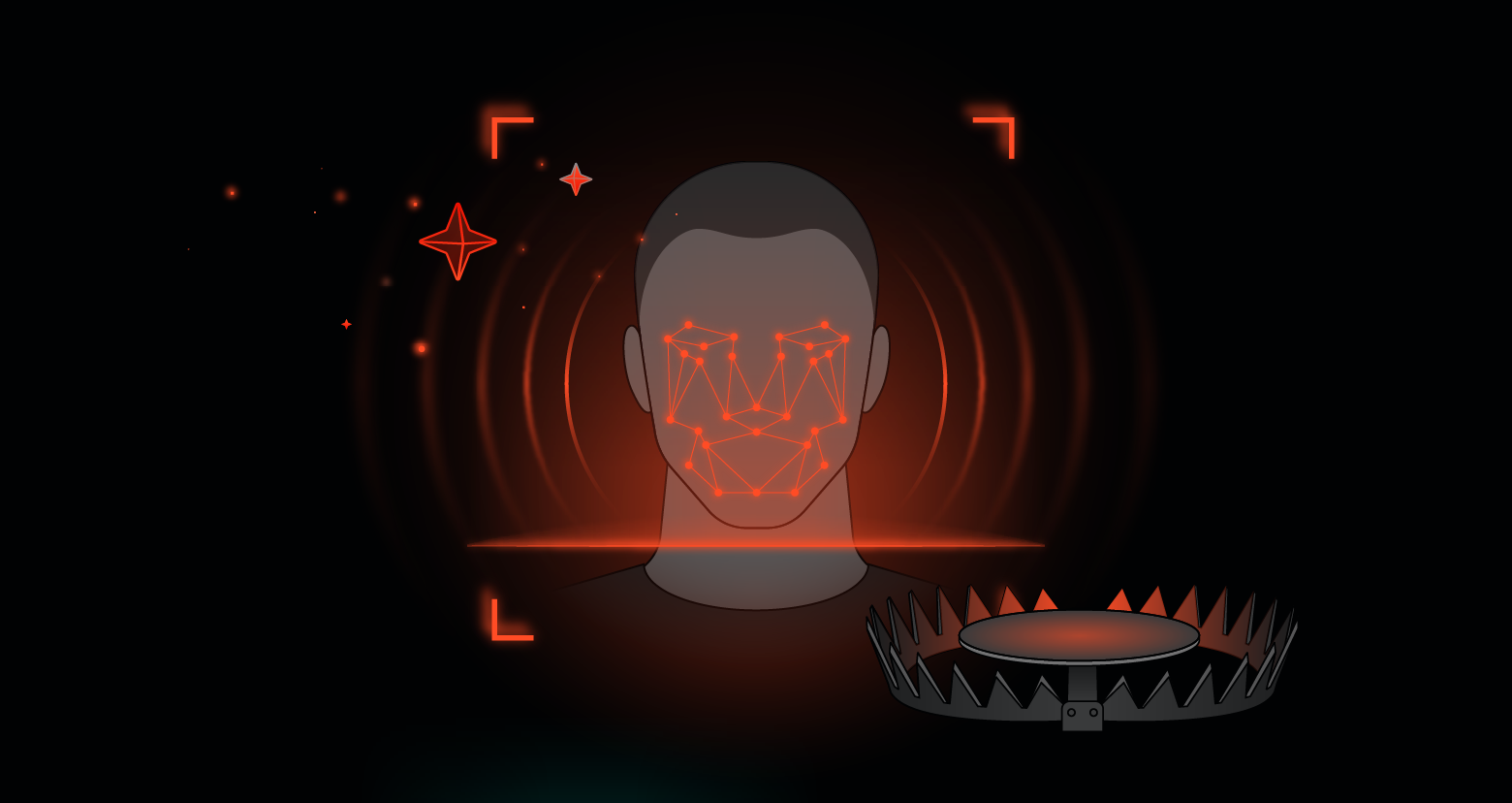
AI-Powered Phishing Kits Like Bluekit Drive Surge in Sophisticated Attacks

Thumbnail Image

The information displayed in the AIM should not be reported as representing the official views of the OECD or of its member countries.

Researchers have identified Bluekit, an AI-driven phishing kit that automates and enhances phishing attacks, including bypassing 2FA and mimicking over 40 brands. Reports show 86% of recent phishing campaigns now use AI, increasing the scale and effectiveness of credential theft and financial fraud globally.[AI generated]

Why's our monitor labelling this an incident or hazard?

Bluekit is an AI-enabled phishing platform that automates and enhances phishing attacks, including bypassing 2FA and mimicking many brands, which directly leads to harm such as credential theft and unauthorized access. The AI assistant helps craft convincing phishing emails, lowering barriers for attackers and increasing the risk and scale of harm. The event describes an active tool used for malicious purposes causing direct harm, fitting the definition of an AI Incident due to realized harm facilitated by AI systems.[AI generated]
AI principles
Privacy & data governanceRobustness & digital security

Industries
Financial and insurance servicesDigital security

Affected stakeholders
ConsumersBusiness

Harm types
Economic/PropertyHuman or fundamental rights

Severity
AI incident

AI system task:
Content generation


Articles about this incident or hazard

Thumbnail Image

Researchers discover new all-in-one 'Bluekit' phishing kit capable of bypassing enterprise 2FA protocols and emulating 40+ global brands

2026-04-30
TechRadar
Why's our monitor labelling this an incident or hazard?
Bluekit is an AI-enabled phishing platform that automates and enhances phishing attacks, including bypassing 2FA and mimicking many brands, which directly leads to harm such as credential theft and unauthorized access. The AI assistant helps craft convincing phishing emails, lowering barriers for attackers and increasing the risk and scale of harm. The event describes an active tool used for malicious purposes causing direct harm, fitting the definition of an AI Incident due to realized harm facilitated by AI systems.
Thumbnail Image

Most phishing now uses AI, says KnowBe4

2026-04-30
TheRegister.com
Why's our monitor labelling this an incident or hazard?
The article explicitly states that AI is being used in phishing campaigns to automate and enhance attacks, leading to realized harm such as financial losses and credential theft. This fits the definition of an AI Incident because the AI system's use in phishing has directly led to harm to people and communities (financial fraud victims). The involvement of AI is clear and central to the harm described, and the harm is materialized, not just potential. Hence, this event qualifies as an AI Incident.
Thumbnail Image

Meet Bluekit: The AI-Powered All-in-One Phishing Kit

2026-04-29
varonis.com
Why's our monitor labelling this an incident or hazard?
Bluekit is an AI system integrated into a phishing kit that automates and enhances phishing attacks, which are harmful activities causing violations of privacy and security rights. The AI assistant helps generate phishing campaign content, directly contributing to the harm. The article details the kit's capabilities and active development, indicating ongoing or imminent harm. This fits the definition of an AI Incident, as the AI system's use has directly led to harm through facilitating phishing attacks.
Thumbnail Image

Bot her emails: most modern phishing campaigns are AI-enabled - The Register

2026-05-02
Democratic Underground
Why's our monitor labelling this an incident or hazard?
The article explicitly states that AI is being used in phishing campaigns to craft highly personalized messages and automate attack processes, which are active and ongoing harms to victims. Since phishing causes direct harm to individuals' security and privacy, and AI is a pivotal tool enabling these attacks, this qualifies as an AI Incident under the definition of harm to people resulting from the use of AI systems.