XTEND Develops AI-Powered Autonomous Defense Systems for Middle East Client

Thumbnail Image

The information displayed in the AIM should not be reported as representing the official views of the OECD or of its member countries.

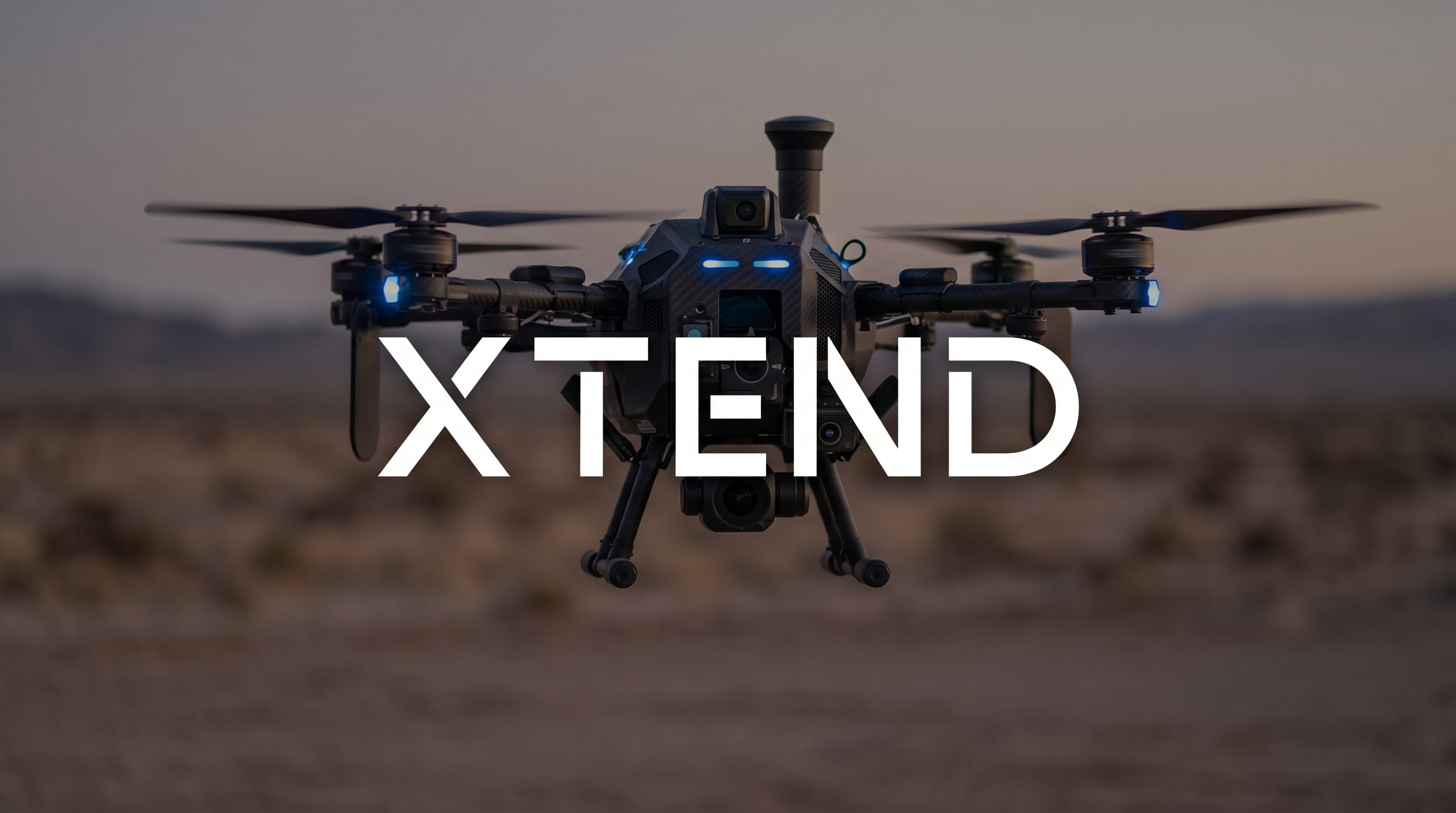
XTEND, an AI robotics company, secured a $2.2 million contract to develop advanced autonomous aerial defense systems for a Middle Eastern defense customer. These AI-powered systems, designed to counter airborne threats, raise concerns about potential future harm due to their autonomous and weaponized nature, though no incidents have yet occurred.[AI generated]

Why's our monitor labelling this an incident or hazard?

The article clearly involves an AI system (XTEND's AI operating system for drones and robots) that is deployed and operational in sensitive and potentially hazardous environments, including military conflict zones and disaster areas. While the AI system is used in applications that could cause harm (e.g., loitering munitions), the article does not describe any actual harm, injury, violation of rights, or disruption caused by the AI system. It mainly discusses the technology, its capabilities, partnerships, contracts, and business developments. Therefore, the event does not qualify as an AI Incident. However, given the AI system's deployment in military and conflict contexts with autonomous capabilities, there is a plausible risk of future harm stemming from its use. This aligns with the definition of an AI Hazard, as the AI system's development and use could plausibly lead to harms such as injury, violation of rights, or harm to communities. The article does not focus on responses, updates, or governance measures, so it is not Complementary Information. It is not unrelated because it clearly involves AI systems with potential for harm.[AI generated]
AI principles
SafetyRespect of human rights

Industries
Government, security, and defenceRobots, sensors, and IT hardware

Affected stakeholders
General public

Harm types
Physical (death)Physical (injury)Human or fundamental rights

Severity
AI hazard

Business function:
Research and development

AI system task:
Recognition/object detectionGoal-driven organisation


Articles about this incident or hazard

Thumbnail Image

Is This Pre-IPO AI Robotics Company the Next Big Defense Play? | Investing.com

2026-04-30
Investing.com
Why's our monitor labelling this an incident or hazard?
The article explicitly describes an AI system deployed in real-world defense and disaster response operations, confirming AI system involvement. The AI system's use is linked to scenarios with potential for harm (e.g., military operations, search and rescue in dangerous environments), but no actual harm or malfunction is reported. The focus is on the company's technology, partnerships, contracts, and upcoming IPO, which are business and ecosystem developments rather than incidents or hazards. Therefore, it does not meet the criteria for AI Incident or AI Hazard but fits the definition of Complementary Information as it provides supporting data and context about AI deployment and its ecosystem.
Thumbnail Image

Is This Pre-IPO AI Robotics Company the Next Big Defense Play?

2026-04-30
Market Beat
Why's our monitor labelling this an incident or hazard?
The article clearly involves an AI system (XTEND's AI operating system for drones and robots) that is deployed and operational in sensitive and potentially hazardous environments, including military conflict zones and disaster areas. While the AI system is used in applications that could cause harm (e.g., loitering munitions), the article does not describe any actual harm, injury, violation of rights, or disruption caused by the AI system. It mainly discusses the technology, its capabilities, partnerships, contracts, and business developments. Therefore, the event does not qualify as an AI Incident. However, given the AI system's deployment in military and conflict contexts with autonomous capabilities, there is a plausible risk of future harm stemming from its use. This aligns with the definition of an AI Hazard, as the AI system's development and use could plausibly lead to harms such as injury, violation of rights, or harm to communities. The article does not focus on responses, updates, or governance measures, so it is not Complementary Information. It is not unrelated because it clearly involves AI systems with potential for harm.
Thumbnail Image

XTEND Secures $2.2 Million Contract for Advanced Autonomous Aerial Defense Systems

2026-05-01
wallstreet:online
Why's our monitor labelling this an incident or hazard?
The article explicitly mentions AI-powered autonomous aerial defense systems being developed for military use, which qualifies as AI systems. The event concerns the development and deployment of such systems, which could plausibly lead to harm due to their autonomous and weaponized nature. However, since no harm or incident has yet occurred, and the article does not report any malfunction, misuse, or harm, this constitutes a plausible future risk rather than an actual incident. Therefore, this event is best classified as an AI Hazard.
Thumbnail Image

XTEND Secures $2.2 Million Contract for Advanced Autonomous Aerial Defense Systems

2026-05-01
The Manila times
Why's our monitor labelling this an incident or hazard?
The event involves the development and deployment of AI-powered autonomous aerial defense systems, which are AI systems by definition. Although no harm has yet occurred, the nature of these systems—autonomous defense robotics capable of countering airborne threats—implies a credible risk of future harm, including injury, disruption, or other significant harms if these systems malfunction, are misused, or escalate conflicts. The article focuses on the contract and development rather than any incident or harm, so it does not qualify as an AI Incident. It is not merely complementary information because the main subject is the contract and development of potentially hazardous AI systems, not a response or update to a prior event. Hence, the classification is AI Hazard.
Thumbnail Image

XTEND Secures $2.2 Million Contract for Advanced Autonomous Aerial Defense Systems | Taiwan News | May. 1, 2026 20:30

2026-05-01
Taiwan News
Why's our monitor labelling this an incident or hazard?
The event involves the development and deployment of AI-powered autonomous aerial defense systems, which are AI systems by definition. Although no harm has yet occurred, the nature of these systems—autonomous weapons and defense drones—means they could plausibly lead to significant harms such as injury, disruption, or violations of rights. The article focuses on the contract and development rather than any realized harm or incident. Hence, it fits the definition of an AI Hazard rather than an AI Incident or Complementary Information.