AI-Restored Film Screening in South Korea Banned After Severe Visual Distortions

Thumbnail Image

The information displayed in the AIM should not be reported as representing the official views of the OECD or of its member countries.

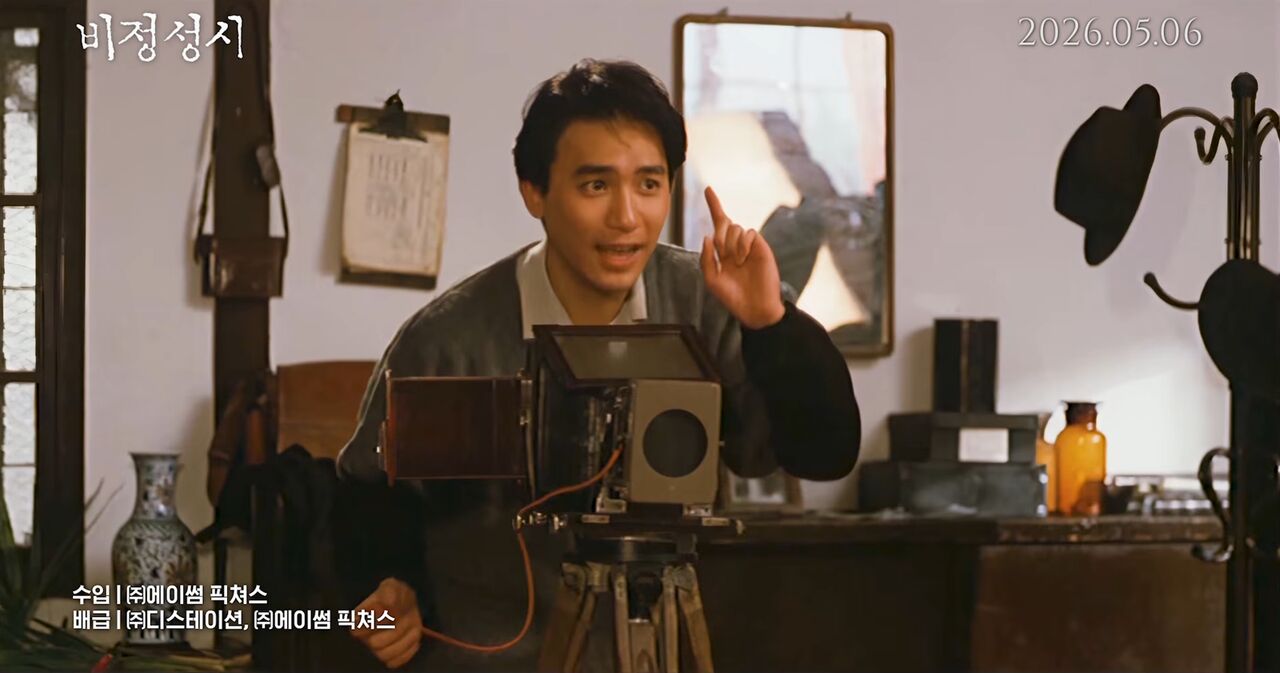
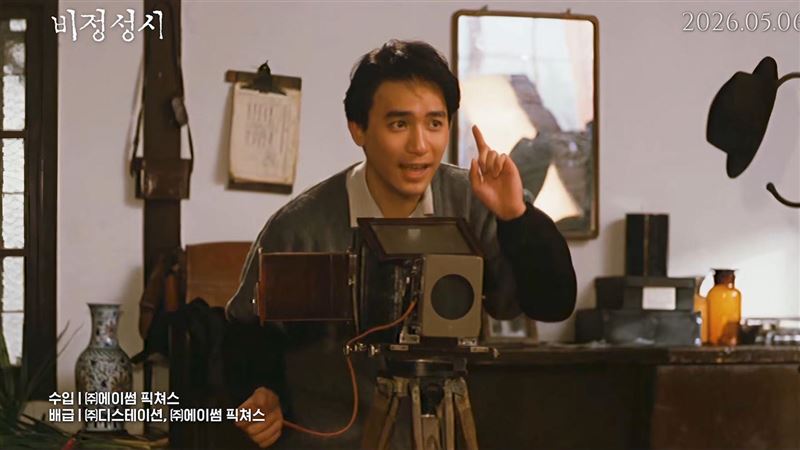
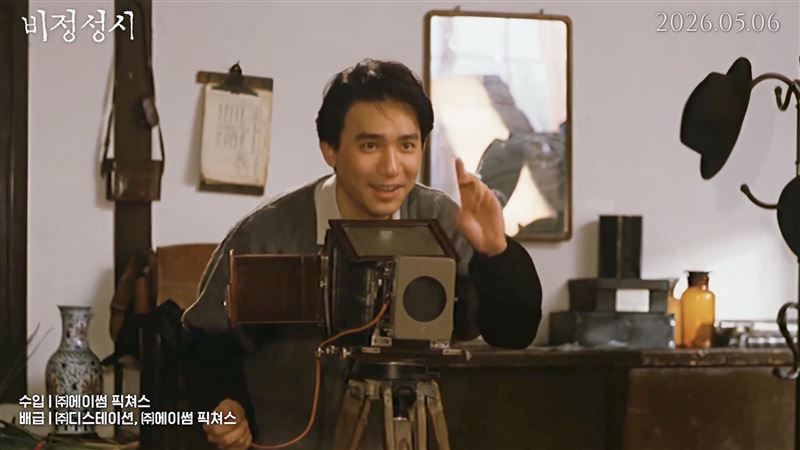
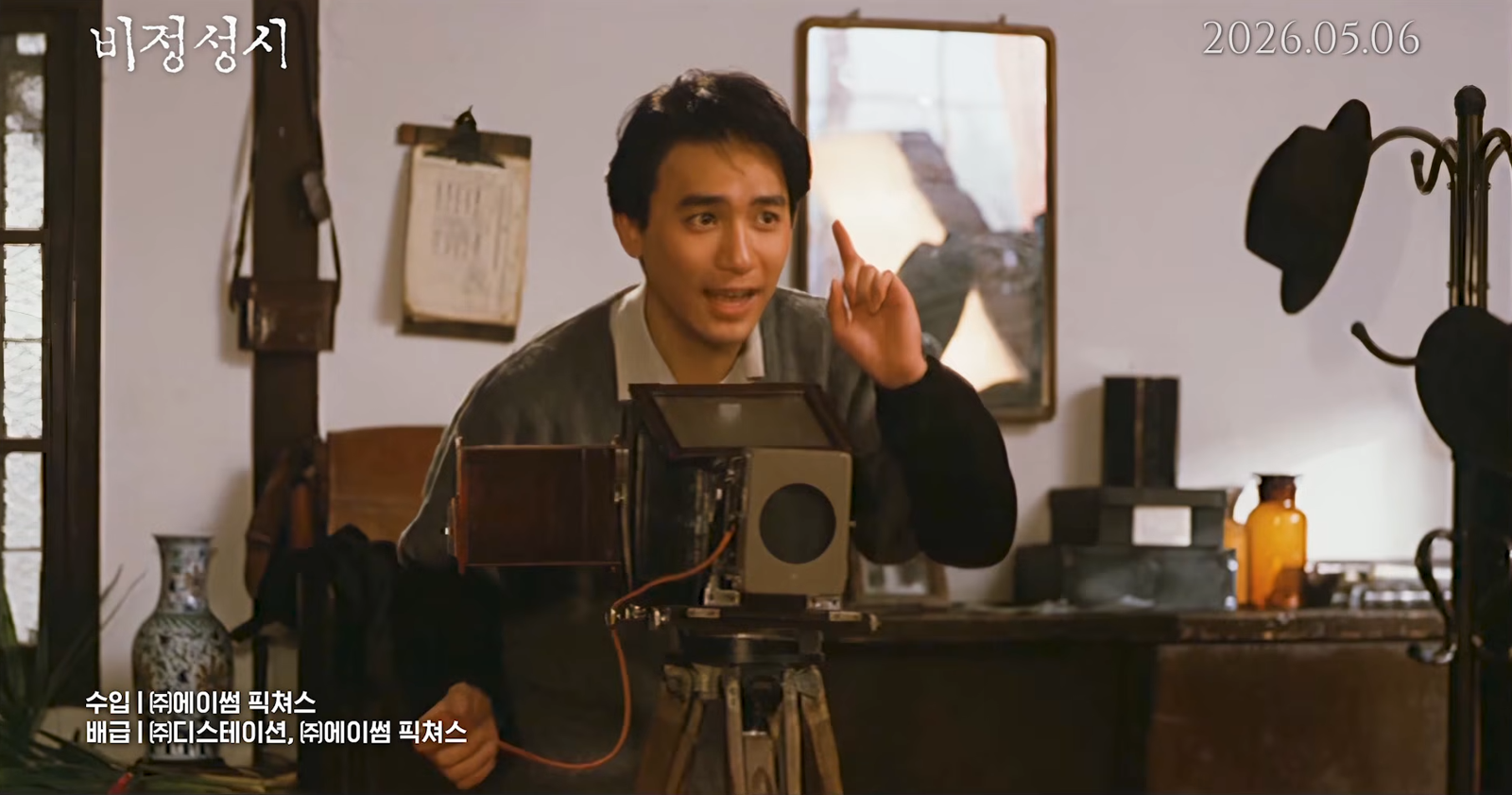
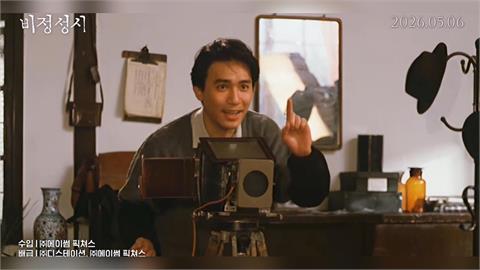
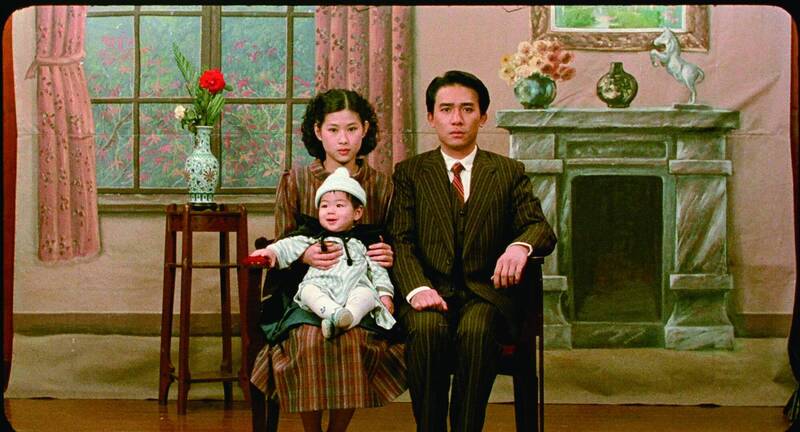
A South Korean distributor used AI to restore the classic film 'A City of Sadness' without proper authorization, resulting in severe visual distortions—such as changing finger counts and facial features—that degraded the film's quality. Public backlash led to the film's screening being banned and raised concerns over unauthorized AI use in cultural works.[AI generated]

Why's our monitor labelling this an incident or hazard?

An AI system was used to restore the film, but the restoration was unauthorized and caused harm by infringing on intellectual property rights and degrading the film's quality, which harms the community of viewers. The AI system's use in this unauthorized manner directly led to these harms. Therefore, this qualifies as an AI Incident due to violation of intellectual property rights and harm to the community through degraded content.[AI generated]
AI principles
AccountabilityRobustness & digital security

Industries
Media, social platforms, and marketing

Affected stakeholders
ConsumersBusiness

Harm types
Economic/PropertyReputational

Severity
AI incident

AI system task:
Content generation


Articles about this incident or hazard

Thumbnail Image

梁朝偉手指多一隻?《悲情城市》南韓爆AI非法上映 邱復生跨海要求撤片 - 自由娛樂

2026-05-02
自由時報電子報
Why's our monitor labelling this an incident or hazard?
An AI system was used to restore the film, but the restoration was unauthorized and caused harm by infringing on intellectual property rights and degrading the film's quality, which harms the community of viewers. The AI system's use in this unauthorized manner directly led to these harms. Therefore, this qualifies as an AI Incident due to violation of intellectual property rights and harm to the community through degraded content.
Thumbnail Image

手指數量不對、嘴唇變牙齒!韓國AI修復《悲情城市》大崩壞 遭下令禁止上映 - 鏡週刊 Mirror Media

2026-05-01
鏡週刊 Mirror Media
Why's our monitor labelling this an incident or hazard?
An AI system was used for film restoration, and its malfunction caused severe visual distortions that harmed the film's quality and audience experience. This constitutes harm to cultural property and communities, fitting the definition of an AI Incident. The harm is realized and directly linked to the AI system's malfunction during use.
Thumbnail Image

手指數量不對、嘴唇變牙齒!韓AI修復《悲情城市》大崩壞 遭禁上映 | ETtoday星光雲 | ETtoday新聞雲

2026-05-01
ETtoday星光雲
Why's our monitor labelling this an incident or hazard?
An AI system was explicitly used for film restoration, and its malfunction caused direct harm by severely degrading the visual quality of a culturally significant film, leading to public backlash and a ban on its screening. This harm affects cultural property and communities, fitting the definition of an AI Incident. The event involves the AI system's malfunction during use, directly leading to harm.
Thumbnail Image

手指數不對、嘴唇變牙齒!韓國AI修復《悲情城市》崩壞 遭禁止上映 | 娛樂星聞 | 三立新聞網 SETN.COM

2026-05-01
三立新聞
Why's our monitor labelling this an incident or hazard?
An AI system was explicitly used for film restoration, and its malfunction caused significant degradation and distortion of the film's visuals, harming the cultural artifact and audience experience. This harm to cultural property and communities is a direct consequence of the AI system's malfunction. The banning of the film screening further confirms the recognition of harm caused. Hence, the event meets the criteria for an AI Incident.
Thumbnail Image

「悲情城市」韓國重映翻車!AI修復「變多指」遭禁 「這公司」惡名內幕曝 | 生活 | 三立新聞網 SETN.COM

2026-05-02
三立新聞
Why's our monitor labelling this an incident or hazard?
An AI system was explicitly used for film restoration, which malfunctioned by producing visual defects that harmed the film's quality and authenticity. This led to the film being banned from screening, indicating direct harm. Additionally, the unauthorized use and distribution implicate violations of intellectual property rights. The AI system's malfunction and the resulting unauthorized exhibition constitute direct harm under the AI Incident definition, specifically harm to property and violation of intellectual property rights. Hence, the event is classified as an AI Incident.
Thumbnail Image

手指數量不對、嘴唇變牙齒!韓國AI修復《悲情城市》大崩壞 遭下令禁止上映

2026-05-01
mnews.tw
Why's our monitor labelling this an incident or hazard?
An AI system was used for the restoration of the film, which is explicitly described as AI repair or AI restoration. The AI system malfunctioned or produced poor outputs, causing visual distortions such as incorrect finger counts, changing lips and teeth, and strange alien-like text artifacts. These distortions harmed the cultural property (the film) and the viewing experience, which is a harm to property and communities. The harm is realized, as the film was banned from screening due to these issues. Therefore, this event meets the criteria for an AI Incident because the AI system's use directly led to harm to property and communities.
Thumbnail Image

韓國AI修復版《悲情城市》大翻車!螢幕竟出現「神秘1隻」遭禁播 - 民視新聞網

2026-05-02
民視新聞網
Why's our monitor labelling this an incident or hazard?
An AI system was explicitly involved in the restoration (use) of the film, which malfunctioned and produced distorted visuals and nonsensical content, harming the film's cultural value and misleading audiences. The harm is realized and significant, leading to the film's ban and public backlash. This fits the definition of an AI Incident as the AI system's malfunction directly led to harm to property and communities (cultural heritage and audience trust).