Pentagon Signs AI Agreements with Tech Giants for Secret Military Operations

Thumbnail Image

The information displayed in the AIM should not be reported as representing the official views of the OECD or of its member countries.

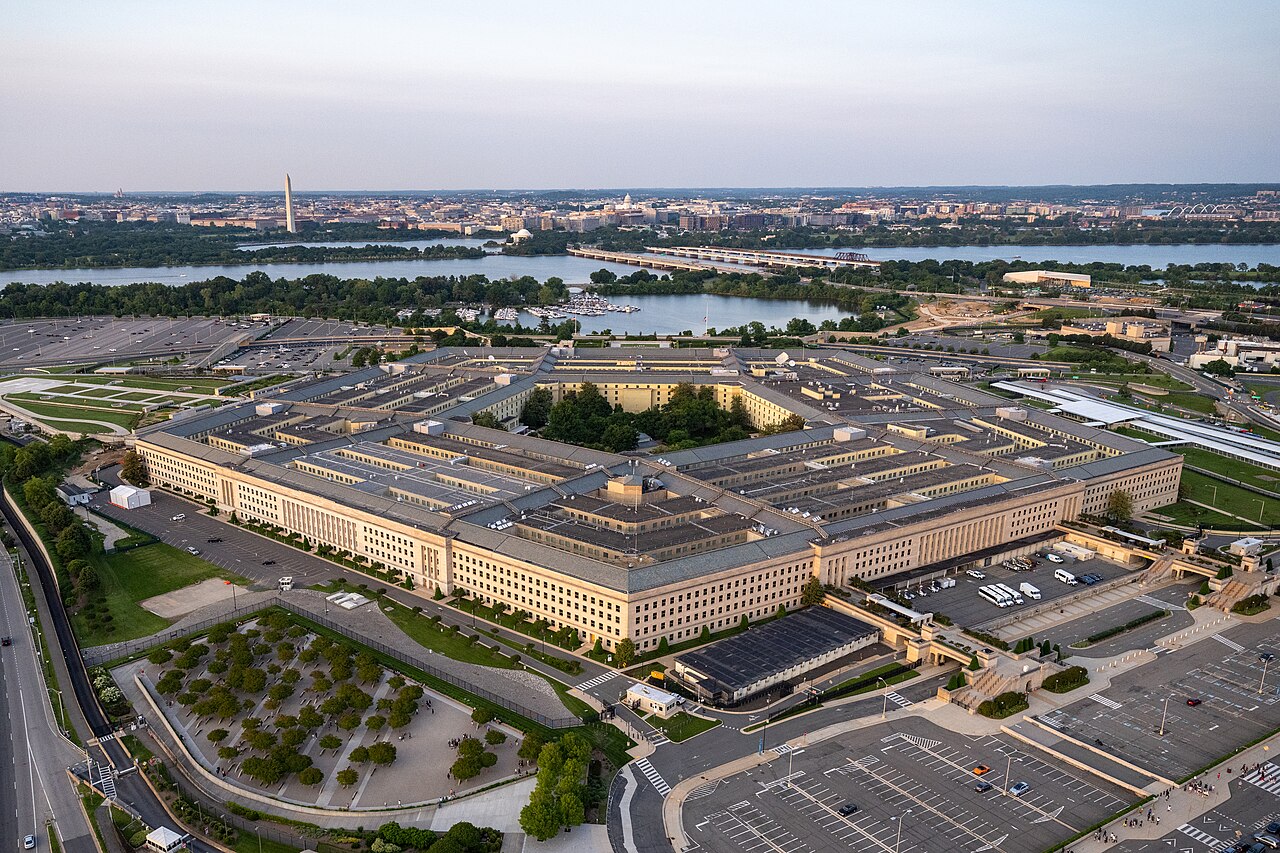
The U.S. Department of Defense has signed agreements with seven major tech companies—including Google, Microsoft, Amazon, Nvidia, OpenAI, SpaceX, and Reflection—to use their AI technologies in secret military operations, such as mission planning and weapons targeting. The exclusion of Anthropic, due to ethical disputes, highlights ongoing concerns about AI's role in warfare and potential risks to civilians.[AI generated]

Why's our monitor labelling this an incident or hazard?

The event involves the use of AI systems in military operations, including weapon targeting and mission planning, which clearly involves AI system use. While no direct or indirect harm has been reported yet, the deployment of AI in autonomous or semi-autonomous weapons and surveillance systems carries a plausible risk of causing harm to persons, communities, or violating human rights in the future. The article also mentions controversy over the use of AI tools for surveillance and autonomous killing, underscoring the potential for harm. Since no actual harm or incident is described, but the potential for harm is credible and significant, the classification is AI Hazard.[AI generated]
AI principles
Respect of human rightsTransparency & explainability

Industries
Government, security, and defence

Affected stakeholders
General public

Harm types
Physical (death)Physical (injury)Human or fundamental rights

Severity
AI hazard

AI system task:
Reasoning with knowledge structures/planningRecognition/object detection


Articles about this incident or hazard

Thumbnail Image

البنتاغون يبرم اتفاقات مع سبع شركات ذكاء اصطناعي لاستعمال برامجها

2026-05-01
France 24
Why's our monitor labelling this an incident or hazard?
The event involves the use of AI systems in military operations, including weapon targeting and mission planning, which clearly involves AI system use. While no direct or indirect harm has been reported yet, the deployment of AI in autonomous or semi-autonomous weapons and surveillance systems carries a plausible risk of causing harm to persons, communities, or violating human rights in the future. The article also mentions controversy over the use of AI tools for surveillance and autonomous killing, underscoring the potential for harm. Since no actual harm or incident is described, but the potential for harm is credible and significant, the classification is AI Hazard.
Thumbnail Image

البنتاغون يبرم اتفاقات مع سبع شركات ذكاء اصطناعي لاستعمال برامجها ويستبعد "أنثروبيك"

2026-05-01
France 24
Why's our monitor labelling this an incident or hazard?
The article clearly involves AI systems used by the U.S. military for mission planning and weapons targeting, which are high-risk applications with potential for serious harm. Although no specific harm or incident is reported, the deployment of AI in these contexts plausibly could lead to injury, death, or disruption, fitting the definition of an AI Hazard. The legal dispute with Anthropic and the Pentagon's exclusion of its AI due to ethical concerns further highlight the risks involved. Since no actual harm has been reported yet, and the focus is on agreements and potential use, the event does not qualify as an AI Incident but as an AI Hazard.
Thumbnail Image

وزارة الحرب الأمريكية تتعاقد مع سبع شركات لتوظيف الذكاء الاصطناعي في عمليات سرية - أردو بوینت

2026-05-01
UrduPoint
Why's our monitor labelling this an incident or hazard?
The article explicitly mentions the use of AI systems in military operations that involve planning and targeting weapons, which are high-stakes applications. While no specific harm or incident is reported as having occurred, the deployment of AI in secret military operations with classified impact levels plausibly could lead to significant harms, such as injury, violation of rights, or disruption. Therefore, this event represents a credible potential risk associated with AI use in military contexts, qualifying it as an AI Hazard rather than an Incident or Complementary Information.
Thumbnail Image

البنتاغون يعزز ترسانته الرقمية بشراكات سرية

2026-05-02
صحيفة عكاظ
Why's our monitor labelling this an incident or hazard?
The event involves the use and development of AI systems by the Pentagon for military purposes, including precise weapons targeting, which inherently carries risks of harm if misused or malfunctioning. Although no specific harm has been reported yet, the deployment of AI in military operations could plausibly lead to significant harm, including injury or loss of life, making this a credible AI Hazard. The article does not describe any realized harm or incident but highlights the potential for future risks associated with these AI applications in defense.
Thumbnail Image

البنتاغون يبرم اتفاقات مع 7 شركات ذكاء اصطناعي

2026-05-01
البيان
Why's our monitor labelling this an incident or hazard?
The article clearly involves AI systems used in military contexts, which are high-risk applications with potential for significant harm (e.g., autonomous weapons, surveillance). The agreements enable the use of AI in secret operations, which could plausibly lead to AI incidents involving injury, violations of rights, or other harms. However, since no actual harm or incident is reported, and the focus is on agreements and disputes rather than realized harm, the event fits the definition of an AI Hazard rather than an AI Incident. It is not merely complementary information because the article centers on the potential risks and strategic implications of these AI deployments, not on responses or updates to past incidents.
Thumbnail Image

البنتاغون يبرم اتفاقات مع سبع شركات ذكاء اصطناعي لاستعمال برامجها في عمليات سرية

2026-05-01
Alrai-media
Why's our monitor labelling this an incident or hazard?
The involvement of AI systems in military secret operations, especially for mission planning and weapons targeting, implies a plausible risk of harm due to the nature of these applications. Although no specific harm has been reported yet, the use of AI in such sensitive and potentially lethal contexts could plausibly lead to AI Incidents involving injury, violation of rights, or harm to communities. Therefore, this event qualifies as an AI Hazard due to the credible potential for future harm stemming from the deployment of AI in military operations.
Thumbnail Image

البنتاغون يبرم اتفاقات مع سبع شركات ذكاء اصطناعي لاستعمال برامجها في عمليات سرية

2026-05-01
LBCI Lebanon
Why's our monitor labelling this an incident or hazard?
The event involves the use of AI systems developed by major companies for secret military operations, including weapons targeting, which inherently carries plausible risks of causing harm (injury, human rights violations, etc.). Although no actual harm or incident is reported, the nature of the AI use in this context justifies classification as an AI Hazard due to the credible potential for future harm. There is no indication of realized harm or incident yet, so it is not an AI Incident. The article is not merely complementary information or unrelated, as it highlights a significant development with plausible future risks.
Thumbnail Image

tayyar.org - البنتاغون يبرم اتفاقات مع سبع شركات ذكاء اصطناعي لاستعمال برامجها في عمليات سرية

2026-05-01
tayyar.org
Why's our monitor labelling this an incident or hazard?
The article explicitly mentions AI systems being used for mission planning and weapons targeting, which are high-risk applications with potential for harm. Although no harm has yet occurred or been reported, the deployment of AI in secret military operations plausibly could lead to injury, violations of rights, or other significant harms. The event is about the development and intended use of AI systems in sensitive military contexts, fitting the definition of an AI Hazard. There is no indication of realized harm or incident, nor is the article focused on responses or updates, so it is not Complementary Information.
Thumbnail Image

البنتاغون يبرم اتفاقات مع سبع شركات ذكاء اصطناعي لاستعمال برامجها في عمليات سرية

2026-05-01
S A N A
Why's our monitor labelling this an incident or hazard?
The article explicitly mentions the use of AI systems from major companies in secret military operations involving mission planning and weapon targeting. While no direct harm is reported, the deployment of AI in such sensitive and potentially lethal contexts plausibly leads to risks of harm including human rights violations or unintended consequences in warfare. The involvement of AI in these operations and the potential for significant future harm aligns with the definition of an AI Hazard rather than an Incident or Complementary Information. The mention of a dispute with Anthropic and supply chain concerns further underscores the risk environment but does not indicate realized harm yet.
Thumbnail Image

"بنتاغون" تبرم اتفاقات مع 7 شركات ذكاء صناعي لاستخدام برامجها في عمليات سرية

2026-05-01
Alwasat News
Why's our monitor labelling this an incident or hazard?
The article explicitly mentions the use of AI systems from major companies in secret military operations involving mission planning and weapons targeting. Although no harm has yet occurred or been reported, the nature of these AI applications in military contexts inherently carries a credible risk of causing injury, violations of rights, or other serious harms. Since the event concerns the development and use of AI systems with a plausible potential to lead to significant harm but does not describe any actual harm or incident, it fits the definition of an AI Hazard rather than an AI Incident or Complementary Information.
Thumbnail Image

"البنتاغون" يبرم اتفاقات مع 7 شركات ذكاء صناعي لاستعمال برامجها في "عمليات سرية"

2026-05-01
Alwasat News
Why's our monitor labelling this an incident or hazard?
The event involves the development and intended use of AI systems by the Pentagon for secret military operations, which clearly involves AI systems. Although no direct harm or incident is reported, the deployment of AI in weapons targeting and mission planning carries credible risks of future harm, including injury, violation of rights, or disruption. Therefore, this situation fits the definition of an AI Hazard, as it plausibly could lead to an AI Incident in the future. There is no indication of actual harm yet, so it is not an AI Incident. It is more than just complementary information because it concerns the potential risks of AI use in military operations, not merely a governance or research update.
Thumbnail Image

البنتاغون يبرم اتفاقات مع سبع شركات للذكاء الاصطناعي لاستخدام برامجها في "عمليات سرية"

2026-05-01
euronews
Why's our monitor labelling this an incident or hazard?
The article explicitly involves AI systems developed and used by the Pentagon in military operations, including decision-making support for targeting and battlefield management. The use of AI in such contexts inherently carries risks of harm to persons (soldiers, civilians) and potential violations of human rights, which are recognized concerns in the article. The fact that these AI systems are already deployed and used operationally means harms are not just potential but ongoing or imminent. The legal dispute and ethical concerns further underscore the direct involvement of AI in activities with significant harm implications. Thus, this event meets the criteria for an AI Incident due to the direct or indirect link between AI use and potential or realized harm in military contexts.
Thumbnail Image

"البنتاغون" يبرم اتفاقات مع شركات للذكاء الإصطناعي لدعم "العمليات السرية"

2026-05-01
Addiyar
Why's our monitor labelling this an incident or hazard?
The article explicitly mentions the use of AI systems by the Pentagon for secret operations involving mission planning and weapon targeting, which clearly involves AI system use. Although no direct harm or incident is reported, the deployment of AI in military operations, especially secret ones, carries a credible risk of causing harm (e.g., unintended casualties, escalation of conflict, violations of rights). The event does not describe an actual incident but highlights a plausible future risk, fitting the definition of an AI Hazard rather than an AI Incident or Complementary Information.
Thumbnail Image

لتنفيذ عمليات سرية.. البنتاغون يبرم اتفاقات لاستخدام الذكاء الاصطناعي | التلفزيون العربي

2026-05-01
التلفزيون العربي
Why's our monitor labelling this an incident or hazard?
The event involves the use of AI systems by the Pentagon in secret military operations, including planning and weapons targeting, which are activities that can directly lead to harm (injury or death). The AI systems are explicitly mentioned and their use is central to the event. The article describes the deployment and integration of AI in military contexts where harm is a direct and foreseeable consequence. Therefore, this qualifies as an AI Incident rather than a hazard or complementary information, as the AI use is active and linked to operations with potential for harm.
Thumbnail Image

باستثناء أنثروبيك.. عمالقة الذكاء الاصطناعي ينصاعون لصفقات البنتاغون

2026-05-02
العربي الجديد
Why's our monitor labelling this an incident or hazard?
The event involves AI systems and their use in military contexts, but it primarily concerns agreements, governance, and strategic deployment rather than any direct or indirect harm caused by AI. There is no report of injury, rights violations, disruption, or other harms resulting from AI use. The article focuses on the integration and regulation of AI technologies within the DoD, including contractual and policy issues, which fits the definition of Complementary Information as it provides context and updates on AI ecosystem developments and governance responses without describing an AI Incident or AI Hazard.
Thumbnail Image

打造「AI優先作戰部隊」 五角大廈機密系統部署輝達等7大公司技術 - 國際 - 自由時報電子報

2026-05-01
Liberty Times Net
Why's our monitor labelling this an incident or hazard?
The event involves the use and deployment of AI systems within military classified networks to support operational decision-making. While the article does not report any realized harm or incidents caused by these AI systems, the integration of advanced AI technologies into critical defense infrastructure plausibly presents risks that could lead to harm, such as operational failures, security breaches, or misuse in warfare contexts. Therefore, this event constitutes an AI Hazard due to the credible potential for future harm stemming from the deployment of AI in sensitive military operations.
Thumbnail Image

五角大廈與7家AI公司達協議 擴大軍方合作廠商多樣性 | 國際 | 中央社 CNA

2026-05-01
Central News Agency
Why's our monitor labelling this an incident or hazard?
The event involves AI systems explicitly, as it concerns agreements with AI companies to deploy AI technologies in military operations. However, there is no indication of any harm, malfunction, or misuse that has occurred or is occurring. The article focuses on the DoD's strategic move to diversify AI suppliers and enhance military AI capabilities, which is a governance and ecosystem development rather than an incident or hazard. Therefore, it fits the definition of Complementary Information, providing context and updates on AI adoption and governance in the military sector without reporting an AI Incident or AI Hazard.
Thumbnail Image

美軍與人工智能(AI)公司合作應對"前所未有的新興威脅

2026-05-01
RFI
Why's our monitor labelling this an incident or hazard?
The event involves the use and deployment of AI systems in military operations, which clearly involves AI system development and use. However, the article does not report any direct or indirect harm resulting from these AI systems at this time. The focus is on the strategic partnership and future deployment to address emerging threats, implying potential risks but no realized incidents. According to the definitions, this fits the category of an AI Hazard, as the AI systems' use in military operations could plausibly lead to harms such as injury, disruption, or violations of rights, but no such harms have yet occurred or been reported.
Thumbnail Image

五角大樓與領先AI公司達協議 提升作戰能力 | 戰爭部 | 大紀元

2026-05-01
The Epoch Times
Why's our monitor labelling this an incident or hazard?
The event involves the use and deployment of AI systems in military operations, which could plausibly lead to harms such as injury, disruption, or violations of rights if misused or malfunctioning. However, since the article only describes the agreement and planned deployment without any realized harm or malfunction, it constitutes a credible potential risk rather than an actual incident. Therefore, this is best classified as an AI Hazard, reflecting the plausible future harm from integrating advanced AI into military operations.
Thumbnail Image

戰爭部攜頂尖 AI 公司推進 AI 戰力,Anthropic 仍屬供應鏈風險未納入

2026-05-02
TechNews 科技新報 | 市場和業內人士關心的趨勢、內幕與新聞
Why's our monitor labelling this an incident or hazard?
The article involves AI systems explicitly, focusing on their deployment in military contexts and supply chain risk management. However, it does not describe any actual harm or incident caused by AI use, nor does it report a near-miss or credible risk event that could plausibly lead to harm. The content mainly provides complementary information about AI integration in defense, company participation, and security considerations. Therefore, it fits the definition of Complementary Information rather than an AI Incident or AI Hazard.
Thumbnail Image

五角大廈與7家AI公司達協議 擴大軍方合作廠商多樣性 | 國際焦點 | 國際 | 經濟日報

2026-05-01
Udnemoney聯合理財網
Why's our monitor labelling this an incident or hazard?
The article explicitly involves AI systems being integrated into military operations, which are high-stakes environments where AI use could plausibly lead to significant harms such as injury, disruption, or violations of rights. However, no direct or indirect harm has occurred or is reported in the article. The focus is on agreements and regulatory decisions, indicating potential future risks rather than realized incidents. Therefore, this event qualifies as an AI Hazard because it plausibly could lead to AI incidents given the military context, but no incident has yet materialized. It is not Complementary Information because it is not merely an update or response to a past incident, nor is it unrelated since AI systems and their military use are central to the event.
Thumbnail Image

美國防部全面擁抱AI 七大科技巨頭進駐機密網路 | 鉅亨網 - 美股雷達

2026-05-01
Anue鉅亨
Why's our monitor labelling this an incident or hazard?
The event involves the use and deployment of AI systems by the U.S. military in classified environments, which clearly involves AI systems. Although the article does not report any realized harm or incident resulting from these AI systems, it discusses the potential risks and ethical controversies surrounding military AI applications, including supply chain risks and decision-making reliability. The deployment of AI in military operations could plausibly lead to harms such as violations of human rights, operational disruptions, or other significant harms if AI systems malfunction or are misused. Therefore, this event fits the definition of an AI Hazard, as it plausibly could lead to an AI Incident in the future. It is not Complementary Information because the article is not primarily about responses or updates to past incidents, nor is it unrelated as it clearly concerns AI system deployment with potential risks.
Thumbnail Image

美國防部與輝達等7家公司簽AI協議 誰被排除在外? | 鉅亨網

2026-05-02
Anue鉅亨
Why's our monitor labelling this an incident or hazard?
The article explicitly involves AI systems being developed and deployed for military use, which is a high-risk domain with potential for significant harm. The Department of Defense's collaboration with AI companies to enhance battlefield capabilities indicates AI system use and development. The exclusion of Anthropic due to supply chain risk and blacklisting further highlights concerns about potential hazards. However, since no actual harm or incident has occurred or is described, and the focus is on agreements and risk management, this event fits the definition of an AI Hazard rather than an AI Incident or Complementary Information. It is not unrelated because AI systems and their risks are central to the report.
Thumbnail Image

輝達入列!五角大廈與7家AI公司達協議 擴大軍方合作廠商多樣性 | 國際 | 三立新聞網 SETN.COM

2026-05-01
三立新聞
Why's our monitor labelling this an incident or hazard?
The article focuses on the establishment of agreements between the DoD and AI companies to deploy AI technologies in military contexts, which is a development that could plausibly lead to future harms given the nature of military AI applications. However, no actual harm or incident is reported or implied as having occurred. Therefore, this event fits the definition of an AI Hazard, as it involves the use and deployment of AI systems in sensitive military operations with potential risks, but without any direct or indirect harm realized yet. It is not Complementary Information because it is not an update or response to a prior incident, nor is it unrelated since it clearly involves AI systems and their military use.
Thumbnail Image

美國國防部簽署機密AI協議!OpenAI與Nvidia入列 Anthropic遭排除 - 民視新聞網

2026-05-01
民視新聞網
Why's our monitor labelling this an incident or hazard?
The event involves the use and development of AI systems explicitly for military purposes, including weapons targeting and mission planning, which are high-risk applications. The article does not report any realized harm but describes the deployment and planned use of AI in sensitive military contexts where harm could plausibly occur. Therefore, this situation fits the definition of an AI Hazard, as the AI systems' use could plausibly lead to injury, disruption, or other significant harms. The exclusion of Anthropic due to its guardrails further underscores the risk considerations. Since no actual harm has been reported, it is not an AI Incident. The article is not merely complementary information because it focuses on the potential risks and strategic military integration of AI, not just updates or responses to past incidents.
Thumbnail Image

五角大廈擴大AI合作名單!OpenAI與輝達入列 獨缺這家新創 - 民視新聞網

2026-05-01
民視新聞網
Why's our monitor labelling this an incident or hazard?
The event involves the use and integration of AI systems into military operations, which is a significant development in AI deployment. However, the article does not describe any realized harm or incident resulting from these AI systems. Instead, it focuses on the expansion of AI collaboration, supply chain risk management, and internal debates about vendor inclusion. There is no indication of injury, rights violations, disruption, or other harms caused by the AI systems mentioned. The potential security concerns about Anthropic's AI tools are noted but do not constitute an incident or immediate hazard as no harm has occurred or is imminent. Therefore, this is best classified as Complementary Information, providing context and updates on AI governance and deployment in defense without reporting an AI Incident or Hazard.
Thumbnail Image

美國國防部簽署機密AI協議!Google等7大巨頭入列 Anthropic遭排除 - 民視新聞網

2026-05-01
民視新聞網
Why's our monitor labelling this an incident or hazard?
The event involves the use and deployment of AI systems in military networks, which are inherently high-risk environments. Although no direct harm or incident is reported, the integration of AI into classified military operations plausibly leads to potential harms such as injury, disruption, or violations of rights in future scenarios. Therefore, this constitutes an AI Hazard rather than an AI Incident. The article also includes contextual geopolitical information but does not describe any realized AI harm or incident.
Thumbnail Image

"미토스 무서웠나"...美전쟁부, 기밀협약서 앤트로픽만 쏙 뺐다 - 매일경제

2026-05-02
mk.co.kr
Why's our monitor labelling this an incident or hazard?
The event involves AI systems and their use in defense, with explicit mention of AI companies and models. However, there is no indication that the AI systems have caused or directly contributed to any harm or incident. The article centers on the DoD's strategic partnerships and exclusion of Anthropic due to risk concerns and policy disagreements, which is a governance and industry response issue. There is no description of an AI Incident (harm realized) or AI Hazard (plausible future harm) occurring. Thus, the article fits the definition of Complementary Information, providing context and updates on AI ecosystem developments and governance without reporting new harm or imminent risk.
Thumbnail Image

美국방부, 앤트로픽 뺀 주요 AI 업체들과 기밀업무 협약(종합) | 연합뉴스

2026-05-02
연합뉴스
Why's our monitor labelling this an incident or hazard?
The article explicitly involves AI systems used by the DoD for military and cybersecurity purposes, indicating AI system involvement. However, it does not report any harm or incident caused by these AI systems, nor does it describe a plausible future harm scenario. Instead, it details agreements, risk assessments, and governance decisions, including exclusion of a vendor due to supply chain risks and ongoing legal disputes. This fits the definition of Complementary Information, as it provides updates on AI ecosystem governance and strategic use without describing an AI Incident or AI Hazard.
Thumbnail Image

미 국방부, 앤트로픽 제외 주요 AI 기업과 협약

2026-05-01
경향신문
Why's our monitor labelling this an incident or hazard?
The article explicitly involves AI systems and their use in military operations, which is a significant AI ecosystem development. However, it does not describe any actual harm, malfunction, or incident caused by AI systems. Instead, it reports on agreements, policy decisions, and disputes between the DoD and AI companies, which are governance and societal responses to AI deployment. The potential risks of AI in military use are implied but not realized or detailed as incidents. Hence, the event fits the definition of Complementary Information rather than an AI Incident or AI Hazard.
Thumbnail Image

미 국방부, 앤트로픽 빼고 오픈AI 등 7개 기업과 기밀 협약 체결

2026-05-02
경향신문
Why's our monitor labelling this an incident or hazard?
The event involves AI systems explicitly, as it concerns advanced AI technologies from major companies being integrated into U.S. military operations. The Department of Defense's actions and the exclusion of Anthropic due to ethical concerns highlight the potential for AI to be used in autonomous weapons or surveillance, which could plausibly lead to harms such as violations of human rights or harm to communities. Since no actual harm or incident is reported, but the situation clearly presents a credible risk of future harm from AI military use, this qualifies as an AI Hazard rather than an AI Incident or Complementary Information.
Thumbnail Image

美국방부, 앤트로픽 뺀 주요 AI 업체들과 기밀업무 협약

2026-05-01
Wow TV
Why's our monitor labelling this an incident or hazard?
The event involves the use and development of AI systems by the DoD and major AI companies for military applications, including potential use in autonomous weapons and surveillance. While no direct harm is reported as having occurred, the deployment of AI in military and surveillance contexts carries a credible risk of significant harm, such as violations of human rights, harm to communities, or escalation of conflict. The article primarily describes the establishment of agreements and strategic intentions, not an actual incident of harm. Therefore, this event represents a plausible future risk (AI Hazard) related to AI systems in sensitive military use, rather than a realized AI Incident or merely complementary information.
Thumbnail Image

美국방부, 7개 AI업체와 '기밀업무'협약...앤스로픽은 제외

2026-05-02
파이낸셜뉴스
Why's our monitor labelling this an incident or hazard?
The event involves the use of AI systems developed by major companies for military purposes, which can plausibly lead to harms such as injury, disruption, or violations of rights due to the nature of military applications. The article explicitly mentions the deployment of AI technologies on classified military networks to improve decision-making in combat, indicating AI system involvement and intended use. However, no actual harm or incident has occurred yet; the article focuses on agreements and plans, not on realized negative outcomes. Thus, it fits the definition of an AI Hazard, as the AI systems' use could plausibly lead to an AI Incident in the future.
Thumbnail Image

美국방부, 오픈AI·구글 등 7개 업체와 기밀 AI 협약...앤트로픽만 빠져

2026-05-02
아시아경제
Why's our monitor labelling this an incident or hazard?
The event involves AI systems explicitly and their use by the U.S. Department of Defense, but no harm or malfunction has occurred or is reported. The article focuses on agreements, strategic decisions, and political/legal disputes related to AI use in defense, which fits the definition of Complementary Information. There is no indication of realized harm (AI Incident) or plausible future harm (AI Hazard) directly stemming from the AI systems' development, use, or malfunction in this context.
Thumbnail Image

미 국방부, 7개 AI 업체와 기밀업무 협약...'앤트로픽 제외'

2026-05-02
매일방송
Why's our monitor labelling this an incident or hazard?
The event involves the development and intended use of AI systems by the U.S. Department of Defense in classified military operations, which clearly involves AI systems. While the article does not report any realized harm or incident resulting from these AI systems, the integration of AI into military decision-making and operations plausibly could lead to harms such as violations of human rights, escalation of conflict, or misuse of autonomous weapons. The exclusion of Anthropic due to ethical concerns and supply chain risks further highlights the potential hazards. Since no direct or indirect harm has yet occurred, but plausible future harm is credible, the event is best classified as an AI Hazard.
Thumbnail Image

Каков договор потпиша Google со Пентагон?

2026-04-28
Кајгана
Why's our monitor labelling this an incident or hazard?
The event involves the use of AI systems developed by Google for classified military purposes, including mission planning and weapons targeting, which are sensitive and potentially harmful applications. Although no specific harm has yet occurred, the deployment of AI in such contexts plausibly could lead to harms such as injury, violation of rights, or harm to communities if the AI systems malfunction or are misused. Therefore, this event represents a credible AI Hazard due to the plausible future risk of harm stemming from the use of AI in military operations.
Thumbnail Image

Пентагон постигна договори со водечки компании за вештачка интелигенција

2026-05-01
NetPress
Why's our monitor labelling this an incident or hazard?
The article involves AI systems explicitly, as it discusses advanced AI models from major companies being integrated into military networks. However, there is no indication that these AI systems have caused any injury, rights violations, disruption, or other harms at this time. The mention of a dispute and risk labeling of one company indicates governance and risk management issues but not an incident or realized harm. The article thus fits best as Complementary Information, providing context on AI adoption and governance in a sensitive sector without describing an AI Incident or AI Hazard.
Thumbnail Image

Вештачката интелигенција на Google влегува во Пентагон - Trn.mk

2026-04-28
Trn.mk
Why's our monitor labelling this an incident or hazard?
The article explicitly mentions the use of AI systems by the Pentagon for defense and government purposes, indicating AI system involvement. However, there is no indication that any harm has occurred or that the AI systems have malfunctioned or been misused yet. The event describes a new agreement enabling AI use in defense, which could plausibly lead to future harms given the nature of military applications of AI, but no actual incident or harm is reported. Therefore, this qualifies as an AI Hazard due to the plausible future risk associated with AI use in defense operations.
Thumbnail Image

Google потпиша договор со Пентагон за користење на AI модели во доверливи операции - Конект.мк

2026-04-28
Конект.мк
Why's our monitor labelling this an incident or hazard?
The article clearly involves AI systems (Google's AI models) used in sensitive defense operations, which can plausibly lead to significant harms such as injury or violation of rights if misused or malfunctioning. No actual harm or incident is reported yet, only the signing of a contract enabling such use. The explicit exclusion of autonomous weapons without human oversight reduces but does not eliminate the risk. Hence, this event is best classified as an AI Hazard due to the credible potential for future harm stemming from the AI's deployment in military contexts.
Thumbnail Image

Google потпишува договор со Пентагон за користење на AI модели во класифицирани операции

2026-04-28
utro.mk
Why's our monitor labelling this an incident or hazard?
The article explicitly involves AI systems (Google's AI models) being used in classified military operations, which inherently carry risks of harm to people and communities if the AI is misused or malfunctions. While no specific harm has yet occurred or been reported, the nature of the AI's intended use in defense and targeting tasks plausibly could lead to significant harm, including injury or violation of rights. Therefore, this event represents a credible potential risk of harm stemming from AI use, fitting the definition of an AI Hazard rather than an Incident, as no realized harm is described.
Thumbnail Image

Пентагон ја вклучува вештачката интелигенција во војувањето - Trn.mk

2026-05-01
Trn.mk
Why's our monitor labelling this an incident or hazard?
The article explicitly mentions the use of AI systems developed by major companies integrated into military operations, which qualifies as AI system involvement. The use is in a high-risk domain (military and defense), where AI's malfunction or misuse could plausibly lead to injury, disruption, or other harms. No actual harm or incident is reported yet, but the potential for harm is credible and significant. The temporary banning of Anthropic's AI tools due to security concerns further supports the presence of plausible risks. Hence, the event fits the definition of an AI Hazard rather than an AI Incident or Complementary Information.
Thumbnail Image

Пентагон потпиша договори со седум AI гиганти: меѓу нив се SpaceX, Google и OpenAI - USB.mk

2026-05-01
USB.mk
Why's our monitor labelling this an incident or hazard?
The involvement of AI systems in military decision-making and classified work implies a plausible risk of future harm, such as misuse, escalation of conflict, or unintended consequences in warfare. Although no direct harm is reported yet, the integration of advanced AI into military operations represents a credible potential for significant harm, qualifying this as an AI Hazard. There is no indication of realized harm or incident at this stage, so it is not an AI Incident. The article is not merely complementary information since it focuses on the contracts and their implications rather than updates or responses to past events.
Thumbnail Image

Пентагон потпиша договори со 7 AI гиганти

2026-05-01
Trn.mk
Why's our monitor labelling this an incident or hazard?
The event involves the use of AI systems developed by major companies integrated into military operations, which is a clear AI system involvement. The article does not report any realized harm but highlights the potential risks and concerns about private companies influencing military decisions and the regulation of sensitive data and algorithms. Given the high-stakes context and the plausible risk of harm from AI use in military settings, this qualifies as an AI Hazard rather than an AI Incident. It is not Complementary Information because the main focus is on the contracts and their implications, not on responses or updates to past incidents. It is not Unrelated because the event is directly about AI system deployment with potential for harm.
Thumbnail Image

Пентагонът сключи споразумения с водещи компании в областта на изкуствения интелект

2026-05-01
Petel.bg
Why's our monitor labelling this an incident or hazard?
The event involves the development and use of AI systems by the Pentagon in classified military networks, which is a clear AI system involvement. While the article does not report any realized harm or incidents, the deployment of advanced AI in military operations plausibly could lead to harms such as injury, disruption, or violations of rights in the future. Therefore, this situation fits the definition of an AI Hazard, as it describes circumstances where AI use could plausibly lead to an AI Incident, but no incident has yet occurred or been described.
Thumbnail Image

Пентагонът избра своите ИИ съюзници: Защо допусна Мъск, но забрани Anthropic?

2026-05-01
Actualno.com
Why's our monitor labelling this an incident or hazard?
The article explicitly involves AI systems being integrated into Pentagon networks for operational use, indicating AI system involvement. While no direct or indirect harm has occurred yet, the deployment of AI in military decision-making and classified environments carries credible risks of harm (e.g., operational failures, misuse, or escalation). The exclusion of Anthropic due to risk concerns further highlights supply chain and security hazards. Since the article does not report any realized harm but discusses plausible future risks and risk management actions, it fits the definition of an AI Hazard rather than an Incident or Complementary Information.
Thumbnail Image

Лудост! Пентагонът упълномощава изкуствения интелект за бойните решения - Свят -- Новини Стандарт

2026-05-01
Стандарт - Новини, които си струва да споделим
Why's our monitor labelling this an incident or hazard?
The event explicitly involves AI systems integrated into military operations to assist or make combat decisions, which directly relates to harm to persons and global security (harm to communities and potential injury or death). The use of AI in lethal decision-making is a direct involvement of AI in potentially causing harm. The article describes realized deployment and agreements for such use, not just potential or hypothetical risks. Therefore, this qualifies as an AI Incident due to the direct link between AI use and potential or actual harm in military conflict contexts.
Thumbnail Image

Пентагонът сключи договори за АІ със седем технологични гиганта

2026-05-01
Investor.bg
Why's our monitor labelling this an incident or hazard?
The article describes the use and integration of AI systems by the Pentagon for military purposes, which involves AI system development and use. However, it does not report any realized harm or incidents resulting from these AI systems. Instead, it describes strategic partnerships and ongoing developments that could plausibly lead to future risks or harms given the military context and AI's role in warfare. Therefore, this event is best classified as an AI Hazard, reflecting the credible potential for future harm from the deployment of AI in military operations, but no direct or indirect harm has yet occurred as per the article.
Thumbnail Image

Пентагонът сключи споразумения с водещи компании в областта на изкуствения интелект

2026-05-01
Българска Телеграфна Агенция
Why's our monitor labelling this an incident or hazard?
The article involves AI systems explicitly, as it discusses the integration of AI technologies from major companies into Pentagon networks for military use. However, there is no indication of any harm, malfunction, or misuse that has occurred or is occurring. The mention of restrictions on Anthropic's AI tools reflects governance and risk management rather than an incident or hazard. The article primarily provides information about the strategic deployment and agreements related to AI in defense, which fits the definition of Complementary Information as it enhances understanding of AI ecosystem developments and governance responses without describing a specific AI Incident or AI Hazard.
Thumbnail Image

Пентагонът вкарва изкуствен интелект в секретните си мрежи

2026-05-01
Телевизия Евроком
Why's our monitor labelling this an incident or hazard?
The article explicitly mentions AI systems being integrated into secret military networks and autonomous drone projects, indicating AI system involvement. Although no direct harm or incident is reported, the nature of the AI use in military and defense contexts inherently carries plausible risks of harm, including escalation of conflict or misuse of autonomous weapons. The article also notes internal concerns among employees about secret military contracts, underscoring potential ethical and safety issues. Since no realized harm is described, but credible future harm is plausible, the event fits the definition of an AI Hazard rather than an AI Incident or Complementary Information.
Thumbnail Image

Изкуственият интелект ще взема бойни решения

2026-05-02
cross.bg
Why's our monitor labelling this an incident or hazard?
The event clearly involves AI systems being developed and deployed for military decision-making, including combat decisions, which directly relates to the use of AI. Although no specific harm has yet occurred, the deployment of AI in lethal military contexts carries a credible risk of causing injury, loss of life, or broader harm to peace and security. This fits the definition of an AI Hazard, as the AI's involvement could plausibly lead to an AI Incident involving harm to persons and communities. The article also mentions expert warnings about the dangers, reinforcing the plausible risk. There is no indication that harm has already occurred, so it is not an AI Incident. The article is not merely complementary information or unrelated news, as it focuses on the potential risks of AI use in military combat decisions.
Thumbnail Image

Pentagonul încheie contracte cu șapte firme de inteligență artificială, dar nu și cu Anthropic

2026-05-01
AGERPRES
Why's our monitor labelling this an incident or hazard?
The article involves AI systems used by the Department of Defense for military operations, which qualifies as AI system involvement. However, no actual harm or incident is reported; rather, the focus is on contracting decisions and risk management, including exclusion of a supplier over safety concerns. This fits the definition of Complementary Information, as it provides context and updates on AI governance and deployment strategies without describing a new AI Incident or AI Hazard.
Thumbnail Image

Pentagonul încheie acontracte cu șapte giganți tech pentru servicii de inteligență artificială, dar nu și cu Anthropic - Economica.net

2026-05-01
Economica.net
Why's our monitor labelling this an incident or hazard?
The article explicitly involves AI systems being developed and used by the Department of Defense for critical military functions such as planning and target selection, which are high-stakes applications. While no direct harm or incident is reported, the discussion of safety mechanisms, risk to the supply chain, and exclusion of a vendor due to these concerns indicates a credible potential for harm if AI systems malfunction or are misused. Therefore, this event represents an AI Hazard, as the AI systems' deployment in sensitive military contexts could plausibly lead to incidents affecting national security or other harms if not properly managed.
Thumbnail Image

Pentagonul încheie contracte cu şapte firme de inteligenţă artficială, dar nu şi cu Anthropic - Financial Intelligence

2026-05-01
Financial Intelligence
Why's our monitor labelling this an incident or hazard?
The event involves AI systems explicitly, as the Pentagon is integrating AI services from multiple companies for military operations. The exclusion of Anthropic due to safety concerns indicates a risk related to AI system use in sensitive contexts. No direct or indirect harm has been reported; rather, the article highlights potential risks and preventive measures. Hence, it fits the definition of an AI Hazard, as the development and use of these AI systems could plausibly lead to incidents affecting national security if not properly managed.
Thumbnail Image

Pentagonul încheie contracte cu șapte firme de inteligență artificială, dar nu și cu Anthropic

2026-05-01
euronews.ro: Știri de ultimă oră, breaking news, #AllViews
Why's our monitor labelling this an incident or hazard?
The article involves AI systems explicitly, as it discusses AI companies and their AI capabilities being integrated into military networks for critical functions. However, it does not describe any realized harm or incident caused by these AI systems. Instead, it focuses on the potential risks (e.g., supply chain risk from Anthropic) and strategic decisions about AI use in defense. This fits the definition of Complementary Information, as it provides context and updates on AI governance and deployment in a sensitive sector without reporting an AI Incident or AI Hazard.
Thumbnail Image

Pentagonul a încheiat acorduri cu șapte companii din domeniul AI, pentru a extinde serviciile lor în rândul militarilor și pentru a crește numărul de firme autorizate să acceseze rețelele clasificate. Anunțul exclude Anthropic, aflată într-o dispută cu Departamentul Apărării privind mecanismele de siguranță pentru utilizarea militară a AI. - Biziday

2026-05-01
Biziday
Why's our monitor labelling this an incident or hazard?
The event involves the use and development of AI systems by the military for critical operations, which inherently carry risks of harm if misused or if vulnerabilities are exploited. While no direct harm or incident has occurred as per the article, the Pentagon's caution and exclusion of Anthropic due to security risks indicate a credible potential for future harm. Therefore, this event fits the definition of an AI Hazard, as it plausibly could lead to harms such as national security breaches or misuse of AI in military operations. The article does not report an actual incident or realized harm, nor is it primarily about responses or ecosystem updates, so it is not an AI Incident or Complementary Information.
Thumbnail Image

Pentagonul menţine interdicţia pentru Anthropic, dar analizează separat modelul AI Mythos

2026-05-02
News.ro
Why's our monitor labelling this an incident or hazard?
The article involves AI systems explicitly (Anthropic's Claude models and Mythos AI model) and discusses their use and evaluation by the US Department of Defense. However, it does not describe any direct or indirect harm caused by these AI systems. The concerns and restrictions reflect potential risks and security implications, but no actual incident or harm has occurred as per the article. Therefore, this situation fits the definition of Complementary Information, as it provides context on governance, risk assessment, and strategic decisions regarding AI without reporting a new AI Incident or AI Hazard.
Thumbnail Image

البنتاجون يبرم اتفاقيات مع شركات رائدة فى الذكاء الاصطناعى

2026-05-01
Dostor
Why's our monitor labelling this an incident or hazard?
The article involves AI systems explicitly, as it discusses advanced AI capabilities and platforms used by the military. The event concerns the use and deployment of AI systems but does not describe any direct or indirect harm, malfunction, or violation of rights resulting from these systems. There is no indication of an incident or harm occurring, nor is there a credible or imminent risk of harm described. The content is primarily about the strategic adoption and integration of AI in military operations, which provides context and updates on AI deployment and governance in defense. Therefore, this qualifies as Complementary Information rather than an AI Incident or AI Hazard.
Thumbnail Image

"البنتاجون" يعلن توصله لاتفاقيات مع 7 شركات متخصصة في الذكاء الاصطناعي - اليوم السابع

2026-05-01
اليوم السابع
Why's our monitor labelling this an incident or hazard?
The article reports on agreements for AI integration within the Pentagon's networks, involving AI systems, but does not mention any incident, malfunction, or harm caused or plausibly caused by these AI systems. There is no indication of injury, rights violations, infrastructure disruption, or other harms. The exclusion of one company over usage controls is a governance or policy matter, not an incident or hazard. Therefore, this is complementary information about AI ecosystem developments and governance responses rather than an AI Incident or Hazard.
Thumbnail Image

"البنتاجون" يعلن توصله لاتفاقيات مع 7 شركات متخصصة في الذكاء الاصطناعي - بوابة الأهرام

2026-05-01
جريدة الأهرام
Why's our monitor labelling this an incident or hazard?
The article explicitly mentions AI systems and their deployment in military networks, indicating AI system involvement. However, it does not describe any harm caused or any plausible immediate risk of harm from these agreements. The focus is on the strategic expansion and integration of AI capabilities within the Department of Defense, which is a governance and ecosystem development update. No direct or indirect harm has occurred, nor is there a clear plausible future harm described. Hence, it fits the definition of Complementary Information rather than an AI Incident or AI Hazard.
Thumbnail Image

البنتاجون يعلن توقيع اتفاقيات مع 7 شركات في الذكاء الاصطناعي

2026-05-01
مانكيش نت
Why's our monitor labelling this an incident or hazard?
The article reports on the Pentagon's agreements with AI companies to integrate their AI technologies into military networks. While AI systems are involved, there is no indication of any harm caused or any immediate plausible risk of harm resulting from these agreements. The mention of a dispute with one company over AI usage controls is contextual but does not indicate an incident or hazard. Therefore, this is complementary information about AI ecosystem developments and governance rather than an incident or hazard.
Thumbnail Image

البنتاجون يبرم اتفاقيات مع شركات رائدة في الذكاء الاصطناعي

2026-05-01
Asharq News
Why's our monitor labelling this an incident or hazard?
The event involves AI systems explicitly, focusing on their deployment and governance within the military. However, there is no indication of any direct or indirect harm caused by these AI systems at this time. The mention of security risks and exclusion of a company due to potential threats represents a precautionary governance and risk management action rather than an incident or hazard with realized or imminent harm. Therefore, this is best classified as Complementary Information, as it provides context on AI governance, security concerns, and strategic use within a critical sector without reporting an AI Incident or AI Hazard.