AI Systems Enable Early Wildfire Detection and Response in Western US

Thumbnail Image

The information displayed in the AIM should not be reported as representing the official views of the OECD or of its member countries.

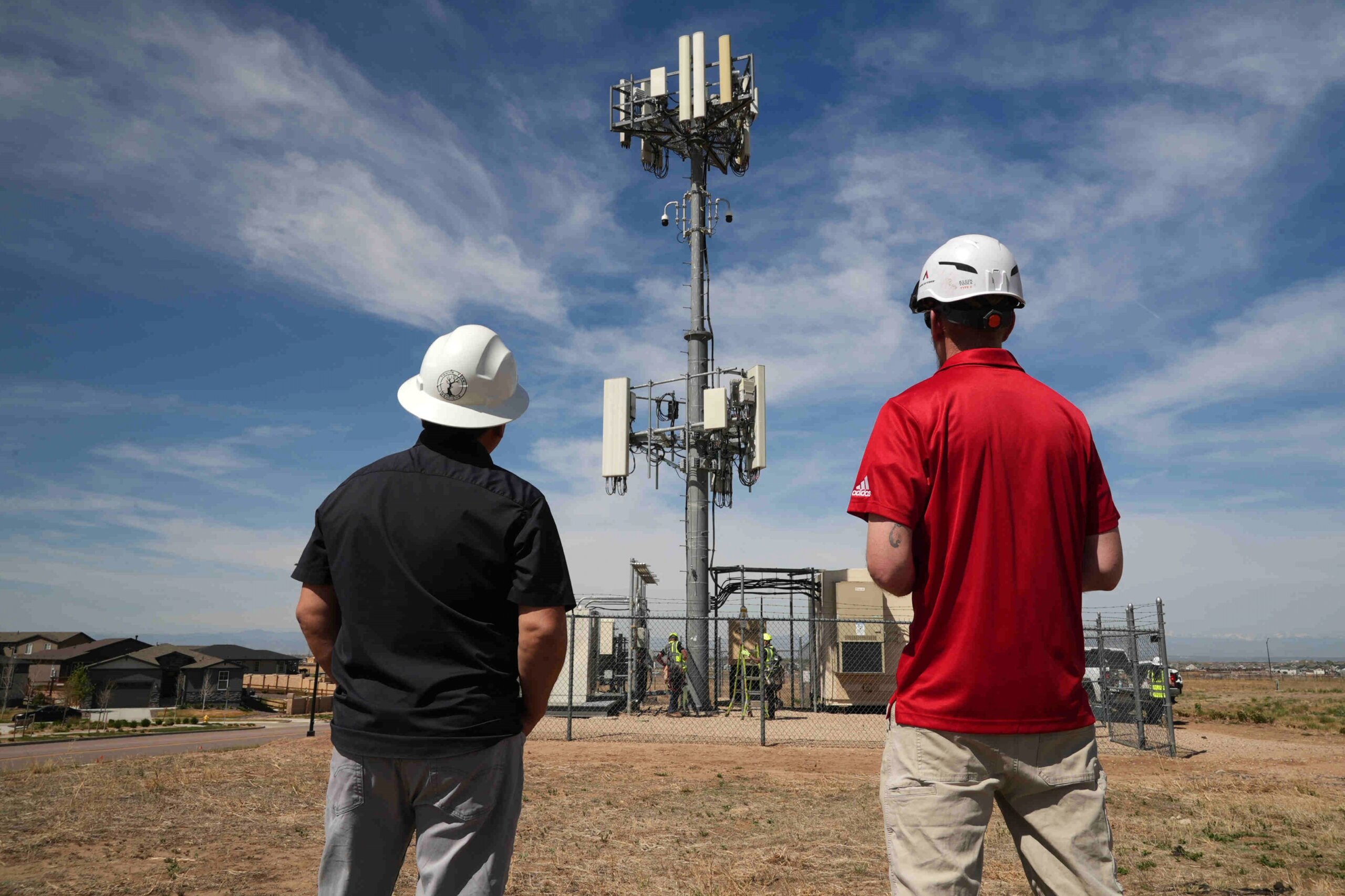
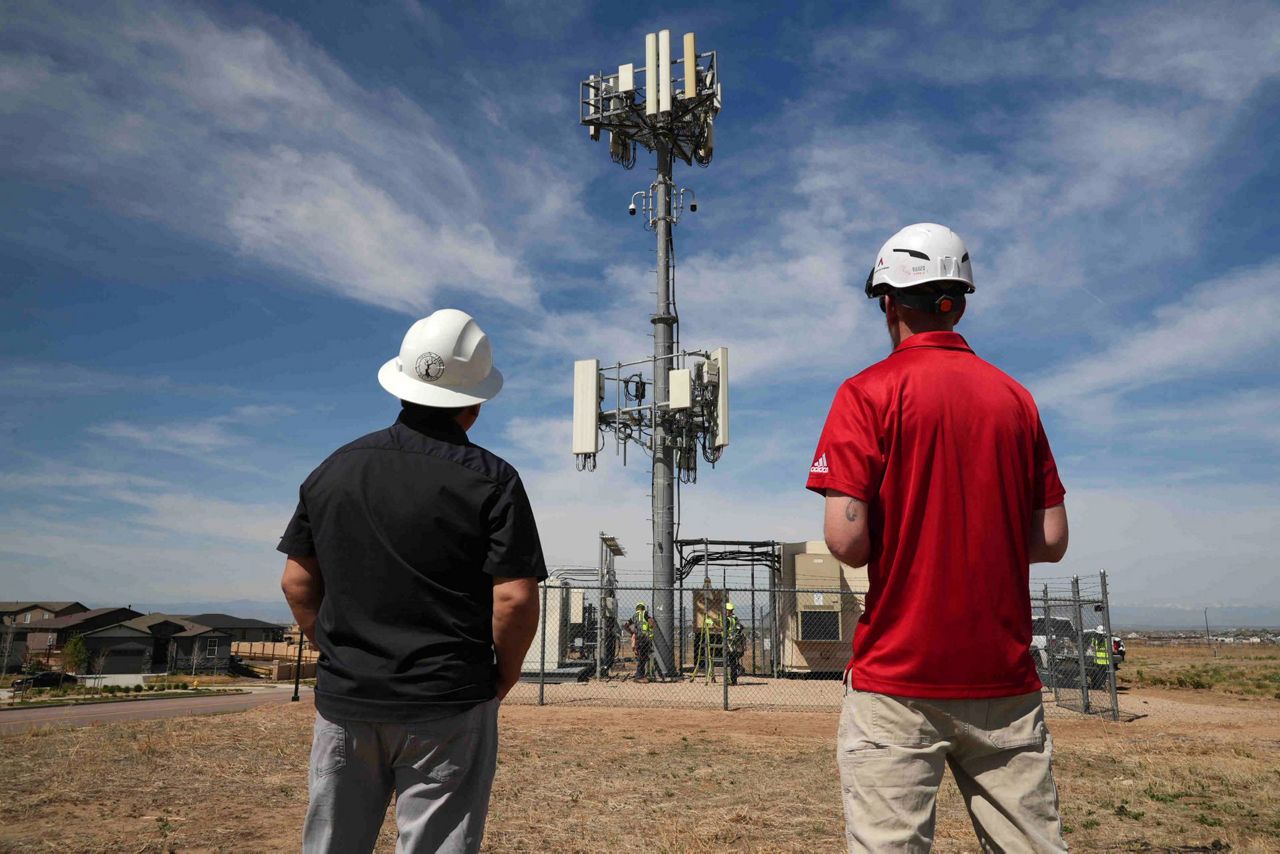
AI-powered cameras deployed by utilities and fire agencies in Arizona and Colorado detected smoke early, enabling rapid firefighting response and containment of wildfires, such as the Diamond Fire. This use of AI has directly prevented harm to people and property in wildfire-prone Western US states.[AI generated]

Why's our monitor labelling this an incident or hazard?

The article explicitly mentions AI systems deployed for wildfire smoke detection that have successfully identified fires earlier than traditional methods, leading to quicker firefighting responses and containment of fires before they grow large. This use of AI has directly prevented harm to people, property, and communities, fulfilling the criteria for an AI Incident. Although the article also discusses limitations and challenges, the primary focus is on realized benefits and harm prevention through AI use, not just potential risks or future hazards. Therefore, it is classified as an AI Incident due to the direct role of AI in preventing harm.[AI generated]
Industries
Energy, raw materials, and utilitiesEnvironmental services

Severity
AI incident

Business function:
Monitoring and quality control

AI system task:
Recognition/object detectionEvent/anomaly detection


Articles about this incident or hazard

Thumbnail Image

States across the wildfire-prone Western US are using AI for early detection

2026-05-01
Yahoo! Finance
Why's our monitor labelling this an incident or hazard?
The article explicitly mentions AI systems detecting smoke and enabling early firefighting responses that prevented wildfire spread, thus preventing harm rather than causing it. The AI system is involved in use, supporting human decision-making. There is no harm or violation of rights, no malfunction, and no plausible risk of harm from the AI system itself. The event is about the positive application and deployment of AI technology, which fits the definition of Complementary Information, providing supporting data and context about AI's role in wildfire detection and management.
Thumbnail Image

States Across the Wildfire-Prone Western US Are Using AI for Early Detection

2026-05-01
U.S. News & World Report
Why's our monitor labelling this an incident or hazard?
The article explicitly mentions AI systems deployed for wildfire smoke detection that have successfully identified fires earlier than traditional methods, leading to quicker firefighting responses and containment of fires before they grow large. This use of AI has directly prevented harm to people, property, and communities, fulfilling the criteria for an AI Incident. Although the article also discusses limitations and challenges, the primary focus is on realized benefits and harm prevention through AI use, not just potential risks or future hazards. Therefore, it is classified as an AI Incident due to the direct role of AI in preventing harm.
Thumbnail Image

States across the wildfire-prone Western US are using AI for early detection - WTOP News

2026-05-01
WTOP
Why's our monitor labelling this an incident or hazard?
The article explicitly mentions AI systems detecting smoke and enabling early firefighting responses that contained wildfires before they caused significant damage. This constitutes direct involvement of AI in preventing harm to people and property, which aligns with the definition of an AI Incident. The AI system's use has already led to harm reduction, not just potential harm, so it is not merely a hazard. The article does not focus on governance or research updates alone, so it is not complementary information. Hence, the event is best classified as an AI Incident.
Thumbnail Image

States across the wildfire-prone Western US are using AI for early detection

2026-05-02
Spectrum News Bay News 9
Why's our monitor labelling this an incident or hazard?
The article explicitly mentions AI systems (AI-enabled cameras and monitoring) detecting wildfires early, which leads to faster firefighting response and containment of fires. This use of AI directly prevents harm to people, property, and communities by enabling earlier intervention. The AI system's role is pivotal in detecting fires before human reports arrive, thus reducing the scale of damage. Since the AI system's use has directly led to harm prevention and protection, this qualifies as an AI Incident under the definition of harm to communities and property. The article does not describe any malfunction or misuse causing harm, nor does it focus on potential future risks or governance responses, so it is not an AI Hazard or Complementary Information. It is not unrelated because AI systems are central to the event described.
Thumbnail Image

States across the wildfire-prone Western US are using AI for early detection

2026-05-01
Owensboro Messenger-Inquirer
Why's our monitor labelling this an incident or hazard?
An AI system was explicitly used to detect smoke early, leading to a rapid response that contained the fire before it caused significant damage. There is no harm caused by the AI system; rather, it helped prevent harm. Therefore, this is not an AI Incident or AI Hazard. The article provides complementary information about beneficial AI use in wildfire management, enhancing understanding of AI applications and their positive impact.