US Military AI Use Causes Civilian Casualties and Raises Global Security Risks

Thumbnail Image

The information displayed in the AIM should not be reported as representing the official views of the OECD or of its member countries.

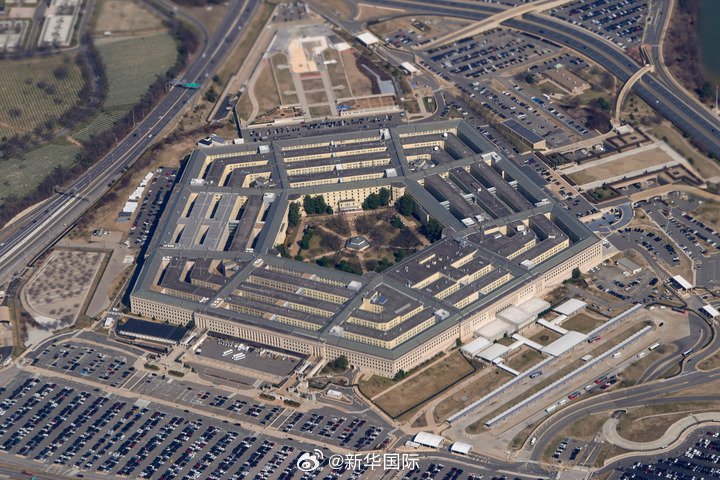
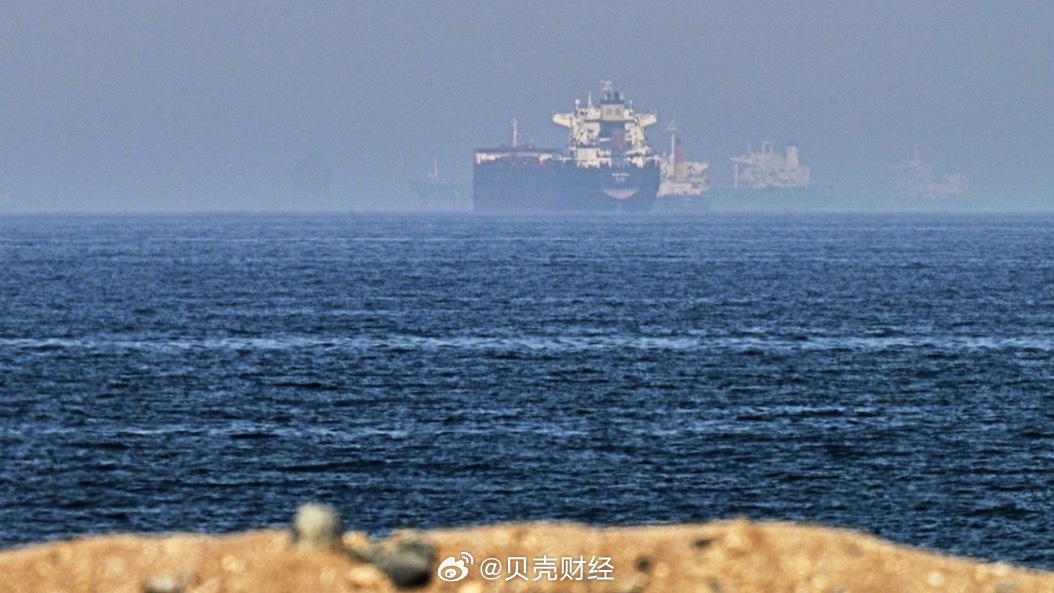
The US Department of Defense has rapidly expanded AI deployment in military operations, including mine detection in the Strait of Hormuz and combat targeting. An AI-enabled target recognition error reportedly led to over 160 civilian deaths in Iran, highlighting the risks of AI misuse, lack of regulation, and potential violations of international law.[AI generated]

Why's our monitor labelling this an incident or hazard?

The event explicitly involves the use of AI systems (machine learning software for underwater mine detection) in a defense application. While no actual harm or incident is reported, the deployment of AI for mine detection in a strategic and potentially hazardous environment implies a plausible risk of harm if the system malfunctions or is misused. However, since the article only reports the contract signing and intended use without any realized harm or malfunction, it constitutes an AI Hazard rather than an AI Incident. The event highlights a credible future risk related to AI use in military mine detection operations.[AI generated]
AI principles
Respect of human rightsAccountability

Industries
Government, security, and defence

Affected stakeholders
General public

Harm types
Physical (death)Public interest

Severity
AI hazard

AI system task:
Recognition/object detection


Articles about this incident or hazard

Thumbnail Image

美军签近亿美元合同 借AI探扫霍尔木兹海峡水雷

2026-05-03
news.cn
Why's our monitor labelling this an incident or hazard?
The event explicitly involves the use of AI systems (machine learning software for underwater mine detection) in a defense application. While no actual harm or incident is reported, the deployment of AI for mine detection in a strategic and potentially hazardous environment implies a plausible risk of harm if the system malfunctions or is misused. However, since the article only reports the contract signing and intended use without any realized harm or malfunction, it constitutes an AI Hazard rather than an AI Incident. The event highlights a credible future risk related to AI use in military mine detection operations.
Thumbnail Image

美军签近亿美元合约 借AI探扫霍尔木兹海峡水雷

2026-05-03
東方網 馬來西亞東方日報
Why's our monitor labelling this an incident or hazard?
The article explicitly mentions the involvement of AI systems (machine learning software integrating sensor data) being developed and deployed for underwater mine detection, which is a critical military operation. However, the article does not report any actual harm or incidents resulting from the AI system's use; it only describes the contract and intended application. Since no harm has yet occurred but the AI system's use in mine detection could plausibly lead to harm if malfunctioning or misused (e.g., failure to detect mines or false positives causing operational issues), this qualifies as an AI Hazard rather than an AI Incident. There is no indication of complementary information or unrelated content.
Thumbnail Image

美军正用AI技术在霍尔木兹海峡扫雷!美国国防部已与英伟达、谷歌、OpenAI等7家公司达成协议,旨在将美军打造为一支"AI主导"的作战力量

2026-05-02
每日经济新闻
Why's our monitor labelling this an incident or hazard?
The article explicitly mentions AI systems being used in military operations, including underwater drones trained with AI for mine detection and AI-enabled target identification in airstrikes. The reported civilian casualties from AI-related targeting errors demonstrate direct harm to people and communities. The involvement of AI in causing these harms, whether through malfunction or use in decision-making, meets the criteria for an AI Incident. The article also highlights ethical and security risks from military AI use, reinforcing the assessment of realized harm rather than potential harm. Hence, the event is classified as an AI Incident.
Thumbnail Image

11:07 美军签近亿美元合同 借AI探扫霍尔木兹海峡水雷

2026-05-03
每日经济新闻
Why's our monitor labelling this an incident or hazard?
The event involves the use of an AI system (machine learning software) for military mine detection, which is a sensitive and potentially hazardous application. However, the article only reports the signing of a contract and the intended use of AI technology; there is no indication that any harm has occurred or that the AI system has malfunctioned or been misused. The event represents a plausible future risk scenario where AI could impact critical infrastructure or military operations, but no incident or harm has yet materialized. Therefore, it qualifies as an AI Hazard rather than an AI Incident or Complementary Information.
Thumbnail Image

美军签近亿美元合同,借AI探扫霍尔木兹海峡水雷

2026-05-03
凤凰网(凤凰新媒体)
Why's our monitor labelling this an incident or hazard?
The event explicitly involves the use of AI systems (machine learning software for underwater mine detection) in a defense application. While no actual harm or incident is reported, the deployment of AI for mine detection in a strategic and potentially conflict-prone area like the Strait of Hormuz carries plausible risks of harm if the AI system malfunctions or is misused, potentially leading to injury, disruption of critical infrastructure, or escalation of conflict. Therefore, this event represents an AI Hazard due to the credible potential for harm arising from the AI system's use in military mine detection operations.
Thumbnail Image

视频丨美国在军事领域滥用AI 伦理与安全风险凸显

2026-05-02
扬子网(扬子晚报)
Why's our monitor labelling this an incident or hazard?
The event involves the use and development of AI systems by the U.S. military for combat operations, which inherently carries risks of harm to human rights, international humanitarian law, and global security. The article points out the lack of regulatory constraints and the potential for AI misuse in warfare, which could plausibly lead to significant harms such as violations of human rights and disruptions to global stability. Since the harms are potential and the article focuses on the risks and ethical concerns rather than reporting a specific realized harm, this qualifies as an AI Hazard rather than an AI Incident.
Thumbnail Image

美军为何加速AI在军事领域应用 技术霸权野心显现

2026-05-03
中华网军事频道
Why's our monitor labelling this an incident or hazard?
The article explicitly mentions AI systems deployed by the US Department of Defense for combat operations, including AI-enabled target recognition that caused a fatal error resulting in over 160 civilian deaths. This is a direct harm to human life caused by the use of an AI system, meeting the criteria for an AI Incident under harm to persons. The discussion of ethical concerns and policy gaps supports the significance of the incident. Although there is mention of broader strategic ambitions and potential risks, the realized civilian casualties make this an AI Incident rather than merely a hazard or complementary information.
Thumbnail Image

美军使用AI技术在霍尔木兹海峡扫雷

2026-05-02
新浪财经
Why's our monitor labelling this an incident or hazard?
The article explicitly mentions AI systems used to train underwater drones for mine detection, indicating AI system involvement. There is no mention of any injury, disruption, rights violation, or harm caused by the AI system's use so far. The use of AI in military mine detection could plausibly lead to harm if the system malfunctions or is misused, but no such event has occurred yet. Hence, the event fits the definition of an AI Hazard, as it could plausibly lead to harm in the future, but no harm has materialized yet.
Thumbnail Image

美军近亿美元采购AI技术强化霍尔木兹海峡扫雷能力

2026-05-03
k.sina.com.cn
Why's our monitor labelling this an incident or hazard?
The article explicitly mentions the development and intended use of an AI system for underwater mine detection, which qualifies as an AI system. However, there is no indication that the AI system has caused or contributed to any injury, disruption, rights violation, or other harm. The event is about procurement and planned deployment, not about an incident or malfunction causing harm. Therefore, it represents a plausible future risk scenario where AI could impact military operations and safety, fitting the definition of an AI Hazard rather than an AI Incident or Complementary Information.
Thumbnail Image

新浪人工智能热点小时报丨2026年05月03日13时_今日实时人工智能热点速递

2026-05-03
k.sina.com.cn
Why's our monitor labelling this an incident or hazard?
The US Navy's contract to use AI for mine detection represents the deployment and use of an AI system with potential implications for critical infrastructure security. However, there is no indication that any harm or incident has occurred yet. The other parts of the article focus on AI research, investments, and industry developments without describing any harm or plausible harm. Therefore, the main event related to AI is a potential future risk or enhancement rather than an incident. This fits the definition of an AI Hazard, as the AI system's use could plausibly lead to harm (e.g., if the AI system fails or is misused in mine detection), but no harm has yet materialized.
Thumbnail Image

新浪AI热点小时报丨2026年05月03日13时_今日实时AI热点速递

2026-05-03
k.sina.com.cn
Why's our monitor labelling this an incident or hazard?
The event involves the use of an AI system (machine learning for mine detection) in a critical infrastructure and military context. While no harm or incident has occurred yet, the deployment of AI in military mine detection in a strategic location like the Strait of Hormuz carries a credible risk of future harm, such as injury, disruption, or escalation. Therefore, this qualifies as an AI Hazard rather than an AI Incident. The article does not focus on harm already caused or on responses to past incidents, so it is not Complementary Information. It is not unrelated because it clearly involves AI systems and their potential impact.
Thumbnail Image

美军采购AI技术改进霍尔木兹海峡水雷探测能力

2026-05-03
k.sina.com.cn
Why's our monitor labelling this an incident or hazard?
The article details the procurement and planned use of AI technology by the U.S. Navy to improve mine detection, which is an AI system development and intended use scenario. There is no indication of any harm occurring or any malfunction. The event represents a credible potential for future impact on military operations and security, but no direct or indirect harm has yet materialized. Therefore, it fits the definition of an AI Hazard, as the AI system's use could plausibly lead to incidents related to military conflict or security, but no incident has occurred yet.