Indian Banks Boost Cybersecurity Amid Threats from Anthropic's Mythos AI

Thumbnail Image

The information displayed in the AIM should not be reported as representing the official views of the OECD or of its member countries.

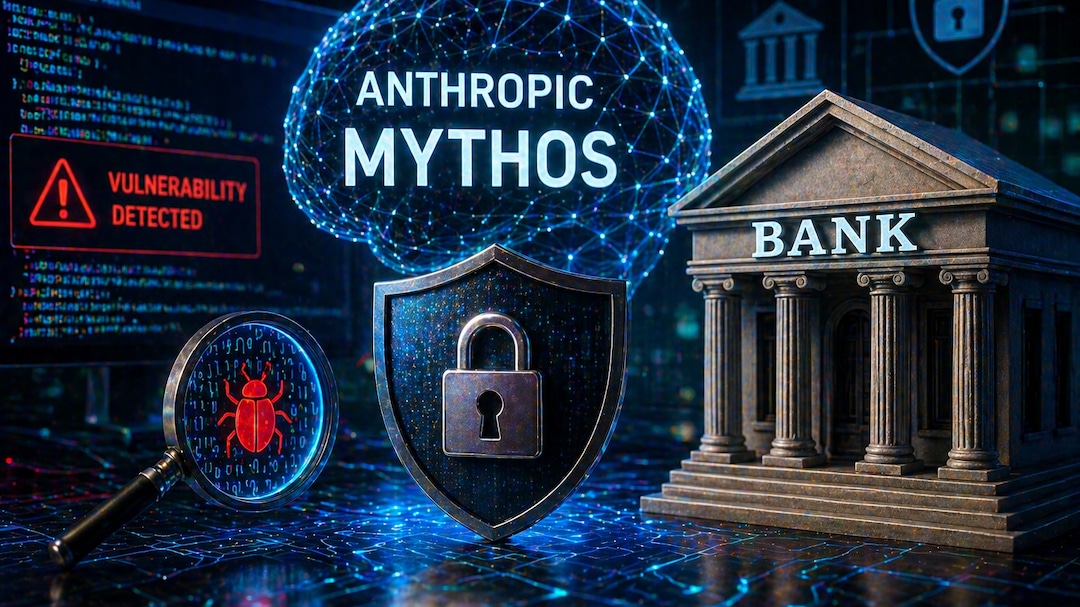
Indian public sector banks are increasing IT spending and cybersecurity measures in response to concerns over Anthropic's Claude Mythos AI, which has advanced capabilities to detect and exploit system vulnerabilities. Authorities and bank leaders warn of potential risks to financial data and infrastructure, prompting proactive defense strategies.[AI generated]

Why's our monitor labelling this an incident or hazard?

The article explicitly mentions the AI system Claude Mythos and its advanced hacking capabilities, which have prompted banks and government bodies to increase cybersecurity spending and form panels to assess and mitigate risks. No realized harm or incident is described; rather, the article highlights the potential threat and the compressed timeline for weaponization of vulnerabilities due to AI. This fits the definition of an AI Hazard, where the AI system's development and use could plausibly lead to harm but no direct or indirect harm has yet occurred.[AI generated]

AI principles
AccountabilityRobustness & digital security

Industries
Financial and insurance servicesDigital security

Affected stakeholders
GovernmentConsumers

Harm types
Human or fundamental rightsEconomic/PropertyPublic interest

Severity
AI hazard

AI system task:
Event/anomaly detectionReasoning with knowledge structures/planning


Articles about this incident or hazard

Thumbnail Image

Why Indian Banks Are Boosting IT Security Investments

2026-05-03
Rediff.com India Ltd.
Why's our monitor labelling this an incident or hazard?
The article explicitly mentions the AI system Claude Mythos and its advanced hacking capabilities, which have prompted banks and government bodies to increase cybersecurity spending and form panels to assess and mitigate risks. No realized harm or incident is described; rather, the article highlights the potential threat and the compressed timeline for weaponization of vulnerabilities due to AI. This fits the definition of an AI Hazard, where the AI system's development and use could plausibly lead to harm but no direct or indirect harm has yet occurred.
Thumbnail Image

Public sector banks looks to scale up IT spend in view of cyber threat posed by Anthropic Mythos - CNBC TV18

2026-05-03
cnbctv18.com
Why's our monitor labelling this an incident or hazard?
The article explicitly involves an AI system (Anthropic's Claude Mythos) with advanced cybersecurity and hacking capabilities. The concerns and responses described indicate a credible risk that this AI system could lead to disruption of critical infrastructure (banking systems) through cyberattacks. Since no actual harm or incident has occurred yet, but the threat is plausible and significant, this event fits the definition of an AI Hazard. The article does not describe a realized AI Incident or complementary information about a past incident, but rather a credible future risk and preparatory responses.
Thumbnail Image

Public sector banks to scale up IT spend amid Anthropic Mythos cyber threat

2026-05-03
Business Standard
Why's our monitor labelling this an incident or hazard?
The article explicitly involves an AI system (Anthropic's Claude Mythos) with advanced capabilities that could be used maliciously to exploit cybersecurity weaknesses in critical financial infrastructure. While no direct harm has yet occurred, the credible and significant potential for cyberattacks that could disrupt banking operations and cause harm to monetary resources and communities is clearly articulated. Therefore, this situation fits the definition of an AI Hazard, as the AI system's use or misuse could plausibly lead to an AI Incident involving harm to critical infrastructure and financial systems.
Thumbnail Image

PSBs Readying For Higher IT Spending To Curb Cyber Crime

2026-05-03
Deccan Chronicle
Why's our monitor labelling this an incident or hazard?
The article explicitly mentions an AI system (Anthropic's Claude Mythos) with advanced hacking capabilities that could plausibly lead to cyberattacks on banks, which would constitute harm to critical infrastructure and financial resources. However, the article does not report any realized harm or incident caused by the AI system so far. The focus is on the potential threat and preemptive measures being taken, which fits the definition of an AI Hazard rather than an AI Incident or Complementary Information. Therefore, the event is best classified as an AI Hazard.
Thumbnail Image

Claude Mythos threat: Government banks to ramp up IT spending

2026-05-03
NewsBytes
Why's our monitor labelling this an incident or hazard?
The AI system Claude Mythos is explicitly mentioned as a potential security threat, indicating plausible future harm related to financial data security. However, there is no indication that any harm or breach has already occurred. The event describes a response to a credible risk rather than an actual incident. Therefore, it qualifies as an AI Hazard.
Thumbnail Image

Public Sector Banks to Boost IT & Cybersecurity Spending Amid AI-Driven Threat Concerns from Claude Mythos

2026-05-03
The Pioneer
Why's our monitor labelling this an incident or hazard?
The article explicitly mentions an AI system, Anthropic's Claude Mythos, with advanced hacking and cybersecurity vulnerability detection capabilities. The concerns and responses focus on the potential for this AI system to be used maliciously to disrupt banking operations, which constitute critical infrastructure. No actual harm or incident has occurred yet, but the threat is credible and has prompted increased cybersecurity spending and government panel formation to assess and mitigate risks. Therefore, this event fits the definition of an AI Hazard, as it plausibly could lead to an AI Incident involving disruption of critical infrastructure.
Thumbnail Image

Public sector banks looks to scale up IT spend in view of cyber threat posed by Anthropic Mythos

2026-05-03
NewsDrum
Why's our monitor labelling this an incident or hazard?
The event involves an AI system (Anthropic's Claude Mythos) with advanced cybersecurity and hacking capabilities that could plausibly lead to significant harm to critical financial infrastructure and data security. The article does not report any realized harm but focuses on the credible threat and the need for preemptive action. Therefore, this qualifies as an AI Hazard because the AI system's use or misuse could plausibly lead to an AI Incident involving disruption of critical infrastructure and harm to financial systems.
Thumbnail Image

Banks Increase IT Spend Amid AI Cyber Threat

2026-05-03
Rediff
Why's our monitor labelling this an incident or hazard?
The article explicitly mentions an AI system (Anthropic's Mythos AI) with advanced hacking and cybersecurity vulnerability detection capabilities. The banks' response to increase IT spending and the formation of a government panel indicate recognition of a plausible threat. No realized harm or incident is described; rather, the focus is on potential risks and preemptive measures. Therefore, this event fits the definition of an AI Hazard, as the AI system's use or capabilities could plausibly lead to an AI Incident involving disruption of critical infrastructure or harm to financial data security.
Thumbnail Image

Public sector banks to ramp up IT spend amid cyber risks from Anthropic's Mythos

2026-05-03
ETGovernment.com
Why's our monitor labelling this an incident or hazard?
The article explicitly mentions Anthropic's Mythos AI system with advanced hacking and cybersecurity vulnerability detection capabilities, indicating the presence of an AI system. No actual cyberattack or harm has occurred yet, but credible concerns and warnings about potential cyberattacks on interconnected banking systems are detailed. The event involves the use and potential misuse of the AI system, with plausible future harm to critical infrastructure (financial sector) and monetary resources. The proactive measures and government panel formation are responses to this hazard, not evidence of realized harm. Hence, this fits the definition of an AI Hazard rather than an AI Incident or Complementary Information.
Thumbnail Image

Public Sector Banks To Step Up IT Spending Over Data Security Concerns From Anthropic's Claude Mythos

2026-05-03
NDTV Profit
Why's our monitor labelling this an incident or hazard?
The article explicitly mentions an AI system (Anthropic's Claude Mythos) with advanced hacking and cybersecurity exploitation capabilities. It highlights the potential for this AI to be used maliciously to disrupt banking systems, which are critical infrastructure. Although no actual harm or cyberattack has occurred yet, the credible risk and the proactive measures by banks and regulators indicate a plausible future harm scenario. Thus, the event fits the definition of an AI Hazard rather than an Incident or Complementary Information. It is not unrelated because the AI system and its risks are central to the report.
Thumbnail Image

Mythos alarm pushes PSBs to ramp up cybersecurity

2026-05-04
bizzbuzz.news
Why's our monitor labelling this an incident or hazard?
Claude Mythos is an AI system capable of identifying system vulnerabilities that could be exploited maliciously. The article highlights the potential for this AI tool to be misused to cause harm to critical infrastructure (financial systems), which aligns with the definition of an AI Hazard. Since no actual harm or breach has occurred yet, but there is a plausible risk of such harm, this event fits the AI Hazard category rather than an AI Incident. The article focuses on the potential threat and the proactive responses rather than reporting a realized incident.