Tesla FSD Faces EU Regulatory Scrutiny Over Safety Concerns

Thumbnail Image

The information displayed in the AIM should not be reported as representing the official views of the OECD or of its member countries.

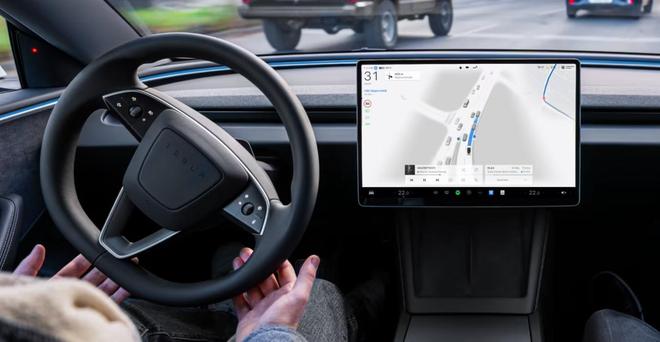
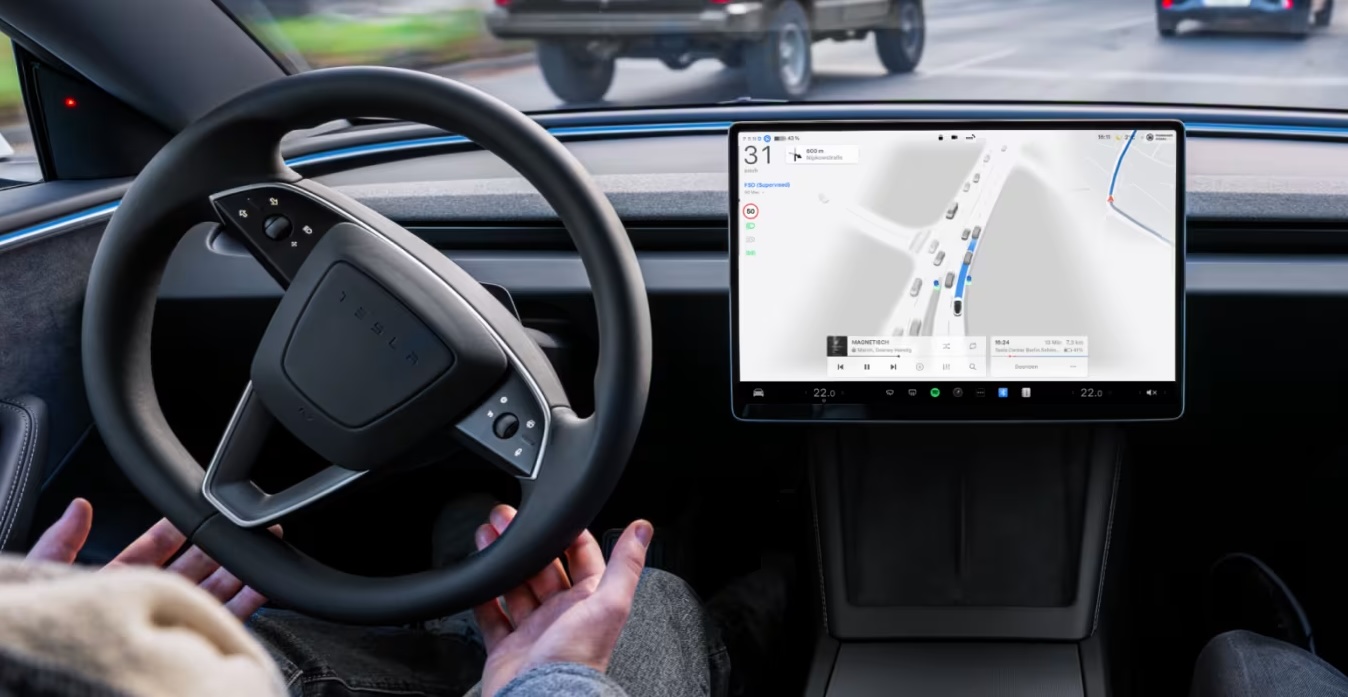
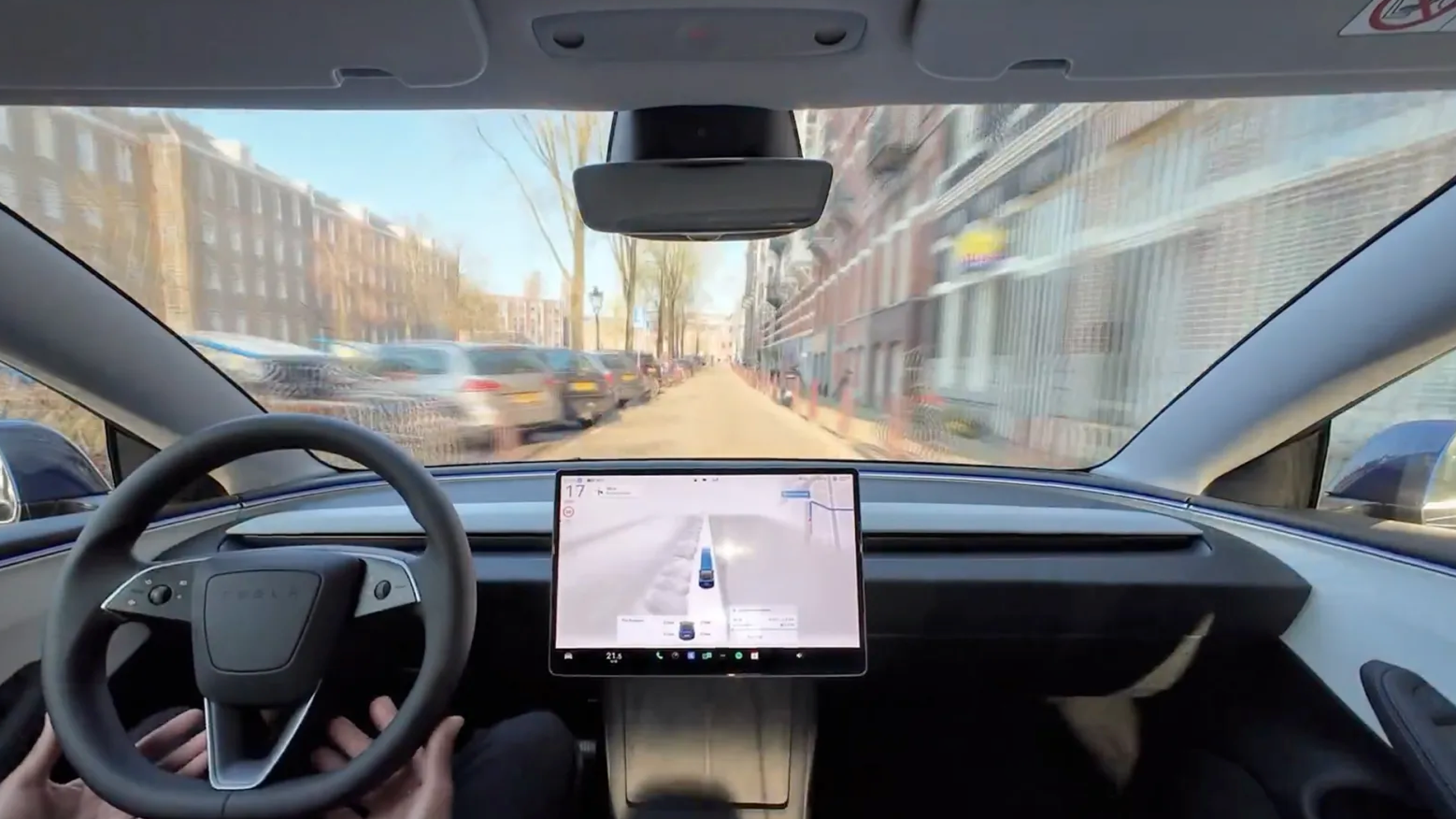
Tesla's Full Self-Driving (FSD) system faces significant regulatory scrutiny in the EU, with authorities from several countries raising concerns about safety issues such as speeding, performance on icy roads, and potentially misleading naming. Approval is delayed as regulators question the system's readiness and public safety implications.[AI generated]

Why's our monitor labelling this an incident or hazard?

The event involves an AI system (Tesla's FSD) and concerns about its safety and regulatory approval, which implies potential future harm if the system malfunctions or is misused. Since no actual harm has been reported yet, but credible concerns exist that the system could plausibly lead to harm (e.g., accidents due to speeding or unsafe operation on icy roads), this qualifies as an AI Hazard. The article does not describe any realized harm or incident, nor does it focus on responses or updates to past incidents, so it is not an AI Incident or Complementary Information.[AI generated]
AI principles
SafetyTransparency & explainability

Industries
Mobility and autonomous vehicles

Affected stakeholders
ConsumersGeneral public

Harm types
Physical (injury)

Severity
AI hazard

AI system task:
Recognition/object detectionGoal-driven organisation


Articles about this incident or hazard

Thumbnail Image

特斯拉"完全自动驾驶"技术遭欧洲多国监管质疑 - 国际 - 即时国际

2026-05-05
星洲日报
Why's our monitor labelling this an incident or hazard?
The event involves an AI system (Tesla's FSD) and concerns about its safety and regulatory approval, which implies potential future harm if the system malfunctions or is misused. Since no actual harm has been reported yet, but credible concerns exist that the system could plausibly lead to harm (e.g., accidents due to speeding or unsafe operation on icy roads), this qualifies as an AI Hazard. The article does not describe any realized harm or incident, nor does it focus on responses or updates to past incidents, so it is not an AI Incident or Complementary Information.
Thumbnail Image

特斯拉"完全自动驾驶"技术遭欧洲多国监管质疑

2026-05-05
早报
Why's our monitor labelling this an incident or hazard?
Tesla's FSD is an AI system designed for autonomous driving. The regulatory concerns about its safety and potential misuse (e.g., bypassing safety features) indicate plausible future harm to people (e.g., accidents, injuries) if the system malfunctions or is misused. Since no actual harm has been reported, but credible risks are identified, this qualifies as an AI Hazard rather than an AI Incident. The article does not describe any realized harm or incident caused by the AI system, nor does it focus on responses or updates to past incidents, so it is not Complementary Information.
Thumbnail Image

特斯拉FSD在欧遭遇监管质疑-汽车频道-和讯网

2026-05-05
和讯网
Why's our monitor labelling this an incident or hazard?
The event involves an AI system (Tesla's FSD) and concerns about its safety and regulatory approval, which could plausibly lead to harm if the system is deployed without adequate safeguards. However, the article does not report any realized harm or incident caused by the AI system. Therefore, this situation constitutes an AI Hazard, as the development and potential use of the FSD system could plausibly lead to harm, but no direct or indirect harm has yet occurred according to the article.
Thumbnail Image

欧盟多国质疑特斯拉FSD安全性,审批进程遇阻

2026-05-06
环球网
Why's our monitor labelling this an incident or hazard?
Tesla's FSD is an AI system for autonomous driving. The regulatory concerns about safety (e.g., speeding, unsafe behavior on icy roads) indicate potential risks that could plausibly lead to harm if the system is widely deployed without adequate safeguards. Since no actual accidents or injuries are reported, and the article focuses on the approval process and safety concerns, this qualifies as an AI Hazard rather than an AI Incident. The article does not primarily focus on responses or updates to past incidents, so it is not Complementary Information.
Thumbnail Image

特斯拉推出AI4+ FSD计算机:内存与算力升级,引领自动驾驶新进阶

2026-05-03
k.sina.com.cn
Why's our monitor labelling this an incident or hazard?
The event involves an AI system (Tesla's FSD computer) and its development and deployment, but there is no indication of any harm or malfunction caused by the system. The article discusses hardware upgrades that will enhance AI capabilities in autonomous driving but does not report any direct or indirect harm, nor does it suggest plausible future harm from this announcement alone. It is an update on AI technology progress and production plans, fitting the definition of Complementary Information rather than an AI Incident or AI Hazard.
Thumbnail Image

马斯克:特斯拉今年将在自动驾驶领域投资超100亿美元!FSD车队累计行驶里程突破10亿英里

2026-05-04
k.sina.com.cn
Why's our monitor labelling this an incident or hazard?
The article describes the use and development of an AI system (Tesla's FSD autonomous driving system) but does not report any harm or incident resulting from its use or malfunction. There is no mention of injury, rights violations, property damage, or any realized or potential harm. The content is primarily about investment and progress, which constitutes complementary information about the AI ecosystem rather than an incident or hazard.
Thumbnail Image

新浪自动驾驶热点小时报丨2026年05月05日17时_今日实时自动驾驶热点速递

2026-05-05
k.sina.com.cn
Why's our monitor labelling this an incident or hazard?
The article discusses AI systems involved in autonomous driving (Tesla's FSD and BAIC ARCFOX L3 vehicles) and their development, use, and regulatory approval. However, it does not report any realized harm, injury, rights violations, or disruptions caused by these AI systems. Nor does it describe any near-miss or plausible future harm scenarios. Instead, it focuses on progress, milestones, and market updates, which fall under providing contextual and ecosystem information. Therefore, the article is best classified as Complementary Information, as it enhances understanding of the AI ecosystem and regulatory landscape without describing a new AI Incident or AI Hazard.
Thumbnail Image

消息称特斯拉FSD欧洲审批遇阻,监管机构质疑其安全性与命名误导

2026-05-05
k.sina.com.cn
Why's our monitor labelling this an incident or hazard?
The article explicitly involves an AI system (Tesla's FSD) and discusses regulatory concerns about its safety and potential misleading naming, which could plausibly lead to harm if the system is approved and deployed without adequate safeguards. However, there is no indication that any harm has yet occurred due to the system's use or malfunction. The event thus fits the definition of an AI Hazard, as it highlights credible potential risks associated with the AI system's deployment in Europe. It is not an AI Incident because no realized harm is reported, nor is it Complementary Information or Unrelated since the focus is on the AI system's safety and regulatory evaluation with potential future harm implications.
Thumbnail Image

消息称特斯拉 FSD 欧洲审批遇阻,监管机构质疑其安全性与命名误导

2026-05-06
新浪财经
Why's our monitor labelling this an incident or hazard?
The article explicitly involves an AI system, Tesla's FSD, which is an advanced driver-assistance system with autonomous capabilities. The concerns raised by regulators relate to the system's safety and potential misleading naming, which could plausibly lead to harm such as traffic accidents or consumer misinformation if the system is approved and deployed without adequate safeguards. However, no actual harm or incident is reported; the article focuses on regulatory doubts and the approval process. This fits the definition of an AI Hazard, where the AI system's use could plausibly lead to harm but no harm has yet occurred. It is not Complementary Information because the article is not primarily about responses or updates to a past incident but about ongoing regulatory challenges and potential risks. It is not Unrelated because the AI system and its potential impacts are central to the article.
Thumbnail Image

欧盟多国质疑特斯拉FSD安全性,审批进程遇阻

2026-05-06
新浪财经
Why's our monitor labelling this an incident or hazard?
Tesla's FSD is an AI system for autonomous driving, and the article highlights significant safety concerns raised by multiple EU regulators about its performance and potential risks. These concerns include speeding, unsafe behavior on icy roads, and possible user circumvention of safety features, all of which could plausibly lead to injury or harm if the system is approved and used widely. Since no actual incidents or harms have been reported, and the focus is on potential risks and regulatory delays, the event fits the definition of an AI Hazard rather than an AI Incident. The article does not primarily discuss responses or updates to past incidents, so it is not Complementary Information, nor is it unrelated to AI systems.
Thumbnail Image

特斯拉自动驾驶累计行驶超100亿英里 仍未"放权"给车辆接管驾驶 - cnBeta.COM 移动版

2026-05-04
cnBeta.COM
Why's our monitor labelling this an incident or hazard?
The article involves an AI system (Tesla's FSD) and discusses its current use and potential future use. However, no actual harm or incident has occurred yet. The main focus is on the plausible future risk and legal responsibility concerns if Tesla enables unsupervised driving. This fits the definition of an AI Hazard, as the development and potential use of the AI system could plausibly lead to harm, but no harm has yet materialized.
Thumbnail Image

马斯克称欧盟将很快批准FSD 但多国监管机构持怀疑态度 - cnBeta.COM 移动版

2026-05-05
cnBeta.COM
Why's our monitor labelling this an incident or hazard?
The Tesla FSD system is an AI system designed for autonomous driving. The article discusses regulatory skepticism and concerns about safety risks such as speeding tendencies and operation on icy roads, which could plausibly lead to harm if the system malfunctions or is misused. Since no actual harm or incident has been reported, but credible concerns exist about potential future harm, this qualifies as an AI Hazard. The regulatory process and debate indicate a credible risk, but no realized harm or violation has occurred yet, so it is not an AI Incident. The article is not simply a product update or governance response without risk context, so it is not Complementary Information.
Thumbnail Image

消息称特斯拉FSD欧洲审批遇阻,监管机构质疑其安全性与命名误导_手机网易网

2026-05-05
m.163.com
Why's our monitor labelling this an incident or hazard?
The Tesla FSD system is an AI system involved in autonomous driving functions. The article details regulatory concerns about its safety and potential misleading naming, which could plausibly lead to harm such as traffic accidents or injury if the system malfunctions or is misused. Since no actual harm has been reported yet, but credible safety risks are identified by regulators, this fits the definition of an AI Hazard. The article does not describe a realized harm (AI Incident) nor is it primarily about responses or updates to past incidents (Complementary Information). It is also not unrelated, as the AI system and its regulatory challenges are central to the report.
Thumbnail Image

2026-05-06
guancha.cn
Why's our monitor labelling this an incident or hazard?
The article centers on the development and regulatory evaluation of an AI system (Tesla's FSD) that could plausibly lead to harm if approved and deployed widely without resolving safety concerns. However, no direct or indirect harm has yet occurred as per the article. The concerns about safety, system reliability in adverse conditions, and misleading marketing indicate plausible future risks. Therefore, this event fits the definition of an AI Hazard, as it involves an AI system whose use could plausibly lead to an AI Incident, but no incident has yet materialized.
Thumbnail Image

年中亮相,七月投产!特斯拉机器人终于要来了?-证券之星

2026-05-07
wap.stockstar.com
Why's our monitor labelling this an incident or hazard?
The content centers on Tesla's AI and robotics development plans, including the production timeline for the Optimus robot and AI chip advancements, which clearly involve AI systems. However, there is no mention of any harm, malfunction, or misuse resulting from these AI systems. The article primarily serves as an update on technological progress, investment strategies, and market outlook, which fits the definition of Complementary Information. There is no indication of direct or indirect harm, nor a credible plausible risk of harm described in the article, so it does not qualify as an AI Incident or AI Hazard.
Thumbnail Image

特斯拉FSD(监督版)寻求欧盟批准

2026-05-07
证券之星
Why's our monitor labelling this an incident or hazard?
Tesla's FSD Supervised system is an AI system involved in advanced driver assistance. The article focuses on the regulatory review process, safety concerns, and public and official reactions, but does not report any realized harm or direct incidents caused by the AI system. The concerns raised are about potential risks and regulatory challenges, but no specific event of harm or malfunction is described. Hence, the article fits the definition of Complementary Information as it provides context and updates on governance and regulatory responses to an AI system rather than reporting an incident or hazard.
Thumbnail Image

已达99.98亿!特斯拉FSD监督版行驶里程明日到100亿英里拐点

2026-05-07
k.sina.com.cn
Why's our monitor labelling this an incident or hazard?
The event involves an AI system (Tesla's FSD supervised version) and its extensive use and data accumulation, but there is no indication of any realized harm or incident resulting from its use. The article focuses on milestones, safety improvements, and future potential, without reporting any accident, malfunction, or violation linked to the AI system. Therefore, it does not meet the criteria for an AI Incident or AI Hazard. It is best classified as Complementary Information because it provides important context and updates on the AI system's deployment and performance, aiding understanding of the broader AI ecosystem.
Thumbnail Image

特斯拉首辆全自动驾驶汽车将交付!马斯克:将从生产线直接开向车主家中!公司市值一夜大增超4000亿元

2026-05-07
k.sina.com.cn
Why's our monitor labelling this an incident or hazard?
The article explicitly mentions the use of Tesla's AI-based Full Self-Driving system controlling vehicles autonomously, which fits the definition of an AI system. The event concerns the deployment and use of this AI system, but no direct or indirect harm has been reported. The potential for harm exists given the nature of autonomous driving technology and the trial of Robotaxi services, which could plausibly lead to incidents in the future. Since no harm has materialized yet, and the article focuses on the upcoming deployment and potential risks, the classification as an AI Hazard is appropriate.
Thumbnail Image

特斯拉FSD欧洲审批遇阻,监管机构质疑其安全性与命名误导

2026-05-06
k.sina.com.cn
Why's our monitor labelling this an incident or hazard?
The Tesla FSD system is an AI system designed for autonomous driving assistance. The article highlights regulatory concerns about its safety and the possibility of misleading consumers about its capabilities, which could plausibly lead to harm such as traffic accidents or injuries. However, no actual incidents or harms have been reported so far. The event is about the regulatory process and concerns about potential risks, fitting the definition of an AI Hazard rather than an AI Incident. It is not merely complementary information because the focus is on the plausible future harm and regulatory doubts, not on responses or ecosystem context. It is not unrelated because the AI system and its potential safety risks are central to the report.
Thumbnail Image

10年老车主如何用上最新FSD?马斯克教学如下

2026-05-07
新浪财经
Why's our monitor labelling this an incident or hazard?
The event involves an AI system (Tesla's FSD software) and its deployment on older hardware, but there is no indication of any injury, disruption, rights violation, property or community harm, or other significant harm caused or occurring. The article does not report any malfunction or misuse leading to harm, nor does it suggest plausible future harm. Instead, it highlights a positive development in AI system deployment and customer support. Therefore, this is not an AI Incident or AI Hazard. It is not merely unrelated either, as it provides detailed information about AI system deployment and technical innovation, but since it does not report harm or risk, it fits best as Complementary Information.
Thumbnail Image

特斯拉向国内员工推送"满血版 FSD v14",反馈不错!_手机网易网

2026-05-06
m.163.com
Why's our monitor labelling this an incident or hazard?
The event involves the use and development of an AI system (Tesla's FSD v14) with autonomous driving capabilities. However, there is no indication of any realized harm, malfunction, or violation resulting from this AI system. The article focuses on internal testing feedback and future deployment plans, which is informative but does not describe an incident or hazard. Therefore, this is best classified as Complementary Information, providing context and updates on AI system deployment without reporting harm or plausible harm.
Thumbnail Image

路透:特斯拉力推全自動輔助駕駛 歐盟仍有疑慮 | 國際 | 中央社 CNA

2026-05-05
Central News Agency
Why's our monitor labelling this an incident or hazard?
Tesla's FSD is an AI system involved in autonomous driving. The article centers on regulatory doubts about the system's safety and the approval process, without describing any realized harm or incidents caused by the system. The concerns raised (e.g., speeding, safety on icy roads) indicate plausible risks that could lead to harm if the system malfunctions or is misused. Therefore, this situation fits the definition of an AI Hazard, as the development and use of the AI system could plausibly lead to harm, but no direct or indirect harm has yet occurred or been reported.
Thumbnail Image

路透:特斯拉力推全自動輔助駕駛,歐盟仍有疑慮

2026-05-05
TechNews 科技新報 | 市場和業內人士關心的趨勢、內幕與新聞
Why's our monitor labelling this an incident or hazard?
Tesla's FSD is an AI system involved in autonomous driving. The article focuses on regulatory concerns about the system's safety and the possibility that it could lead to unsafe driving conditions, which could plausibly cause injury or harm to people in the future. Since no actual harm or incident has been reported, but credible safety risks and regulatory doubts exist, this qualifies as an AI Hazard rather than an AI Incident. The article is not merely complementary information because it centers on the potential risks and regulatory evaluation of the AI system, not just updates or responses to past incidents.
Thumbnail Image

路透:特斯拉力推全自動輔助駕駛 歐盟仍有疑慮 | 國際焦點 | 國際 | 經濟日報

2026-05-05
Udnemoney聯合理財網
Why's our monitor labelling this an incident or hazard?
The Tesla FSD system qualifies as an AI system due to its autonomous driving capabilities. The article highlights regulatory concerns about the system's safety and potential risks, which could plausibly lead to harm such as accidents or injuries. Since no actual harm has occurred or been reported, but credible concerns about future risks exist, this event fits the definition of an AI Hazard rather than an AI Incident. The article focuses on the potential for harm and regulatory scrutiny rather than a realized incident.
Thumbnail Image

特斯拉自動駕駛技術進軍歐洲受阻 - 大公文匯網

2026-05-05
大公报
Why's our monitor labelling this an incident or hazard?
The article explicitly discusses Tesla's FSD system, an AI-based autonomous driving technology, and the regulatory concerns about its safety and reliability in European conditions. The concerns include potential automatic speeding and inability to handle icy roads and sudden obstacles, which could plausibly lead to accidents and harm. No actual accidents or injuries are reported, so no realized harm is confirmed. The event focuses on the potential risks and regulatory challenges, fitting the definition of an AI Hazard rather than an AI Incident. It is not merely complementary information because the main focus is on the plausible safety risks and regulatory resistance due to these risks, not on responses or updates to past incidents. It is not unrelated because the AI system and its safety implications are central to the report.
Thumbnail Image

特斯拉FSD進軍歐洲受阻 北歐監管機構質疑安全等議題 | 鉅亨網 - 美股雷達

2026-05-05
Anue鉅亨
Why's our monitor labelling this an incident or hazard?
Tesla's FSD is an AI system involved in autonomous driving. The article details regulatory doubts about its safety and potential misuse (driver overreliance due to misleading naming), which could plausibly lead to harm such as accidents or injuries if the system malfunctions or is misused. Since no actual harm has occurred yet and the system is still under regulatory review, this qualifies as an AI Hazard. The concerns about safety and misuse are credible and specific, indicating plausible future harm. There is no indication of an existing incident or complementary information about past incidents, so AI Hazard is the appropriate classification.
Thumbnail Image

特斯拉FSD進軍歐洲受阻?歐盟多國質疑安全:超速、冰雪路面成隱憂 - 民視新聞網

2026-05-05
民視新聞網
Why's our monitor labelling this an incident or hazard?
The Tesla FSD system is an AI system designed for autonomous driving. The article details regulatory doubts about its safety performance, especially on ice and snow, and the risk of driver misunderstanding leading to misuse. These concerns imply a credible risk of harm (e.g., accidents) if the system is deployed widely without addressing these issues. Since no actual harm or incidents have been reported yet, but plausible future harm is recognized, the event fits the definition of an AI Hazard rather than an AI Incident. The lobbying efforts and regulatory discussions are complementary context but do not change the classification.
Thumbnail Image

特斯拉全自動輔助駕駛進軍歐洲 比利時法蘭德斯區擬跟進荷蘭批准 - 民視新聞網

2026-05-05
民視新聞網
Why's our monitor labelling this an incident or hazard?
The event involves an AI system (Tesla's FSD) and its deployment/use is under regulatory review. However, there is no indication of any harm occurring or any incident caused by the AI system. The article discusses potential future use and regulatory decisions, which could plausibly lead to harm if the system malfunctions or is misused, but no such harm is reported or implied as having occurred yet. Therefore, this is best classified as an AI Hazard, reflecting the plausible future risk associated with the deployment of an AI-driven autonomous driving system.
Thumbnail Image

特斯拉FSD入华,中国智驾"正面迎战

2026-05-07
k.sina.com.cn
Why's our monitor labelling this an incident or hazard?
The article focuses on the announcement and market implications of Tesla's FSD entering China and the broader intelligent driving industry developments. There is no mention of any realized harm, malfunction, or misuse of the AI system, nor any credible risk of future harm. The content is primarily about industry competition, technology deployment, and market growth, which fits the definition of Complementary Information as it provides supporting context and updates about AI systems and their ecosystem without reporting an incident or hazard.
Thumbnail Image

特斯拉"FSD"遭欧盟监管机构质疑:超速与安全问题成审批障碍

2026-05-09
ai.zhiding.cn
Why's our monitor labelling this an incident or hazard?
The Tesla FSD system is an AI system designed for autonomous driving. The article details regulatory concerns about its safety performance, including allowing speeding and unsafe operation on icy roads, which could plausibly lead to accidents and harm. No actual incident or harm is reported yet, but the credible safety risks and regulatory hesitations indicate a plausible risk of future harm. Hence, this qualifies as an AI Hazard rather than an AI Incident. The article focuses on regulatory challenges and potential risks rather than reporting a realized harm or incident. It is not merely complementary information because the core of the article is about the plausible safety risks and regulatory obstacles tied to the AI system's deployment.
Thumbnail Image

Tesla enfrenta ceticismo da UE em relação à tecnologia de direção autônoma, segundo emails

2026-05-05
Terra
Why's our monitor labelling this an incident or hazard?
Tesla's FSD is an AI system for autonomous driving. The article details regulatory concerns about safety risks such as unintended acceleration, unsafe use on icy roads, and driver circumvention of safety features. These concerns indicate plausible future harm if the system is approved and widely used without addressing these issues. Since no actual harm or incident has occurred yet, but there is credible risk and regulatory scrutiny, this qualifies as an AI Hazard rather than an AI Incident or Complementary Information.
Thumbnail Image

Tesla enfrenta ceticismo da União Europeia sobre tecnologia de direção automatizada, mostram registros

2026-05-05
Valor Econômico
Why's our monitor labelling this an incident or hazard?
The article involves an AI system (Tesla's FSD) and discusses its use and regulatory approval process. The concerns raised by regulators indicate potential safety risks that could plausibly lead to harm (e.g., accidents due to speed exceeding or poor performance on icy roads). However, the article does not report any actual incidents or harms caused by the system. The focus is on skepticism, regulatory deliberations, and potential future risks rather than realized harm. Hence, the event fits the definition of an AI Hazard, as it plausibly could lead to an AI Incident if the system is approved and used without adequate safeguards.
Thumbnail Image

Tesla FSD: UE questiona segurança da direção autônoma - 05/05/2026 - Economia - Folha

2026-05-05
Folha de S.Paulo
Why's our monitor labelling this an incident or hazard?
The article involves an AI system (Tesla's FSD) and discusses concerns about its safety and regulatory approval process. However, it does not report any realized harm or incidents caused by the AI system, nor does it describe a specific event where harm occurred or was narrowly avoided. The concerns raised imply potential future risks but do not document a concrete AI Hazard event with imminent or plausible harm occurring at this time. The main content is about regulatory deliberations and skepticism, which fits the category of Complementary Information as it provides context and updates on the AI system's governance and safety assessment without describing a direct or indirect harm event.
Thumbnail Image

Tesla enfrenta ceticismo da UE em relação à tecnologia de direção autônoma, segundo emails

2026-05-05
UOL
Why's our monitor labelling this an incident or hazard?
Tesla's FSD is an AI system for autonomous driving. The article reports regulatory concerns about safety risks and the system's potential misuse, which could plausibly lead to harm such as accidents or injuries. No actual harm has been reported yet, so it is not an AI Incident. The focus is on the potential risks and regulatory evaluation, fitting the definition of an AI Hazard.
Thumbnail Image

Os veículos elétricos da Tesla já percorreram 16 bilhões de quilômetros em modo autônomo: Elon Musk havia prometido anteriormente que isso permitiria eliminar a supervisão do motorista.

2026-05-04
avalanchenoticias.com.br
Why's our monitor labelling this an incident or hazard?
The Tesla FSD system is an AI system involved in autonomous driving. The article focuses on cumulative usage statistics, safety claims, and criticisms, but does not report any realized harm or a specific event where the AI system caused or nearly caused harm. It also discusses the CEO's promises and past missed deadlines, which are relevant to governance and societal response. Since no direct or indirect harm has been reported, and no plausible future harm event is described beyond general concerns, the article fits the definition of Complementary Information rather than an AI Incident or AI Hazard.
Thumbnail Image

Se Cybertruck estivesse dirigindo 'sozinha', acidente fatal em SP poderia ter sido evitado?

2026-05-08
Terra
Why's our monitor labelling this an incident or hazard?
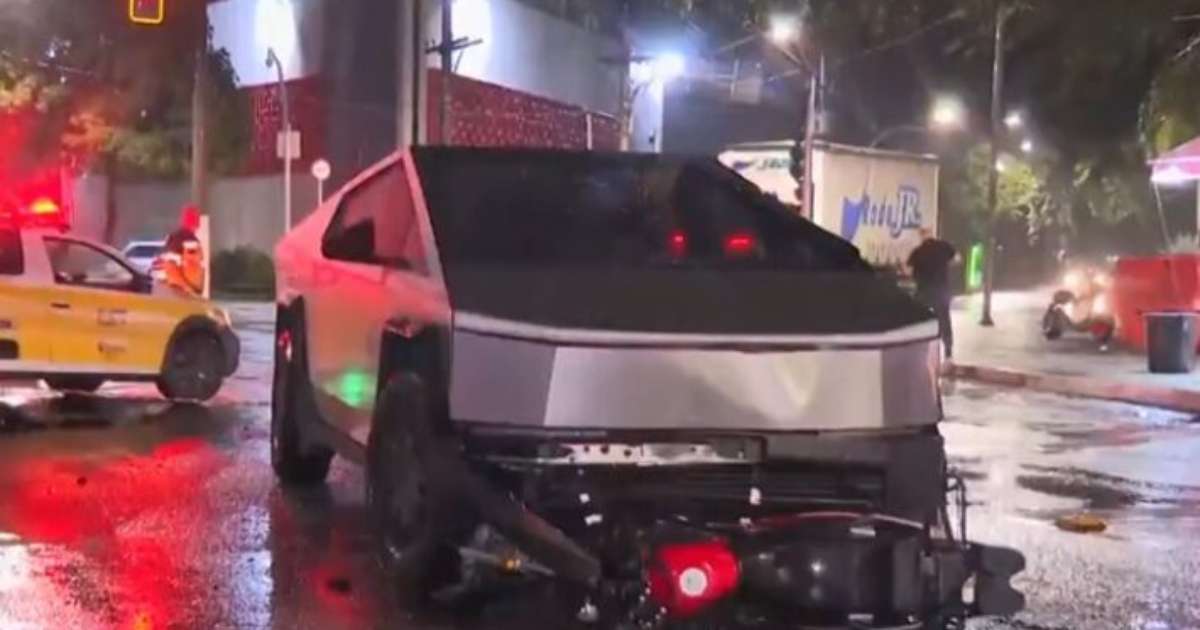
The event involves AI systems in the form of Tesla's Full Self-Driving (FSD) and advanced driver-assistance features. The accident involved a vehicle without FSD enabled, and the article discusses how FSD might have prevented the fatality, indicating a plausible risk that the absence or limitations of AI systems can lead to harm. However, since the AI system did not directly or indirectly cause the harm, and the harm is not yet realized by AI malfunction or misuse, this is a potential risk scenario. The article focuses on the potential for AI to prevent such incidents in the future and the regulatory environment limiting AI deployment. Therefore, it fits the definition of an AI Hazard rather than an AI Incident or Complementary Information.
Thumbnail Image

FSD da Tesla: reguladores da Europa estão muito céticos

2026-05-08
Pplware
Why's our monitor labelling this an incident or hazard?
The Tesla FSD system is an AI system involved in autonomous vehicle control. The article does not report any actual accidents or injuries caused by the system, so no realized harm (AI Incident) is described. However, the regulators' documented concerns about the system's tendency to exceed speed limits, unsafe behavior on icy roads, and ease of circumventing safety features indicate credible risks that could plausibly lead to harm. This fits the definition of an AI Hazard, where the AI system's use could plausibly lead to injury or harm. The article focuses on regulatory skepticism and potential safety risks rather than actual incidents or responses, so it is not Complementary Information. It is clearly related to an AI system, so it is not Unrelated.
Thumbnail Image

Tesla FSD (Überwacht): EU-weite Zulassung stößt auf Widerstand

2026-05-06
ecomento.de
Why's our monitor labelling this an incident or hazard?
The event involves an AI system (Tesla's FSD Supervised) and discusses its development and potential use. However, the article does not report any direct or indirect harm caused by the system so far. Instead, it highlights plausible future risks and regulatory concerns about safety and misuse. Therefore, this situation fits the definition of an AI Hazard, as the system's use could plausibly lead to harm, but no incident has yet occurred. It is not Complementary Information because the main focus is not on responses to a past incident but on the potential approval and associated risks. It is not an AI Incident because no harm has materialized.
Thumbnail Image

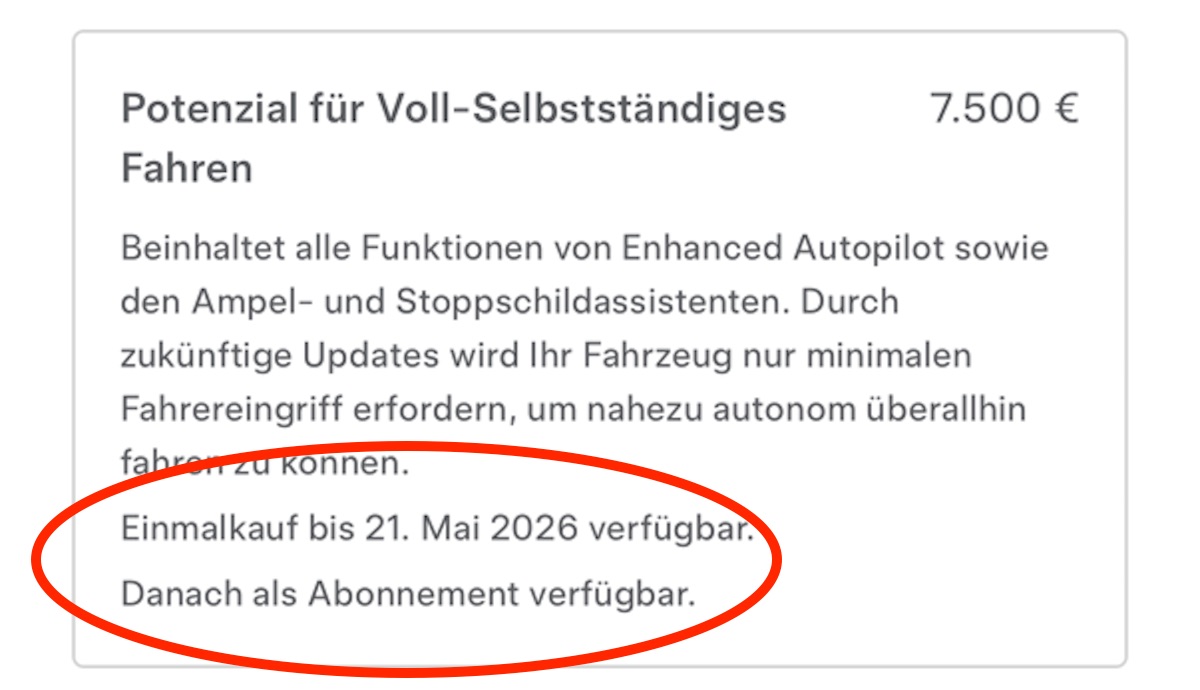
Aktuell: Tesla will FSD-Option in ganz Europa vor Ende Mai nur noch im Monatsabo anbieten

2026-05-08
Teslamag.de
Why's our monitor labelling this an incident or hazard?
While Tesla's FSD is an AI system involved in autonomous driving, the article does not describe any actual harm, malfunction, or misuse related to the system. It also does not present any credible risk or plausible future harm stemming from the subscription model change or the regulatory developments. The content is primarily about product offering changes and regulatory status updates, which fall under general AI-related news without direct or indirect harm. Therefore, this is best classified as Complementary Information, as it provides context and updates on AI system deployment and governance without describing an incident or hazard.