

























AI-Driven RAM Shortage Intensifies Global Supply Crisis

Thumbnail Image

The information displayed in the AIM should not be reported as representing the official views of the OECD or of its member countries.

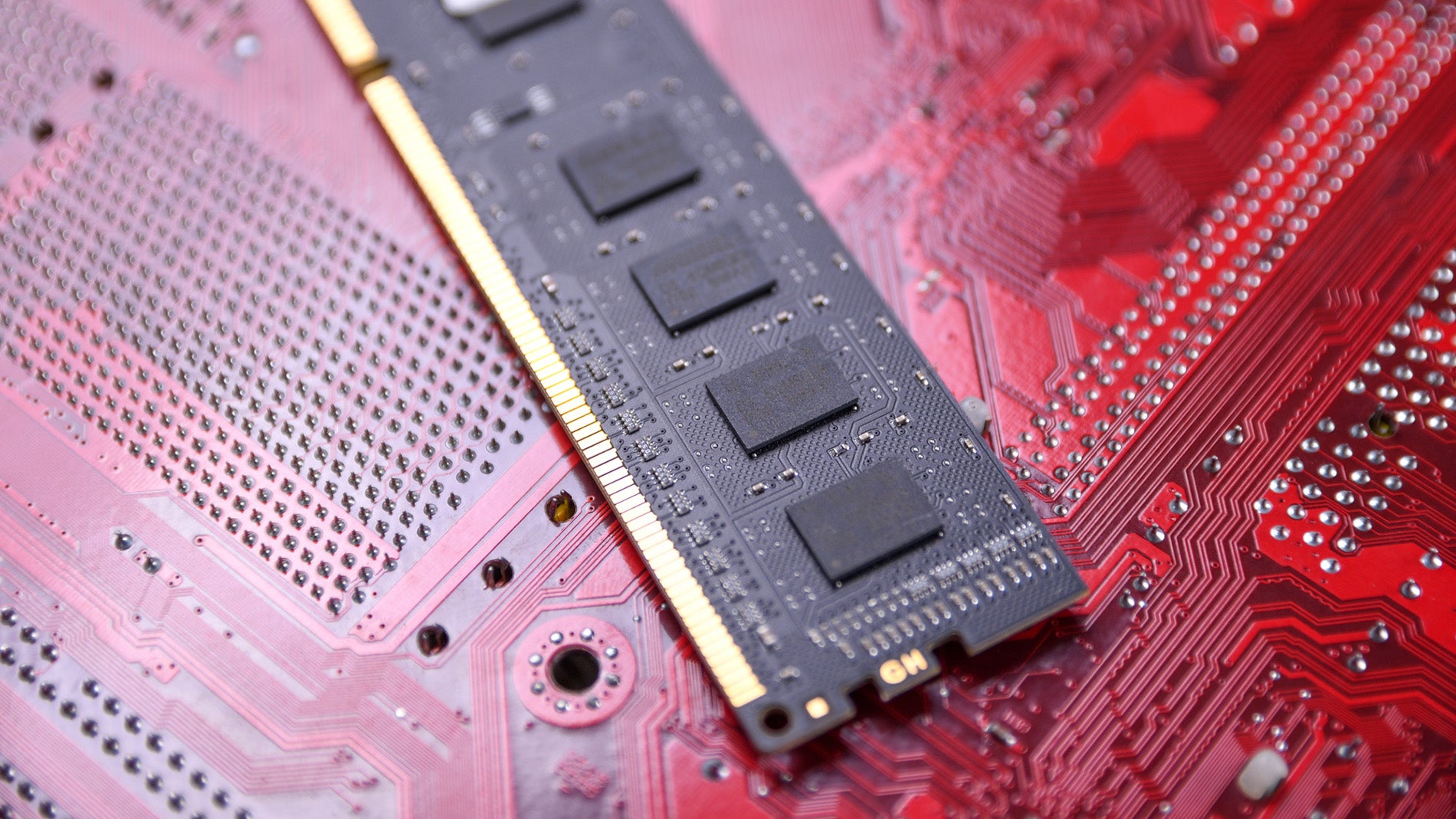
Micron CEO Sanjay Mehrotra warns that AI's surging demand for memory chips is worsening the global RAM shortage, with AI now consuming over half of all DRAM production. The supply chain, dominated by a few manufacturers, cannot keep pace, leading to persistent high prices and limited availability worldwide.[AI generated]

Why's our monitor labelling this an incident or hazard?

The event involves AI systems as the demand for memory is driven by AI infrastructure, which qualifies as AI system involvement. However, the article only reports on the current market demand and supply imbalance caused by AI's growth, without any realized harm such as injury, rights violations, or operational disruption. The situation could plausibly lead to future harms if shortages worsen, but no such harms are reported. Therefore, this is best classified as an AI Hazard, reflecting the plausible future risk of harm due to resource competition caused by AI's memory consumption.[AI generated]
AI principles
Sustainability

Industries
IT infrastructure and hosting

Affected stakeholders
BusinessConsumers

Harm types
Economic/Property

Severity
AI hazard


Articles about this incident or hazard

Thumbnail Image

La crisis de la memoria RAM va a empeorar: Micron avisa de que la IA la agravará

2026-05-05
La Razón
Why's our monitor labelling this an incident or hazard?
The article clearly involves AI systems in the sense that AI workloads are driving increased demand for DRAM memory. However, the event described is about supply chain constraints and market effects, not a malfunction, misuse, or direct harm caused by AI systems. There is no report of injury, rights violations, or disruption caused by AI itself. The potential economic impact is plausible but not immediate harm. The article mainly provides context and analysis of AI's growing resource demands and their consequences, fitting the definition of Complementary Information rather than an AI Incident or AI Hazard.
Thumbnail Image

La IA ya consume más de la mitad de toda la memoria RAM del mundo y "esto es solo el principio

2026-05-04
3D Juegos
Why's our monitor labelling this an incident or hazard?
The event involves AI systems as the demand for memory is driven by AI infrastructure, which qualifies as AI system involvement. However, the article only reports on the current market demand and supply imbalance caused by AI's growth, without any realized harm such as injury, rights violations, or operational disruption. The situation could plausibly lead to future harms if shortages worsen, but no such harms are reported. Therefore, this is best classified as an AI Hazard, reflecting the plausible future risk of harm due to resource competition caused by AI's memory consumption.
Thumbnail Image

Sanjay Mehrotra, CEO de Micron, advierte que la crisis de la RAM podría alargarse hasta el infinito: "La IA solo está empezando, necesitará más memoria"

2026-05-05
Computer Hoy
Why's our monitor labelling this an incident or hazard?
The article focuses on the economic and supply chain impact of AI-driven demand for memory chips, which is a broader market and technological issue rather than a specific AI Incident or Hazard. There is no mention of harm caused by AI systems, nor a plausible immediate risk of harm from AI malfunction or misuse. The content is best classified as Complementary Information because it provides important context about AI's influence on hardware demand and industry responses, without describing a new AI Incident or AI Hazard.
Thumbnail Image

Semiconductor News: भारत तैयार नहीं! AI मेमोरी संकट पर Micron Technology अधिकारी का बड़ा अलर्ट - CNBC Awaaz

2026-05-18
CNBC Awaaz
Why's our monitor labelling this an incident or hazard?
The article does not describe any realized harm caused by AI systems or their malfunction, but rather a credible warning about a future shortage of AI-related memory chips that could disrupt technological progress and economic development in India. The involvement of AI is clear as the shortage is driven by AI system demand. The potential harm is plausible and significant, fitting the definition of an AI Hazard. There is no indication of an incident or complementary information about responses or mitigation, so AI Hazard is the appropriate classification.
Thumbnail Image

'AI से कंपनी को फायदा, कर्मचारियों को नहीं' सैमसंग के 45 हजार कर्मचारी इस दिन से करेंगे हड़ताल

2026-05-18
AajTak
Why's our monitor labelling this an incident or hazard?
The event involves AI indirectly as the increased demand for chips is driven by AI technologies, but the strike is a human labor dispute, not an AI system's malfunction or misuse. The potential disruption to critical infrastructure due to chip shortages is a plausible future harm linked to AI system supply chains, qualifying it as an AI Hazard. There is no direct or indirect harm caused by an AI system itself at this time, so it is not an AI Incident. The article is not merely complementary information as it highlights a credible risk of harm due to AI system dependencies. Hence, the classification is AI Hazard.