AI Deepfake Scam Targets Taiwanese Farmer, Harms Consumers and Agriculture

Thumbnail Image

The information displayed in the AIM should not be reported as representing the official views of the OECD or of its member countries.

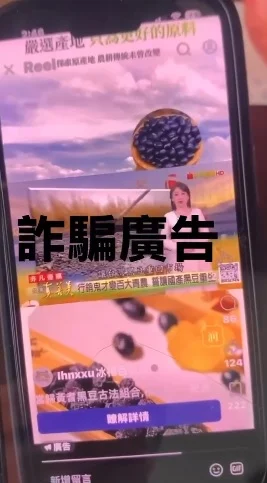
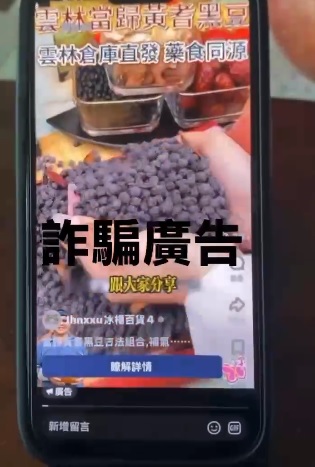
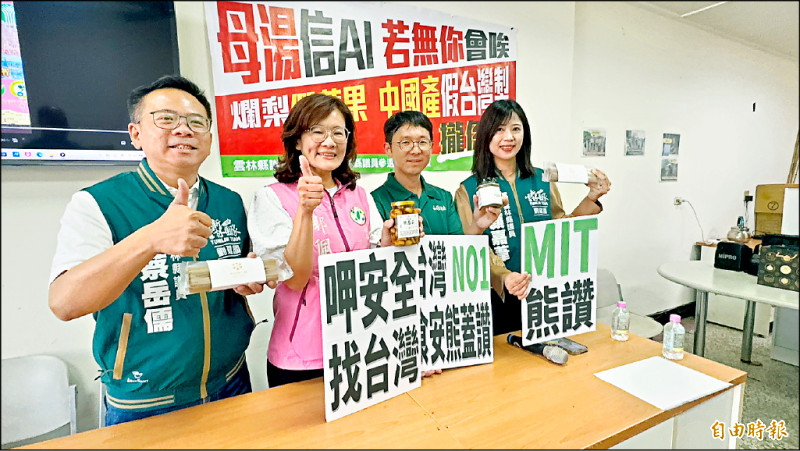
AI deepfake technology was used to impersonate Yunlin farmer Lin Huang-chih, promoting counterfeit Chinese agricultural products online. Consumers were deceived, receiving mislabeled goods, causing financial and reputational harm to the farmer and undermining trust in Taiwan's agricultural sector. Officials urged vigilance and government action to combat such AI-driven fraud.[AI generated]

Why's our monitor labelling this an incident or hazard?

The article explicitly mentions the use of AI deepfake technology to create fake videos and websites impersonating a real farmer, which led to consumers being defrauded by purchasing counterfeit products. This constitutes direct harm to consumers (financial and potential health harm) and harm to the community and property (reputation and economic damage to the farmer and local agriculture). Therefore, this qualifies as an AI Incident due to the realized harm caused by the malicious use of an AI system.[AI generated]
AI principles
AccountabilityTransparency & explainability

Industries
AgricultureConsumer products

Affected stakeholders
ConsumersWorkers

Harm types
Economic/PropertyReputationalPublic interest

Severity
AI incident

AI system task:
Content generation


Articles about this incident or hazard

Thumbnail Image

雲林青農遭深偽冒用賣蒜詐騙 籲民眾勿上當 | 聯合新聞網

2026-05-06
UDN
Why's our monitor labelling this an incident or hazard?
The article explicitly mentions the use of AI deepfake technology to create fake videos and websites impersonating a real farmer, which led to consumers being defrauded by purchasing counterfeit products. This constitutes direct harm to consumers (financial and potential health harm) and harm to the community and property (reputation and economic damage to the farmer and local agriculture). Therefore, this qualifies as an AI Incident due to the realized harm caused by the malicious use of an AI system.
Thumbnail Image

深偽廣告橫行!雲林青農形象遭深偽變造賣「中國貨」 - 生活 - 自由時報電子報

2026-05-06
Liberty Times Net
Why's our monitor labelling this an incident or hazard?
The event explicitly involves AI systems used to create deepfake videos and audio that impersonate a real person to promote counterfeit products. The harm is realized as consumers have been deceived and the farmer's image and business have been harmed. This fits the definition of an AI Incident because the AI system's use directly led to harm to property, communities, and potentially consumer health (through mislabeled products). The article reports actual harm occurring, not just potential harm, so it is not an AI Hazard or Complementary Information. Therefore, the classification is AI Incident.
Thumbnail Image

遭深偽變造賣中國農產 雲林青農籲勿受騙 - 生活 - 自由時報電子報

2026-05-06
Liberty Times Net
Why's our monitor labelling this an incident or hazard?
The article explicitly mentions AI-generated deepfake content (image and voice) used to falsely promote and sell Chinese agricultural products under the guise of a Taiwanese farmer. This misuse of AI technology has directly caused harm to consumers (who were deceived and received products different from what was advertised) and to the farmer's reputation and business. Therefore, this qualifies as an AI Incident because the AI system's use directly led to realized harm involving deception and economic damage.
Thumbnail Image

雲林青農遭深偽冒用賣蒜詐騙 籲民眾勿上當 | 地方 | 中央社 CNA

2026-05-06
Central News Agency
Why's our monitor labelling this an incident or hazard?
The article explicitly mentions the use of AI deepfake technology to create fake videos and websites impersonating a farmer to sell counterfeit products. This misuse of AI has directly caused harm to individuals (the farmer and consumers) through fraud and potential health risks, fulfilling the criteria for an AI Incident. The harm is realized, not just potential, as victims have already been defrauded.
Thumbnail Image

AI深偽假農民帶貨亂象爆發 雲林怒轟中國山寨滲透台灣農產 | yam News

2026-05-06
蕃新聞
Why's our monitor labelling this an incident or hazard?
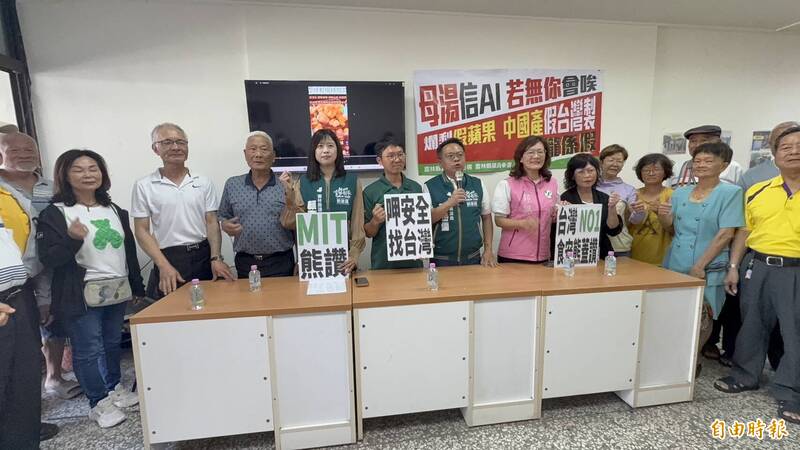
The event involves the use of AI deepfake systems to create false and misleading content impersonating real individuals and brands, which has directly led to harm to the Taiwanese agricultural community by disrupting market trust and causing economic damage. This fits the definition of an AI Incident because the AI system's use has directly caused harm to communities and property (economic interests), as well as violations of rights (unauthorized use of identity and brand). The article describes realized harm, not just potential harm, so it is not an AI Hazard. It is not merely complementary information or unrelated news, as the AI system's role in causing harm is central to the report.
Thumbnail Image

AI假影像亂台農產市場 郭佩瑄怒轟中國山寨滲透 | yam News

2026-05-06
蕃新聞
Why's our monitor labelling this an incident or hazard?
The event involves the use of AI systems (deepfake technology) to generate fake images and voices, which are then used maliciously to impersonate individuals and promote products falsely. This has caused realized harm to the farmers' rights and economic interests, as well as disruption to the agricultural market and consumer trust. Therefore, it meets the criteria of an AI Incident due to direct harm caused by the AI system's misuse.
Thumbnail Image

亞太農業技術展臺南館主打「智慧輸出」 不只賣設備更賣系統 | yam News

2026-05-07
蕃新聞
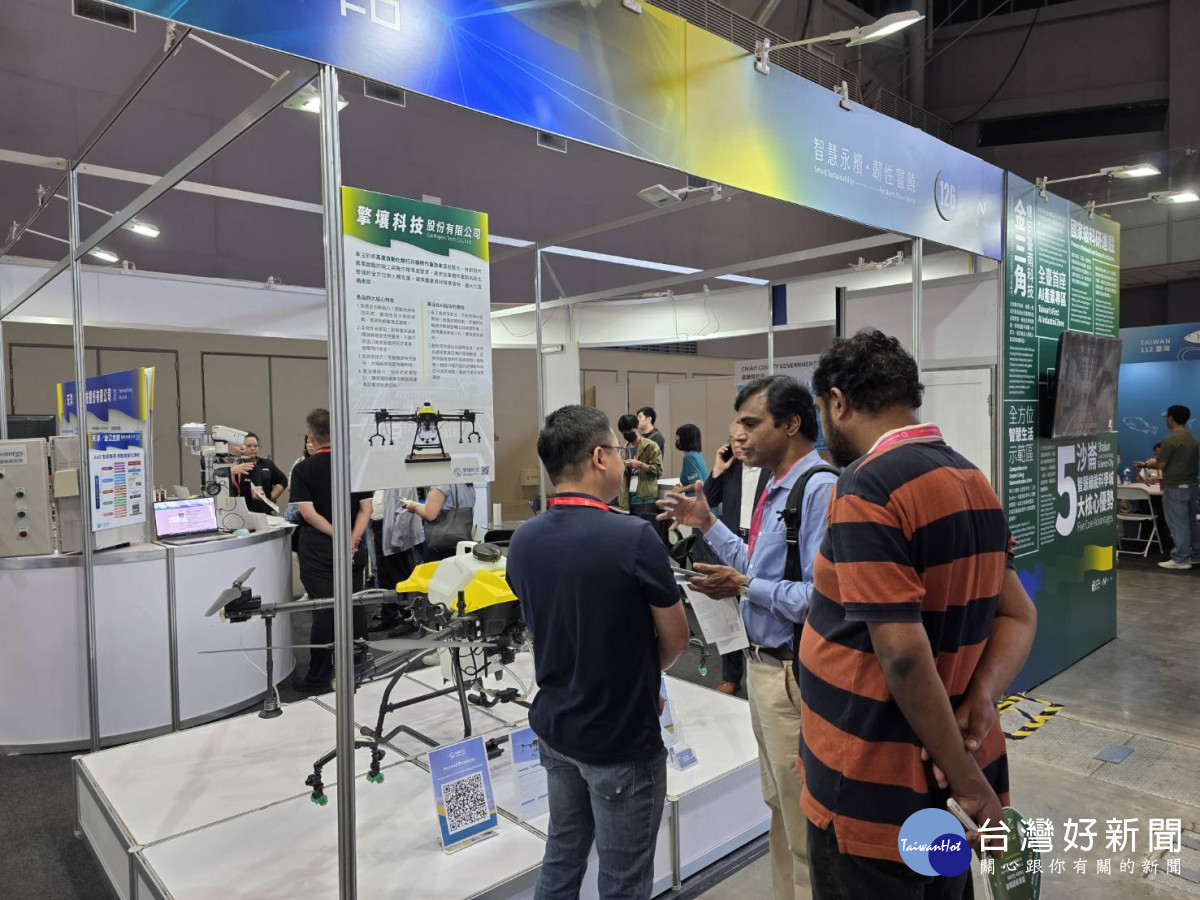
Why's our monitor labelling this an incident or hazard?
The event involves AI systems in agriculture, but it is a promotional and informational report about the exhibition and the technologies presented. There is no indication of any realized harm or plausible future harm from the AI systems described. The focus is on business-to-business sales and technological innovation, not on any negative consequences or risks. Therefore, this is Complementary Information providing context and updates on AI developments in agriculture.