AI-Powered TUNGA-X Interceptor Drone Unveiled in Turkey

Thumbnail Image

The information displayed in the AIM should not be reported as representing the official views of the OECD or of its member countries.

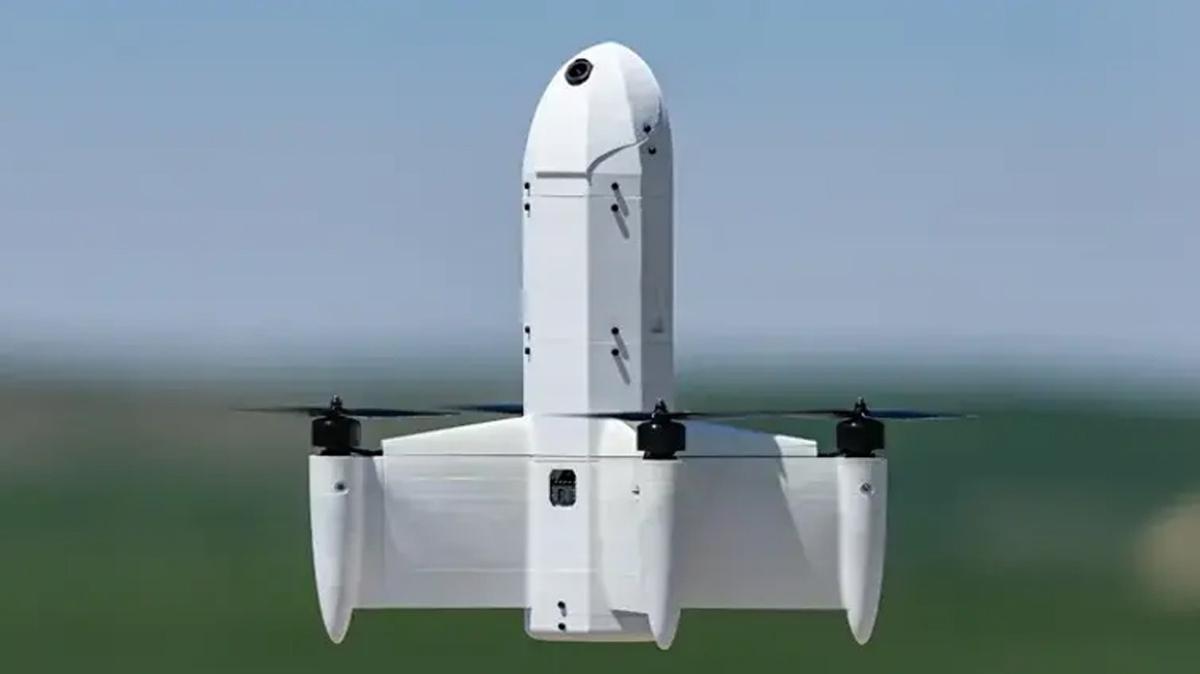
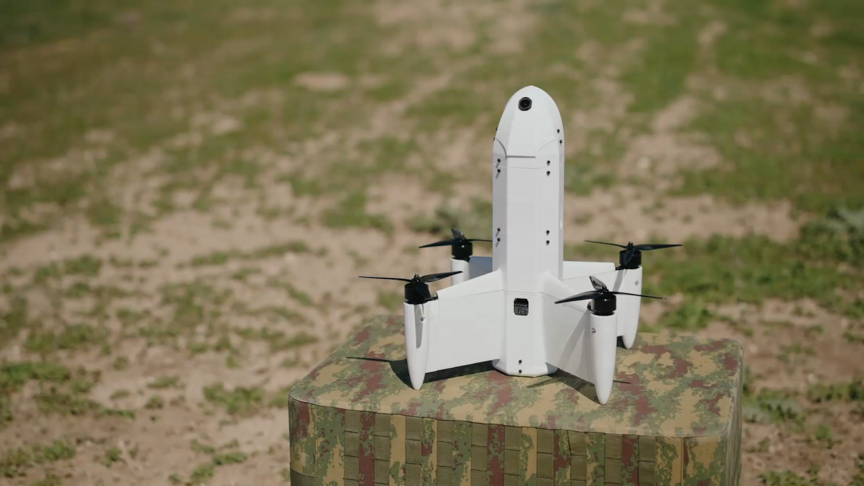
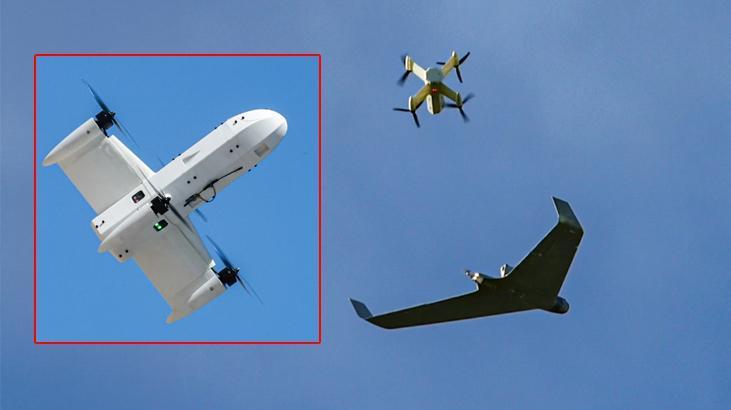
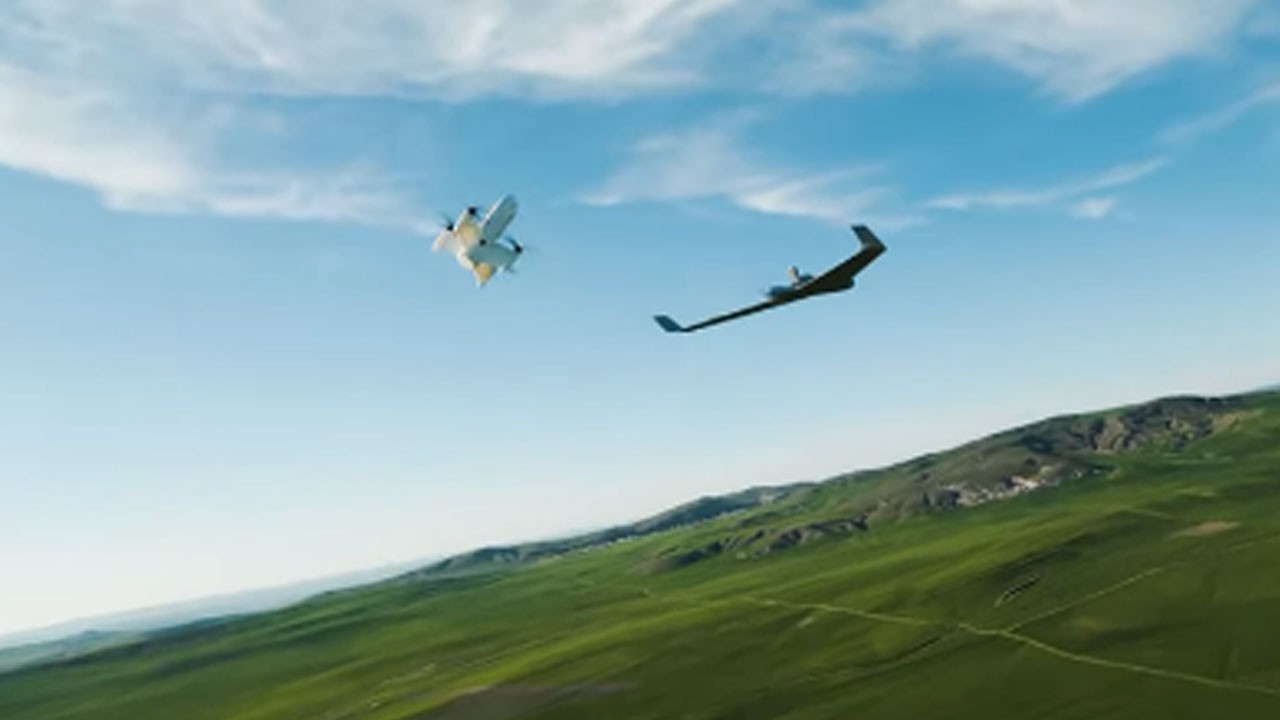
STM introduced the TUNGA-X, an AI-enabled autonomous interceptor drone, at the SAHA 2026 defense expo in Istanbul. Designed to counter low-cost kamikaze drones, TUNGA-X uses AI for real-time target detection and interception. While no harm has occurred, its autonomous lethal capabilities present plausible future risks.[AI generated]

Why's our monitor labelling this an incident or hazard?

The TUNGA-X system is an AI system as it uses AI for autonomous flight, target detection, and engagement. The event concerns the development and deployment of an autonomous weapon system designed to neutralize threats, which inherently carries risks of harm (injury, property damage, or escalation in conflict). Although no harm has yet occurred or been reported, the system's autonomous lethal capabilities mean it could plausibly lead to AI Incidents in the future. Hence, it fits the definition of an AI Hazard rather than an AI Incident or Complementary Information. It is not unrelated because it clearly involves AI systems and their potential impacts.[AI generated]
AI principles
SafetyAccountability

Industries
Government, security, and defenceRobots, sensors, and IT hardware

Affected stakeholders
General public

Harm types
Physical (death)Physical (injury)

Severity
AI hazard

AI system task:
Recognition/object detectionGoal-driven organisation


Articles about this incident or hazard

Thumbnail Image

İHA tehditlerine karşı maliyeti etkin çözüm! TUNGA-X ilk kez SAHA EXPO 2026'da görücüye çıktı

2026-05-06
Milliyet
Why's our monitor labelling this an incident or hazard?
The TUNGA-X system is an AI system as it uses AI for autonomous flight, target detection, and engagement. The event concerns the development and deployment of an autonomous weapon system designed to neutralize threats, which inherently carries risks of harm (injury, property damage, or escalation in conflict). Although no harm has yet occurred or been reported, the system's autonomous lethal capabilities mean it could plausibly lead to AI Incidents in the future. Hence, it fits the definition of an AI Hazard rather than an AI Incident or Complementary Information. It is not unrelated because it clearly involves AI systems and their potential impacts.
Thumbnail Image

STM'nin kamikaze İHA'lara karşı yeni çözümü: TUNGA

2026-05-06
Haberler
Why's our monitor labelling this an incident or hazard?
The event involves an AI system explicitly described as having autonomous capabilities, including AI-based image processing and autonomous target tracking. The system is intended for military use to intercept kamikaze drones, which implies potential for harm if misused or malfunctioning. Although no harm has yet occurred, the nature of the system and its deployment plausibly could lead to AI Incidents involving injury, property damage, or escalation of conflict. Hence, it fits the definition of an AI Hazard rather than an Incident or Complementary Information.
Thumbnail Image

TUNGA-X, SAHA 2026'da Tanıtıldı - Son Dakika

2026-05-06
Son Dakika
Why's our monitor labelling this an incident or hazard?
The article explicitly mentions the use of AI and autonomous capabilities in the TUNGA-X drone interceptor system, qualifying it as an AI system. There is no indication that the system has caused any injury, property damage, or rights violations yet, so it is not an AI Incident. However, the development and introduction of an autonomous weapon system capable of lethal engagement plausibly could lead to harms such as injury, escalation of conflict, or unintended damage, fitting the definition of an AI Hazard. The article focuses on the system's capabilities and introduction rather than any realized harm or incident.
Thumbnail Image

Göklerin yeni muhafızı: Kamikaze İHA'ların celladı TUNGA-X SAHA'ya çıktı!

2026-05-06
Yeni Akit Gazetesi
Why's our monitor labelling this an incident or hazard?
The article explicitly describes an AI system (TUNGA-X) with autonomous capabilities for military defense against kamikaze drones. Although no incident of harm is reported, the system's autonomous lethal function and integration of AI for target detection and engagement imply a credible risk of future harm, such as injury, property damage, or escalation of conflict. The event concerns the development and introduction of an AI-enabled autonomous weapon system, which fits the definition of an AI Hazard as it could plausibly lead to AI Incidents involving harm. There is no indication of realized harm or incident, so it is not classified as an AI Incident. It is not merely complementary information because the focus is on the system's capabilities and potential threat mitigation, not on responses or ecosystem updates. Hence, AI Hazard is the appropriate classification.
Thumbnail Image

Drone avcısı sahneye çıktı! TUNGA-X oyunu değiştiriyor

2026-05-06
Ak�am
Why's our monitor labelling this an incident or hazard?
The TUNGA-X system is an AI system as it incorporates autonomous target tracking and decision-making capabilities based on radar and image processing data. The article focuses on the system's introduction and capabilities without describing any realized harm or incidents. However, autonomous lethal drones pose plausible risks of harm, such as unintended casualties or misuse, which aligns with the definition of an AI Hazard. Since no actual harm or incident is reported, and the main focus is on the system's potential impact and capabilities, the classification as AI Hazard is appropriate.
Thumbnail Image

STM'nin kamikaze İHA'lara karşı yeni çözümü:TUNGA-X

2026-05-06
Anadolu Ajansı
Why's our monitor labelling this an incident or hazard?
The article explicitly mentions the use of AI and autonomy in the TUNGA-X interceptor drone system, confirming the presence of an AI system. However, it does not describe any harm caused by the system, nor any malfunction or misuse leading to harm. The system is presented as a new defense technology aimed at countering kamikaze drones, which are a threat, but no incident or hazard is reported. The focus is on the technological capabilities and deployment potential, making this a development update and contextual information rather than an incident or hazard. Hence, it fits the definition of Complementary Information.
Thumbnail Image

Kamikaze İHA'lara duvar örecek! TUNGA-X ilk kez vitrine çıktı

2026-05-06
Star.com.tr
Why's our monitor labelling this an incident or hazard?
The event involves the development and deployment of an AI system with autonomous lethal capabilities (an autonomous interceptor drone). Although the article does not report any realized harm or incidents caused by the system, the nature of the system—an AI-enabled autonomous weapon designed to destroy other drones—poses plausible risks of harm, including potential misuse, malfunction, or escalation in conflict scenarios. Therefore, this event qualifies as an AI Hazard due to the credible potential for harm inherent in autonomous weapon systems.
Thumbnail Image

Kamikaze İHA tehdidine yerli çözüm! TUNGA-X maliyetiyle dikkat çekiyor

2026-05-06
Uzmanpara.com
Why's our monitor labelling this an incident or hazard?
The TUNGA-X system is an AI system as it uses AI and autonomy for real-time target detection, tracking, and interception. The article does not report any harm caused by the system; rather, it presents the system as a solution to an existing threat. There is no indication of malfunction or misuse leading to harm. The event describes the introduction of a new AI-enabled defense technology that could plausibly reduce harm from kamikaze drones, but it does not describe any realized harm or incident involving the AI system itself. Therefore, this is not an AI Incident or AI Hazard. It is a development update about an AI system with potential impact, which fits best as Complementary Information.