Yongin City Expands AI-Based Pothole Detection, Reducing Road Hazards and Complaints

Thumbnail Image

The information displayed in the AIM should not be reported as representing the official views of the OECD or of its member countries.

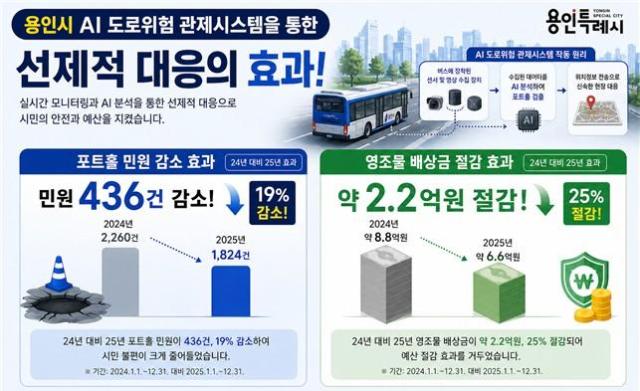
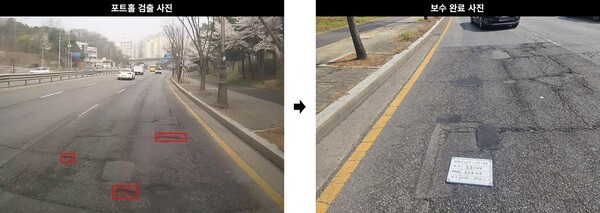
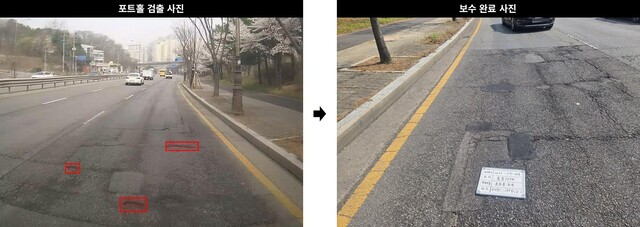
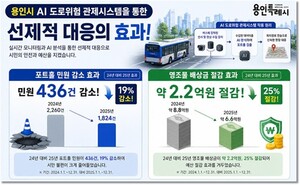
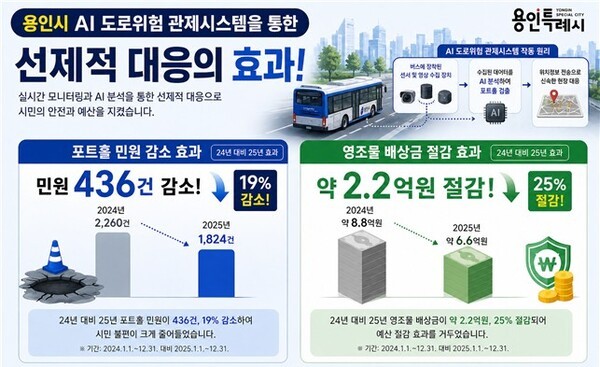
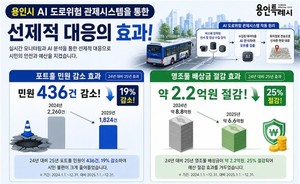
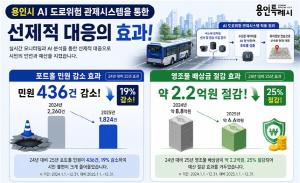
Yongin City, South Korea, expanded its AI-based pothole monitoring system to 300 vehicles, integrating real-time road hazard detection with public complaint management. This led to a 19% drop in complaints and a 25% reduction in compensation payouts, demonstrating significant harm prevention and improved road safety through AI deployment.[AI generated]

Why's our monitor labelling this an incident or hazard?

The AI system is explicitly mentioned as being used to detect potholes and road hazards, which directly contributes to reducing risks on the roads. This use of AI has led to tangible benefits such as fewer complaints and lower compensation costs, implying a reduction in harm related to road safety. Since the AI system's use has directly led to harm reduction and improved safety, this qualifies as an AI Incident under the framework, as it involves the use of AI leading to a positive impact on preventing injury or harm to people and property.[AI generated]
Industries
Mobility and autonomous vehiclesGovernment, security, and defence

Severity
AI incident

Business function:
Monitoring and quality control

AI system task:
Recognition/object detectionEvent/anomaly detection


Articles about this incident or hazard

Thumbnail Image

용인특례시, AI 기반 포트홀 관제시스템 확대 구축

2026-05-06
이코노뉴스
Why's our monitor labelling this an incident or hazard?
The event involves the use of an AI system for real-time pothole detection and road management, which is explicitly described. However, the article reports positive impacts such as reduced complaints and damages, with no indication of harm or risk of harm caused or potentially caused by the AI system. Therefore, it does not meet the criteria for an AI Incident or AI Hazard. Instead, it provides information about the deployment and benefits of AI in public administration, which is complementary information enhancing understanding of AI applications and governance.
Thumbnail Image

용인특례시, AI 기반 포트홀 관제시스템 확대 구축

2026-05-07
매일일보
Why's our monitor labelling this an incident or hazard?
The AI system is explicitly mentioned and used for real-time analysis and management of road hazards, which qualifies it as an AI system. However, the article reports positive outcomes (reduction in complaints and compensation) and no harm or risk of harm caused by the AI system. The event focuses on the expansion and improvement of the AI system and its integration with complaint management, which is an update on AI use and governance rather than an incident or hazard. Hence, it is best classified as Complementary Information.
Thumbnail Image

용인시, AI 포트홀 관제시스템으로 도로 안전 강화 | 아주경제

2026-05-07
아주경제
Why's our monitor labelling this an incident or hazard?
The AI system is explicitly mentioned as being used to detect potholes and road hazards, which directly contributes to reducing risks on the roads. This use of AI has led to tangible benefits such as fewer complaints and lower compensation costs, implying a reduction in harm related to road safety. Since the AI system's use has directly led to harm reduction and improved safety, this qualifies as an AI Incident under the framework, as it involves the use of AI leading to a positive impact on preventing injury or harm to people and property.
Thumbnail Image

용인시, AI 포트홀 관제 확대...300대 규모 운영

2026-05-07
비즈월드
Why's our monitor labelling this an incident or hazard?
An AI system is explicitly involved, as the system uses AI video surveillance and precise positioning to detect road hazards. The AI system's use has directly led to harm prevention by identifying potholes early and enabling timely repairs, thus reducing risks to public safety and infrastructure damage. This constitutes harm prevention and improved management of critical infrastructure, which aligns with the definition of an AI Incident due to the direct positive impact on health and infrastructure safety. Although the article focuses on positive outcomes, the AI system's use is central to preventing harm and managing infrastructure risks, qualifying it as an AI Incident rather than a hazard or complementary information.
Thumbnail Image

도로 파손 실시간 감지" 용인특례시, AI 기반 스마트 도로관리 확대

2026-05-07
포인트데일리
Why's our monitor labelling this an incident or hazard?
An AI system is explicitly involved, as the system uses AI video surveillance and real-time analysis to detect road damage. The use of this AI system has directly led to harm reduction by preventing accidents and reducing damage-related compensation, thus improving citizen safety and reducing property harm. Since the AI system's use has directly contributed to reducing harm, this qualifies as an AI Incident under the framework, as it involves realized harm mitigation through AI use. The event is not merely a potential risk or a general update but documents actual impact on safety and property harm reduction.
Thumbnail Image

용인특례시, 'AI 포트홀 자동탐지' 차량 확대

2026-05-07
OBS경인TV
Why's our monitor labelling this an incident or hazard?
The article involves an AI system used for pothole detection and road condition monitoring, which qualifies as an AI system. However, there is no mention or implication of any harm caused or plausible harm that could arise from the system's use. The event is about the expansion and use of the AI system for infrastructure management, which is a positive application without reported incidents or hazards. Therefore, this is best classified as Complementary Information, providing context and updates on AI deployment without describing an incident or hazard.
Thumbnail Image

용인시, AI기반 포트홀 관제시스템 확대···"도로 민원 19% 감소" - 스마트비즈

2026-05-07
스마트비즈
Why's our monitor labelling this an incident or hazard?
The event involves the use of an AI system for road monitoring and management, which is explicitly described. However, the AI system's involvement has led to positive outcomes such as reduced complaints and damages, not harm. There is no indication of injury, rights violations, or other harms caused by the AI system. Therefore, this is not an AI Incident or AI Hazard. The article primarily provides information about the deployment and impact of the AI system, which enhances understanding of AI applications and governance in public infrastructure management, fitting the definition of Complementary Information.
Thumbnail Image

용인시, AI 포트홀 관제 확대...민원 감소·예산 절감 효과

2026-05-07
브릿지경제
Why's our monitor labelling this an incident or hazard?
The article explicitly mentions the use of an AI system for pothole detection and road hazard management, which is integrated with a complaint management platform. The AI system's use has directly contributed to reducing harm by enabling faster detection and repair of road damage, thereby preventing accidents and reducing financial liabilities. Since the AI system's use has led to a positive impact on public safety and reduced harm, this qualifies as an AI Incident under the framework, as it involves the use of AI leading to a reduction of harm to communities and property.
Thumbnail Image

용인시, 'AI 포트홀 관제시스템' 300대 확대...도로 위 지뢰 24시간 감시

2026-05-07
아시아경제
Why's our monitor labelling this an incident or hazard?
The article explicitly mentions an AI system used for real-time detection and management of road hazards, which directly contributes to reducing harm to people and property by preventing accidents and infrastructure damage. The system's deployment and operational success demonstrate realized benefits and harm mitigation, fitting the definition of an AI Incident where AI use has directly led to harm reduction and improved safety outcomes.
Thumbnail Image

용인시, AI 포트홀 관제 확대...도로위험 실시간 관리

2026-05-07
이뉴스투데이
Why's our monitor labelling this an incident or hazard?
The article explicitly mentions the use of AI systems for real-time detection and management of road hazards, confirming AI system involvement. However, the AI system's use is beneficial, leading to harm reduction rather than causing or plausibly causing harm. There is no indication of malfunction, misuse, or potential for harm. The event focuses on the deployment and expansion of AI technology to improve public services, which fits the definition of Complementary Information rather than an Incident or Hazard.
Thumbnail Image

용인, AI 기반 포트홀 관제시스템 확대 구축 - 신아일보

2026-05-07
신아일보
Why's our monitor labelling this an incident or hazard?
An AI system is explicitly involved, using AI video monitoring and precise positioning data to detect road hazards. The system's use has directly led to harm reduction by identifying and enabling timely repair of potholes, thereby preventing potential injuries or damages. Since the AI system's deployment has resulted in tangible benefits and harm mitigation, this qualifies as an AI Incident under the definition of harm to property and communities through improved safety and reduced damage.