Samsung Galaxy Watch Uses AI to Predict Fainting and Prevent Injuries

Thumbnail Image

The information displayed in the AIM should not be reported as representing the official views of the OECD or of its member countries.

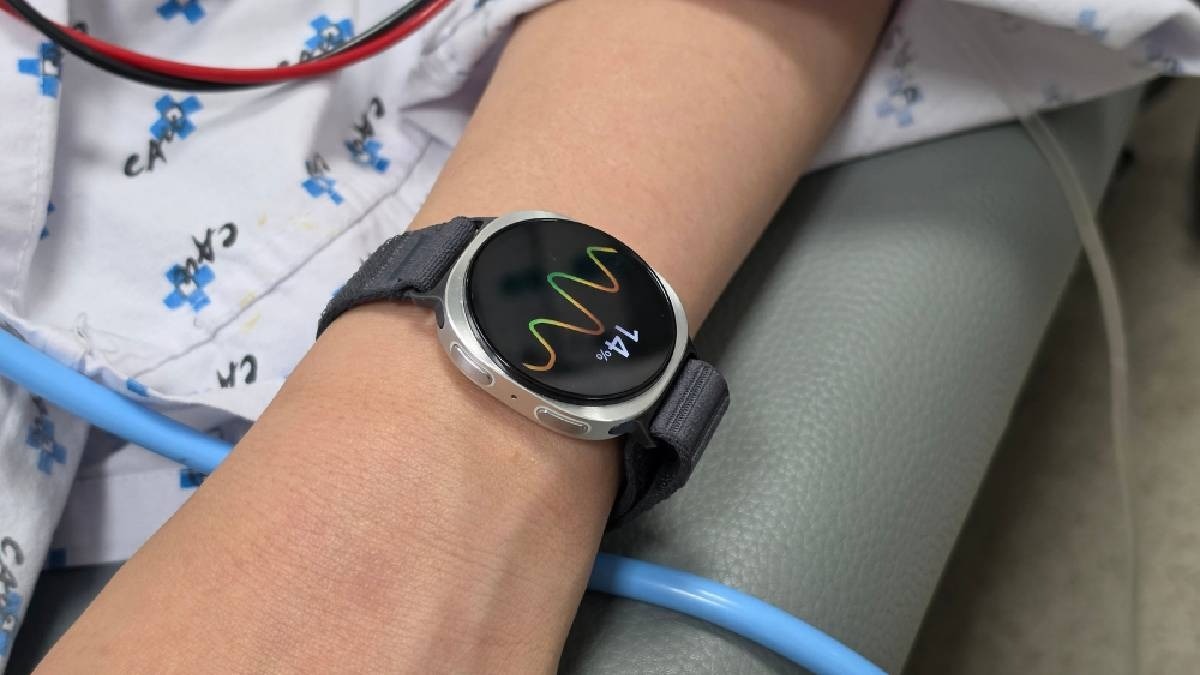
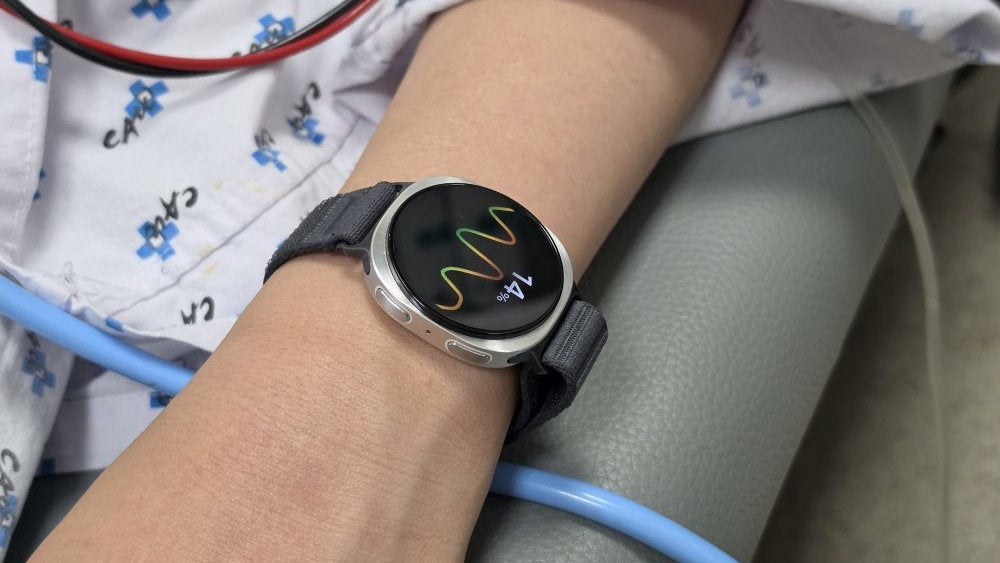
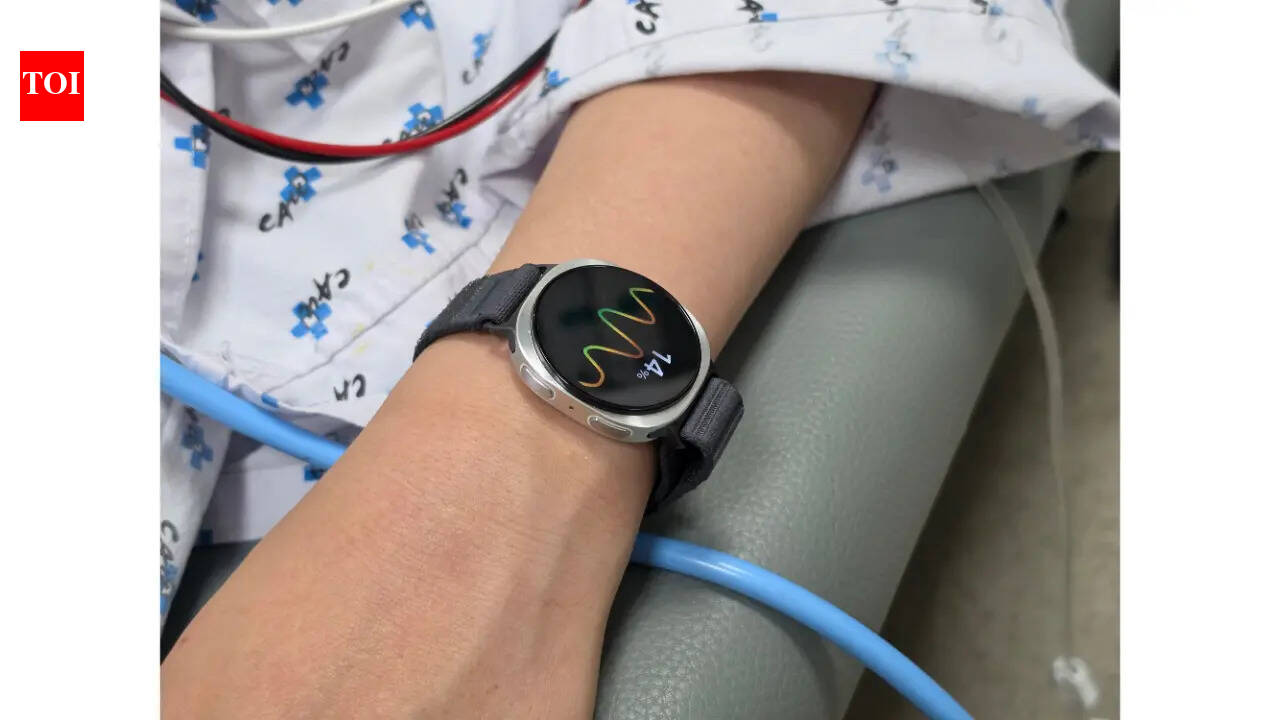
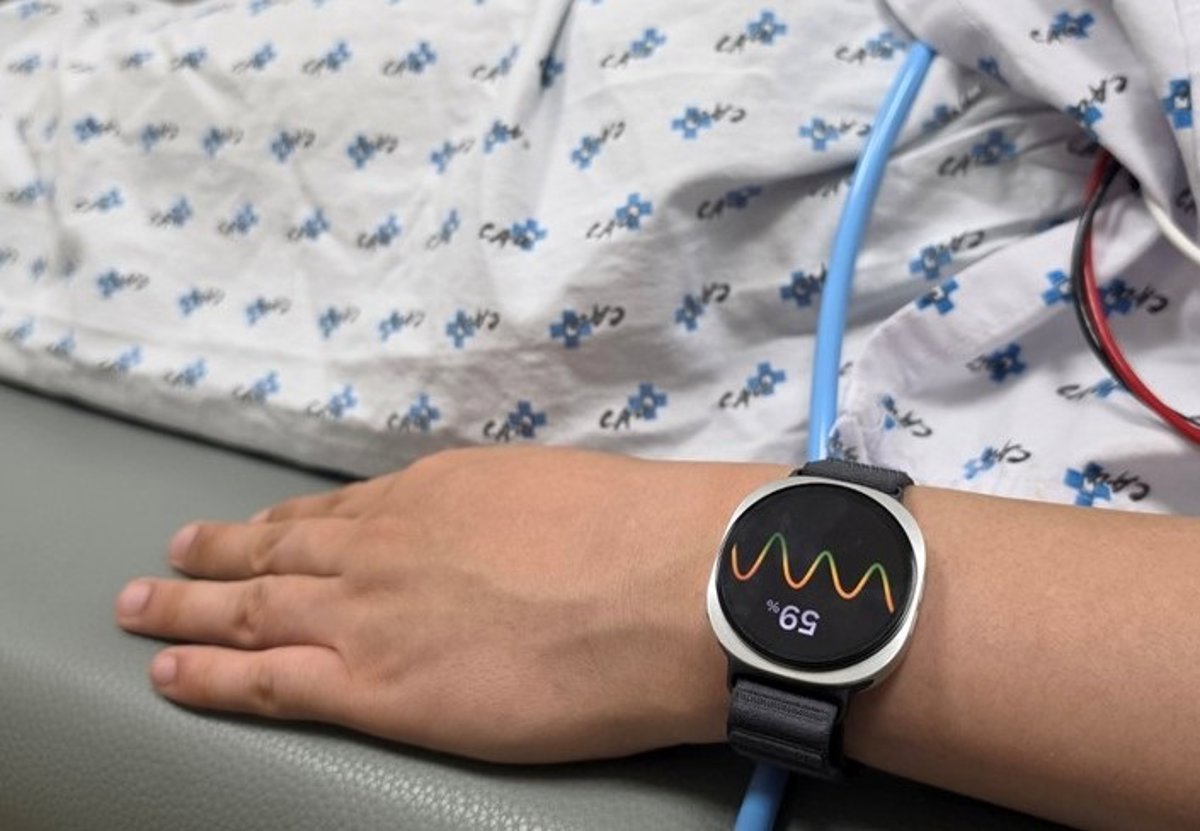
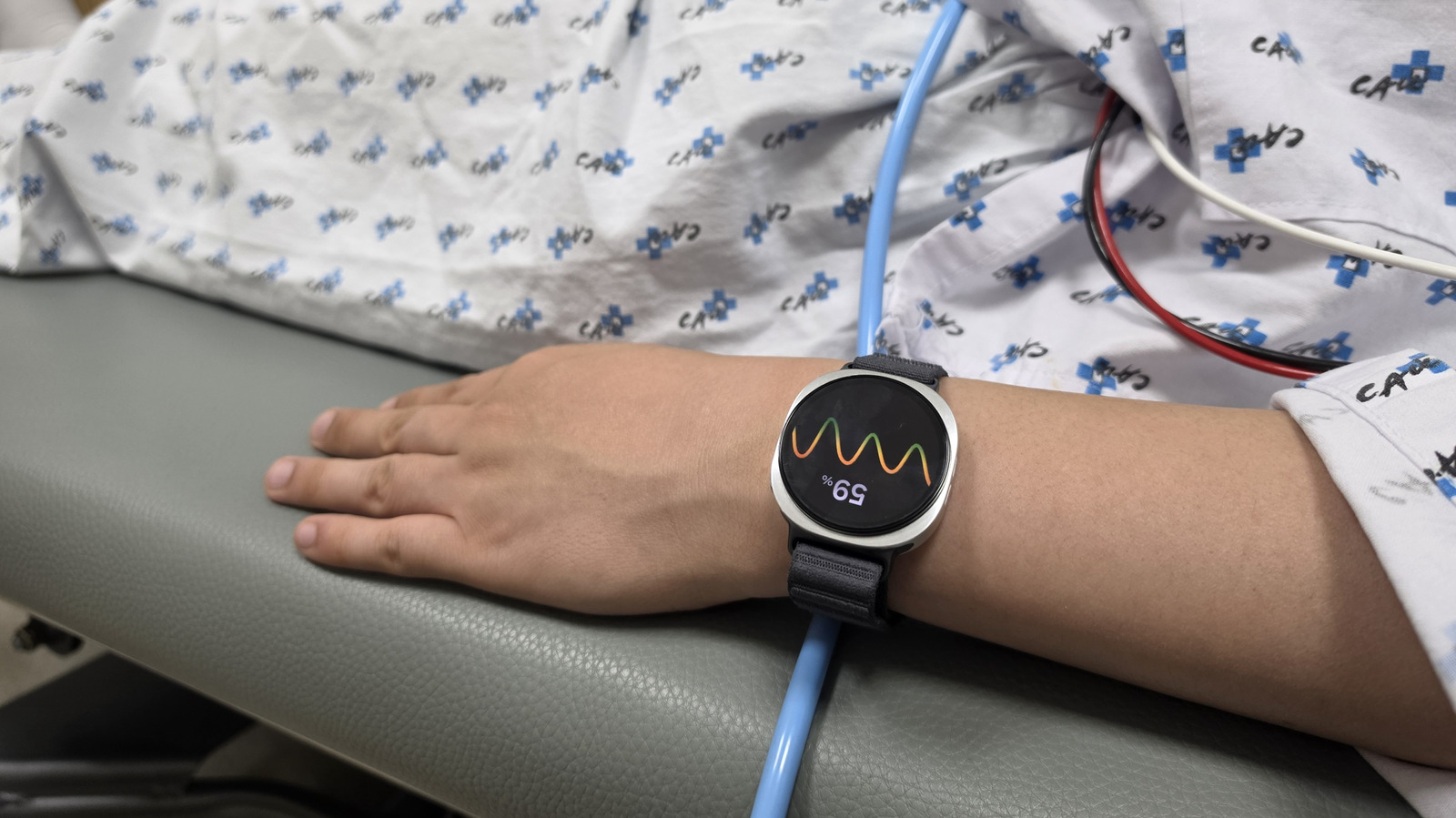
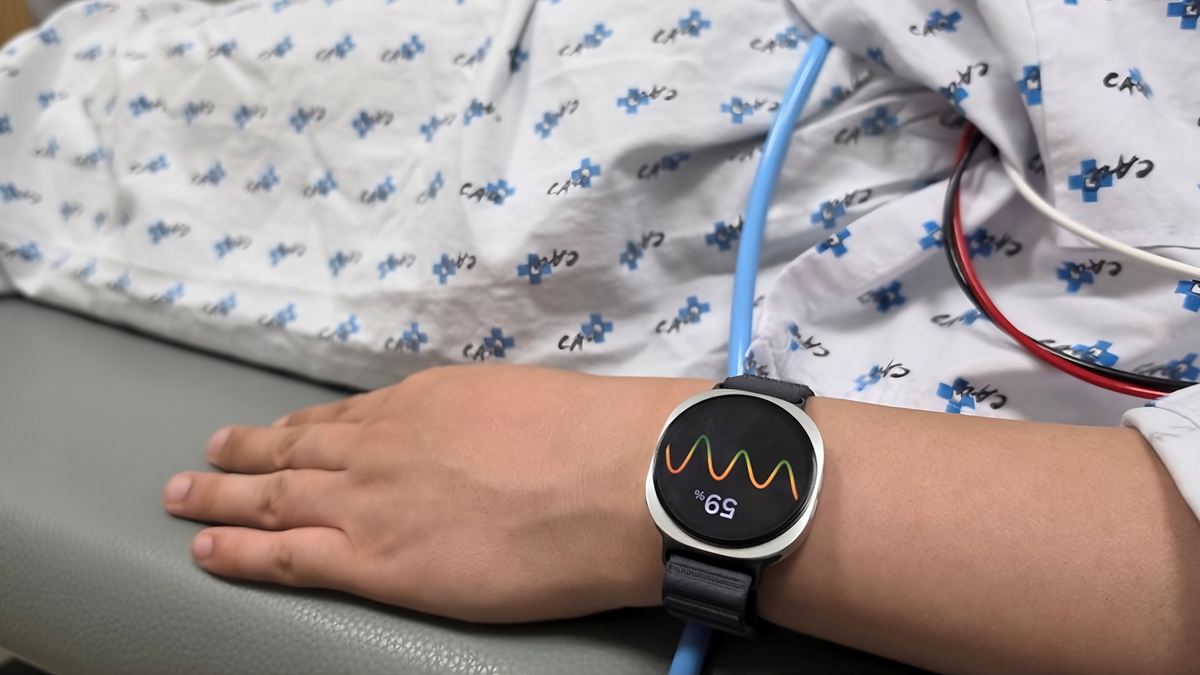
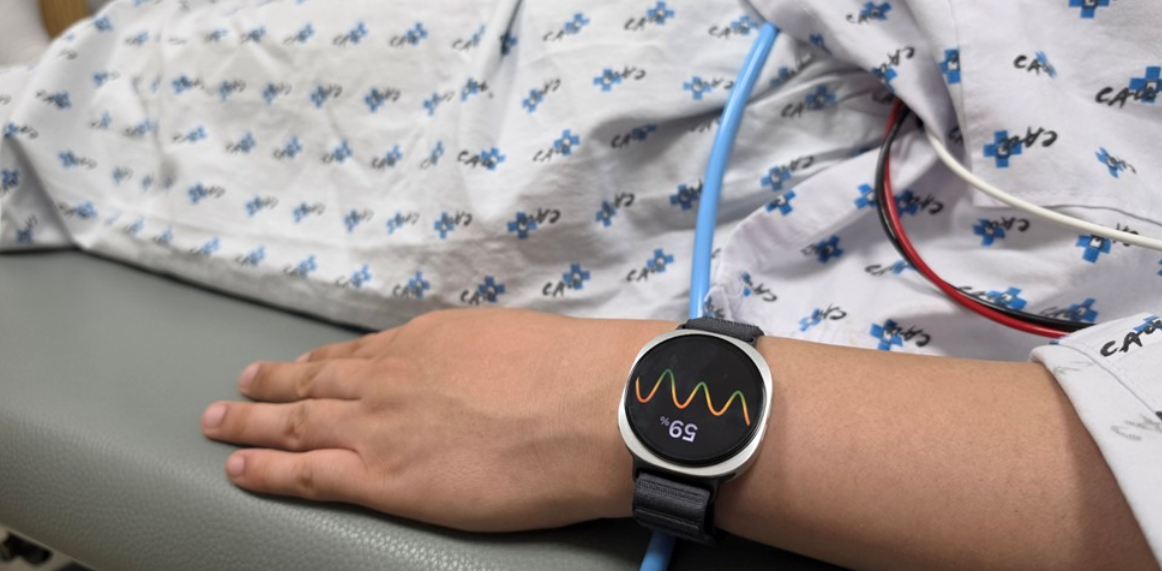
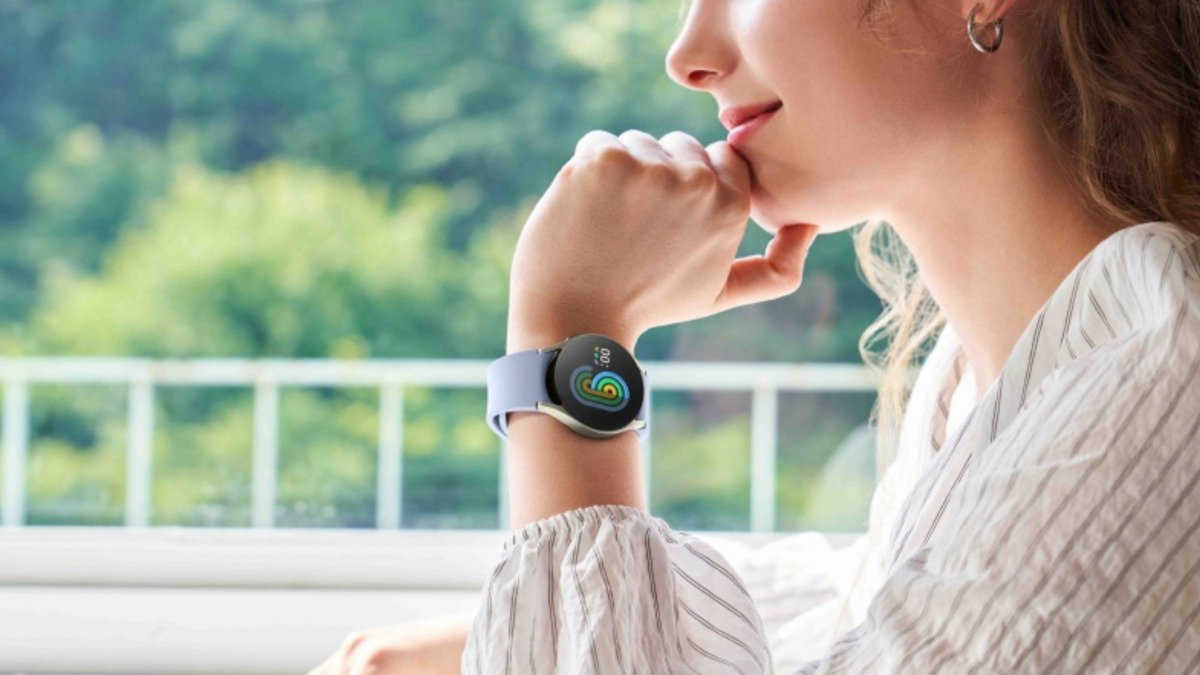
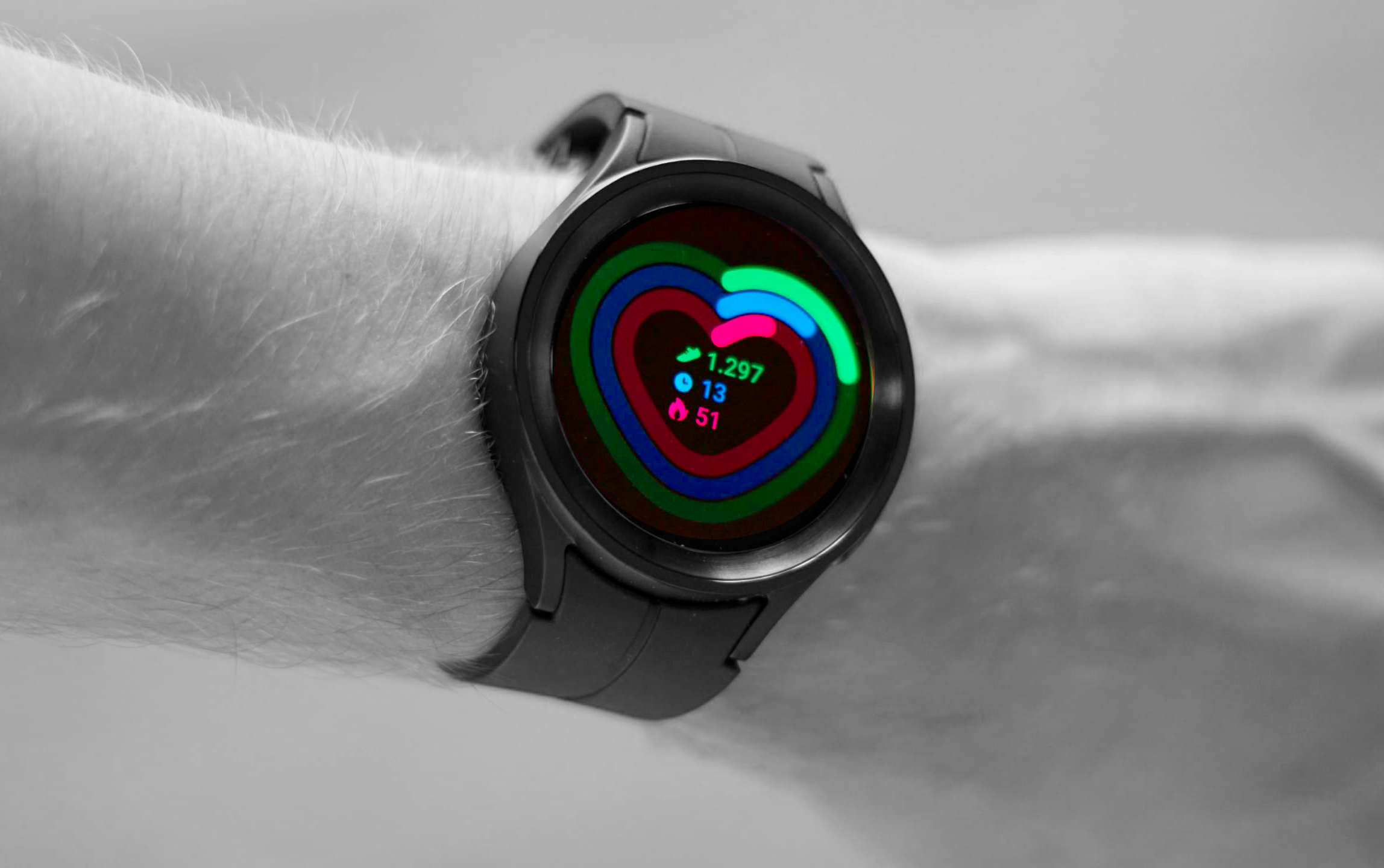
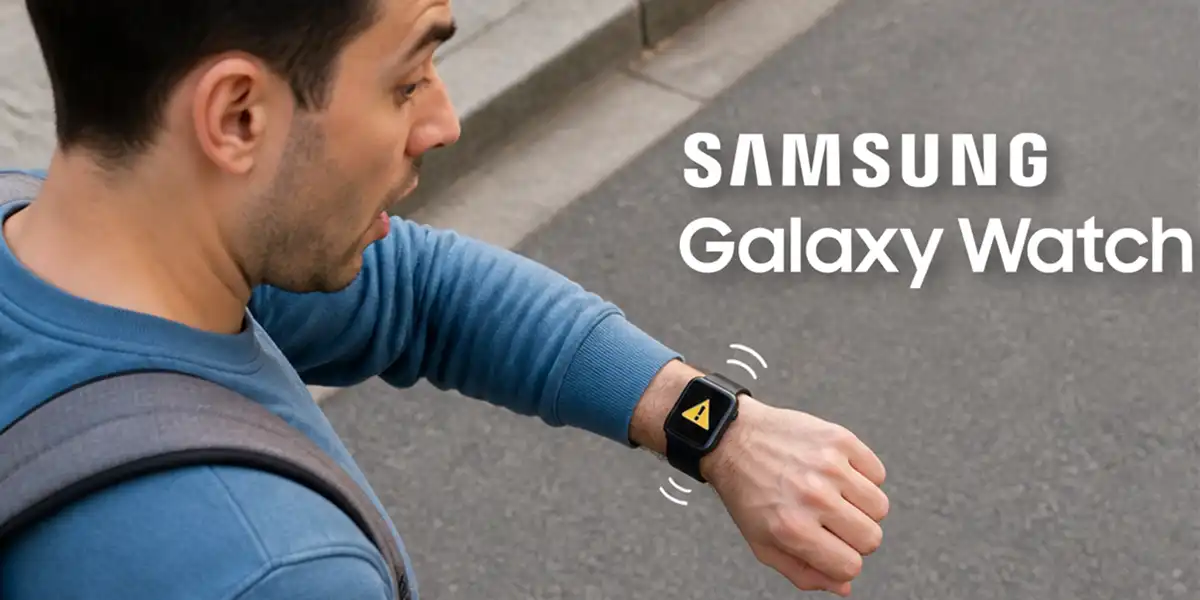
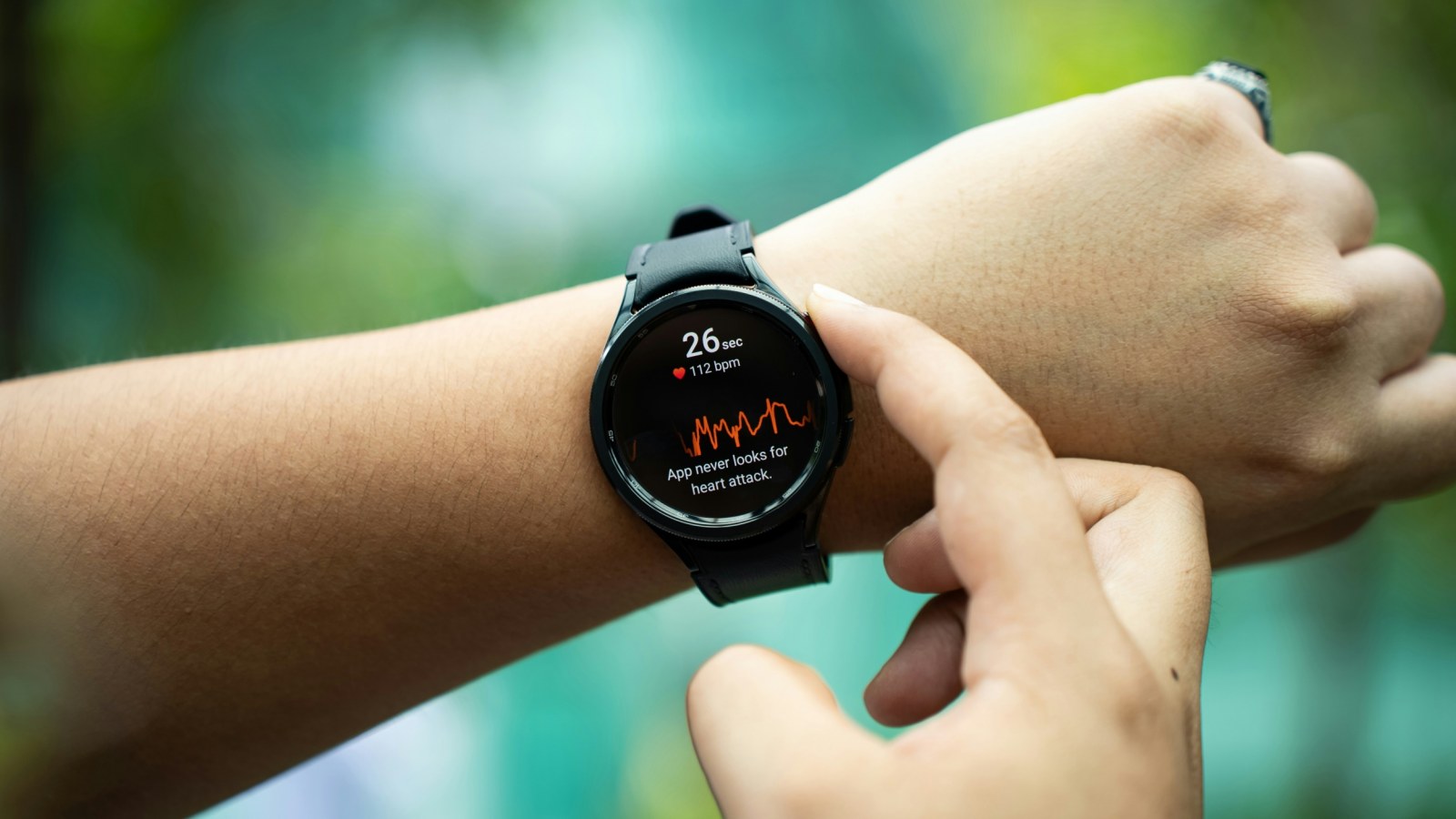
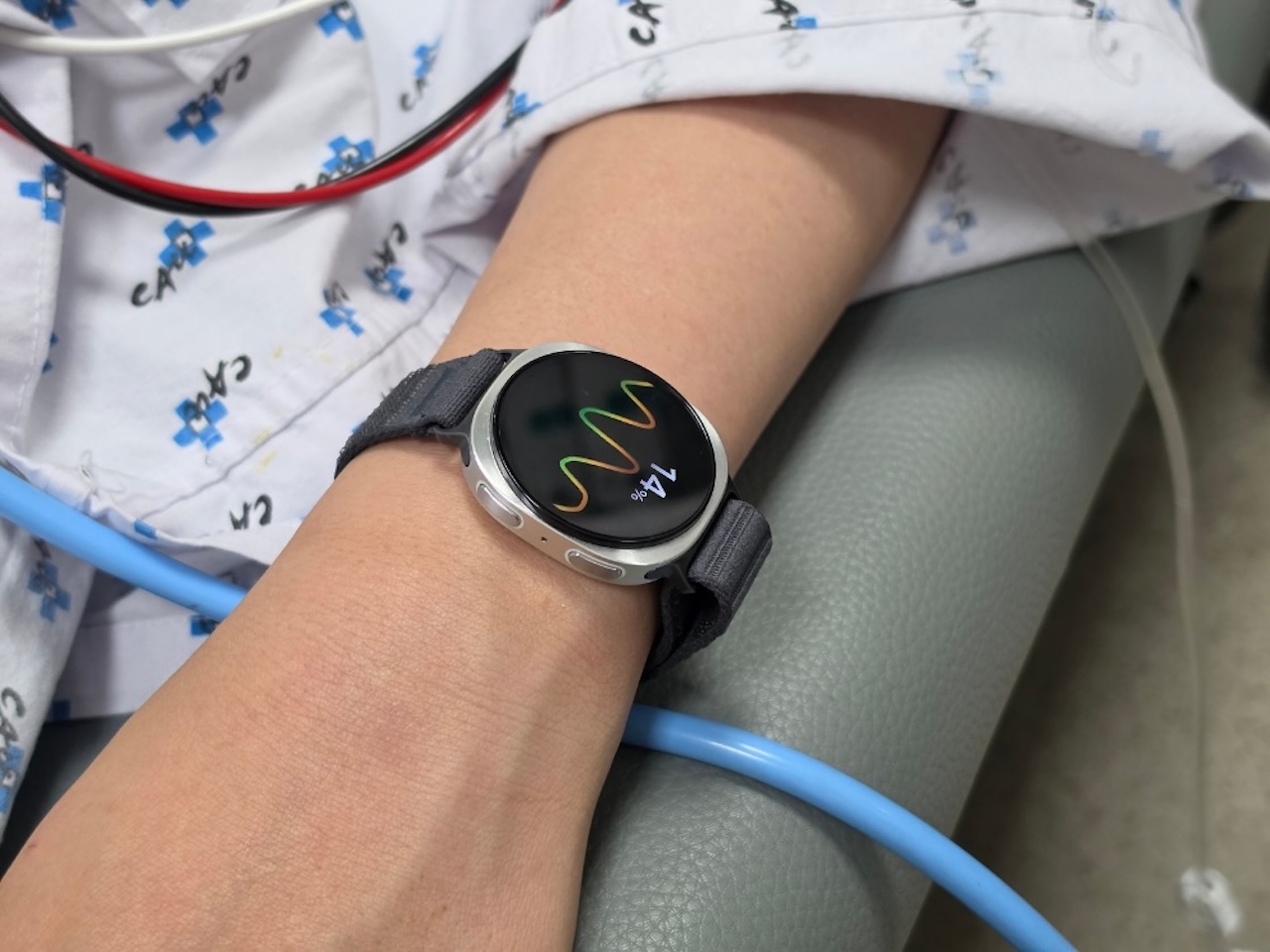
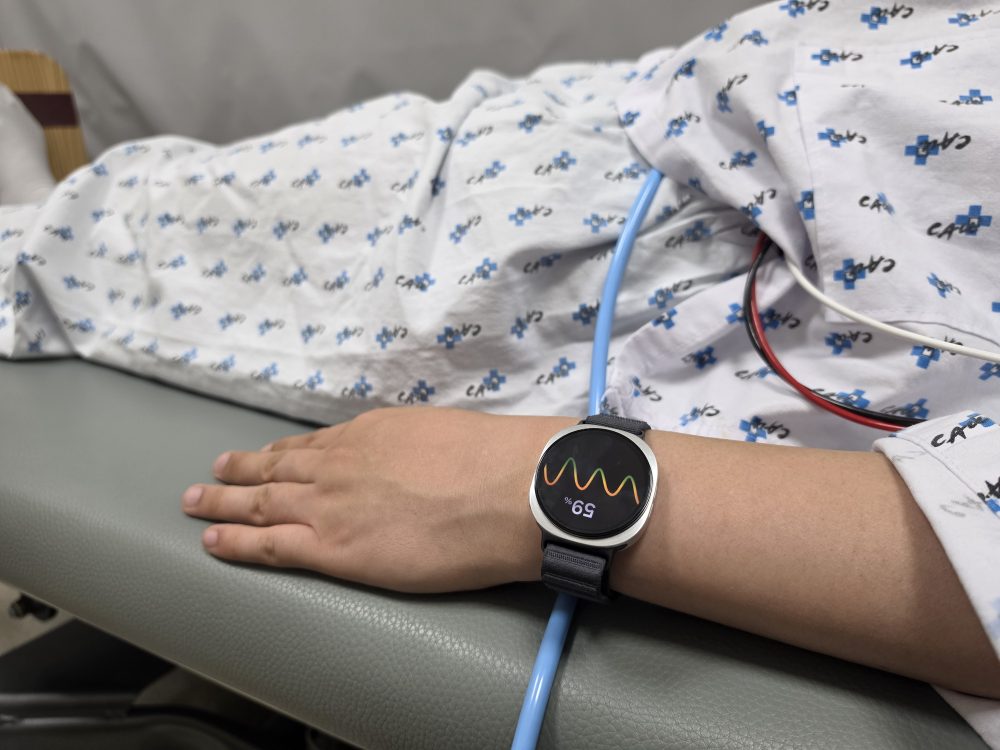
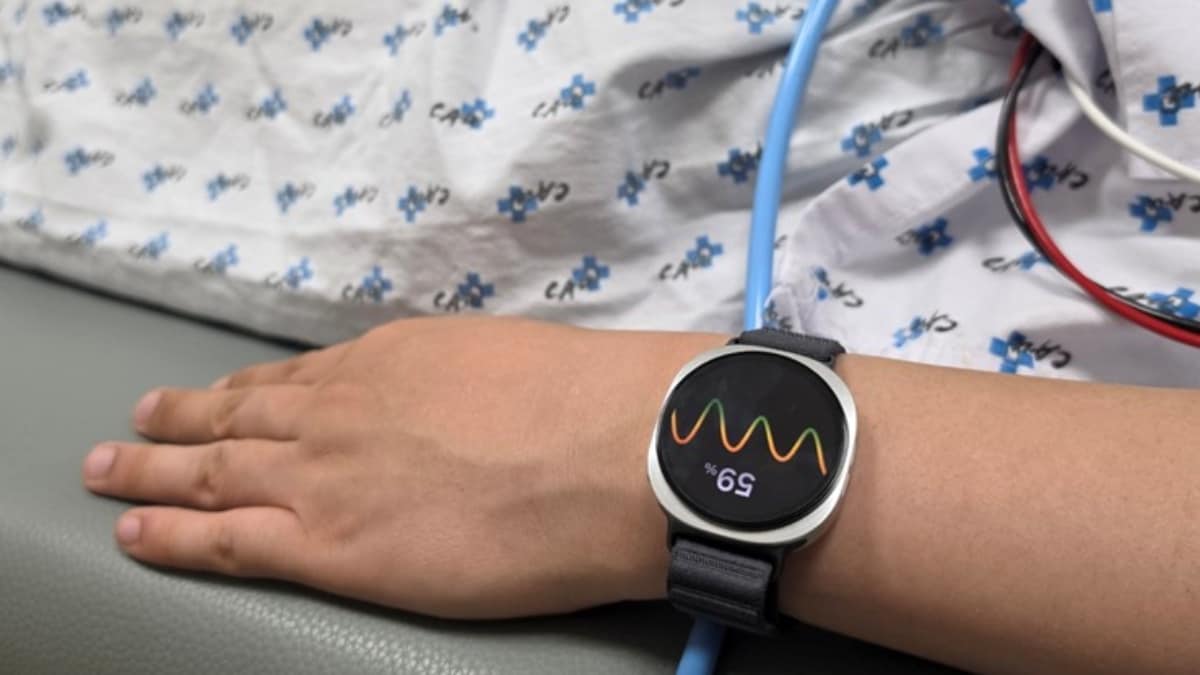
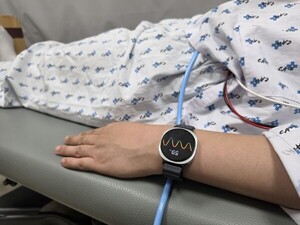
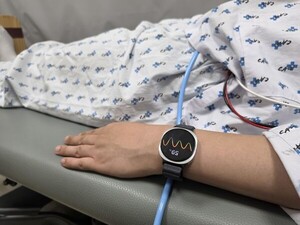
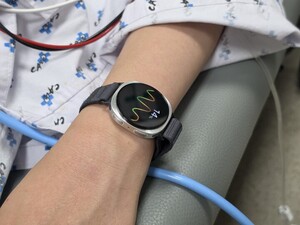
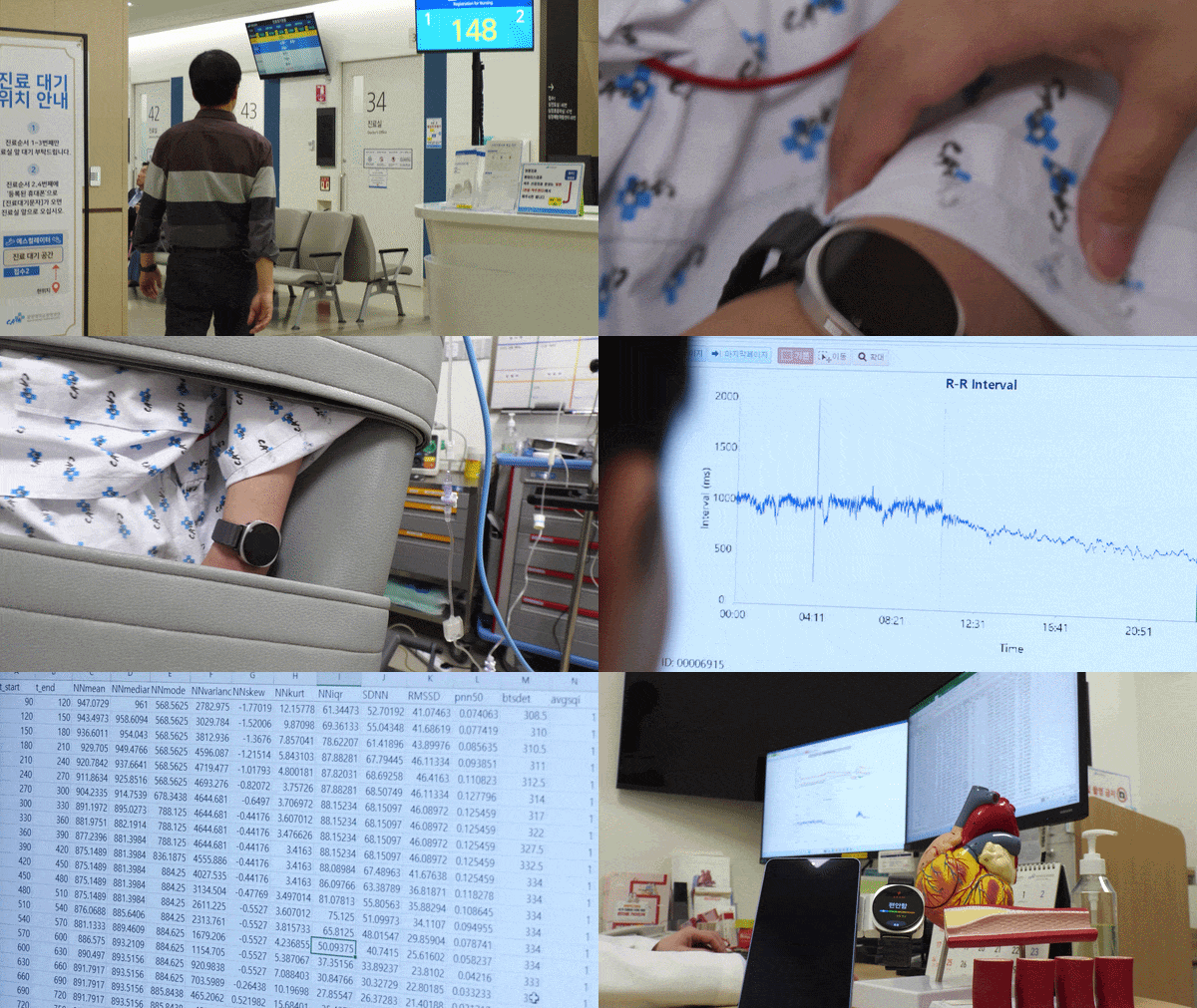
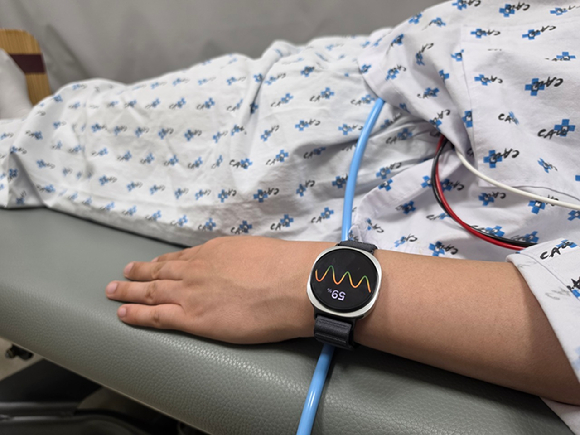
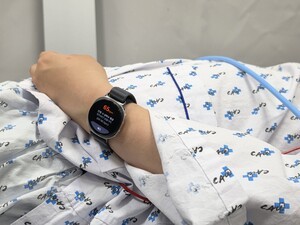
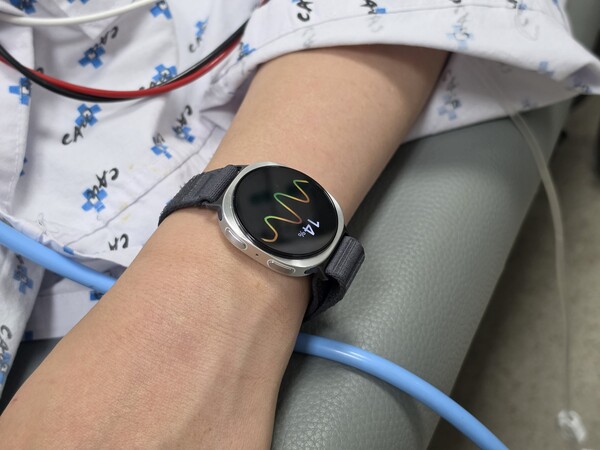
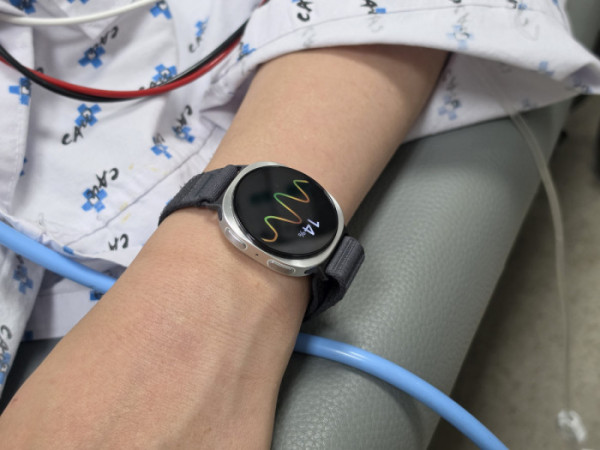
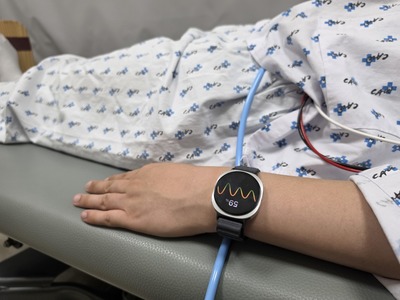
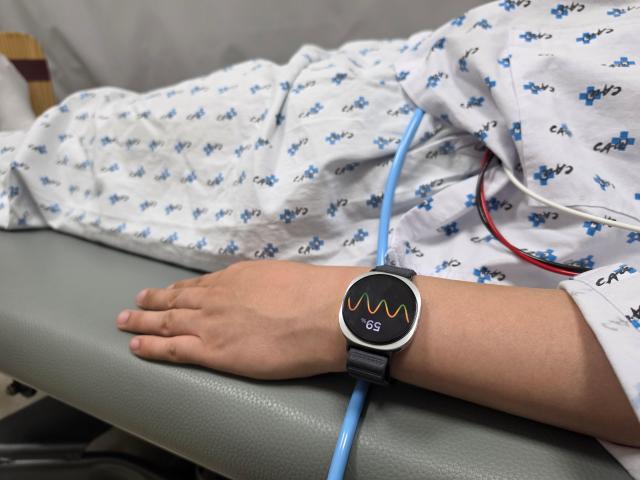
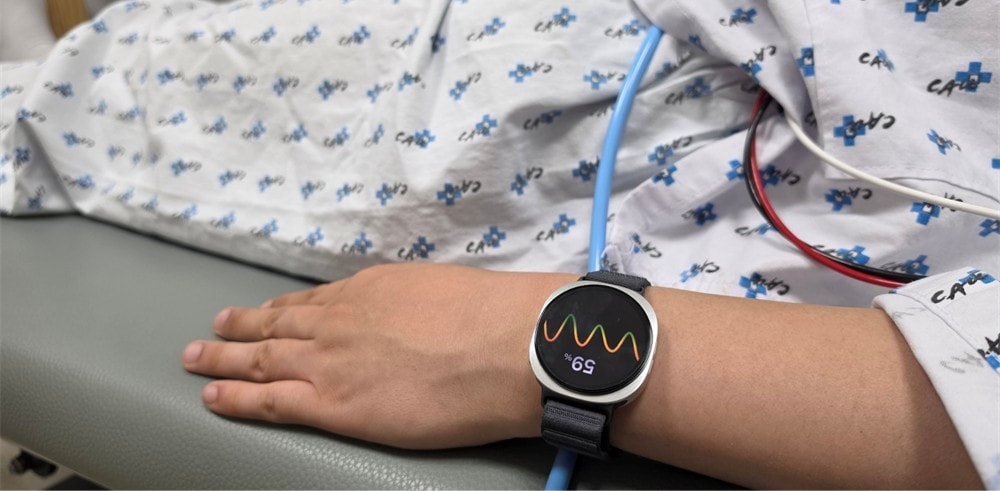
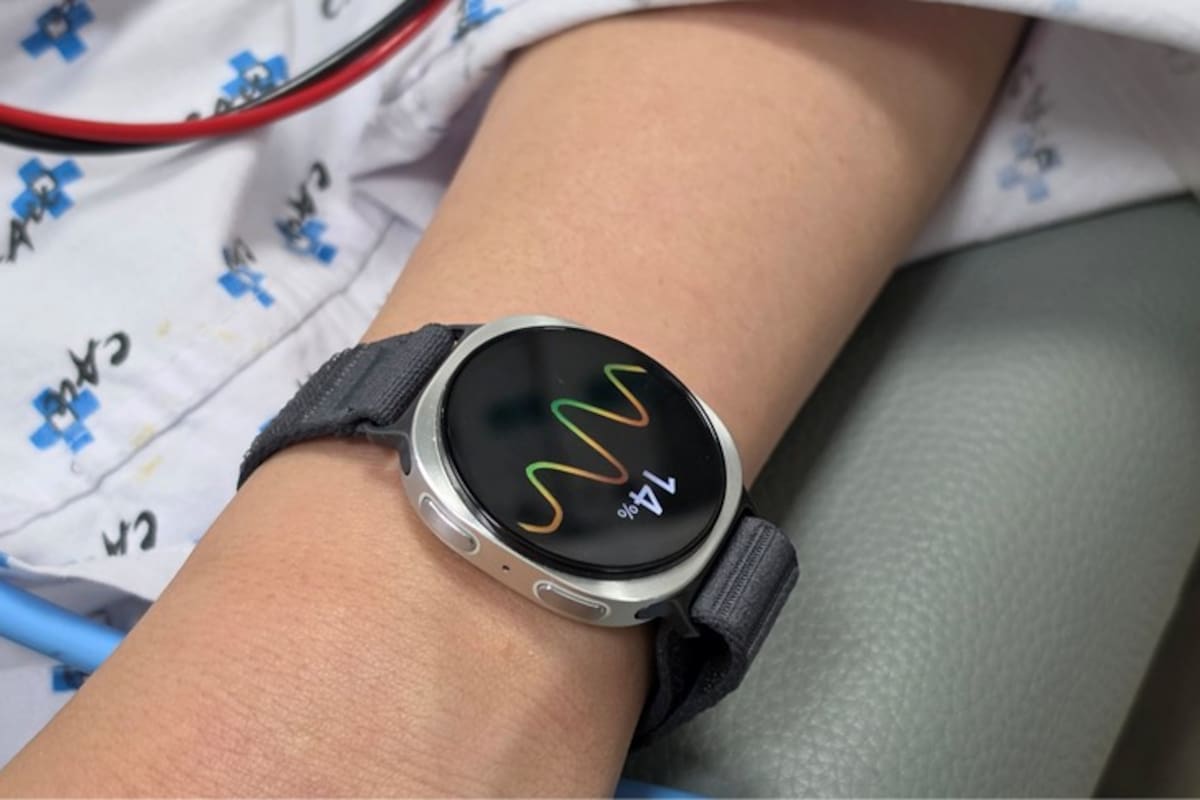
Samsung, in collaboration with Chung-Ang University Gwangmyeong Hospital in South Korea, has developed an AI-powered feature for the Galaxy Watch 6 that predicts vasovagal syncope (fainting) episodes. By analyzing biosignals, the AI system can warn users before fainting, potentially reducing injuries from sudden falls.[AI generated]

Why's our monitor labelling this an incident or hazard?

An AI system (the algorithm analyzing bio-signals from the smartwatch) is explicitly involved in predicting a medical condition that can lead to physical harm (injuries from falls). The AI's use directly contributes to harm prevention by providing early alerts, thus addressing potential injury risks. Since the AI system's use is linked to preventing injury and improving health outcomes, and the event reports successful prediction and clinical validation, this constitutes an AI Incident involving harm to health (a).[AI generated]
Industries
Healthcare, drugs, and biotechnology

Severity
AI incident

Business function:
Other

AI system task:
Forecasting/prediction


Articles about this incident or hazard

Thumbnail Image

Samsung says Galaxy Watch can predict fainting up to five minutes in advance

2026-05-07
The Indian Express
Why's our monitor labelling this an incident or hazard?
The article clearly involves an AI system used in a medical wearable device for health monitoring and prediction. However, there is no indication of any injury, malfunction, violation of rights, or other harm caused by the AI system. The AI system's use is presented as beneficial and validated through clinical study. Therefore, this event does not qualify as an AI Incident or AI Hazard. It is best classified as Complementary Information because it provides supporting data and context about an AI system's development and its potential positive impact on healthcare, without reporting any harm or risk of harm.
Thumbnail Image

Samsung logra predecir los desmayos con su reloj Galaxy Watch 6 y un algoritmo de IA con 5 minutos de antelación

2026-05-07
La Nacion
Why's our monitor labelling this an incident or hazard?
An AI system (the algorithm analyzing bio-signals from the smartwatch) is explicitly involved in predicting a medical condition that can lead to physical harm (injuries from falls). The AI's use directly contributes to harm prevention by providing early alerts, thus addressing potential injury risks. Since the AI system's use is linked to preventing injury and improving health outcomes, and the event reports successful prediction and clinical validation, this constitutes an AI Incident involving harm to health (a).
Thumbnail Image

Samsung says Galaxy Watch 6 can detect when you are about to faint, up to 5 minutes in advance

2026-05-07
India Today
Why's our monitor labelling this an incident or hazard?
The article clearly involves an AI system integrated into a wearable device that analyzes physiological data to predict fainting. The system's use is intended to prevent physical harm by providing early warnings. Since no harm has occurred yet and the system is still in development/testing phases without public release, this event represents a plausible future risk mitigation rather than an incident. Therefore, it qualifies as Complementary Information because it provides context on AI's potential health benefits and ongoing development rather than reporting an AI Incident or Hazard.
Thumbnail Image

Samsung demuestra que su Galaxy Watch predice desmayos cinco minutos antes de que ocurran

2026-05-07
20 minutos
Why's our monitor labelling this an incident or hazard?
The article explicitly mentions an AI system embedded in the Galaxy Watch 6 that predicts fainting episodes by analyzing physiological data. The AI system is used to detect early warning signs to prevent injury from falls, which is a health-related application. However, the article does not report any harm caused by the AI system, nor does it suggest plausible future harm. Instead, it highlights a positive advancement in AI-assisted health monitoring. Thus, it does not meet the criteria for AI Incident or AI Hazard. The content fits the definition of Complementary Information as it provides supporting information about AI's beneficial use in healthcare.
Thumbnail Image

El Samsung Galaxy Watch 6 puede predecir un desmayo cinco minutos antes: tiempo suficiente para reaccionar

2026-05-07
La Razón
Why's our monitor labelling this an incident or hazard?
The event involves an AI system (the AI algorithm analyzing physiological data in the smartwatch) used to predict health events. However, the article does not describe any realized harm or incident caused by the AI system; rather, it reports a positive medical application with potential to reduce harm. There is no indication of malfunction or misuse leading to injury or rights violations. Therefore, this is not an AI Incident. It also does not describe a plausible future harm scenario or credible risk of harm from the AI system's use, so it is not an AI Hazard. The article provides complementary information about AI's beneficial application in health monitoring and ongoing research, fitting the definition of Complementary Information.
Thumbnail Image

Samsung's Galaxy Watches Could Alert Users Before They Faint

2026-05-07
CNET
Why's our monitor labelling this an incident or hazard?
The AI system is explicitly involved as it analyzes biometric data to predict fainting. The use of AI here is in a preventive health context, aiming to reduce harm by early warning. There is no indication of any injury, malfunction, or violation caused by the AI system. The article focuses on research results and potential applications rather than any incident or hazard. Hence, it does not meet the criteria for an AI Incident or AI Hazard. It is best classified as Complementary Information, providing context and updates on AI's role in health monitoring.
Thumbnail Image

Your next Samsung Galaxy Watch could 'dramatically reduce' your chances of injury thanks to this one clever feature

2026-05-07
TechRadar
Why's our monitor labelling this an incident or hazard?
The event involves an AI system (an algorithm analyzing PPG sensor data to predict fainting) that could plausibly lead to preventing injury (harm to health). The system is not yet in use but has demonstrated predictive capability in research. Therefore, it represents a potential future impact on health safety, fitting the definition of an AI Hazard rather than an Incident or Complementary Information. It is not unrelated because it clearly involves AI and health-related risk mitigation.
Thumbnail Image

Samsung smartwatches will soon predict when their user is about to faint: What it means for users - The Times of India

2026-05-07
The Times of India
Why's our monitor labelling this an incident or hazard?
The article explicitly mentions the use of AI to analyze biosignals from smartwatches to predict fainting, confirming AI system involvement. However, there is no indication that the AI system has caused any harm or malfunction; rather, it is intended to prevent harm by providing early warnings. The event is about research results and future feature possibilities, not about an incident or hazard. Hence, it does not meet the criteria for AI Incident or AI Hazard. Instead, it fits the definition of Complementary Information, as it informs about AI's evolving role in preventive healthcare and wearable technology.
Thumbnail Image

Samsung says Galaxy Watch can predict fainting episodes before they happen

2026-05-07
Business Standard
Why's our monitor labelling this an incident or hazard?
The article clearly involves an AI system (the AI-based algorithm analyzing physiological data to predict fainting). However, there is no indication that the AI system has caused any harm or malfunction. Instead, the AI system is used to predict and potentially prevent harm (injury from fainting). Therefore, this is not an AI Incident or AI Hazard. The article primarily provides information about research findings and the development of AI health monitoring capabilities, which fits the definition of Complementary Information as it enhances understanding of AI's role in healthcare without reporting harm or plausible future harm.
Thumbnail Image

Samsung diz que Galaxy Watch6 pode detectar desmaios

2026-05-07
Poder360
Why's our monitor labelling this an incident or hazard?
The article explicitly mentions an AI algorithm analyzing sensor data to predict fainting episodes, which qualifies as an AI system. However, there is no indication of any harm caused or risk of harm from the AI system's use. Instead, the AI system is used to provide early warnings to prevent harm. The article reports on a clinical study validating the AI system's effectiveness, which is informative and supportive of understanding AI's health applications. Thus, it fits the category of Complementary Information rather than an Incident or Hazard.
Thumbnail Image

Samsung consigue predecir los desmayos a través del Galaxy Watch 6 y...

2026-05-07
europa press
Why's our monitor labelling this an incident or hazard?
The AI system (algorithm analyzing bio-signals from the smartwatch) is used to predict imminent fainting episodes, which if unpredicted, can lead to injuries such as fractures or concussions. The AI's role in early detection directly contributes to reducing harm to health, fulfilling the criteria for an AI Incident. The event reports realized benefits and validated clinical results, indicating actual use and impact rather than potential risk or general information.
Thumbnail Image

Galaxy Watch prevê desmaios? Estudo da Samsung revela!

2026-05-07
TechTudo
Why's our monitor labelling this an incident or hazard?
The Galaxy Watch 6 uses AI to analyze physiological data and predict imminent fainting episodes, which is an AI system involved in health monitoring. The study shows the AI system's use in a medical context with potential to prevent injury or harm to individuals by early warning. Since the article reports on the system's capability and study results rather than an incident of harm or malfunction, and no harm has occurred, this represents a plausible future benefit or risk scenario. However, as the AI system's use could plausibly lead to preventing harm, it is not an incident but a positive application. There is no indication of malfunction or misuse causing harm, so it is not an AI Incident. The article is primarily reporting on the AI system's capabilities and study findings, which is complementary information about AI's health applications.
Thumbnail Image

Your next Galaxy Watch update could save you from a nasty fall

2026-05-07
Android Authority
Why's our monitor labelling this an incident or hazard?
The article involves an AI system (the AI model analyzing PPG sensor data) used in a health monitoring context. There is no indication that the AI system has caused any harm or malfunction; rather, it aims to prevent harm by predicting fainting. Since the feature is still under research and not yet available to users, no actual harm or incident has occurred. The event thus represents a plausible future benefit and potential risk mitigation, but not an incident or hazard. It is primarily an update on AI development and research with potential health implications, fitting the definition of Complementary Information.
Thumbnail Image

Galaxy Watch 6 prevê desmaios 5 minutos antes de acontecer, revela estudo

2026-05-07
TecMundo
Why's our monitor labelling this an incident or hazard?
An AI system is explicitly involved: an AI algorithm analyzing physiological data from the Galaxy Watch 6 to predict fainting events. The event stems from the AI system's use in a health context. No actual harm or injury has been reported; the system is still a proof of concept and not commercially deployed. The AI system's involvement could plausibly lead to harm prevention (positive) or harm if misused or malfunctioning. Therefore, this event fits the definition of an AI Hazard, as it could plausibly lead to an AI Incident (harm or injury) in the future if deployed or malfunctioning.
Thumbnail Image

Samsung study reveals Galaxy Watch can predict fainting 5 minutes before it happens

2026-05-07
Android Police
Why's our monitor labelling this an incident or hazard?
The AI system is explicitly mentioned as part of the Galaxy Watch 6's photoplethysmography sensor and AI algorithm predicting fainting. The use of the AI system is intended to prevent harm (injury from falls due to fainting) rather than cause it. There is no indication of any incident or malfunction causing harm. The article focuses on the study results and potential future health benefits, with no realized harm or risk of harm described. Therefore, this event does not qualify as an AI Incident or AI Hazard. It is best classified as Complementary Information because it provides supporting data and context about AI's role in health monitoring and preventive care, enhancing understanding of AI applications in healthcare wearables.
Thumbnail Image

Samsung Galaxy Watch successfully predicts fainting spells in new clinical trial

2026-05-07
FoneArena
Why's our monitor labelling this an incident or hazard?
The AI system is explicitly involved in analyzing heart rate variability data to predict fainting episodes, which are health-related events. The study demonstrates the AI's predictive capability, which directly relates to preventing injury (harm to health and physical injury). Since the AI system's use is linked to preventing harm and the event reports successful prediction in a clinical trial, this qualifies as an AI Incident due to the direct link between AI use and health-related harm prevention. The event does not describe a hazard or potential future harm but an actual application with demonstrated impact on health safety.
Thumbnail Image

Samsung says its Galaxy Watch can predict fainting with 'high accuracy' - Engadget

2026-05-07
engadget
Why's our monitor labelling this an incident or hazard?
An AI system is explicitly involved, as the Galaxy Watch uses an AI algorithm analyzing biosignals to predict fainting episodes. The use of this AI system aims to prevent harm (injury from falls due to fainting), which is a direct health-related harm. However, the article reports on research results and the potential of the system rather than an actual incident where harm occurred or was averted. There is no indication that harm has yet occurred or that the AI system malfunctioned. Therefore, this event represents a plausible future benefit and risk mitigation through AI use, but not an incident or hazard of harm. It is primarily a development update and contextual information about AI in healthcare wearables, fitting the category of Complementary Information.
Thumbnail Image

Galaxy Watch pode prever desmaios, revela estudo

2026-05-07
Canaltech
Why's our monitor labelling this an incident or hazard?
An AI system is explicitly involved, analyzing sensor data to predict health incidents. The use of AI here directly contributes to preventing harm (injury from falls due to fainting) by providing early warnings. Since the AI system's use has led to a beneficial health outcome and harm prevention, this qualifies as an AI Incident under the definition of injury or harm to health of persons, where the AI system's use directly leads to harm prevention. The event is not merely potential harm or a hazard, nor is it just complementary information or unrelated news.
Thumbnail Image

Your Galaxy Watch can now warn you before you faint

2026-05-07
Digital Trends
Why's our monitor labelling this an incident or hazard?
The event involves the use of an AI system (the AI algorithm analyzing physiological data) in a medical device (Galaxy Watch 6) to predict a health event (fainting). The AI system's use directly leads to a potential reduction in injury and harm by providing early warnings, thus preventing harm to health (harm category a). Since the AI system's use is validated in a clinical study and is intended to prevent injury, this qualifies as an AI Incident due to the direct link between AI use and harm prevention in health.
Thumbnail Image

Samsung Galaxy Watch Can Predict Fainting Spells, Clinical Study Reveals - Gizmochina

2026-05-07
Gizmochina
Why's our monitor labelling this an incident or hazard?
The Samsung Galaxy Watch6 employs an AI system to analyze physiological data and predict fainting spells, which is a direct use of AI in healthcare. The study demonstrates that the AI system's use can prevent harm by alerting users in advance, thereby reducing the risk of injury from falls. Since the AI system's use directly impacts health outcomes and injury prevention, this qualifies as an AI Incident under the definition of an event where AI use has directly or indirectly led to harm or injury prevention related to health. Although the harm is prevented, the AI system's role in managing a health risk is central and material.
Thumbnail Image

Reloj inteligente de Samsung predice episodios de desmayos con gran precisión

2026-05-07
La Nación, Grupo Nación
Why's our monitor labelling this an incident or hazard?
The Samsung Galaxy Watch 6 employs an AI system that analyzes bio-signals to predict fainting episodes, which directly relates to injury prevention and health protection. The AI system's use in predicting these episodes and alerting users constitutes the use of AI leading to harm prevention (injury or harm to health). Since the AI system's deployment directly influences health outcomes by enabling preventive action, this qualifies as an AI Incident under the definition of harm to health caused by the use of an AI system.
Thumbnail Image

Samsung Galaxy Watch Predicts Fainting Episodes Five Minutes in Advance With 84.6% Accuracy - Gear

2026-05-07
MySmartPrice.com
Why's our monitor labelling this an incident or hazard?
The event involves an AI system (the AI-based prediction model analyzing biometric data from the smartwatch) used in a healthcare context to predict fainting episodes. The AI system's use is intended to prevent harm (injury from falls due to fainting). Although no harm has yet occurred, the AI system's deployment could plausibly lead to reduced injury risk, representing a positive impact. Since the article focuses on research results and potential future use rather than an actual incident or harm, it does not qualify as an AI Incident. Nor does it describe a hazard scenario where harm could plausibly occur due to malfunction or misuse. Instead, it provides complementary information about AI's evolving role in preventive healthcare through wearables.
Thumbnail Image

Samsung revela capacidade dos smartwatches em prever desmaios

2026-05-07
4gnews
Why's our monitor labelling this an incident or hazard?
The article explicitly mentions an AI model analyzing sensor data to predict fainting episodes, which involves an AI system. The AI system's use is in health prediction to prevent injury, which relates to harm to health (a). However, the technology is still under investigation and not yet deployed, so no actual harm or incident has occurred. The article focuses on the study results and potential future applications, not on any realized harm or malfunction. Therefore, it does not meet the criteria for an AI Incident or AI Hazard but provides important complementary information about AI's potential in health monitoring and preventive care.
Thumbnail Image

Este reloj de Samsung ya es capaz de predecir desmayos 5 minutos antes de que ocurran

2026-05-07
Hipertextual
Why's our monitor labelling this an incident or hazard?
The smartwatch employs AI techniques to analyze physiological sensor data to predict a health event, which qualifies as an AI system. The event described is the development and validation of this predictive capability, but no actual harm or injury has been reported as a result of the AI system's use yet. The article states the technology is not yet commercially available, so no realized harm or incident has occurred. However, the AI system's use could plausibly lead to harm prevention or, if malfunctioning, could lead to harm. Since no harm or violation has occurred, and the article focuses on the study and validation rather than an incident or hazard, this is best classified as Complementary Information, providing context on AI health applications and their potential impact.
Thumbnail Image

Samsung Electronics predicts vasovagal syncope episodes with Galaxy Watch

2026-05-07
The Korea Herald
Why's our monitor labelling this an incident or hazard?
An AI system is explicitly involved as it analyzes heart rate variability data to predict fainting episodes. The use of this AI system directly leads to harm prevention by allowing patients to act before syncope occurs, thus preventing injury or health harm. Since the AI system's use has a direct positive impact on health outcomes by predicting and preventing injury, this qualifies as an AI Incident involving harm to health that is being mitigated through AI prediction.
Thumbnail Image

Fainting prediction will be the next major Samsung Galaxy Watch health feature | Stuff

2026-05-08
Stuff
Why's our monitor labelling this an incident or hazard?
The event involves an AI system (the AI algorithm analyzing biosignals for fainting prediction) and its use in health monitoring. However, the article does not report any actual harm caused by the AI system, nor any malfunction or misuse leading to harm. Instead, it highlights a clinical study demonstrating the AI's predictive capability and the potential for preventive health benefits. Therefore, this is not an AI Incident. Since the AI system's use could plausibly lead to harm if it failed or gave incorrect predictions, but no such harm is reported, it is not primarily an AI Hazard either. The article mainly provides information about a new AI health feature and its clinical validation, which fits best as Complementary Information about AI developments and their potential impact on health care.
Thumbnail Image

Samsung divulga estudo inédito que mostra potencial de "smartwatch" para prever desmaios

2026-05-07
Bem Paraná
Why's our monitor labelling this an incident or hazard?
An AI system is explicitly involved as the study uses an AI algorithm analyzing biosignals from a smartwatch to predict fainting events. The use of this AI system directly relates to preventing injury (harm to health) by forecasting syncope episodes, which can lead to falls and secondary injuries. Since the AI system's use has a direct role in harm prevention and health safety, this qualifies as an AI Incident under the definition of harm to health of persons resulting from the use of an AI system.
Thumbnail Image

Tu Galaxy Watch podrá predecir desmayos antes de que ocurran

2026-05-07
Androidphoria
Why's our monitor labelling this an incident or hazard?
An AI system is explicitly involved: an AI model trained to predict fainting episodes from physiological data collected by the Galaxy Watch 6. The event stems from the AI system's development and intended use. No harm has occurred; rather, the AI system aims to prevent harm. The article does not describe any malfunction, misuse, or risk of harm from the AI system itself. Instead, it reports on ongoing research and potential future application. Thus, it does not meet criteria for AI Incident or AI Hazard. It is not a routine product announcement but a research update with implications for future AI use in health monitoring, fitting the definition of Complementary Information.
Thumbnail Image

Galaxy Watch 6 Can Predict Fainting 5 Minutes in Advance, New Study Reveals

2026-05-07
Android Headlines
Why's our monitor labelling this an incident or hazard?
The AI system (algorithm predicting fainting) is involved in the study and has demonstrated predictive capability, which could plausibly reduce harm by warning users in advance. Since the feature is not yet deployed and no harm or injury has occurred or been reported, this is a potential future benefit or hazard scenario rather than an incident. The article focuses on the study results and potential application, not on an actual event causing harm or violation. Hence, it fits the definition of an AI Hazard, as the AI system's use could plausibly lead to harm prevention or, if misused or malfunctioning, could lead to harm in the future.
Thumbnail Image

Samsung Galaxy Watch Predicts Fainting with 85% Accuracy in New Clinical Study

2026-05-07
HotHardware
Why's our monitor labelling this an incident or hazard?
The article explicitly mentions the use of an AI model analyzing biometric data to predict fainting, which qualifies as an AI system. However, the AI's use is confined to a controlled clinical study without any reported incidents of harm or malfunction. The feature is not yet publicly available, so no direct or indirect harm has occurred. The event does not describe a plausible future harm scenario either, as it is framed as a positive research outcome with cautious optimism. Therefore, it does not meet the criteria for an AI Incident or AI Hazard. It is best classified as Complementary Information, providing context on AI's evolving role in health monitoring and potential future applications.
Thumbnail Image

Samsung Galaxy Watches May Detect Fainting Risk Before It Happens, Study Finds

2026-05-08
Tech Times
Why's our monitor labelling this an incident or hazard?
The event involves an AI system integrated into a Samsung Galaxy Watch to detect fainting risk, which fits the definition of an AI system. However, the study is preliminary and no harm has occurred or is reported. The AI system's use is intended for preventive health support, and the article emphasizes the need for further validation before clinical application. There is no indication of malfunction, misuse, or direct/indirect harm. The article mainly provides research findings and context about the evolving role of AI in wearable health technology, which aligns with Complementary Information rather than an Incident or Hazard.
Thumbnail Image

Galaxy Watch6 predicts fainting 5 minutes early, study finds

2026-05-07
The Gadgeteer
Why's our monitor labelling this an incident or hazard?
The event involves an AI system analyzing biometric data to predict fainting, which is an AI system use case. However, the article clearly states this is research and not a deployed feature, so no actual harm or incident has occurred. The AI system's involvement could plausibly lead to harm prevention in the future, but at present, it is a potential benefit rather than a hazard or incident. Therefore, this qualifies as Complementary Information, providing context and updates on AI research and its potential health impacts without describing an AI Incident or AI Hazard.
Thumbnail Image

Tu Galaxy Watch ahora puede avisarte antes de que te desmayes

2026-05-07
Digital Trends Español
Why's our monitor labelling this an incident or hazard?
The Galaxy Watch 6 uses an AI algorithm analyzing physiological data to predict fainting episodes, which directly relates to health and safety. The AI system's use here is to prevent injury by providing early alerts, thus potentially reducing harm to users. Since the AI system's use is directly linked to preventing injury (harm to health), this qualifies as an AI Incident under the definition, as the AI system's use has directly led to a reduction in harm and is involved in health-related outcomes. Although the article focuses on the positive impact, the involvement of AI in health prediction and injury prevention is a realized use case with direct implications for harm reduction, fitting the AI Incident category rather than a hazard or complementary information.
Thumbnail Image

A new study says your Galaxy Watch 6 might warn you before you faint - Phandroid

2026-05-08
Phandroid - Android News and Reviews
Why's our monitor labelling this an incident or hazard?
The article explicitly mentions an AI model analyzing physiological data to predict fainting, which qualifies as an AI system. The study shows potential for preventing harm (falls and injuries from fainting), but since the feature is not yet implemented or causing any harm, it does not meet the criteria for an AI Incident or AI Hazard. The main focus is on research findings and potential future benefits, making it Complementary Information according to the definitions provided.
Thumbnail Image

Samsung Galaxy Watches May One Day Predict If You're Going to Faint

2026-05-07
PCMag Australia
Why's our monitor labelling this an incident or hazard?
The event involves the use of an AI system (AI algorithms analyzing physiological data) in a medical context to predict fainting, which could prevent injury. However, the system is currently only in a clinical study phase and has not yet been deployed or caused any actual harm or injury. There is no indication that harm has occurred or that the AI system malfunctioned. The article discusses potential future benefits and technological innovation but does not report any realized harm or imminent risk. Therefore, this is not an AI Incident or AI Hazard. It is best classified as Complementary Information because it provides context and updates on AI research with potential health applications, enhancing understanding of AI's evolving role in healthcare.
Thumbnail Image

Samsung Galaxy Watch 6 Can Now Predict Fainting Episodes Using AI: How It Works

2026-05-07
Mashable India
Why's our monitor labelling this an incident or hazard?
The event describes the development and testing of an AI system integrated into a wearable device to predict fainting episodes. While the AI system's use could plausibly prevent harm by providing early warnings, the article does not report any actual harm or incidents caused by the AI system. Therefore, this is not an AI Incident. Since the AI system's use is intended to prevent harm and no plausible risk of harm from the AI system itself is indicated, it does not qualify as an AI Hazard either. The article primarily provides information about the AI system's capabilities and clinical validation, which enhances understanding of AI applications in healthcare but does not report harm or risk of harm. Hence, it is best classified as Complementary Information.
Thumbnail Image

Este relógio da Samsung consegue prever um desmaio 5 minutos antes de acontecer

2026-05-07
Pplware
Why's our monitor labelling this an incident or hazard?
The event involves an AI system (the smartwatch's AI-based predictive algorithm analyzing physiological data) in development and testing stages. No actual harm has occurred yet, but the system's use could plausibly prevent harm (injury from falls due to fainting). Since the technology is not yet deployed and no incident or harm has occurred, this qualifies as an AI Hazard, representing a credible potential to prevent injury in the future rather than an existing AI Incident. It is not merely complementary information because the article focuses on the AI system's predictive capability and its potential impact, not just on broader AI ecosystem context or responses.
Thumbnail Image

Samsung logra predecir desmayos con Galaxy Watch hasta cinco minutos antes

2026-05-07
Teknófilo
Why's our monitor labelling this an incident or hazard?
The event involves an AI system (an algorithm analyzing biometric data from a smartwatch) used to predict a medical condition that can cause physical harm (injuries from falls due to fainting). Although the AI system has not yet been deployed commercially, the study shows it can predict imminent harm, which is a direct link to preventing injury. Since the AI system's use is associated with realized health risks and the potential to reduce harm, this qualifies as an AI Incident rather than a mere hazard or complementary information. The article reports on actual use of AI in a clinical study with direct implications for health harm prevention, meeting the criteria for an AI Incident.
Thumbnail Image

Samsung Galaxy Watch can detect fainting risk 5 minutes early, study finds

2026-05-08
Techlusive
Why's our monitor labelling this an incident or hazard?
The event involves an AI system integrated into a commercial smartwatch that analyzes physiological data to predict fainting risk, which is a health-related harm scenario. The AI system's use directly relates to preventing injury by providing early warnings, thus addressing harm to persons. The clinical study confirms the AI system's effectiveness, indicating realized use rather than mere potential. Although the outcome is beneficial, the framework includes harms or injury prevention as part of AI Incidents when the AI system's use is pivotal in influencing health outcomes. Hence, this qualifies as an AI Incident rather than a hazard or complementary information. It is not unrelated because the AI system is explicitly involved and linked to health harm prevention.
Thumbnail Image

Samsung Galaxy Watch AI to Predict Fainting Episodes - News Directory 3

2026-05-07
News Directory 3
Why's our monitor labelling this an incident or hazard?
The AI system is explicitly mentioned as being used to predict fainting episodes, which directly relates to preventing injury or harm to individuals (harm to health). The system's use is proactive and aims to reduce physical harm by providing early warnings. Since the AI's role is central to this health-related safety function and the harm it addresses is injury prevention, this qualifies as an AI Incident under the definition of harm to health caused by the use of an AI system.
Thumbnail Image

Samsung Galaxy Watch Can Predict Fainting Up to Five Minutes in Advance: Study

2026-05-07
Gadgets 360
Why's our monitor labelling this an incident or hazard?
The AI system's use in predicting fainting episodes directly relates to potential injury prevention, which is harm to health. The study demonstrates the AI system's development and use in a real clinical setting with measurable accuracy and sensitivity. Although no harm occurred, the AI system's role is pivotal in predicting and potentially preventing harm. Since the event describes a successful application of AI to predict health incidents and prevent injury, it qualifies as an AI Incident due to the direct link to health harm prevention through AI use.
Thumbnail Image

Your smartwatch can now tell if you're about to faint

2026-05-07
The Independent
Why's our monitor labelling this an incident or hazard?
An AI system is explicitly involved, using smartwatch biosignal data and AI algorithms to predict fainting. The system's use directly aims to prevent harm to health by warning users before fainting occurs, which can reduce injuries such as fractures or cerebral hemorrhage. This constitutes an AI Incident because the AI system's use is directly linked to preventing injury and health harm, and the system has been tested in a clinical study with real patients, indicating realized application rather than just potential. The article does not describe a malfunction or harm caused by the AI, but the AI's role is pivotal in preventing harm, which fits the definition of an AI Incident as it relates to injury or harm to health.
Thumbnail Image

Galaxy Watch6 da Samsung prevê desmaios antes que eles aconteçam - Deu Click

2026-05-07
Deu Click
Why's our monitor labelling this an incident or hazard?
The event involves an AI system integrated into a commercial smartwatch that predicts imminent fainting episodes, allowing users to take preventive action. The AI system's use directly relates to preventing injury or harm to health, fulfilling the criteria for an AI Incident. The article reports on a validated clinical study demonstrating the AI's effectiveness, indicating realized impact rather than just potential. Therefore, this is not merely a hazard or complementary information but an AI Incident due to the direct link between AI use and health harm prevention.
Thumbnail Image

Samsung logra prever los desmayos utilizando el Galaxy Watch 6 y un algoritmo de IA

2026-05-07
NoticiasDe.es
Why's our monitor labelling this an incident or hazard?
The article explicitly mentions an AI algorithm analyzing physiological data from a smartwatch to predict fainting episodes with clinically significant accuracy. The AI system's use directly relates to health outcomes by enabling early warnings that can prevent injuries from falls. Since the AI system's use has a direct impact on preventing physical harm to people, this fits the definition of an AI Incident involving injury or harm to health. The event is not merely a potential hazard or complementary information but a realized application of AI that affects health outcomes.
Thumbnail Image

삼성 갤럭시워치, 실신 5분 전 위험신호까지 잡아낸다 - 매일경제

2026-05-07
mk.co.kr
Why's our monitor labelling this an incident or hazard?
The event involves the use of an AI system (the AI algorithm analyzing biometric data from the Galaxy Watch) whose use has directly led to a beneficial health outcome by predicting a medical condition before it occurs, thereby potentially preventing harm. Since the AI system's use is linked to preventing injury or harm to persons (harm category a), and this harm is actively addressed by the AI system's predictive capability, this qualifies as an AI Incident. The article reports realized use and outcomes, not just potential or future risks, so it is not a hazard or complementary information. It is not unrelated as the AI system is central to the event.
Thumbnail Image

"당신은 5분 뒤 실신합니다"...삼성전자 갤럭시워치로 예측한다 - 매일경제

2026-05-07
mk.co.kr
Why's our monitor labelling this an incident or hazard?
The article explicitly mentions the use of an AI algorithm analyzing biometric data from a wearable device to predict a medical event. While the AI system is involved in health-related prediction, the event describes a successful research outcome aimed at preventing harm rather than causing it. There is no harm or plausible harm caused by the AI system; rather, it is used to reduce risk. Hence, the event does not meet the criteria for AI Incident or AI Hazard. It fits the definition of Complementary Information as it provides supporting data and context about AI's role in healthcare innovation and prevention.
Thumbnail Image

삼성 갤럭시 워치, '미주신경성 실신' 조기 예측 입증

2026-05-07
기술로 세상을 바꾸는 사람들의 놀이터
Why's our monitor labelling this an incident or hazard?
An AI system is explicitly involved: the Galaxy Watch collects physiological data and uses AI algorithms to analyze heart rate variability in real time to predict a medical condition. The use of AI here directly contributes to preventing harm (injury from falls or secondary injuries due to syncope). Since the AI system's use has directly led to a health benefit by enabling early prediction and prevention of injury, this qualifies as an AI Incident under the definition of harm to health of persons or groups.
Thumbnail Image

손목 위 AI '웨어러블', 몸속 조기경보기 역할 급부상

2026-05-08
시사위크
Why's our monitor labelling this an incident or hazard?
The event involves AI systems embedded in wearable devices that analyze biometric data to predict health conditions and send alerts. The AI's use here is to prevent injury or harm to individuals by early detection of medical emergencies, which aligns with harm category (a) injury or harm to health. Since the article describes realized benefits and successful prediction (preventive action), it is not a hazard but an incident of AI use leading to health protection. However, since the article focuses on positive outcomes and no harm or malfunction is reported, it is best classified as Complementary Information providing context and updates on AI's beneficial role in healthcare rather than an AI Incident or Hazard.
Thumbnail Image

삼성전자, 갤럭시 워치 활용한 '미주신경성 실신' 조기 예측 입증

2026-05-07
kr.acrofan.com
Why's our monitor labelling this an incident or hazard?
The article explicitly mentions the use of an AI algorithm analyzing biometric data from the Galaxy Watch to predict a medical condition (vasovagal syncope) with high accuracy. This AI system's use directly relates to preventing injury or harm to health by enabling early detection and intervention. The event is not merely a product announcement or research announcement without harm; it demonstrates a concrete application of AI that impacts health outcomes. Therefore, it meets the criteria for an AI Incident because the AI system's use is directly linked to preventing harm to health, which is a recognized harm category.
Thumbnail Image

"쓰러지기 전 알려준다" 삼성 갤워치, 실신 예측 '골든타임' 확보

2026-05-07
kgnews.co.kr
Why's our monitor labelling this an incident or hazard?
The event involves an AI system embedded in the Galaxy Watch that analyzes biometric signals to predict fainting events before they happen. This is a direct use of AI in healthcare to prevent injury and harm to individuals, fulfilling the criteria for an AI Incident. The article reports realized benefits in harm prevention, not just potential risks or future hazards. Hence, it is not a hazard or complementary information but an AI Incident demonstrating positive impact on health through AI use.
Thumbnail Image

"어지럽네" 하면 이미 늦어...갤럭시 워치, 실신 징후 미리 안다

2026-05-07
와이드경제
Why's our monitor labelling this an incident or hazard?
The event involves the use of an AI system embedded in a wearable device (Galaxy Watch) that analyzes biometric data to predict a health event (vasovagal syncope) before it happens. This prediction directly relates to preventing injury or harm to a person, fulfilling the criteria for an AI Incident as the AI system's use has directly led to a potential reduction of harm. The article reports on a successful clinical validation of this AI system's predictive capability, indicating realized use and benefit rather than just potential risk or general information. Therefore, this qualifies as an AI Incident due to the AI system's direct role in predicting and preventing health harm.
Thumbnail Image

낙상 사고 끝? 갤럭시 워치, 실신 5분 전 '알람' 울려 뇌출혈 예방

2026-05-07
이뉴스투데이
Why's our monitor labelling this an incident or hazard?
An AI system (the Galaxy Watch's AI algorithm analyzing heart rate variability data) is explicitly involved in predicting a health event (syncope) that can lead to physical harm (falls, brain hemorrhage). The AI's use here directly contributes to preventing injury, which is a positive health impact. Since the AI system's use is linked to preventing injury and harm to persons, this qualifies as an AI Incident under the definition of harm to health of persons. The article reports on a clinical validation of this AI system's predictive capability, indicating realized use and impact rather than just potential or general information. Therefore, this is an AI Incident.
Thumbnail Image

삼성전자, 갤럭시 워치로 '미주신경성 실신' 조기 예측 가능성 입증

2026-05-07
브릿지경제
Why's our monitor labelling this an incident or hazard?
An AI system (the algorithm analyzing heart rate variability data from the smartwatch) was used in a medical context to predict a health event (vasovagal syncope) before it happens, enabling preventive action. This constitutes the use of AI leading to potential injury or harm prevention to persons, which fits the definition of an AI Incident because the AI system's use directly relates to health harm mitigation. The event reports realized capability and clinical validation, not just potential risk, so it is not a hazard or complementary information. It is not unrelated because AI involvement and health impact are explicit.
Thumbnail Image

미주신경성 실신 5분 전, 스마트 워치가 먼저 알린다...

2026-05-07
health.chosun.com
Why's our monitor labelling this an incident or hazard?
The article explicitly mentions the use of AI (machine learning algorithms) applied to physiological data collected by a smart watch to predict a medical condition that causes sudden loss of consciousness. The AI system's output enables early warning and preventive behavior, directly addressing a health risk. Since the AI system's use is directly linked to preventing injury or harm to persons, it fits the definition of an AI Incident involving harm to health. Although the article focuses on the positive outcome, the AI system's role in influencing health outcomes is pivotal and realized, not merely potential. Hence, it is classified as an AI Incident rather than a hazard or complementary information.
Thumbnail Image

갤럭시워치, 실신 5분 前 위험 징후 예측 - 전파신문

2026-05-07
jeonpa.co.kr
Why's our monitor labelling this an incident or hazard?
An AI system (the Galaxy Watch's AI algorithm analyzing heart rate variability data) was used in a medical study to predict a health condition that can lead to fainting and injury. The AI's use directly relates to preventing injury or harm to persons by enabling early warning. Since the AI system's use has led to a realized benefit in predicting health risks and potentially preventing harm, this qualifies as an AI Incident under the definition of injury or harm to health of persons, as the AI system's use directly impacts health outcomes.
Thumbnail Image

"세계 최초 사례"...갤럭시 워치 착용하자 '이상 징후' 5분 전에 예측 [지금이뉴스]

2026-05-07
YTN
Why's our monitor labelling this an incident or hazard?
The article explicitly mentions the use of an AI algorithm analyzing biometric data from a wearable device to predict a medical condition that can cause sudden loss of consciousness and consequent physical injury. The AI system's role is pivotal in early detection, which directly relates to preventing injury or harm to health. This fits the definition of an AI Incident because the AI system's use has a direct link to health-related harm prevention. There is no indication that this is merely a potential hazard or complementary information; the AI system is actively used in a clinical setting with demonstrated predictive success.
Thumbnail Image

삼성전자, 갤럭시 워치로 '실신 위험' 5분 전 예측

2026-05-07
포인트데일리
Why's our monitor labelling this an incident or hazard?
The event involves the use of an AI system (the Galaxy Watch's AI algorithm analyzing biometric signals) in a healthcare context to predict a medical condition that can lead to physical harm (fainting and related injuries). The AI system's use has directly led to a positive health outcome by enabling early detection and prevention of harm, which fits the definition of an AI Incident as it involves injury or harm to health of persons and the AI system's use is central to this outcome.
Thumbnail Image

갤럭시 워치, 실신 5분 전 예측했다...삼성 헬스케어 진화

2026-05-07
마이데일리
Why's our monitor labelling this an incident or hazard?
The event involves an AI system (the AI algorithm analyzing real-time physiological data from the Galaxy Watch) used in a healthcare context to predict a medical event (fainting). The AI system's use directly impacts health outcomes by enabling early warning and prevention of injury from falls or related accidents. This fits the definition of an AI Incident because the AI system's use has directly led to harm prevention, which is a form of injury or harm to health. The article reports realized use and impact, not just potential, so it is not merely a hazard or complementary information. Therefore, the classification is AI Incident.
Thumbnail Image

삼성전자, 갤럭시 워치로 '미주신경성 실신' 예측 입증

2026-05-07
아이뉴스24
Why's our monitor labelling this an incident or hazard?
The AI system (Galaxy Watch with AI analysis) is explicitly involved in predicting a medical condition to prevent harm. The event is about successful use and validation of the AI system's capabilities, with no harm or risk of harm reported. It is a research and development achievement and a demonstration of potential benefits, not an incident or hazard. Hence, it fits best as Complementary Information, providing context and updates on AI applications in health monitoring.
Thumbnail Image

[Tech & Now] 삼성전자, 갤럭시 워치 기반 '미주신경성 실신' 조기 예측 입증 등 - 이비엔(EBN)뉴스센터

2026-05-07
이비엔(EBN)뉴스센터
Why's our monitor labelling this an incident or hazard?
The AI system (Galaxy Watch with AI-based biometric analysis) is explicitly mentioned and used to predict a health condition that can cause injury or harm. The AI's use in early prediction directly relates to preventing harm to persons, fitting the definition of an AI Incident. The promotional event is unrelated to AI harm and does not affect the classification.
Thumbnail Image

삼성전자, 갤럭시 워치로 '미주신경성 실신' 5분 전 예측 입증

2026-05-07
디지털데일리
Why's our monitor labelling this an incident or hazard?
The article explicitly mentions the use of an AI algorithm analyzing biometric data from a wearable device to predict a medical condition before it happens. This involves the use of an AI system in a real-world application that directly impacts health by enabling early intervention to prevent injury. Since the AI system's use has directly led to a positive health outcome (harm prevention), this qualifies as an AI Incident under the definition of injury or harm to health of a person or group of people, where the AI system's involvement is direct and beneficial.
Thumbnail Image

삼성전자, 갤럭시 워치로 미주신경성 실신 예측 성공

2026-05-07
디지털투데이 (DigitalToday)
Why's our monitor labelling this an incident or hazard?
The Galaxy Watch uses an AI algorithm to analyze physiological data and predict a medical condition that can cause injury if untreated. This constitutes the use of an AI system in a healthcare context where the AI's outputs directly influence health outcomes by enabling early detection and prevention of harm. Since the AI system's use has led to a successful prediction that can prevent injury or health harm, this qualifies as an AI Incident under the definition of an event where AI use has directly or indirectly led to harm prevention (harm to health of persons). The article reports a realized application and successful clinical validation, not just a potential or future risk, so it is not a hazard or complementary information but an incident demonstrating AI's impact on health harm mitigation.
Thumbnail Image

삼성전자 "갤럭시 워치로 미주신경성 실신 조기 예측

2026-05-07
핀포인트뉴스
Why's our monitor labelling this an incident or hazard?
An AI system is explicitly involved as the Galaxy Watch collects physiological data and uses an AI algorithm to analyze heart rate variability to predict syncope. The use of AI here is in the system's use phase, analyzing data to predict a health event. The prediction of syncope and the ability to take preventive action directly relates to preventing injury or harm to health, which fits the definition of an AI Incident (harm to health of persons). Although the harm is prevented, the AI system's role is pivotal in predicting a health risk that could lead to injury or harm if unaddressed. Therefore, this qualifies as an AI Incident due to the direct link between AI use and prevention of health harm.
Thumbnail Image

삼성전자, 갤럭시 워치로 '실신' 조기 예측 입증

2026-05-07
이투데이
Why's our monitor labelling this an incident or hazard?
The event involves an AI system (the AI algorithm analyzing biometric data from the wearable device) whose use has directly led to a positive health outcome by predicting fainting events early, thus potentially preventing injury. This fits the definition of an AI Incident because the AI system's use has directly led to harm prevention (a form of injury or harm to health). Although the harm is prevented rather than caused, the AI system's role is pivotal in influencing health outcomes. Therefore, this is an AI Incident related to health harm prevention through AI use in medical monitoring.
Thumbnail Image

삼성전자 갤럭시 워치, '미주신경성 실신' 5분 전 예측

2026-05-06
뉴스핌
Why's our monitor labelling this an incident or hazard?
An AI system is explicitly involved as the biometric data collected by the smartwatch is analyzed by an AI algorithm to predict a medical event. The AI system's use directly leads to harm prevention (injury or harm to health) by providing early warnings of syncope, which can reduce the risk of falls and related injuries. Since the AI system's use has a direct positive impact on health harm prevention, this qualifies as an AI Incident under the definition of harm to health where the AI system's role is pivotal.
Thumbnail Image

삼성전자, 갤럭시 워치로 '미주신경성 실신' 예측...세계 최초 | 아주경제

2026-05-06
아주경제
Why's our monitor labelling this an incident or hazard?
The event involves the use of an AI system (the AI algorithm analyzing biometric data from the Galaxy Watch) in a healthcare context to predict a medical condition (vasovagal syncope) before it happens. This is a direct use of AI to influence health outcomes. Since the AI system's use leads to a positive health impact by enabling early prediction and prevention of injury, it is an AI Incident under the definition of injury or harm to health of a person or group, here in a preventive context. The article does not describe any malfunction or harm caused by the AI system, but the AI system's role is pivotal in predicting a health event that could cause injury if unpredicted. Therefore, this qualifies as an AI Incident involving health-related impact through AI use.
Thumbnail Image

삼성전자, 갤럭시워치로 '실신 위험' 조기 예측 입증

2026-05-06
이코노뉴스
Why's our monitor labelling this an incident or hazard?
An AI system (the Galaxy Watch's AI algorithm analyzing heart rate variability data) was used to predict a health risk (vasovagal syncope) in patients. The AI system's use directly relates to health outcomes by enabling early detection and prevention of fainting-related injuries. Since the AI system's use has led to a positive health impact by predicting risk and potentially preventing injury, this qualifies as an AI Incident under the definition of harm to health of persons or groups. The article reports realized use and results, not just potential or future risk, so it is an AI Incident rather than a hazard or complementary information.