Chinese Courts Rule Against AI Platforms for Defamation and Copyright Infringement

Thumbnail Image

The information displayed in the AIM should not be reported as representing the official views of the OECD or of its member countries.

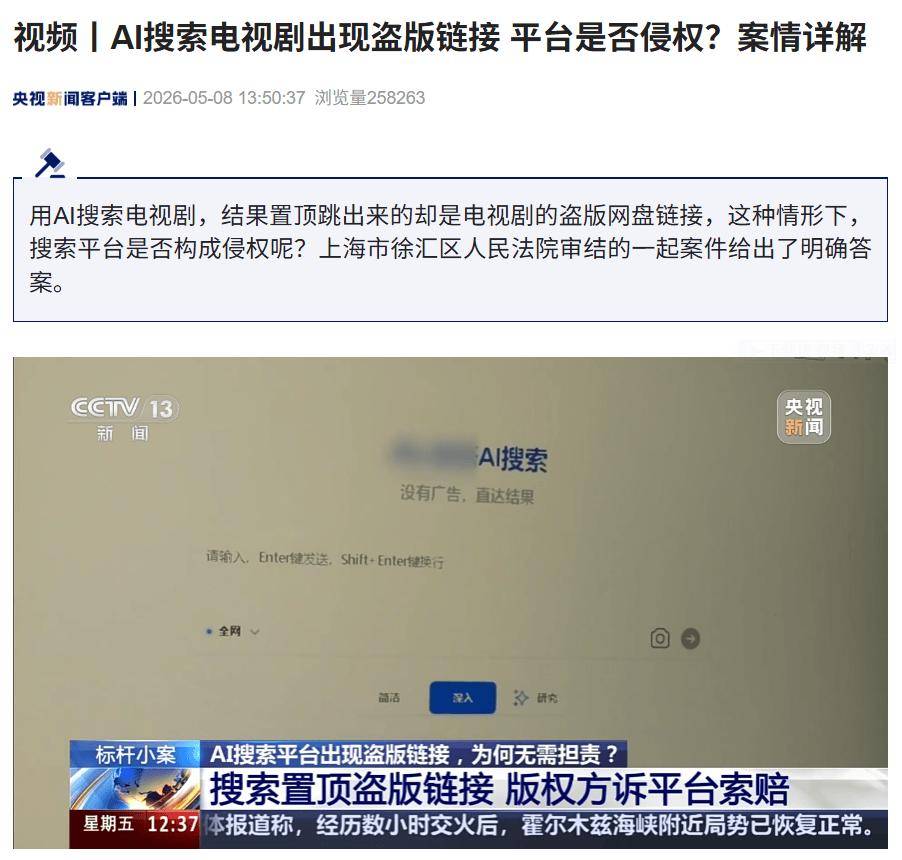
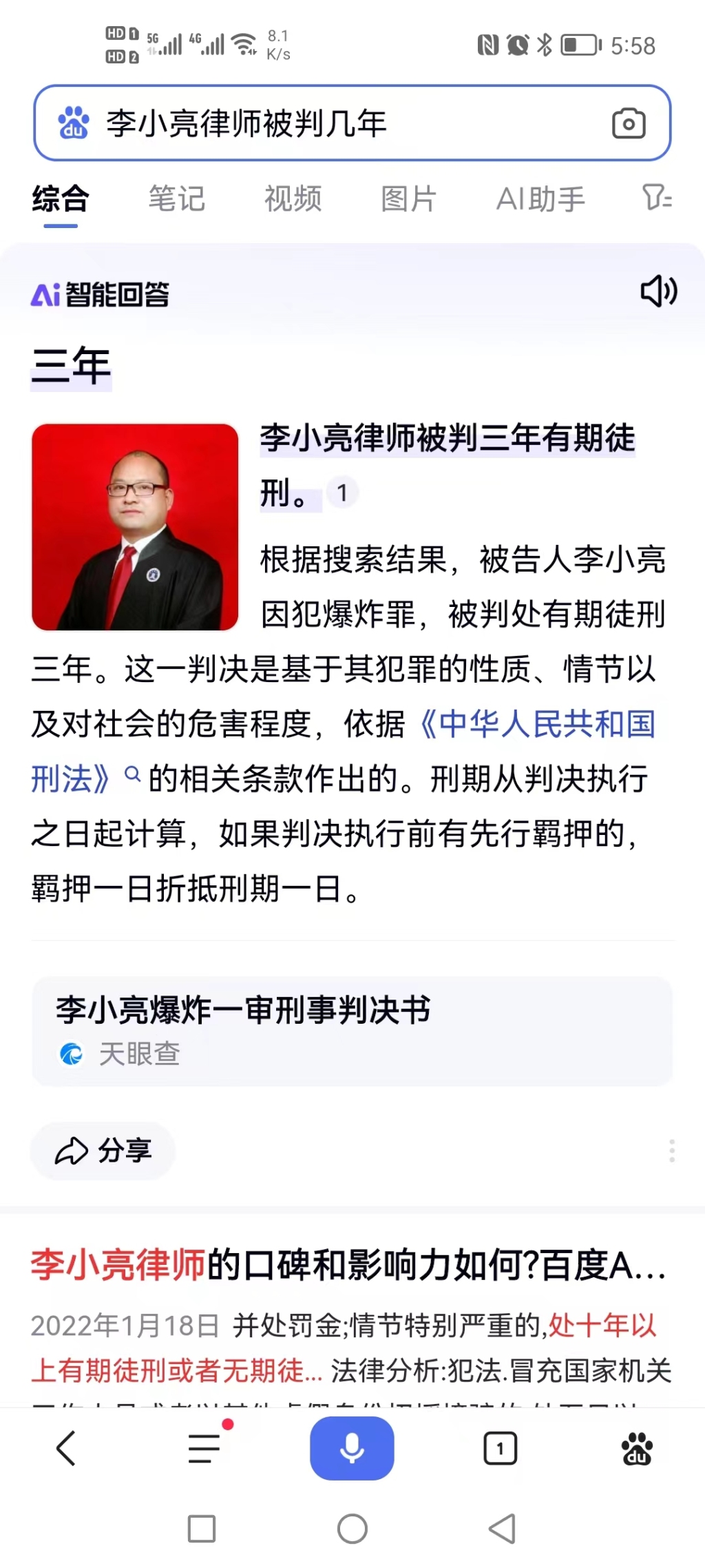
In China, Baidu's AI system falsely claimed a lawyer was convicted, causing reputational harm and resulting in a court-ordered apology. Separately, an AI search platform displayed pirated TV links, leading to a copyright lawsuit. Courts found Baidu liable for defamation, while the search platform was exempted due to prompt remedial action and lack of intent.[AI generated]

Why's our monitor labelling this an incident or hazard?

The AI system (Baidu's AI smart answer feature) generated false information about a lawyer, falsely stating he was sentenced to prison, which damaged his social reputation. This is a direct harm caused by the AI system's output, meeting the definition of an AI Incident due to violation of rights (reputational harm). The court ruling and legal consequences confirm the harm has materialized and is attributable to the AI system's use. Hence, the event is classified as an AI Incident.[AI generated]
AI principles
AccountabilitySafety

Industries
Media, social platforms, and marketing

Affected stakeholders
General publicBusiness

Harm types
ReputationalEconomic/Property

Severity
AI incident

Business function:
Citizen/customer service

AI system task:
Content generationOrganisation/recommenders


Articles about this incident or hazard

Thumbnail Image

陸AI大模型侵權第一案 百度被判免賠但要書面道歉

2026-05-09
中時新聞網
Why's our monitor labelling this an incident or hazard?
The AI system (Baidu's AI smart answer feature) generated false information about a lawyer, falsely stating he was sentenced to prison, which damaged his social reputation. This is a direct harm caused by the AI system's output, meeting the definition of an AI Incident due to violation of rights (reputational harm). The court ruling and legal consequences confirm the harm has materialized and is attributable to the AI system's use. Hence, the event is classified as an AI Incident.
Thumbnail Image

AI搜索电视剧出现盗版链接 平台是否侵权?案情详解

2026-05-08
China News
Why's our monitor labelling this an incident or hazard?
The AI system is explicitly mentioned as a large language model-based search engine that generated search results including pirated content, thus involving AI system use. The harm is a violation of intellectual property rights (copyright infringement) caused indirectly by the AI system's outputs. The court's decision and the platform's response to remove infringing links are part of the event. Since actual harm occurred (copyright infringement) and the AI system's outputs were central to the incident, this qualifies as an AI Incident. The event is not merely about potential harm or a governance response but a concrete legal case involving realized harm linked to AI system use.
Thumbnail Image

欧盟要求开放一部分搜索数据,谷歌这次是真怕了-钛媒体官方网站

2026-05-07
tmtpost.com
Why's our monitor labelling this an incident or hazard?
The event involves AI systems in the form of search engines and AI-powered search competitors relying on user behavior data and intent recognition. The EU's demand and Google's response relate to the use and sharing of AI-relevant data. However, the article does not describe any realized harm or incident caused by AI systems. Instead, it outlines a regulatory challenge and the plausible future risk of harm to competition and privacy if data sharing proceeds without adequate safeguards. Therefore, this is best classified as an AI Hazard, as it plausibly could lead to incidents involving privacy breaches or market harm, but no direct harm has yet occurred.
Thumbnail Image

“百度AI称一律师被判刑”构成侵权:百度辩称AI幻觉无法预见 法院判其书面道歉

2026-05-09
东方财富网
Why's our monitor labelling this an incident or hazard?
The event explicitly involves an AI system ('AI Intelligent Answer') that generated false, defamatory content about a person, directly causing reputational harm, which is a violation of rights and thus constitutes harm under the AI Incident definition. The AI system's malfunction (hallucination producing false information) directly led to the harm. The legal rulings confirm the causal link and harm. Therefore, this is an AI Incident, not merely a hazard or complementary information.
Thumbnail Image

AI对话将与搜索栏"合二为一"?亚马逊Rufus的新实验,或将彻底重塑商品发现机制

2026-05-09
finance.sina.com.cn
Why's our monitor labelling this an incident or hazard?
The event involves an AI system (Amazon's Rufus) actively used in product search and recommendation, which fits the definition of an AI system. However, the article focuses on the experimental integration and potential future impacts rather than any direct or indirect harm caused by the AI system. No injuries, rights violations, or disruptions are reported, nor is there a credible risk of imminent harm described. The content mainly provides background on AI's evolving role in e-commerce search, consumer trust data, and business model challenges, which aligns with the definition of Complementary Information. Hence, it does not meet criteria for AI Incident or AI Hazard.
Thumbnail Image

AI搜剧出现盗版链接 版权方诉平台索赔 法院:平台不存在主观过错

2026-05-08
驱动之家
Why's our monitor labelling this an incident or hazard?
An AI system is explicitly involved as the platform uses large language models and retrieval-augmented generation to provide search results. The use of this AI system indirectly led to harm in the form of copyright infringement (a violation of intellectual property rights). Although the platform did not have subjective intent and took prompt remedial action, the harm occurred due to the AI system's automatic indexing and presentation of pirated content links. Therefore, this qualifies as an AI Incident because the AI system's use directly or indirectly led to a violation of intellectual property rights, which is a recognized harm under the framework.
Thumbnail Image

"百度AI称一律师被判刑"构成侵权:百度辩称AI幻觉无法预见,法院判其书面道歉

2026-05-09
凤凰网(凤凰新媒体)
Why's our monitor labelling this an incident or hazard?
The event involves an AI system explicitly described as 'AI Intelligent Answer' that generated false, defamatory content about a person, causing reputational harm. The court ruling confirms the AI system's output caused direct harm to the individual's social evaluation and reputation, fulfilling the criteria for an AI Incident under violations of human rights (personal rights) and harm to communities (reputational harm). The AI system's malfunction (hallucination) led to the harm, and the legal case confirms the harm is realized, not just potential. Therefore, this is classified as an AI Incident.
Thumbnail Image

GEO优化软件测评:2026年三大平台深度对比与选型指南_天极网

2026-05-08
天极网
Why's our monitor labelling this an incident or hazard?
The article extensively describes AI-powered GEO optimization platforms and their benefits, challenges, and market trends. However, it does not report any event where the development, use, or malfunction of an AI system has directly or indirectly caused harm or disruption. It also does not describe any credible risk of future harm from these AI systems. The focus is on industry analysis, product comparison, and strategic advice, which fits the definition of Complementary Information. It is not an AI Incident or AI Hazard because no harm or plausible harm is described or implied. It is not unrelated because it involves AI systems and their ecosystem, but the main content is informational and promotional rather than reporting harm or risk.
Thumbnail Image

GEO优化系统深度测评:AI搜索时代企业品牌突围的核心引擎_天极网

2026-05-08
天极网
Why's our monitor labelling this an incident or hazard?
The article discusses AI systems in the context of AI search and marketing optimization (GEO), which clearly involves AI systems. However, it does not describe any incident or event where AI caused injury, rights violations, disruption, or other harms, nor does it describe a credible risk of such harm. It is primarily an informational and promotional article about AI marketing services and their benefits, market data, and technical features. Therefore, it fits the definition of Complementary Information, as it provides context and understanding about AI systems and their ecosystem without reporting a new AI Incident or AI Hazard.
Thumbnail Image

AI搜索电视剧出现盗版链接,法院判决平台不存在主观过错 IT之家  · 2小时前

2026-05-08
police.news.sohu.com
Why's our monitor labelling this an incident or hazard?
The event involves an AI system (an AI search engine based on large language models) that generated search results including pirated content, which constitutes a violation of intellectual property rights (a form of harm under the AI Incident definition). The harm (copyright infringement) has occurred as the pirated links were displayed. The court's decision and the platform's actions to remove infringing content after notification do not negate the fact that harm occurred due to the AI system's outputs. Therefore, this qualifies as an AI Incident because the AI system's use directly led to a violation of intellectual property rights, even though the platform was not found legally liable due to lack of subjective fault and compliance with legal duties.
Thumbnail Image

一律师被百度AI"判刑三年"?百度败诉被判书面道歉

2026-05-09
k.sina.com.cn
Why's our monitor labelling this an incident or hazard?
The AI system (Baidu's AI intelligent answer feature) generated false criminal accusations against individuals, which is a clear violation of their rights and caused reputational harm. The courts recognized this as defamation and ruled against Baidu, confirming the harm caused by the AI system's outputs. The involvement of the AI system in producing and disseminating false information that harmed individuals' reputations meets the criteria for an AI Incident under the definitions provided, specifically harm to persons and violation of rights.
Thumbnail Image

百度AI称"李小亮律师被判三年有期徒刑"被起诉侵权,百度辩称AI产生幻觉,法院:豆包、Deepseek怎么没有?

2026-05-09
k.sina.com.cn
Why's our monitor labelling this an incident or hazard?
The event explicitly involves an AI system ('AI intelligent answer' by Baidu) that generated false defamatory content about a person, leading to reputational harm, which is a violation of rights under the framework. The harm is realized and directly linked to the AI system's output. The legal ruling confirms the AI system's role in causing harm. Therefore, this qualifies as an AI Incident due to the direct harm caused by the AI system's malfunction or erroneous output leading to violation of rights (defamation).
Thumbnail Image

律师被百度AI错误认定"判刑三年",平台:所有AI都会产生幻觉,无法预见,法官:豆包、Deepseek上为什么没这些评价?

2026-05-09
新浪财经
Why's our monitor labelling this an incident or hazard?
The event involves an AI system (Baidu's AI intelligent answer) that produced false content about a person, which directly caused reputational harm and legal consequences. This fits the definition of an AI Incident because the AI system's use led to a violation of rights (defamation) and harm to the individual. The legal ruling confirms the harm and the AI's role in causing it. Therefore, this is classified as an AI Incident.
Thumbnail Image

百度AI称一律师被判刑"构成侵权:百度辩称AI幻觉无法预见,法院判其书面道歉

2026-05-09
k.sina.com.cn
Why's our monitor labelling this an incident or hazard?
The event involves an AI system (Baidu's AI intelligent answer feature) that generated false, defamatory content about a person, directly causing reputational harm, which is a violation of rights under the framework. The courts explicitly recognized the AI-generated content as the cause of harm and held Baidu responsible. This meets the definition of an AI Incident because the AI system's use directly led to harm (defamation and reputational damage). The legal proceedings and enforcement actions are part of the incident's context but do not change the classification. Therefore, this event is classified as an AI Incident.
Thumbnail Image

AI对话将与搜索栏"合二为一"?亚马逊Rufus的新实验,或将彻底重塑商品发现机制

2026-05-09
k.sina.com.cn
Why's our monitor labelling this an incident or hazard?
The event involves the use of an AI system (Rufus) in a new way, integrating AI-generated content into the main search experience. However, there is no indication that this AI use has caused any direct or indirect harm to users, property, rights, or infrastructure. The article mainly provides information about the AI system's deployment, potential impacts on consumer behavior and advertising models, and industry reactions. Therefore, it fits the definition of Complementary Information, as it offers contextual and developmental insights about AI's evolving role in e-commerce without describing an AI Incident or AI Hazard.
Thumbnail Image

AI 搜索出盗版链接,平台该不该担责?法院判了

2026-05-08
k.sina.com.cn
Why's our monitor labelling this an incident or hazard?
The event involves an AI system (AI search platform) whose outputs (search results) include pirated content links, implicating intellectual property rights violations. The court ruling clarifies that the platform is not liable if it does not intervene and complies with takedown notices, establishing legal boundaries for AI system operators. The event does not report a new incident of harm caused by AI but rather a legal decision about responsibility and governance. It updates understanding of AI-related copyright issues and platform liability, fitting the definition of Complementary Information rather than an AI Incident or AI Hazard.
Thumbnail Image

李彦宏宣布搜索AI API全面开放,625家厂商已接入,富媒体搜索引领未来

2026-05-07
k.sina.com.cn
Why's our monitor labelling this an incident or hazard?
The article details the use and deployment of an AI system (Baidu's AI-powered search engine and its API) that generates search results predominantly via AI, including rich media formats. However, the article does not report any harm or incidents resulting from this AI system's use, nor does it indicate any plausible risk of harm or hazard. Instead, it focuses on technological progress, industry collaboration, and future potential, without mentioning any negative consequences or risks. Therefore, this event is best classified as Complementary Information, providing context and updates on AI ecosystem developments rather than describing an AI Incident or AI Hazard.
Thumbnail Image

上海徐汇法院终审认定AI搜索平台对自动呈现盗链不承担著作权侵权责任

2026-05-08
ai.zol.com.cn
Why's our monitor labelling this an incident or hazard?
The article involves an AI system (an AI search platform using large language models and retrieval-augmented generation) and discusses its use and legal implications. However, the court ruled that the platform is not liable for copyright infringement because it automatically presents content without human intervention and responds appropriately to takedown requests. There is no indication that the AI system caused or contributed to harm such as copyright violation in a legally actionable sense. Instead, the article focuses on the legal and governance response to AI's role in content presentation and copyright disputes. Therefore, this is best classified as Complementary Information, as it provides important context and updates on AI governance and legal frameworks without describing a new AI Incident or AI Hazard.
Thumbnail Image

"百度AI称一律师被判刑"构成侵权:百度辩称AI幻觉无法预见,法院判其书面道歉_手机网易网

2026-05-09
m.163.com
Why's our monitor labelling this an incident or hazard?
The AI system (Baidu's AI intelligent answer) generated false, defamatory content about a specific individual, directly causing reputational harm, which is a violation of legal rights. The harm is realized and legally recognized. The AI's malfunction (hallucination) is central to the harm. Therefore, this qualifies as an AI Incident under the framework, as the AI system's use and malfunction directly led to harm (violation of rights and reputational damage).