US-China Consider Formal AI Talks to Prevent Military and Economic Crises

Thumbnail Image

The information displayed in the AIM should not be reported as representing the official views of the OECD or of its member countries.

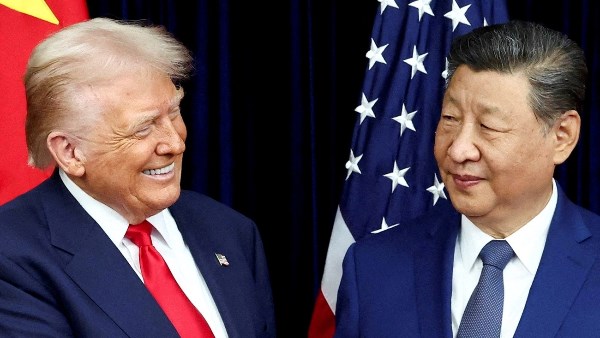
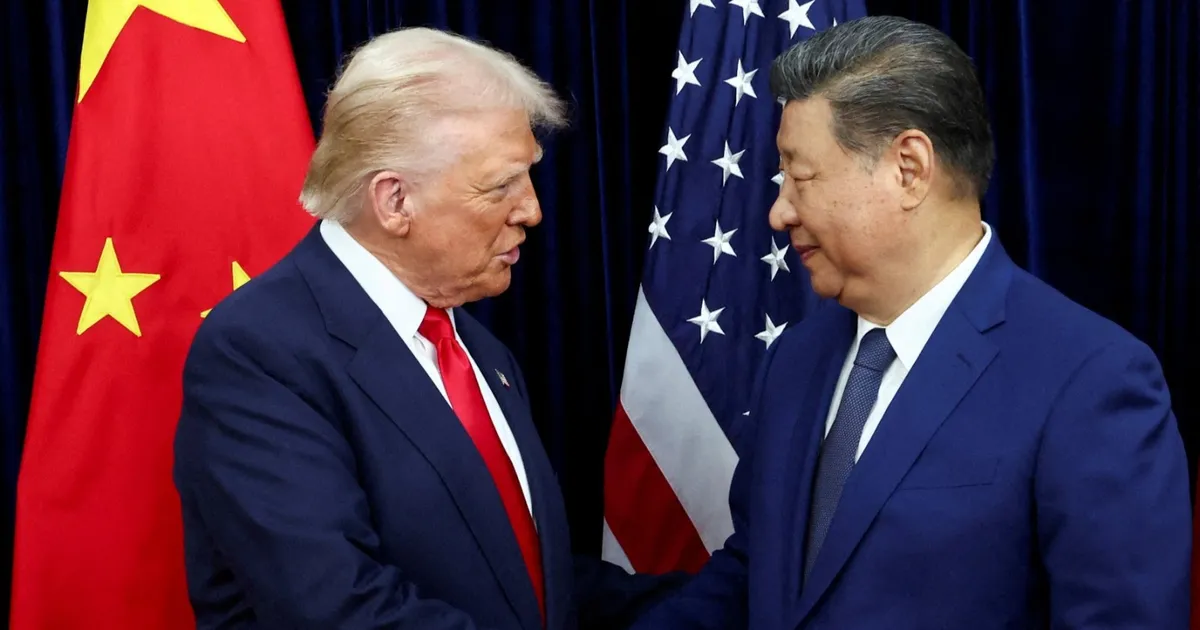
The US and China are considering formal, regular dialogues to address risks from AI competition, including potential crises from autonomous military systems, loss of AI control, and misuse by non-state actors. The talks aim to establish safeguards and prevent AI-driven military or economic crises amid escalating technological rivalry.[AI generated]

Why's our monitor labelling this an incident or hazard?

The event involves AI systems as it concerns AI models and autonomous military systems, and the discussion is about preventing risks and crises related to AI. Since no actual harm or incident has occurred yet, but there is a credible risk of future harm (e.g., AI-driven military escalation or attacks), this qualifies as an AI Hazard. The article's main focus is on the plausible future risks and the planned official dialogue to manage these risks, not on a realized AI incident or complementary information about responses to past incidents.[AI generated]
AI principles
SafetyRobustness & digital security

Industries
Government, security, and defenceFinancial and insurance services

Affected stakeholders
General publicBusiness

Harm types
Physical (death)Economic/PropertyPublic interest

Severity
AI hazard


Articles about this incident or hazard

Thumbnail Image

川習會擬納入AI議題:美中考慮啟動官方對話 防數位軍備競賽失控 | 聯合新聞網

2026-05-07
UDN
Why's our monitor labelling this an incident or hazard?
The event involves AI systems as it concerns AI models and autonomous military systems, and the discussion is about preventing risks and crises related to AI. Since no actual harm or incident has occurred yet, but there is a credible risk of future harm (e.g., AI-driven military escalation or attacks), this qualifies as an AI Hazard. The article's main focus is on the plausible future risks and the planned official dialogue to manage these risks, not on a realized AI incident or complementary information about responses to past incidents.
Thumbnail Image

美中擬建立AI定期對話 | 聯合新聞網

2026-05-07
UDN
Why's our monitor labelling this an incident or hazard?
The event involves AI systems in the context of strategic risk and governance but does not describe any actual harm or incident caused by AI systems. It is about potential risks and the establishment of dialogue to prevent or manage such risks. Therefore, it fits the category of Complementary Information, as it provides important context and updates on governance and societal responses to AI risks without reporting a new AI Incident or AI Hazard.
Thumbnail Image

避免AI競爭失控引爆危機 美陸考慮啟動AI官方對話 - 兩岸

2026-05-07
中時新聞網
Why's our monitor labelling this an incident or hazard?
The event involves AI systems in the context of military AI development and potential misuse, which could plausibly lead to significant harm (e.g., uncontrolled AI arms race, autonomous weapons risks). However, no actual harm or incident has occurred yet; the article centers on planned official dialogues to prevent such outcomes. Therefore, this qualifies as an AI Hazard, reflecting credible potential future harm and risk management efforts, rather than an AI Incident or Complementary Information about a past event.
Thumbnail Image

AI競爭恐釀危機 WSJ:美中考慮就AI問題展開正式談判 - 自由財經

2026-05-07
自由時報電子報
Why's our monitor labelling this an incident or hazard?
The event involves AI systems in the context of strategic competition and risk management between two nations. However, the article describes ongoing or planned diplomatic discussions to address AI risks, not an actual AI incident or harm. The potential harms mentioned (e.g., autonomous military systems causing crises) are plausible future risks, but no realized harm is reported. Therefore, this qualifies as an AI Hazard, as it concerns plausible future harms from AI and efforts to manage those risks before incidents occur.
Thumbnail Image

美中考慮啟動AI官方對話 防止科技競賽引爆危機 | 國際 | 中央社 CNA

2026-05-07
Central News Agency
Why's our monitor labelling this an incident or hazard?
The event involves AI systems in the context of strategic competition and risk management between two nations, with discussions aimed at preventing AI-related crises. No actual harm or incident caused by AI systems is reported, but the potential for AI-driven crises is recognized, making this a plausible future risk scenario. Therefore, this qualifies as an AI Hazard, as it concerns credible risks that could plausibly lead to AI incidents if unmanaged, but no direct or indirect harm has yet occurred.
Thumbnail Image

避免AI變美中新危機! WSJ:華府、北京欲建立危機管控機制 | 國際 | Newtalk新聞

2026-05-07
新頭殼 Newtalk
Why's our monitor labelling this an incident or hazard?
The event involves AI systems in the context of their development and use, particularly autonomous military systems and AI model risks. However, the article does not report any realized harm or incident caused by AI, but rather the plausible future risks and the establishment of dialogue mechanisms to mitigate those risks. Therefore, it fits the definition of an AI Hazard, as it concerns credible potential harms from AI that could plausibly lead to incidents if unmanaged. It also includes elements of Complementary Information about governance responses, but the primary focus is on the potential risks and hazard management, making AI Hazard the most appropriate classification.
Thumbnail Image

WSJ:中美考慮啟動AI官方對話 AI或納入習特會議程 | am730

2026-05-07
am730
Why's our monitor labelling this an incident or hazard?
The event involves AI systems as it discusses AI models, autonomous military systems, and AI misuse risks. However, the article does not describe any realized harm or incidents caused by AI, only the plausible future risks and the planned official dialogue to address them. Therefore, this qualifies as an AI Hazard, since the development and use of AI systems could plausibly lead to incidents, and the dialogue aims to mitigate these potential harms.
Thumbnail Image

美中考慮啟動AI官方對話 防止科技競賽引爆危機 | 國際焦點 | 國際 | 經濟日報

2026-05-07
Udnemoney聯合理財網
Why's our monitor labelling this an incident or hazard?
The event involves AI systems in the context of strategic competition and risk management between two nations, with discussions aimed at preventing possible future harms such as AI-driven military crises or attacks by malicious actors using AI tools. Since no actual harm or incident has occurred yet, but there is a credible risk that AI development and competition could lead to crises, this qualifies as an AI Hazard. The article primarily describes potential future risks and governance dialogues rather than realized harm or incident.
Thumbnail Image

WSJ:習特會談AI 研建立護欄機制 - 20260508 - 中國

2026-05-07
明報新聞網 - 即時新聞 instant news
Why's our monitor labelling this an incident or hazard?
The article describes talks and proposed dialogue mechanisms about AI risks and governance but does not report any realized harm or incidents caused by AI systems. The focus is on potential risks and establishing safeguards, which aligns with complementary information about societal and governance responses to AI. There is no direct or indirect harm reported, nor a plausible immediate hazard event. Therefore, this is best classified as Complementary Information.
Thumbnail Image

中美擬正式討論AI問題 防科技競爭引發軍事危機

2026-05-07
on.cc東網
Why's our monitor labelling this an incident or hazard?
The event involves AI systems, specifically autonomous military AI and AI models with potential loss of control, which could plausibly lead to serious harms such as military crises or economic disruption. Since the article discusses planned talks to prevent such harms and no actual harm has occurred, this constitutes an AI Hazard. The focus is on plausible future harm and risk mitigation rather than an existing incident or complementary information about past events.
Thumbnail Image

美中尋求建立AI護欄 防止科技競爭演變成全球危機 - 民視新聞網

2026-05-07
民視新聞網
Why's our monitor labelling this an incident or hazard?
The event involves AI systems in the context of military applications and strategic competition, with a focus on preventing potential AI-related harms such as misjudgments in nuclear control or autonomous weapons use. Since no incident has occurred but there is a credible risk of future harm if AI safety measures are not implemented, this qualifies as an AI Hazard. The article does not report any realized harm or incident, nor is it merely general AI news; it centers on plausible future risks and governance responses to AI-related threats.
Thumbnail Image

美中峰會下週登場!傳川普與習近平將開啟AI官方對話 - 民視新聞網

2026-05-07
民視新聞網
Why's our monitor labelling this an incident or hazard?
The event involves AI as a topic of official discussion between two countries, focusing on governance and regulation amid technological competition. There is no indication of any AI system causing harm or malfunction, nor any direct or indirect harm occurring or plausibly imminent. The article centers on a prospective dialogue and strategic cooperation, which fits the definition of Complementary Information as it provides context and updates on AI governance developments without describing an AI Incident or Hazard.
Thumbnail Image

防AI模型失控危機...美中擬建立定期對話 列川習會議題 | 聯合新聞網

2026-05-08
UDN
Why's our monitor labelling this an incident or hazard?
The article does not describe any realized harm or incident caused by AI systems, nor does it report a specific event where AI use or malfunction has led to injury, rights violations, or other harms. Instead, it details governmental and diplomatic initiatives to establish dialogue mechanisms to prevent or manage potential AI risks. This fits the definition of Complementary Information, as it provides context on societal and governance responses to AI-related risks without reporting a new incident or hazard.
Thumbnail Image

U.S. and China Pursue Guardrails to Stop AI Rivalry From Spiraling Into Crisis

2026-05-07
The Wall Street Journal
Why's our monitor labelling this an incident or hazard?
The article does not report any realized harm or incident caused by AI systems but discusses the potential risks and the diplomatic efforts to manage those risks through dialogue and cooperation. This fits the definition of an AI Hazard, as it involves circumstances where AI development and use could plausibly lead to a crisis or harm if unmanaged. The focus is on risk mitigation and crisis prevention rather than on an actual AI Incident or Complementary Information about a past incident. Therefore, the event is best classified as an AI Hazard.
Thumbnail Image

US and China pursue guardrails to stop AI rivalry from spiralling into crisis | Mint

2026-05-07
mint
Why's our monitor labelling this an incident or hazard?
The event involves AI systems in the context of strategic competition and risk management but does not report any actual harm or incident caused by AI. The focus is on the potential for AI-related crises and the diplomatic efforts to prevent them, which fits the definition of Complementary Information as it provides context, governance responses, and ongoing dialogue about AI risks without describing a specific AI Incident or AI Hazard. There is no direct or indirect harm reported, nor a plausible immediate hazard event described, only the recognition of potential risks and the establishment of dialogue to mitigate them.
Thumbnail Image

US, China considering discussions on AI rivalry during summit- WSJ By Investing.com

2026-05-07
Investing.com UK
Why's our monitor labelling this an incident or hazard?
The article explicitly mentions AI systems and their potential risks, including autonomous weapons and AI-driven cyberattacks, which could plausibly lead to harms such as disruption of critical infrastructure or harm to communities. However, the event is about planned discussions and concerns rather than an incident where harm has already occurred. Thus, it fits the definition of an AI Hazard, as it concerns plausible future harms related to AI development and use, not an AI Incident or Complementary Information.
Thumbnail Image

US, China weigh formal AI dialogue ahead of Trump-Xi summit

2026-05-07
Firstpost
Why's our monitor labelling this an incident or hazard?
The content centers on diplomatic and strategic considerations regarding AI between two nations, without detailing any event where AI systems have directly or indirectly caused harm or where there is a plausible risk of harm. It is primarily about policy dialogue and AI ecosystem developments, which fits the definition of Complementary Information rather than an Incident or Hazard.
Thumbnail Image

AsiaOne

2026-05-07
AsiaOne
Why's our monitor labelling this an incident or hazard?
The content centers on planned governmental talks about AI, which is a development in AI governance and international relations. There is no indication of an AI system causing or potentially causing harm, nor is there a description of an AI incident or hazard. This fits the category of Complementary Information as it provides context on AI governance and strategic considerations without reporting on harm or risk events.
Thumbnail Image

U.S., China weigh AI crisis controls ahead of summit - UPI.com

2026-05-07
UPI
Why's our monitor labelling this an incident or hazard?
The article explicitly mentions concerns about AI-driven crises and the possibility of escalating AI competition into a strategic arms race, which could plausibly lead to significant harms. However, it only describes discussions and considerations for crisis management, with no actual AI incident or harm having occurred. Therefore, this qualifies as an AI Hazard, reflecting credible potential future harm from AI systems, especially autonomous military AI and AI failures, rather than an AI Incident or Complementary Information.
Thumbnail Image

AI Race May Be on the Docket for Trump's Meeting With Xi - The Daily Signal

2026-05-07
The Daily Signal
Why's our monitor labelling this an incident or hazard?
The article centers on planned diplomatic discussions and regulatory considerations about AI risks and competition, which represent plausible future risks but do not describe any realized harm or incident caused by AI systems. Therefore, it fits the definition of an AI Hazard or Complementary Information. Since the main focus is on governance responses and strategic considerations rather than a specific AI system event or harm, it is best classified as Complementary Information, providing context and updates on AI governance and risk management.
Thumbnail Image

U.S. and China weigh AI cooperation amid global security concerns | News.az

2026-05-07
News.az
Why's our monitor labelling this an incident or hazard?
The article focuses on the potential and planned cooperation between two major powers to manage AI risks, highlighting concerns about future AI hazards such as autonomous weapons and cyberattacks. However, it does not report any actual AI incident or realized harm. The content fits the definition of an AI Hazard because it discusses plausible future harms from AI and the need for international coordination to mitigate these risks. It is not Complementary Information since it is not updating or following up on a specific past incident, nor is it unrelated as it clearly involves AI systems and their risks.
Thumbnail Image

US, China considering discussions on AI rivalry during summit-

2026-05-07
Azeri - Press Informasiya Agentliyi
Why's our monitor labelling this an incident or hazard?
The event involves AI systems in the context of potential risks and geopolitical considerations, but no actual harm or incident has occurred yet. The focus is on the plausible future risks posed by AI, including autonomous weapons and cyberattacks, which aligns with the definition of an AI Hazard. Since the discussions are planned and no harm has materialized, this is best classified as an AI Hazard rather than an Incident or Complementary Information.
Thumbnail Image

U.S.-China AI Talks May Take Center Stage at Trump-Xi Summit - EconoTimes

2026-05-07
EconoTimes
Why's our monitor labelling this an incident or hazard?
The event involves AI systems as it centers on advanced AI technologies and their risks, including autonomous military weapons and AI-driven cyberattacks. However, the article describes planned diplomatic talks and concerns about potential risks rather than any realized harm or malfunction. Therefore, it fits the definition of an AI Hazard, as the development and use of AI systems could plausibly lead to significant harms without proper governance. The article does not report an AI Incident or Complementary Information about a past event, nor is it unrelated to AI.
Thumbnail Image

WSJ: U.S. and China Consider Formal AI Talks Ahead of Trump-Xi Summit in Beijing | Cedar News

2026-05-07
Cedar News Newspaper
Why's our monitor labelling this an incident or hazard?
The article does not mention any AI system causing harm or posing a plausible risk of harm. Instead, it focuses on the possibility of formal AI discussions between governments, which is a governance and diplomatic development. There is no indication of realized or potential AI-related harm, malfunction, or misuse. Therefore, this is best classified as Complementary Information, as it provides context on AI governance and international relations without describing an incident or hazard.
Thumbnail Image

The US and China are considering formal talks on AI

2026-05-07
The Decoder
Why's our monitor labelling this an incident or hazard?
The article discusses ongoing and planned diplomatic talks addressing AI risks and governance, including autonomous weapons and misuse by non-state actors. While these risks are serious, the article does not describe any actual AI incident or harm that has occurred, nor does it report a specific AI hazard event with imminent plausible harm. Instead, it focuses on governance responses and risk discussions, which fits the definition of Complementary Information.
Thumbnail Image

US, China weigh launch of official discussions on AI, WSJ reports

2026-05-08
Gulf-Times
Why's our monitor labelling this an incident or hazard?
The event involves AI as a topic of international dialogue but does not describe any AI system's development, use, or malfunction leading to harm or plausible future harm. There is no indication of realized or potential AI-related incidents or hazards. The content is about geopolitical and governance discussions, which fits the category of Complementary Information as it provides context on AI governance and international relations without describing an incident or hazard.
Thumbnail Image

CNAS Insights | Trump Should Talk to Xi About Military AI

2026-05-08
Center for a New American Security - CNAS
Why's our monitor labelling this an incident or hazard?
The article centers on the strategic and diplomatic context of military AI use and potential arms control talks. It does not report any realized harm, malfunction, or misuse of AI systems, nor does it describe a specific event where AI caused or could plausibly cause harm. Instead, it outlines opportunities for cooperation and risk reduction, which fits the category of Complementary Information as it provides context and governance-related developments in the AI ecosystem without describing an AI Incident or AI Hazard.
Thumbnail Image

US and China Eye AI Guardrails as Trump-Xi Summit Looms

2026-05-08
WebProNews
Why's our monitor labelling this an incident or hazard?
The article does not report any actual AI incident causing harm or violation of rights. Instead, it outlines the geopolitical context and the potential for AI-related risks that could plausibly lead to harm if unmanaged. The discussions about AI guardrails and risk management are prospective and preventive, aiming to avoid escalation or crises. Therefore, the event fits the definition of an AI Hazard, as it concerns plausible future harm from AI competition and military or economic risks, but no direct or indirect harm has yet occurred.
Thumbnail Image

Trump and Xi put AI on the Beijing summit agenda

2026-05-08
crypto.news
Why's our monitor labelling this an incident or hazard?
The article does not report any realized harm or incidents caused by AI systems but discusses the potential risks and the intention to create formal dialogue and safety frameworks to mitigate those risks. This fits the definition of an AI Hazard, as it concerns events and circumstances where AI system development or use could plausibly lead to harm, and the dialogue aims to prevent such outcomes. There is no indication of an AI Incident or Complementary Information about a past incident, nor is it unrelated to AI.
Thumbnail Image

بكين وواشنطن تدرسان إطلاق محادثات رسمية حول الذكاء الاصطناعي

2026-05-07
سكاي نيوز عربية
Why's our monitor labelling this an incident or hazard?
The content centers on diplomatic and strategic dialogue about AI between two countries and an analytical report on AI capabilities. There is no description of an AI system's development, use, or malfunction causing or potentially causing harm. The mention of intellectual property theft is an allegation but not detailed as an AI incident with realized harm. Therefore, this is best classified as Complementary Information, providing context and updates on AI governance and international relations rather than reporting an AI Incident or Hazard.
Thumbnail Image

واشنطن وبكين تدرسان إطلاق محادثات رسمية بشأن الذكاء الاصطناعي

2026-05-07
صدى البلد
Why's our monitor labelling this an incident or hazard?
The event involves AI as a topic of diplomatic talks, indicating a governance and policy-level response to AI-related issues. However, there is no mention of any AI system causing harm, malfunctioning, or posing a plausible risk of harm. The article focuses on potential future dialogue rather than an incident or hazard. Therefore, it fits the category of Complementary Information, providing context and updates on AI governance discussions without describing an AI Incident or AI Hazard.
Thumbnail Image

صحيفة: أمريكا والصين تدرسان إطلاق محادثات رسمية حول الذكاء الاصطناعي

2026-05-07
القدس العربي
Why's our monitor labelling this an incident or hazard?
The article describes a potential diplomatic initiative involving AI but does not report any specific AI system causing harm or posing a direct or plausible risk of harm. There is no mention of AI incidents, hazards, or harms resulting from AI use or malfunction. Instead, it focuses on planned discussions and strategic positioning regarding AI technology, which is a governance and policy development context. Therefore, this is best classified as Complementary Information, as it provides context and updates on societal and governance responses to AI without describing an incident or hazard.
Thumbnail Image

وول ستريت جورنال: أميركا والصين تدرسان إطلاق محادثات رسمية حول الذكاء الاصطناعي

2026-05-07
LBCI Lebanon
Why's our monitor labelling this an incident or hazard?
The article does not describe any specific AI system causing harm or any incident involving AI malfunction or misuse. It also does not indicate any immediate or potential harm resulting from AI use. Instead, it discusses planned diplomatic talks about AI, which is a governance and policy development. Therefore, this is complementary information providing context on AI-related international relations rather than an incident or hazard.
Thumbnail Image

واشنطن وبكين تدرسان إطلاق محادثات رسمية بشأن الذكاء الاصطناعى - اليوم السابع

2026-05-07
اليوم السابع
Why's our monitor labelling this an incident or hazard?
The article does not describe any AI system causing harm or malfunction, nor does it indicate any realized or plausible future harm stemming from AI. Instead, it discusses planned diplomatic engagement on AI topics between two countries. This is a governance and policy development context without direct or indirect harm or hazard from AI systems. Therefore, it is best classified as Complementary Information, providing context on AI governance and international relations rather than an incident or hazard.
Thumbnail Image

بكين وواشنطن تدرسان إطلاق مُحادثات رسمية حول الذكاء الاصطناعيّ

2026-05-07
Al Joumhouria
Why's our monitor labelling this an incident or hazard?
The event involves AI as a topic of international diplomatic talks and concerns about intellectual property theft related to AI innovations. However, it does not describe a concrete AI Incident or AI Hazard, nor does it provide new information about harm caused by AI systems or plausible future harm from AI system use or malfunction. The main focus is on governance and policy dialogue, which fits the definition of Complementary Information as it provides context and updates on societal and governance responses to AI-related issues.
Thumbnail Image

أميركا والصين تدرسان إطلاق محادثات رسمية حول الذكاء الاصطناعي

2026-05-07
مركز الاتحاد للأخبار
Why's our monitor labelling this an incident or hazard?
The article focuses on the potential diplomatic discussions about AI between two countries, which is a governance and policy development. There is no mention of any AI system causing harm, malfunctioning, or posing a credible risk of harm. Therefore, it does not qualify as an AI Incident or AI Hazard. Instead, it is complementary information about the evolving AI governance landscape.
Thumbnail Image

الذكاء الاصطناعي يتصدر أجندة القمة الأميركية الصينية في بكين - جريدة الأنباء الإلكترونية

2026-05-07
جريدة الأنباء الإلكترونية
Why's our monitor labelling this an incident or hazard?
The article does not mention any AI system causing harm or posing a plausible risk of harm. It focuses on potential diplomatic talks about AI, which is a governance and strategic development context without direct or indirect harm or hazard. Therefore, it is complementary information about AI's role in international relations rather than an incident or hazard.
Thumbnail Image

محادثات مرتقبة بين واشنطن وبكين لتنظيم ملف الذكاء الاصطناعي

2026-05-07
وكالة النبا
Why's our monitor labelling this an incident or hazard?
The article centers on diplomatic efforts and strategic competition in AI between two countries, with no direct or indirect harm caused by AI systems reported. The mention of intellectual property theft accusations relates to legal and political disputes but does not specify AI system misuse or malfunction causing harm. There is no indication of plausible future harm from AI systems in this context either. Hence, the article is best categorized as Complementary Information, providing background and governance-related context rather than reporting an AI Incident or Hazard.
Thumbnail Image

米商務省、AI技術の輸出で日本企業に参画を要請

2026-05-07
日本経済新聞
Why's our monitor labelling this an incident or hazard?
The article describes a governmental policy initiative encouraging participation in AI technology export programs. There is no mention of any harm caused or plausible harm that could arise directly or indirectly from the development, use, or malfunction of AI systems. The content is about policy promotion and international collaboration, which falls under developments in the AI landscape providing high-level context rather than describing an incident or hazard. Therefore, it is classified as Complementary Information.
Thumbnail Image

「ミュトス」登場で危機感...米中首脳会談の議題に「AI」検討、覇権争い一転共同歩調とる可能性

2026-05-07
読売新聞オンライン
Why's our monitor labelling this an incident or hazard?
The event involves AI systems explicitly (e.g., Claude Mutus) and discusses the potential risks of AI in military and cyberattack contexts. However, no actual harm or incident has occurred; the article focuses on the possibility of future risks and the governments' plans to coordinate on AI governance. Therefore, this qualifies as an AI Hazard because it plausibly could lead to AI incidents related to military or cyber misuse, but no direct or indirect harm has yet materialized.
Thumbnail Image

米中がAI協議立ち上げ検討と米紙、首脳会談の議題にも 軍事利用で予期せぬリスク協議

2026-05-07
産経ニュース
Why's our monitor labelling this an incident or hazard?
The event involves AI systems in the context of potential military applications and associated risks, but no actual harm or incident has occurred yet. The discussion is about starting ongoing consultations to address plausible future risks from AI, especially autonomous military AI. Therefore, this qualifies as an AI Hazard, as it concerns credible potential risks from AI use that could lead to harm if unaddressed. It is not an AI Incident because no harm has materialized, nor is it Complementary Information or Unrelated, as the focus is on potential AI risks and international governance discussions.
Thumbnail Image

米中、AI公式対話検討 首脳会談で議論、悪用リスクに対処 -- 報道:時事ドットコム

2026-05-07
時事ドットコム
Why's our monitor labelling this an incident or hazard?
The event involves AI systems and their potential misuse, specifically the risk of AI being used for cyberattacks. However, the article describes discussions and preventive measures rather than any realized harm or incident. Therefore, it fits the definition of an AI Hazard, as it plausibly could lead to harm but no direct or indirect harm has yet occurred.
Thumbnail Image

米中、AI巡る公式協議開始を検討 首脳会談の議題にも=報道

2026-05-07
JP
Why's our monitor labelling this an incident or hazard?
The article does not describe any specific AI system causing harm or any incident involving AI malfunction or misuse. Instead, it discusses potential future diplomatic discussions and policy considerations about AI. Therefore, it is best classified as Complementary Information, as it provides context on governance responses and strategic dialogue about AI without reporting any realized or imminent harm.
Thumbnail Image

الذكاء الاصطناعي.. سباق أميركي صيني للهيمنة يثير القلق

2026-05-08
سكاي نيوز عربية
Why's our monitor labelling this an incident or hazard?
The article centers on the potential future risks and geopolitical implications of AI development and deployment, including plausible threats such as AI-enabled cyberattacks and misinformation campaigns. It highlights concerns about the lack of regulation and the possibility of AI systems being used in harmful ways, but does not report any actual harm or incident caused by AI systems. Therefore, it fits the definition of an AI Hazard, as it describes circumstances where AI development and use could plausibly lead to incidents involving harm, but no specific incident has yet occurred.
Thumbnail Image

محادثات أميركية صينية بشأن الذكاء الاصطناعي لتجنب سباق تسلح رقمي

2026-05-07
العربي الجديد
Why's our monitor labelling this an incident or hazard?
The event involves AI systems in the context of strategic risk and potential misuse, but no realized harm or incident has occurred. The discussions and proposed mechanisms are intended to mitigate plausible future harms related to AI, such as unintended escalations or misuse in military or cyber contexts. Therefore, this qualifies as an AI Hazard, reflecting credible potential risks from AI development and deployment that the parties seek to address proactively.
Thumbnail Image

اخبارك نت | الذكاء الاصطناعي.. سباق أميركي صيني للهيمنة يثير القلق

2026-05-08
موقع أخبارك للأخبار المصرية
Why's our monitor labelling this an incident or hazard?
The article primarily addresses the potential risks and geopolitical implications of AI development and deployment, including possible misuse in military, cyberattacks, and misinformation, which could plausibly lead to harm. However, it does not report any actual AI incident or harm that has occurred. The discussion of dialogues and governance efforts is about managing future risks rather than responding to a specific incident. Therefore, the event fits the definition of an AI Hazard, as it highlights credible potential harms from AI systems and the need for regulatory responses, but no realized harm is described.
Thumbnail Image

الذكاء الاصطناعي في مباحثات شي جين بينغ وترامب

2026-05-09
القدس
Why's our monitor labelling this an incident or hazard?
The article does not report any realized harm or direct incident involving AI systems. It discusses the geopolitical importance and potential future risks of AI, including military and cyber uses, but these are presented as concerns and strategic considerations rather than actual events causing harm. Therefore, it fits the definition of Complementary Information, providing context and insight into AI's evolving role in global affairs without describing a specific AI Incident or AI Hazard.
Thumbnail Image

خط ساحن للذكاء الاصطناعي.. واشنطن وبكين تفتحان باب التفاوض - صحيفة الوئام

2026-05-07
صحيفة الوئام الالكترونية
Why's our monitor labelling this an incident or hazard?
The article centers on diplomatic and strategic discussions about AI risks and the potential creation of a 'hotline' for AI crisis management between two major powers. It highlights concerns about AI's unpredictable behavior and military applications but does not report any direct or indirect harm caused by AI systems. The focus is on preventing future harm through dialogue and cooperation, which fits the definition of an AI Hazard. There is no indication of realized harm or incident, nor is the article primarily about responses to past incidents or general AI news without harm implications.
Thumbnail Image

مباحثات أميركية صينية لـ"ضبط" سباق الذكاء الاصطناعي

2026-05-07
Asharq News
Why's our monitor labelling this an incident or hazard?
The article explicitly involves AI systems and their potential risks, including autonomous military AI and AI-enabled cyberattacks. However, it does not report any actual harm or incident caused by AI systems to date. Instead, it focuses on diplomatic efforts to manage and reduce the risks associated with AI development and deployment between two major powers. This fits the definition of an AI Hazard, where the development and use of AI systems could plausibly lead to significant harms, and the event is about addressing these potential harms proactively. It is not Complementary Information because the main focus is not on updates or responses to a past incident but on the initiation of formal talks to prevent future incidents. It is not an AI Incident because no realized harm is described.
Thumbnail Image

السباق المخيف.. من يضبط الذكاء الاصطناعي قبل خروجه عن السيطرة؟

2026-05-08
الجزيرة نت
Why's our monitor labelling this an incident or hazard?
The article centers on the strategic, political, and regulatory landscape of AI development between major powers like the US and China, emphasizing the potential for AI systems to cause harm if uncontrolled. However, it does not report any actual harm or incident caused by AI systems at present. The concerns and efforts described relate to plausible future harms and risk management, fitting the definition of an AI Hazard rather than an AI Incident or Complementary Information. There is no mention of a specific AI system malfunctioning or causing direct or indirect harm yet, nor is the article primarily about responses to a past incident or new research findings. Therefore, the event is best classified as an AI Hazard.
Thumbnail Image

السباق المخيف.. من يضبط الذكاء الاصطناعي قبل خروجه عن السيطرة؟

2026-05-08
الجزيرة نت
Why's our monitor labelling this an incident or hazard?
The article centers on the potential risks and geopolitical tensions related to AI development and the absence of effective global regulation, which could plausibly lead to AI incidents in the future. It highlights concerns about AI systems possibly causing crises or being used in military or cyberattack contexts, but no actual harm or incident is reported. Therefore, the event qualifies as an AI Hazard because it discusses credible risks and the need for preventive measures, rather than describing a realized AI Incident or complementary information about responses to past incidents.