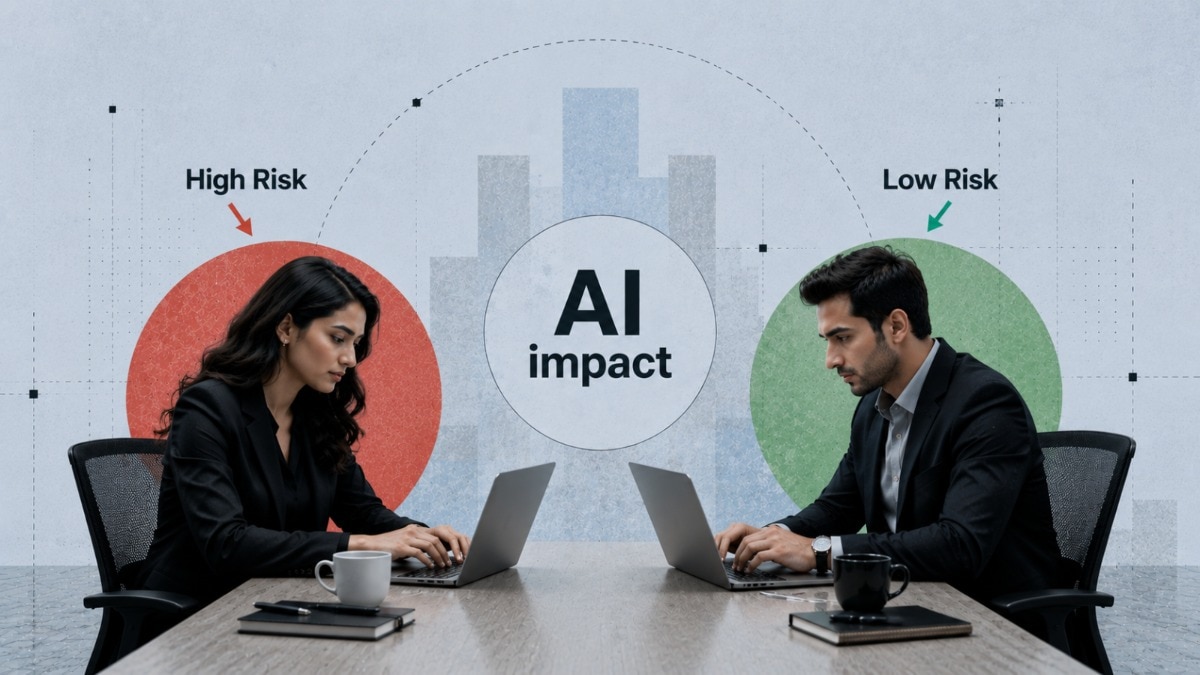
AI-Driven Job Losses Disproportionately Impact Women in U.S. Administrative Roles

Thumbnail Image

The information displayed in the AIM should not be reported as representing the official views of the OECD or of its member countries.

The deployment of AI systems to automate clerical and administrative tasks in the U.S. has led to significant job losses, disproportionately affecting women, who hold over 85% of these roles. This automation has caused economic harm, increased gender inequality, and reduced employment opportunities for millions of female workers.[AI generated]

Why's our monitor labelling this an incident or hazard?

The article explicitly links the deployment and use of AI systems for automating administrative tasks to realized job losses and economic harm among predominantly female clerical workers. This harm includes labor market displacement, reduced income, and increased gender inequality, which fall under violations of labor rights and harm to communities. The AI systems' use is a direct contributing factor to these harms, meeting the criteria for an AI Incident. The article does not merely speculate about future risks but reports ongoing impacts, so it is not an AI Hazard or Complementary Information. It is not unrelated as AI systems are central to the described harms.[AI generated]
AI principles
FairnessHuman wellbeing

Industries
Business processes and support services

Affected stakeholders
WomenWorkers

Harm types
Economic/Property

Severity
AI incident

Business function:
Other

AI system task:
Goal-driven organisation


Articles about this incident or hazard

Thumbnail Image

Women at the sharp end as AI takes over administrative roles

2026-05-11
The Irish Times
Why's our monitor labelling this an incident or hazard?
The article explicitly links the deployment and use of AI systems for automating administrative tasks to realized job losses and economic harm among predominantly female clerical workers. This harm includes labor market displacement, reduced income, and increased gender inequality, which fall under violations of labor rights and harm to communities. The AI systems' use is a direct contributing factor to these harms, meeting the criteria for an AI Incident. The article does not merely speculate about future risks but reports ongoing impacts, so it is not an AI Hazard or Complementary Information. It is not unrelated as AI systems are central to the described harms.
Thumbnail Image

Women at the sharp end as AI takes over administrative roles

2026-05-10
Financial Times News
Why's our monitor labelling this an incident or hazard?
The article explicitly mentions AI systems being used to automate administrative tasks, leading to layoffs and reduced job opportunities for predominantly female workers. The harm includes economic injury, increased gender pay gaps, and reduced labor force participation among women, which are violations of labor rights and cause harm to communities. The AI systems' use is directly linked to these harms, fulfilling the criteria for an AI Incident. The article does not merely warn of potential harm but documents ongoing, realized harm due to AI deployment in administrative roles.
Thumbnail Image

AI jobs crisis that could hit women hard - but men also face a threat

2026-05-12
Mail Online
Why's our monitor labelling this an incident or hazard?
The article explicitly mentions AI systems automating clerical and administrative tasks, leading to layoffs and job displacement, which constitutes harm to communities and individuals' livelihoods. The harm is realized, not just potential, as companies have already cut jobs and workers report difficulty finding comparable employment. The AI system's use is directly linked to these harms, fulfilling the criteria for an AI Incident. The article does not merely discuss potential risks or general AI developments but reports on actual job losses attributable to AI automation.
Thumbnail Image

AI Job Disruption: Why Women and Men Both Face the Heat in the Workforce - Internewscast Journal

2026-05-12
Internewscast Journal
Why's our monitor labelling this an incident or hazard?
The event involves the use of AI systems to automate tasks traditionally performed by human workers, leading to significant job losses and economic harm. The AI systems' deployment in back-office roles has directly contributed to layoffs and reduced employment opportunities, which constitutes harm to individuals and communities. Therefore, this qualifies as an AI Incident because the development and use of AI systems have directly led to harm in the workforce, particularly affecting women disproportionately.
Thumbnail Image

Women will be disproportionately affected by the AI employment crisis: "It's a mess"

2026-05-12
en.brinkwire.com
Why's our monitor labelling this an incident or hazard?
The article explicitly links the use of AI systems to the displacement of workers in administrative and clerical roles, predominantly women, causing economic harm and job loss. The AI systems are described as performing tasks traditionally done by humans, leading to layoffs and reduced job opportunities. This fits the definition of an AI Incident as the AI system's use has directly led to harm to a group of people (economic harm and employment disruption). The article does not merely speculate about future harm but reports ongoing job losses and structural labor market changes attributable to AI deployment.
Thumbnail Image

AI jobs crisis could hit female workers harder than men

2026-05-12
Mail Online
Why's our monitor labelling this an incident or hazard?
The article explicitly links AI-driven task automation to the displacement of millions of female workers in clerical and administrative roles, with concrete examples of layoffs and reduced job opportunities. The harm is realized and ongoing, affecting labor rights and economic well-being. The AI systems involved are those automating office tasks, which fits the definition of AI systems influencing virtual environments and decisions. Hence, this qualifies as an AI Incident due to direct harm caused by AI use in the workplace leading to job losses and labor market disruption for women.
Thumbnail Image

AI may put women at higher risk of losing jobs, says study

2026-05-11
India Today
Why's our monitor labelling this an incident or hazard?
The article centers on a study that identifies plausible risks and systemic vulnerabilities for women due to AI's impact on employment, biased AI outputs, and AI-enabled harassment. While it references some realized harms like deepfake incidents, these are mentioned as examples within a broader discussion of risks and trends rather than a detailed report of a specific incident. The study's findings and the described risks indicate plausible future or ongoing harm linked to AI systems, fitting the definition of an AI Hazard. There is no focus on a particular AI Incident or a governance or response update that would qualify as Complementary Information. Hence, the classification as AI Hazard is appropriate.
Thumbnail Image

Study Warns AI Could Impact Women Workers More Than Men: Here Is Why

2026-05-11
TimesNow
Why's our monitor labelling this an incident or hazard?
The article discusses the potential future impact of AI automation on job security, particularly for women in vulnerable occupations. While no actual harm has yet occurred, the study highlights a credible risk that AI systems used for automation could lead to significant job displacement and economic harm for women workers. This fits the definition of an AI Hazard, as it plausibly could lead to harm (job disruption) due to AI system use in workplaces.
Thumbnail Image

AI Poses a Greater Job Threat to Women Than Men, New Data Shows

2026-05-10
Inc.
Why's our monitor labelling this an incident or hazard?
The article involves AI systems in the context of automation and job displacement risk, which is a plausible future harm scenario. However, it does not describe a concrete event where AI has directly or indirectly caused harm, nor does it report a near miss or malfunction. The focus is on research findings and societal implications, making it a discussion of potential risks rather than an incident or hazard. Therefore, it fits best as Complementary Information, providing context and insight into AI's evolving impact on labor and gender inequality.
Thumbnail Image

AI can affect women workers more than men, new study warns

2026-05-11
Digit
Why's our monitor labelling this an incident or hazard?
The article does not report a concrete AI Incident where harm has already occurred due to AI systems, nor does it describe a specific AI Hazard event with an immediate plausible risk of harm. Instead, it provides a research-based warning and analysis of potential and systemic impacts of AI on women workers, including possible bias and workplace changes. This aligns with the definition of Complementary Information, as it offers contextual and analytical insights into AI's societal effects and governance considerations without detailing a particular incident or hazard.
Thumbnail Image

AI poses greater job risk to women than men, new study finds

2026-05-12
UNILAD
Why's our monitor labelling this an incident or hazard?
The article involves AI systems in the context of their impact on employment, particularly for women, which is a recognized societal harm area. However, it does not report an actual AI Incident (no direct or indirect realized harm from AI use or malfunction is described) nor an AI Hazard (no specific plausible future harm event is detailed). Instead, it presents a study and expert commentary on potential risks and the need for policy responses, fitting the definition of Complementary Information that enhances understanding of AI's societal effects and governance needs.