Romanian Tax Authority's Use of AI in Dispute Resolutions Leads to Legal Rights Violations

Thumbnail Image

The information displayed in the AIM should not be reported as representing the official views of the OECD or of its member countries.

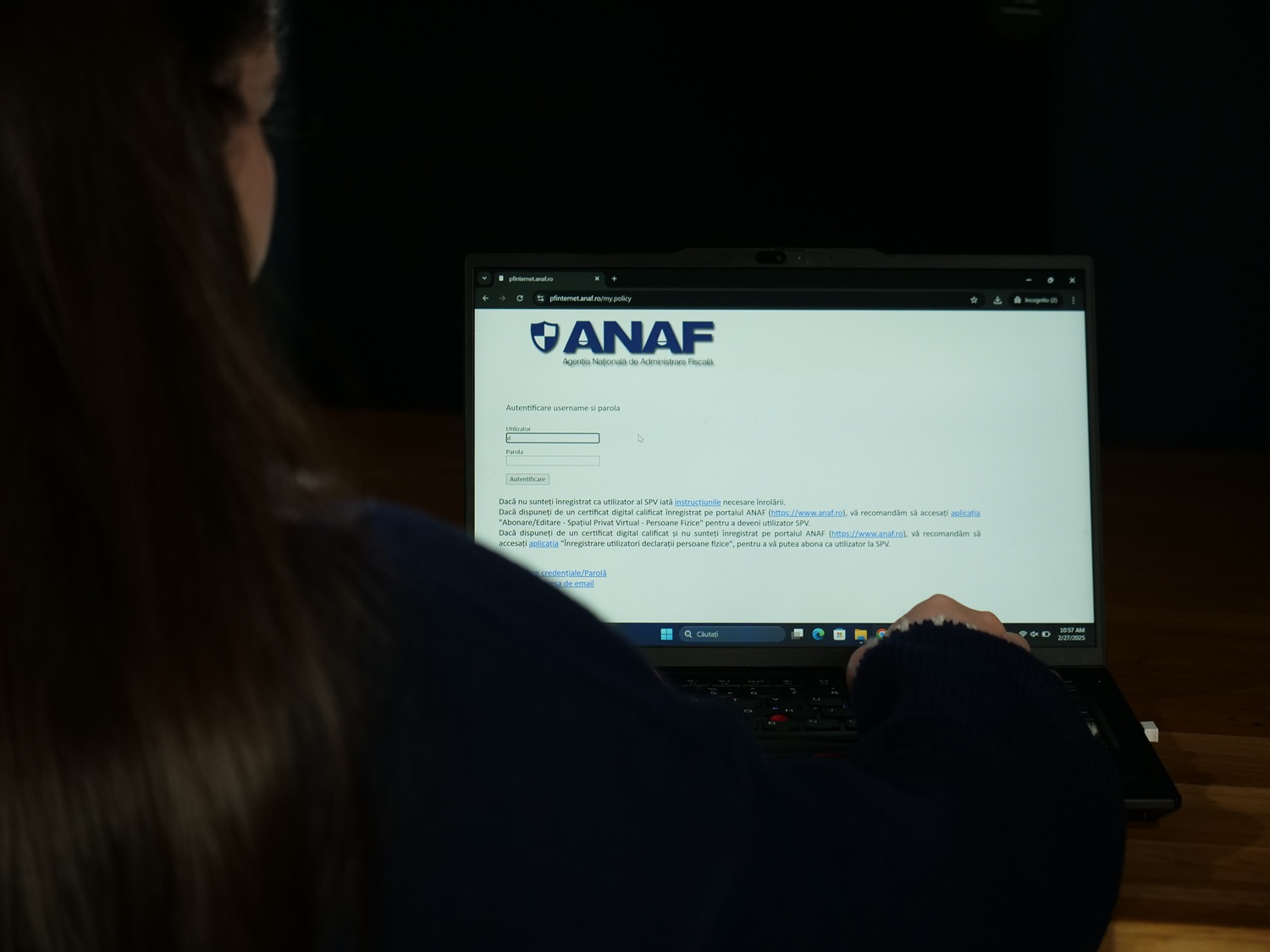
Romania's tax authority has increasingly used AI systems to generate legal arguments in tax dispute resolutions. These AI-generated outputs often include fabricated or inaccurate legal references, resulting in decisions that undermine taxpayers' rights, complicate legal defenses, and violate procedural fairness, causing direct harm to individuals and companies.[AI generated]

Why's our monitor labelling this an incident or hazard?

The event involves the use of an AI system by a fiscal authority in decision-making processes that directly leads to harm, specifically violations of legal rights and procedural fairness for taxpayers. The AI-generated erroneous legal references and fabricated judicial decisions cause harm to individuals' rights and the justice process, fulfilling the criteria for an AI Incident under violations of human rights or breach of legal obligations. Therefore, this is classified as an AI Incident.[AI generated]
AI principles
FairnessAccountability

Industries
Government, security, and defence

Affected stakeholders
General publicBusiness

Harm types
Human or fundamental rights

Severity
AI incident

Business function:
Compliance and justice

AI system task:
Content generation


Articles about this incident or hazard

Thumbnail Image

Bogdan Mărculeţ, Reff & Asociaţii: Utilizarea inteligenţei artificiale de către autoritatea fiscală în soluţionarea disputelor - între potenţiale beneficii şi riscuri concrete

2026-05-11
ZF.ro
Why's our monitor labelling this an incident or hazard?
The event involves the use of an AI system by a fiscal authority in decision-making processes that directly leads to harm, specifically violations of legal rights and procedural fairness for taxpayers. The AI-generated erroneous legal references and fabricated judicial decisions cause harm to individuals' rights and the justice process, fulfilling the criteria for an AI Incident under violations of human rights or breach of legal obligations. Therefore, this is classified as an AI Incident.
Thumbnail Image

ANAF folosește tehnologiile AI "pentru combaterea argumentelor contribuabilului" (avocat) - StartupCafe

2026-05-11
StartupCafe.ro
Why's our monitor labelling this an incident or hazard?
The event involves an AI system explicitly used by a government authority to support decision-making in tax dispute resolutions. The AI's outputs include fabricated or inaccurate legal references that are used to reject taxpayer objections, which constitutes a violation of legal rights and harms taxpayers by misleading them and complicating their defense. This meets the definition of an AI Incident because the AI system's use has directly led to harm in the form of violations of rights and procedural fairness. The article does not merely warn of potential harm but documents ongoing misuse causing real harm to taxpayers and the justice process.
Thumbnail Image

Beneficii sau riscuri? Inteligența artificială, utilizată de autoritatea fiscală în soluționarea disputelor

2026-05-11
Wall-Street
Why's our monitor labelling this an incident or hazard?
The event involves an AI system explicitly used by the fiscal authority to generate legal reasoning in dispute resolutions. The AI's malfunction or misuse leads to incorrect decisions citing non-existent laws or rulings, which harms taxpayers by violating their legal rights and complicating justice. This harm is direct and materialized, fulfilling the criteria for an AI Incident under violations of human rights and legal obligations. The article also discusses the need for responsible AI use and training, but the primary focus is on the harm caused by current AI use in fiscal dispute decisions.
Thumbnail Image

Fiscul utilizeaza AI in solutionarea contestatiilor. Riscuri semnalate

2026-05-11
Financiarul.ro
Why's our monitor labelling this an incident or hazard?
The event involves the use of AI systems in the administrative and judicial process of tax dispute resolution. The AI system generates inaccurate and fabricated legal references, which directly harms companies by impairing their legal defense and causing procedural complications. This constitutes a violation of legal rights and harms to communities (companies and the justice system). The harm is realized and ongoing, not merely potential, and the AI system's role is pivotal in causing these harms. Therefore, this qualifies as an AI Incident rather than a hazard or complementary information.
Thumbnail Image

Utilizarea inteligenței artificiale de către autoritatea fiscală în soluționarea disputelor - între potențiale beneficii și riscuri concrete

2026-05-11
JURIDICE.ro
Why's our monitor labelling this an incident or hazard?
The event involves the use of an AI system by a fiscal authority in decision-making processes that directly affect taxpayers' rights. The AI system generates false or inaccurate legal references, which are then used to justify decisions that harm taxpayers by undermining their ability to defend themselves and complicating judicial processes. This constitutes a violation of legal rights and harms individuals, fitting the definition of an AI Incident. The harm is realized, not just potential, as taxpayers face decisions based on AI-generated falsehoods, impacting their legal standing and rights.
Thumbnail Image

Utilizarea inteligenței artificiale de către autoritatea fiscală în soluționarea disputelor, între potențiale beneficii și riscuri concrete - Economica.net

2026-05-11
Economica.net
Why's our monitor labelling this an incident or hazard?
The event involves the use of an AI system by a fiscal authority to generate legal arguments in tax dispute resolutions. The AI system's outputs include fabricated legal provisions and court rulings, which mislead taxpayers and violate their rights, constituting a breach of legal and fundamental rights. This misuse directly harms individuals by undermining fair dispute resolution and complicates judicial processes. The harm is realized, not merely potential, as it affects taxpayers' legal standing and the integrity of administrative decisions. Hence, it meets the criteria for an AI Incident involving violations of human rights and legal obligations.