Spanish Universities Deploy AI-Detection Tech to Prevent Exam Cheating

Thumbnail Image

The information displayed in the AIM should not be reported as representing the official views of the OECD or of its member countries.

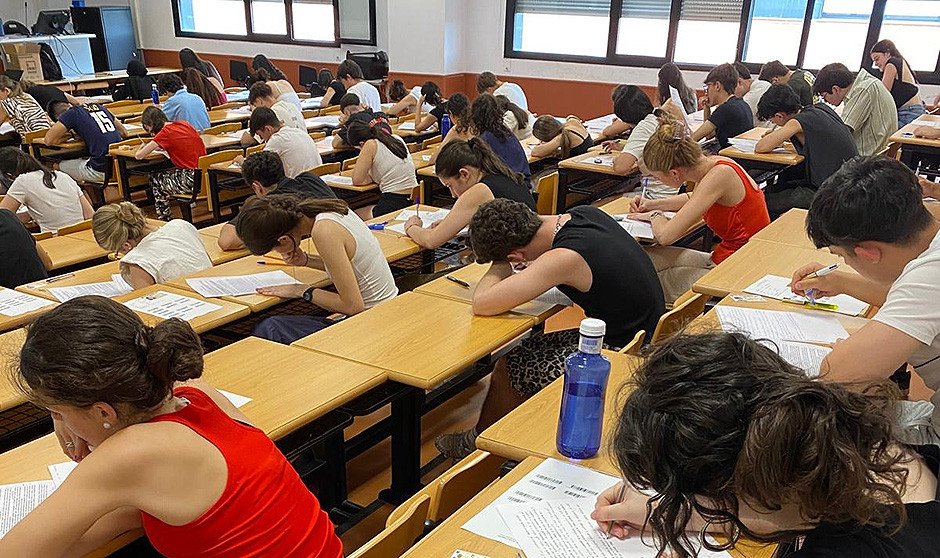
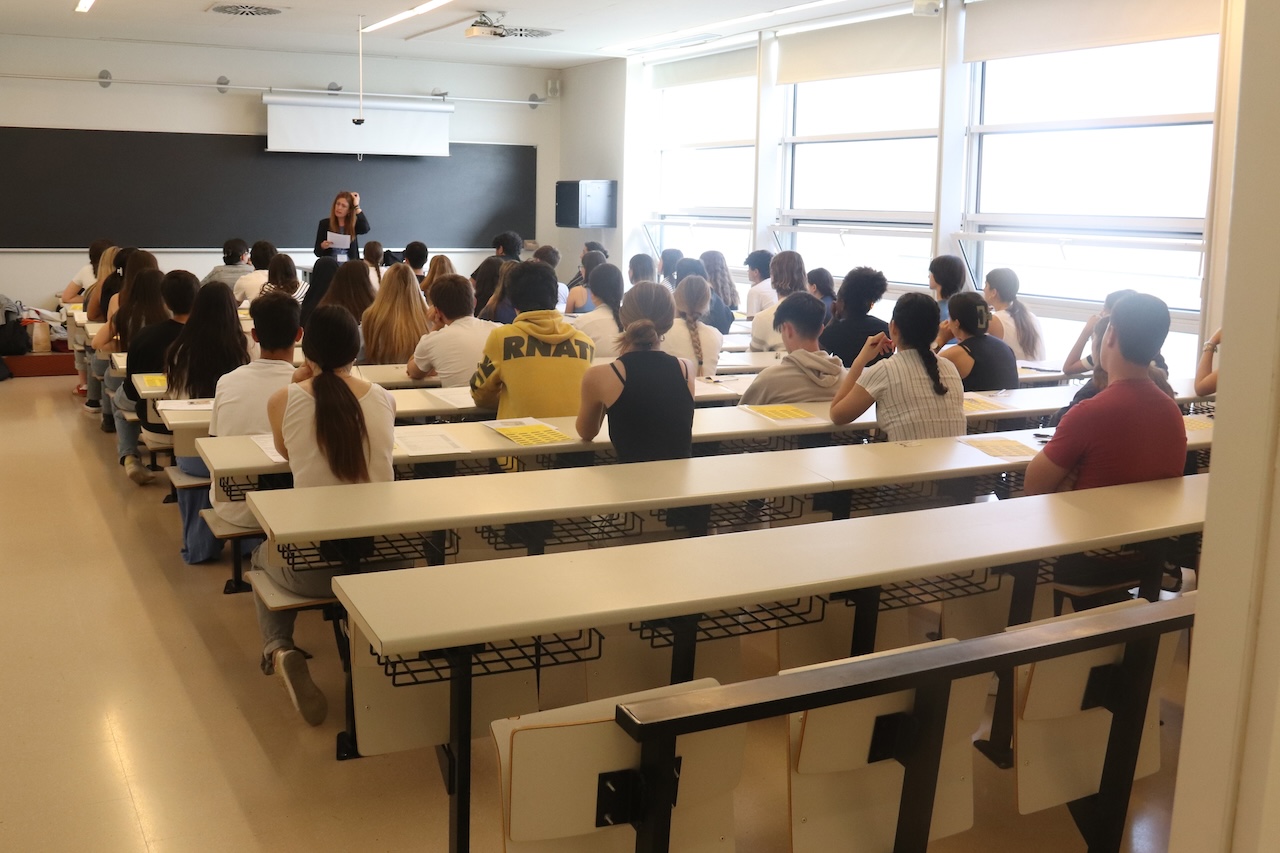
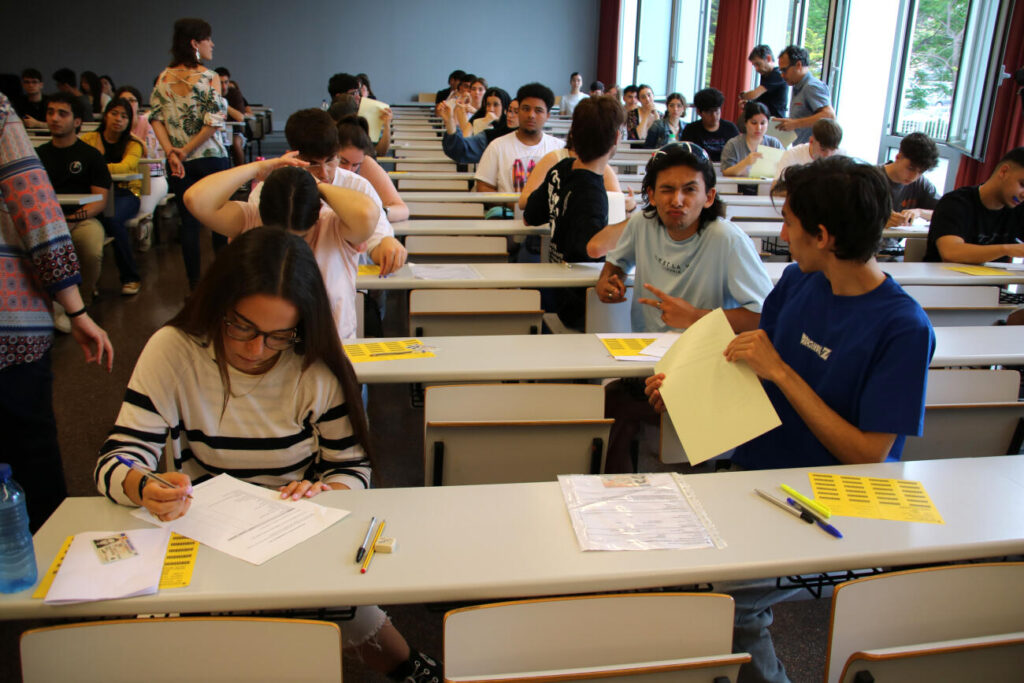
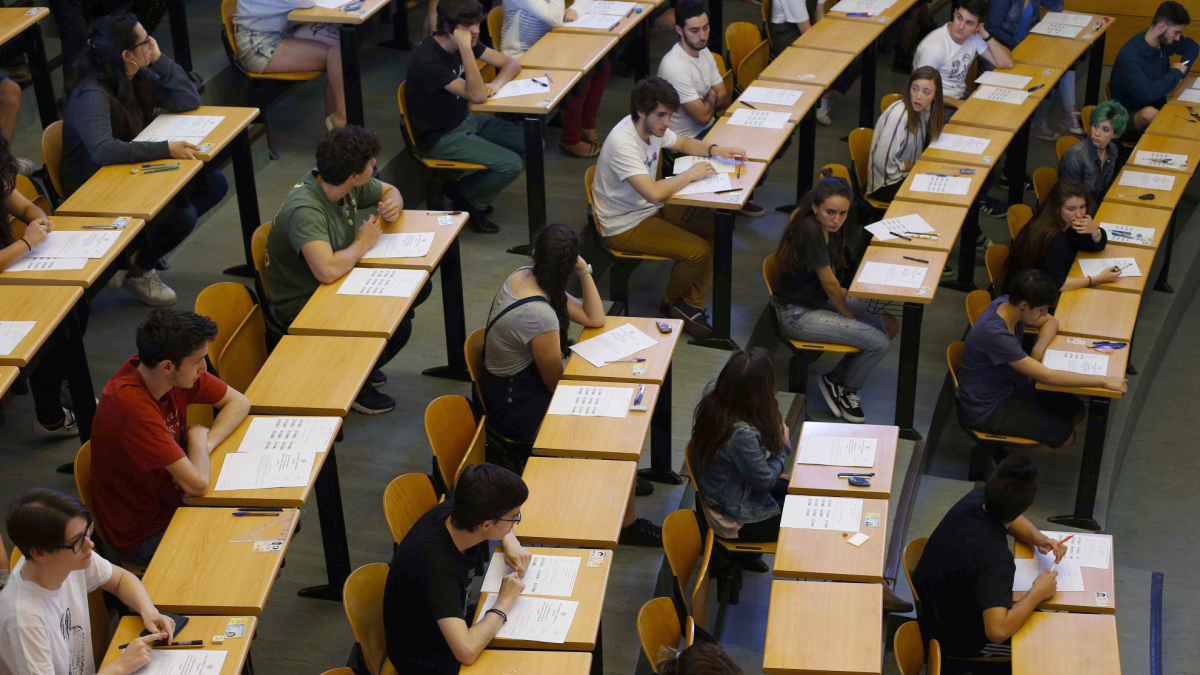
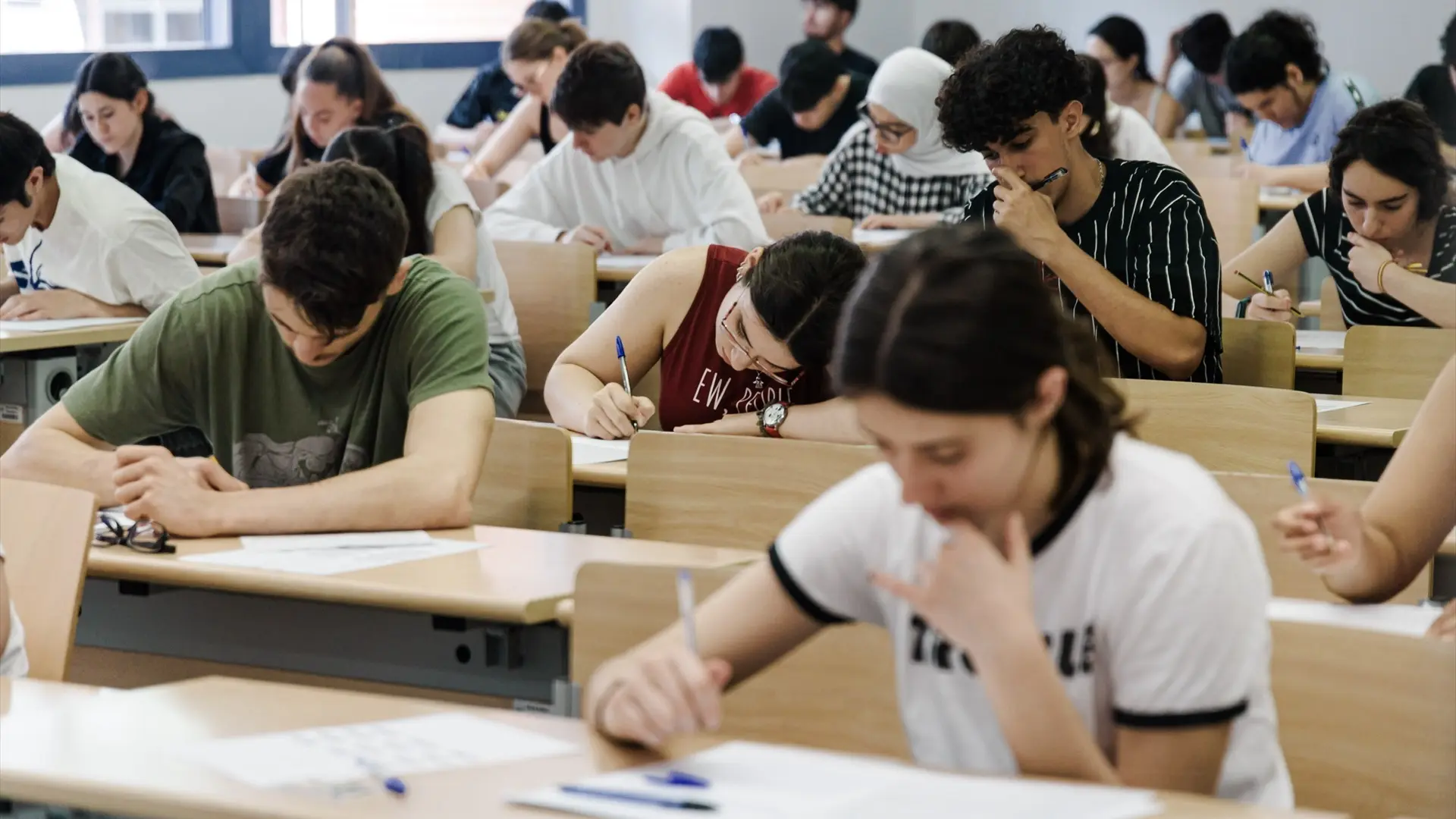
Universities in Spain, particularly in Galicia, Murcia, Catalonia, and Aragón, are implementing frequency detectors and stricter controls during university entrance exams to prevent students from using AI-powered devices for cheating. These measures aim to address the growing risk of academic dishonesty enabled by advanced AI and microelectronic tools.[AI generated]

Why's our monitor labelling this an incident or hazard?

The article explicitly mentions the use of AI by students to cheat via covert devices communicating with AI systems. The frequency detectors are intended to prevent this misuse. Since no actual cheating incidents or harms have been reported yet, but the risk is credible and the measures are preventive, this qualifies as an AI Hazard. It is not an AI Incident because harm has not yet materialized, nor is it Complementary Information or Unrelated, as the focus is on a specific plausible AI-related risk and countermeasure.[AI generated]
AI principles
Fairness

Industries
Education and training

Affected stakeholders
General public

Harm types
ReputationalPublic interest

Severity
AI hazard


Articles about this incident or hazard

Thumbnail Image

Detectores de frecuencia contra la IA en la Selectividad 2026: esta es la medida con la que quieren evitar las trampas de los alumnos

2026-05-11
MARCA
Why's our monitor labelling this an incident or hazard?
The article explicitly mentions the use of AI by students to cheat via covert devices communicating with AI systems. The frequency detectors are intended to prevent this misuse. Since no actual cheating incidents or harms have been reported yet, but the risk is credible and the measures are preventive, this qualifies as an AI Hazard. It is not an AI Incident because harm has not yet materialized, nor is it Complementary Information or Unrelated, as the focus is on a specific plausible AI-related risk and countermeasure.
Thumbnail Image

Cuatro autonomías blindan la Selectividad: rastrearán redes y frecuencias para que los alumnos no puedan copiar usando la IA

2026-05-11
20 minutos
Why's our monitor labelling this an incident or hazard?
The article focuses on the deployment of AI detection and frequency scanning technologies to prevent cheating with AI during exams. While AI systems are involved in the detection and prevention measures, there is no report of actual harm or incidents caused by AI systems. The event is about measures to prevent potential misuse of AI, which could lead to harm if cheating occurred, but no such harm is reported. Therefore, this is a plausible risk mitigation effort rather than an incident or hazard. It fits best as Complementary Information because it provides context on governance and societal responses to AI misuse risks in education, without describing an AI Incident or AI Hazard itself.
Thumbnail Image

Selectividad con detectores de frecuencia contra los que hacen trampas con la IA

2026-05-11
LaVanguardia
Why's our monitor labelling this an incident or hazard?
The article involves AI systems (AI assistants like ChatGPT) being misused by students to cheat during exams, which could harm the integrity of the examination process (harm to communities and violation of academic rights). However, no actual incident of cheating using AI has been detected in the current exams, only a prior isolated case in a different exam (MIR). The current announcement is about implementing detection technology to prevent such misuse. Thus, the event describes a credible potential for harm due to AI misuse but no realized harm in this context. This fits the definition of an AI Hazard rather than an AI Incident or Complementary Information.
Thumbnail Image

Cantabria se plantea rastrear redes y frecuencias para que los alumnos no copien ni usen IA en Selectividad

2026-05-11
eldiario.es
Why's our monitor labelling this an incident or hazard?
The article involves AI systems indirectly, as it discusses measures to detect and prevent AI-assisted cheating, which implies the presence of AI-enabled devices or AI use by students. However, no actual incident of harm or cheating caused by AI is reported. The focus is on the implementation and consideration of detection technologies as a preventive measure. This fits the definition of Complementary Information, which includes governance responses and updates related to AI risks, rather than an AI Incident or AI Hazard where harm or plausible harm occurs.
Thumbnail Image

La Selectividad 2026 refuerza la vigilancia frente a la IA: qué cambiará en los exámenes

2026-05-11
La Razón
Why's our monitor labelling this an incident or hazard?
The article clearly involves AI systems, specifically generative AI tools that could be used to cheat in exams. The event relates to the use and potential misuse of AI in an educational context. However, no actual harm or incident has been reported; the article discusses plausible future misuse and the measures to prevent it. Therefore, this fits the definition of an AI Hazard, as the development and use of AI tools could plausibly lead to incidents of academic dishonesty and unfairness if not controlled. The article is not merely general AI news nor a complementary update on a past incident, but a description of potential harm and preventive measures.
Thumbnail Image

Cuatro universidades se unen para luchar contra la IA en la Selectividad

2026-05-11
La Razón
Why's our monitor labelling this an incident or hazard?
The event involves the use of AI-related detection technology to prevent misuse of AI or electronic devices during exams, which is a use of AI systems in a monitoring context. However, there is no report of actual harm or cheating incidents caused by AI systems. The article discusses the potential for misuse and the preventive measures being taken, which aligns with an AI Hazard as it plausibly could lead to harm (cheating, unfair advantage) if not controlled. Since no harm has occurred yet, and the focus is on prevention, this is best classified as an AI Hazard.
Thumbnail Image

Los pinganillos con IA tienen las horas contadas en la PAU: cuatro comunidades estrenan detectores de frecuencia en junio y anularán toda la prueba

2026-05-11
El HuffPost
Why's our monitor labelling this an incident or hazard?
The presence of AI systems is reasonably inferred from the mention of calculators with autonomous AI capable of solving exam problems and the use of AI-enabled devices for cheating. The event concerns the use of these AI systems in a way that could harm the fairness and validity of exams, which is a harm to the educational community and integrity. However, the article focuses on the introduction of detection technology and preventive measures rather than describing an actual incident of harm caused by AI misuse. Thus, it fits the definition of an AI Hazard, as the AI systems' misuse could plausibly lead to harm, but no incident has yet occurred or been reported.
Thumbnail Image

Los preuniversitarios de Aragón ante los detectores de frecuencia en la PAU: "Es justo estar en igualdad de condiciones"

2026-05-12
HERALDO
Why's our monitor labelling this an incident or hazard?
The article mentions the use of technology to detect AI-assisted cheating, implying the presence of AI systems in the context. However, since no harm or incident has occurred and the event is about a preventive measure and student opinions, it does not qualify as an AI Incident or AI Hazard. It is best classified as Complementary Information because it provides context on societal and governance responses to AI misuse in education.
Thumbnail Image

La Universidad de Zaragoza usará detectores de frecuencia contra el uso de la IA para copiar en la PAU: "Es preventivo y disuasorio"

2026-05-11
HERALDO
Why's our monitor labelling this an incident or hazard?
The article describes a preventive and dissuasive measure against the use of AI-enabled cheating devices during exams. While AI systems are involved as tools that could be misused to cause harm (academic dishonesty), no actual incident of harm has been reported. Therefore, this is a plausible risk of harm that the university is addressing proactively, fitting the definition of an AI Hazard rather than an AI Incident or Complementary Information.
Thumbnail Image

Cuatro comunidades usarán detectores de frecuencia en la PAU para combatir las trampas con inteligencia artificial

2026-05-11
Antena3
Why's our monitor labelling this an incident or hazard?
The event involves AI systems being used maliciously to cheat in exams, which is a violation of academic rights and integrity, fitting the definition of harm under violations of rights. The AI systems are actively used to generate answers during exams, causing direct harm to the fairness and credibility of the examination process. The deployment of frequency detectors is a response to this realized harm. Hence, the event is an AI Incident rather than a hazard or complementary information, as the harm is already occurring due to AI misuse.
Thumbnail Image

Euskadi contempla instalar detectores de frecuencia para evitar trampas con la IA en la Selectividad | El Diario Vasco

2026-05-11
El Diario Vasco
Why's our monitor labelling this an incident or hazard?
The event involves the use of technology to detect AI-enabled cheating devices, which implies the presence of AI systems in the context of potential misuse. However, no actual harm, fraud, or incident has been reported; the article focuses on the planned implementation of detection technology to prevent possible cheating. Therefore, this constitutes a plausible risk of AI misuse (cheating with AI devices) that authorities are trying to mitigate. This fits the definition of an AI Hazard, as it could plausibly lead to an AI Incident (fraud) if not addressed, but no incident has yet occurred.
Thumbnail Image

Murcia, Galicia, Cataluña y Aragón rastrearán redes y frecuencias...

2026-05-11
europa press
Why's our monitor labelling this an incident or hazard?
The event involves AI systems indirectly through the potential misuse of AI-enabled devices by students during exams, which could lead to violations of academic integrity (harm to communities in the form of unfairness). However, the article does not report any realized harm or incidents of cheating detected via AI misuse; it only discusses the implementation of detection measures to prevent such misuse. Thus, the event fits the definition of an AI Hazard, as it plausibly could lead to an AI Incident (cheating facilitated by AI), but no incident has yet occurred. The presence of AI is reasonably inferred from the mention of smart devices and AI use in cheating. The focus is on preventing future harm rather than reporting an existing harm or incident.
Thumbnail Image

Baleares estudia blindar la Selectividad de las copias con IA: se plantea utilizar detectores de frecuencia

2026-05-11
Última Hora
Why's our monitor labelling this an incident or hazard?
The article does not report any realized harm or incident caused by AI systems but highlights the potential for AI to be misused by students to cheat in exams, which could lead to violations of academic integrity and fairness. The authorities are considering measures to prevent this plausible future harm. Since the event concerns a credible risk of harm due to AI misuse but no actual incident has occurred, it fits the definition of an AI Hazard rather than an AI Incident or Complementary Information.
Thumbnail Image

La UGR estudia colocar detectores de frecuencia para pillar a quien se copie con IA en la selectividad | Ideal

2026-05-11
IDEAL
Why's our monitor labelling this an incident or hazard?
The article clearly involves AI systems in the form of AI-enabled cheating devices used by students to gain unfair advantage in exams. The university is considering frequency detectors to catch such misuse. No actual cheating incidents involving AI devices are reported as having been detected or punished yet, so no direct or indirect harm has materialized. The discussion is about plausible future harm from AI misuse in exams and the preventive measures being considered. This fits the definition of an AI Hazard, as the development and use of AI cheating devices could plausibly lead to academic dishonesty and harm to fairness in education. It is not Complementary Information because the article is not about responses to a past incident but about potential future harm and preventive planning. It is not Unrelated because AI systems and their misuse are central to the discussion.
Thumbnail Image

La Junta descarta usar detectores de frecuencia para vigilar en la PAU

2026-05-12
Diario de León
Why's our monitor labelling this an incident or hazard?
The article involves AI systems indirectly, as it references the potential misuse of AI (e.g., AI-assisted cheating) and the use of detection technologies to prevent such misuse. However, no actual harm or cheating incident involving AI has been reported or confirmed. The discussion is about potential misuse and preventive measures, which could plausibly lead to harm if unchecked but currently no harm has occurred. Therefore, this qualifies as an AI Hazard because it concerns plausible future harm related to AI misuse in exams and the consideration of AI detection systems to mitigate that risk.
Thumbnail Image

Detectores contra móviles e IA en la selectividad: Canarias no los implantará este año

2026-05-11
La Provincia
Why's our monitor labelling this an incident or hazard?
The article focuses on the introduction of AI-related detection technology as a preventive measure to avoid cheating involving AI tools and electronic devices during exams. There is no indication that any harm has occurred or that an AI system has malfunctioned or been misused to cause harm. The Canary Islands' choice to maintain traditional surveillance also reflects a policy decision rather than an incident or hazard. Therefore, this is best classified as Complementary Information, as it provides context on governance and societal responses to AI-related challenges in education without reporting an AI Incident or AI Hazard.
Thumbnail Image

La Junta y la Universidad de Granada consensuarán la normativa sobre copiar con IA en Selectividad

2026-05-11
Granada Hoy
Why's our monitor labelling this an incident or hazard?
The article involves AI systems in the form of AI-enabled glasses that could be misused for cheating in exams, which is a violation of academic integrity and could be considered a breach of rules protecting fair labor and intellectual property rights. However, the article does not report any realized harm or incident where AI was used to cheat or caused harm. Instead, it describes ongoing discussions and potential future regulatory responses to prevent such misuse. Therefore, this is a plausible future risk scenario (AI Hazard) rather than an actual incident. The article also mentions existing prohibitions and sanctions but does not describe any specific event of harm or cheating involving AI. Hence, it fits the definition of an AI Hazard.
Thumbnail Image

Evitar la picaresca digital con el uso de la IA en los exámenes

2026-05-12
Menorca - Es diari
Why's our monitor labelling this an incident or hazard?
The article centers on the misuse of AI by students for cheating, which is a violation of rules but does not explicitly describe a realized harm or a specific incident causing harm. The focus is on measures to prevent and detect such misuse, which aligns with complementary information about governance and societal responses to AI misuse. Therefore, it is best classified as Complementary Information rather than an AI Incident or AI Hazard.
Thumbnail Image

Entrar a Medicina sin copiar: 4 comunidades blindan la PAU contra tramposos

2026-05-11
Redacción Médica
Why's our monitor labelling this an incident or hazard?
The article explicitly mentions the use of AI-enabled devices by students to cheat, which involves AI systems. However, no actual harm or incident caused by AI misuse is reported; instead, the article focuses on measures to prevent cheating. This fits the definition of Complementary Information, as it details governance responses and preventive measures against AI misuse in exams, rather than describing an AI Incident or AI Hazard.
Thumbnail Image

Detectores y sanciones en Selectividad ante el auge de trampas mediante IA

2026-05-11
El Faro de Ceuta
Why's our monitor labelling this an incident or hazard?
The article explicitly mentions AI-enabled devices used to cheat, which implies the presence of AI systems in the misuse context. The harm is related to violations of fairness and rights in academic settings, which fits under violations of rights. However, the article does not report a concrete incident where harm has already occurred, but rather the detection and prevention efforts against a rising threat. Therefore, it is a plausible risk of harm due to AI misuse, qualifying as an AI Hazard rather than an AI Incident. The focus on detection and sanctions supports this classification as a hazard with preventive measures.
Thumbnail Image

Evitar la picaresca con el uso de la IA en los exámenes

2026-05-12
Periódico de Ibiza y Formentera
Why's our monitor labelling this an incident or hazard?
The article highlights the potential misuse of AI systems (generative AI) in academic cheating, which could plausibly lead to harms such as unfair academic outcomes and violations of educational integrity. However, it does not describe a specific realized harm or incident where AI misuse has directly caused harm. Instead, it focuses on preventive measures and the risk of misuse. Therefore, this qualifies as an AI Hazard, as the misuse of AI in exams could plausibly lead to incidents of academic dishonesty and related harms, but no concrete incident is reported.
Thumbnail Image

La Selectividad 2026 refuerza el control contra las trampas tecnológicas

2026-05-11
Diario del AltoAragon
Why's our monitor labelling this an incident or hazard?
The event involves AI systems indirectly, as the concern is about the use of AI generative tools to cheat during exams. However, the article does not report any realized harm or cheating incident caused by AI systems, nor does it describe a malfunction or misuse that has led to harm. Instead, it details the introduction of new detection technologies and regulatory measures to prevent potential cheating involving AI. Therefore, this is a case of plausible future harm prevention and governance response, fitting the category of Complementary Information rather than an AI Incident or AI Hazard.
Thumbnail Image

Universidades en España usarán detectores para descubrir estudiantes que copian con IA - 2026

2026-05-12
Web del Maestro CMF
Why's our monitor labelling this an incident or hazard?
The article involves AI systems in the form of devices used by students to cheat, which is a misuse of AI technology. However, no actual harm (such as injury, rights violations, or disruption) caused by AI has occurred or is described as occurring. The universities' actions to detect and prevent cheating represent governance and societal responses to AI misuse. Hence, the article does not describe an AI Incident or AI Hazard but rather complementary information about responses to AI-related challenges in education.
Thumbnail Image

Galicia y otras tres comunidades rastrearán frecuencias para que los alumnos no copien y vetar la IA en Selectividad

2026-05-11
GaliciaPress
Why's our monitor labelling this an incident or hazard?
The article explicitly mentions the use of AI (Inteligencia Artificial) by students to cheat in exams and the deployment of detection systems to prevent this misuse. While AI systems are involved, no actual cheating incidents or harms have been reported yet. The measures are preventive, aiming to avoid potential harm to exam fairness and integrity. This fits the definition of an AI Hazard, where the use or misuse of AI systems could plausibly lead to harm (unfair advantage, violation of exam rules) but has not yet caused direct or indirect harm. The article does not focus on responses to past incidents or broader governance but on planned or ongoing preventive measures, so it is not Complementary Information. It is not unrelated because AI systems and their misuse are central to the discussion.
Thumbnail Image

Controles en la Selectividad 2026: se usarán detectores para evitar copias con IA - La Voz De Ibiza

2026-05-11
La Voz De Ibiza
Why's our monitor labelling this an incident or hazard?
The article explicitly mentions AI tools as part of the cheating methods that authorities aim to detect and prevent. However, it does not describe any actual incident where AI use caused harm or disruption. Instead, it details preventive measures and stricter controls to avoid misuse of AI in exams. This fits the definition of an AI Hazard, as the use of AI for cheating could plausibly lead to harm (academic dishonesty and unfairness), but no incident has yet occurred. The focus is on the potential risk and the technological and procedural responses to it, not on a realized AI Incident or complementary information about past events.
Thumbnail Image

Baleares estudia usar detectores de frecuencia para evitar trampas con IA en la Selectividad - La Voz De Ibiza

2026-05-11
La Voz De Ibiza
Why's our monitor labelling this an incident or hazard?
The article involves AI systems indirectly, as it concerns the use of AI tools by students to cheat and the deployment of detection systems to identify such misuse. However, no actual cheating incident or harm has been reported; the event is about the plausible risk of AI misuse in exams and the consideration of countermeasures. Therefore, it fits the definition of an AI Hazard, as it could plausibly lead to an AI Incident (cheating causing harm to fairness and rights) if not addressed.
Thumbnail Image

Detectores de frecuencia en la Selectividad 2026 para acabar con los alumnos tramposos que copian con IA: "Tendrán un 0

2026-05-11
Computer Hoy
Why's our monitor labelling this an incident or hazard?
The article involves AI systems as cheating tools (AI-powered devices) and discusses their detection and prevention in exams. However, it does not report any actual cheating incidents or harms that have occurred due to AI misuse. The focus is on the implementation of detection technology and policies to prevent AI-enabled cheating, which is a response to a potential problem rather than a realized harm. Therefore, this is best classified as Complementary Information, as it provides context and governance responses to AI misuse risks in education, without describing a specific AI Incident or AI Hazard event.
Thumbnail Image

La Selectividad declara la guerra a los alumnos que copian con IA: auriculares invisibles y expulsión inmediata - La Voz De Ibiza

2026-05-11
La Voz De Ibiza
Why's our monitor labelling this an incident or hazard?
The event involves AI systems used maliciously by students to cheat in exams, which directly harms the fairness and credibility of the academic evaluation process, a harm to communities and violation of rights. The article details realized harm (cheating occurring with AI assistance) and the institutional response to it. The presence of AI systems is explicit (AI generating answers in real time), and the harm is actual and ongoing. Hence, this is an AI Incident rather than a hazard or complementary information.
Thumbnail Image

Catalunya farà controls aleatoris amb detectors de dispositius electrònics durant la selectivitat

2026-05-11
VilaWeb
Why's our monitor labelling this an incident or hazard?
While the event involves AI in the context of students using AI tools to cheat, the main focus is on the use of frequency detectors to prevent such misuse. There is no direct or indirect harm caused by an AI system described, nor is there a plausible future harm from the AI system itself. The event is about a governance or enforcement response to potential AI misuse, which fits the definition of Complementary Information rather than an AI Incident or AI Hazard.
Thumbnail Image

Catalunya instal·larà detectors de dispositius electrònics durant els exàmens de selectivitat d'aquest any

2026-05-11
RAC1
Why's our monitor labelling this an incident or hazard?
The article discusses a pilot program to detect and prevent the use of AI-enabled devices during exams, aiming to avoid fraudulent behavior. Since no actual cheating incident or harm has been reported, and the focus is on preventing potential misuse, this constitutes an AI Hazard rather than an AI Incident. The AI system's involvement is in the potential misuse by students, which could plausibly lead to harm (unfair exam results, violation of academic integrity). Therefore, the event is best classified as an AI Hazard.
Thumbnail Image

Reforç de la vigilància a la Selectivitat amb nous detectors de dispositius electrònics

2026-05-11
betevé
Why's our monitor labelling this an incident or hazard?
The event involves AI in the sense that AI use is a motivation for increased vigilance, but the detectors themselves are not described as AI systems causing harm or posing a plausible risk of harm. No direct or indirect harm from AI systems is reported, nor is there a plausible future harm from the detectors or AI systems mentioned. The article focuses on preventive measures and exam rules, which is complementary information about societal responses to AI-related challenges in education.
Thumbnail Image

Catalunya farà controls aleatoris per detectar dispositius electrònics als exàmens de selectivitat

2026-05-11
El Punt Avui
Why's our monitor labelling this an incident or hazard?
The article discusses the deployment of frequency detectors to prevent the use of AI-enabled devices during exams, which could lead to academic dishonesty. This is a plausible future harm scenario where AI misuse could cause harm to the integrity of exams. Since no actual cheating incident or harm has been reported, and the focus is on preventive controls, this qualifies as an AI Hazard rather than an AI Incident. The event involves AI systems indirectly through their misuse potential, and the measures are to mitigate that risk.