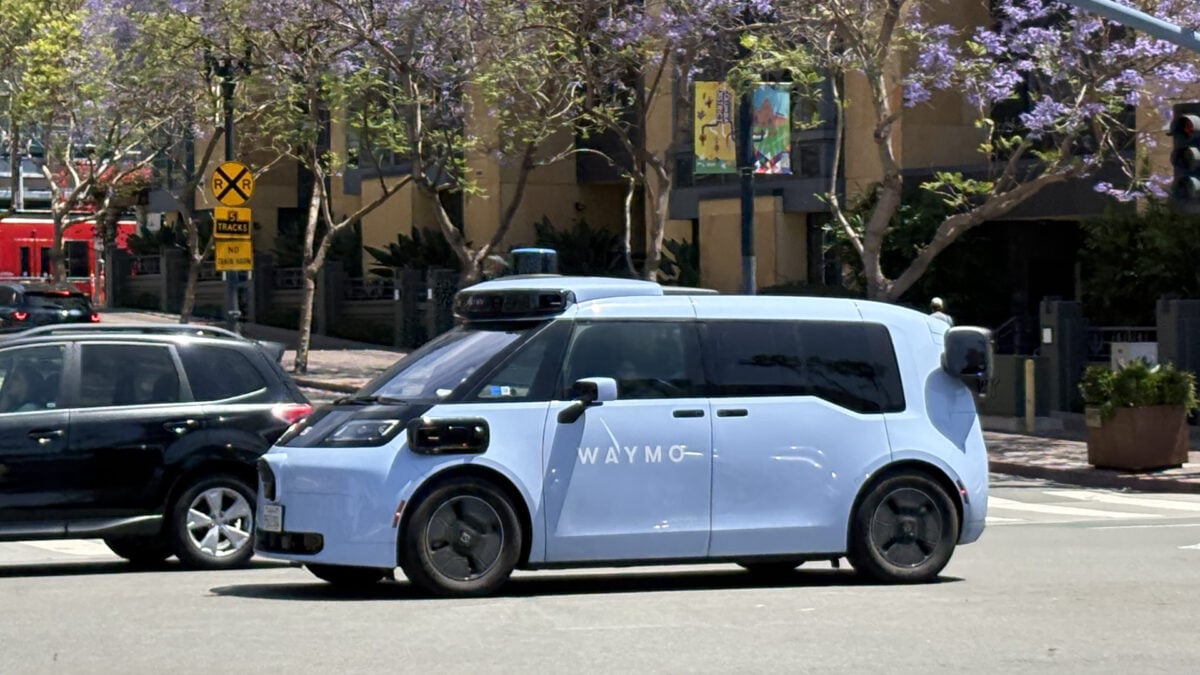
Waymo Recalls Nearly 4,000 Robotaxis in U.S. After AI Fails to Handle Flooded Roads

Thumbnail Image

The information displayed in the AIM should not be reported as representing the official views of the OECD or of its member countries.

Waymo, Alphabet's autonomous vehicle division, is recalling nearly 4,000 robotaxis in the U.S. after its AI driving system failed to properly detect and stop for flooded roads, leading to safety risks and at least one injury. The company is updating its software and restricting operations in high-risk areas.[AI generated]

Why's our monitor labelling this an incident or hazard?

The event involves AI systems explicitly, namely autonomous vehicle AI stacks used by Waymo. The software glitch affecting the self-driving stack is a malfunction that could cause vehicles to drive onto flooded roads, posing a direct risk of harm to passengers and others. The recall is a response to this malfunction, indicating that the AI system's failure has already led to a recognized safety hazard. Therefore, this qualifies as an AI Incident due to the direct link between the AI malfunction and potential harm, even if no accidents are reported yet. The acquisition of the test site and other contextual information do not negate the presence of this incident but provide background.[AI generated]
AI principles
SafetyRobustness & digital security

Industries
Mobility and autonomous vehicles

Affected stakeholders
ConsumersGeneral public

Harm types
Physical (injury)

Severity
AI incident

AI system task:
Recognition/object detectionGoal-driven organisation


Articles about this incident or hazard

Thumbnail Image

The Apple Car Is Dead, and Waymo Just Bought Its Gravesite

2026-06-09
Gizmodo
Why's our monitor labelling this an incident or hazard?
The article clearly involves AI systems, specifically autonomous vehicle AI, but it does not describe any realized harm, incident, or risk of harm. There is no indication of injury, rights violations, disruption, or other harms caused or plausibly caused by the AI systems. The focus is on the acquisition and expansion of testing facilities and fleet, which is general AI-related news without a specific incident or hazard. Therefore, it fits best as Complementary Information, providing context and updates on AI ecosystem developments without reporting an incident or hazard.
Thumbnail Image

Waymo bought Apple's car proving ground to test its robotaxis

2026-06-09
The How-To Geek
Why's our monitor labelling this an incident or hazard?
The article centers on a corporate acquisition and strategic development in autonomous vehicle testing infrastructure involving AI systems. While AI systems are involved (autonomous driving platforms), the event does not describe any realized harm or a credible risk of harm stemming from the AI system's development, use, or malfunction in this transaction. The mention of a prior incident is background context, not the focus of this news. Therefore, this is best classified as Complementary Information, providing context and updates on AI ecosystem developments rather than reporting a new AI Incident or AI Hazard.
Thumbnail Image

Waymo buys Apple's abandoned self-driving car proving ground for $220M

2026-06-09
Electrek
Why's our monitor labelling this an incident or hazard?
The article clearly involves AI systems, specifically autonomous vehicle AI, as it discusses a proving ground for testing self-driving cars. However, there is no mention or implication of any injury, rights violation, disruption, or other harm caused by the AI systems. The event is about acquisition and expansion of testing infrastructure, which is a development in the AI ecosystem but does not constitute an incident or hazard. Therefore, it is best classified as Complementary Information, providing context and updates on AI system development and deployment without reporting harm or risk of harm.
Thumbnail Image

Apple Spent Billions Chasing A Self-Driving Car, Then Walked Away -- Waymo Now Bought The Test Site For $220 Million

2026-06-09
Yahoo! Finance
Why's our monitor labelling this an incident or hazard?
The event involves AI systems explicitly, namely autonomous vehicle AI stacks used by Waymo. The software glitch affecting the self-driving stack is a malfunction that could cause vehicles to drive onto flooded roads, posing a direct risk of harm to passengers and others. The recall is a response to this malfunction, indicating that the AI system's failure has already led to a recognized safety hazard. Therefore, this qualifies as an AI Incident due to the direct link between the AI malfunction and potential harm, even if no accidents are reported yet. The acquisition of the test site and other contextual information do not negate the presence of this incident but provide background.
Thumbnail Image

Waymo Acquires Massive Arizona Testing Facility from Apple for $220M

2026-06-09
Blockonomi
Why's our monitor labelling this an incident or hazard?
The article explicitly involves AI systems (autonomous driving technology) and their use in testing and scaling autonomous taxi fleets. However, there is no mention or implication of any harm, incident, or risk of harm caused or potentially caused by these AI systems. The event is primarily about a business transaction and infrastructure expansion, which supports ongoing AI development but does not itself constitute an incident or hazard. Therefore, it fits best as Complementary Information, providing context and updates on AI system deployment and ecosystem growth without reporting harm or risk thereof.
Thumbnail Image

Waymo Pays $220M for Apple's Old Self-Driving Car Test Ground

2026-06-09
AI Business
Why's our monitor labelling this an incident or hazard?
The article details a real estate acquisition related to AI system development infrastructure but does not describe any harm or risk caused or potentially caused by AI systems. The AI system involvement is clear (autonomous vehicle technology), but the event is about business and operational expansion without any incident or hazard. Therefore, it is best classified as Complementary Information, providing context on AI ecosystem developments without reporting harm or risk.
Thumbnail Image

Waymo test car keeps waking up London cul-de-sac residents

2026-06-11
BBC
Why's our monitor labelling this an incident or hazard?
The event clearly involves an AI system—Waymo's autonomous driving technology—whose malfunction or operational failure is directly causing harm to the community by disturbing residents' sleep repeatedly. This fits the definition of an AI Incident because the AI system's use has directly led to harm to a community (noise disturbance). The harm is realized and ongoing, not merely potential. Therefore, the classification is AI Incident.
Thumbnail Image

Waymo built a virtual driver to study how humans react to surprises on the road

2026-06-10
The Verge
Why's our monitor labelling this an incident or hazard?
The event involves the development and use of an AI system (the ReD cognitive model) for research and benchmarking purposes in autonomous vehicle safety. However, there is no reported harm or incident resulting from this AI system's use or malfunction. The article highlights proactive research and collaboration to improve safety standards, which fits the definition of Complementary Information as it provides supporting data and context about AI systems and their impact on the ecosystem without describing a new harm or plausible future harm event.
Thumbnail Image

Waymo says it built a better benchmark for comparing robotaxis to humans

2026-06-10
TechCrunch
Why's our monitor labelling this an incident or hazard?
The article explicitly discusses an AI system (the Reference Driver model) developed to simulate human driving behavior for safety benchmarking of autonomous vehicles. While the AI system is involved in safety evaluation, there is no indication that its development or use has directly or indirectly caused harm or violation of rights. The article mentions a past incident involving a Waymo robotaxi but does not link the new model to any harm or malfunction. The focus is on research advancement and making the model available for academic use, which aligns with Complementary Information as it supports understanding and improvement of AI systems rather than reporting harm or plausible future harm.
Thumbnail Image

When will Waymo and other driverless taxis be allowed on New Orleans streets? Here's latest.

2026-06-10
NOLA
Why's our monitor labelling this an incident or hazard?
The article explicitly mentions AI systems in the form of autonomous vehicles (Waymo's driverless taxis) and their planned use. However, no incident or harm has occurred yet; the driverless taxis currently operate with human drivers. The discussion centers on future regulation and safety measures to prevent potential harm. Therefore, this is a plausible future risk scenario (AI Hazard) rather than an incident or complementary information about a past event.
Thumbnail Image

Waymo built a virtual human driver to help its robotaxis avoid crashes

2026-06-10
The How-To Geek
Why's our monitor labelling this an incident or hazard?
The article explicitly mentions an AI system (ReD) developed to improve autonomous vehicle safety. It references recent collisions and dangerous events involving Waymo's robotaxis, including a crash causing minor injury to a child. These incidents constitute harm to a person, fulfilling the criteria for an AI Incident. The AI system's development and intended use are directly related to these harms, as it aims to reduce such incidents. Although ReD itself is a new development and not the cause of the incidents, the article's context links the AI system's use and malfunction of autonomous vehicles to actual harm, justifying classification as an AI Incident rather than a hazard or complementary information.
Thumbnail Image

Waymo buys testing grounds in northwest edge of metro Phoenix

2026-06-10
AZ Central
Why's our monitor labelling this an incident or hazard?
The article focuses on Waymo's acquisition of a testing site and the expansion of its autonomous vehicle testing capabilities. While the AI system (Waymo Driver) is clearly involved, there is no indication of any realized harm or incident resulting from its use or malfunction. The mention of a pause in freeway service due to operational issues does not indicate any harm or accident. Therefore, this is not an AI Incident or AI Hazard. The article provides contextual information about AI system deployment and testing, which fits the definition of Complementary Information.
Thumbnail Image

Waymo made a virtual human driver to improve its robotaxis - Engadget

2026-06-10
engadget
Why's our monitor labelling this an incident or hazard?
The event involves an AI system (the ReD cognitive model) developed to simulate human driving behavior to improve autonomous vehicle safety. However, the article does not report any realized harm or incident caused by this AI system. It is a research and development effort aimed at preventing harm rather than an event where harm has occurred or is imminent. Therefore, it does not qualify as an AI Incident or AI Hazard. The article provides complementary information about ongoing AI safety research and collaboration, which fits the definition of Complementary Information.
Thumbnail Image

City Council discusses latest developments to bring Waymo to New Orleans

2026-06-11
WDSU News
Why's our monitor labelling this an incident or hazard?
The article involves AI systems (Waymo's autonomous vehicles) being tested and considered for deployment. However, there is no indication that any harm has occurred or that an incident has taken place. The concerns expressed are anticipatory and part of a regulatory and public discussion process. Therefore, this event represents a plausible future risk scenario but does not describe an actual incident or harm. Since the article mainly reports on ongoing developments and discussions without new harm or imminent risk, it is best classified as Complementary Information, providing context and updates on AI deployment and governance.
Thumbnail Image

Waymo drives into $220M land buy outside Phoenix

2026-06-10
The Real Deal New York
Why's our monitor labelling this an incident or hazard?
The article describes the acquisition and development of a testing site for autonomous vehicles, which are AI systems, but does not report any realized or potential harm linked to these AI systems. There is no indication of malfunction, misuse, or any incident causing harm or posing a credible risk of harm. Therefore, this is general AI-related news about company expansion and infrastructure, which falls under Complementary Information rather than an Incident or Hazard.
Thumbnail Image

Apple Burned $10B On a Car That Never Shipped. Waymo Just Bought The Graveyard For $220M

2026-06-10
Gadget Review
Why's our monitor labelling this an incident or hazard?
The article does not report any realized harm or incident caused by AI systems, nor does it describe a credible potential for harm (hazard). It focuses on corporate decisions, asset acquisition, and strategic pivots related to AI and autonomous vehicles, which fits the definition of Complementary Information. There is no direct or indirect harm, nor a plausible future harm, so it cannot be classified as an AI Incident or AI Hazard. It is not unrelated because it involves AI systems and their development context, but it is primarily informative and contextual.
Thumbnail Image

Apple Spent Billions Chasing A Self-Driving Car, Then Walked Away -- Waymo Now Bought The Test Site For $220 Million

2026-06-10
Yahoo! Finance
Why's our monitor labelling this an incident or hazard?
The article explicitly mentions a software glitch in Waymo's self-driving stack that could cause Robotaxis to drive onto flooded roads, which is a safety hazard. The recall of thousands of vehicles indicates recognition of a significant risk. Since the AI system's malfunction could directly lead to injury or harm to people, this meets the criteria for an AI Incident. The acquisition of Apple's self-driving test site and other contextual information do not negate the presence of this incident but provide background. The malfunction and recall are the central harmful event involving AI systems.
Thumbnail Image

Waymo builds benchmark model for robotaxi crash comparisons

2026-06-10
Crypto Briefing
Why's our monitor labelling this an incident or hazard?
The event involves an AI system (autonomous driving and simulation models) but does not describe any realized harm or incident caused by the AI system. The article focuses on a new benchmarking tool to measure safety and the existing safety record, which is positive overall. There is no direct or indirect harm reported, nor a plausible future harm scenario described. The article is primarily about a development in AI safety assessment and the potential for improved transparency and verification. Therefore, it fits best as Complementary Information, providing context and updates on AI system safety evaluation rather than reporting an AI Incident or AI Hazard.
Thumbnail Image

When could you start taking rides in a driverless car?

2026-06-10
WGNO - News With A Twist
Why's our monitor labelling this an incident or hazard?
The event involves AI systems (autonomous vehicles) in development and testing phases, with no realized harm or incidents reported. The focus is on planning, safety protocols, and regulatory measures to ensure safe deployment. Since no harm has occurred but there is a plausible risk associated with future use of autonomous vehicles, this qualifies as an AI Hazard rather than an Incident or Complementary Information. It is not unrelated because AI systems are central to the event.
Thumbnail Image

Santa Monica Property Owner Denied Spot in Waymo Litigation

2026-06-10
My News LA
Why's our monitor labelling this an incident or hazard?
The autonomous vehicles operated by Waymo are AI systems. The noise and light disturbances caused by their overnight operations have led to harm to residents' health and quality of life, as detailed by residents' declarations. This constitutes harm to people and communities, fulfilling the criteria for an AI Incident. The event focuses on the realized harm and legal actions related to the AI system's use, not just potential or future harm, nor is it merely complementary information or unrelated news.
Thumbnail Image

Waymo says it built a better benchmark for comparing robotaxis to humans

2026-06-10
RocketNews | Top News Stories From Around the Globe
Why's our monitor labelling this an incident or hazard?
The event involves an AI system (the autonomous driving software and the new behavioral model) used for benchmarking and safety evaluation. However, the article does not report a new AI Incident or AI Hazard; it discusses a research advancement and a tool to improve understanding and safety of autonomous vehicles. The past incident mentioned is background context, not the main focus or a newly reported harm. Therefore, this is Complementary Information as it provides context and updates on AI system development and safety assessment without describing a new harm or plausible future harm event.
Thumbnail Image

Waymo Builds Virtual: Waymo Virtual Human Driver

2026-06-10
TechnoSports Media Group
Why's our monitor labelling this an incident or hazard?
The article explicitly discusses an AI system (the Virtual Human Driver) under development by Waymo, which is intended to enhance autonomous vehicle training through simulation of human driving behavior. While the system is described as potentially improving safety and efficiency, there is no mention of any actual harm, accident, or violation caused by this AI system. The focus is on the development and potential impact rather than any realized incident. Thus, it fits the definition of an AI Hazard, as the system could plausibly lead to incidents in the future if deployed widely, but no incident has yet occurred. It is not Complementary Information because it is not an update or response to a past incident, nor is it unrelated since it clearly involves an AI system with potential safety implications.
Thumbnail Image

Waymo Says It Built A Better Benchmark For Comparing Robotaxis To Humans

2026-06-10
Breaking News, Latest News, US and Canada News, World News, Videos
Why's our monitor labelling this an incident or hazard?
The article explicitly discusses an AI system (the Reference Driver model) developed to simulate human driving behavior for benchmarking autonomous vehicles. The event involves the development and use of an AI system but does not describe any harm or incident caused by it. There is no mention of injury, rights violations, property damage, or other harms. The focus is on improving safety and understanding, and the release of the model for academic and research use is a governance and research development update. Hence, it fits the definition of Complementary Information rather than an AI Incident or AI Hazard.
Thumbnail Image

Driverless Car Testing Could Begin Soon in New Jersey

2026-06-11
Beach Radio
Why's our monitor labelling this an incident or hazard?
The event involves AI systems (autonomous vehicles) and their planned use in a pilot program, which could plausibly lead to harm if issues arise during testing or deployment. However, since the article only describes the upcoming testing phase and the expected safety benefits without any reported accidents, malfunctions, or violations, it does not meet the criteria for an AI Incident. It also does not present a credible or immediate risk of harm that would qualify as an AI Hazard. Instead, it provides information about the development and governance of AI systems in transportation, which fits the category of Complementary Information as it informs about societal and technological developments related to AI without reporting harm or imminent risk.
Thumbnail Image

Waymo test car keeps waking up London cul-de-sac residents

2026-06-11
BBC
Why's our monitor labelling this an incident or hazard?
The event explicitly involves AI systems in autonomous vehicles (self-driving cars) that are malfunctioning by repeatedly driving in a way that disturbs residents at night. This constitutes harm to communities (harm category d) due to noise disturbance and disruption of residents' sleep and peace. The AI system's malfunction is the direct cause of this harm. Therefore, this qualifies as an AI Incident.
Thumbnail Image

Lost driverless taxis send residents around the bend

2026-06-11
The Telegraph
Why's our monitor labelling this an incident or hazard?
The event involves an AI system (autonomous vehicle navigation AI) whose malfunction (difficulty mapping streets, erratic driving, repeated unnecessary maneuvers) is directly causing harm in the form of significant disturbance and disruption to residents (harm to communities). The vehicles' behavior is not just a potential risk but an ongoing issue causing real harm. Although no physical injury or property damage is reported, the persistent noise disturbance and erratic driving in a residential area constitute harm to communities under the framework. The involvement of AI in the vehicles' navigation and sensor systems is explicit, and the harm is directly linked to the AI system's malfunction during use. Hence, the event meets the criteria for an AI Incident rather than a hazard or complementary information.
Thumbnail Image

Welcome to the Waymo World Cup

2026-06-11
Wired
Why's our monitor labelling this an incident or hazard?
The article explicitly mentions Waymo's autonomous vehicles (an AI system) and their use during a major event. It references past operational issues (software recall, suspension of highway rides) but does not describe any realized harm such as injury, rights violations, or property damage. The concerns about traffic congestion and operational challenges are typical of vehicle use and do not constitute AI-specific hazards leading to harm. The article mainly provides an update on the AI system's deployment, challenges, and societal context, fitting the definition of Complementary Information rather than an Incident or Hazard.
Thumbnail Image

Residents repeatedly woken by Waymo test gone wrong

2026-06-11
Yahoo
Why's our monitor labelling this an incident or hazard?
The event explicitly involves AI systems (Waymo's self-driving cars) whose malfunction or operational issues have directly caused harm to the community by repeatedly disturbing residents with loud noises at night. The harm is realized and ongoing, not just potential. The disturbance affects residents' health and well-being through sleep disruption, which is a recognized form of harm to communities. The AI system's failure to navigate properly and the resulting noise disturbance are directly linked to the harm. Hence, this is an AI Incident rather than a hazard or complementary information.
Thumbnail Image

Lost driverless taxis send residents around the bend

2026-06-11
Yahoo
Why's our monitor labelling this an incident or hazard?
The autonomous taxis are AI systems whose malfunction or operational issues have directly caused harm to the community by disturbing residents with noise and erratic driving behavior. The vehicles' inability to correctly navigate the streets and the resulting repeated disturbances constitute harm to communities and individuals' well-being. The presence of a human driver during the crime scene incident does not negate the AI system's role in the broader pattern of malfunction and disruption. Therefore, this event meets the criteria for an AI Incident due to realized harm caused by the AI system's use and malfunction.
Thumbnail Image

Waymo and TU Delft publish active inference model for human crash avoidance

2026-06-11
autotechinsight.spglobal.com
Why's our monitor labelling this an incident or hazard?
The article discusses the development and use of an AI system (the active inference model) to simulate human behavior for evaluating an autonomous driving AI system (Waymo Driver). However, there is no indication of any harm occurring or plausible harm resulting from this research or its use. It is a research and benchmarking activity aimed at improving safety, not an incident or hazard. Therefore, it is complementary information providing context and understanding of AI system development and evaluation.
Thumbnail Image

Welcome to the Waymo World Cup | Tech Biz Web

2026-06-11
Tech Biz Web
Why's our monitor labelling this an incident or hazard?
The event involves AI systems (Waymo's autonomous vehicles) and their use in a real-world setting, with mention of past malfunctions and ongoing risk mitigation. However, there is no indication that these AI systems have directly or indirectly caused harm or incidents as defined by the framework. The article primarily provides contextual and preparatory information about AI deployment and its challenges, without reporting realized harm or a credible imminent threat. Therefore, it fits the category of Complementary Information, as it enhances understanding of AI system deployment and risk management without describing a new AI Incident or AI Hazard.
Thumbnail Image

Waymo retirará de circulación unos 3.800 vehículos en EEUU por riesgos de seguridad

2026-05-12
Yahoo!
Why's our monitor labelling this an incident or hazard?
The event involves an AI system explicitly: Waymo's autonomous driving software. The malfunction of this AI system has directly led to safety risks and at least one injury, fulfilling the criteria for an AI Incident due to harm to persons. The recall and safety measures are responses to these incidents. Therefore, this qualifies as an AI Incident rather than a hazard or complementary information.
Thumbnail Image

Waymo (Alphabet) retirará de circulación unos 3.800 vehículos en EEUU por riesgos de seguridad

2026-05-12
Expansión
Why's our monitor labelling this an incident or hazard?
The event involves an AI system explicitly described as the autonomous driving software in Waymo's robotaxis. The malfunction of this AI system has directly caused safety hazards, including vehicles losing control on flooded roads and a recent injury to a child. These constitute direct harm to people's health and safety, fulfilling the criteria for an AI Incident. The recall and safety measures are responses to these incidents but do not negate the fact that harm has occurred.
Thumbnail Image

Waymo emite un recall para sus robotaxis por problemas con inundaciones

2026-05-12
Cadena 3 Argentina
Why's our monitor labelling this an incident or hazard?
The event explicitly involves an AI system—Waymo's autonomous driving software controlling robotaxis. The malfunction in handling flooded roads has directly caused safety hazards and at least one incident where a vehicle was swept away, implying harm to property and potential risk to people. The recall is a response to these realized harms. Hence, the event meets the criteria for an AI Incident due to the AI system's malfunction leading to harm.
Thumbnail Image

Waymo retira sus robotaxis después que un vehículo circulara por una carretera inundada

2026-05-12
Diario La República
Why's our monitor labelling this an incident or hazard?
The event explicitly involves AI systems in autonomous vehicles (robotaxis) developed and operated by Waymo. The AI system malfunctioned by failing to avoid a flooded road, which is a direct safety hazard and could have caused injury or harm. The recall and operational suspension confirm the seriousness of the issue. The incident fits the definition of an AI Incident because the AI system's malfunction directly led to a hazardous situation affecting public safety, even though no injury occurred this time. The presence of investigations by NHTSA further supports the classification as an AI Incident.
Thumbnail Image

Waymo retira 3.791 robotaxis por fallas ante carreteras inundadas en EEUU

2026-05-12
DiarioBitcoin
Why's our monitor labelling this an incident or hazard?
The event involves an AI system explicitly: Waymo's autonomous driving software controlling robotaxis. The malfunction is in the AI system's use, where it failed to fully stop at flooded roads, causing at least one robotaxi to be swept away, which is harm to property and a safety hazard. The recall and software update are responses to this realized harm. The incident is not merely a potential risk but has already caused harm, meeting the criteria for an AI Incident rather than an AI Hazard or Complementary Information.
Thumbnail Image

Waymo reconoce problemas de detección tras un incidente con una carretera inundada

2026-05-14
La Razón
Why's our monitor labelling this an incident or hazard?
The event involves an AI system (Waymo's autonomous driving AI) whose malfunction in detecting flooded roads directly caused the vehicle to be swept away by floodwaters, constituting harm to property and a safety hazard. The incident has already occurred, so it is not merely a potential risk but a realized AI Incident. The update and operational restrictions are responses to this incident, but the primary event is the AI system's failure leading to harm. Therefore, this qualifies as an AI Incident rather than an AI Hazard or Complementary Information.
Thumbnail Image

Waymo lleva miles de coches autónomos a revisión por un problema de software que les llevaba a recorrer zonas inundadas

2026-05-14
Computer Hoy
Why's our monitor labelling this an incident or hazard?
The event involves an AI system explicitly: the automated driving systems (ADS) in Waymo's autonomous vehicles. The malfunction of this AI system directly led to a safety incident (driving into flooded roads), which could have caused injury or harm to passengers, thus meeting the criteria for harm to health (a). The recall and operational restrictions are responses to this incident. Therefore, this qualifies as an AI Incident because the AI system's malfunction has directly led to realized harm or risk to human safety. The presence of ongoing investigations into other accidents further supports the classification as an AI Incident rather than a hazard or complementary information.
Thumbnail Image

Uber prepara su apuesta robotaxi frente a Tesla y Waymo

2026-05-16
Yahoo Finance
Why's our monitor labelling this an incident or hazard?
The article centers on Uber's ambitions and investments in autonomous vehicle technology, which inherently involves AI systems for robotaxis. However, it does not describe any event where AI use or malfunction has caused harm or disruption, nor does it indicate a credible imminent risk of harm. Therefore, it does not qualify as an AI Incident or AI Hazard. Instead, it provides contextual information about the evolving AI ecosystem in autonomous mobility, making it Complementary Information.
Thumbnail Image

Autos de Waymo invaden vecindarios de Buckhead y generan preocupación entre familias

2026-05-16
https://www.telemundoatlanta.com
Why's our monitor labelling this an incident or hazard?
The presence and operation of Waymo's autonomous vehicles, which are AI systems, in residential areas causing traffic congestion, safety risks to children and pets, and community distress constitutes indirect harm to people and communities. The near-miss incidents with animals and the residents' safety concerns demonstrate realized harm. The recall for a software defect further underscores malfunction risks. The AI system's use and malfunction are directly linked to these harms, meeting the criteria for an AI Incident rather than a hazard or complementary information.
Thumbnail Image

Waymo recalls nearly 4,000 robotaxis due to dangerous software glitch

2026-05-13
New York Post
Why's our monitor labelling this an incident or hazard?
The event explicitly involves AI systems (Waymo's fifth and sixth generation automated driving systems) malfunctioning by driving into flooded areas, which is a direct failure of the AI system's navigation and decision-making capabilities. This malfunction has led to real-world safety risks and operational disruptions, including a vehicle being swept away by floodwaters and multiple vehicles stranded in flooded streets. Although no injuries occurred, the potential for harm and the actual operational disruption are clear. The recall and suspension of services indicate recognition of the AI system's role in causing these harms. Therefore, this qualifies as an AI Incident due to the direct link between the AI system's malfunction and realized harm or risk to health and safety.
Thumbnail Image

Waymo recalls entire fleet. What it means for new service in Nashville

2026-05-13
Yahoo Autos
Why's our monitor labelling this an incident or hazard?
The article explicitly mentions that the recall is due to a software flaw in the autonomous driving system (an AI system) that could cause vehicles to drive into floodwater, posing a direct risk of injury or harm. The AI system's malfunction is the root cause of the recall and the potential hazard. Even though no injuries have yet occurred, the risk is concrete and serious enough to warrant a recall, indicating realized harm potential and a direct link to AI malfunction. This fits the definition of an AI Incident as the AI system's malfunction has directly led to a hazardous condition affecting public safety.
Thumbnail Image

Waymo nearly doubles Houston service area before World Cup

2026-05-13
Axios
Why's our monitor labelling this an incident or hazard?
The event involves an AI system (autonomous vehicles) in active use and expansion, with mention of past safety issues but no new harm or plausible imminent harm described. The article focuses on the service expansion and market context rather than a specific AI incident or hazard. Thus, it fits the definition of Complementary Information, as it updates on AI system deployment and safety context without reporting a new incident or hazard.
Thumbnail Image

How this 'flooding problem' in US is forcing Google's Waymo to recall 3,800 robotaxis

2026-05-13
The Times of India
Why's our monitor labelling this an incident or hazard?
The autonomous driving AI system malfunctioned by failing to recognize and avoid flooded roadways, resulting in vehicles entering dangerous conditions, stalling, and one being swept into a creek. These events pose direct risks to safety and infrastructure, fulfilling the criteria for harm to persons and property. The recall and software updates are responses to these realized harms. Hence, this is an AI Incident due to the direct link between the AI system's malfunction and the harm caused.
Thumbnail Image

Waymo recalls entire driverless fleet to fix flood risk malfunction - National | Globalnews.ca

2026-05-13
Global News
Why's our monitor labelling this an incident or hazard?
The event involves an AI system (autonomous driving software) whose malfunction has directly led to a safety risk and at least one incident of driving into flooded roads, which can cause crashes or injury. The recall and investigation confirm the AI system's role in causing harm or risk of harm. Therefore, this is classified as an AI Incident due to realized harm and direct involvement of the AI system in the malfunction leading to potential injury.
Thumbnail Image

Waymo Admits Its Robotaxis Have a Small Issue With Driving Into Floodwaters

2026-05-13
Futurism
Why's our monitor labelling this an incident or hazard?
The autonomous driving system is an AI system as it makes real-time decisions to navigate roads. The incident stems from the AI system's malfunction in detecting and responding appropriately to floodwaters, leading to property damage and potential risk to human safety. This meets the criteria for an AI Incident because the AI system's malfunction directly led to harm (property damage and safety risk). The event is not merely a potential hazard or complementary information but a realized incident requiring recall and operational restrictions.
Thumbnail Image

Waymo expands robotaxi coverage more than 20% -- larger than Rhode Island

2026-05-13
Electrek
Why's our monitor labelling this an incident or hazard?
The event involves an AI system (autonomous driving AI) and its use (robotaxi service expansion). However, there is no mention or implication of injury, rights violations, property or community harm, or disruption of critical infrastructure. Nor does the article suggest plausible future harm or risks associated with this expansion. It is a factual update on the growth and operational status of an AI-powered service, which fits the definition of Complementary Information rather than an Incident or Hazard.
Thumbnail Image

Waymo self-driving taxi avoids crash on California highway, dashcam video shows

2026-05-13
ABC7 Chicago
Why's our monitor labelling this an incident or hazard?
The event involves an AI system (Waymo's autonomous vehicle) that used its AI capabilities to avoid a crash, thus preventing harm. There is no indication of malfunction or harm caused by the AI system; rather, it successfully averted harm. The event does not describe a realized harm or a plausible future harm caused by the AI system. Instead, it provides supporting information about the AI system's safe operation in a hazardous situation caused by a human driver. Hence, it fits the definition of Complementary Information rather than an AI Incident or AI Hazard.
Thumbnail Image

Waymo recalls 3,800 cars after issues with standing water in flood-prone Texas

2026-05-13
Houston Chronicle
Why's our monitor labelling this an incident or hazard?
The event explicitly involves an AI system—the automated driving software in Waymo's robotaxis—that malfunctioned by allowing vehicles to enter flooded areas, which is a direct safety hazard. The recall was initiated after incidents where vehicles entered floodwaters, which could cause injury or crashes, fulfilling the criteria for harm to persons. The AI system's malfunction and use are central to the event, and the harm is realized or imminent, not just potential. Hence, this qualifies as an AI Incident rather than a hazard or complementary information.
Thumbnail Image

Waymo recalls entire fleet. What it means for new service in Nashville

2026-05-13
The Tennessean
Why's our monitor labelling this an incident or hazard?
The event explicitly involves an AI system—Waymo's autonomous driving software—that malfunctioned by allowing a vehicle to drive into floodwater, a hazardous condition. This malfunction directly relates to safety risks for people and property, fulfilling the criteria for harm under the AI Incident definition. The recall and software update are reactive measures to address the malfunction. Since the harm is realized in the form of a dangerous incident (even if no injuries occurred), and the AI system's malfunction is the root cause, this is classified as an AI Incident rather than a hazard or complementary information.
Thumbnail Image

Waymo recalls robotaxi fleet after one drove into Texas floodwaters - UPI.com

2026-05-13
UPI
Why's our monitor labelling this an incident or hazard?
The incident involves an AI system (autonomous vehicle) whose malfunction caused it to drive into dangerous floodwaters, which is a direct safety hazard. The recall and software updates are responses to this malfunction. The event fits the definition of an AI Incident because the AI system's malfunction directly led to a hazardous situation with potential for injury or harm to people and property. The article describes a realized event, not just a potential risk, so it is not an AI Hazard. It is not merely complementary information or unrelated news.
Thumbnail Image

Waymo recalls nearly 3,800 robotaxis for glitch that may allow vehicles to drive into standing water

2026-05-13
FOX 32 Chicago
Why's our monitor labelling this an incident or hazard?
The event involves an AI system, specifically the automated driving systems in Waymo's robotaxis, which are AI-powered autonomous vehicles. The software glitch is a malfunction of the AI system that directly leads to a safety hazard with potential harm to people (risk of crash or injury). Since the harm is plausible and the recall is a response to an identified risk, this qualifies as an AI Incident due to the direct link between the AI system malfunction and potential physical harm. The recall and interim updates are mitigating actions but do not negate the classification as an incident because the risk and malfunction are real and recognized.
Thumbnail Image

Waymo recalls nearly 3,800 robotaxis for glitch that may allow vehicles to drive into standing water

2026-05-13
FOX 11 Los Angeles
Why's our monitor labelling this an incident or hazard?
The event explicitly involves AI systems (automated driving systems in robotaxis) whose malfunction (software glitch) has directly led to a safety hazard that could cause injury or crashes. The recall is due to this malfunction, and the risk of harm is clearly stated by the National Highway Traffic Safety Administration. Therefore, this qualifies as an AI Incident because the AI system's malfunction has directly led to a significant safety risk and potential harm.
Thumbnail Image

Nearly 3,800 Waymo robotaxis recalled due to problem with driving on flooded roads

2026-05-13
Washington Times
Why's our monitor labelling this an incident or hazard?
The event describes a malfunction of an AI system (Waymo's autonomous driving system) that directly led to harm to property and potential risk to human safety. The robotaxi failed to stop at a flooded road, resulting in the vehicle being swept away. This is a clear case where the AI system's malfunction caused harm, meeting the criteria for an AI Incident. The recall and mitigation efforts further confirm the recognition of this harm and the need to address it.
Thumbnail Image

Robotaxis Are "Safer" than Human Drivers, but Also They Sometimes Drive Into Floods, Whoops

2026-05-13
Jezebel
Why's our monitor labelling this an incident or hazard?
The article explicitly involves AI systems in the form of autonomous driving software controlling robotaxis. The incidents described include the AI system's malfunction in failing to avoid flooded roads and improperly passing stopped school buses, which are direct safety hazards. The recall and regulatory involvement further confirm the recognition of these malfunctions as safety issues. The harms are physical safety risks to passengers and the public, fitting the definition of injury or harm to persons. Since these harms have occurred or were narrowly avoided but are directly linked to the AI system's malfunction, the event is best classified as an AI Incident rather than a hazard or complementary information.
Thumbnail Image

Waymo continues to expand footprint in Miami

2026-05-13
NBC 6 South Florida
Why's our monitor labelling this an incident or hazard?
The article involves AI systems (autonomous robotaxis) and mentions a software recall due to an incident, but no injuries or other harms occurred. The recall and safeguards are responses to a prior incident, and the expansion is a business operation update. Since no harm has occurred in Miami and the recall is a mitigation measure, this qualifies as Complementary Information, providing updates on AI system deployment and safety measures rather than reporting a new AI Incident or AI Hazard.
Thumbnail Image

Waymo recalls almost 3,800 robotaxis after flooding incident in San Antonio | Houston Public Media

2026-05-13
Houston Public Media
Why's our monitor labelling this an incident or hazard?
The incident involves autonomous vehicles (AI systems) that failed to correctly interpret or act upon flood conditions, resulting in vehicles being swept into floodwaters. This malfunction directly caused harm to property and posed safety risks, fulfilling the criteria for an AI Incident. The recall of nearly 3,800 vehicles and operational changes further confirm the AI system's role in the harm. No injuries occurred, but the property damage and safety implications are significant. Hence, the event is classified as an AI Incident rather than a hazard or complementary information.
Thumbnail Image

Waymo Recalls 3,800 Autonomous Vehicles After “Puddle Incident†| ForkLog

2026-05-13
ForkLog
Why's our monitor labelling this an incident or hazard?
The autonomous vehicles use AI systems for navigation and decision-making. The software issues caused the vehicles to enter flooded roads, resulting in stalling and blocking traffic, which constitutes harm to communities and property. The incident is a direct consequence of AI system malfunction. Therefore, this qualifies as an AI Incident because the AI system's malfunction directly led to harm and disruption. The recall and mitigation efforts are responses to this incident, but the primary event is the AI Incident itself.
Thumbnail Image

Glitch Allows Waymos to Enter Flooded Roads, Prompting Probe, Voluntary Recall

2026-05-13
SFist - San Francisco News, Restaurants, Events, & Sports
Why's our monitor labelling this an incident or hazard?
The event involves an AI system explicitly (Waymo's automated driving system) whose malfunction (failure to stop or detour from flooded roads) directly led to harm (vehicle swept away, potential safety risks). The recall and federal investigation confirm the harm and the AI system's pivotal role. Hence, it meets the criteria for an AI Incident rather than a hazard or complementary information.
Thumbnail Image

Waymo driverless cars are coming to the West Valley

2026-05-13
San José Spotlight
Why's our monitor labelling this an incident or hazard?
The article describes the deployment and expansion of an AI system (Waymo's autonomous vehicles) and the associated societal and governance considerations. There is no indication that any harm has occurred or that a specific incident involving the AI system has taken place. While concerns about safety and liability are raised, these are prospective and do not describe a concrete event of harm or malfunction. Therefore, the article fits best as Complementary Information, providing context and updates on AI deployment and societal responses without reporting an AI Incident or AI Hazard.
Thumbnail Image

Waymo Recalls 3,800 Robotaxis Due To Flood Risk

2026-05-13
RTTNews
Why's our monitor labelling this an incident or hazard?
The autonomous driving system is an AI system controlling the robotaxis. The incidents where vehicles ended up in floodwaters and became stuck demonstrate a malfunction or failure of the AI system to correctly assess and avoid hazardous flooded roads, leading to harm to property and potential safety risks. Therefore, this qualifies as an AI Incident due to the realized harm caused by the AI system's malfunction.
Thumbnail Image

Waymo recalls almost 3,800 robotaxis after flooding incident in San Antonio

2026-05-13
Texas Public Radio
Why's our monitor labelling this an incident or hazard?
The event explicitly involves an AI system (Waymo's autonomous driving software) whose malfunction (failure to stop or reroute upon detecting flooded roads) directly led to vehicles being swept into floodwaters, causing harm to property. While no physical injuries occurred, the incident fits the definition of an AI Incident because the AI system's malfunction directly caused harm and risk. The recall and operational changes further confirm the AI system's role in the incident.
Thumbnail Image

Waymo Recalls 3,800 Robotaxis After One of Them Drives Into a Flooded Road

2026-05-13
PCMag Australia
Why's our monitor labelling this an incident or hazard?
The autonomous vehicle's AI system failed to correctly identify and respond to a hazardous flooded road, leading to the vehicle being swept away. This is a direct malfunction of the AI system causing harm to property and potential harm to people had passengers been present. The recall and suspension of services confirm the seriousness of the incident. Therefore, this qualifies as an AI Incident under the definition of harm caused by AI system malfunction.
Thumbnail Image

Waymo Issues Software Recall After Robotaxi Drives Into High Water

2026-05-13
710 KURV - The Valley's News/Talk Station
Why's our monitor labelling this an incident or hazard?
The autonomous vehicle is an AI system performing real-time navigation and decision-making. The incident was caused by the AI system's malfunction (driving into high water), which directly led to harm to property (the vehicle) and potential risk to safety. The recall affects the entire fleet, showing the issue is systemic. Although no human injury occurred, the harm to property and potential safety risk meet the criteria for an AI Incident.
Thumbnail Image

Waymo recalls more than 3,500 self-driving cars after defect allows vehicle to drive into flooded roadway

2026-05-13
FOX Weather
Why's our monitor labelling this an incident or hazard?
The event explicitly involves AI systems (Waymo's 5th and 6th Generation Automated Driving Systems) whose malfunction allowed vehicles to drive into flooded roads, posing a safety hazard. Although no injury occurred, the defect directly relates to the AI system's failure to prevent a hazardous situation, which is a safety-critical harm to persons. The recall and updates are responses to this AI Incident. Therefore, this qualifies as an AI Incident due to the direct link between the AI system malfunction and potential harm to people.
Thumbnail Image

Self-Driving Robotaxi Recall After San Antonio Flood Incident - News Directory 3

2026-05-13
News Directory 3
Why's our monitor labelling this an incident or hazard?
The event involves an AI system (Waymo's autonomous driving software) whose malfunction or failure to adequately respond to flood hazards directly led to the vehicle being swept away by floodwaters, posing a risk to property and potentially to people if occupied. The recall and software update are responses to this realized harm and safety risk. Although no injuries occurred, the incident constitutes harm to property and a safety incident caused by the AI system's failure, meeting the criteria for an AI Incident rather than a hazard or complementary information.
Thumbnail Image

Waymo Recalls Entire Driverless Fleet To Fix Flood Risk Malfunction

2026-05-13
Breaking News, Latest News, US and Canada News, World News, Videos
Why's our monitor labelling this an incident or hazard?
The event involves an AI system (Waymo's autonomous driving software) whose malfunction has directly led to a safety incident and poses a risk of injury or harm to passengers or others on the road. The recall is to fix this malfunction, which is a clear example of an AI system's use leading to harm or risk of harm. The presence of a reported incident and the potential for crashes or injury meets the criteria for an AI Incident rather than a hazard or complementary information.
Thumbnail Image

Waymo vehicles 'putting American lives at risk,' source warns amid autonomous vehicle company's massive recall - AOL

2026-05-14
Aol
Why's our monitor labelling this an incident or hazard?
The article explicitly describes an AI system (Waymo's autonomous driving software) malfunctioning in real-world conditions, causing direct physical safety risks (harm to persons) and prompting a large-scale recall. The AI system's failure to handle flooded roadways has already led to incidents, fulfilling the criteria for an AI Incident. Furthermore, the concerns about espionage risks linked to foreign components in the vehicles, while not confirmed as causing harm yet, add to the severity of the incident. The AI system's development and use have directly led to harm and significant safety concerns, justifying classification as an AI Incident rather than a hazard or complementary information.
Thumbnail Image

Waymo vehicles 'putting American lives at risk,' source warns amid autonomous vehicle company's massive recall

2026-05-14
Fox News
Why's our monitor labelling this an incident or hazard?
The article explicitly mentions an AI system (Waymo's automated driving system) malfunctioning by allowing vehicles to drive into flooded areas, increasing crash and injury risk, which is a direct physical harm to people. The recall by NHTSA confirms the issue's seriousness. The mention of potential espionage risks linked to foreign components further supports concerns about harm to communities or national security. Since actual harm or risk of harm has occurred and is ongoing, this is an AI Incident rather than a hazard or complementary information.
Thumbnail Image

Uber and Waymo are partners. They're also starting to sound like rivals.

2026-05-14
Business Insider
Why's our monitor labelling this an incident or hazard?
The article explicitly involves AI systems in the form of autonomous vehicle technology operated by Waymo and Uber. It details a specific malfunction event (Waymo robotaxi driving into a flooded roadway) that led to a software recall, indicating a failure or malfunction of the AI system with potential safety implications (harm to persons or communities). Additionally, the video shared by Uber's CTO highlighting a 'scary Waymo moment' further illustrates concerns about AI system reliability and safety. These factors demonstrate direct or indirect harm or risk caused by AI system use and malfunction, meeting the criteria for an AI Incident rather than a mere hazard or complementary information. The article also discusses broader policy and deployment issues but the presence of actual incidents with safety implications takes precedence.
Thumbnail Image

Dallas residents raise safety concerns as Waymo expands

2026-05-15
CBS News
Why's our monitor labelling this an incident or hazard?
The article explicitly involves an AI system—Waymo's autonomous driving AI—whose use has directly led to traffic violations and a software malfunction causing vehicles to drive into standing water. These events have caused safety concerns among residents, indicating potential or actual harm to people. The recall and operational changes confirm the AI system's malfunction and the company's response. Given the direct link between the AI system's malfunction/use and the risk of injury or harm to people, this event meets the criteria for an AI Incident rather than a hazard or complementary information.
Thumbnail Image

Waymo incidents worry Dallas residents

2026-05-15
CBS News
Why's our monitor labelling this an incident or hazard?
Waymo's autonomous vehicles are AI systems that make real-time driving decisions. The reported incidents, such as failing to pull over for emergency vehicles and driving improperly in school zones, indicate malfunctions or misuse of the AI system that could directly or indirectly lead to harm or disruption. Since these incidents have already occurred and caused concern among residents, this qualifies as an AI Incident under the framework.
Thumbnail Image

Waymo recalls thousands of its driverless cars after some failed to avoid flooded roads

2026-05-14
Los Angeles Times
Why's our monitor labelling this an incident or hazard?
The event involves an AI system explicitly (Waymo's Automated Driving System) whose malfunction (software defect) has directly led to increased risk of crashes and injury by failing to avoid flooded roads. The recall and reported incidents demonstrate realized harm or risk of harm to people, meeting the definition of an AI Incident. The presence of prior safety incidents and the recall action further confirm the AI system's role in causing harm or potential harm. Therefore, this is classified as an AI Incident.
Thumbnail Image

Waymo’s Coverage Area Is Growing and Will Soon Be Larger Than Rhode Island

2026-05-14
Gizmodo
Why's our monitor labelling this an incident or hazard?
The article involves an AI system (Waymo's autonomous driving system) whose use has directly led to harm (the robotaxi striking a child) and safety concerns (software issue leading to a recall to prevent potential harm). The incident of striking a child constitutes an AI Incident due to injury/harm to a person caused by the AI system's operation. The recall due to a software issue that could cause vehicles to drive onto flooded roads also relates to malfunction with potential harm. Since the article references a realized harm incident and ongoing safety issues, the classification is AI Incident. The main focus is not solely on the expansion or general news but includes mention of actual harm and safety investigations, which take precedence.
Thumbnail Image

Waymo recalls thousands of its driverless cars after some failed to avoid flooded roads

2026-05-14
ArcaMax
Why's our monitor labelling this an incident or hazard?
The event explicitly involves an AI system (Waymo's Automated Driving System) malfunctioning by failing to avoid flooded roads, which directly increases the risk of crashes and injury to people. The recall is a response to this malfunction and the associated safety hazard. The harm is materialized or imminent, as the vehicles have driven into flooded roads, which is a direct safety hazard. This meets the definition of an AI Incident because the AI system's malfunction has directly led to harm or risk of harm to persons. The event is not merely a potential hazard or complementary information, but a concrete incident prompting a recall.
Thumbnail Image

Waymo, driverless car fleets recalled across Texas amid federal investigations

2026-05-15
mySA
Why's our monitor labelling this an incident or hazard?
The article explicitly describes AI systems in autonomous vehicles causing or potentially causing harm: Avride's automated driving system is linked to multiple crashes and a minor injury, which is direct harm to people and property. Waymo's AI system has a software flaw that could cause vehicles to enter flooded lanes, posing a safety hazard; although no harm has yet occurred, the recall is a response to a real risk. Both companies' AI systems are under federal scrutiny and recall, indicating the AI systems' development and use have directly or indirectly led to harm or significant safety risks. This fits the definition of an AI Incident, as the harms are materialized or imminent and linked to AI system malfunction or use.
Thumbnail Image

Waymo Recalls 3.8K Robotaxis After Software Failure

2026-05-14
Newser
Why's our monitor labelling this an incident or hazard?
The event explicitly involves an AI system—Waymo's autonomous driving software—and a malfunction in its operation led directly to a harmful incident (vehicle swept away by floodwaters). Even though no physical injuries occurred, the incident caused harm to property and posed a risk to safety. Therefore, this qualifies as an AI Incident due to the AI system's malfunction causing harm and prompting a recall.
Thumbnail Image

Waymo recalls 3,800 robotaxis after one drove itself into a flood

2026-05-14
TheRegister.com
Why's our monitor labelling this an incident or hazard?
The event explicitly involves an AI system (Waymo's Automated Driving System) malfunctioning by misjudging flooded road conditions, leading to a vehicle driving into floodwater and becoming stuck. This malfunction directly risks injury and crashes, fulfilling the criteria for harm to persons (a). The recall and suspension of services indicate the harm is materialized or imminent. Hence, it qualifies as an AI Incident rather than a hazard or complementary information.
Thumbnail Image

Warum Waymo jetzt Tausende Robotaxis zurückrufen muss

2026-05-14
futurezone.at
Why's our monitor labelling this an incident or hazard?
Waymo's robotaxis are AI systems performing autonomous driving. The recall is due to the AI system's malfunction in handling flooded roads, which is a direct safety risk. Even though no injuries occurred, the malfunction has led to operational disruption and a recall, which fits the definition of an AI Incident as the AI system's malfunction has directly led to a harm-related event (safety risk and operational disruption). The company's response with an over-the-air update and ongoing technical fixes further confirms the AI system's role in the incident.
Thumbnail Image

Waymo recalls software of robotaxis over risk of driving into flooded roads

2026-05-14
NBC 5 Dallas-Fort Worth
Why's our monitor labelling this an incident or hazard?
The autonomous taxis use AI systems for navigation and decision-making. The software malfunction allowed vehicles to enter flooded lanes, which is a direct safety hazard that could lead to crashes or injuries. Although no injury occurred in the reported incident, the risk is real and materialized enough to prompt a recall. This fits the definition of an AI Incident because the AI system's malfunction directly led to a significant safety risk (harm to health) and the recall is a response to that harm potential. Therefore, this event is classified as an AI Incident.
Thumbnail Image

Waymo recalls 3,800 robotaxis after floodwater sweeps one vehicle away

2026-05-14
NewsBytes
Why's our monitor labelling this an incident or hazard?
The Waymo robotaxi is an AI system performing autonomous driving. The incident where the vehicle drove into a flooded lane is a malfunction of the AI system's operational decision-making. Although no harm occurred, the event posed a direct risk of injury or property damage, prompting a recall and software updates to mitigate this risk. The AI system's malfunction directly led to a hazardous situation, meeting the criteria for an AI Incident as the AI's failure caused or could have caused harm.
Thumbnail Image

Waymo issues voluntary software recall after driverless car drives into flooded lane in Texas

2026-05-15
FOX5 Las Vegas
Why's our monitor labelling this an incident or hazard?
The event involves an AI system (Waymo's autonomous driving software) malfunctioning by continuing to drive into flood waters despite detecting the hazard. This malfunction directly created a safety risk, which is a form of harm to people and critical infrastructure management. The recall and software fix indicate recognition of the AI system's role in the incident. Although no injury occurred, the incident's nature and response qualify it as an AI Incident rather than a mere hazard or complementary information.
Thumbnail Image

Waymo recalls thousands of its driverless cars after some failed to avoid flooded roads

2026-05-14
Eagle-Tribune
Why's our monitor labelling this an incident or hazard?
The recall concerns an AI system (Waymo's Automated Driving System) malfunction where the AI failed to avoid flooded roads, which is a direct safety hazard. The malfunction could lead to injury or harm to passengers or others on the road. Since the AI system's malfunction has already caused vehicles to drive into dangerous conditions, this constitutes an AI Incident rather than a potential hazard or complementary information.
Thumbnail Image

Waymo Issues Recall After Car Drives Into Flooded Road | Silicon

2026-05-14
Silicon UK
Why's our monitor labelling this an incident or hazard?
The autonomous driving software is an AI system controlling vehicle behavior. The malfunction in handling flooded roads caused a vehicle to be swept away, which is harm to property and a safety risk. This qualifies as an AI Incident because the AI system's malfunction directly led to harm. The recall and updates are mitigation measures but do not change the classification of the original event as an incident.
Thumbnail Image

Waymo Expands Robotaxi Service In Houston Prior To World Cup

2026-05-14
710 KURV - The Valley's News/Talk Station
Why's our monitor labelling this an incident or hazard?
The presence of AI systems is explicit as the robotaxis are driverless cars relying on AI for navigation and decision-making. The incidents described involve the use and malfunction of these AI systems, leading to potential harm (vehicle swept away, traffic violation). Even though no injuries occurred, the events represent direct or indirect harm to property and risk to public safety, fulfilling the criteria for AI Incidents. The article focuses on these incidents rather than just the expansion or general news, so it is not merely complementary information or unrelated.
Thumbnail Image

Waymo Recalls 3,791 Self-driving Car Taxis Over Flooded-Road Risk

2026-05-14
El-Balad.com
Why's our monitor labelling this an incident or hazard?
The event involves an AI system (Waymo's Automated Driving System) controlling autonomous vehicles. The software defect caused vehicles to enter flooded roads, which is a direct safety hazard and has already occurred in at least one case (San Antonio flood incident). The recall and software updates are responses to this malfunction. Since the AI system's malfunction has directly led to a risk of injury and an actual incident, this meets the criteria for an AI Incident under the definition of harm to persons due to AI system malfunction.
Thumbnail Image

Moment man hurls rock at Waymo- before 'driverless car' runs red light

2026-05-14
Mail Online
Why's our monitor labelling this an incident or hazard?
The event involves a Waymo autonomous taxi, which is an AI system. The attack on the vehicle caused property damage, a recognized harm category. The vehicle running a red light to escape the attacker introduces a safety risk, potentially leading to harm. Although no injury is reported, the incident directly involves the AI system's use and leads to harm and risk. Hence, it meets the criteria for an AI Incident rather than a hazard or complementary information. The AI system's role is pivotal as the vehicle's autonomous operation is central to the event's context.
Thumbnail Image

Buckhead neighbors concerned over influx of Waymo cars

2026-05-14
https://www.atlantanewsfirst.com
Why's our monitor labelling this an incident or hazard?
The event describes AI systems (Waymo's autonomous vehicles) actively operating in neighborhoods, causing safety concerns and near misses, which is a direct impact on community safety (harm to communities). The recall for a software issue that could cause vehicles to drive into floods further highlights a malfunction risk. Although no injuries are reported, the near misses and safety concerns constitute indirect harm. The AI system's use and malfunction are contributing factors to these harms. Therefore, this event meets the criteria for an AI Incident rather than a hazard or complementary information.
Thumbnail Image

Recall Issued After Waymo Vehicle Briefly Identifies As A Jet Ski - CLAYCORD.com

2026-05-14
CLAYCORD.com
Why's our monitor labelling this an incident or hazard?
The self-driving vehicle is an AI system that made an erroneous decision by misidentifying a flooded lane as a jet ski, leading to the vehicle driving into a hazardous area. This malfunction directly led to a safety risk, fulfilling the criteria for an AI Incident under harm category (a) injury or harm to health, as the potential for injury was present and the incident involved a malfunction of the AI system. The recall and software update confirm the AI system's role and the need to mitigate harm.
Thumbnail Image

Empresa de táxis-robôs recolhe milhares de veículos após queda de carro em riacho

2026-05-14
cbn
Why's our monitor labelling this an incident or hazard?
The event explicitly involves an AI system—Waymo's autonomous driving platform—that malfunctioned by failing to avoid flooded areas, resulting in a vehicle being carried into a creek. This is a direct harm related to the AI system's malfunction, triggering a large-scale recall and suspension of services. The harm includes potential physical damage to the vehicle and risk to safety, fulfilling the criteria for an AI Incident. The recall and mitigation measures are responses to this incident, but the primary event is the malfunction causing harm, not just the response.
Thumbnail Image

Waymo is forced to recall THOUSANDS of robotaxis across the US

2026-05-14
Mail Online
Why's our monitor labelling this an incident or hazard?
The event involves an AI system explicitly (Waymo's self-driving software) whose malfunction caused a vehicle to drive into a flooded road and be swept away, posing a direct risk of injury or crash. The recall is a response to this realized harm risk. The incident meets the definition of an AI Incident as the AI system's malfunction has directly led to a significant safety hazard. Although no injuries occurred, the risk of injury was present and the recall acknowledges this. Therefore, this is not merely a hazard or complementary information but an AI Incident.
Thumbnail Image

Uber has been taking direct -- and indirect -- shots at its partner, Waymo

2026-05-14
DNYUZ
Why's our monitor labelling this an incident or hazard?
Waymo's robotaxis are AI systems operating autonomously to provide paid rides. The article reports a specific incident where a Waymo robotaxi drove into a flooded roadway, leading to a software recall affecting 3,800 vehicles. This indicates a malfunction of the AI system that could cause harm to passengers or property. Additionally, the article references other mishaps and safety concerns, showing that the AI system's use has directly or indirectly led to safety risks. Although no explicit injury is reported, the safety risks and operational failures meet the criteria for an AI Incident under the definition of harm to persons or communities. The article also discusses broader strategic and policy issues but the core harm-related event is the AI system malfunction and recall, which takes precedence in classification.
Thumbnail Image

Watch: Empty Waymo taxis flood into Atlanta neighborhood

2026-05-15
Yahoo Autos
Why's our monitor labelling this an incident or hazard?
The event clearly involves AI systems (autonomous Waymo taxis) whose routing behavior is causing disruption in a residential area and raising safety concerns. While no injuries or direct harm have been reported, the situation presents a credible risk of harm to residents, especially children and pets, and disruption of neighborhood traffic. The AI system's malfunction or suboptimal routing is the root cause. Since harm is plausible but not yet realized, this fits the definition of an AI Hazard rather than an AI Incident. The company's response indicates awareness and mitigation efforts, but the event itself is about the potential for harm due to AI system behavior.
Thumbnail Image

Empty Waymo Cars Mysteriously Swarming Atlanta Side Streets, on Video

2026-05-15
TMZ
Why's our monitor labelling this an incident or hazard?
Waymo's cars are autonomous vehicles controlled by AI systems. The reported behavior caused local traffic disruption, which could be considered a minor harm to community operation. However, the company has already addressed the routing issue, and no injuries or significant harm occurred. Since no direct or indirect harm materialized, and the company response mitigates the issue, this event is best classified as Complementary Information about an AI system's impact and response rather than an Incident or Hazard.
Thumbnail Image

Waymo Recalls Thousands Of Robotaxis After One Got Washed Away In A Flood | Carscoops

2026-05-15
Carscoops
Why's our monitor labelling this an incident or hazard?
The autonomous driving AI system detected floodwater but continued driving at reduced speed, leading to the vehicle being swept away. This malfunction directly caused harm to property and risk to safety. The recall and suspension of service confirm the seriousness of the incident. The AI system's failure to handle a known hazard (flooded roads) and the resulting damage meet the criteria for an AI Incident under the framework, as the AI system's malfunction directly led to harm.
Thumbnail Image

Watch: Empty Waymo taxis flood into Atlanta neighborhood - UPI.com

2026-05-15
UPI
Why's our monitor labelling this an incident or hazard?
The event involves AI systems (autonomous Waymo taxis) whose use (routing and navigation) is causing a disruption and safety concerns in a residential area. Although no direct harm (injury or property damage) has been reported, the AI system's behavior could plausibly lead to harm (e.g., accidents involving children or pets). Therefore, this qualifies as an AI Hazard because the AI system's use could plausibly lead to an AI Incident, but no actual harm has been reported yet.
Thumbnail Image

Empty Waymo Robotaxis Swarm Atlanta Neighborhood, Circle Cul-De-Sac For Hours

2026-05-15
Gadget Review
Why's our monitor labelling this an incident or hazard?
The event clearly involves an AI system (autonomous robotaxis) whose malfunctioning routing algorithm directly led to a significant disruption in a residential neighborhood, raising safety concerns. The harm here is disruption to community safety and property environment (residents' neighborhood), fitting harm category (d). The AI system's malfunction during use caused the incident, and the company's vague response underscores the issue. Although no physical injury occurred, the disruption and safety risk to residents, including children and pets, is a significant harm. Thus, this qualifies as an AI Incident rather than a hazard or complementary information.
Thumbnail Image

Packs of Empty Waymos Are Weirding Out Atlanta Neighborhood - Decrypt

2026-05-15
Decrypt
Why's our monitor labelling this an incident or hazard?
The event clearly involves an AI system—Waymo's autonomous vehicles operating with AI for navigation and routing. The vehicles' repeated empty loops through a residential area cause disruption to the community, which is a form of harm to communities. The issue stems from the AI system's use (routing and operation) malfunctioning or being mismanaged, leading to repeated unnecessary vehicle presence and disturbance. Although no physical injury or property damage is reported, the community disruption is a recognized harm category. The company's response to address the routing issue does not negate the fact that the harm is occurring. Therefore, this event meets the criteria for an AI Incident.
Thumbnail Image

Residents in Georgia say driverless Waymo cars are creating daily chaos on their streets

2026-05-15
ABC 22 - WJCL Savannah
Why's our monitor labelling this an incident or hazard?
The presence of autonomous Waymo vehicles (AI systems) is explicit. Their repeated looping and traffic congestion in residential areas have directly led to disruption of community life and raised safety concerns, which qualifies as harm to communities and potential harm to persons (children, pets). The harm is indirect but real, as the AI system's use is causing daily chaos and safety risks. Therefore, this event meets the criteria for an AI Incident rather than a hazard or complementary information.
Thumbnail Image

Empty Waymos keep appearing in Atlanta neighborhood. What's going on?

2026-05-15
Yahoo
Why's our monitor labelling this an incident or hazard?
Waymo's autonomous vehicles are AI systems performing real-time navigation and decision-making. The repeated appearance of empty vehicles in a residential cul-de-sac causing traffic congestion and confusion is a direct consequence of the AI system's routing or operational malfunction. Prior incidents involving safety concerns (entering a crime scene, passing stopped school buses) reinforce the pattern of AI-related malfunctions impacting public safety and community well-being. The company's acknowledgment and software updates indicate ongoing issues. The harm includes disruption to the community and potential safety risks, fitting the definition of an AI Incident.
Thumbnail Image

Empty Waymos invade Atlanta neighborhood, circle cul-de-sac for hours with no passengers

2026-05-15
Yahoo
Why's our monitor labelling this an incident or hazard?
The event involves AI systems (Waymo's autonomous vehicles) whose use has directly led to harm in the form of community disruption and safety concerns. The cars' autonomous routing behavior causes excessive traffic in residential cul-de-sacs, which residents find dangerous for children and pets. This is a realized harm to the community's safety and environment, meeting the criteria for an AI Incident. The company's response indicates acknowledgment and mitigation efforts, but the incident itself is ongoing and impactful.
Thumbnail Image

Empty Waymos keep appearing in Atlanta neighborhood. What's going on?

2026-05-15
Savannah Morning News
Why's our monitor labelling this an incident or hazard?
Waymo's autonomous vehicles are AI systems operating in a real-world environment. The repeated presence of empty vehicles in a residential area causing traffic disruption and confusion is a direct consequence of the AI system's routing and operational decisions. Previous incidents, such as entering a live crime scene and passing stopped school buses, further demonstrate safety risks linked to the AI system's malfunction or operational errors. These factors collectively show that the AI system's use has led to harm to the community and potential safety hazards, fitting the definition of an AI Incident.
Thumbnail Image

Táxis-robô entram em recall após incidente com falha no sistema

2026-05-15
Perfil Brasil
Why's our monitor labelling this an incident or hazard?
The event involves an AI system explicitly described as the autonomous driving software of Waymo's robot taxis. The malfunction of this AI system directly caused the vehicle to enter a hazardous flooded area, posing risks to safety and infrastructure. The recall and regulatory involvement confirm the seriousness of the harm and the AI system's role. The history of other incidents further supports the classification of ongoing harm related to AI system use. Hence, the event meets the criteria for an AI Incident due to direct harm and malfunction of an AI system in operation.
Thumbnail Image

Watch: Empty Waymo Cars Circle Atlanta Cul-de-Sacs, Frustrating Residents

2026-05-15
vinnews.com
Why's our monitor labelling this an incident or hazard?
The event explicitly involves autonomous vehicles, which are AI systems performing navigation and decision-making tasks. The vehicles' repeated circling and getting stuck in cul-de-sacs have directly led to community disruption and safety concerns, which are harms to the community and environment. The residents' complaints and Waymo's acknowledgment and response confirm the AI system's role in causing these harms. Hence, this is an AI Incident rather than a hazard or complementary information.
Thumbnail Image

Man Throws Rock at Waymo, Followed by Driverless Car Running Red Light - Internewscast Journal

2026-05-15
Internewscast Journal
Why's our monitor labelling this an incident or hazard?
The event explicitly involves an AI system (Waymo's autonomous vehicle) in operation. The AI system was being used when the vehicle was attacked, leading to property damage (broken windows) and a traffic safety risk (running a red light). The human safety driver accelerated through the red light to escape the attacker, which is a direct consequence of the AI system's use in this context. The incident caused realized harm (property damage and potential traffic hazard), meeting the criteria for an AI Incident. Although the AI system did not malfunction, its use was central to the event and the resulting harms.
Thumbnail Image

Waymo recalls thousands of self-driving cars after glitch led to creek accident - AOL

2026-05-16
Aol
Why's our monitor labelling this an incident or hazard?
The event involves an AI system (Waymo's automated driving system) malfunctioning during use, leading to a vehicle driving into a flooded road and being carried into a creek. This is a direct harm or risk of harm to property and potentially to people, fulfilling the criteria for an AI Incident. The recall and software update are mitigation measures following the incident. The presence of the AI system is explicit, the malfunction is clear, and the harm or risk of harm is materialized. Hence, the classification is AI Incident.
Thumbnail Image

Dozens of empty Waymos invade neighborhood in Atlanta leaving neighbors baffled

2026-05-16
The Independent
Why's our monitor labelling this an incident or hazard?
The event involves an AI system explicitly (Waymo's autonomous driving AI) whose use has directly led to community disruption and traffic problems, which fall under harm to communities and disruption of infrastructure management. The repeated malfunctions and problematic behaviors, including the current issue of empty vehicles circulating excessively and causing traffic jams, demonstrate realized harm. The presence of recalls and investigations further supports the classification as an AI Incident rather than a hazard or complementary information. The harm is not merely potential but ongoing and tangible, affecting residents' daily lives and safety.
Thumbnail Image

Rogue driverless cars terrorise residents

2026-05-16
News.com.au
Why's our monitor labelling this an incident or hazard?
The event clearly involves AI systems (Waymo's autonomous vehicles) whose development, use, and malfunction have directly or indirectly led to harms including community disruption, safety risks to residents and pedestrians, and traffic incidents. The routing behavior causing congestion and safety concerns in neighborhoods constitutes harm to communities. The recall and reported traffic violations indicate malfunctions that could cause injury or harm. The collision with a student, even without injury, is a direct safety incident involving the AI system. Therefore, this event meets the criteria for an AI Incident.
Thumbnail Image

50 Empty Waymos Invade Upscale Tiny Atlanta Neighborhood

2026-05-16
ZeroHedge
Why's our monitor labelling this an incident or hazard?
The event involves AI systems explicitly, as Waymo's robotaxis are fully autonomous vehicles relying on AI for navigation and operation. The residents' concerns about potential danger from the excessive presence of these autonomous vehicles indicate a plausible risk of harm to people in the neighborhood. However, there is no report of actual injury or damage occurring yet, only concerns and potential risk. Therefore, this situation qualifies as an AI Hazard, as the autonomous vehicles' operation could plausibly lead to harm but no harm has been reported so far.
Thumbnail Image

Man Climbs Into Waymo's Driver's Seat. Then He Gets A Call: 'Thanks For Doing This So I Don't Have To'

2026-05-16
Motor1.com
Why's our monitor labelling this an incident or hazard?
The article explicitly involves an AI system (Waymo's autonomous driving AI). The event centers on a passenger violating terms by sitting in the driver's seat, triggering the AI system to cancel the trip and alert support. No harm or injury occurred, and the system's safeguards functioned as intended. Although there is mention of a prior incident involving law enforcement, this article does not report new harm or a credible risk of harm from the AI system itself. The main focus is on describing the system's operational rules and user behavior, which enhances understanding of AI system deployment and safety protocols. Hence, it fits the definition of Complementary Information rather than an Incident or Hazard.
Thumbnail Image

Self-driving cars 'lack common sense' - would you ride in one?

2026-05-16
This is Money
Why's our monitor labelling this an incident or hazard?
The article explicitly mentions AI systems used in autonomous vehicles (Waymo Driver) and describes several incidents where these systems failed to appropriately handle unexpected or hazardous situations, such as driving into a flooded road and causing a vehicle to be swept away, or driving into a crime scene. These incidents have caused or could cause harm to people or property. The involvement of AI in these events is clear, and the harms have materialized or are ongoing. Hence, the event is best classified as an AI Incident.
Thumbnail Image

Waymo Says It's Fixing Routing Issue After Driverless Cars Flood Atlanta Neighborhood

2026-05-16
Baller Alert
Why's our monitor labelling this an incident or hazard?
The event involves autonomous vehicles controlled by AI systems for navigation and routing. The excessive and inappropriate routing through a residential area creates a plausible risk of harm to residents, especially children and pets, due to increased traffic and potential accidents. No direct harm or injury has been reported, so it does not meet the criteria for an AI Incident. The company's acknowledgment and efforts to fix the issue further support that harm is currently potential rather than realized. Therefore, this event is best classified as an AI Hazard, reflecting a credible risk of harm stemming from the AI system's use.
Thumbnail Image

Georgia Neighborhood Concerned Over Empty Waymo Cars Circling Streets Every Morning: 'Driverless Dystopia'

2026-05-16
The Nerd Stash
Why's our monitor labelling this an incident or hazard?
The event explicitly involves AI systems (driverless Waymo cars) whose autonomous routing behavior is causing repeated disruption and safety concerns in a residential area. Although no injuries or direct harm have occurred, the AI system's malfunction or misuse (circling without passengers, causing traffic issues) plausibly could lead to harm, such as accidents or community disruption. The company acknowledges the issue and is addressing it, but the problem remains ongoing. Since harm is plausible but not yet realized, this is best classified as an AI Hazard.
Thumbnail Image

Autonomous vehicles without passengers have invaded neighborhoods in Atlanta.

2026-05-16
Haberler.com
Why's our monitor labelling this an incident or hazard?
The incident clearly involves AI systems, as the autonomous vehicles rely on AI-based navigation and routing algorithms. The malfunction caused the vehicles to repeatedly circle a dead-end street and become stuck, which directly led to disruption in the neighborhood and raised safety concerns. This fits the definition of an AI Incident because the AI system's malfunction directly led to harm in terms of safety risk and disruption to the community.
Thumbnail Image

Waymo ruft 3.800 Robotaxi wegen Software-Fehlern zurück

2026-05-16
IT BOLTWISE® x Artificial Intelligence
Why's our monitor labelling this an incident or hazard?
The article explicitly involves an AI system—Waymo's autonomous driving software—that malfunctioned in real-world conditions, leading to safety hazards such as vehicles being driven into flooded areas and getting stuck. These are direct harms to people and communities (safety risks and operational disruptions). The recall and operational suspension are responses to these harms. The AI system's failure in perception and decision-making is the root cause, fulfilling the criteria for an AI Incident. The event is not merely a potential risk or a complementary update but a realized harm caused by AI malfunction.
Thumbnail Image

Autonomous cars 'lack common sense', industry chief warns - Dimsum Daily

2026-05-16
Dimsum Daily
Why's our monitor labelling this an incident or hazard?
The presence of AI systems is explicit, as the article discusses autonomous vehicles using AI for driving decisions. The incidents described involve the use and malfunction of these AI systems leading to direct or indirect harm or risk of harm to people and property (e.g., the flooded road incident causing vehicle loss, operational errors causing safety concerns). The recall of vehicles and the need for software improvements further confirm the AI systems' role in these harms. Although some incidents did not result in injury, the risks and actual harms meet the criteria for AI Incidents. The article also discusses the limitations of AI in handling unforeseen events, reinforcing the causal link between AI system shortcomings and the incidents. Hence, the classification is AI Incident.
Thumbnail Image

Waymo's Flooded Road Recall Exposes Limits of Self-Driving Cars in Real Weather

2026-05-17
WebProNews
Why's our monitor labelling this an incident or hazard?
The event involves an AI system (Waymo's autonomous driving software) whose malfunction directly led to a vehicle entering floodwaters, posing a risk of injury or crash. Although no injury occurred, the incident demonstrates a failure of the AI system to safely operate under certain weather conditions, which is a direct safety harm or near-harm event. The recall and regulatory involvement confirm the seriousness of the issue. This fits the definition of an AI Incident because the AI system's malfunction directly led to a significant safety hazard and potential harm to people, fulfilling the criteria for an AI Incident rather than a hazard or complementary information.
Thumbnail Image

Un Robotaxi emporté par les eaux : Waymo rappelle près de 4 000 véhicules pour une mise à jour

2026-05-15
01net
Why's our monitor labelling this an incident or hazard?
The event involves an AI system (Waymo's autonomous driving system) whose malfunction or poor decision-making directly led to a hazardous situation with potential for serious harm. Although no one was injured, the AI system's failure to recognize and avoid flooded roads constitutes an AI Incident due to the direct link between the AI's operation and the risk of harm. The recall and software update are responses to this incident, but the primary event qualifies as an AI Incident because the AI system's use directly led to a dangerous outcome.
Thumbnail Image

Waymo met à jour ses robotaxis pour qu'ils ne traversent plus des routes inondées - Numerama

2026-05-13
Numerama.com
Why's our monitor labelling this an incident or hazard?
The event involves an AI system (Waymo's autonomous driving AI) whose use led to a vehicle entering a flooded road, a situation that could cause injury or harm to passengers or others. This meets the criteria for an AI Incident because the AI system's use has directly or indirectly led to a harm scenario (risk of injury or harm to people). The update deployment and ongoing issues confirm the AI system's involvement in causing or contributing to the harm. Although no injury occurred in the specific incident, the risk and occurrence of unsafe behavior by the AI system qualifies as an incident rather than just a hazard or complementary information.
Thumbnail Image

Waymo rappelle près de 4 000 taxis pour leur apprendre à ne pas se noyer

2026-05-15
Génération-NT
Why's our monitor labelling this an incident or hazard?
The event explicitly involves an AI system (Waymo's autonomous driving AI) whose malfunction led directly to harm: a vehicle was lost after driving into a flooded road. The AI's decision-making was flawed due to programming constraints and inability to handle extreme conditions, which is a malfunction of the AI system. The harm includes property damage and potential safety risks. The recall and software update are responses to this incident. Therefore, this qualifies as an AI Incident because the AI system's malfunction directly caused harm and operational disruption.
Thumbnail Image

Waymo : les robotaxis rappelés après qu'une voiture se soit jetée dans l'eau

2026-05-13
Economie Matin
Why's our monitor labelling this an incident or hazard?
The event explicitly involves an AI system—Waymo's autonomous driving system controlling robotaxis. The incident occurred due to the AI system's failure to correctly respond to a flooded road, leading the vehicle into a creek. This is a malfunction of the AI system during its use. Although no physical injury occurred, the event posed a significant safety risk and operational disruption, triggering a recall of nearly 3,800 vehicles and suspension of services in a key market. The AI system's malfunction directly led to this harm and disruption, meeting the criteria for an AI Incident rather than a hazard or complementary information. The recall and software update are responses to the incident, not the main focus of the article, which centers on the incident itself.
Thumbnail Image

Quand les robotaxis veulent prendre un bain...

2026-05-13
Les Smartgrids
Why's our monitor labelling this an incident or hazard?
The event explicitly involves an AI system (Waymo's autonomous driving system) whose malfunction (failure to stop at a flooded road) directly led to a harmful incident (vehicle swept away by floodwaters). The AI system's perception and decision-making algorithms failed to correctly interpret environmental conditions, causing physical harm to property and posing potential risk to human safety. The recall and regulatory investigation further confirm the incident's seriousness. Hence, it meets the criteria for an AI Incident as the AI system's malfunction directly caused harm.
Thumbnail Image

Waymo suspends freeway rides, pauses Atlanta operations amid safety fixes

2026-05-21
Yahoo! Finance
Why's our monitor labelling this an incident or hazard?
Waymo's robotaxi service is an AI system performing autonomous driving tasks. The suspension and recall are due to identified safety risks from software issues that could lead to accidents or harm, such as entering flooded roads at high speed. The event describes a malfunction and use-related safety concern that has led to operational pauses and recalls to prevent harm. This fits the definition of an AI Incident because the AI system's malfunction has directly led to safety concerns and operational disruption, with plausible risk of injury or harm if unaddressed.
Thumbnail Image

Waymo-Robotaxis haben Problem mit überfluteten Straßen - WELT

2026-05-22
DIE WELT
Why's our monitor labelling this an incident or hazard?
Waymo's robotaxis are AI systems that autonomously navigate urban environments. The cars getting stuck on flooded streets after heavy rain is a malfunction or failure of the AI system to correctly assess and respond to hazardous conditions. This has led to the suspension of the service, which is a disruption of critical infrastructure (transportation service). The incident involves the use and malfunction of an AI system directly causing operational disruption and potential safety risks, fitting the definition of an AI Incident.
Thumbnail Image

Waymo-Robotaxis haben Problem mit überfluteten Straßen

2026-05-22
Focus
Why's our monitor labelling this an incident or hazard?
The robotaxis are AI systems performing autonomous driving tasks. The incident involves the AI system's malfunction in handling adverse weather conditions, leading to vehicles becoming immobilized in floodwaters. This directly disrupts the management and operation of critical transportation infrastructure and poses potential safety risks to passengers and others. Therefore, this qualifies as an AI Incident due to the realized harm and operational disruption caused by the AI system's failure.
Thumbnail Image

Waymo Suspends Service in Atlanta as Robotaxis Stumped by Floods

2026-05-21
Bloomberg Business
Why's our monitor labelling this an incident or hazard?
The article explicitly involves AI systems (Waymo's autonomous vehicles) whose malfunction (failure to detect and avoid flooded roads) has directly led to incidents where vehicles got stuck or swept away, posing risks to safety and causing operational disruption (service suspensions and recalls). These events meet the criteria for AI Incident as the AI system's malfunction has directly led to harm or risk thereof, including disruption of critical infrastructure (transportation services) and potential injury risks. The ongoing investigations by safety authorities further confirm the seriousness of these incidents.
Thumbnail Image

Waymo-Robotaxis haben Problem mit Überflutungen

2026-05-22
Kronen Zeitung
Why's our monitor labelling this an incident or hazard?
Waymo's robotaxis are AI systems with autonomous navigation capabilities. Their getting stuck due to inability to handle flooded roads is a malfunction during use, directly leading to disruption of service. This fits the definition of an AI Incident as it involves harm in the form of disruption to critical infrastructure (transportation service). The event does not merely describe a potential risk but an actual operational failure causing service suspension, thus qualifying as an AI Incident rather than a hazard or complementary information.
Thumbnail Image

Waymo pauses freeway robotaxi routes after safety and software concerns

2026-05-22
Fox Business
Why's our monitor labelling this an incident or hazard?
The event involves an AI system (Waymo's Automated Driving System) whose malfunction and performance issues have directly led to safety concerns, including incidents where vehicles failed to fully stop at flooded roadways, risking loss of control. The recall and operational pause are responses to realized or imminent harm risks, fulfilling the criteria for an AI Incident. The AI system's development and use have directly contributed to potential injury or harm to persons, meeting the definition of an AI Incident rather than a hazard or complementary information.
Thumbnail Image

Roboter-Taxis ertrinken: Waymo stoppt Dienst wegen Regenpannen

2026-05-22
Express.de
Why's our monitor labelling this an incident or hazard?
The autonomous driving AI system malfunctioned by failing to handle heavy rain and flooded roads, causing vehicles to become immobilized. This is a direct malfunction of an AI system leading to disruption of critical transportation infrastructure (robotaxi service) and potential safety hazards. The event involves the use and malfunction of an AI system, with realized harm in terms of service stoppage and operational failure. Hence, it meets the criteria for an AI Incident rather than a hazard or complementary information.
Thumbnail Image

Waymo stoppt Autobahnfahrten und Robotaxi-Dienste in Städten mit Starkregen

2026-05-22
heise online
Why's our monitor labelling this an incident or hazard?
The event involves AI systems explicitly, as Waymo's robotaxis are autonomous vehicles controlled by AI for navigation and decision-making. The incidents described—driving into flooded streets and unsafe behavior in construction zones—are malfunctions or failures in the AI system's operation. These malfunctions have led to tangible harm risks, such as vehicles getting stuck and potentially endangering passengers or others on the road. The suspension of services and software updates are responses to these AI-related safety failures. Although no actual injuries are reported, the direct link between AI malfunction and safety hazards meets the criteria for an AI Incident under the framework, as the AI system's use has directly led to harm or significant risk thereof.
Thumbnail Image

Waymo halts Atlanta robotaxi service after vehicle drives into flood By Investing.com

2026-05-21
Investing.com UK
Why's our monitor labelling this an incident or hazard?
The event involves an AI system (Waymo's autonomous vehicle) whose malfunction (failure to stop or avoid flooded roads) directly caused the vehicle to drive into a flood, posing safety risks and operational disruption. The suspension of service and vehicle recall due to software issues further confirm the AI system's role in causing harm or risk. Therefore, this qualifies as an AI Incident because the AI system's malfunction has directly led to harm or disruption.
Thumbnail Image

Waymo pauses Atlanta services as Robotaxis end up driving into floodwaters

2026-05-21
Firstpost
Why's our monitor labelling this an incident or hazard?
The robotaxis are AI systems performing autonomous navigation and decision-making. Their failure to avoid floodwaters and the resulting incidents, including a child being hit, constitute direct harm to health and safety. The company's admission of incomplete flood avoidance strategies and the ongoing investigations highlight the AI system's malfunction and use leading to harm. Therefore, this qualifies as an AI Incident due to realized harm and safety concerns caused by the AI system's operation.
Thumbnail Image

Regen-Alarm: Waymo stoppt Robotaxi-Service in zwei US-Städten nach Pannen!

2026-05-22
Kölner Stadt-Anzeiger
Why's our monitor labelling this an incident or hazard?
The autonomous vehicles operated by Waymo are AI systems that make real-time decisions for navigation and driving. The incidents where vehicles got stuck due to heavy rain and flooding represent malfunctions or limitations of the AI system in handling environmental conditions. This has directly led to disruption of critical transportation infrastructure (robotaxi services in multiple cities) and potential safety risks. Therefore, this qualifies as an AI Incident because the AI system's malfunction has directly led to harm in terms of service disruption and safety concerns.
Thumbnail Image

Waymo pauses Atlanta service as its robotaxis keep driving into floods | TechCrunch

2026-05-21
TechCrunch
Why's our monitor labelling this an incident or hazard?
Waymo's robotaxis are AI systems that autonomously navigate roads. The incidents described include a robotaxi driving into flooded streets and getting stuck, which poses safety risks, and a crash causing minor injury to a child. These are direct harms to persons and demonstrate malfunction or insufficient AI system performance. The illegal passing of stopped school buses also indicates failure to comply with traffic laws, which is a violation of legal obligations. The ongoing investigations further confirm the seriousness of these harms. Hence, this qualifies as an AI Incident.
Thumbnail Image

Waymo halts freeway rides after robotaxis struggle in construction zones | TechCrunch

2026-05-21
TechCrunch
Why's our monitor labelling this an incident or hazard?
The event involves AI systems (Waymo's autonomous driving software) whose malfunction or operational limitations in complex environments (construction zones, flooding) have caused service suspensions. Although no direct harm (injury, property damage) is reported, the described unsafe behavior (running through cones, police involvement) indicates a credible risk of harm. The company's proactive suspension to improve safety further supports the classification as a hazard rather than an incident. Thus, the event is best classified as an AI Hazard due to plausible future harm from AI system malfunction in real-world conditions.
Thumbnail Image

Waymo expands pause to four cities as robotaxis keep driving into floods | TechCrunch

2026-05-22
TechCrunch
Why's our monitor labelling this an incident or hazard?
The event explicitly involves AI systems (Waymo's autonomous robotaxis) whose malfunction or inadequate performance in adverse weather conditions has led to tangible harms: a vehicle stuck in floodwaters and a crash causing minor injury to a child. The company's recall and software updates indicate attempts to address these malfunctions. The involvement of regulatory investigations further confirms the seriousness of these incidents. Therefore, this qualifies as an AI Incident due to direct harm caused by the AI system's malfunction and use.
Thumbnail Image

Waymo's robotaxis can't handle floods, forcing Atlanta shutdown

2026-05-21
The How-To Geek
Why's our monitor labelling this an incident or hazard?
The event involves an AI system explicitly (Waymo's autonomous robotaxis) whose malfunction (failure to avoid flooded roads due to insufficient flood alert data and system limitations) has directly caused operational disruption and safety risks. The incident has led to a shutdown of service, recalls, and regulatory investigations, indicating realized harm and safety concerns. This fits the definition of an AI Incident because the AI system's malfunction has directly led to harm (disruption of critical infrastructure and risk to public safety).
Thumbnail Image

Autonomes Fahren: Waymo-Robotaxis haben Problem mit überfluteten Straßen

2026-05-22
Stuttgarter-Zeitung.de
Why's our monitor labelling this an incident or hazard?
The event involves an AI system (Waymo's autonomous driving software) whose malfunction or limitation in handling adverse weather conditions led to a vehicle getting stuck, which is a direct operational failure. This situation could lead to harm to passengers or others if not addressed, and the company has paused operations on highways to improve the software, indicating recognition of the risk. Since the AI system's malfunction has already caused operational issues and potential safety risks, this qualifies as an AI Incident rather than just a hazard or complementary information.
Thumbnail Image

Waymos in Atlanta and San Antonio keep driving into flooded roads - Engadget

2026-05-21
engadget
Why's our monitor labelling this an incident or hazard?
The autonomous vehicles are AI systems making real-time navigation decisions. Their failure to detect and avoid flooded roads caused vehicles to become stuck or swept away, constituting harm to property and disruption of service. The prior incident involving a child being hit by a Waymo vehicle further confirms harm to a person caused by the AI system's operation. These harms are directly linked to the AI system's malfunction or limitations. Hence, this qualifies as an AI Incident rather than a hazard or complementary information.
Thumbnail Image

Waymo-Robotaxis haben Problem mit überfluteten Straßen

2026-05-22
Freie Presse
Why's our monitor labelling this an incident or hazard?
The autonomous driving software qualifies as an AI system due to its real-time decision-making and navigation capabilities. The incidents of vehicles getting stuck in flooded streets are direct malfunctions of the AI system's inability to correctly assess environmental conditions, leading to harm to property and disruption of service. Therefore, this event meets the criteria for an AI Incident as the AI system's malfunction has directly led to harm.
Thumbnail Image

Waymo-Robotaxis haben Problem mit überfluteten Straßen

2026-05-22
Volksstimme.de
Why's our monitor labelling this an incident or hazard?
The robotaxis are AI systems performing autonomous driving tasks. Their malfunction in navigating flooded roads has directly led to operational disruption and potential safety risks, which qualifies as harm under disruption of critical infrastructure and potential injury risk. The suspension of service and software updates indicate ongoing issues with the AI system's performance in adverse conditions. Therefore, this event is an AI Incident due to realized harm and malfunction of the AI system.
Thumbnail Image

Waymo's autonomous taxis remain strangely drawn to floodwater

2026-05-21
Boing Boing
Why's our monitor labelling this an incident or hazard?
The autonomous vehicle is an AI system as it uses neural networks and software to navigate and make driving decisions. The event describes a malfunction where the AI failed to recognize floodwater as a hazard, leading to the vehicle driving into it and becoming stuck. This caused harm to property and posed safety risks, fulfilling the criteria for an AI Incident. The incident is not merely a potential risk but a realized event with direct consequences linked to the AI system's malfunction.
Thumbnail Image

Autonomes Fahren: Waymo-Robotaxis haben Problem mit überfluteten Straßen

2026-05-22
Trierischer Volksfreund. Die Zeitung für die Region Trier/Mosel
Why's our monitor labelling this an incident or hazard?
The autonomous driving system is an AI system as it performs complex real-time decision-making and navigation. The malfunction in recognizing flooded roads caused the vehicles to become immobilized, which is a direct failure of the AI system's operation. This has led to a disruption in the management and operation of critical transportation infrastructure (robotaxi service), and poses potential safety risks. Therefore, this qualifies as an AI Incident due to the realized harm from the AI system's malfunction affecting service operation and safety.
Thumbnail Image

Waymo halts service in 4-cities as robotaxis struggle with floodwaters

2026-05-22
NewsBytes
Why's our monitor labelling this an incident or hazard?
The event involves an AI system (Waymo's autonomous driving AI) whose malfunction or insufficient capability to handle flooded roads has led to service suspension and safety concerns. The AI system's inability to avoid flooded areas despite software updates indicates a failure to act appropriately, which is a form of malfunction. This has caused disruption to critical infrastructure (transportation services) and poses safety risks to passengers and the public, fitting the criteria for an AI Incident.
Thumbnail Image

Mountain View | Waymo-Robotaxis haben Problem mit überfluteten Straßen

2026-05-22
Radio Bielefeld
Why's our monitor labelling this an incident or hazard?
The article explicitly mentions autonomous vehicles (Waymo robotaxis) that use AI systems for driving. The AI system malfunctioned by failing to navigate safely through flooded streets, causing the vehicles to become stuck. This led to the suspension of the robotaxi service in multiple cities, which is a disruption of a critical transportation service and a potential safety hazard. The harm is direct and realized, not just potential, as vehicles were immobilized in hazardous conditions. Therefore, this event meets the criteria for an AI Incident.
Thumbnail Image

Autonomes Fahren: Waymo-Robotaxis haben Problem mit überfluteten Straßen

2026-05-22
Neue Presse Coburg
Why's our monitor labelling this an incident or hazard?
The autonomous vehicles use AI systems for navigation and decision-making. The failure to correctly interpret flooded road conditions caused the vehicles to become immobilized, which is a malfunction of the AI system. This situation disrupts the management and operation of critical infrastructure (urban transportation) and could potentially lead to harm if passengers or others were endangered. Since the incident has already occurred and caused operational disruption, it qualifies as an AI Incident.
Thumbnail Image

Waymo Has Not Fixed the Problem of Its Robotaxis Driving Through Flood

2026-05-22
Tech Times
Why's our monitor labelling this an incident or hazard?
The robotaxis are AI systems operating autonomously. Their failure to detect and avoid flooded roads led directly to the vehicles becoming stuck and damaged, which is harm to property and a safety risk. The incidents have already occurred, so the harm is realized, not just potential. The company's recall and patch efforts indicate attempts to fix a malfunction, but the problem persists, confirming the AI system's role in causing harm. Hence, this is an AI Incident rather than a hazard or complementary information.
Thumbnail Image

Waymo Pauses Freeway Robotaxis To Patch Flood And Construction Bugs

2026-05-21
Finimize
Why's our monitor labelling this an incident or hazard?
The event explicitly involves an AI system (Waymo's autonomous driving system) whose malfunction or inability to safely navigate flooded freeways has caused a recall and service suspension. The risk of entering flooded roads at high speeds is a safety hazard that could lead to injury or harm to persons, fulfilling the harm criteria. The pause and recall indicate that harm has either occurred or is imminent without intervention. Hence, this is an AI Incident due to the direct link between the AI system's malfunction and potential harm to people.
Thumbnail Image

Waymo expands pause to four cities as robotaxis keep driving into floods - RocketNews

2026-05-22
RocketNews | Top News Stories From Around the Globe
Why's our monitor labelling this an incident or hazard?
The event involves AI systems explicitly (Waymo's robotaxis use AI for autonomous driving). The AI system's malfunction in detecting and avoiding flooded roads has directly led to vehicles getting stuck and service pauses, which constitute harm through disruption of critical transportation infrastructure and potential safety risks. The company has issued a recall and paused services, indicating recognition of the malfunction and its consequences. Hence, this is an AI Incident rather than a hazard or complementary information.
Thumbnail Image

Waymo halts robotaxi service in two US cities after flooding incidents

2026-05-22
dpa International
Why's our monitor labelling this an incident or hazard?
The event explicitly involves AI systems in autonomous vehicles (robotaxis) that malfunctioned by driving into flooded roads and becoming stranded. This malfunction directly led to suspension of services, indicating harm in terms of disruption and potential safety risks. The AI system's failure to adequately assess or respond to environmental hazards (flooded roads) is a clear case of AI malfunction causing harm. Although no injuries are reported, the disruption and safety risk meet the criteria for harm under AI Incident definitions, specifically harm to people or communities through safety risks and service disruption.
Thumbnail Image

Waymo service in Atlanta still suspended after self-driving car stuck in Midtown floodwaters

2026-05-22
https://www.atlantanewsfirst.com
Why's our monitor labelling this an incident or hazard?
The event explicitly involves an AI system (Waymo's autonomous vehicle) whose malfunction (failure to correctly assess floodwater depth) led to the vehicle becoming stuck. Although no injury, property damage, or other harm occurred, the incident demonstrates a credible risk that such AI system limitations could lead to harm in the future (e.g., accidents or vehicle damage in flood conditions). The article discusses this as a known challenge and a 'corner case' to be addressed, indicating plausible future harm. Since no actual harm has occurred, this is best classified as an AI Hazard.
Thumbnail Image

Waymo Halts Freeway Rides After Robotaxis Struggle In Construction Zones

2026-05-21
Breaking News, Latest News, US and Canada News, World News, Videos
Why's our monitor labelling this an incident or hazard?
The article explicitly involves AI systems (Waymo's autonomous driving AI) and describes operational challenges and near incidents (e.g., hitting cones) in construction zones on freeways. While no injury or damage is reported, the robotaxis' struggles indicate a malfunction or limitation that could plausibly lead to harm if the system continued operating under these conditions. The suspension of freeway rides is a precautionary measure reflecting this risk. Since no actual harm has occurred, this is best classified as an AI Hazard rather than an AI Incident.
Thumbnail Image

Waymo Expands Pause To Four Cities As Robotaxis Keep Driving Into Floods

2026-05-22
Breaking News, Latest News, US and Canada News, World News, Videos
Why's our monitor labelling this an incident or hazard?
The event explicitly involves AI systems (Waymo's autonomous robotaxis) whose malfunction or inadequate performance in detecting and avoiding flooded roads has directly led to incidents of vehicles getting stuck in floods. This poses safety risks to people and disrupts transportation operations, fitting the definition of an AI Incident due to harm to persons and disruption of critical infrastructure (urban transport). The ongoing investigations by safety authorities further confirm the seriousness of the harm. Therefore, this is classified as an AI Incident.
Thumbnail Image

Waymo Pauses Atlanta Service As Its Robotaxis Keep Driving Into Floods

2026-05-21
Breaking News, Latest News, US and Canada News, World News, Videos
Why's our monitor labelling this an incident or hazard?
The robotaxis are AI systems performing autonomous driving tasks. Their failure to avoid flooded roads, resulting in a vehicle being stranded and requiring recovery, constitutes a malfunction leading to potential harm to property and safety risks to people. The service pause indicates operational disruption. The involvement of regulatory investigations further underscores the seriousness of the incident. Therefore, this qualifies as an AI Incident due to direct harm and operational disruption caused by the AI system's malfunction in real-world conditions.
Thumbnail Image

Waymo pauses Atlanta service as its robotaxis keep driving into floods

2026-05-21
GeekFence - Tech Insights That Matter
Why's our monitor labelling this an incident or hazard?
The robotaxis are AI systems performing autonomous driving tasks. Their failure to avoid flooded roads and illegal maneuvers around school buses, as well as the crash causing injury to a child, constitute direct or indirect harm to people and communities. The company's recall and software updates indicate attempts to address these malfunctions, but the incidents have already caused or risked harm. Therefore, this qualifies as an AI Incident due to realized harm and ongoing safety investigations.
Thumbnail Image

Waymo suspends all freeway rides over safety issues

2026-05-22
sfstandard.com
Why's our monitor labelling this an incident or hazard?
The event involves an AI system (Waymo's autonomous driving software) whose use has led to a safety concern on freeways, specifically related to navigation in construction zones. The social media video implies a malfunction or failure in the AI system's operation, which could have caused harm or disruption. Although no confirmed harm is reported, the suspension indicates recognition of a safety risk. Given the direct link between the AI system's malfunction and potential harm, this qualifies as an AI Incident due to the realized safety issue and operational suspension in response to it.
Thumbnail Image

A journalist in Waymo gets stuck in the Atlanta flood

2026-05-21
11Alive.com
Why's our monitor labelling this an incident or hazard?
Waymo's driverless vehicles are AI systems that make real-time navigation decisions. The incidents where these vehicles entered flooded streets and stalled, causing a journalist to be stranded, demonstrate a failure or malfunction of the AI system in managing environmental hazards. This directly led to harm (stranding and potential safety risk), fitting the definition of an AI Incident.
Thumbnail Image

Waymo Suspends Service in Six Cities After Cars Drove Into Flooded Roads

2026-05-22
The New York Times
Why's our monitor labelling this an incident or hazard?
Waymo's autonomous vehicles rely on AI systems for navigation and decision-making. The reported incidents where cars drove into flooded roads and stopped in hazardous conditions demonstrate a malfunction or failure of the AI system to safely operate under adverse weather conditions. This malfunction has directly led to safety risks for passengers and the public, as well as operational disruptions. The company's response to suspend service to fix the software further confirms the AI system's role in causing harm. Hence, the event meets the criteria for an AI Incident as the AI system's malfunction has directly led to harm and disruption.
Thumbnail Image

Waymo pauses robotaxis in four Texan cities and Atlanta over flooded road risk

2026-05-22
BBC
Why's our monitor labelling this an incident or hazard?
The event involves AI systems explicitly (Waymo's autonomous driving software) whose malfunction has directly led to physical harm risks (vehicles entering flooded roads and being swept away) and operational disruption (service pauses and recalls). The recall and service suspension indicate recognition of the AI system's failure to safely navigate hazardous conditions, fulfilling the criteria for an AI Incident due to direct harm and disruption caused by the AI system's malfunction.
Thumbnail Image

USA: Waymo-Robotaxis haben ein Wetterproblem

2026-05-22
N-tv
Why's our monitor labelling this an incident or hazard?
The article explicitly describes AI systems (Waymo's autonomous robotaxis) involved in incidents causing harm: a child was injured by a robotaxi in California, and a robotaxi illegally overtook a stopped school bus in Texas. Additionally, the vehicles got stuck in flooded roads due to weather-related challenges, indicating malfunction or limitations of the AI system. These events directly or indirectly led to harm to persons and violations of traffic laws, fitting the definition of an AI Incident. The presence of investigations underscores the recognized harm and legal implications.
Thumbnail Image

Waymo pauses freeway rides to improve response in construction zones

2026-05-22
Yahoo Autos
Why's our monitor labelling this an incident or hazard?
The event involves an AI system (Waymo's autonomous driving AI) whose use has shown difficulties in construction zones, leading to a precautionary pause in freeway rides. Although past flooding incidents caused a recall, the current pause is a preventive action to avoid potential harm. There is no report of direct or indirect harm occurring from the AI system's malfunction in construction zones at this time. Therefore, this event represents a plausible risk of harm that the company is addressing, fitting the definition of an AI Hazard rather than an AI Incident or Complementary Information. It is not unrelated because it clearly involves an AI system and its operational challenges.
Thumbnail Image

Waymo expands service pause affecting Atlanta to 4 Texas cities over severe weather threats

2026-05-22
CBS News
Why's our monitor labelling this an incident or hazard?
The event involves an AI system (Waymo's autonomous vehicles) whose operation was directly affected by severe weather, leading to a service pause to prevent potential harm. The vehicle stuck in floodwater indicates a malfunction or limitation in the AI system's ability to handle sudden flooding, which could plausibly lead to harm if not managed. However, since no injury, property damage, or other harm has occurred, and the company is proactively pausing service to mitigate risk, this qualifies as an AI Hazard rather than an AI Incident. The event does not describe a response or update to a past incident, so it is not Complementary Information, nor is it unrelated to AI systems.
Thumbnail Image

Waymo suspends freeway rides, pauses Atlanta operations amid safety fixes

2026-05-22
ETAuto.com
Why's our monitor labelling this an incident or hazard?
The event explicitly involves an AI system—Waymo's autonomous driving software controlling robotaxis. The suspension and recall are responses to identified safety risks, including a robotaxi stopping in flood water and the potential for vehicles to enter flooded roads at unsafe speeds. These issues indicate malfunction or performance shortcomings of the AI system that could lead to harm (injury or harm to persons). Although no injury is reported yet, the direct link between the AI system's malfunction and safety concerns justifies classification as an AI Incident due to the realized risk and operational impact to prevent harm.
Thumbnail Image

Waymo suspends all freeway rides over safety

2026-05-22
Los Angeles Times
Why's our monitor labelling this an incident or hazard?
The article explicitly mentions that Waymo's autonomous driving AI software had defects causing vehicles to drive into flooded roads and minor collisions, including hitting a child and a cat, which are harms to health and property. The suspension and recalls are responses to these incidents. The AI system's malfunction is a direct contributing factor to these harms, fulfilling the criteria for an AI Incident. The event is not merely a potential hazard or complementary information but involves realized harm linked to AI system malfunction.
Thumbnail Image

Waymo suspends freeway driving amid safety concerns

2026-05-22
The Verge
Why's our monitor labelling this an incident or hazard?
The event involves the use and malfunction of an AI system (autonomous driving software) that led to unsafe driving behavior (driving through flooded roads at elevated speeds). This behavior poses a direct risk of injury or harm to people, fulfilling the criteria for an AI Incident. The company's response to suspend freeway driving and recall software indicates recognition of the harm caused or potential harm that has materialized.
Thumbnail Image

Waymo pauses robotaxi service in 4 cities as cars drive into floods

2026-05-22
Mashable
Why's our monitor labelling this an incident or hazard?
The event explicitly involves an AI system (autonomous vehicles) whose malfunction (driving into floodwaters) directly caused harm or risk of harm (vehicle stuck in flood, potential safety hazard). The company’s response to pause service indicates recognition of the incident's seriousness. Therefore, this is an AI Incident due to the realized harm and malfunction of the AI system in operation.
Thumbnail Image

Safety Concerns Prompt Waymo To Pause Highway Rides Across The U.S. And Atlanta Operations Altogether - Jalopnik

2026-05-22
Jalopnik
Why's our monitor labelling this an incident or hazard?
The event explicitly involves AI systems (Waymo's autonomous driving technology) whose malfunction or performance issues have led to safety concerns, including vehicles entering flooded roads, which poses a risk of injury or harm to people. The recall and operational pause indicate recognition of these risks. Although no specific harm is reported as having occurred, the identified risks and the recall imply a direct link to potential harm. Therefore, this qualifies as an AI Incident due to the direct or indirect link between the AI system's malfunction and safety risks to people.
Thumbnail Image

Waymo's Self-Driving Cars Can't Stop Diving Into Floods, So It Paused 5 Cities | Carscoops

2026-05-22
Carscoops
Why's our monitor labelling this an incident or hazard?
The event clearly involves AI systems (Waymo's autonomous driving technology) whose malfunction in perceiving and responding to flooded roads has directly caused harm to property and risk to safety. The incidents of vehicles being stranded or swept away are direct consequences of the AI system's failure. The recall and operational suspensions further confirm the recognition of harm caused. Therefore, this qualifies as an AI Incident under the framework, as the AI system's malfunction has directly led to harm.
Thumbnail Image

Waymo halts robotaxi service on US freeways after safety concerns emerge

2026-05-22
The How-To Geek
Why's our monitor labelling this an incident or hazard?
The article explicitly involves an AI system—Waymo's autonomous driving software controlling robotaxis. The suspension is due to safety issues arising from the AI system's operation, including prior incidents such as a collision with a child and vehicles stuck in flooded intersections, which constitute harm to persons (passengers, pedestrians). The AI system's malfunction or inadequate handling of complex driving environments has directly or indirectly led to these harms. The current suspension is a response to these realized harms and ongoing safety concerns, not merely a precaution against potential future harm. Hence, this event meets the criteria for an AI Incident rather than an AI Hazard or Complementary Information.
Thumbnail Image

Waymo suspends Houston service over Texas flooding risk on Memorial Day weekend

2026-05-22
Houston Chronicle
Why's our monitor labelling this an incident or hazard?
The event explicitly involves AI systems (Waymo's self-driving vehicles) whose malfunction in navigating flooded roads has directly led to safety risks and operational suspension. The recall and service suspension are responses to these malfunctions, indicating realized harm or risk to public safety. The AI system's failure to detect or avoid flooded roads constitutes a malfunction causing harm or potential injury, fulfilling the criteria for an AI Incident rather than a hazard or complementary information.
Thumbnail Image

Waymo pauses freeway use for driverless cars in Phoenix

2026-05-23
AZfamily.com
Why's our monitor labelling this an incident or hazard?
The event involves an AI system (Waymo's autonomous vehicles) whose use is temporarily restricted due to safety concerns related to their operation in complex environments (construction zones). While crashes have occurred, no direct harm or injury is reported in this article. The company's proactive pause suggests mitigation of potential harm rather than harm that has already materialized. Therefore, this situation represents an AI Hazard, as the AI system's current use could plausibly lead to harm if not addressed, but no confirmed incident of harm is described here.
Thumbnail Image

Waymo suspends robotaxi service in Dallas

2026-05-22
FOX 4 News Dallas-Fort Worth
Why's our monitor labelling this an incident or hazard?
The article explicitly mentions Waymo's autonomous vehicles (AI systems) causing or being involved in multiple safety incidents, including a crash injuring a child and traffic violations that could have led to harm. The suspension of services due to safety concerns confirms the materialization of harm or risk. The AI system's malfunction or failure to comply with traffic laws directly led to these harms, meeting the criteria for an AI Incident rather than a hazard or complementary information.
Thumbnail Image

Waymo: Google-Schwesterfirma setzt Robotaxis in zwei US-Städten aus

2026-05-22
manager magazin
Why's our monitor labelling this an incident or hazard?
The event involves AI systems explicitly (Waymo's self-driving cars) whose malfunction (getting stuck on flooded roads) caused disruption of service and potential safety risks. The AI system's inability to properly assess or respond to flooding conditions led to the incidents. This fits the definition of an AI Incident as the AI system's malfunction directly led to harm in terms of disruption and potential safety hazards. The article does not describe mere potential harm but actual events where the AI system failed in operation, justifying classification as an AI Incident.
Thumbnail Image

Waymo suspends Atlanta service after sudden downpour traps driverless car

2026-05-22
FOX 5 Atlanta
Why's our monitor labelling this an incident or hazard?
The event involves an AI system (Waymo's autonomous vehicle) whose malfunction (being trapped in floodwaters) led to a disruption of service but did not cause any direct or indirect harm such as injury, property damage, or violation of rights. The incident is a malfunction leading to operational disruption but without realized harm. Therefore, it does not meet the threshold for an AI Incident. It also does not represent a plausible future harm scenario beyond the current event, so it is not an AI Hazard. The article primarily reports on the incident itself rather than a response or broader context, so it is not Complementary Information. Hence, the classification is AI Incident because the malfunction caused a disruption (service suspension) and involved an AI system, even though no physical harm occurred, the operational disruption is significant.
Thumbnail Image

Waymo temporarily pauses driverless ride service in Houston ahead of severe Memorial Day storms

2026-05-22
KPRC
Why's our monitor labelling this an incident or hazard?
The autonomous vehicles operated by Waymo are AI systems making navigation decisions. Previous incidents where vehicles became stranded in floodwaters constitute AI Incidents due to direct or indirect harm or risk. The current pause is a precautionary operational response to severe weather and prior incidents, not a new incident or hazard itself. Therefore, this article primarily provides complementary information about ongoing risk management and operational adjustments following earlier AI Incidents, rather than reporting a new AI Incident or AI Hazard.
Thumbnail Image

Waymo halts service across Texas, Atlanta and Nashville amid weather concerns

2026-05-22
Austin American-Statesman
Why's our monitor labelling this an incident or hazard?
The article explicitly involves an AI system (Waymo's self-driving vehicles) and discusses its use being paused due to weather-related safety concerns. However, there is no indication that the AI system caused any injury, property damage, or rights violations. The prior incident of a vehicle being swept away by floodwaters is mentioned but is historical and not detailed as an AI malfunction causing harm. The current service stoppage is a proactive safety measure to prevent possible harm. Therefore, this event represents a plausible risk scenario where the AI system's operation could lead to harm if continued under severe weather, fitting the definition of an AI Hazard rather than an Incident or Complementary Information.
Thumbnail Image

Waymo suspends freeway rides, pauses operations in Atlanta and Dallas

2026-05-22
NBC 5 Dallas-Fort Worth
Why's our monitor labelling this an incident or hazard?
The event involves an AI system (Waymo's autonomous driving software) whose malfunction (risk of entering flooded roads at unsafe speeds) has led to a recall and suspension of operations to mitigate safety risks. While no direct harm has been reported, the identified risk is credible and safety-related, fitting the definition of an AI Hazard. The event does not describe realized harm or injury, so it is not an AI Incident. It is more than complementary information because it concerns a direct safety risk and operational pause due to AI system issues.
Thumbnail Image

Waymo temporarily suspends all freeway rides

2026-05-22
WKRN News 2
Why's our monitor labelling this an incident or hazard?
The event involves an AI system (Waymo's autonomous driving software) whose use has revealed potential safety risks (navigation in construction zones and flood detection on freeways). However, the company has paused operations before any harm occurred, indicating a risk of plausible future harm rather than realized harm. Therefore, this situation constitutes an AI Hazard because the AI system's malfunction or limitations could plausibly lead to harm if unaddressed, but no direct or indirect harm has yet materialized.
Thumbnail Image

Waymo service takes a multi-city rain check

2026-05-23
Morning Brew
Why's our monitor labelling this an incident or hazard?
The event explicitly involves AI systems (Waymo's autonomous driving technology) malfunctioning by failing to avoid floodwaters, leading to vehicles getting stuck and operational disruptions. This malfunction directly impacts safety and causes harm by exposing passengers and the public to risk, fulfilling the criteria for harm to persons and disruption of service. The company's recall and software updates indicate recognition of the malfunction. The federal investigations into other incidents involving the same AI system causing injuries further confirm the presence of harm linked to the AI system's use. Therefore, this event qualifies as an AI Incident rather than a hazard or complementary information.
Thumbnail Image

Waymo suspends robotaxi service to Atlanta and several Texas cities due to flooding

2026-05-22
Washington Times
Why's our monitor labelling this an incident or hazard?
The event clearly involves AI systems (Waymo's autonomous driving systems) whose malfunction or inadequate response to flood conditions directly led to operational disruptions and potential safety hazards for passengers and property. The robotaxis' failure to properly detect and respond to floodwaters constitutes a malfunction leading to harm or risk of harm, fulfilling the criteria for an AI Incident. The recall and software updates are responses to these incidents but do not change the classification of the original events.
Thumbnail Image

Waymo pauses driverless car service in Nashville after Atlanta flooding incident

2026-05-22
WSMV Nashville
Why's our monitor labelling this an incident or hazard?
The event involves an AI system (Waymo's autonomous driving technology) that malfunctioned by failing to navigate safely through floodwaters, resulting in the vehicle becoming stranded. This malfunction directly impacts passenger safety and operational safety, which qualifies as harm to persons and disruption of service. The suspension of service indicates recognition of this harm. Therefore, this qualifies as an AI Incident because the AI system's malfunction has directly led to harm or risk of harm.
Thumbnail Image

Waymo pauses freeway rides to improve response in construction zones

2026-05-22
ABC7 News
Why's our monitor labelling this an incident or hazard?
The event involves an AI system (Waymo's autonomous driving system) whose use has revealed operational challenges in construction zones on freeways. Although no direct harm is reported, the system's malfunction or inadequate response in these scenarios could plausibly lead to incidents causing injury or property damage. The company's proactive suspension of freeway rides to improve system response reflects acknowledgment of this plausible risk. Therefore, this event qualifies as an AI Hazard, as it describes circumstances where the AI system's use could plausibly lead to harm, but no harm has yet been reported.
Thumbnail Image

Waymo suspends service in six cities after cars drive into flooded roads

2026-05-22
The Spokesman Review
Why's our monitor labelling this an incident or hazard?
The event explicitly involves AI systems—Waymo's autonomous taxis—and their malfunction or inadequate performance in detecting and avoiding flooded roads. The AI system's failure to properly sense and respond to hazardous conditions has directly led to safety risks for passengers and the public, fulfilling the criteria for harm to people and communities. The temporary suspension of service and federal investigations further underscore the seriousness of the incident. Hence, this is an AI Incident rather than a hazard or complementary information.
Thumbnail Image

Waymo Passenger Documents Terrifying Ride As Robotaxi Flees Police Through A Construction Zone

2026-05-22
BroBible
Why's our monitor labelling this an incident or hazard?
The robotaxi is an AI system performing autonomous driving. The described event involves a malfunction or failure of the AI system to safely navigate road closures and police presence, resulting in hazardous driving behavior that endangered passenger safety. This constitutes direct harm or risk of harm to persons, fulfilling the criteria for an AI Incident. The company's suspension and recall actions confirm the seriousness of the safety failure.
Thumbnail Image

Waymo suspends robotaxi services on highways

2026-05-23
NBC Bay Area
Why's our monitor labelling this an incident or hazard?
The event involves an AI system (Waymo's autonomous driving system) and its use, but there is no reported harm or incident resulting from its operation. The suspension is proactive to improve the system's performance and safety, not due to a realized harm or malfunction causing damage. Therefore, this is not an AI Incident or AI Hazard. It is best classified as Complementary Information as it provides an update on the AI system's operational status and safety improvements.
Thumbnail Image

Waymo Pauses Service in Texas After Storm Strands Driverless Car in Atlanta | LatestLY

2026-05-22
LatestLY
Why's our monitor labelling this an incident or hazard?
The event involves AI systems (Waymo's driverless cars) whose malfunction or inability to operate safely during flooding led to vehicles being stranded and service suspension. This directly impacts the management and operation of critical infrastructure (transportation services) and poses potential safety risks. The AI system's malfunction under severe weather conditions is a direct factor in the incident. Although no physical injury is reported, the disruption and potential safety hazard meet the criteria for an AI Incident under harm category (b) - disruption of critical infrastructure.
Thumbnail Image

Waymo Robotaxis Have To Take A Break In Atlanta -- Can't Handle Flooding

2026-05-22
CleanTechnica
Why's our monitor labelling this an incident or hazard?
The event involves an AI system (Waymo robotaxis) whose malfunction or failure to properly detect and avoid flooded roads directly led to the vehicle stalling and service being paused. Although no injuries or property damage occurred, the AI system's failure to handle flooding represents a safety-related operational failure and disruption of service, which fits the definition of an AI Incident. The AI system's development and use are central to the event, and the incident reveals a harm scenario (potential safety risk and operational disruption) directly linked to the AI system's malfunction. Therefore, this is not merely a potential hazard or complementary information but an AI Incident.
Thumbnail Image

Waymo Pauses Atlanta Service Due To Floods

2026-05-22
Gadget Review
Why's our monitor labelling this an incident or hazard?
The article explicitly involves AI systems in autonomous vehicles (robotaxis) whose malfunctions and operational failures have directly caused or contributed to safety incidents, including a collision with a child and illegal traffic violations. The AI's inability to handle sudden flooding and failure to comply with traffic laws have led to realized harms and regulatory investigations, meeting the criteria for an AI Incident rather than a hazard or complementary information.
Thumbnail Image

Alphabet-Aktie dennoch höher: Waymo-Robotaxis haben Problem mit sehr nassen Straßen

2026-05-22
finanzen.at
Why's our monitor labelling this an incident or hazard?
Waymo's robotaxis are AI systems performing autonomous driving. The incidents of vehicles getting stuck in flooded streets due to AI software limitations represent malfunctions of the AI system during use. This has directly led to disruption in the operation of critical infrastructure (robotaxi services), which qualifies as harm under the framework. The article also mentions ongoing efforts to fix these issues, but the harm has already occurred. Therefore, this event is classified as an AI Incident.
Thumbnail Image

Alphabet Aktie: Waymo kämpft mit Nässe

2026-05-23
Börse Express
Why's our monitor labelling this an incident or hazard?
Waymo's autonomous vehicles are AI systems involved in real-time navigation and decision-making. The incidents where vehicles got stuck in flooded streets and the pause in operation due to software behavior in construction zones indicate malfunctions or limitations in the AI system's performance. These malfunctions have led to operational disruption and potential safety risks, which qualify as harm under the framework (disruption of operation and potential harm to persons). Therefore, these events constitute an AI Incident. The regulatory procedure against Google concerns competition law and is not directly related to AI system harm, so it is not part of the AI Incident classification.
Thumbnail Image

Waymo Temporarily Suspends Freeway Service After Weird Construction Zone Incident Goes Viral

2026-05-22
SFist - San Francisco News, Restaurants, Events, & Sports
Why's our monitor labelling this an incident or hazard?
The event explicitly involves an AI system (Waymo's autonomous driving software) malfunctioning during freeway navigation in construction zones, leading to a dangerous situation that endangered the rider and others. The incident caused a direct risk of injury or harm, fulfilling the criteria for an AI Incident under harm category (a) injury or harm to a person or group of people. The company's response to suspend freeway service to improve software further supports the classification as an incident rather than a hazard or complementary information.
Thumbnail Image

Waymo Software Fix Flops as More Cities Pause Robotaxi Service

2026-05-23
Baller Alert
Why's our monitor labelling this an incident or hazard?
The article explicitly describes an AI system (Waymo's autonomous driving software) whose malfunction or inadequate performance has directly led to safety incidents, including a robotaxi stranded in floodwaters and a crash causing minor injury to a child. These are harms to health and safety (a), and the failure to comply with traffic laws (illegal passing of school buses) constitutes a violation of legal obligations (c). The ongoing investigations and service pauses underscore the seriousness of these harms. Therefore, this qualifies as an AI Incident.
Thumbnail Image

Waymo Atlanta Flood Incident Sparks New Safety Concerns

2026-05-22
Baller Alert
Why's our monitor labelling this an incident or hazard?
The event involves an AI system (Waymo's autonomous driving software) whose malfunction or inadequate performance in detecting and avoiding flooded roads directly caused the vehicle to become stranded in floodwaters. This constitutes a direct or indirect harm to public safety and disruption of critical transportation infrastructure. The incident is not merely a potential risk but a realized event with tangible consequences, including service suspension and regulatory investigations. Therefore, it qualifies as an AI Incident under the framework, as the AI system's malfunction has directly led to harm and operational disruption.
Thumbnail Image

Waymo Halts Service in Five Cities: Flood Patch Fails Weeks After Recall, Permanent Fix Missing

2026-05-22
Tech Times
Why's our monitor labelling this an incident or hazard?
The event explicitly involves AI systems in Waymo's autonomous vehicles, including their sensor arrays and decision-making software. The incidents directly resulted from the AI's inability to accurately perceive flood depth and appropriately respond, causing vehicles to stall or be swept away, which constitutes harm to property and disruption of critical transportation infrastructure. Additionally, the child injury incident linked to the AI system's operation constitutes harm to a person's health. The ongoing federal investigations and multiple recalls further confirm the AI system's role in causing these harms. Therefore, this qualifies as an AI Incident due to direct harm and operational disruption caused by AI system malfunctions.
Thumbnail Image

Waymo pauses robotaxi service in Dallas amid weather, safety concerns

2026-05-22
KERA
Why's our monitor labelling this an incident or hazard?
The robotaxis are AI systems operating autonomously. The reported issues (illegal passing of stopped school buses, blocking traffic during emergencies) indicate malfunction or misuse of the AI system that could plausibly lead to harm (e.g., accidents, injury). The company's decision to pause service is a response to these safety concerns, showing recognition of potential hazards. Since no actual harm or injury is reported, and the pause is precautionary, this event fits the definition of an AI Hazard, where the AI system's use could plausibly lead to an AI Incident but has not yet done so.
Thumbnail Image

Waymo Suspends Service in Six Cities After Cars Drove Into Flooded Roads

2026-05-22
GV Wire
Why's our monitor labelling this an incident or hazard?
The event explicitly involves an AI system—Waymo's autonomous driving software—and its malfunction in navigating flooded roads, which directly led to safety hazards and operational disruptions. The AI system's failure to detect and avoid flooded roads caused the cars to stop in dangerous conditions, posing risks to passengers and others. The company's decision to suspend service to repair the software confirms the AI system's role in causing harm or potential harm. Therefore, this qualifies as an AI Incident under the definition of harm to health and safety resulting from AI system malfunction.
Thumbnail Image

Waymo takes multi-city pause over flood concerns, halts freeway access

2026-05-22
Silicon Valley
Why's our monitor labelling this an incident or hazard?
The article explicitly describes autonomous vehicles (AI systems) malfunctioning by driving into flooded roads, leading to vehicles getting stuck or swept away, which constitutes harm to property and potential risk to human safety. The AI system's failure to detect and appropriately respond to hazardous conditions directly led to these incidents. The company's recall and service pauses are responses to these realized harms. Hence, this is an AI Incident rather than a hazard or complementary information.
Thumbnail Image

Waymo Halts Robotaxis in Four Cities as Floodwaters Win Over Intelligent Driving

2026-05-22
Technology Org
Why's our monitor labelling this an incident or hazard?
The event explicitly involves AI systems (Waymo's autonomous driving technology) whose malfunction or inadequate response to environmental conditions (flooded roads, severe weather) has directly caused harm or risk of harm. The robotaxi stranded in floodwaters and the crash injuring a child are concrete harms linked to the AI system's operation. Additionally, regulatory investigations into illegal passing of stopped school buses and the crash further confirm the AI system's role in safety incidents. Therefore, this qualifies as an AI Incident due to realized harm and ongoing safety concerns.
Thumbnail Image

Waymo halts Atlanta robotaxi service after flood incident

2026-05-22
CBT Automotive Network
Why's our monitor labelling this an incident or hazard?
The event involves an AI system (Waymo's autonomous driving software) whose malfunction (software flaw related to flooded road detection) directly led to unsafe situations (robotaxis driving into flooded roads). The recall and service suspension indicate recognition of a safety hazard that has materialized, even if no injury occurred this time. The involvement of regulatory investigations further supports the classification as an AI Incident. The harm is related to potential injury or harm to people, fulfilling the criteria for an AI Incident rather than a hazard or complementary information.
Thumbnail Image

Waymo temporarily suspends all freeway rides

2026-05-22
phl17
Why's our monitor labelling this an incident or hazard?
The event involves an AI system (Waymo's autonomous driving software) whose use has revealed safety risks that could lead to harm (e.g., loss of vehicle control in flooded roadways, navigation issues in construction zones). However, the company has proactively paused freeway operations to mitigate these risks before any reported incident of harm occurring on freeways due to these issues. Since no actual harm has been reported yet but there is a credible risk that the AI system's malfunction could lead to harm, this qualifies as an AI Hazard rather than an AI Incident. The recall of vehicles due to flood risk and the suspension of freeway rides indicate a plausible future harm scenario that the company is addressing.
Thumbnail Image

Chaos bei Waymo: Robotaxi fährt in Fluten und flieht vor der Polizei - Dienst gestoppt

2026-05-22
fehmarn24.de
Why's our monitor labelling this an incident or hazard?
The article explicitly involves AI systems (Waymo's autonomous taxis) and details multiple failures in their operation that have caused or risked causing harm. The stuck vehicle in floodwaters and the collision with a child causing injury are direct harms to persons. The reckless driving and fleeing from police represent risks to public safety and potential harm to communities. The repeated software updates failing to fix these issues indicate malfunction and use-related problems. The involvement of regulatory bodies (NHTSA, NTSB) further confirms the seriousness of these incidents. Therefore, this event qualifies as an AI Incident under the OECD framework.
Thumbnail Image

Waymo's self-driving cars are getting stuck in floods

2026-05-22
dpa International
Why's our monitor labelling this an incident or hazard?
The self-driving cars are AI systems making real-time navigation decisions. Their getting stuck in floods is a malfunction of the AI system's operational capabilities, leading to disruption of critical transportation infrastructure and potential safety risks. The suspension of service indicates a direct consequence of the AI system's failure. Although no physical injuries are reported, the disruption and safety risk meet the criteria for harm under the AI Incident definition, specifically disruption of critical infrastructure and potential harm to people. Therefore, this event is classified as an AI Incident.
Thumbnail Image

WATCH: Waymo Suspends All Freeway Driving For Robotaxis After Viral Video

2026-05-22
AutoSpies.com
Why's our monitor labelling this an incident or hazard?
The autonomous vehicle's AI system malfunctioned in a construction area, causing behavior that scared a passenger, which constitutes harm or risk of harm to a person. The AI system's use and malfunction are central to the event, and the harm is realized (passenger fear and potential safety risk). Therefore, this qualifies as an AI Incident under the definition of injury or harm to a person due to AI system malfunction.
Thumbnail Image

Waymo pauses service in Texas due to severe weather concerns " ¡Que Onda Magazine!

2026-05-23
¡Que Onda Magazine!
Why's our monitor labelling this an incident or hazard?
The event involves AI systems (self-driving vehicles) whose use has directly led to safety risks, such as vehicles stranded in high water and entering flooded streets. These incidents pose potential harm to people and property, fulfilling the criteria for an AI Incident. The company's recall and service pause are responses to these realized safety issues caused by the AI system's malfunction or limitations in severe weather conditions.
Thumbnail Image

Waymo stoppt Robotaxi-Einsätze nach Starkregen: Software-Update reicht noch nicht

2026-05-23
IT BOLTWISE® x Artificial Intelligence
Why's our monitor labelling this an incident or hazard?
The event involves an AI system explicitly (Waymo's autonomous driving software) and describes a malfunction or limitation in its operation under extreme weather conditions, leading to vehicles getting stuck in flooded areas. This directly impacts the safety and operation of the robotaxi service, posing risks to passengers and public safety. The harm includes potential injury or harm to persons (passengers and others) and disruption of critical infrastructure (public roads and transport services). Therefore, this qualifies as an AI Incident because the AI system's malfunction has directly led to realized harm and operational disruption.
Thumbnail Image

Waymo stoppt Robotaxis wegen Problemen bei überfluteten Straßen

2026-05-23
IT BOLTWISE® x Artificial Intelligence
Why's our monitor labelling this an incident or hazard?
The article explicitly involves an AI system (Waymo's autonomous driving software) whose malfunction in perceiving and planning safe navigation through flooded streets has directly led to vehicles becoming immobilized, causing service suspension. This is a direct failure of the AI system's operation, impacting the management and operation of critical transportation infrastructure and posing safety risks. The harm is realized in the form of operational disruption and potential safety hazards, meeting the criteria for an AI Incident rather than a hazard or complementary information.
Thumbnail Image

Waymo stoppt Robotaxi-Fahrten auf Autobahnen wegen Baustellen-Performance

2026-05-23
IT BOLTWISE® x Artificial Intelligence
Why's our monitor labelling this an incident or hazard?
The article explicitly involves an AI system—Waymo's autonomous driving software controlling robotaxis. The event stems from the AI system's use and its current limitations in handling construction zones on highways, which could plausibly lead to safety incidents if not addressed. However, no direct or indirect harm has occurred yet; the company has proactively suspended highway operations to mitigate these risks. This fits the definition of an AI Hazard, as the AI system's malfunction or insufficient performance could plausibly lead to harm, but no harm has materialized. The article does not focus on responses to past incidents or broader governance issues, so it is not Complementary Information. It is clearly related to AI systems and their operational challenges, so it is not Unrelated.
Thumbnail Image

Waymo pausing freeway rides, services in more cities

2026-05-23
11Alive.com
Why's our monitor labelling this an incident or hazard?
Waymo's autonomous vehicles are AI systems involved in real-world use. The event involves the AI system's use encountering environmental hazards (flooding), leading to a service pause to avoid harm. Since no actual harm (injury, property damage, rights violations, or community harm) has occurred, and the pause is a preventive action, this constitutes an AI Hazard—there is a plausible risk of harm if the AI system continued operation under these conditions. The event does not report realized harm, so it is not an AI Incident. It is more than complementary information because it reports a direct operational response to a hazard, not just an update or governance response.
Thumbnail Image

Waymo Hits the Brakes on U.S. Robotaxi Expansion Over Flooding, Construction Risks - Tekedia

2026-05-22
Tekedia
Why's our monitor labelling this an incident or hazard?
The article explicitly involves AI systems in autonomous vehicles (robotaxis) that have been paused because of their inability to safely navigate flooded roads and construction zones, which are complex, unpredictable scenarios. The AI's failure to handle these conditions led to a recall and operational suspension, indicating a malfunction or limitation in the AI system's use. While no injuries occurred, the incident directly relates to safety risks that could cause harm, fulfilling the criteria for an AI Incident. The event is not merely a potential hazard or complementary information but a realized operational failure with safety implications.
Thumbnail Image

Waymo Suspends All Freeway Rides Over Safety

2026-05-22
Breaking News, Latest News, US and Canada News, World News, Videos
Why's our monitor labelling this an incident or hazard?
The event involves an AI system (Waymo's autonomous driving software) whose malfunction and use have directly caused safety incidents such as vehicles driving into flooded roads and minor collisions. These incidents constitute harm to persons and property, fulfilling the criteria for an AI Incident. The company's suspension of freeway rides and recalls are responses to these realized harms. Therefore, this event is classified as an AI Incident due to the direct link between the AI system's operation and safety-related harms.
Thumbnail Image

Waymo recalls 3,800 robo-taxis over flood risk

2026-05-22
Nourish
Why's our monitor labelling this an incident or hazard?
The autonomous taxis are AI systems making real-time driving decisions. The software bug represents a malfunction in the AI system's operation, which has already caused flood-related incidents in multiple cities. This malfunction directly risks injury or harm to people, fulfilling the criteria for an AI Incident. The recall and suspension of services are responses to this realized harm and risk.
Thumbnail Image

Waymo stoppt Robotaxi in Atlanta wegen Überschwemmungen â€" und prüft Updates

2026-05-22
IT BOLTWISE® x Artificial Intelligence
Why's our monitor labelling this an incident or hazard?
The event involves an AI system (Waymo's autonomous driving system) whose use and malfunction have directly led to harm and safety risks. The robotaxi's inability to adequately respond to flooding due to delayed weather data caused vehicles to become stuck, posing safety hazards. Furthermore, the referenced collision with a child resulting in injury confirms realized harm linked to the AI system's operation. These factors meet the criteria for an AI Incident, as the AI system's development, use, or malfunction directly or indirectly caused harm to persons and safety risks.
Thumbnail Image

Waymo's Robotaxis Keep Getting Stuck in Floodwater, and That's Becoming a Bigger Problem Than It Sounds

2026-05-22
Techloy
Why's our monitor labelling this an incident or hazard?
The robotaxis are AI systems performing autonomous driving tasks. The software issue causing failure to stop in flooded lanes is a malfunction of the AI system that directly risks injury or harm to people. The service pauses and vehicle recalls are responses to these malfunctions. The involvement of safety regulators and ongoing investigations further confirm the seriousness of the harm potential. The event describes realized safety risks and incidents, not just potential hazards or general AI news, so it meets the criteria for an AI Incident.
Thumbnail Image

Waymo Suspends Service in Six Cities After Cars Drove Into Flooded Roads

2026-05-22
DNYUZ
Why's our monitor labelling this an incident or hazard?
The event involves an AI system (Waymo's autonomous driving software) whose malfunction (failure to detect and avoid flooded roads) directly led to safety risks and operational disruption. The suspension of service in multiple cities and the videos showing cars stopped in floodwaters demonstrate realized harm or imminent risk to passenger and public safety. The AI system's failure to act appropriately in hazardous conditions constitutes a malfunction leading to potential injury or harm, fulfilling the criteria for an AI Incident. The event is not merely a potential hazard or complementary information but a concrete incident involving AI malfunction and safety concerns.
Thumbnail Image

Waymo Suspends Dallas, Austin, Houston Robotaxis After Flood Incidents

2026-05-22
Dallas Express
Why's our monitor labelling this an incident or hazard?
The event involves the use and malfunction of AI systems in autonomous vehicles, which have directly led to safety incidents including vehicles entering flooded roads and running red lights. These incidents pose injury risks to people and disrupt public safety, fulfilling the criteria for harm to persons and communities. The company's response with a software recall and service suspension confirms the AI system's role in these harms. The presence of ongoing investigations into collisions further supports the classification as an AI Incident rather than a hazard or complementary information. The AI system's malfunction and use have directly caused or contributed to these harms, meeting the definition of an AI Incident.
Thumbnail Image

Waymo robotaxis paused in four US cities amid puddle problems

2026-05-22
The Independent
Why's our monitor labelling this an incident or hazard?
The event involves an AI system (Waymo's autonomous driving technology) whose malfunction in adverse weather conditions has directly led to operational pauses and a vehicle recall, indicating a failure to safely perform its intended function. This malfunction poses a direct risk of harm to people and property, fulfilling the criteria for an AI Incident. The description of the AI system stopping at flooded roads and causing traffic disruption further supports the classification as an incident rather than a mere hazard or complementary information. There is no indication that harm was merely potential; the recall and suspension imply recognized safety issues.
Thumbnail Image

Waymo Robotaxi Pause Expands to 4 Cities After Flood

2026-05-22
TechnoSports Media Group
Why's our monitor labelling this an incident or hazard?
The event explicitly involves an AI system—Waymo's Level 4 autonomous driving system—whose malfunction or limitations in adverse weather conditions have directly led to safety risks by driving into flooded streets. This constitutes a direct or indirect harm to health and safety of persons, fulfilling the criteria for an AI Incident. The pause in service is a response to these incidents, indicating that harm or risk of harm has materialized. The description does not merely warn of potential future harm but reports actual incidents, so it is not an AI Hazard. It is not merely complementary information because the main focus is on the incidents and their consequences, not on responses or governance developments. Hence, the classification is AI Incident.
Thumbnail Image

Woman Trapped by Two Rogue Waymo Robotaxis for Nearly an Hour Calls 911: "Is the Officer Going to Argue With a Ghost?"

2026-05-23
Yahoo Autos
Why's our monitor labelling this an incident or hazard?
The event explicitly involves AI systems (Waymo robotaxis) whose malfunction or failure to act appropriately caused a significant traffic jam and trapped a driver for nearly an hour, which constitutes harm through disruption of traffic and distress to a person. The AI system's inability to resolve the standoff or move safely is a malfunction leading directly to harm. The article also references prior incidents and a company pause on freeway operations due to safety concerns, reinforcing the systemic nature of the issue. Therefore, this is an AI Incident due to realized harm caused by AI system malfunction during use.
Thumbnail Image

Waymos Have Trouble With Floods, Which Is Surprising

2026-05-23
Forbes
Why's our monitor labelling this an incident or hazard?
The Waymo robotaxis are AI systems performing autonomous navigation. Their failure to detect and avoid flooded roads has directly caused harm to property (vehicles stuck or washed away) and posed a risk to passenger safety, fulfilling the criteria for harm under AI Incident definitions. The recall and software update confirm the malfunction aspect. Although no injuries have occurred, the potential for injury is present, and the property harm and operational disruption are clear. Therefore, this event is best classified as an AI Incident.
Thumbnail Image

San Francisco man recalls being inside Waymo as it sped through construction zone, chased by police

2026-05-23
CBS News
Why's our monitor labelling this an incident or hazard?
The event involves an AI system (Waymo autonomous vehicle) whose malfunction during use caused a dangerous situation on the road, including speeding through a construction zone and being chased by police. The passengers experienced fear for their safety, indicating direct harm or risk of harm to people. The AI system's failure to properly navigate the construction zone and control speed is a direct cause of the incident. Therefore, this qualifies as an AI Incident due to direct harm or risk to human health and safety.
Thumbnail Image

Waymo Halts Freeway Service in 4 Cities to Implement Improvements

2026-05-24
www.theepochtimes.com
Why's our monitor labelling this an incident or hazard?
The event involves the use of an AI system (autonomous vehicle navigation) and concerns its use and performance. Although no actual harm or incident is reported, the decision to halt service to implement improvements indicates a plausible risk of harm if the AI system's current performance issues were to continue, especially in complex environments like construction zones. Therefore, this qualifies as an AI Hazard, as the AI system's malfunction or limitations could plausibly lead to harm if not addressed.
Thumbnail Image

Waymo Pulls Over in 6 Cities

2026-05-23
Newser
Why's our monitor labelling this an incident or hazard?
Waymo's robotaxis are AI systems performing autonomous driving. The incidents of cars getting stuck in high water and illegally passing stopped school buses indicate malfunctions or failures in the AI system's decision-making and environmental perception. These malfunctions have led to direct harm in terms of safety risks and operational disruption, fulfilling the criteria for an AI Incident. The company's response and ongoing investigations further confirm the materialization of harm rather than just potential risk.
Thumbnail Image

Waymo's robotaxis keep driving into floods. The software patch didn't work. Five cities are now shut down.

2026-05-23
The Next Web
Why's our monitor labelling this an incident or hazard?
The article explicitly involves AI systems—Waymo's autonomous driving software controlling robotaxis. The incidents are caused by malfunctions in the AI system's decision-making, leading to vehicles driving into flooded roads and unsafe conditions. These malfunctions have directly caused harm by creating safety risks and operational disruptions, including service shutdowns in multiple cities and a police chase incident. The harm includes potential injury risks to passengers and the public, and disruption of critical infrastructure (urban transportation). Thus, the event meets the criteria for an AI Incident due to direct harm caused by AI system malfunction.
Thumbnail Image

Waymo Robotaxis face challenges on motorways and during flooding - electrive.com

2026-05-23
electrive.com
Why's our monitor labelling this an incident or hazard?
The article explicitly mentions AI systems in Waymo's robotaxis failing to handle extreme weather and motorway conditions, leading to a vehicle getting stuck in floodwater and suspension of services. The AI system's malfunction directly led to operational disruption and potential safety hazards. This fits the definition of an AI Incident because the AI system's malfunction has directly led to harm in terms of disruption of critical infrastructure (robotaxi transport services) and potential risk to people. The event is not merely a potential hazard or complementary information, as the harm (service disruption and vehicle stuck) has already occurred.
Thumbnail Image

Waymo Robotaxis Hit the Brakes in Atlanta After Flood Incidents Reveal Persistent Weather Weak Spots

2026-05-23
WebProNews
Why's our monitor labelling this an incident or hazard?
The event involves AI systems (Waymo's autonomous driving software) whose malfunction in flood detection and response directly caused vehicles to enter dangerous floodwaters and become immobilized. This represents a failure of the AI system's use leading to operational harm and safety risks, fulfilling the criteria for an AI Incident. The lack of injuries does not negate the harm, as the incident disrupted service and posed potential safety hazards. The recall and regulatory scrutiny further confirm the incident's significance. Therefore, this is an AI Incident rather than a hazard or complementary information.
Thumbnail Image

Waymo Suspends Phoenix Freeway Use for Driverless Cars - News Directory 3

2026-05-23
News Directory 3
Why's our monitor labelling this an incident or hazard?
The event involves an AI system (Waymo's autonomous driving system) whose use is temporarily halted to prevent possible incidents related to navigation challenges. Since no harm has been reported but the suspension is to mitigate plausible risks, this qualifies as an AI Hazard rather than an Incident. The focus is on preventing potential future harm rather than responding to realized harm.
Thumbnail Image

Waymo pausiert Robotaxi-Dienste in vier Städten nach Starkregen

2026-05-23
IT BOLTWISE® x Artificial Intelligence
Why's our monitor labelling this an incident or hazard?
The event involves an AI system explicitly (Waymo's autonomous driving system) whose malfunction or operational limitations under adverse weather conditions have directly caused service disruptions and safety risks. The robotaxi being blocked by floodwaters and the need for software recalls and operational restrictions demonstrate that the AI system's use has led to realized harm in terms of safety and reliability. The ongoing regulatory investigations further confirm the seriousness of these incidents. Therefore, this qualifies as an AI Incident rather than a hazard or complementary information, as harm has already occurred and is under scrutiny.
Thumbnail Image

Waymo pausiert Robotaxi-Betrieb nach Überschwemmungen und testet Software weiter

2026-05-23
IT BOLTWISE® x Artificial Intelligence
Why's our monitor labelling this an incident or hazard?
Waymo's robotaxi system is an AI system that integrates sensor data, weather information, and decision-making algorithms to navigate autonomously. The article reports that a vehicle got stuck in a flooded area because the AI system failed to adequately interpret or act on weather warnings in time, which is a malfunction or limitation of the AI system's use. This has led to operational harm (vehicles stuck, service pauses) and potential safety risks, fulfilling the criteria for an AI Incident. Although no physical injury occurred, the event involves harm to the management and operation of critical infrastructure (robotaxi service) and highlights safety concerns. The company's response to pause operations and improve software further supports the classification as an incident rather than a mere hazard or complementary information.
Thumbnail Image

Waymo pauses robotaxi operations in five US cities over flooding issue

2026-05-23
Cybernews
Why's our monitor labelling this an incident or hazard?
The event involves an AI system (Waymo's autonomous driving software) whose malfunction (software bug) caused vehicles to enter flooded roads, leading to operational disruption and safety risks. The AI system's failure directly led to harm or risk of harm to property and potentially to people, fulfilling the criteria for an AI Incident. The recall and operational pause are responses to this incident. The prior mention of a robotaxi striking a child further supports the classification as an AI Incident due to safety concerns arising from the AI system's use and malfunction.
Thumbnail Image

Waymo robotaxi flood recall triggers wider service pause

2026-05-23
The Cryptonomist
Why's our monitor labelling this an incident or hazard?
The event explicitly involves an AI system—Waymo's autonomous driving software—that is responsible for real-time navigation and hazard avoidance. The malfunction is in the AI's decision-making logic, which detects floodwater but still proceeds into it, causing safety risks and operational disruptions. Actual harm or risk of harm to people and property is evident, as a vehicle was swept into a creek and services were paused to prevent further incidents. The recall and service suspension indicate the harm is materialized and significant. Therefore, this qualifies as an AI Incident due to the direct link between the AI system's malfunction and realized or imminent harm to safety and service reliability.
Thumbnail Image

Waymo stoppt Robotaxi in Atlanta und San Antonio vorübergehend wegen Hochwasser

2026-05-23
IT BOLTWISE® x Artificial Intelligence
Why's our monitor labelling this an incident or hazard?
The article explicitly involves an AI system—Waymo's autonomous driving software—and describes how its malfunction or inability to handle extreme flooding conditions led to the suspension of robotaxi services. This is a direct consequence of the AI system's failure to safely navigate hazardous environments, which is a safety-related harm (potential injury or harm to people if the system had continued operating under these conditions). The event is not merely a potential risk but a realized operational failure causing service disruption and safety concerns, fitting the definition of an AI Incident. It is not merely complementary information or a hazard because the AI system's malfunction has already impacted operations and safety considerations.
Thumbnail Image

Waymo stoppt Robotaxi-Dienst nach Überschwemmungen in Atlanta und San Antonio

2026-05-23
IT BOLTWISE® x Artificial Intelligence
Why's our monitor labelling this an incident or hazard?
The event involves an AI system explicitly (Waymo's autonomous driving software) whose malfunction in extreme weather conditions directly led to harm: vehicles getting stuck in flooded streets, which poses safety risks to passengers and disrupts service. The article details the operational suspension as a safety measure and ongoing software updates to address these issues, confirming the AI system's role in causing realized harm. Hence, it meets the criteria for an AI Incident rather than a hazard or complementary information.
Thumbnail Image

Waymo pausiert nach Überschwemmungen und Baustellen-Fokus: Alphabet unter Druck

2026-05-23
IT BOLTWISE® x Artificial Intelligence
Why's our monitor labelling this an incident or hazard?
The event involves an AI system (Waymo's autonomous driving AI) whose malfunction or insufficient performance in complex environmental conditions (flooding, construction zones) has directly led to a vehicle becoming stuck in a hazardous situation. This represents a failure in the AI system's perception and decision-making, which is safety-critical. The article discusses the operational impact and the need for software updates and improvements, indicating that the AI system's limitations have materialized in real-world harm or risk. Although no physical injury is reported, the incident involves safety risks and operational harm to the service and potentially to passengers or other road users. Hence, it meets the criteria for an AI Incident rather than a mere hazard or complementary information.
Thumbnail Image

Waymo pausiert Robotaxi-Fahrten nach Problemen mit überfluteten Straßen

2026-05-23
IT BOLTWISE® x Artificial Intelligence
Why's our monitor labelling this an incident or hazard?
Waymo's robotaxis are AI systems that perform autonomous driving tasks including perception, prediction, and motion planning. The incidents described involve the AI system's malfunction or insufficient handling of complex environmental conditions (flooded roads and construction zones), which directly led to vehicles getting stuck and the company pausing services. This constitutes harm in terms of operational disruption and potential safety risks to people, fulfilling the criteria for an AI Incident. The article does not merely discuss potential risks or future hazards but reports actual events where the AI system's limitations caused problems, thus it is not an AI Hazard or Complementary Information. It is not unrelated as the AI system is central to the event.
Thumbnail Image

Waymo stoppt zeitweise Robotaxi-Einsätze nach Überschwemmungsproblemen und Autobahn-Pause

2026-05-24
IT BOLTWISE® x Artificial Intelligence
Why's our monitor labelling this an incident or hazard?
The article explicitly involves an AI system (Waymo's autonomous driving AI) whose use led to vehicles driving into flooded areas and becoming stuck, which is a direct operational harm and safety risk. The AI system's failure to timely recognize and classify flood hazards caused the incident. Although no physical injury to passengers is reported, the event involves harm to property (vehicles stuck and potentially damaged) and operational disruption. The pause in highway driving to improve safety further indicates recognition of AI system limitations causing harm. Therefore, this qualifies as an AI Incident rather than a hazard or complementary information, as harm has materialized due to AI system malfunction or limitations in deployment.
Thumbnail Image

Waymo stoppt Freeway-Fahrten wegen Bauzonen â€" auch in Atlanta und San Antonio

2026-05-24
IT BOLTWISE® x Artificial Intelligence
Why's our monitor labelling this an incident or hazard?
Waymo's autonomous driving system is an AI system involved in the event. The stoppage of freeway driving is due to the AI system's inability to safely handle complex and dynamic construction zones and flood-affected areas, which could plausibly lead to accidents or harm if not addressed. No actual harm or incident has occurred yet, but the operational pause is a risk mitigation step acknowledging the AI system's current limitations. This fits the definition of an AI Hazard, where the AI system's use could plausibly lead to harm, and the company is proactively managing this risk. There is no indication of realized harm or violation of rights, so it is not an AI Incident. The article is not merely complementary information since it focuses on the operational impact and safety concerns related to the AI system's deployment, not just updates or responses to past incidents.
Thumbnail Image

Waymo cars become trapped in Atlanta suburb after glitch

2026-05-24
BBC
Why's our monitor labelling this an incident or hazard?
The event involves an AI system (autonomous Waymo cars) malfunctioning in its routing behavior, causing the cars to become trapped and drive around a cul-de-sac repeatedly. While no injury or property damage is reported, the malfunction could plausibly lead to harm or disruption if it occurred in more critical circumstances. Since the glitch has already been addressed and no harm occurred, this qualifies as an AI Hazard due to the plausible risk of harm from the AI system's malfunction, rather than an AI Incident.
Thumbnail Image

El futuro de los robotaxis: ¿realidad o una ilusión pasajera?

2026-05-24
Cadena 3 Argentina
Why's our monitor labelling this an incident or hazard?
The article explicitly involves AI systems in autonomous vehicles (robotaxis) whose malfunction (failure to handle flooding and construction zones) has led to suspension of services, indicating operational harm and safety risks. This fits the definition of an AI Incident as the AI system's malfunction has directly led to harm in terms of service disruption and potential safety hazards. The mention of ongoing remediation efforts is complementary but does not negate the incident classification. The SpaceX and Tesla information is unrelated to AI harm in this context.
Thumbnail Image

Google's Waymo Robotaxis Pause Services After Struggling to Navigate Puddles

2026-05-24
SGT Report
Why's our monitor labelling this an incident or hazard?
The event explicitly involves an AI system (Waymo's autonomous vehicles) whose malfunction (failure to navigate puddles and flooded roads) has directly led to the suspension of services and a recall of vehicles. This disruption affects the management and operation of critical infrastructure (urban transportation) and causes harm to communities through traffic problems. The AI system's role is pivotal in this incident, meeting the criteria for an AI Incident rather than a hazard or complementary information.
Thumbnail Image

Waymo is slowing down after a month of flooded roads and freeway hiccups

2026-05-25
Business Insider
Why's our monitor labelling this an incident or hazard?
The event involves an AI system explicitly (Waymo's autonomous driving system) whose malfunction (failure to stop in flooded lanes, difficulties with construction zones) has directly led to operational disruptions and potential safety risks. The software recall and service suspensions indicate that the AI system's performance issues have materialized and caused harm in terms of safety risk and service interruption. Although no physical injuries are reported, the AI system's inability to safely navigate flooded roads and construction zones constitutes a malfunction with direct implications for passenger and public safety, fitting the definition of an AI Incident.
Thumbnail Image

UK city issued with driverless taxi warning - 'serious collisions'

2026-05-25
EXPRESS
Why's our monitor labelling this an incident or hazard?
The article involves AI systems (autonomous vehicles with lidar and radar sensors) and their use. However, the reported events either did not result in actual harm (e.g., the vehicle driving into a crime scene was under human control) or caused disruption without injury (e.g., the vehicle swept into a creek was empty, no injuries reported). The concerns about sensor limitations and unexpected behavior represent plausible risks but no realized harm is described. Therefore, the event is best classified as an AI Hazard, reflecting credible potential for harm if issues are not addressed before wider deployment.
Thumbnail Image

Driverless taxis 'serious collision risk', transport boss warned

2026-05-25
Yahoo
Why's our monitor labelling this an incident or hazard?
The article explicitly involves AI systems (autonomous driving AI with sensors and Lidar) whose malfunction or unexpected behavior has directly led to safety risks and incidents on public roads. The erratic driving, failure to detect police cordons, and other unsafe behaviors constitute direct or indirect harm to public safety, fulfilling the criteria for an AI Incident. Although no serious collision has yet occurred in London, the near misses and erratic behavior already realized represent harm or significant risk to health and safety. The article also references a prior fatal incident involving a similar AI system, reinforcing the seriousness of the risk. Therefore, this is not merely a potential hazard or complementary information but an AI Incident.
Thumbnail Image

Waymo's bumpy month

2026-05-25
DNYUZ
Why's our monitor labelling this an incident or hazard?
The event involves an AI system (Waymo's autonomous driving system) whose malfunction (failure to stop in flooded lanes, issues with construction zones) has directly led to service suspensions and recalls. The AI system's inability to safely navigate certain conditions poses a direct risk to passenger safety and public trust, fulfilling the criteria for harm (a) injury or harm to health of persons or groups, or at least a direct safety risk that has caused operational harm. The event is not merely a potential hazard or complementary information, but a realized incident involving AI system malfunction and its consequences.
Thumbnail Image

Waymo stoppt Autobahnen wegen Baustellen- und Wetterrisiken

2026-05-25
IT BOLTWISE® x Artificial Intelligence
Why's our monitor labelling this an incident or hazard?
The event involves an AI system (Waymo's autonomous driving software) whose use has directly led to safety concerns significant enough to halt operations on highways. The article explicitly mentions safety problems in construction zones and extreme weather, which are dynamic and challenging environments for AI navigation and decision-making. The stoppage reflects a response to incidents or risks that could cause injury or harm to people, fulfilling the criteria for an AI Incident. Although no specific accidents are detailed, the safety concerns and regulatory scrutiny imply realized or imminent harm risks. The event is not merely a potential hazard or complementary information but a concrete operational halt due to AI system safety issues.
Thumbnail Image

Elon Musk cree que la mayoría de los carros se manejarán solos en menos de 10 años

2026-05-20
infobae
Why's our monitor labelling this an incident or hazard?
The article explicitly mentions AI systems in autonomous vehicles and their malfunctions causing safety risks, which aligns with AI Incident criteria due to direct or indirect harm potential. However, the article does not describe a new, specific AI Incident event causing realized harm but rather discusses past incidents and ongoing challenges. Therefore, the article is best classified as Complementary Information, as it provides context, updates, and expert insights on AI systems in autonomous driving, their risks, and regulatory responses, without focusing on a new AI Incident or AI Hazard.
Thumbnail Image

El caos de los robotaxis: miles de coches autónomos son retirados por circular a gran velocidad

2026-05-16
20 minutos
Why's our monitor labelling this an incident or hazard?
The article explicitly describes AI systems in autonomous vehicles malfunctioning, causing safety hazards such as high-speed driving on flooded roads and vehicles stopping unexpectedly, trapping passengers. There is a direct link between the AI system malfunction and harm or risk to human health and safety, including a reported injury to a minor. The regulatory response and vehicle withdrawal further confirm the severity of the incident. Hence, this is an AI Incident as the AI system's malfunction has directly led to harm or risk of harm.
Thumbnail Image

Más de 40 robotaxis de Waymo quedaron atrapados en calles sin salida: la falla que volvió a poner bajo presión a los autos autónomos

2026-05-19
El Comercio Perú
Why's our monitor labelling this an incident or hazard?
The event involves AI systems (autonomous driving software) malfunctioning in real-world use, causing multiple robotaxis to become stuck and block streets. This is a direct consequence of the AI system's routing error, leading to disruption of community infrastructure and potential safety risks. The harm is realized, not just potential, and the AI system's malfunction is the root cause. Hence, it meets the criteria for an AI Incident rather than a hazard or complementary information.
Thumbnail Image

Coches autónomos, cuán cerca está el futuro de Elon Musk

2026-05-20
Euronews Español
Why's our monitor labelling this an incident or hazard?
The article does not describe a new AI Incident or AI Hazard but rather provides an overview of the current landscape and future outlook of autonomous driving technology. It references past AI-related incidents as context but does not report new harm or plausible imminent harm. The main focus is on expert opinions, regulatory status, and market forecasts, which aligns with Complementary Information as it enhances understanding of AI developments and their societal implications without reporting a new primary harm or credible imminent risk.
Thumbnail Image

Google retira en Estados Unidos 3.800 de robotaxis tras detectar un grave fallo de seguridad que afecta a la velocidad

2026-05-18
Vandal
Why's our monitor labelling this an incident or hazard?
The event explicitly involves AI systems in autonomous vehicles (robotaxis) that malfunctioned by failing to avoid flooded roads despite detecting water, which is a direct failure of the AI's operational safety. The incident caused a safety risk (harm to people) even though no injuries occurred, and it led to a large-scale recall of software and operational restrictions. This fits the definition of an AI Incident as the AI system's malfunction directly led to a significant safety hazard. The recall and regulatory scrutiny further confirm the seriousness of the harm potential.
Thumbnail Image

Waymo suspende sus robotaxis en autopistas de EE.UU. por problemas de seguridad

2026-05-22
Yahoo!
Why's our monitor labelling this an incident or hazard?
The event involves an AI system (Waymo's autonomous driving AI) whose malfunction or limitation in detecting hazardous flooding conditions has directly led to safety risks, including vehicles being stranded in flooded roads. This constitutes a direct or indirect harm to the safety and health of people using or relying on the service. The suspension and software update are responses to these incidents. Therefore, this qualifies as an AI Incident because the AI system's malfunction has led to realized or imminent harm risks, prompting operational suspension.
Thumbnail Image

Waymo suspende sus robotaxis en las autopistas de EEUU por problemas de seguridad

2026-05-22
20 minutos
Why's our monitor labelling this an incident or hazard?
The event involves an AI system (Waymo's autonomous driving software) whose malfunction (failure to detect and avoid flooded roads) has directly led to safety hazards, including a vehicle being stranded in floodwaters. This constitutes harm to the health and safety of people (potential injury or risk thereof) and disruption of transport services. The recall and suspension indicate recognition of realized harm or imminent risk. Therefore, this qualifies as an AI Incident due to the direct link between the AI system's malfunction and safety harm.
Thumbnail Image

Waymo suspende sus robotaxis en autopistas de EE. UU. por problemas de seguridad

2026-05-23
www.diariolibre.com
Why's our monitor labelling this an incident or hazard?
The event involves an AI system (Waymo's autonomous driving software) whose malfunction or insufficient capability to detect and avoid flooded roads has directly led to a safety incident where a vehicle was stranded in a flooded highway for about an hour. This represents a direct or indirect harm to the health and safety of people, fulfilling the criteria for an AI Incident. The company has suspended operations and is updating the software to mitigate this harm, but the incident and the prior similar event in San Antonio demonstrate realized harm or risk that has materialized. Hence, it is not merely a hazard or complementary information but an AI Incident.
Thumbnail Image

Waymo suspende servicio debido a que los robotaxis se ven afectados por inundaciones

2026-05-21
Diario La República
Why's our monitor labelling this an incident or hazard?
The event explicitly involves AI systems (autonomous driving software in robotaxis) whose malfunction or inadequate response to environmental hazards (flooded roads) has directly caused harm or risk of harm, including vehicles being swept away and a child being hit. The service suspensions and recalls are responses to these AI-related safety failures. The investigations by NHTSA further confirm the serious safety implications. Therefore, this qualifies as an AI Incident due to direct harm and safety risks caused by the AI system's use and malfunction.
Thumbnail Image

Waymo pausa su servicio en Atlanta tras otro robotaxi atrapado en inundaciones

2026-05-21
DiarioBitcoin
Why's our monitor labelling this an incident or hazard?
The event involves an AI system (Waymo's autonomous driving software) whose malfunction or insufficient capability to handle extreme weather conditions (heavy rain and flooding) directly caused a robotaxi to become stuck in a flooded street. This led to the suspension of the service in multiple cities, indicating operational disruption. Although no passengers were harmed in this specific case, the incident highlights safety risks and ongoing regulatory scrutiny, including a prior collision involving a robotaxi. The AI system's failure to adequately detect and avoid hazardous conditions constitutes a direct contribution to harm (operational disruption and potential safety hazards). Hence, it meets the criteria for an AI Incident rather than a hazard or complementary information.
Thumbnail Image

Waymo suspende sus robotaxis en autopistas de EE.UU. por problemas de seguridad

2026-05-22
Revista Summa
Why's our monitor labelling this an incident or hazard?
The autonomous driving AI system malfunctioned by failing to detect flooding and adjust vehicle behavior accordingly, leading to vehicles entering flooded roads and becoming stranded. This directly relates to safety risks (harm to health) for passengers and others on the road. The company suspended operations to mitigate these risks, indicating the harm or potential harm is materialized or imminent. Therefore, this event meets the criteria for an AI Incident as the AI system's malfunction has directly or indirectly led to safety hazards.
Thumbnail Image

El servicio de Waymo continúa suspendido en Atlanta tras inundación

2026-05-22
https://www.telemundoatlanta.com
Why's our monitor labelling this an incident or hazard?
The event involves an AI system (Waymo's autonomous driving system) whose malfunction (failure to correctly assess floodwater depth) directly led to the vehicle becoming stranded. This is a real-world failure of the AI system during its use, causing disruption to the service and posing potential safety risks. While no injury or property damage is reported, the malfunction and suspension of service due to environmental hazards caused by the AI system's limitations qualify this as an AI Incident under the definition of harm including indirect harm and malfunction leading to operational disruption and potential safety risks.
Thumbnail Image

Waymo suspende todos sus viajes en autopista por fallos de seguridad no revelados

2026-05-22
librered.net
Why's our monitor labelling this an incident or hazard?
Waymo's autonomous driving system is an AI system controlling vehicles on highways. The suspension follows safety incidents attributed to the AI system's operation, indicating malfunction or failure. The incidents have directly led to operational disruption and potential or actual safety harm, fulfilling the criteria for an AI Incident. The article's mention of 'incidents of safety' and the company's decision to pause service to review systems shows the AI system's involvement in causing or contributing to harm or risk. Even without detailed harm reports, the precautionary suspension due to safety failures linked to the AI system meets the threshold for an AI Incident rather than a hazard or complementary information.
Thumbnail Image

Waymo no puede conducir cuando llueve fuerte: el parche de software no fue suficiente y Atlanta suma otra suspensión

2026-05-23
WWWhat's new
Why's our monitor labelling this an incident or hazard?
The event explicitly involves AI systems in Waymo's autonomous vehicles whose malfunction or insufficient capability in heavy rain and flooding led to vehicles being stranded or swept away, causing operational suspensions and safety risks. The AI system's failure to timely detect flood risks and adapt driving behavior is a malfunction contributing to harm and disruption. The presence of a passenger during one incident and the injury of a pedestrian in another incident confirm realized harm to people. The suspension of services in multiple cities indicates disruption of critical infrastructure. Therefore, this qualifies as an AI Incident under the definitions provided, as the AI system's malfunction has directly and indirectly led to harm and disruption.