China's First AI-Generated Fake Review Case Ruled: AI Tool Providers Fined

Thumbnail Image

The information displayed in the AIM should not be reported as representing the official views of the OECD or of its member countries.

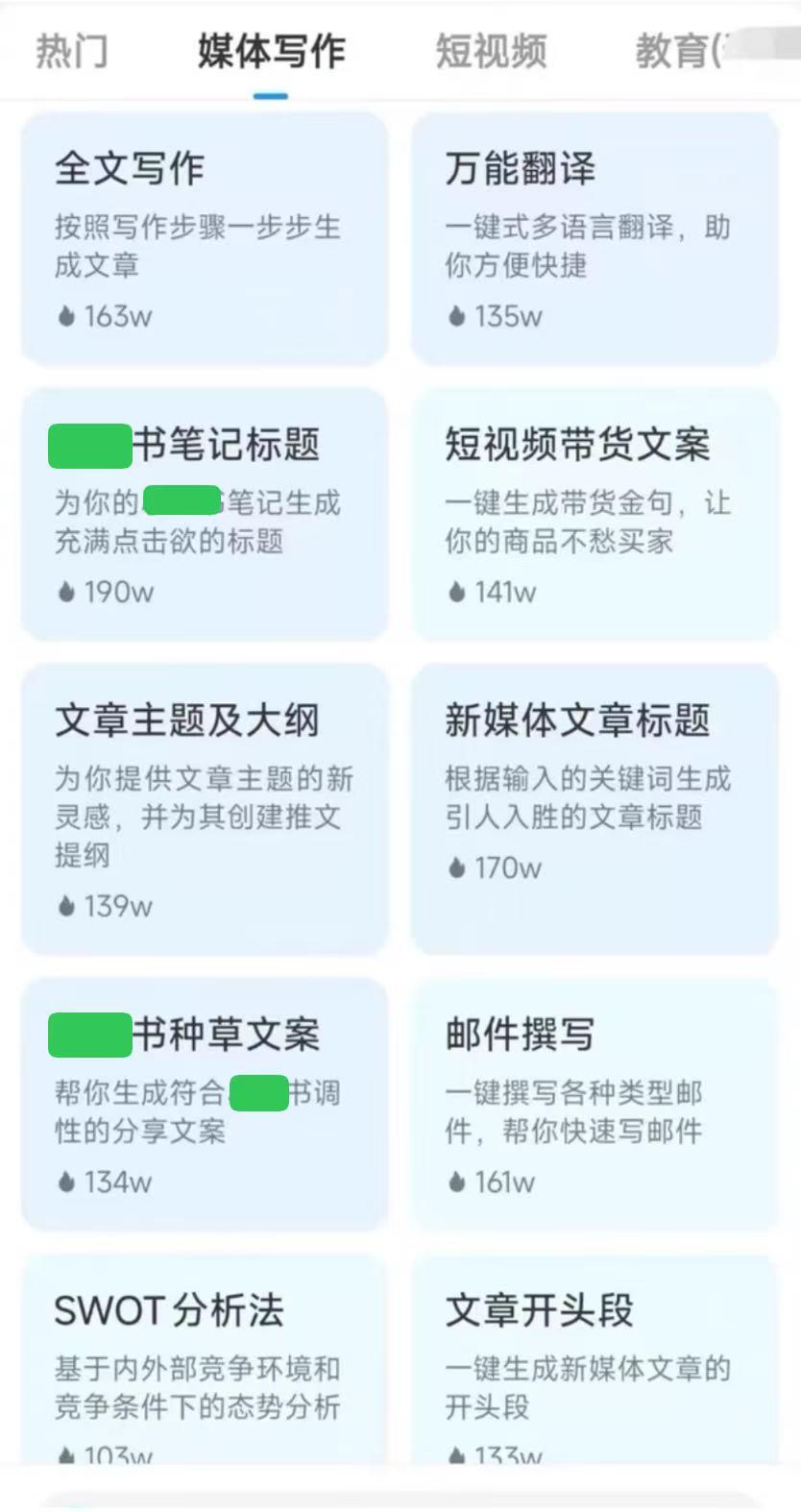
In Hangzhou, China, two companies operated AI writing tools that generated fake promotional content for a social media platform, misleading consumers and damaging the platform's content ecosystem. The court ruled this as unfair competition, ordering the companies to stop the service and pay 100,000 RMB in damages.[AI generated]

Why's our monitor labelling this an incident or hazard?

The AI writing tool is an AI system that generates content automatically based on user input. Its use led directly to harm: the spread of false, fabricated product recommendations that mislead consumers and disrupt the social platform's authentic content ecosystem. This constitutes violation of intellectual property rights and unfair competition, harming both the platform and consumers. The court ruling confirms the harm and legal breach caused by the AI system's use. Therefore, this event meets the criteria for an AI Incident as the AI system's use directly caused harm and legal violations.[AI generated]
AI principles
AccountabilityTransparency & explainability

Industries
Media, social platforms, and marketing

Affected stakeholders
ConsumersBusiness

Harm types
ReputationalEconomic/Property

Severity
AI incident

Business function:
Marketing and advertisement

AI system task:
Content generation


Articles about this incident or hazard

Thumbnail Image

全国首例AI代写"种草笔记"案宣判 为"数字泔水"治理划红线

2026-05-12
China News
Why's our monitor labelling this an incident or hazard?
The AI writing tool is an AI system that generates content automatically based on user input. Its use led directly to harm: the spread of false, fabricated product recommendations that mislead consumers and disrupt the social platform's authentic content ecosystem. This constitutes violation of intellectual property rights and unfair competition, harming both the platform and consumers. The court ruling confirms the harm and legal breach caused by the AI system's use. Therefore, this event meets the criteria for an AI Incident as the AI system's use directly caused harm and legal violations.
Thumbnail Image

全国首例AI代写种草笔记案宣判!批量生产"数字泔水"误导消费者

2026-05-12
驱动之家
Why's our monitor labelling this an incident or hazard?
The event involves AI systems explicitly described as generative AI writing tools used to produce fake promotional content. The misuse of these AI systems has directly led to harm by misleading consumers and damaging the authenticity of social media content, which harms communities and violates fair competition laws. The court ruling and imposed obligations address the AI system's use and its consequences. Therefore, this qualifies as an AI Incident because the AI system's use has directly caused harm to consumers and the platform ecosystem.
Thumbnail Image

全国首例AI代写"种草笔记"案宣判 为"数字泔水"治理划红线

2026-05-12
扬子网(扬子晚报)
Why's our monitor labelling this an incident or hazard?
The AI system (an AI writing tool) was used to generate fabricated promotional content that was passed off as genuine user experiences, misleading consumers and damaging the platform's authentic content ecosystem. This caused economic harm to the platform and violated intellectual property and competition laws. The court ruling confirms the AI system's role in causing these harms. Hence, the event meets the definition of an AI Incident due to realized harm linked directly to the AI system's use.
Thumbnail Image

AI"种草"难免"杂草"丛生

2026-05-13
大洋网
Why's our monitor labelling this an incident or hazard?
The AI writing tools explicitly mentioned are AI systems generating false consumer content at scale, directly misleading consumers and causing harm to communities by spreading false information. The judicial ruling confirms the harm and legal violations caused by these AI-generated contents. The AI system's use in fabricating fake reviews and recommendations is a direct cause of harm, fulfilling the criteria for an AI Incident under violations of rights and harm to communities. The article also discusses governance and judicial responses, but the primary focus is on the realized harm from AI misuse.
Thumbnail Image

全国首例 AI 代写"种草笔记"案宣判,法院判决工具提供者赔偿平台 10 万元

2026-05-12
新浪财经
Why's our monitor labelling this an incident or hazard?
The event explicitly involves an AI system (an AI writing tool generating promotional content) whose use has directly led to harm: violation of intellectual property rights and unfair competition harming a social media platform's content ecosystem. The court's decision to impose damages confirms that harm has materialized. Therefore, this qualifies as an AI Incident because the AI system's use caused legal and economic harm through copyright infringement and unfair competition.
Thumbnail Image

全国首例AI代写"种草笔记"案宣判,为"数字泔水"治理划红线

2026-05-12
新浪财经
Why's our monitor labelling this an incident or hazard?
The use of AI systems to mass-produce fake consumer experience notes and product recommendations directly leads to harm by spreading false information, which damages communities and consumers' trust. The official intervention and legal actions indicate that harm has occurred and is being addressed. Therefore, this qualifies as an AI Incident because the AI system's use has directly led to violations involving false information dissemination and associated harms.
Thumbnail Image

一键生成爆款内容 ,炮制虚假消费体验......全国首例AI代写"种草笔记"案宣判!为"数字泔水"治理划红线

2026-05-12
新浪财经
Why's our monitor labelling this an incident or hazard?
The event involves AI systems explicitly described as generative AI writing tools that automatically produce fake product recommendation content. The use of these AI systems directly led to harm: violation of intellectual property rights, unfair competition harming a platform's legitimate business interests, and harm to the community by spreading false consumer experiences. The court ruling and penalties confirm the harm has materialized. The event also includes governance responses clarifying legal obligations for AI service providers. Therefore, this qualifies as an AI Incident due to realized harms caused by AI system use.
Thumbnail Image

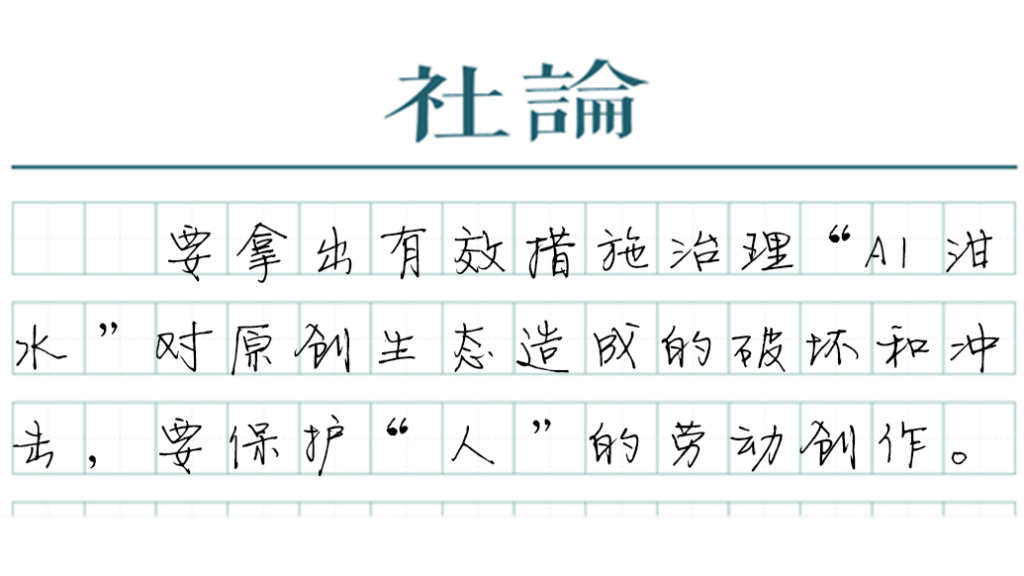
【社论】治理"AI泔水",捍卫真实内容生态

2026-05-12
新浪财经
Why's our monitor labelling this an incident or hazard?
The event involves the use of an AI system (an AI writing tool) that generates misleading promotional content, which has directly led to harm including consumer deception, violation of consumer rights, unfair competition, and damage to the content ecosystem. The court ruling confirms the AI tool's role in causing these harms. Therefore, this qualifies as an AI Incident because the AI system's use has directly led to violations of rights and harm to communities (the online content community and consumers). The article focuses on the incident and its legal and regulatory responses, not just general AI news or policy updates, so it is not merely Complementary Information.
Thumbnail Image

全国首例!AI代写"种草笔记"案宣判

2026-05-12
新浪新闻中心
Why's our monitor labelling this an incident or hazard?
The event explicitly involves generative AI systems used to produce fabricated promotional content that infringes on legally protected content and misleads consumers, causing harm to original content creators and the market ecosystem. The court ruling confirms that the AI service providers failed to exercise reasonable care, resulting in economic harm to the plaintiff. The misuse of AI-generated content to simulate genuine user experiences and flood platforms with low-quality, deceptive content constitutes a violation of intellectual property rights and harms communities by undermining trust and authenticity. The regulatory response further confirms the recognition of harm caused by AI misuse. Hence, this is a clear AI Incident involving realized harm due to AI system use and misuse.
Thumbnail Image

全国首例!AI代写"种草笔记"案宣判

2026-05-12
news.bjd.com.cn
Why's our monitor labelling this an incident or hazard?
The AI system (generative AI writing tools) was directly involved in producing false and misleading content that harmed the social media platform's content ecosystem and violated intellectual property and competition laws. This constitutes harm to communities and a violation of intellectual property rights, fitting the definition of an AI Incident. The court ruling confirms that harm has materialized and legal consequences have followed. The article also mentions ongoing regulatory efforts, but the primary focus is on the realized harm caused by AI misuse.