Shield AI and Thunder Tiger Integrate Autonomous AI for Military Unmanned Vessels in Taiwan

Thumbnail Image

The information displayed in the AIM should not be reported as representing the official views of the OECD or of its member countries.

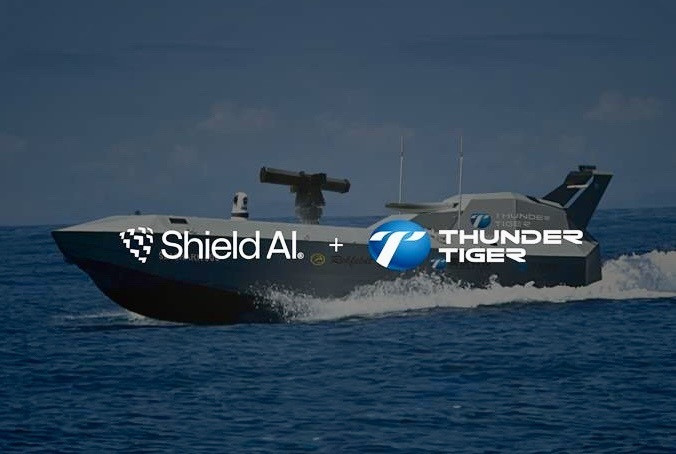
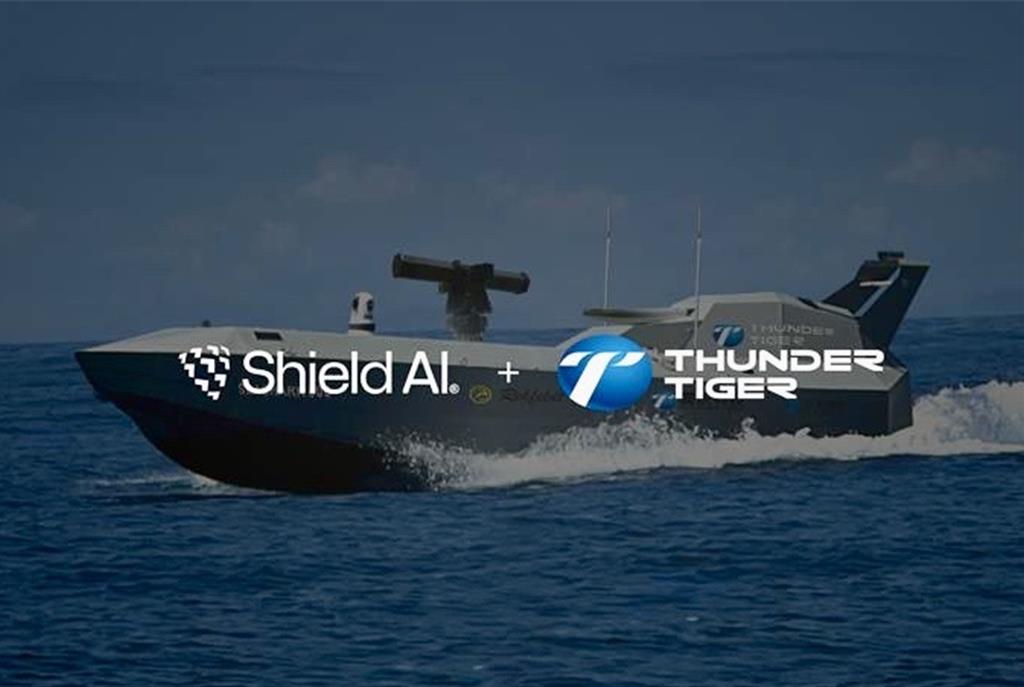
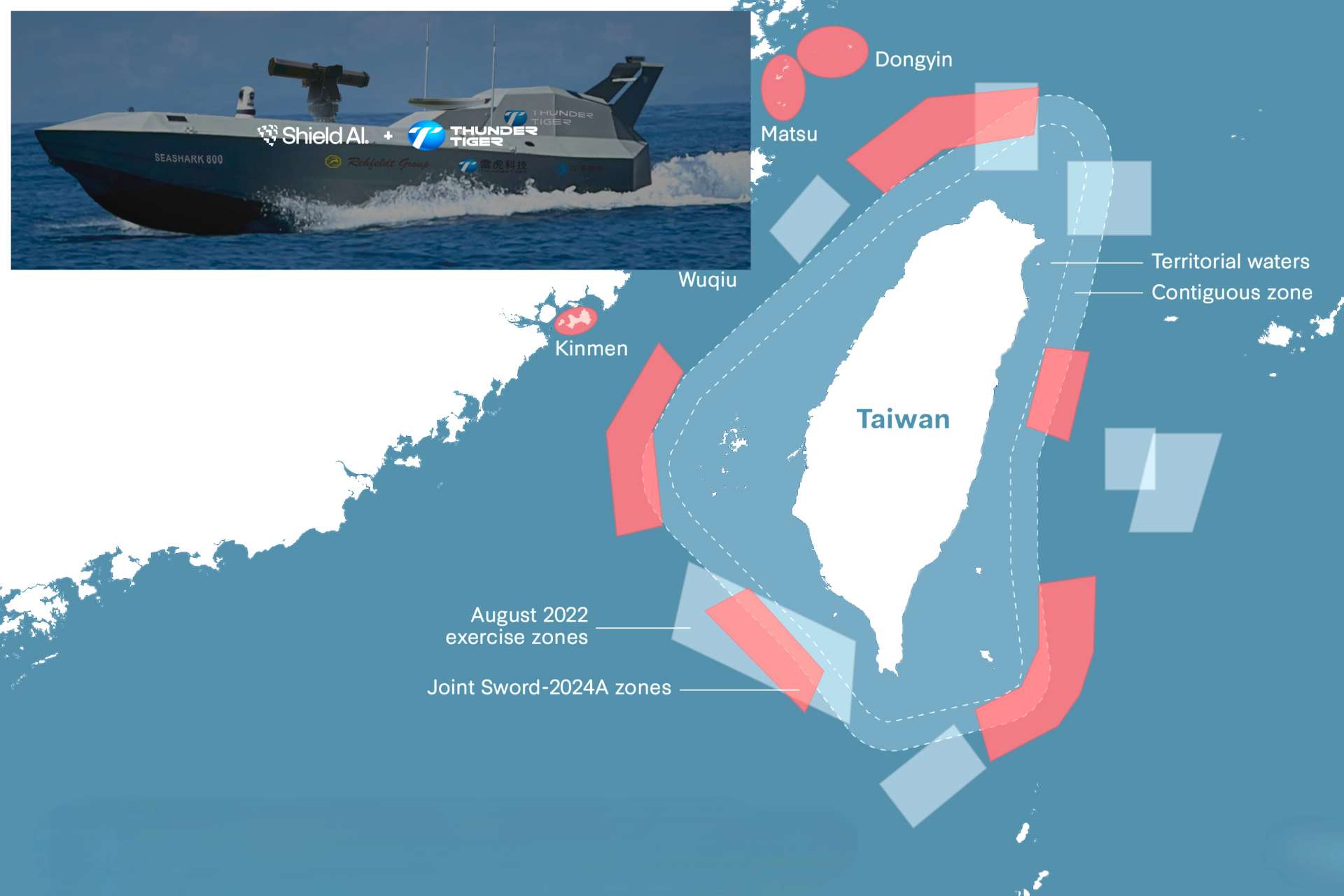
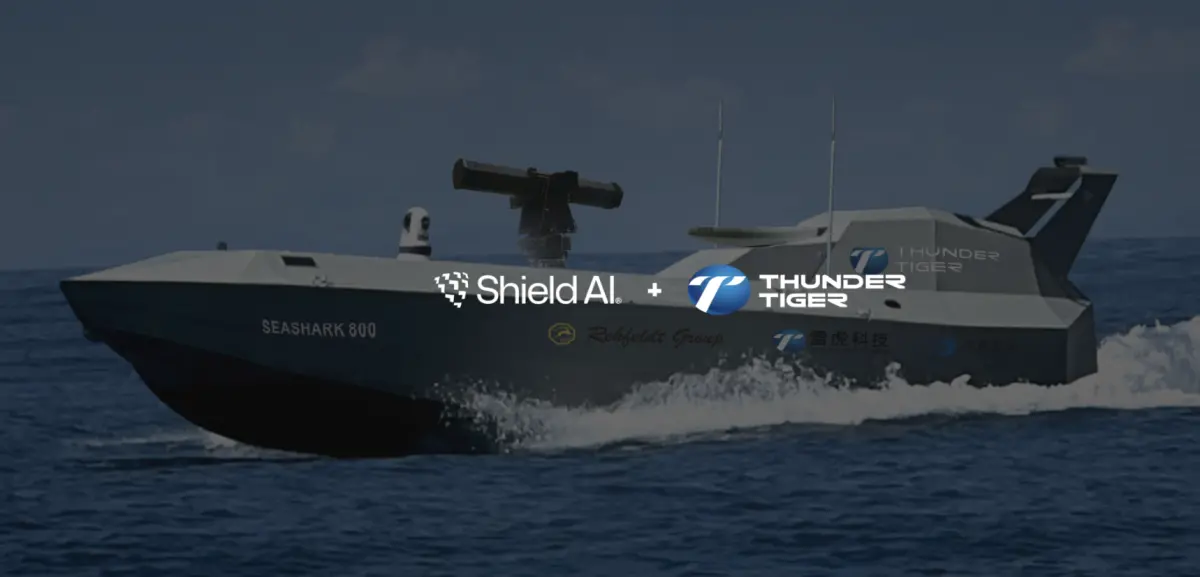
Shield AI and Taiwan's Thunder Tiger have signed an agreement to integrate Shield AI's Hivemind autonomous AI software into Thunder Tiger's unmanned maritime platforms. The collaboration aims to enhance Taiwan's defense with autonomous, AI-driven systems capable of independent and coordinated military operations, raising future risks associated with autonomous military AI deployment.[AI generated]

Why's our monitor labelling this an incident or hazard?

The event involves the development and planned use of an AI system (Hivemind autonomous software) integrated into unmanned surface vehicles for military applications. While no harm or incident is reported, the nature of autonomous military systems implies a credible risk of future harm, such as unintended engagements or escalation. The article does not describe any realized harm or malfunction, so it is not an AI Incident. It also is not merely complementary information since it highlights a new collaboration with potential implications for future AI-enabled military capabilities. Hence, it fits the definition of an AI Hazard.[AI generated]
AI principles
AccountabilityDemocracy & human autonomy

Industries
Government, security, and defence

Affected stakeholders
General public

Harm types
Physical (death)Human or fundamental rightsPublic interest

Severity
AI hazard

AI system task:
Goal-driven organisation


Articles about this incident or hazard

Thumbnail Image

Shield AI和雷虎簽署合作備忘錄 自主軟體今夏將驅動無人船 | 聯合新聞網

2026-05-13
UDN
Why's our monitor labelling this an incident or hazard?
The event involves the development and planned use of an AI system (Hivemind autonomous software) integrated into unmanned surface vehicles for military applications. While no harm or incident is reported, the nature of autonomous military systems implies a credible risk of future harm, such as unintended engagements or escalation. The article does not describe any realized harm or malfunction, so it is not an AI Incident. It also is not merely complementary information since it highlights a new collaboration with potential implications for future AI-enabled military capabilities. Hence, it fits the definition of an AI Hazard.
Thumbnail Image

雷虎攜手美國Shield AI 打造海鯊號無人艇「智能大腦」 | 軍武戰情 | 要聞 | NOWnews今日新聞

2026-05-13
NOWnews 今日新聞
Why's our monitor labelling this an incident or hazard?
The event involves the development and planned deployment of an AI system (Hivemind) for autonomous control of unmanned surface vehicles used in defense contexts. While the AI system is clearly involved and intended for operational use, the article does not describe any realized harm or incidents resulting from its use or malfunction. Instead, it describes a partnership and future integration efforts with the goal of enhancing military capabilities. Therefore, this event represents a plausible future risk scenario related to autonomous military AI systems but does not report any actual harm or incident. Hence, it qualifies as an AI Hazard rather than an AI Incident or Complementary Information.
Thumbnail Image

雷虎攜手美國Shield AI 布局海上無人自主系統 - 自由財經

2026-05-13
自由時報電子報
Why's our monitor labelling this an incident or hazard?
The event involves the development and planned deployment of an AI autonomous system (Hivemind) integrated into unmanned maritime vehicles for military use. This clearly involves an AI system with autonomous decision-making capabilities. The article does not describe any harm, malfunction, or misuse that has already occurred, so it is not an AI Incident. However, the nature of the AI system—autonomous military unmanned systems—implies a credible risk of future harm, such as escalation in conflict, unintended engagements, or other military-related harms. Hence, it fits the definition of an AI Hazard, as the AI system's use could plausibly lead to harm in the future. There is no indication that this is merely complementary information or unrelated news, as the focus is on the AI system's development and its potential implications for defense and security.
Thumbnail Image

雷虎攜美國防科技業 自主駕駛系統導入海鯊號無人艇 | 產經 | 中央社 CNA

2026-05-13
Central News Agency
Why's our monitor labelling this an incident or hazard?
The event involves the development and deployment of an AI system (Hivemind autonomous software) integrated into unmanned military platforms. While no harm or incident is reported as having occurred, the autonomous military application and the enhancement of unmanned systems for defense purposes imply a plausible risk of future harm, such as escalation in conflict or unintended consequences of autonomous weapons use. Therefore, this event qualifies as an AI Hazard because it plausibly could lead to harms related to defense and security, but no direct or indirect harm has yet materialized according to the article.
Thumbnail Image

美國Shield AI攜手雷虎部署Hivemind海上無人自主系統

2026-05-13
工商時報
Why's our monitor labelling this an incident or hazard?
The event involves the development and planned deployment of an AI autonomous system (Hivemind) integrated into unmanned maritime vehicles for military use. The AI system's role in autonomous navigation and mission execution is explicit. No actual harm or incident is reported; the article focuses on collaboration, integration, and testing. However, the nature of the AI system—autonomous military unmanned vehicles capable of complex missions—implies a credible risk of future harm, such as escalation in conflict or unintended consequences in high-threat environments. According to the framework, the mere development and deployment of AI-enabled autonomous weapons systems with high potential for misuse or harm constitutes an AI Hazard. Hence, the classification is AI Hazard.
Thumbnail Image

雷虎携美国防科技业 自动驾驶系统导入海鲨号无人艇 | Shield | AI | 大纪元

2026-05-13
The Epoch Times
Why's our monitor labelling this an incident or hazard?
The event involves the use and development of an AI system (Shield AI's Hivemind) integrated into autonomous unmanned military vehicles, which fits the definition of an AI system. The article describes the planned deployment and testing of these autonomous systems for military purposes, which could plausibly lead to harms such as escalation of conflict or unintended military incidents. However, no actual harm or incident is reported. The focus is on the collaboration and future capabilities rather than on harm remediation or governance responses, so it is not Complementary Information. Given the plausible future risk of harm from autonomous military AI systems, this event is best classified as an AI Hazard.
Thumbnail Image

雷虎攜美國防科技業 自動駕駛系統導入海鯊號無人艇 | Shield | AI | 大紀元

2026-05-13
The Epoch Times
Why's our monitor labelling this an incident or hazard?
The article explicitly involves an AI system (Shield AI's Hivemind autonomous software) integrated into unmanned military vessels, which fits the definition of an AI system. The event concerns the development and planned deployment of this AI system for autonomous maritime operations with military applications. No actual harm or violation of rights is reported; the article focuses on the collaboration and future testing. However, the autonomous military AI system's deployment plausibly could lead to harms such as escalation of conflict or unintended operational consequences, fitting the definition of an AI Hazard. It is not Complementary Information because it is not an update or response to a prior incident but a new development with potential future risks. It is not Unrelated because the AI system and its military use are central to the event.
Thumbnail Image

美國 Shield AI 攜手雷虎部署 Hivemind 海上無人自主系統 | 產業熱點 | 產業 | 經濟日報

2026-05-13
Udnemoney聯合理財網
Why's our monitor labelling this an incident or hazard?
The event involves the development and intended use of an AI system (Hivemind) for autonomous maritime unmanned vehicles with military applications. While no actual harm or incident is reported, the deployment of autonomous AI systems in defense contexts inherently carries plausible risks of harm, such as escalation of conflict or unintended consequences in high-threat environments. Therefore, this event represents a credible potential for harm stemming from the AI system's use, qualifying it as an AI Hazard rather than an incident or unrelated news. It is not complementary information because the article focuses on the initial deployment and integration of the AI system, not on responses or updates to prior incidents.
Thumbnail Image

雷虎攜美國防科技業 自主駕駛系統導入海鯊號無人艇 | 產業熱點 | 產業 | 經濟日報

2026-05-13
Udnemoney聯合理財網
Why's our monitor labelling this an incident or hazard?
The event involves the development and planned use of an AI system (Hivemind autonomous software) integrated into unmanned military vessels, which qualifies as an AI system. The article does not report any actual harm or incident resulting from the AI system's use, so it is not an AI Incident. However, the deployment of autonomous AI in military unmanned systems plausibly could lead to harms such as conflict escalation or operational failures with serious consequences, fitting the definition of an AI Hazard. The article focuses on the collaboration and future deployment rather than on harm or mitigation, so it is not Complementary Information. It is clearly related to AI and its potential impacts, so it is not Unrelated.
Thumbnail Image

結盟美商 雷虎強化自主無人艇| 台灣大紀元

2026-05-13
大紀元時報 - 台灣(The Epoch Times - Taiwan)
Why's our monitor labelling this an incident or hazard?
The event describes the integration and planned testing of an AI autonomous system for military unmanned vessels, which is a clear AI system development and use scenario. The AI system's role is pivotal in enabling autonomous and coordinated operations in potentially high-risk military contexts. While no harm has yet materialized, the nature and intended use of the AI system plausibly could lead to harms such as conflict escalation or unintended military incidents. Therefore, this qualifies as an AI Hazard rather than an AI Incident or Complementary Information. It is not unrelated because it clearly involves AI and its potential impacts.
Thumbnail Image

Shield AI 與 Thunder Tiger 合作,在台灣擴展 Hivemind 海上自主能力 | yam News

2026-05-13
蕃新聞
Why's our monitor labelling this an incident or hazard?
The article clearly involves AI systems, specifically the Hivemind autonomous AI pilot software integrated into unmanned maritime vehicles. The collaboration aims to enhance Taiwan's defense capabilities through autonomous systems. However, there is no mention of any realized harm, injury, rights violation, or disruption caused by these AI systems. The event is about the development and planned deployment of AI-enabled autonomous defense technology, which could plausibly lead to future harms given the military context, but no actual incident or harm is reported. Therefore, this event is best classified as an AI Hazard, reflecting the plausible future risk associated with autonomous military AI systems, rather than an AI Incident or Complementary Information.
Thumbnail Image

Taiwan Moves Toward Autonomous Coastal Denial Network with Shield AI Hivemind-Powered Thunder Tiger Sea Drones

2026-05-13
Army Recognition
Why's our monitor labelling this an incident or hazard?
The article explicitly discusses an AI system (Shield AI's Hivemind) integrated into autonomous maritime platforms (Thunder Tiger USVs) with capabilities for autonomous navigation, mission planning, and multi-agent coordination. The use of these AI-enabled autonomous sea drones in a military context, potentially equipped with payloads including explosives or missiles, implies a credible risk of harm to persons, property, and communities if used in conflict. No actual harm or incident is reported, but the plausible future use of these AI systems in lethal or defensive operations in a contested maritime environment meets the criteria for an AI Hazard. The article does not describe a realized AI Incident or a complementary information update, nor is it unrelated to AI systems.
Thumbnail Image

Shield AI expands Hivemind maritime autonomy in Taiwan with Thunder Tiger partnership

2026-05-13
The Manila times
Why's our monitor labelling this an incident or hazard?
The article explicitly mentions the use of an AI system (Hivemind autonomy software) integrated into unmanned defense platforms, which qualifies as an AI system. The event concerns the development and planned deployment of these AI-enabled autonomous systems, but no actual harm or incident is reported. Given the military application and the potential for these autonomous systems to cause harm if misused or malfunctioning, this constitutes a plausible future risk (AI Hazard). There is no evidence of realized harm or incident, so it cannot be classified as an AI Incident. The article is not merely complementary information since it focuses on the partnership and integration of AI autonomy software with potential defense implications, not just updates or responses to past incidents. Hence, the appropriate classification is AI Hazard.
Thumbnail Image

Shield AI expands Hivemind maritime autonomy in Taiwan with Thunder Tiger partnership

2026-05-13
WBOC TV-16
Why's our monitor labelling this an incident or hazard?
The event involves the development and planned use of an AI system (Hivemind autonomy software) integrated into unmanned defense platforms capable of autonomous operation and decision-making. Although no direct harm or incident is reported, the nature of the AI system and its intended military application in a contested region plausibly could lead to harms such as conflict escalation or unintended consequences of autonomous weapons use. The article does not describe any realized harm or incident, nor does it focus on responses or updates to prior incidents. Hence, it fits the definition of an AI Hazard rather than an AI Incident or Complementary Information.
Thumbnail Image

Shield AI expands Hivemind maritime autonomy in Taiwan with Thunder Tiger partnership

2026-05-13
WBOC TV-16
Why's our monitor labelling this an incident or hazard?
The event involves the development and planned use of AI systems (Hivemind autonomy software) in unmanned defense platforms, which could plausibly lead to significant impacts in contested environments. However, there is no indication of any realized harm, injury, rights violations, or operational disruptions caused by these AI systems at this stage. The article focuses on the partnership, integration plans, and future demonstrations rather than any incident or hazard event. Therefore, this is best classified as Complementary Information, providing context on AI system deployment and defense sector developments without reporting an AI Incident or AI Hazard.
Thumbnail Image

Taiwan's Thunder Tiger partners with Shield AI on autonomous systems | Taiwan News | May. 13, 2026 17:05

2026-05-13
Taiwan News
Why's our monitor labelling this an incident or hazard?
The article explicitly mentions the integration of Shield AI's Hivemind autonomy software, an AI system, into unmanned defense platforms. The AI system's use is intended for military autonomous operations, which inherently carry risks of harm in conflict scenarios. Since no actual harm or incident is reported yet, but the AI system's deployment could plausibly lead to AI incidents involving injury or disruption, this qualifies as an AI Hazard under the framework.
Thumbnail Image

Shield AI Brings Hivemind to Taiwan's Thunder Tiger Uncrewed Systems

2026-05-13
The Defense Post
Why's our monitor labelling this an incident or hazard?
The article explicitly mentions the use of AI autonomy software integrated into uncrewed military systems, which qualifies as AI systems. Although no actual harm or incident is reported, the nature of the AI system's intended use in military defense and deterrence implies a credible risk of future harm, such as conflict escalation or unintended consequences of autonomous weapon deployment. The event focuses on development and deployment efforts rather than any realized harm, fitting the definition of an AI Hazard rather than an AI Incident or Complementary Information. It is not unrelated because the AI system and its potential impacts are central to the event.
Thumbnail Image

Shield AI expands Hivemind maritime autonomy in Taiwan with Thunder Tiger partnership

2026-05-13
The Keene Sentinel
Why's our monitor labelling this an incident or hazard?
The article explicitly mentions the integration of an AI system (Hivemind autonomy software) into unmanned surface vessels, which are AI systems by definition. Although no harm or incident is reported, the military application and the geopolitical context imply plausible future risks of harm (e.g., injury, disruption, or violations of rights) from the use or malfunction of these AI systems. Hence, it qualifies as an AI Hazard rather than an Incident or Complementary Information.