Bucharest Approves AI-Powered Smart Traffic Light System

Thumbnail Image

The information displayed in the AIM should not be reported as representing the official views of the OECD or of its member countries.

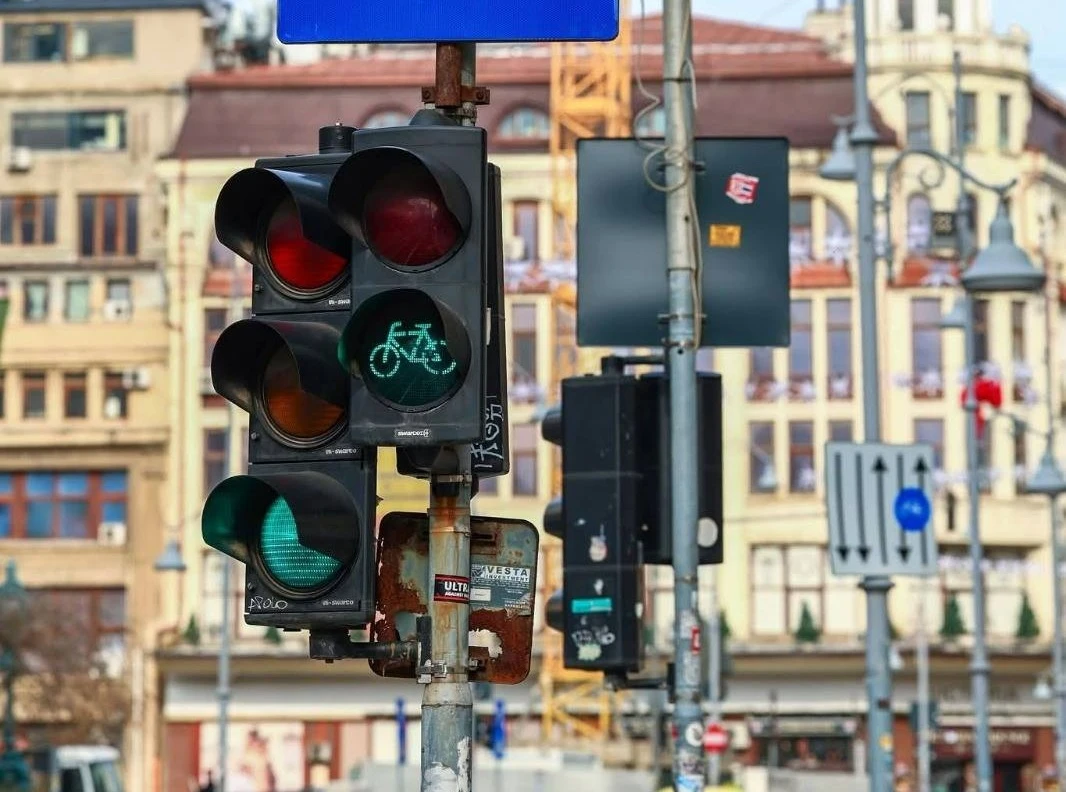
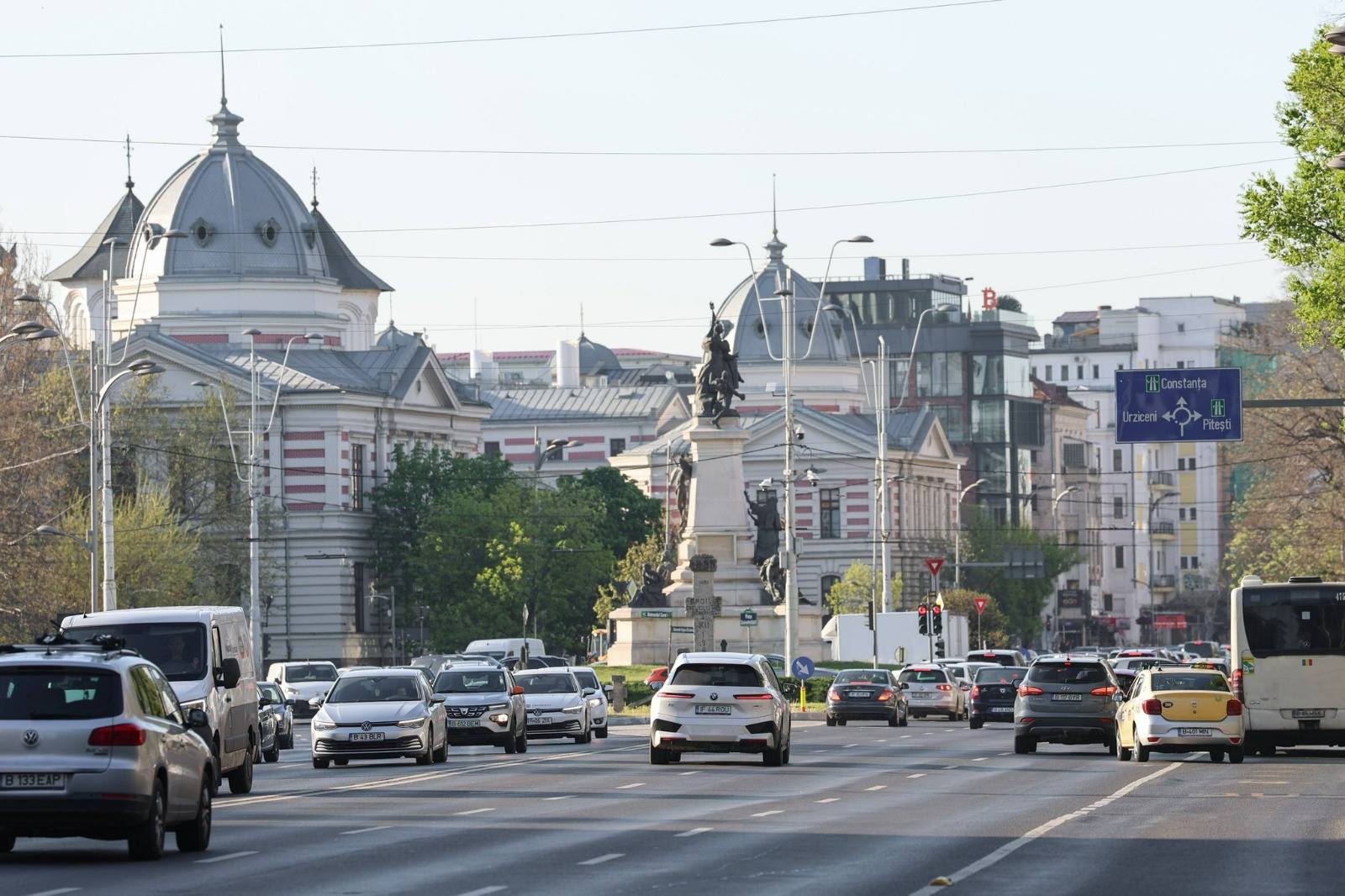
Bucharest's city council has approved the implementation of an AI-driven smart traffic light system, involving 305 cameras and 1,500 sensors across 92 intersections. The system aims to autonomously manage traffic flow and reduce congestion. While no harm has occurred, future risks exist if the AI system malfunctions.[AI generated]

Why's our monitor labelling this an incident or hazard?

While the system involves an AI system that will make autonomous decisions affecting traffic management, the article does not report any realized harm or incidents resulting from its deployment or malfunction. The description focuses on the planned deployment and expected benefits, without mentioning any direct or indirect harm or risks that have materialized. Therefore, this event represents a potential future impact scenario where AI could plausibly lead to harm (e.g., if the system malfunctions or causes traffic disruptions), but no harm has yet occurred or been reported. Hence, it qualifies as an AI Hazard rather than an AI Incident or Complementary Information.[AI generated]
AI principles
SafetyRobustness & digital security

Industries
Mobility and autonomous vehicles

Affected stakeholders
General public

Harm types
Physical (injury)Physical (death)

Severity
AI hazard

AI system task:
Goal-driven organisation


Articles about this incident or hazard

Thumbnail Image

Bucureștiul face pasul spre semaforizarea inteligentă. 92 de intersecții vor fi modernizate cu IA și senzori de trafic - Știrile ProTV

2026-05-14
Stirile ProTV
Why's our monitor labelling this an incident or hazard?
The article explicitly mentions the use of AI in traffic light control and sensor data processing, confirming the involvement of an AI system. However, it only discusses the planned implementation and expected benefits without any indication of malfunction, misuse, or harm resulting from the AI system. There is no mention or implication of any injury, rights violation, disruption, or other harms. The event is about the deployment of AI technology and its anticipated positive effects, which fits the category of Complementary Information as it provides context and updates on AI adoption and governance in urban infrastructure.
Thumbnail Image

92 de intersecţii şi treceri de pietoni din București vor avea semafoare inteligente, cu 305 camere şi 1.500 de senzori

2026-05-14
Libertatea
Why's our monitor labelling this an incident or hazard?
While the system involves an AI system that will make autonomous decisions affecting traffic management, the article does not report any realized harm or incidents resulting from its deployment or malfunction. The description focuses on the planned deployment and expected benefits, without mentioning any direct or indirect harm or risks that have materialized. Therefore, this event represents a potential future impact scenario where AI could plausibly lead to harm (e.g., if the system malfunctions or causes traffic disruptions), but no harm has yet occurred or been reported. Hence, it qualifies as an AI Hazard rather than an AI Incident or Complementary Information.
Thumbnail Image

Bucureștiul va avea zeci de intersecții monitorizate prin inteligența artificială, cu ajutorul a peste 300 de camere video și 1.500 de senzori

2026-05-14
Ziare.com
Why's our monitor labelling this an incident or hazard?
The article explicitly mentions the use of an AI system controlling traffic lights and making autonomous decisions based on traffic data, confirming AI system involvement. However, it only discusses the planned implementation and expected positive outcomes, with no mention of any harm, malfunction, or risk of harm. Since no realized or potential harm is described, and the focus is on the deployment and benefits of the AI system, this qualifies as Complementary Information, providing context and updates about AI adoption in urban infrastructure.
Thumbnail Image

Primăria București pregătește un sistem care "gândește" singur traficul. Semafoarele se dotează cu inteligență artificială.

2026-05-14
REALITATEA.NET
Why's our monitor labelling this an incident or hazard?
The article explicitly mentions the use of an AI system to control traffic lights autonomously, which qualifies as an AI system. There is no indication that any harm has occurred yet; the system is being prepared and implemented. The AI system's use could plausibly lead to harm in the future if it malfunctions or is misused, such as causing traffic accidents or disruptions. Since no harm has materialized, but plausible future harm exists, this event fits the definition of an AI Hazard rather than an AI Incident or Complementary Information.
Thumbnail Image

Revoluție în traficul din Capitală. AI preia controlul în intersecții

2026-05-14
Evenimentul Zilei
Why's our monitor labelling this an incident or hazard?
The article explicitly mentions the use of AI in traffic light control and decision-making, indicating the presence of an AI system. However, it only discusses the approval and planned deployment of the system, with no reported harm or malfunction. Since the system is not yet operational and no harm has occurred, but the AI system's use could plausibly lead to future incidents (e.g., traffic accidents or disruptions if the system malfunctions), this qualifies as an AI Hazard. There is no indication of realized harm or incident, so it is not an AI Incident. It is more than just complementary information because it focuses on the AI system's deployment and potential impact rather than a response or update to a past event.
Thumbnail Image

Bucureștiul investește peste 190 de milioane de lei într-un sistem de semaforizare inteligentă

2026-05-14
România Liberă
Why's our monitor labelling this an incident or hazard?
The article explicitly mentions the use of AI algorithms for real-time traffic management, indicating the involvement of an AI system. However, there is no indication that any harm, malfunction, or violation has occurred due to the AI system. The event is about the approval and planned implementation of the system, which could plausibly lead to benefits or potential risks in the future but does not describe any current harm or incident. Therefore, it does not qualify as an AI Incident or AI Hazard. It is best classified as Complementary Information, providing context and updates on AI deployment in urban infrastructure.