Anthropic Warns of AI Risks in US-China Competition

Thumbnail Image

The information displayed in the AIM should not be reported as representing the official views of the OECD or of its member countries.

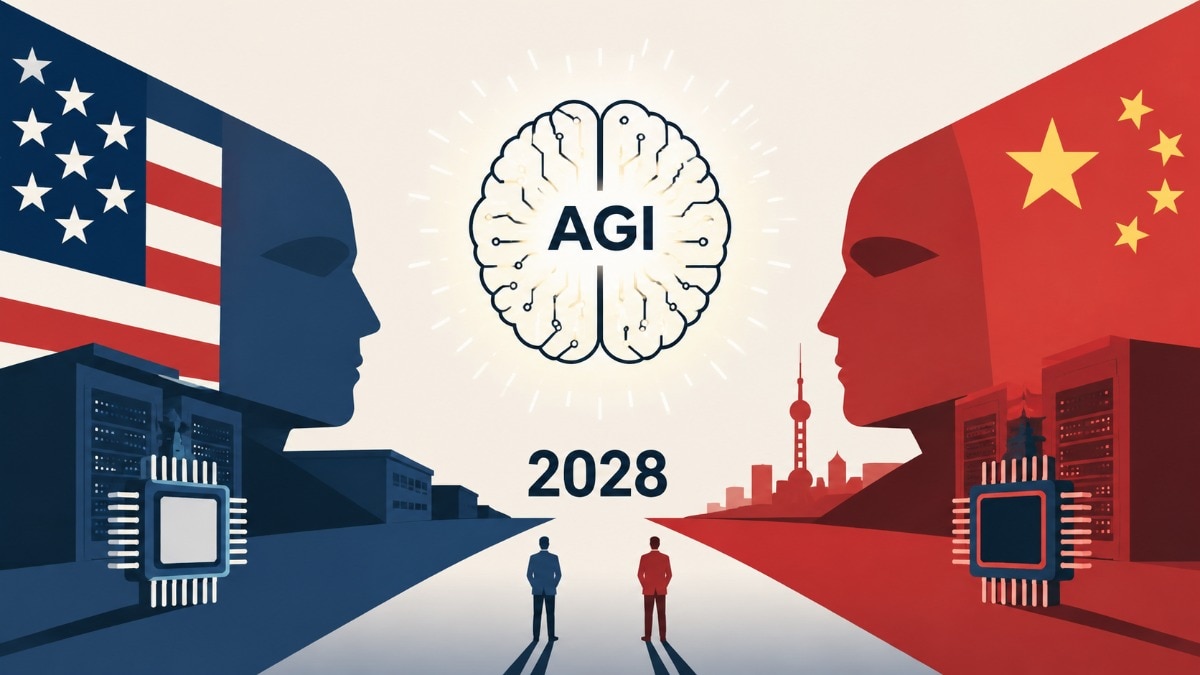
Anthropic published a policy paper warning that the US risks losing its lead in advanced AI to China within 12-24 months if chip export controls and model protections are not strengthened. The company highlights potential hazards such as AI-powered surveillance and cyberattacks, urging US policymakers to act swiftly.[AI generated]

Why's our monitor labelling this an incident or hazard?

The article does not describe any realized harm or incident caused by AI systems. Instead, it presents a forecast and policy analysis about the plausible future emergence of AGI and the geopolitical risks associated with AI leadership. The discussion centers on potential future harms and strategic risks, which fits the definition of an AI Hazard. There is no direct or indirect harm currently occurring, nor is there a description of an AI system malfunction or misuse causing harm. Therefore, the event is best classified as an AI Hazard due to the credible risk of future harm from advanced AI development and geopolitical competition.[AI generated]
AI principles
Respect of human rightsRobustness & digital security

Industries
Digital securityGovernment, security, and defence

Affected stakeholders
General publicGovernment

Harm types
Human or fundamental rightsPublic interest

Severity
AI hazard

AI system task:
Recognition/object detectionReasoning with knowledge structures/planning


Articles about this incident or hazard

Thumbnail Image

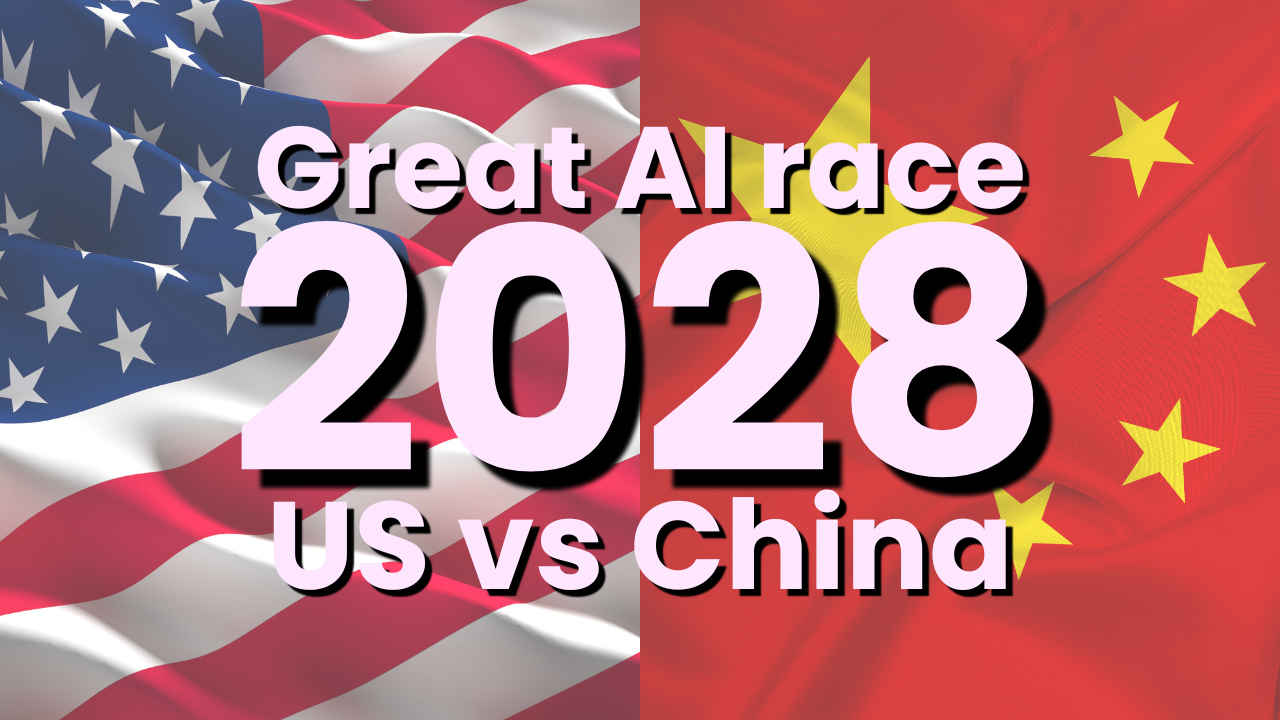
Anthropic says AGI possible by 2028, US must not let China lead AI race

2026-05-15
India Today
Why's our monitor labelling this an incident or hazard?
The article does not describe any realized harm or incident caused by AI systems. Instead, it presents a forecast and policy analysis about the plausible future emergence of AGI and the geopolitical risks associated with AI leadership. The discussion centers on potential future harms and strategic risks, which fits the definition of an AI Hazard. There is no direct or indirect harm currently occurring, nor is there a description of an AI system malfunction or misuse causing harm. Therefore, the event is best classified as an AI Hazard due to the credible risk of future harm from advanced AI development and geopolitical competition.
Thumbnail Image

Anthropic paints two pictures of AI in 2028. Can't let China get ahead, says AI-giant

2026-05-15
ThePrint
Why's our monitor labelling this an incident or hazard?
The article involves AI systems and their development and use, including cybersecurity and military applications, which could plausibly lead to significant harms such as repression or conflict escalation. However, it does not describe any actual harm or incident caused by AI that has occurred. The mention of Mythos AI being withheld due to potential exploitation is a precautionary measure, not an incident. The geopolitical and military AI developments described represent credible risks but remain potential future harms. Therefore, this event fits the definition of an AI Hazard rather than an AI Incident or Complementary Information.
Thumbnail Image

Anthropic warns AGI could arrive by 2028, says US must stay ahead of China in AI race

2026-05-15
Digit
Why's our monitor labelling this an incident or hazard?
The article is primarily a forward-looking policy warning and strategic analysis about the possible future emergence of AGI and geopolitical competition in AI. It does not report any actual AI incident or harm that has occurred, nor does it describe a specific AI system malfunction or misuse event. The concerns about authoritarian misuse and geopolitical risks are plausible future harms but remain speculative and preventive in nature. Therefore, this qualifies as an AI Hazard, as it discusses credible potential future harms from AI development and deployment, but no current incident or realized harm is described.
Thumbnail Image

US vs China: Anthropic warns how America wins or loses AI race

2026-05-15
Digit
Why's our monitor labelling this an incident or hazard?
The article centers on a policy analysis and strategic warning about the AI competition between the US and China, emphasizing potential future harms if China gains AI leadership through smuggling or distillation attacks. These concerns reflect plausible future risks (AI Hazards) but do not describe any actual AI Incident or realized harm. The discussion of export controls, smuggling, and distillation attacks is about potential threats rather than documented incidents causing harm. Therefore, the event is best classified as Complementary Information, providing context and analysis relevant to AI governance and risk assessment without reporting a specific AI Incident or Hazard.
Thumbnail Image

Anthropic urges Uncle Sam to kneecap China's AI ambitions before 2028

2026-05-15
TheRegister.com
Why's our monitor labelling this an incident or hazard?
The article centers on the potential future risks of AI development and control between the US and China, emphasizing the plausible harm if authoritarian regimes dominate AI norms and capabilities. It involves AI systems (chips and models) and their development and use, but no direct or indirect harm has yet occurred. The warnings about future consequences and the call for tighter controls fit the definition of an AI Hazard, as the event plausibly could lead to AI incidents involving harm to communities or human rights. There is no report of actual harm or incident, so it is not an AI Incident. It is not merely complementary information or unrelated, as the focus is on potential harm from AI system development and use.
Thumbnail Image

US has only 12-24 months to beat China in AI race: Here's why

2026-05-15
The News International
Why's our monitor labelling this an incident or hazard?
The article does not report any actual harm or incident caused by AI systems but rather warns about plausible future risks related to AI development and technology transfer. It describes potential misuse of AI technology and hardware smuggling that could lead to competitive disadvantages or security concerns, which fits the definition of an AI Hazard. There is no direct or indirect harm currently occurring, so it is not an AI Incident. The article is not primarily about responses or updates to past incidents, so it is not Complementary Information. Therefore, the event is best classified as an AI Hazard.
Thumbnail Image

Anthropic Maps 3 Steps to Keep US Ahead of China in AI Race

2026-05-15
BeInCrypto
Why's our monitor labelling this an incident or hazard?
The article involves AI systems in the context of AI compute and model access, but it primarily addresses potential future risks and policy measures to prevent harm rather than describing any direct or indirect harm caused by AI systems. There is no report of an AI incident or malfunction causing injury, rights violations, or other harms. Instead, it outlines plausible future hazards and strategic responses, fitting the definition of an AI Hazard or Complementary Information. However, since the main focus is on policy recommendations and strategic warnings about plausible future risks rather than a specific AI hazard event or near miss, it aligns best with Complementary Information, providing context and governance-related insights into AI competition and risks.
Thumbnail Image

AGI could arrive by 2028: Anthropic

2026-05-15
NewsBytes
Why's our monitor labelling this an incident or hazard?
The article centers on a forecast and strategic recommendations regarding future AI developments and leadership, without describing any realized harm or direct risk event involving AI systems. There is no mention of an AI system malfunction, misuse, or harm occurring or imminent. Therefore, it does not meet the criteria for an AI Incident or AI Hazard. Instead, it provides contextual information about AI's potential future impact and policy considerations, fitting the definition of Complementary Information.
Thumbnail Image

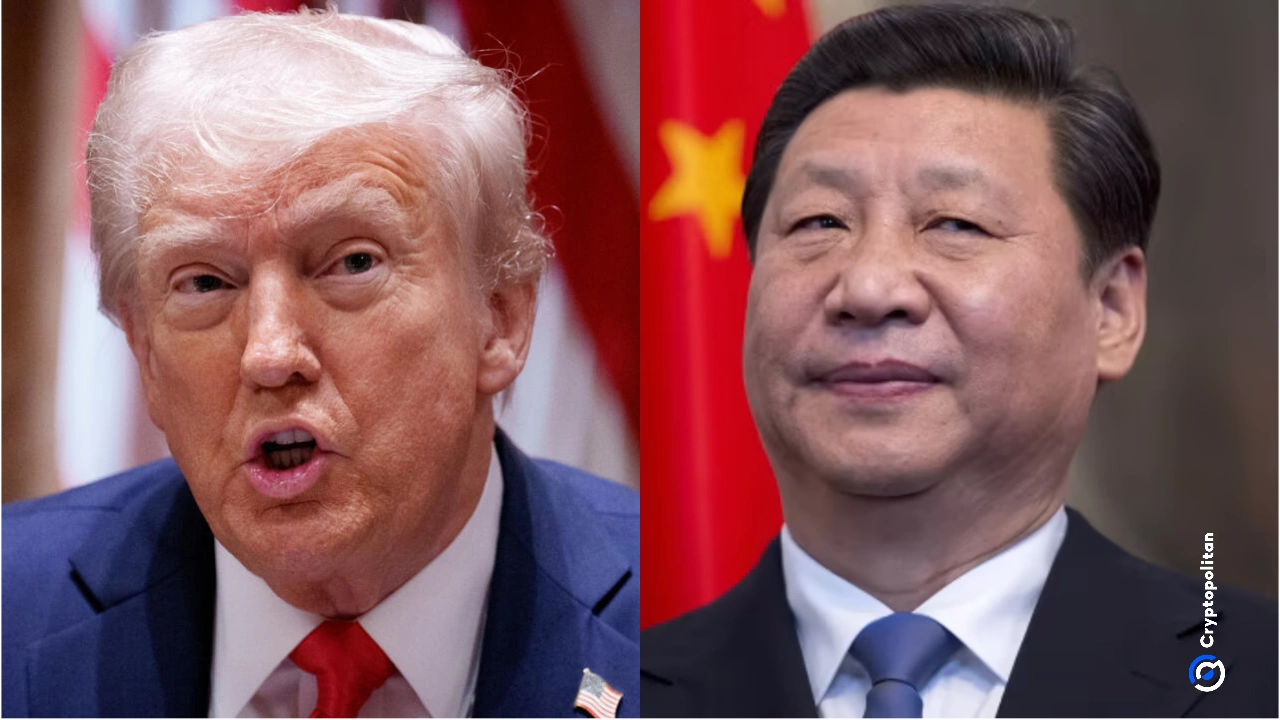
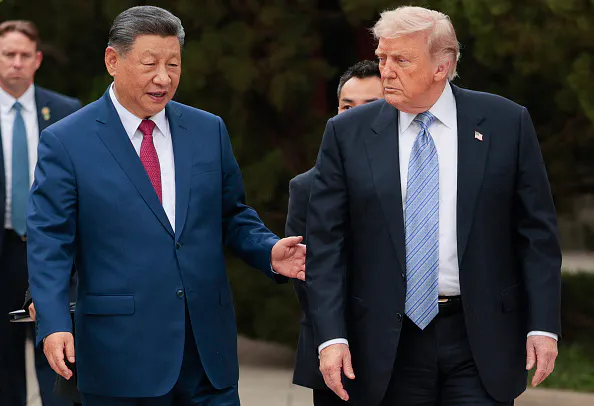
Trump and Xi discuss AI safety as experts slam Anthropic's fearmongering - Cryptopolitan

2026-05-15
Cryptopolitan
Why's our monitor labelling this an incident or hazard?
The article involves AI systems in the context of advanced AI development and geopolitical competition, with concerns about potential misuse and risks. However, it does not describe any actual harm caused by AI systems, nor does it report an event where AI use or malfunction has directly or indirectly led to harm. The warnings and scenarios are about plausible future risks, but the main focus is on political discussions, industry warnings, and diplomatic cooperation efforts. This fits the definition of Complementary Information, as it provides important context and updates on AI safety discourse and governance without reporting a new AI Incident or AI Hazard.
Thumbnail Image

Anthropic Warns US Risks Losing AI Edge to China Over Chips

2026-05-15
DataBreachToday
Why's our monitor labelling this an incident or hazard?
The article centers on the potential future risks of AI competition and the strategic implications of AI technology proliferation, particularly regarding chip exports and AI model replication. It does not report any actual harm, violation, or incident caused by AI systems. The concerns are about plausible future harms related to AI's role in military, cyber operations, and economic power balance, which fits the definition of an AI Hazard. There is no direct or indirect harm reported yet, only warnings and strategic assessments of possible future scenarios.
Thumbnail Image

Anthropic really doesn't want the US to help China with AI

2026-05-15
Sherwood News
Why's our monitor labelling this an incident or hazard?
The article centers on a policy paper that warns about potential future harms from China's AI development, including mass surveillance and cyberattacks enabled by advanced AI. These are plausible risks stemming from the use and proliferation of AI systems, but no actual harm or incident has occurred yet. The discussion is about preventing or mitigating these risks through export controls and transparency. Hence, it fits the definition of an AI Hazard rather than an AI Incident or Complementary Information. It is not unrelated because it clearly involves AI systems and their potential impacts.