Waymo Self-Driving Cars Cause Safety Concerns in Atlanta Neighborhood

Thumbnail Image

The information displayed in the AIM should not be reported as representing the official views of the OECD or of its member countries.

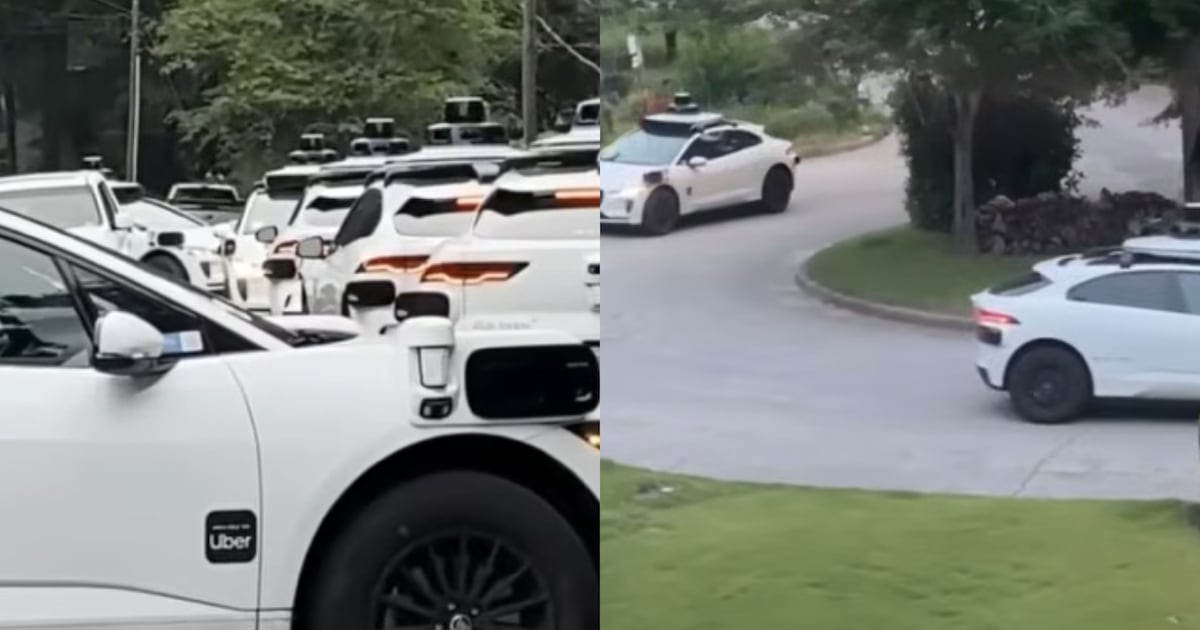
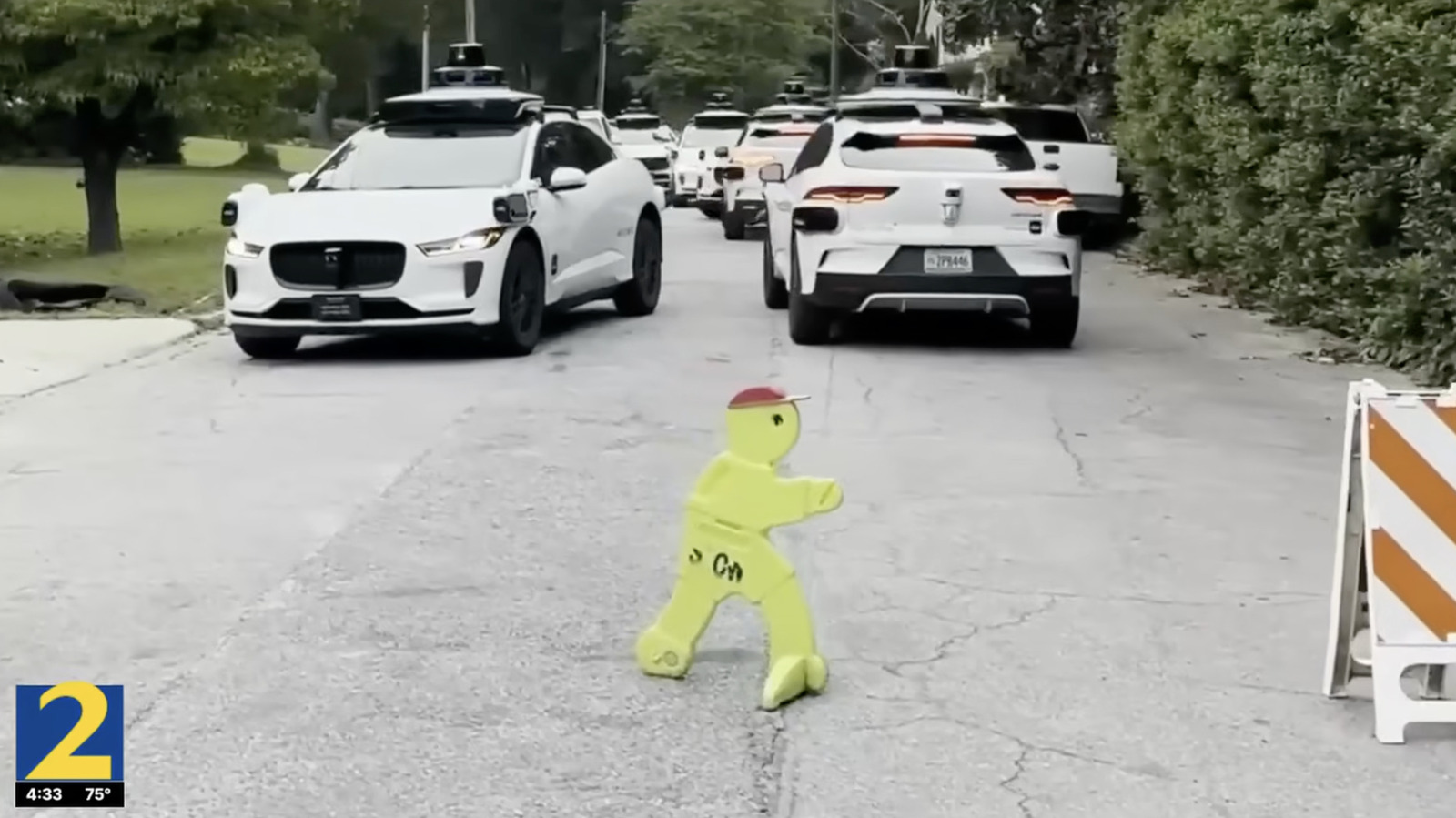
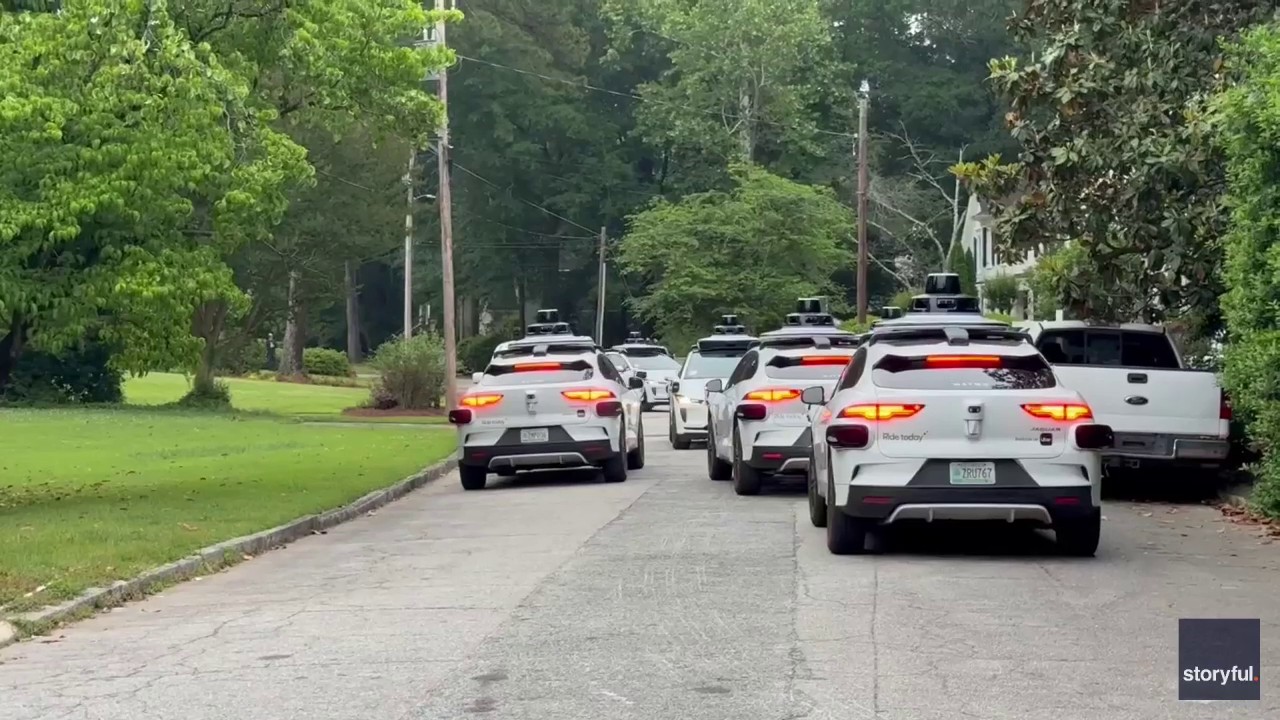
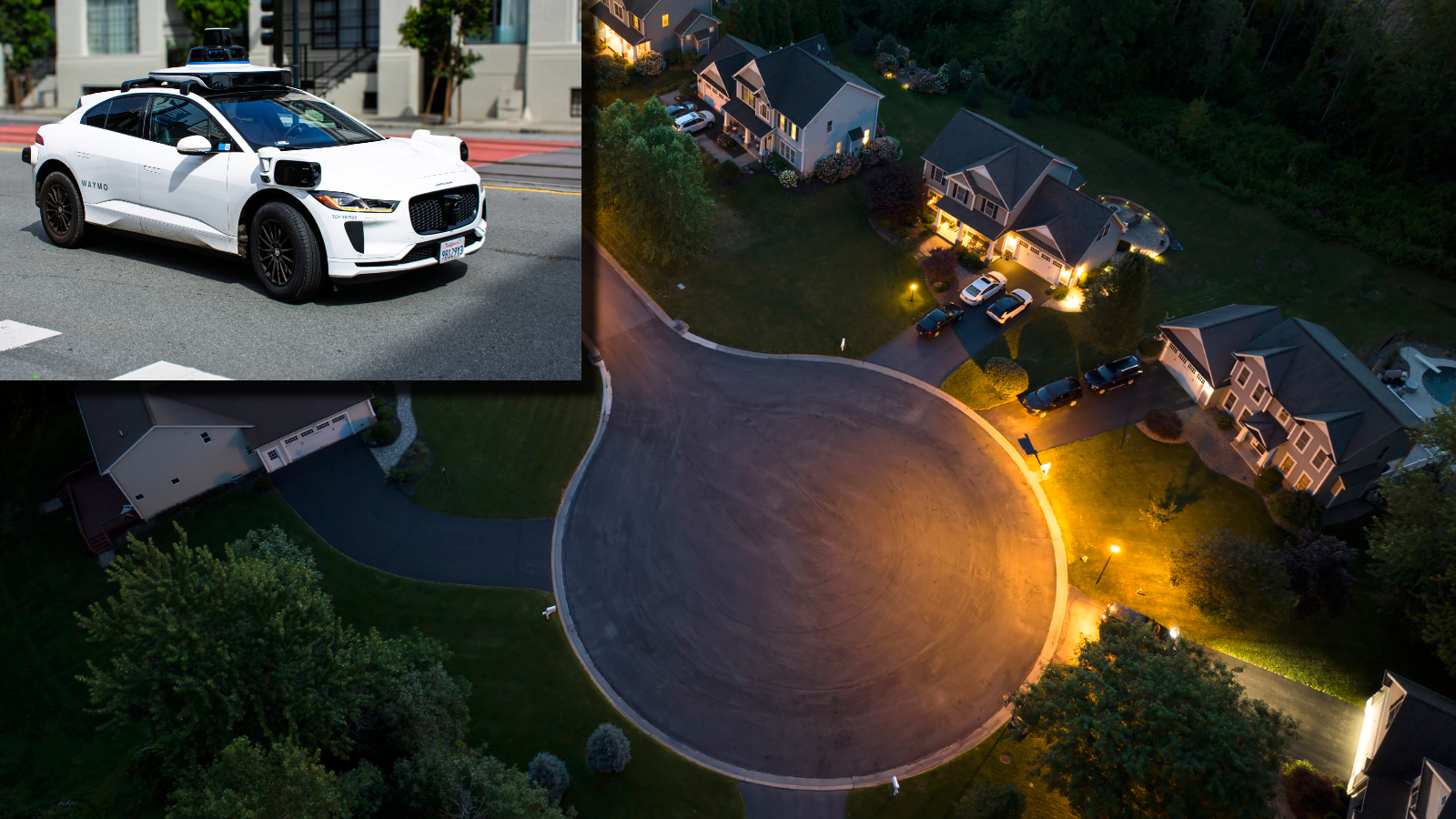
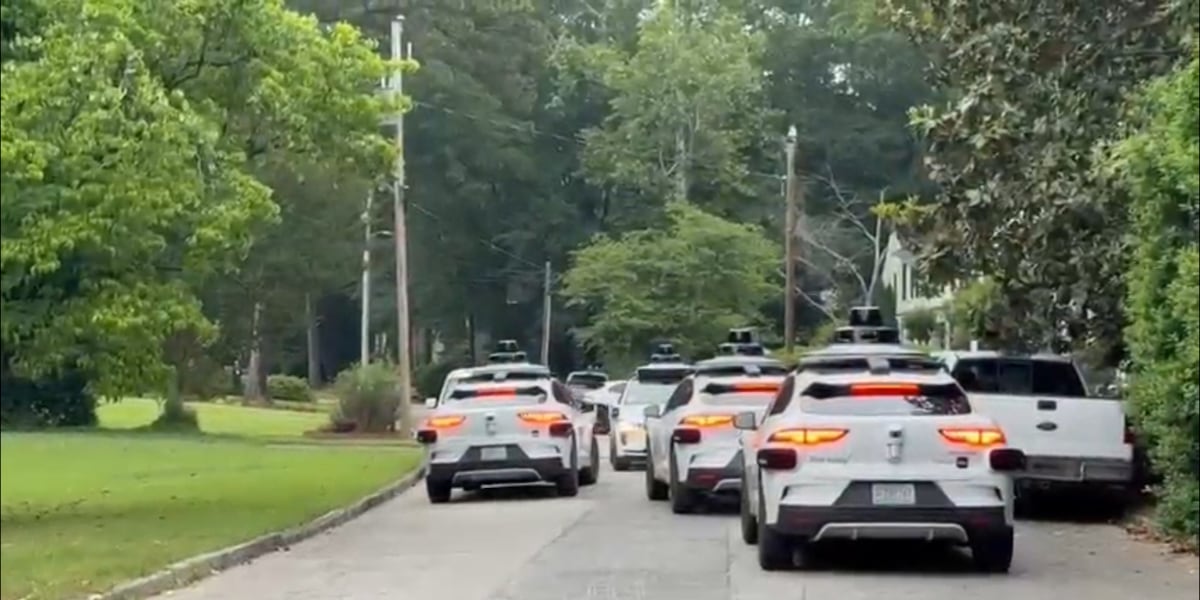
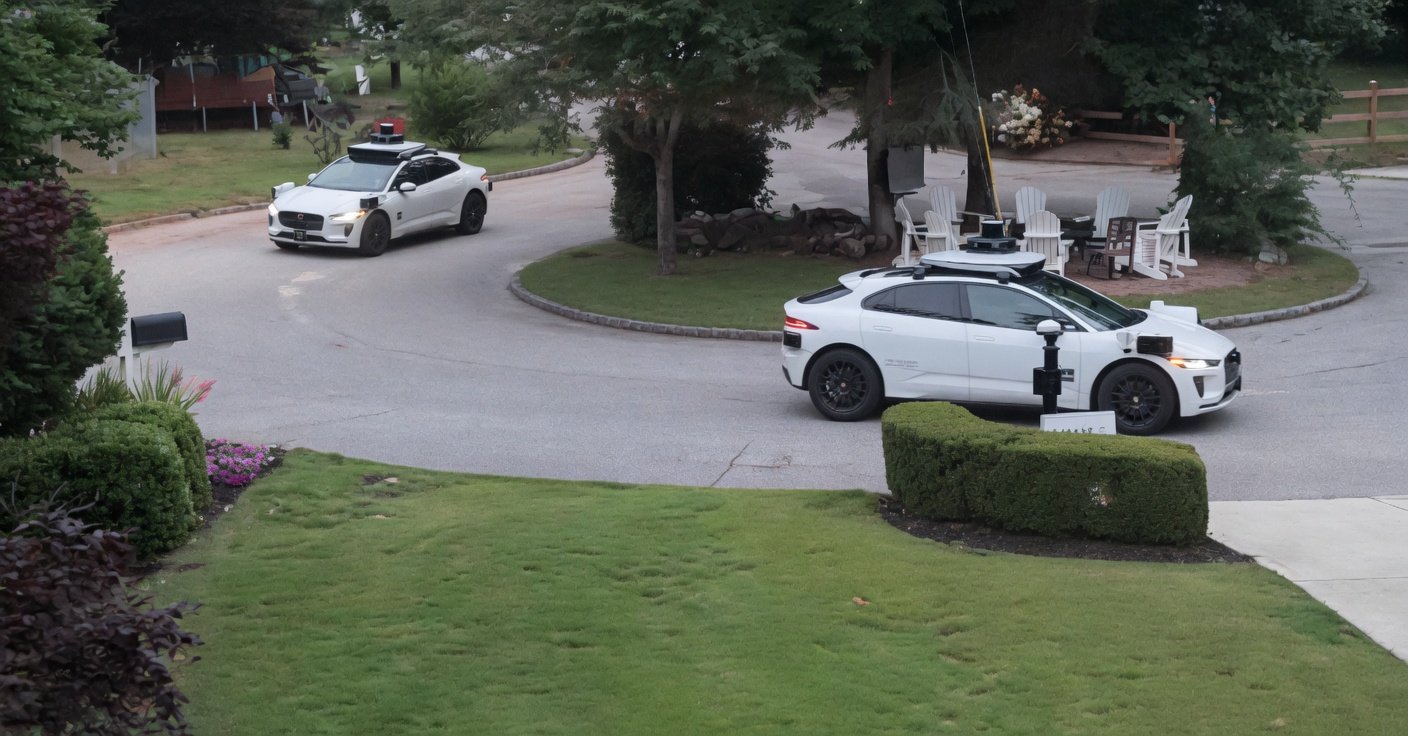
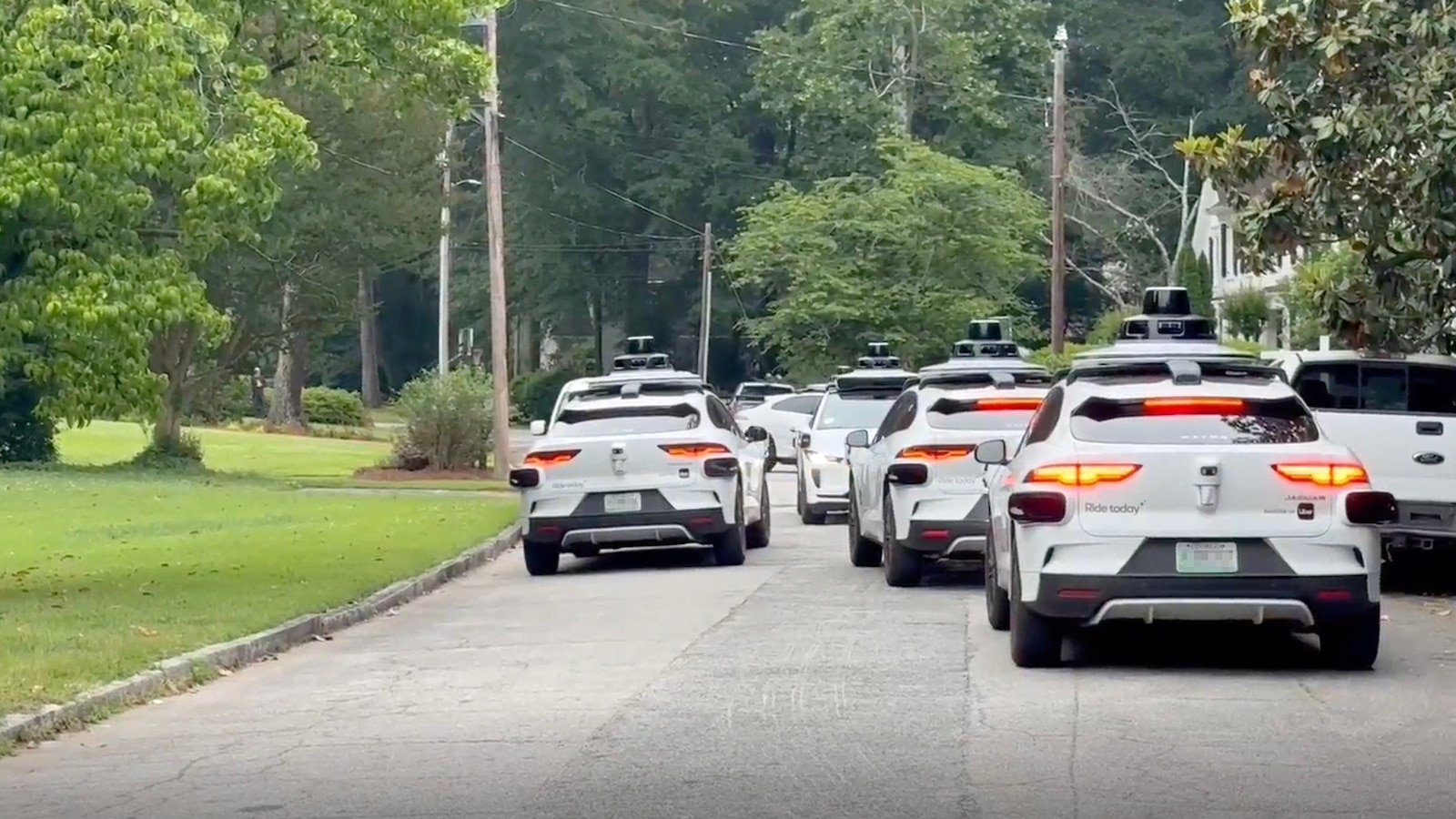
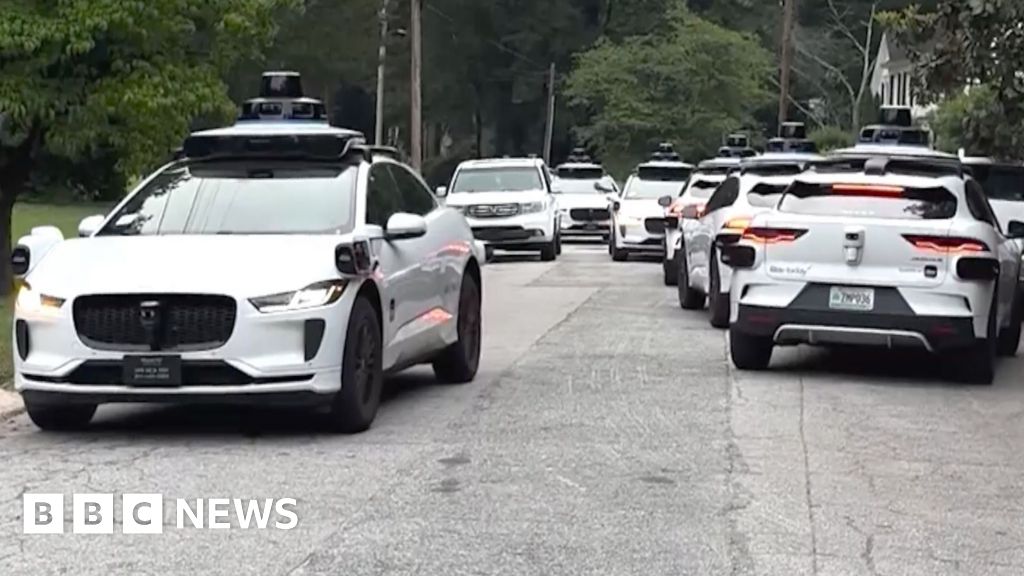
Waymo's autonomous vehicles, due to a routing glitch, repeatedly circled residential streets in northwest Atlanta, causing excessive traffic, near-misses with pets, and safety concerns for families and children. The AI system's malfunction disrupted community life and posed risks to public safety before the company intervened to address the issue.[AI generated]

Why's our monitor labelling this an incident or hazard?

The event clearly involves AI systems—Waymo's autonomous vehicles rely on AI for navigation and decision-making. The malfunction in routing behavior causing vehicles to circle cul-de-sacs excessively has directly led to disruption and safety concerns in the neighborhood, which qualifies as harm to communities and potential harm to persons. The mention of a recall due to a safety glitch and prior incidents further supports the classification as an AI Incident. Therefore, this event meets the criteria for an AI Incident due to the realized harm and disruption caused by the AI system's malfunction and use.[AI generated]
AI principles
SafetyRobustness & digital security

Industries
Mobility and autonomous vehicles

Affected stakeholders
ChildrenGeneral public

Harm types
Physical (injury)PsychologicalPublic interest

Severity
AI incident

Business function:
Logistics

AI system task:
Recognition/object detectionGoal-driven organisation


Articles about this incident or hazard

Thumbnail Image

Waymo cars become trapped in Atlanta suburb after glitch

2026-05-15
BBC
Why's our monitor labelling this an incident or hazard?
The event involves AI systems (autonomous driving AI) malfunctioning in real-world use, which directly led to a disruption (vehicles trapped and potentially causing inconvenience). However, no actual harm such as injury, property damage, or rights violations is reported. Since the glitch caused a malfunction but no realized harm, this qualifies as an AI Hazard, indicating a plausible risk of harm if such malfunctions were to escalate or cause accidents. The company's response shows mitigation efforts but does not change the classification.
Thumbnail Image

Waymo driverless cars overrun Atlanta neighborhood, circling cul-de-sacs and alarming families with kids

2026-05-16
Fox News
Why's our monitor labelling this an incident or hazard?
The event clearly involves AI systems—Waymo's autonomous vehicles rely on AI for navigation and decision-making. The malfunction in routing behavior causing vehicles to circle cul-de-sacs excessively has directly led to disruption and safety concerns in the neighborhood, which qualifies as harm to communities and potential harm to persons. The mention of a recall due to a safety glitch and prior incidents further supports the classification as an AI Incident. Therefore, this event meets the criteria for an AI Incident due to the realized harm and disruption caused by the AI system's malfunction and use.
Thumbnail Image

Empty Waymos Mysteriously Flock to Neighborhood as Residents Say 'It Just Doesn't Feel Safe'

2026-05-15
PEOPLE.com
Why's our monitor labelling this an incident or hazard?
The event clearly involves AI systems (autonomous vehicles) whose use is causing community concern about safety and traffic disruption. Although the residents feel unsafe and worry about potential harm, no actual harm or incident has been reported. The AI system's behavior (circling and idling in the neighborhood) could plausibly lead to harm if it results in accidents or other safety issues, but as of now, it remains a potential risk rather than a realized harm. The company's response to address routing behavior further supports that this is a recognized operational issue without confirmed incidents. Therefore, this event fits the definition of an AI Hazard, as the AI system's use could plausibly lead to harm but has not yet done so.
Thumbnail Image

Empty Waymos won't stop circling this cul-de-sac in Atlanta, unsettling residents

2026-05-15
New York Post
Why's our monitor labelling this an incident or hazard?
The event explicitly involves AI systems in autonomous vehicles (Waymo's self-driving cars) whose malfunctioning routing behavior has directly led to significant disruption and safety concerns in a residential neighborhood. The AI system's failure to properly route vehicles has caused traffic congestion, confusion, and potential risk to residents, including children and pets, fulfilling the criteria for harm to communities and property. The company's acknowledgment and prior recalls for software bugs further confirm the AI system's role in the incident. Hence, this is an AI Incident rather than a hazard or complementary information.
Thumbnail Image

Residents Fume as Fleet of Empty Self-Driving Cars Circle Their Homes for Hours

2026-05-15
The Daily Beast
Why's our monitor labelling this an incident or hazard?
The presence of self-driving cars (AI systems) is explicit. Their use is causing community disruption and plausible risk to health and safety (near-misses with pets and children). Although no actual injury or damage has occurred, the situation plausibly could lead to harm if it continues. Therefore, this qualifies as an AI Hazard because the AI system's use could plausibly lead to an AI Incident involving harm to people or communities.
Thumbnail Image

Endless Stream Of Empty Waymos Terrorizing Suburban Atlanta Neighborhood - Jalopnik

2026-05-15
Jalopnik
Why's our monitor labelling this an incident or hazard?
The presence of autonomous vehicles controlled by AI is explicit. The vehicles' behavior (circling aimlessly, entering private property) is a malfunction or unintended use of the AI system. This behavior is causing ongoing disruption and nuisance to the community, which fits the harm to communities category. Although no physical injury or property damage is reported, the persistent nuisance and intrusion into private property constitute harm. Therefore, this event meets the criteria for an AI Incident rather than a hazard or complementary information.
Thumbnail Image

Empty Waymo cars are converging on one Atlanta cul-de-sac. No one can explain why

2026-05-15
Fast Company
Why's our monitor labelling this an incident or hazard?
Waymo's driverless cars are AI systems operating autonomously. Their unexpected and unexplained congregation in residential areas is causing a disruption to the community's environment, which fits the definition of harm to communities or property. Since the AI system's use has directly led to this disruption, this event qualifies as an AI Incident rather than a hazard or complementary information. The harm is realized and ongoing, not merely potential or background context.
Thumbnail Image

Driverless Cars Are Getting Confused And Gumming Up Sleepy Cul-De-Sacs

2026-05-15
The Daily Caller
Why's our monitor labelling this an incident or hazard?
The event involves AI systems (Waymo's self-driving cars) malfunctioning in their navigation and routing, leading to repeated circling in cul-de-sacs and causing disruption to residents. This is a direct consequence of the AI system's malfunction. While no physical harm or property damage is reported, the disruption to the community environment is a form of harm under the framework. The company's acknowledgment and remediation efforts further confirm the AI system's role. Hence, this is classified as an AI Incident.
Thumbnail Image

Empty Waymos Keep Circling Atlanta Cul-De-Sac

2026-05-15
Newser
Why's our monitor labelling this an incident or hazard?
The event clearly involves AI systems (Waymo's autonomous vehicles) whose routing behavior is causing repeated unnecessary traffic in a residential area, raising safety concerns. Although no injuries or damages have been reported, the AI system's behavior could plausibly lead to harm (e.g., accidents involving children or pets). Since the harm is potential and not yet realized, this qualifies as an AI Hazard rather than an AI Incident. The company's response indicates awareness and mitigation efforts, but the core issue remains a plausible risk rather than an actual incident.
Thumbnail Image

Why a fleet of self-driving Waymo SUVs flooded a quiet Buckhead street

2026-05-15
FOX 5 Atlanta
Why's our monitor labelling this an incident or hazard?
The event involves AI systems (fully autonomous self-driving vehicles) whose malfunction or erroneous routing behavior caused a negative impact on the community by flooding a quiet street with multiple vehicles, disturbing residents. This constitutes harm to communities (a form of harm under the framework). Since the harm has occurred due to the AI system's use and malfunction, this qualifies as an AI Incident rather than a hazard or complementary information.
Thumbnail Image

Why a fleet of self-driving Waymo SUVs flooded a quiet Atlanta street

2026-05-15
FOX 13 Tampa Bay
Why's our monitor labelling this an incident or hazard?
The event involves an AI system (Waymo's autonomous driving and routing AI) whose routing behavior caused a fleet of empty self-driving vehicles to flood a residential street, disrupting the community's peace. However, no physical injury, property damage, or legal rights violation is reported. The company is actively addressing the issue. This constitutes a minor disruption caused by AI system malfunction or misconfiguration but does not meet the threshold for an AI Incident involving harm as defined. It is not merely general AI news, as the event involves realized disruption due to AI system behavior, but the harm is not significant or clearly articulated beyond community disturbance. Therefore, it is best classified as Complementary Information, providing context on an AI system's operational issue and response without significant harm.
Thumbnail Image

Waymo robotaxis with no passengers circle Atlanta cul-de-sacs for hours

2026-05-15
Washington Times
Why's our monitor labelling this an incident or hazard?
The robotaxis are AI systems operating autonomously and their behavior (circling cul-de-sacs as a holding pattern) is a direct result of their AI routing algorithms. This behavior has caused disruption to the community, which can be considered harm to the community environment (a form of harm to communities). Although no physical injury or legal rights violations are reported, the disturbance and nuisance to residents qualify as harm under the framework. Therefore, this event constitutes an AI Incident due to realized harm caused by the AI system's use.
Thumbnail Image

Atlanta Neighborhood Terrorized By Dozens Of Self-Driving Waymo Cars Going In Circles Around Cul-De-Sac For Hours (Video)

2026-05-15
BroBible
Why's our monitor labelling this an incident or hazard?
The event explicitly involves AI systems (Waymo's autonomous vehicles) whose autonomous driving behavior is causing a negative impact on a community by flooding the neighborhood and driving in circles for hours. This is a direct consequence of the AI system's use and behavior, leading to harm to the community environment (disruption and distress). The presence of multiple such vehicles and the residents' complaints indicate realized harm rather than a mere potential risk. Therefore, this is classified as an AI Incident.
Thumbnail Image

Dozens of passenger-less Waymos ominously circle Atlanta neighborhood for hours

2026-05-16
Yahoo
Why's our monitor labelling this an incident or hazard?
The event clearly involves AI systems (autonomous vehicles) whose use caused community disruption (harm to community quality of life). However, the harm is not severe or legally significant (no injury, no rights violation, no property damage). The company has responded and corrected the routing issue, indicating this is more of a community nuisance and operational challenge rather than a serious AI Incident. It does not meet the threshold for an AI Incident because the harm is not significant or clearly articulated as injury, rights violation, or property/environmental harm. It is also not an AI Hazard since harm has already occurred, and the issue is being resolved. The article primarily reports on the incident and the company's response, making it best classified as Complementary Information about ongoing AI deployment challenges and community feedback.
Thumbnail Image

Residents in Atlanta neighborhood frustrated over empty Waymo vehicles

2026-05-16
Yahoo
Why's our monitor labelling this an incident or hazard?
Waymo's self-driving cars are AI systems operating autonomously. The residents' concerns about safety and excessive traffic indicate a plausible risk of harm (e.g., potential accidents or disruption) caused by the AI system's routing and operation in residential areas. Since no actual harm or incident has been reported, this situation fits the definition of an AI Hazard, where the AI system's use could plausibly lead to harm but has not yet done so.
Thumbnail Image

Ga. neighbors frustrated by flood of aimless Waymo cars

2026-05-15
https://www.wrdw.com
Why's our monitor labelling this an incident or hazard?
The event explicitly involves AI systems (Waymo's autonomous vehicles) whose use in the neighborhood has directly led to community disruption and safety concerns, including near misses with animals, indicating potential harm to persons or communities. The vehicles' aimless driving and inability to properly route or avoid private property cause significant disruption. The recall due to a software issue causing vehicles to drive into floods further underscores malfunction risks. These factors meet the criteria for an AI Incident, as the AI system's use and malfunction have directly or indirectly led to harm and disruption.
Thumbnail Image

WATCH: Atlanta Neighborhood 'Invaded' By Dozens Of Self-Driving Waymo Vehicles, "Doesn't Feel Safe" * 100PercentFedUp.com * by Danielle

2026-05-15
100 Percent Fed Up
Why's our monitor labelling this an incident or hazard?
The event clearly involves AI systems (self-driving Waymo vehicles) whose use has indirectly led to harm in the form of community disruption and safety concerns. The vehicles' malfunction or suboptimal routing behavior caused traffic congestion and unsafe conditions, which fits the definition of an AI Incident due to harm to communities. The presence of the AI system is explicit, and the harm is realized, not just potential. Therefore, this qualifies as an AI Incident rather than a hazard or complementary information.
Thumbnail Image

Waymo swarms Atlanta street and residents want answers

2026-05-15
Rolling Out
Why's our monitor labelling this an incident or hazard?
The event clearly involves AI systems (Waymo's autonomous robotaxis) whose malfunctioning routing behavior has directly led to safety concerns and disruption in a residential neighborhood. The AI system's failure to properly route vehicles away from residential cul-de-sacs without pickups or drop-offs caused a tangible safety hazard and community disturbance, fulfilling the criteria for harm to communities and safety (harm category d). The company's acknowledgment and corrective action further confirm the AI system's role in causing the incident. Hence, this is an AI Incident rather than a hazard or complementary information.
Thumbnail Image

Dozens of empty Waymos invade Atlanta neighborhood, circle cul-de-sac for hours with no passengers

2026-05-15
Signs Of The TImes
Why's our monitor labelling this an incident or hazard?
The vehicles are autonomous AI systems, and their unusual routing behavior caused community disturbance. However, no direct or indirect harm such as injury, property damage, or rights violations is reported. The company's statement indicates the issue has been addressed, making this an update on a prior situation rather than a new incident or hazard. Hence, it fits the definition of Complementary Information.
Thumbnail Image

Waymo driverless cars overrun Atlanta neighborhood

2026-05-16
lunaticoutpost.com
Why's our monitor labelling this an incident or hazard?
The event involves an AI system (Waymo's autonomous driving technology) whose malfunctioning routing behavior has directly led to disruption in a residential neighborhood. The driverless cars' incessant circling and causing traffic backups represent a tangible harm to the community environment and daily life. Although no physical injuries are reported, the disruption and potential safety risks meet the criteria for harm to communities or disruption of local operations. Hence, this is an AI Incident rather than a mere hazard or complementary information.
Thumbnail Image

BIZARRE: Empty Waymo Robotaxis Invade Atlanta Neighborhood, Circle Cul-de-Sac for Hours - Conservative Angle

2026-05-15
Brigitte Gabriel
Why's our monitor labelling this an incident or hazard?
Waymo's robotaxis are AI systems performing autonomous navigation. Their repeated circling of a residential area without passengers is an operational behavior causing community disturbance and raising safety concerns. Although no injury or direct harm has been reported, the AI system's behavior is plausibly leading to a hazard by increasing traffic risks and disturbing residents. Since the harm is potential and the event involves the use of an AI system that could plausibly lead to an incident, this qualifies as an AI Hazard rather than an AI Incident. The article does not report any realized harm or legal violations, nor does it focus on responses or broader ecosystem context, so it is not Complementary Information or Unrelated.
Thumbnail Image

Atlanta suburb INVADED by driverless cars cruising aimlessly

2026-05-15
Mail Online
Why's our monitor labelling this an incident or hazard?
The presence of fully autonomous driverless cars (AI systems) is explicitly mentioned. Their use has directly caused harm by creating excessive traffic in a residential area, posing safety risks to people and pets, and causing near collisions. These harms fall under disruption to community safety and harm to property and individuals. The software malfunction leading to vehicles driving into flooded roads further supports the classification as an incident due to increased risk of crash or injury. The event describes realized harms, not just potential risks, so it is an AI Incident rather than a hazard or complementary information.
Thumbnail Image

Empty Waymo vehicles swarm Atlanta cul-de-sac

2026-05-16
ABC News
Why's our monitor labelling this an incident or hazard?
The presence of autonomous vehicles (AI systems) is explicit, and their routing behavior is causing community disruption and safety concerns. While no direct harm has occurred, the situation plausibly could lead to harm (e.g., accidents involving children or pets) due to excessive traffic and unsafe conditions. Therefore, this qualifies as an AI Hazard because the AI system's use could plausibly lead to an AI Incident involving harm or disruption, but no harm has yet materialized according to the report.
Thumbnail Image

Empty Waymo self-driving cars are going in circles in these Atlanta cul-de-sacs

2026-05-15
Straight Arrow News
Why's our monitor labelling this an incident or hazard?
The presence of autonomous vehicles (Waymo's self-driving cars) clearly involves AI systems. Their behavior—circling empty in residential areas causing traffic and safety hazards—directly impacts community safety (harm to communities). The software glitch leading to vehicles driving into flooded streets and being swept away also constitutes malfunction causing harm to property and potential risk to public safety. These factors meet the criteria for an AI Incident, as the AI system's use and malfunction have directly led to harm and disruption.
Thumbnail Image

Driverless Waymo Cars Stir Concerns as They Navigate Atlanta Neighborhoods - Internewscast Journal

2026-05-16
Internewscast Journal
Why's our monitor labelling this an incident or hazard?
Waymo's driverless cars are AI systems operating autonomously in public spaces. The routing glitch causing repeated loops in residential areas creates safety hazards and disrupts community life, which constitutes harm to communities and potentially to people (families, children, pets). The recall for a glitch that may cause failure to stop before standing water and the reported traffic violations and pedestrian collision further demonstrate malfunctions leading to or risking injury or harm to people. Therefore, the event meets the criteria for an AI Incident due to realized harms and safety risks directly linked to the AI system's malfunction and use.