Automated License Plate Readers Cause Wrongful Stops and Privacy Harms in the U.S.

Thumbnail Image

The information displayed in the AIM should not be reported as representing the official views of the OECD or of its member countries.

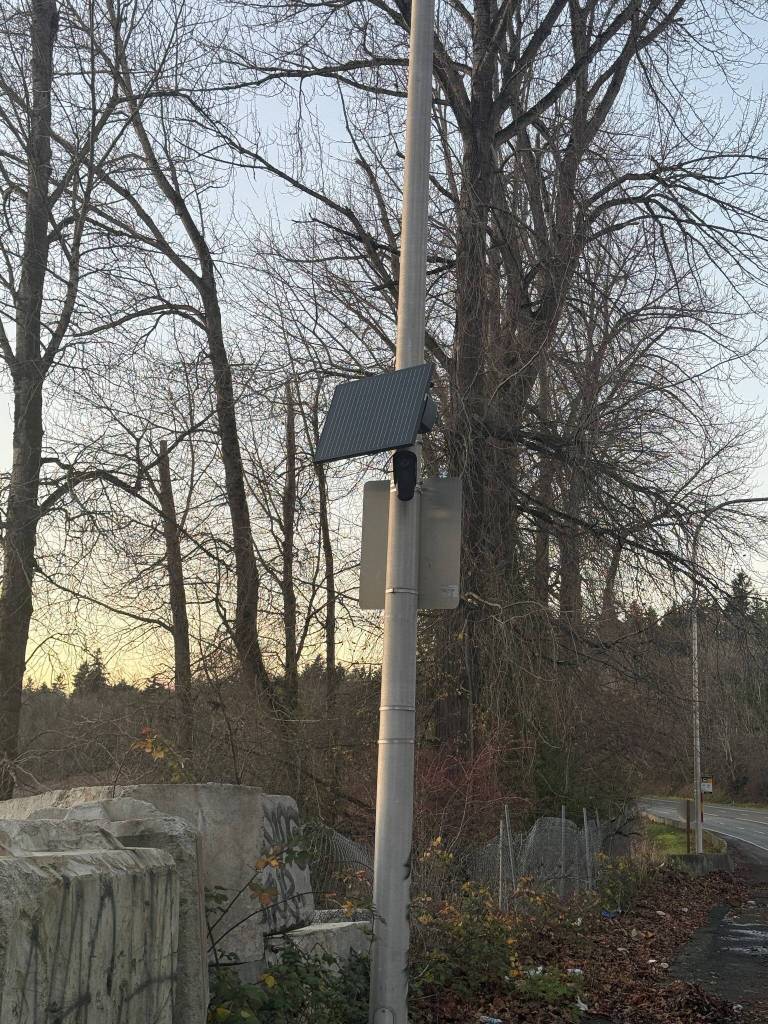
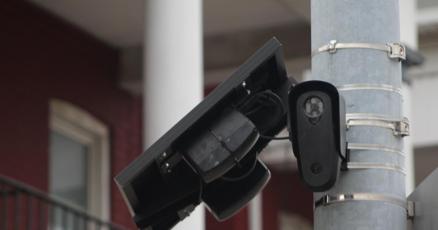
Automated license plate reader (ALPR) systems, using AI for vehicle tracking, have led to wrongful police stops and harassment in Colorado, violating individuals' rights. Nationwide, concerns grow over mass surveillance, privacy violations, and potential misuse as agencies like the FBI seek expanded access to ALPR data without sufficient oversight or regulation.[AI generated]

Why's our monitor labelling this an incident or hazard?

ALPR technology is an AI system that automatically collects and processes vehicle location data. The article details multiple cases where ALPR errors caused wrongful police stops and harassment, directly harming individuals' rights and safety. These incidents constitute violations of rights and harm to persons, fitting the definition of an AI Incident. The legislative failure to regulate ALPRs does not negate the fact that harms have already occurred due to the AI system's use and malfunction. Hence, this is an AI Incident rather than a hazard or complementary information.[AI generated]
AI principles
Privacy & data governanceAccountability

Industries
Government, security, and defence

Affected stakeholders
General public

Harm types
Human or fundamental rightsPsychological

Severity
AI incident

Business function:
Compliance and justice

AI system task:
Recognition/object detection


Articles about this incident or hazard

Thumbnail Image

FBI Seeking Nationwide Access To License Plate Tracking Network, Records Show

2026-05-19
matzav.com
Why's our monitor labelling this an incident or hazard?
The event involves the use of AI systems (ALPR technology with automated scanning and data processing) in a law enforcement and intelligence context. The FBI's pursuit of nationwide access to these systems could plausibly lead to an AI Incident by enabling widespread surveillance and tracking of individuals, potentially violating rights and freedoms. Since the article describes a procurement effort and potential future use rather than a realized harm, it fits the definition of an AI Hazard, as the technology's deployment could plausibly lead to significant harms related to privacy and civil liberties.
Thumbnail Image

License plate reader reform didn't make it through the legislature, but local leaders can still act (Opinion)

2026-05-16
Boulder Daily Camera
Why's our monitor labelling this an incident or hazard?
ALPR technology is an AI system that automatically collects and processes vehicle location data. The article details multiple cases where ALPR errors caused wrongful police stops and harassment, directly harming individuals' rights and safety. These incidents constitute violations of rights and harm to persons, fitting the definition of an AI Incident. The legislative failure to regulate ALPRs does not negate the fact that harms have already occurred due to the AI system's use and malfunction. Hence, this is an AI Incident rather than a hazard or complementary information.
Thumbnail Image

FBI Wants to Buy Nationwide Access to License Plate Readers

2026-05-19
End Time Headlines
Why's our monitor labelling this an incident or hazard?
The FBI's pursuit of broad access to ALPR systems involves AI technology for automated data collection and analysis of vehicle movements. Although the article does not report any realized harm, the potential for mass surveillance and privacy infringement is significant and credible. This constitutes a plausible risk of harm to fundamental rights, fitting the definition of an AI Hazard rather than an Incident, as no direct harm has yet occurred but could plausibly arise from this expanded AI-enabled surveillance capability.
Thumbnail Image

Renton police chief responds to council decision on Flock cameras - Renton Reporter

2026-05-19
Renton Reporter
Why's our monitor labelling this an incident or hazard?
The ALPR system is an AI system used by the police department. The article discusses the city council's decision to pause its use and the police chief's defense of the system under new legal safeguards. There is no mention of any injury, rights violation, property harm, or other significant harm caused by the system. Nor does the article suggest a credible risk of future harm beyond the ongoing public debate. The main focus is on transparency, accountability, and policy compliance, which fits the definition of Complementary Information rather than an Incident or Hazard.
Thumbnail Image

Open Records Laws Reveal ALPRs' Sprawling Surveillance...

2026-05-19
freedomsphoenix.com
Why's our monitor labelling this an incident or hazard?
The article clearly involves AI systems, as ALPRs use automated image recognition and data analysis to track vehicles. The harms described—privacy violations, racist surveillance, and misuse of data—are real and have occurred, constituting violations of rights and harm to communities. However, the article does not report a new or specific AI Incident event but rather discusses ongoing issues, public scrutiny, and legislative developments related to ALPR use. Therefore, it fits best as Complementary Information, providing context and updates on societal and governance responses to AI surveillance harms rather than describing a discrete incident or hazard.
Thumbnail Image

Area police share license plate reader data for immigration, unstated reasons, records show

2026-05-20
Dayton Daily News
Why's our monitor labelling this an incident or hazard?
The article explicitly involves AI systems (ALPRs) used by police departments to collect and share data. The sharing and use of this data for immigration enforcement and other unclear purposes have directly led to violations of privacy and potentially other rights, constituting harm. The lack of transparency, vague justifications for data access, and policy violations demonstrate misuse and inadequate oversight of AI systems, fulfilling the criteria for an AI Incident. The harms are realized, not merely potential, as the data has been accessed and used in ways that breach community trust and legal expectations.
Thumbnail Image

Privacy advocates: Legislation, guardrails needed for police license plate readers

2026-05-20
Dayton Daily News
Why's our monitor labelling this an incident or hazard?
The event involves an AI system (ALPR) whose use directly led to harm: unauthorized data sharing violating privacy and policy, which is a breach of rights and legal obligations. The misuse and lack of proper controls caused realized harm, including loss of trust, policy violations, and personnel consequences. The AI system's role is pivotal as it enabled mass surveillance and data sharing that caused these harms. Hence, this is classified as an AI Incident rather than a hazard or complementary information.