Experts Warn of AI-Driven Fake News Risks in Brazilian Elections

Thumbnail Image

The information displayed in the AIM should not be reported as representing the official views of the OECD or of its member countries.

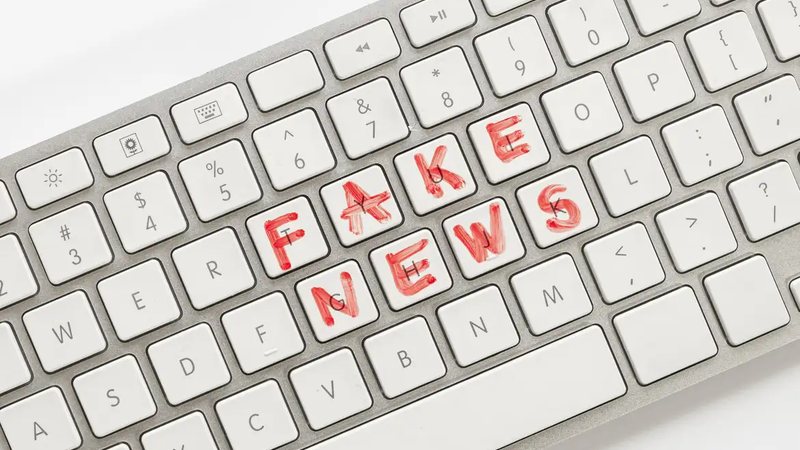
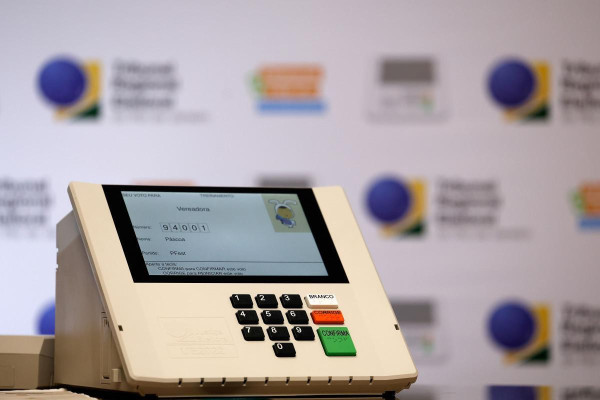
Brazilian electoral authorities and experts warn that AI could intensify the spread of fake news during upcoming elections, especially amid political polarization and low digital literacy. The Tribunal Superior Eleitoral is preparing to address these risks, but no AI-driven incidents have yet occurred.[AI generated]

Why's our monitor labelling this an incident or hazard?

The article explicitly mentions the use of AI in election campaigns and the potential for it to exacerbate the circulation of false information, which could harm communities by undermining democratic processes. However, it does not describe any realized harm or specific AI system malfunction or misuse that has already caused damage. Instead, it highlights the plausible risk and the need for vigilance and capacity building by electoral authorities. Therefore, this event fits the definition of an AI Hazard, as it plausibly could lead to an AI Incident involving harm to communities through misinformation but has not yet done so.[AI generated]

AI principles
Democracy & human autonomyTransparency & explainability

Industries
Media, social platforms, and marketingGovernment, security, and defence

Affected stakeholders
General public

Harm types
Public interest

Severity
AI hazard

AI system task:
Content generationOrganisation/recommenders


Articles about this incident or hazard

Thumbnail Image

IA pode ampliar disseminação de fake news nas eleições

2026-05-16
Poder360
Why's our monitor labelling this an incident or hazard?
The article explicitly mentions the use of AI in election campaigns and the potential for it to exacerbate the circulation of false information, which could harm communities by undermining democratic processes. However, it does not describe any realized harm or specific AI system malfunction or misuse that has already caused damage. Instead, it highlights the plausible risk and the need for vigilance and capacity building by electoral authorities. Therefore, this event fits the definition of an AI Hazard, as it plausibly could lead to an AI Incident involving harm to communities through misinformation but has not yet done so.
Thumbnail Image

IA pode gerar mais fake news nas eleições, alertam especialistas

2026-05-16
O Povo
Why's our monitor labelling this an incident or hazard?
The article explicitly mentions the plausible future risk of AI-generated fake news impacting elections, which could lead to harm to communities through misinformation and political manipulation. However, it does not describe any realized harm or specific events where AI has already caused such harm. Therefore, this qualifies as an AI Hazard, as the AI system's use could plausibly lead to an AI Incident in the future, but no incident has yet occurred.
Thumbnail Image

IA pode gerar mais fake news nas eleições, alertam especialistas

2026-05-17
TNH1
Why's our monitor labelling this an incident or hazard?
The article explicitly mentions AI's potential to exacerbate the circulation of false information in a politically polarized context, which could plausibly lead to harm to communities and the integrity of the electoral process. No actual AI-driven harm or incident is described as having occurred yet. The discussion centers on the risk and the need for effective oversight and debate, fitting the definition of an AI Hazard rather than an AI Incident or Complementary Information. Therefore, the event is best classified as an AI Hazard due to the credible potential for AI misuse to cause harm in the electoral context.
Thumbnail Image

IA nas eleições preocupa especialistas e TSE - Jornal de Brasília

2026-05-16
Jornal de Brasília
Why's our monitor labelling this an incident or hazard?
The article centers on warnings and concerns about the potential misuse of AI in elections, such as spreading misinformation and manipulating voter behavior, which could plausibly lead to harm in the future. It also discusses the preparedness and strategies of the Electoral Justice system to mitigate these risks. Since no actual harm or incident has been reported, and the focus is on potential future risks and governance responses, this event fits the definition of an AI Hazard rather than an AI Incident or Complementary Information.
Thumbnail Image

IA pode gerar mais fake news nas eleições, alertam especialistas

2026-05-16
HOME
Why's our monitor labelling this an incident or hazard?
The article explicitly mentions the use of AI in election campaigns and the potential for AI to be used to manipulate voter attention and intentions, which could plausibly lead to harm such as misinformation and disruption of democratic processes. However, no actual harm or incident has been reported yet. The discussion centers on the potential threat and institutional responses, fitting the definition of an AI Hazard rather than an AI Incident or Complementary Information. Therefore, the event is best classified as an AI Hazard due to the credible risk of AI-generated fake news impacting elections in the future.
Thumbnail Image

IA pode gerar mais fake news nas eleições, afirmam especialistas

2026-05-16
Diario de Pernambuco
Why's our monitor labelling this an incident or hazard?
The article explicitly mentions AI's potential to worsen the circulation of false information in a politically polarized context, which could harm communities by spreading misinformation. However, it does not describe any realized harm or specific AI-driven misinformation incidents occurring at present. Instead, it centers on expert warnings and the anticipated challenges for electoral authorities to manage this risk. Therefore, the event fits the definition of an AI Hazard, as it plausibly could lead to an AI Incident (harm from AI-generated fake news) but no direct harm has yet occurred.
Thumbnail Image

IA pode gerar mais fake news nas eleições, alertam especialistas

2026-05-16
UOL notícias
Why's our monitor labelling this an incident or hazard?
The article explicitly mentions the risk that AI could generate more fake news in elections, which is a plausible future harm stemming from the use of AI systems capable of generating misleading content. However, it does not report that such harm has already occurred or that AI-generated fake news is currently spreading. Therefore, this situation fits the definition of an AI Hazard, as it describes a credible risk of harm that could plausibly lead to an AI Incident but has not yet materialized.
Thumbnail Image

IA pode gerar mais fake news nas eleições, alertam especialistas

2026-05-16
Tribuna do Sertão
Why's our monitor labelling this an incident or hazard?
The article explicitly mentions the use of AI technology to generate fake news and the plausible risk that this could worsen misinformation during elections, which could harm communities and the democratic process. However, it does not describe any realized harm or specific incidents where AI-generated fake news has directly caused harm. Instead, it presents expert warnings and concerns about potential future harms and the challenges of addressing them. Therefore, this event fits the definition of an AI Hazard, as it plausibly could lead to an AI Incident but has not yet done so.
Thumbnail Image

IA pode gerar fake news na campanha eleitoral, dizem especialistas

2026-05-16
Tribuna do Sertão
Why's our monitor labelling this an incident or hazard?
The article explicitly references the potential use of AI to create fake news that could influence voter behavior and election outcomes, which constitutes a plausible risk of harm to communities and the democratic process. Since no actual harm or incident is described as having occurred, but rather a credible warning about future misuse of AI in elections, this fits the definition of an AI Hazard. The discussion about institutional responses and legal frameworks further supports that the event is about potential harm rather than realized harm.
Thumbnail Image

IA pode gerar fake news na campanha eleitoral, dizem especialistas

2026-05-16
Agência Brasil
Why's our monitor labelling this an incident or hazard?
The article explicitly mentions the use of AI in generating fake news during elections as a potential threat that could exacerbate misinformation and manipulation. Although no specific incident of harm has occurred yet, the experts warn about the credible risk of AI misuse leading to significant harm to communities and democratic processes. Therefore, this qualifies as an AI Hazard because it plausibly could lead to an AI Incident involving harm to communities and violation of democratic rights, but no actual harm is reported at this time.
Thumbnail Image

IA pode gerar mais fake news nas eleições, alertam especialistas - OPINIÃO E NOTÍCIA

2026-05-16
Opinião e Notícia
Why's our monitor labelling this an incident or hazard?
The article explicitly mentions the use of AI in election campaigns and the risk that it could exacerbate the circulation of false information, which could harm communities by undermining democratic processes. However, it does not report any realized harm or specific AI-driven incidents but rather discusses the potential for such harm and the preparedness of electoral authorities to respond. Therefore, this fits the definition of an AI Hazard, as it plausibly could lead to an AI Incident involving harm to communities through misinformation, but no incident has yet occurred.
Thumbnail Image

Uso da inteligência artificial preocupa Justiça Eleitoral nas eleições de 2026

2026-05-16
Jornal Panorama Minas
Why's our monitor labelling this an incident or hazard?
The article centers on the plausible future risks posed by AI in electoral manipulation, misinformation, and fraudulent polling, which could lead to harm such as violations of democratic processes and harm to communities. Since no actual harm or incident has occurred yet, and the focus is on the potential for harm and the preparedness of electoral authorities, this qualifies as an AI Hazard. It is not Complementary Information because it does not update or respond to a past incident, nor is it unrelated since it clearly involves AI and its societal impact in elections.
Thumbnail Image

Inteligência Artificial poderá aumentar fake news nas eleições

2026-05-16
DIÁRIO DO ESTADO | Confira as principais notícias do Brasil e do mundo
Why's our monitor labelling this an incident or hazard?
The article explicitly mentions AI and its potential to intensify the dissemination of fake news in elections, which could harm communities by misleading voters and undermining democratic processes. However, it does not describe any actual incident of AI-generated misinformation causing harm at this time. Instead, it emphasizes the need for vigilance and preparedness to address these risks. Therefore, this event fits the definition of an AI Hazard, as it plausibly could lead to an AI Incident if not properly managed.