Japan Considers Financial System Shutdowns to Counter AI-Driven Cyberattack Risks

Thumbnail Image

The information displayed in the AIM should not be reported as representing the official views of the OECD or of its member countries.

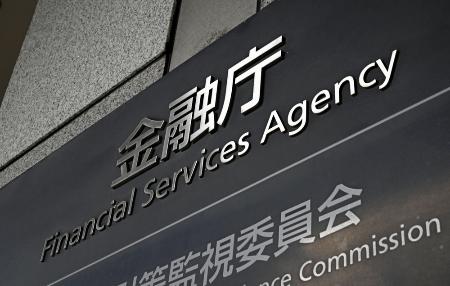
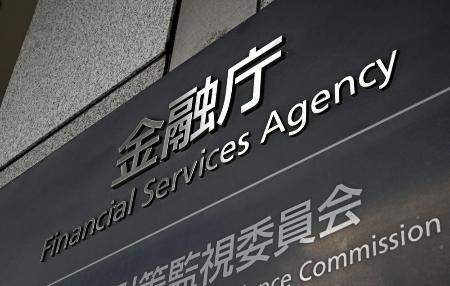
Japanese government agencies and financial institutions, concerned about the advanced cyberattack capabilities of Anthropic's AI system Claude Mutos, are considering proactive shutdowns of financial systems as a preventive measure. This response aims to mitigate potential disruptions to critical infrastructure from AI-enabled cyber threats. No actual incident has occurred yet.[AI generated]

Why's our monitor labelling this an incident or hazard?

The event involves an AI system (Claude Mutos) with advanced capabilities that could plausibly lead to cyberattacks on financial institutions, which are critical infrastructure. The article highlights the risk and the consideration of active shutdowns as a preventive measure, indicating a credible potential for harm but no realized harm yet. Therefore, this qualifies as an AI Hazard, as it describes a plausible future harm scenario related to AI use and its potential impact on critical infrastructure, but no actual incident has occurred.[AI generated]

AI principles
Robustness & digital securitySafety

Industries
Financial and insurance servicesDigital security

Affected stakeholders
BusinessGovernment

Harm types
Economic/PropertyPublic interest

Severity
AI hazard

Business function:
ICT management and information security

AI system task:
Content generation


Articles about this incident or hazard

Thumbnail Image

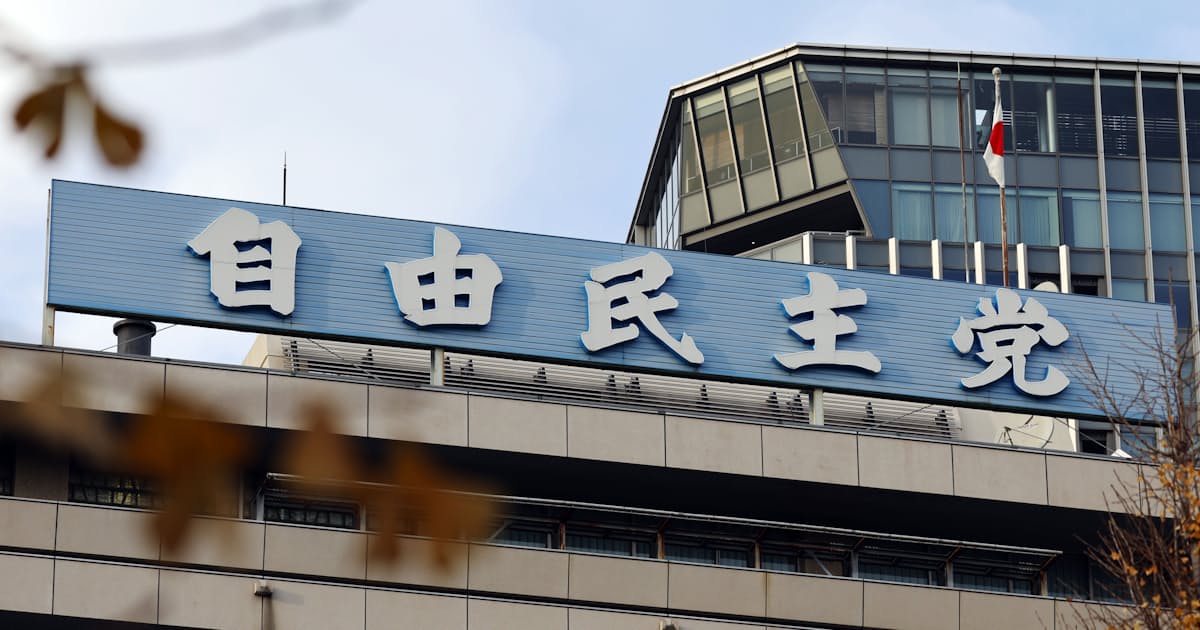
AIの金融リスク回避「官民検討を」 融資や運用念頭 自民党が提言案

2026-05-18
日本経済新聞
Why's our monitor labelling this an incident or hazard?
The article does not describe any specific AI system causing harm or malfunction, nor does it report any realized or imminent harm resulting from AI use. Instead, it outlines a policy proposal aimed at managing potential risks associated with AI in finance. Therefore, it is best classified as Complementary Information, as it provides governance context and responses related to AI without reporting an incident or hazard.
Thumbnail Image

金融システムの「能動的な停止」も選択肢 AIミュトスの対応案判明:朝日新聞

2026-05-19
朝日新聞デジタル
Why's our monitor labelling this an incident or hazard?
The event involves an AI system (Claude Mutos) with advanced capabilities that could plausibly lead to cyberattacks on financial institutions, which are critical infrastructure. The article highlights the risk and the consideration of active shutdowns as a preventive measure, indicating a credible potential for harm but no realized harm yet. Therefore, this qualifies as an AI Hazard, as it describes a plausible future harm scenario related to AI use and its potential impact on critical infrastructure, but no actual incident has occurred.
Thumbnail Image

NEWSFLASH:対ミュトス、金融システム停止案

2026-05-20
毎日新聞
Why's our monitor labelling this an incident or hazard?
The AI system "Claude Mythos" is explicitly mentioned and is described as having advanced capabilities that could be exploited for cyberattacks. The consideration of proactive system shutdowns by financial institutions implies a credible risk of disruption to critical infrastructure. Since no harm has yet occurred but there is a plausible risk of such harm, this event qualifies as an AI Hazard rather than an Incident. The article focuses on potential future harm and preparedness rather than reporting an actual incident.
Thumbnail Image

高性能AIミュトス対応案 「金融システムの能動的な停止」も想定

2026-05-20
毎日新聞
Why's our monitor labelling this an incident or hazard?
The event involves an AI system ('Claude Muttos') with advanced vulnerability detection capabilities, which could be used maliciously to launch cyberattacks against financial systems. Although no actual harm has occurred yet, the discussion and preparation of active system shutdowns indicate a credible risk that the AI's use or misuse could lead to disruption of critical infrastructure (financial systems). Therefore, this situation fits the definition of an AI Hazard, as it plausibly could lead to an AI Incident involving disruption of critical infrastructure.
Thumbnail Image

金融システム停止も選択肢 官民会議の最新AI対策案

2026-05-19
神戸新聞
Why's our monitor labelling this an incident or hazard?
The article explicitly mentions the use of an AI system (Claude Mutos) with advanced capabilities that could be maliciously used to conduct cyberattacks on financial institutions. The discussion of potential financial system shutdowns as a preventive measure indicates recognition of a credible threat that could disrupt critical infrastructure. Since no actual harm or incident has been reported yet, but the risk is credible and plausible, this event qualifies as an AI Hazard under the OECD framework.
Thumbnail Image

金融システム停止も選択肢|埼玉新聞|埼玉の最新ニュース・スポーツ・地域の話題

2026-05-19
��ʐV���b��ʂ̍ŐV�j���[�X�E�X�|�[�c�E�n��̘b��
Why's our monitor labelling this an incident or hazard?
The event involves the use or potential misuse of an AI system (Anthropic's Claude-Mutos) in cyberattacks targeting financial institutions, which could disrupt critical infrastructure. Although no actual harm has occurred yet, the discussion of system shutdowns as a preventive measure shows that the AI system's involvement could plausibly lead to an AI Incident. Therefore, this qualifies as an AI Hazard rather than an Incident, as the harm is potential and preventive actions are being considered.
Thumbnail Image

金融システム停止も選択肢 官民会議の最新AI対策案:経済:福島民友新聞社

2026-05-19
福島民友新聞社
Why's our monitor labelling this an incident or hazard?
The article explicitly mentions an AI system (Claude Mutus) with advanced capabilities that could be misused to conduct cyberattacks on financial institutions. The discussion of potential financial system shutdowns is a preventive measure against such AI-enabled threats. Since no actual harm has occurred yet but there is a credible risk of disruption to critical infrastructure, this fits the definition of an AI Hazard. The event involves the use and potential misuse of an AI system that could plausibly lead to harm, but no realized harm is reported, so it is not an AI Incident. It is not merely complementary information because the main focus is on the risk and planned countermeasures against AI-enabled cyberattacks, not on responses to past incidents.