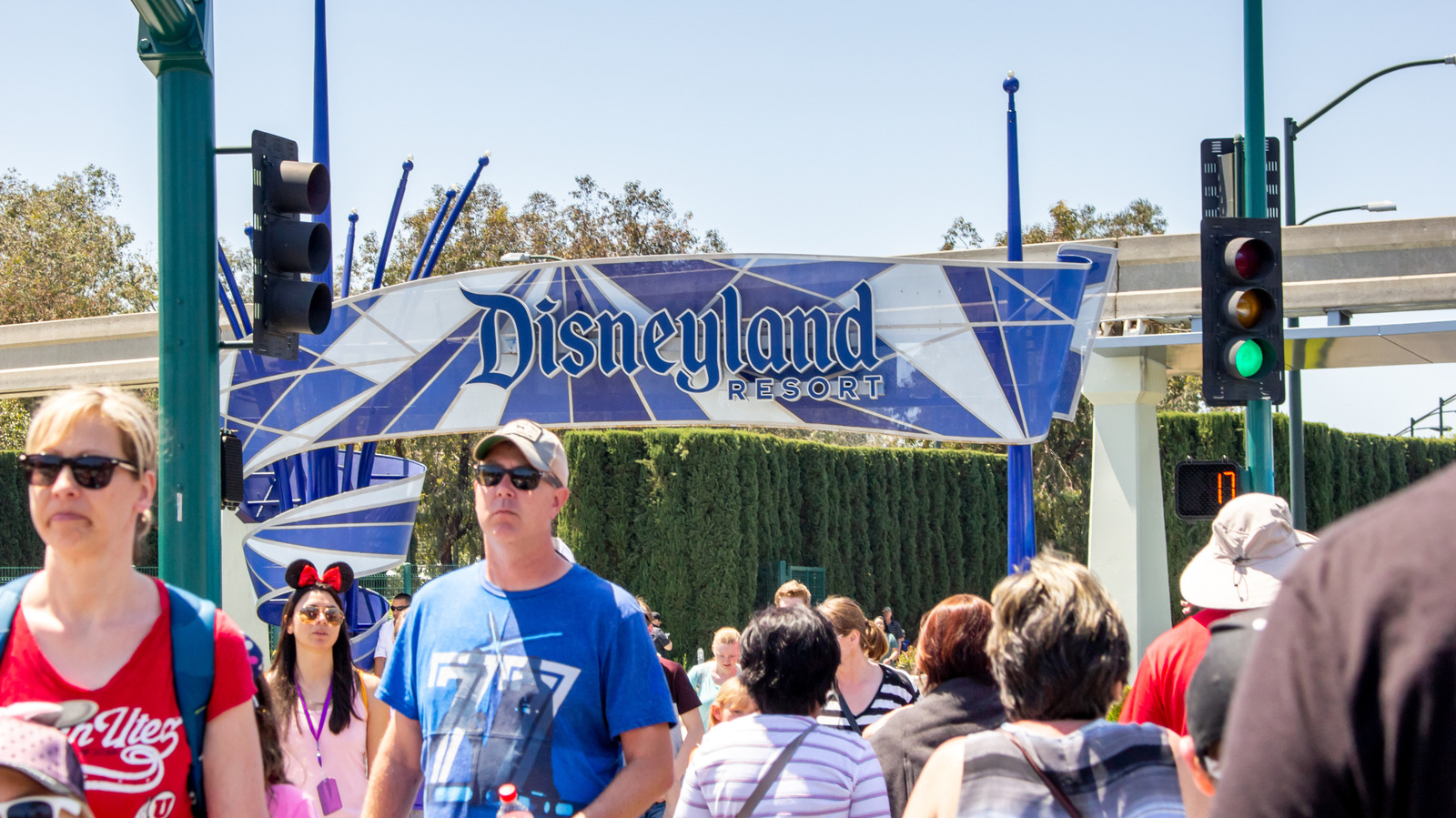
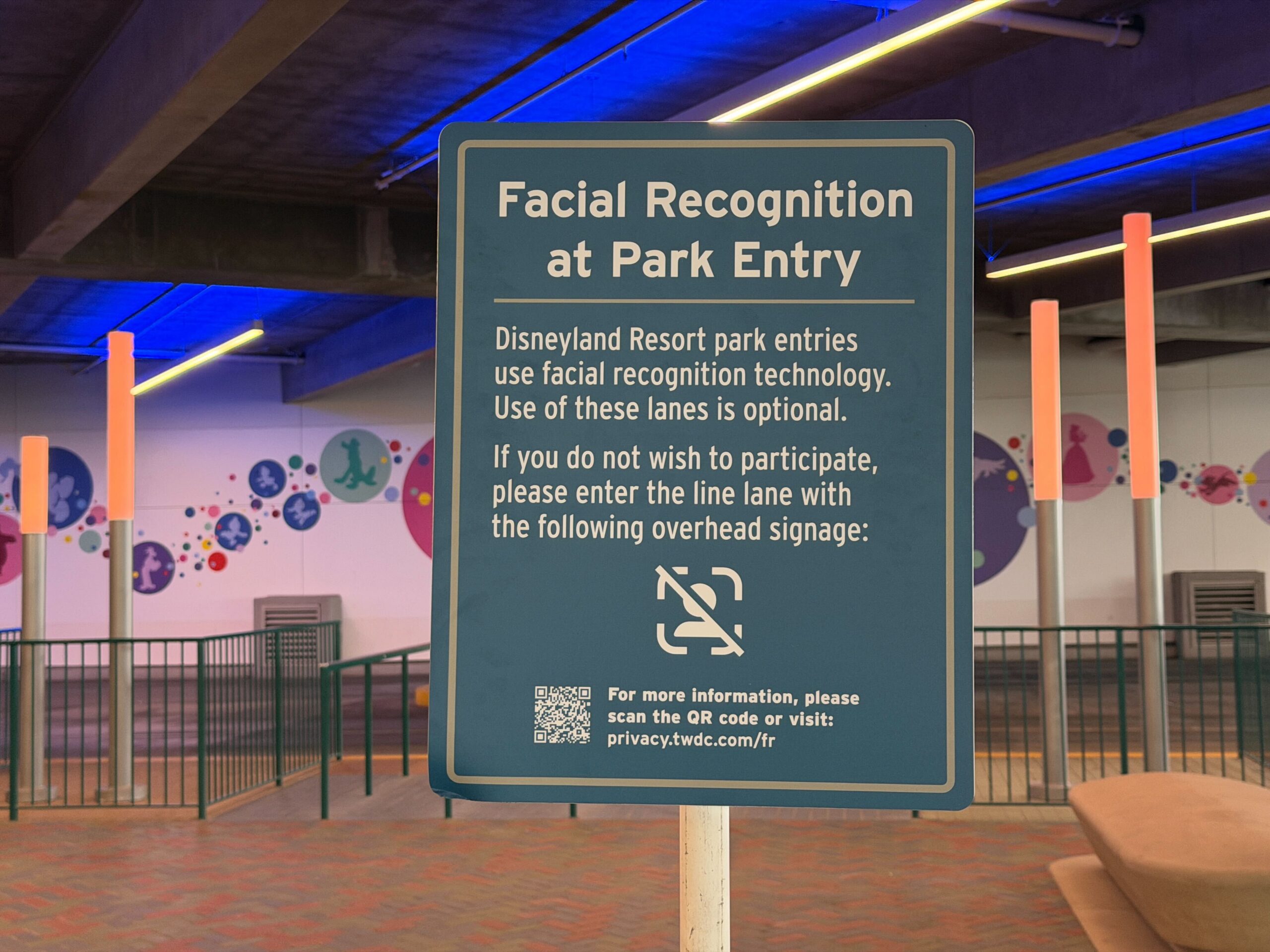
Disneyland Sued Over Undisclosed Use of Facial Recognition AI

Thumbnail Image

The information displayed in the AIM should not be reported as representing the official views of the OECD or of its member countries.

Disneyland faces a $5 million class action lawsuit alleging it failed to properly disclose the use of facial recognition AI at park entrances, violating privacy and consumer protection laws. The suit claims biometric data, including that of children, was collected without adequate notice or explicit consent from visitors.[AI generated]

Why's our monitor labelling this an incident or hazard?

Facial recognition technology is an AI system that processes biometric data to identify individuals. The lawsuit claims that Disney's deployment of this AI system at park entrances has led to violations of privacy and consumer protection laws, constituting harm under the framework's category of violations of human rights or legal obligations. The harm is realized as the lawsuit is filed alleging these violations, indicating direct or indirect harm caused by the AI system's use. Hence, this qualifies as an AI Incident rather than a hazard or complementary information.[AI generated]
AI principles
Privacy & data governanceTransparency & explainability

Industries
Travel, leisure, and hospitalityDigital security

Affected stakeholders
ConsumersChildren

Harm types
Human or fundamental rights

Severity
AI incident

Business function:
Monitoring and quality control

AI system task:
Recognition/object detection


Articles about this incident or hazard

Thumbnail Image

Disney Hit With Class Action Over Facial Recognition Technology at Park Entrances

2026-05-18
The Hollywood Reporter
Why's our monitor labelling this an incident or hazard?
Facial recognition technology is an AI system that processes biometric data to identify individuals. The lawsuit claims that Disney's deployment of this AI system at park entrances has led to violations of privacy and consumer protection laws, constituting harm under the framework's category of violations of human rights or legal obligations. The harm is realized as the lawsuit is filed alleging these violations, indicating direct or indirect harm caused by the AI system's use. Hence, this qualifies as an AI Incident rather than a hazard or complementary information.
Thumbnail Image

Disneyland hit with $5 million lawsuit over use of facial recognition technology

2026-05-19
ArcaMax
Why's our monitor labelling this an incident or hazard?
Facial recognition technology is an AI system that processes biometric data to identify individuals. The lawsuit claims that Disneyland's use of this technology violates privacy and consumer protection laws by collecting biometric data without proper disclosure or consent, especially affecting children. This constitutes a violation of rights under applicable law, fulfilling the criteria for an AI Incident. The event describes realized harm (privacy violations and legal claims) directly linked to the AI system's use, not just a potential risk or general information, so it is not an AI Hazard or Complementary Information.
Thumbnail Image

Disney faces a class action lawsuit over facial recognition tech - Engadget

2026-05-18
engadget
Why's our monitor labelling this an incident or hazard?
Facial recognition technology is an AI system that processes biometric data to identify individuals. The lawsuit claims that Disney's use of this AI system violates privacy rights by failing to obtain explicit consent and adequately inform visitors, which constitutes a breach of obligations under applicable law protecting fundamental rights. This aligns with the definition of an AI Incident involving violations of human rights or legal obligations. Therefore, this event qualifies as an AI Incident due to the alleged harm caused by the AI system's use in scanning visitors without proper consent or notice.
Thumbnail Image

Class Action Lawsuit Over Facial Recognition Technology Filed Against The Walt Disney Company - WDW News Today

2026-05-18
WDW News Today
Why's our monitor labelling this an incident or hazard?
The facial recognition technology is an AI system that processes biometric data of guests. The lawsuit alleges that Disney's use of this AI system violates privacy and consumer protection laws by not properly informing or obtaining consent from users, which constitutes a breach of legal rights. This is a direct harm related to the AI system's use. The event is not merely a potential risk or a general update but a concrete legal challenge based on the AI system's deployment and its impact on individuals' rights. Hence, it fits the definition of an AI Incident involving violations of rights.
Thumbnail Image

Disneyland hit with $5 million lawsuit over use of facial recognition technology

2026-05-19
Daily News
Why's our monitor labelling this an incident or hazard?
Facial recognition technology is an AI system that processes biometric data to identify individuals. The lawsuit alleges that Disneyland's use of this AI system violates privacy and consumer protection laws by not properly disclosing its use and not obtaining explicit consent, which constitutes a breach of fundamental rights. The harm is realized as it affects visitors' privacy rights, including those of children, and involves sensitive biometric data collection without proper consent. This fits the definition of an AI Incident because the AI system's use has directly led to violations of human rights and legal obligations.
Thumbnail Image

Disneyland hit with $5 million lawsuit over use of facial recognition technology

2026-05-19
Eagle-Tribune
Why's our monitor labelling this an incident or hazard?
Facial recognition technology is an AI system that processes biometric data. The lawsuit alleges that Disneyland's use of this AI system violates privacy and consumer protection laws, which constitutes a breach of fundamental rights. Since the AI system's use has directly led to legal claims of rights violations, this qualifies as an AI Incident under the framework.