University of Washington Cancels AI Classroom Camera Study After Privacy Backlash

Thumbnail Image

The information displayed in the AIM should not be reported as representing the official views of the OECD or of its member countries.

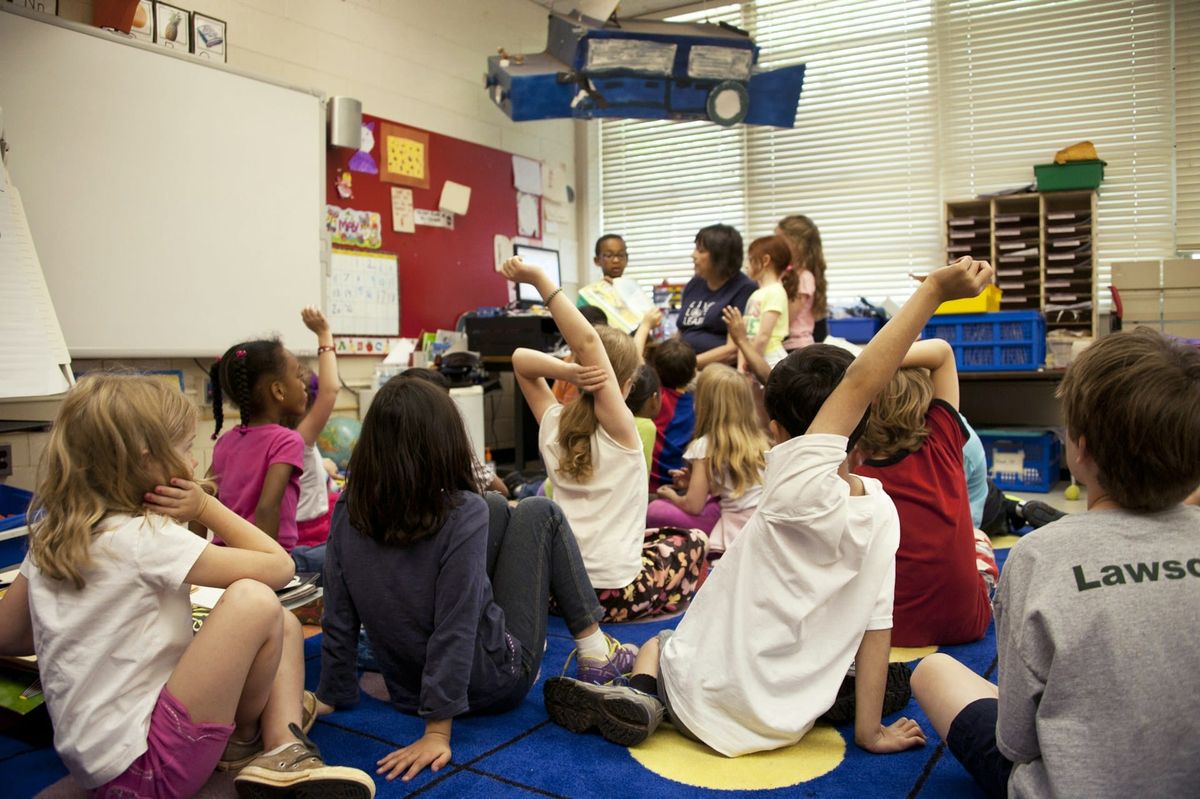
University of Washington researchers planned to record preschool classrooms using teacher-worn cameras to train AI models assessing classroom interactions. The opt-out consent process and unclear data usage raised parental concerns over privacy and informed consent, leading to the project's cancellation before any data collection or AI deployment occurred.[AI generated]

Why's our monitor labelling this an incident or hazard?

An AI system was explicitly involved as the footage was intended to train AI models. The event stems from the planned use of AI (use phase). However, since the study was cancelled before any data collection or AI deployment, no realized harm occurred. The parental concerns and potential privacy violations represent plausible future harms if the study had proceeded. Therefore, this event qualifies as an AI Hazard because it plausibly could have led to violations of privacy and consent (a form of harm to rights) but did not materialize into an incident.[AI generated]
AI principles
Privacy & data governanceRespect of human rights

Industries
Education and training

Affected stakeholders
ChildrenWorkers

Harm types
Human or fundamental rights

Severity
AI hazard

Business function:
Research and development

AI system task:
Recognition/object detection


Articles about this incident or hazard

Thumbnail Image

Parents Explode in Fury at School's Plan to Constantly Film Their Children to Train AI

2026-05-18
Futurism
Why's our monitor labelling this an incident or hazard?
An AI system was explicitly involved as the footage was intended to train AI models. The event stems from the planned use of AI (use phase). However, since the study was cancelled before any data collection or AI deployment, no realized harm occurred. The parental concerns and potential privacy violations represent plausible future harms if the study had proceeded. Therefore, this event qualifies as an AI Hazard because it plausibly could have led to violations of privacy and consent (a form of harm to rights) but did not materialize into an incident.
Thumbnail Image

Parents Revolt After College Plans Surveillance Experiment On Kids, Report Shows

2026-05-19
The Daily Caller
Why's our monitor labelling this an incident or hazard?
The event involves an AI system development plan that was halted before any data collection or AI training took place, so no realized harm occurred. The parental concerns and cancellation indicate a plausible risk of privacy violations and potential misuse if the study had proceeded, but since it was terminated early, no direct or indirect harm happened. Therefore, this event represents an AI Hazard, as the planned AI system's use could plausibly have led to harm (privacy violations), but no incident occurred.
Thumbnail Image

Researchers Wanted Preschool Teachers to Wear Cameras to Train AI

2026-05-18
Democratic Underground
Why's our monitor labelling this an incident or hazard?
The event involves the development and intended use of AI systems trained on video data from preschool classrooms. Although the research was not carried out due to parental opposition, the opt-out approach to data collection involving children raises credible concerns about privacy violations and potential harm to children's rights. Since no harm occurred and the project was cancelled before deployment, this qualifies as an AI Hazard rather than an AI Incident. The event is not merely general AI news but highlights a credible risk from AI use in sensitive contexts.
Thumbnail Image

Plan For Teachers to Record Children For AI Training Purposes Scrapped After Parent Backlash

2026-05-19
PetaPixel
Why's our monitor labelling this an incident or hazard?
The project involved the use of AI systems to analyze classroom interactions by recording teachers and children, which qualifies as AI system involvement. The use of opt-out consent and vague data usage terms raised credible concerns about potential violations of privacy and misuse of children's likeness, which could have led to harm to rights and communities if the project had proceeded. Since the project was terminated before any data collection or AI training happened, no actual harm occurred, so it is not an AI Incident. The event is not merely complementary information because it focuses on the cancellation due to potential harm, not on responses to a past incident. Thus, the event is best classified as an AI Hazard.
Thumbnail Image

Parents Revolt After College Tries Surveillance Experiment On Kids, Report Shows

2026-05-19
dailycallernewsfoundation.org
Why's our monitor labelling this an incident or hazard?
The event involves an AI system development plan (training AI with video data of children) that was halted before implementation due to privacy and consent concerns. Since no data collection or AI deployment occurred, no direct or indirect harm materialized. However, the planned use of AI in this context could plausibly lead to privacy violations or misuse of children's data, constituting a potential future harm. Thus, it fits the definition of an AI Hazard rather than an AI Incident or Complementary Information.
Thumbnail Image

Researchers Wanted Preschool Teachers to Wear Cameras to Train AI

2026-05-18
404 Media
Why's our monitor labelling this an incident or hazard?
An AI system was clearly involved as the research aimed to develop AI models analyzing video data. The use of AI in this context could have led to potential violations of privacy and informed consent, which are human rights concerns. However, since the research was shelved before implementation and no harm occurred, this event does not qualify as an AI Incident. Instead, it represents a plausible risk of harm from AI use in sensitive settings, making it an AI Hazard. The article focuses on the potential risks and the decision to terminate the study, not on actual harm caused by AI.