Standard Chartered and Global Banks Cut Thousands of Jobs Due to AI Automation

Thumbnail Image

The information displayed in the AIM should not be reported as representing the official views of the OECD or of its member countries.

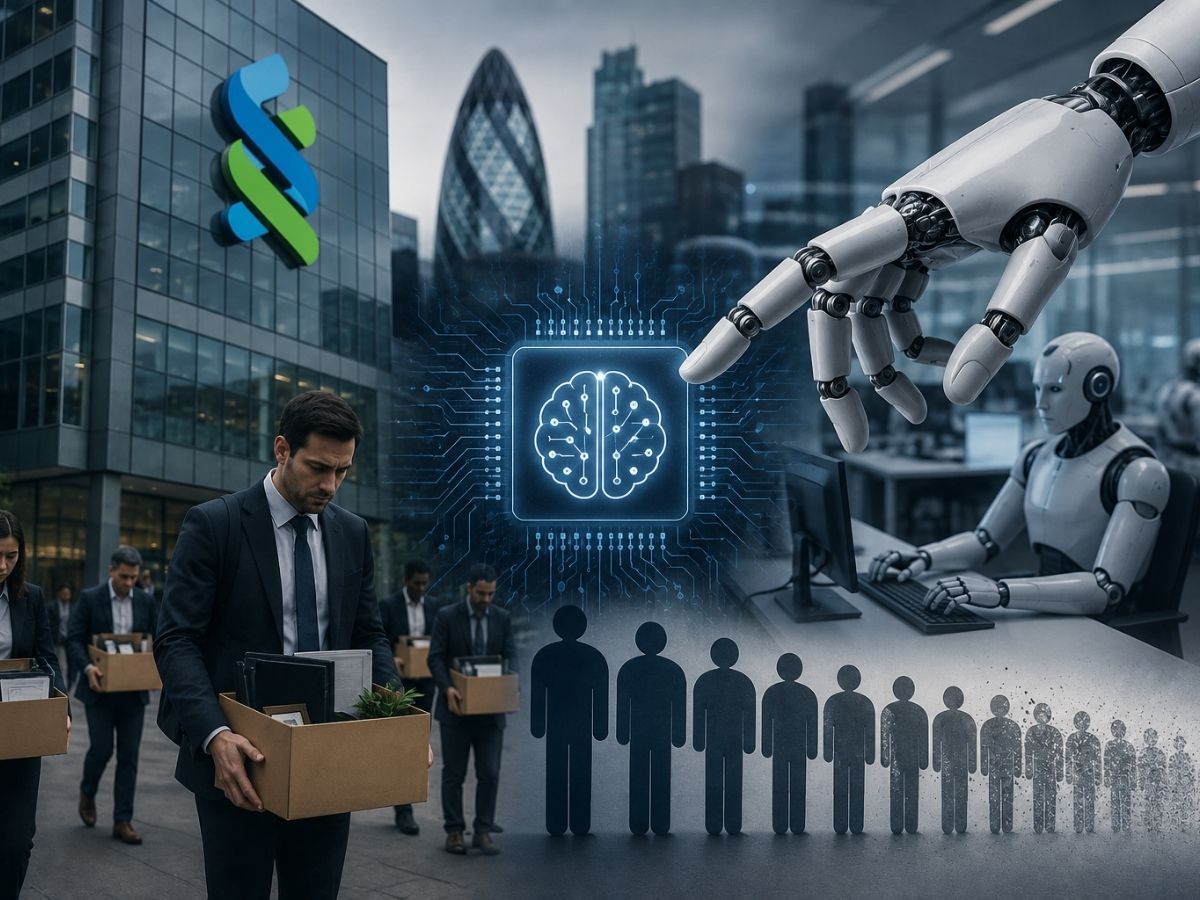
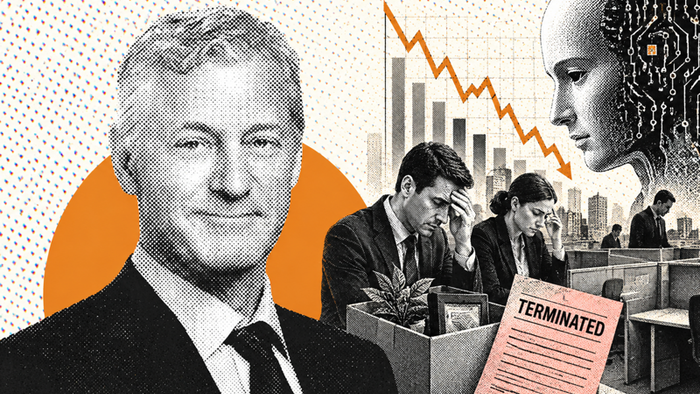
Standard Chartered plans to cut over 7,000 jobs, or 15% of its back-office workforce, by 2030 as part of a global shift toward AI-driven automation. This move, echoed by other major banks, directly links AI adoption to large-scale job losses, impacting employees across multiple countries.[AI generated]

Why's our monitor labelling this an incident or hazard?

The article explicitly links the job cuts to increased AI adoption, indicating that AI use is directly causing harm through workforce reductions. This constitutes an AI Incident as it involves realized harm (job losses) resulting from the use of AI systems in the company's operations.[AI generated]

AI principles
Human wellbeingRespect of human rights

Industries
Financial and insurance services

Affected stakeholders
Workers

Harm types
Economic/Property

Severity
AI incident

Business function:
Monitoring and quality control

AI system task:
Goal-driven organisation


Articles about this incident or hazard

Thumbnail Image

Standard Chartered to cut thousands of roles as AI use increases

2026-05-19
BBC
Why's our monitor labelling this an incident or hazard?
The article explicitly links the job cuts to increased AI adoption, indicating that AI use is directly causing harm through workforce reductions. This constitutes an AI Incident as it involves realized harm (job losses) resulting from the use of AI systems in the company's operations.
Thumbnail Image

Standard Chartered to cut thousands of roles as AI use increases

2026-05-19
BBC
Why's our monitor labelling this an incident or hazard?
The article explicitly links the job cuts to the increased use of AI and automation, indicating that AI systems are replacing human roles. This constitutes an AI Incident because the development and use of AI systems have directly led to harm in the form of significant job losses, affecting workers' livelihoods and labor rights. The harm is realized and ongoing, not merely potential, and the AI system's role is pivotal in causing this harm. Therefore, the event qualifies as an AI Incident under the OECD framework.
Thumbnail Image

AI Reshapes Banking: Standard Chartered Targets 15% Cut In Corporate Roles

2026-05-19
News18
Why's our monitor labelling this an incident or hazard?
The article explicitly mentions the use of AI systems to automate and streamline processes, leading to planned job cuts. While this involves the use of AI and has implications for employment (a form of social and economic harm), the article does not describe any realized injury, violation of rights, or other direct harms caused by AI at this stage. The harm is potential and related to future job displacement due to AI integration. Therefore, this event represents a plausible future harm scenario related to AI use in the workplace, fitting the definition of an AI Hazard rather than an AI Incident or Complementary Information.
Thumbnail Image

IA : la banque Standard Chartered prévoit de supprimer des milliers de postes d'ici 2030

2026-05-19
Le Figaro.fr
Why's our monitor labelling this an incident or hazard?
The article explicitly mentions AI systems being used to automate and improve internal processes, leading to planned workforce reductions. This indicates AI system involvement in the use phase. The harm is economic and social (job losses), which is a significant articulated harm. However, the harm is not yet realized but planned for the future (by 2030). There is no indication of immediate injury, rights violations, or other direct harm occurring now. Thus, the event fits the definition of an AI Hazard, as the AI system's use could plausibly lead to significant harm (job losses) in the future. It is not Complementary Information because the main focus is the announcement of a plan involving AI that could lead to harm, not a response or update to a past incident. It is not Unrelated because AI involvement and potential harm are clearly described.
Thumbnail Image

Standard Chartered to replace 'lower-value human capital' with AI

2026-05-19
Yahoo! Finance
Why's our monitor labelling this an incident or hazard?
The article explicitly mentions the adoption of AI as part of a technology drive to replace 'lower-value human capital' in back-office roles. The use of AI here is in the development and deployment phase to automate tasks, which will directly lead to job losses and associated economic and social harms to affected employees. This constitutes harm to groups of people (workers losing jobs), which fits the definition of an AI Incident as the AI system's use directly leads to harm (job displacement).
Thumbnail Image

Standard Chartered blames AI as it cuts thousands of jobs

2026-05-19
Yahoo! Finance
Why's our monitor labelling this an incident or hazard?
The article explicitly states that AI agents are replacing back-office staff, leading to planned job cuts of nearly 8,000 roles at Standard Chartered. This constitutes harm to people through loss of employment, which fits the definition of an AI Incident under harm to people or groups of people. The AI system's use is a direct cause of this harm, as it automates tasks previously done by humans, resulting in layoffs. Therefore, this event qualifies as an AI Incident.
Thumbnail Image

Winters Is Coming: Standard Chartered to Shed 8,000 Jobs to Make Room for AI

2026-05-19
The Wall Street Journal
Why's our monitor labelling this an incident or hazard?
The article explicitly links the job cuts to the replacement of lower-value human roles with AI systems capable of automating various corporate functions. This constitutes harm to labor rights and employment, as thousands of jobs are being eliminated due to AI adoption. Although no physical injury or direct legal violation is mentioned, the large-scale job displacement is a significant, clearly articulated harm caused by the use of AI systems. Therefore, this event qualifies as an AI Incident under the category of violations of labor rights and harm to employment.
Thumbnail Image

Standard Chartered to cut around 7,800 jobs amid increased AI use

2026-05-19
The Independent
Why's our monitor labelling this an incident or hazard?
The article explicitly mentions the increased use of AI and automation leading to significant job cuts. This reflects an indirect harm to workers through job displacement, which is a recognized social and economic harm related to AI adoption. However, the article does not describe any immediate or direct injury, violation of rights, or other harms occurring at this time. The harm is realized in terms of employment loss, which is a significant societal harm. Therefore, this event qualifies as an AI Incident due to the direct impact of AI use on employment and workers' livelihoods.
Thumbnail Image

Standard Chartered to cut around 7,800 jobs as AI use increases

2026-05-19
The Independent
Why's our monitor labelling this an incident or hazard?
The article explicitly mentions the use of AI and automation leading to workforce reductions, which is a significant societal impact related to AI adoption. However, there is no indication that the AI systems malfunctioned, were misused, or caused harm beyond the strategic job cuts. The job reductions are planned and communicated as part of a business strategy rather than an unintended or harmful AI incident. Since the event focuses on the implications of AI use and the company's strategic response rather than a harmful event or a plausible future harm, it fits the definition of Complementary Information.
Thumbnail Image

Standard Chartered blames AI as it cuts thousands of jobs

2026-05-19
Yahoo! Finance
Why's our monitor labelling this an incident or hazard?
The article explicitly states that AI agents are increasingly replacing back-office staff, leading to planned job cuts affecting thousands of employees. This is a direct consequence of AI use causing harm to workers' employment, which falls under violations of labor rights and harm to people. The harm is realized, not just potential, as the company has announced concrete plans to reduce roles by at least 15% by 2030. Hence, the event meets the criteria for an AI Incident rather than a hazard or complementary information.
Thumbnail Image

'Replacing lower-value human capital': Standard Chartered plans over 7,800 job cuts by 2030 amid AI, profitability push | Company Business News

2026-05-19
mint
Why's our monitor labelling this an incident or hazard?
The article explicitly states that AI is being scaled to replace human roles, leading to over 7,800 job cuts by 2030. This is a direct use of AI systems in automating tasks previously done by humans, resulting in realized harm to labor rights and employment. The harm is not speculative or potential but planned and ongoing, fulfilling the criteria for an AI Incident. The involvement of AI in the development and use phases (automation of processes) directly leads to harm (job losses), which is a violation of labor rights under the framework. Hence, the classification as AI Incident is appropriate.
Thumbnail Image

"Cela va s'accélérer à mesure que nous avancerons dans l'IA": le géant de la banque britannique Standard Chartered va supprimer 15% de ses effectifs, soit 8.000 emplois, d'ici 2030

2026-05-19
BFMTV
Why's our monitor labelling this an incident or hazard?
The article explicitly mentions AI as a driver for workforce reduction, indicating AI system use in automation and analytics. However, no direct or indirect harm caused by AI is reported; the workforce reduction is a planned business decision rather than an AI malfunction or misuse causing harm. The event does not describe plausible future harm from AI malfunction or misuse but rather a strategic shift due to AI adoption. Hence, it does not meet the criteria for AI Incident or AI Hazard. Instead, it provides relevant context on AI's societal and economic impact, fitting the definition of Complementary Information.
Thumbnail Image

UK banking giant to axe more than 7,000 jobs as it ramps up use of AI

2026-05-19
EXPRESS
Why's our monitor labelling this an incident or hazard?
The article explicitly mentions AI system use in the bank's strategy leading to job cuts, indicating AI system involvement in the use phase. However, the event does not describe any direct or indirect harm such as injury, rights violations, or other harms defined in the framework. While job losses are significant, the framework does not classify economic job displacement alone as an AI Incident unless linked to rights violations or other harms. There is no indication of plausible future harm beyond the planned job cuts. The article mainly provides information on AI adoption and its business consequences, fitting the definition of Complementary Information rather than an Incident or Hazard.
Thumbnail Image

Standard Chartered Layoffs: Why Banking Giant Is Planning To Fire Over 7,000 Employees

2026-05-19
TimesNow
Why's our monitor labelling this an incident or hazard?
The article explicitly states that the bank plans to accelerate AI use leading to elimination of over 7,000 jobs, which is a direct harm to employees through job loss. This fits the definition of an AI Incident as the AI system's use has directly led to harm to groups of people (economic harm from layoffs).
Thumbnail Image

Global banking job cuts cross 63,000 this year as AI, restructuring takes centerstage

2026-05-20
ETCFO.com
Why's our monitor labelling this an incident or hazard?
The event involves explicit use of AI systems for automation in banking operations, leading to direct harm in the form of large-scale job losses affecting tens of thousands of employees globally. The article clearly links AI adoption to these workforce reductions, fulfilling the criteria for an AI Incident where AI use has directly led to harm to groups of people (employment harm). The harm is realized, not just potential, and the AI system's role is pivotal in causing this harm. Hence, the classification as AI Incident is appropriate.
Thumbnail Image

AI in focus as Standard Chartered Bank replaces 'lower value human capital', slashing back office workers by 15%

2026-05-19
Morningstar
Why's our monitor labelling this an incident or hazard?
The article explicitly mentions the use of AI and automation to replace human workers, indicating AI system involvement in the use phase. While the job cuts are real and have occurred, the harm is primarily economic and social (job loss), which can be considered a significant harm to labor rights and communities. However, the article frames this as a planned strategic shift rather than an incident of harm caused by malfunction or misuse of AI. There is no indication of legal violations, health or safety injuries, or other direct harms caused by AI malfunction or misuse. The harm is potential and systemic, related to AI's impact on employment and labor markets, making it a plausible future harm scenario. Therefore, the event is best classified as an AI Hazard.
Thumbnail Image

Standard Chartered Layoff: Bank To Cut Over 15% Job Roles By 2030, AI To Replace 7,800 Humans

2026-05-19
NewsX
Why's our monitor labelling this an incident or hazard?
The event explicitly involves AI systems replacing human roles, leading to over 7,800 job losses, which is a direct harm to individuals' livelihoods and communities. The harm is realized and not merely potential. The AI systems are used in the development and deployment phase to automate tasks previously done by humans, causing significant employment disruption. This fits the definition of an AI Incident as the AI system's use has directly led to significant harm (job losses).
Thumbnail Image

Standard Chartered plans to cut over 7000 jobs in AI push, will replace 'lower-value human capital'

2026-05-19
WION
Why's our monitor labelling this an incident or hazard?
The article explicitly mentions AI systems as the cause for job cuts and operational restructuring, indicating AI system use. However, no direct or indirect harm from AI malfunction or misuse is reported. The job cuts are a consequence of AI adoption but are part of a planned business strategy rather than an incident or hazard involving AI causing or plausibly causing harm. The event informs about societal and governance responses to AI-driven changes in employment and productivity, fitting the definition of Complementary Information rather than an Incident or Hazard.
Thumbnail Image

StanChart joins AI push with plan to cut around 8 000 jobs

2026-05-19
Moneyweb
Why's our monitor labelling this an incident or hazard?
The article explicitly mentions AI as a key factor in the planned job cuts, indicating the use of AI systems to replace human roles in corporate functions. The harm here is the reduction of employment opportunities, which is a violation of labor rights under the framework. Since the job cuts are planned and linked directly to AI deployment, this constitutes an AI Incident due to realized harm (job losses) caused by AI use in the workplace. The event is not merely a future risk or a general AI-related announcement but a concrete case of AI-driven labor displacement.
Thumbnail Image

Standard Chartered va supprimer plus de 7.000 emplois avec l'IA

2026-05-19
Boursier.com
Why's our monitor labelling this an incident or hazard?
While the event involves the use of AI systems to automate tasks and reduce human workforce, it does not describe any realized harm such as injury, rights violations, or disruption caused by AI. The job cuts are a consequence of AI adoption but do not constitute direct or indirect harm caused by AI malfunction or misuse. The event reflects a broader socio-economic impact of AI adoption but does not meet the criteria for an AI Incident or AI Hazard. It is best classified as Complementary Information because it provides context on AI's impact on employment and corporate strategy without describing a specific AI-related harm or plausible future harm event.
Thumbnail Image

Standard Chartered to Axe Over 15% of Back-Office Staff by 2030

2026-05-19
BeInCrypto
Why's our monitor labelling this an incident or hazard?
The article explicitly mentions AI and automation as drivers for job cuts, indicating AI system involvement in the use phase. However, there is no mention of harm caused by AI, such as injury, rights violations, or operational disruption. The job cuts are a business decision influenced by AI adoption but do not constitute an AI Incident or Hazard under the definitions. The event informs about AI's role in workforce changes and corporate strategy, fitting the definition of Complementary Information rather than an Incident or Hazard.
Thumbnail Image

Standard Chartered Layoffs: Banking Giant To Reduce Back-Office Workforce by 15% in AI-Driven Restructuring | LatestLY

2026-05-19
LatestLY
Why's our monitor labelling this an incident or hazard?
The article explicitly states that AI and automation are driving the workforce reductions, which will directly impact thousands of employees through layoffs. This is a clear example of harm to labor rights and employment, caused by the use of AI systems in automating back-office functions. The harm is realized (not just potential), as the layoffs are planned and will occur. Therefore, this qualifies as an AI Incident due to the direct link between AI-driven automation and significant labor harm.
Thumbnail Image

Standard Chartered to Cut Over 7,000 Jobs by 2030 as AI Drives Efficiency

2026-05-19
Analytics Insight
Why's our monitor labelling this an incident or hazard?
The article explicitly links AI-driven efficiency to the replacement of human roles, resulting in over 7,000 job cuts. This constitutes an indirect harm to labor rights and employment, as AI use leads to significant workforce reductions. Although no physical harm or legal violation is described, the impact on employment is a recognized harm under the framework. Therefore, this event qualifies as an AI Incident due to realized harm caused by AI use in workforce management.
Thumbnail Image

Standard Chartered Cutting 8,000 Jobs as AI Focus Accelerates | PYMNTS.com

2026-05-19
PYMNTS.com
Why's our monitor labelling this an incident or hazard?
The article explicitly mentions AI systems being used to replace human roles and improve processes, confirming AI system involvement. However, the event is about planned job cuts and operational changes, not about harm caused or plausible harm from AI use. The job reductions are a consequence of AI adoption but do not constitute direct or indirect harm as defined (e.g., injury, rights violations). The article does not describe any malfunction or misuse of AI leading to harm, nor does it highlight a credible risk of future harm. Instead, it provides insight into AI integration in banking and its economic impact, fitting the definition of Complementary Information.
Thumbnail Image

Standard Chartered to cut over 7,000 jobs as AI reshapes operations

2026-05-20
The Nation Thailand
Why's our monitor labelling this an incident or hazard?
The event involves the use of AI systems in the bank's operations leading to the elimination of over 7,000 jobs, which constitutes a significant societal harm related to employment and labor rights. The harm is realized as the job cuts are planned and presumably will be executed, directly linked to AI-driven restructuring. Therefore, this qualifies as an AI Incident due to the violation of labor rights and harm to employment caused by AI use.
Thumbnail Image

Halimah Yacob slams StanChart CEO over "lower-value human capital" remarks amid AI job cuts

2026-05-20
The Online Citizen
Why's our monitor labelling this an incident or hazard?
The article explicitly states that AI and automation are being used to cut thousands of jobs, which directly harms workers through job loss and emotional impact. The CEO's language and the public backlash emphasize the human rights and labor rights concerns arising from AI-driven retrenchments. The AI system's use in decision-making and automation is a direct contributing factor to the harm experienced by employees. Hence, this event meets the criteria for an AI Incident due to realized harm linked to AI use in workforce reduction and its social consequences.
Thumbnail Image

The 7,800 Warning: Why Standard Chartered's AI Job Cuts Should Worry Every Ghanaian Worker

2026-05-19
Modern Ghana Media Communication Ltd.
Why's our monitor labelling this an incident or hazard?
The article clearly states that AI-driven automation is directly causing thousands of job losses at Standard Chartered, including in Ghana. This is a direct harm to workers' employment and economic security, which constitutes harm to groups of people and labor rights. The AI system's use in replacing human roles is the pivotal factor leading to this harm. Hence, this qualifies as an AI Incident rather than a hazard or complementary information.
Thumbnail Image

Admin Staff Eliminated: UK Bank Standard Chartered Confirms 7,800 Job Cuts As AI Replaces Support Teams

2026-05-19
International Business Times UK
Why's our monitor labelling this an incident or hazard?
The article explicitly mentions AI systems being used to replace human jobs, indicating AI system involvement in workforce changes. The harm described is economic and social (job losses), which can be considered significant harm to individuals and communities. However, since the job cuts are planned for the future (by 2030) and no actual harm has yet occurred, this constitutes a plausible future harm scenario rather than a realized incident. Thus, the event fits the definition of an AI Hazard rather than an AI Incident. It is not complementary information because the article focuses on the announcement of the planned AI-driven workforce reductions, not on responses or updates to prior incidents.
Thumbnail Image

Standard Chartered boss says AI to replace 7,000 'lower value human' jobs

2026-05-19
Proactiveinvestors UK
Why's our monitor labelling this an incident or hazard?
The article explicitly states that AI and advanced analytics will be used to replace human roles, leading to significant job cuts. This is a direct use of AI systems resulting in harm to employment (a form of harm to people through job loss). Although the harm is planned and not yet fully realized, the announcement indicates a clear and direct link between AI adoption and job displacement, which qualifies as an AI Incident due to realized or ongoing harm to groups of people (workers).
Thumbnail Image

Standard Chartered will cut 7,800 back-office jobs to 'the machines' by 2030

2026-05-19
The Next Web
Why's our monitor labelling this an incident or hazard?
The article explicitly mentions AI systems replacing human roles in back-office functions, indicating AI system involvement in workforce reductions. While no direct harm has yet occurred, the planned job cuts driven by AI deployment plausibly pose future risks of harm to workers' livelihoods and labor rights. This fits the definition of an AI Hazard, as the event describes a circumstance where AI use could plausibly lead to harm, but no actual harm has been reported yet. It is not an AI Incident because no realized harm is described, nor is it Complementary Information or Unrelated, as the focus is on the AI-driven workforce reduction and its implications.
Thumbnail Image

Standard Chartered to Cut 7,000 Back-Office Jobs by 2030: First Major Bank to Put AI on the Layoff Schedule

2026-05-19
Tech Times
Why's our monitor labelling this an incident or hazard?
The event involves the use of AI systems for automation in banking back-office functions, leading directly to the elimination of thousands of jobs. This is a clear example of harm to groups of people (workers) caused by the use of AI systems, fulfilling the criteria for an AI Incident. The harm is realized (job losses planned and underway), and the AI system's role is pivotal as the bank explicitly connects the layoffs to AI deployment. Although the announcement is prospective, the harm to workers is a direct consequence of AI use in this context.
Thumbnail Image

Standard Chartered cuts 7,800 jobs in controversial AI push

2026-05-19
Rolling Out
Why's our monitor labelling this an incident or hazard?
The event explicitly involves the use of AI systems to replace human workers, leading to the elimination of thousands of jobs. This is a direct use of AI causing harm to communities and labor rights through workforce displacement. The harm is realized, not just potential, as the layoffs are planned and publicly announced. The CEO's comments further highlight the strategic substitution of human labor with AI, confirming the AI system's role in causing the harm. Hence, the event meets the criteria for an AI Incident rather than a hazard or complementary information.
Thumbnail Image

Standard Chartered to cut over 7,000 jobs as bank turns to AI-driven restructuring | News.az

2026-05-19
News.az
Why's our monitor labelling this an incident or hazard?
The involvement of AI in automating tasks and replacing human roles is explicitly mentioned, with a clear impact on labor rights through job cuts. The harm is realized as the job losses are planned and expected, affecting thousands of employees. This fits the definition of an AI Incident because the AI system's use directly leads to a violation of labor rights and harm to people through job displacement.
Thumbnail Image

StanChart to cut almost 8,000 jobs by 2030 in AI push; Commerzbank urges rejection of UniCredit offer

2026-05-19
The Banker
Why's our monitor labelling this an incident or hazard?
The article explicitly mentions AI investment leading to job cuts, which involves AI system use replacing human roles. While this could plausibly lead to harm such as job loss and economic disruption, the article does not report any actual harm or incident occurring at this time. Therefore, it fits the definition of an AI Hazard, as the AI system's use could plausibly lead to harm in the future but no harm has yet materialized.
Thumbnail Image

Bank to replace 7,000 'lower-value human capital' with AI

2026-05-19
Personnel Today
Why's our monitor labelling this an incident or hazard?
The article explicitly mentions the adoption and use of AI systems to replace human roles, indicating AI system involvement. The harm described is economic and social, related to job losses and workforce displacement, which fits within harm to communities and economic harm. However, the harm is prospective, with job cuts planned by 2030, and no current direct harm has occurred. Thus, it is a credible and plausible future harm scenario caused by AI use, fitting the definition of an AI Hazard. There is no indication of an ongoing incident or realized harm, nor is the article primarily about responses or updates, so it is not Complementary Information.
Thumbnail Image

Standard Chartered Layoffs to Affect Over 7,000 Roles as AI Use Expands

2026-05-19
Fintech Singapore
Why's our monitor labelling this an incident or hazard?
The article explicitly mentions AI and automation as drivers for the layoffs, indicating AI system use in corporate functions. The layoffs represent a harm to employment, a significant social and economic harm to individuals and communities. Although the harm is indirect (job loss due to AI-driven automation), it is a direct consequence of AI system use. Therefore, this qualifies as an AI Incident due to realized harm caused by AI use in the workplace.
Thumbnail Image

Standard Chartered Plans Sweeping Job Cuts through AI

2026-05-19
finews.com
Why's our monitor labelling this an incident or hazard?
The article explicitly states that AI will be used to replace human roles in corporate functions, leading to a reduction of over 15% of jobs by 2030. This is a direct use of AI leading to harm in the form of job loss and economic impact on affected employees, which qualifies as a significant harm to people. The harm is realized (not just potential), and AI's role is pivotal in causing this harm. Hence, it meets the criteria for an AI Incident rather than a hazard or complementary information.
Thumbnail Image

Standard Chartered to cut 7,000 Jobs as AI reshapes global banking

2026-05-19
The American Bazaar
Why's our monitor labelling this an incident or hazard?
The article explicitly links the job cuts to the increased use of AI and automation in banking operations, indicating that the AI system's use is directly leading to harm in the form of large-scale layoffs affecting workers. This is a realized harm (not just potential) caused by the use of AI systems in operational and analytical tasks, which fits the definition of an AI Incident due to violation of labor rights and harm to groups of people (employees).
Thumbnail Image

7,000 Workers Disengaged As AI Replaces Human Jobs - OsunDefender

2026-05-20
OsunDefender
Why's our monitor labelling this an incident or hazard?
The article explicitly states that AI systems will replace human jobs, leading to the disengagement of over 7,000 workers globally. This is a clear example of harm to people through job loss and economic disruption, which fits within the scope of AI Incident definition under harm to people or communities. The AI system's use is the direct cause of the layoffs, even if the company frames it as efficiency improvement rather than cost-cutting. Therefore, this qualifies as an AI Incident due to realized harm caused by AI use.
Thumbnail Image

Standard Chartered to cut 7,800 jobs as AI use increases - Ghanamma.com

2026-05-19
GHANA MMA
Why's our monitor labelling this an incident or hazard?
The article explicitly mentions AI adoption leading to job cuts, which is a societal impact of AI use. However, job cuts alone, as a business decision influenced by AI adoption, do not constitute an AI Incident because there is no direct or indirect harm caused by AI malfunction, misuse, or violation of rights described. Nor is there a plausible future harm scenario beyond the announced job cuts. The event is not unrelated because it involves AI use. It is not an AI Hazard because the harm is realized and not merely potential. Therefore, it fits best as Complementary Information, providing insight into AI's economic and workforce impact without describing an AI Incident or Hazard.
Thumbnail Image

Standard Chartered to Cut 7,000 Jobs as AI, Automation Drive Digital Banking Transformation - InfotechLead

2026-05-19
InfotechLead
Why's our monitor labelling this an incident or hazard?
The article explicitly links the job cuts to the adoption of AI and automation technologies, indicating that AI-driven workflows are replacing human roles. This constitutes a violation of labor rights through displacement and harm to employment, which fits the definition of an AI Incident under violations of labor rights. The harm is realized (job losses planned and underway), and the AI system's use is a direct contributing factor. Therefore, this event qualifies as an AI Incident rather than a hazard or complementary information.
Thumbnail Image

AI push hits jobs: Standard Chartered plans 7,000 global role cuts

2026-05-19
News9live
Why's our monitor labelling this an incident or hazard?
The article explicitly links the job cuts to the increased use of AI and automation, indicating the AI system's use is a contributing factor to the workforce reductions. While no direct harm has yet occurred in the form of injury or rights violations, the planned large-scale job cuts represent a plausible future harm related to employment and economic well-being, which falls under significant, clearly articulated harms where AI's role is pivotal. Therefore, this event qualifies as an AI Hazard because it plausibly leads to harm through job displacement due to AI-driven automation, but no actual harm has yet materialized as per the article.
Thumbnail Image

Standard Chartered to cut around 7,800 jobs amid increased AI use

2026-05-19
Mail Online
Why's our monitor labelling this an incident or hazard?
The article explicitly mentions increased AI use leading to job cuts, which is a significant societal impact related to AI adoption. However, the event does not describe any direct or indirect harm caused by AI malfunction, misuse, or failure, nor does it describe a plausible future harm scenario beyond the planned job reductions. The job cuts are a business decision influenced by AI adoption but do not meet the criteria for an AI Incident or AI Hazard. The focus is on the company's strategic response and expected efficiency gains, making this a development in the AI ecosystem that provides context and understanding rather than reporting a harm or risk event. Hence, it fits the definition of Complementary Information.
Thumbnail Image

Standard Chartered set to replace 8,000 jobs with AI

2026-05-19
Mail Online
Why's our monitor labelling this an incident or hazard?
The article explicitly states that AI and automation will replace lower-value human roles, resulting in nearly 8,000 job cuts. This is a direct consequence of AI system use leading to harm (loss of employment) to a significant group of people. The harm is realized and not just potential. The involvement of AI systems is clear and central to the event. Hence, it meets the criteria for an AI Incident rather than a hazard or complementary information.
Thumbnail Image

Standard Chartered plans over 7,000 job cuts by 2030 amid AI-led restructuring

2026-05-19
storyboard18.com
Why's our monitor labelling this an incident or hazard?
The article explicitly mentions AI and automation as central to the bank's restructuring and job cuts, indicating AI system involvement in the use phase. However, there is no indication that the AI systems have directly or indirectly caused harm such as injury, rights violations, or operational disruption. The job cuts are a consequence of strategic decisions to replace some human roles with AI-driven automation, which is a societal impact but not an AI Incident or Hazard under the framework. The event informs about AI's role in economic and labor shifts, fitting the definition of Complementary Information as it enhances understanding of AI's broader impacts and responses without describing a specific harm or credible future harm event.
Thumbnail Image

Standard Chartered Will Cut 7,800 Back-Office Roles by 2030

2026-05-19
El-Balad.com
Why's our monitor labelling this an incident or hazard?
The article explicitly mentions the use of AI and automation as the cause for the reduction in back-office roles, indicating the AI system's use is directly leading to significant employment changes. However, there is no direct or indirect harm such as injury, rights violations, or disruption described. The event is about the planned use of AI leading to workforce restructuring, which is a significant societal impact but does not meet the criteria for an AI Incident or AI Hazard as no harm or plausible harm is described. It is a broader AI-related development reflecting strategic adoption of AI, thus it fits best as Complementary Information.
Thumbnail Image

Après les cessions, Standard Chartered mise sur l'IA pour améliorer sa rentabilité en Afrique

2026-05-19
JeuneAfrique.com
Why's our monitor labelling this an incident or hazard?
The article describes a planned future use of AI to replace human roles in support functions, which implies potential impacts on employment but does not describe any realized harm or incident caused by AI. There is no mention of AI malfunction, misuse, or harm to individuals, communities, or rights. Therefore, this is a development indicating plausible future impacts but without direct or indirect harm currently occurring.
Thumbnail Image

Standard Chartered to cut over 15% of roles by 2030 as AI drive expands - Retail Banker International

2026-05-19
Retail Banker International
Why's our monitor labelling this an incident or hazard?
The article explicitly mentions the use of AI to automate and reduce workforce roles, which is a clear involvement of AI systems in the use phase. Although no direct harm has yet occurred, the planned job cuts imply a credible risk of economic and social harm to affected employees and communities. This fits the definition of an AI Hazard, as the AI system's use could plausibly lead to significant harm in the future. There is no indication of an actual incident or realized harm at this stage, nor is the article primarily about governance or response measures, so it is not Complementary Information. Therefore, the classification is AI Hazard.
Thumbnail Image

Standard Chartered Plans More Than 7,000 Jobs Cuts

2026-05-19
El-Balad.com
Why's our monitor labelling this an incident or hazard?
The article explicitly states that AI and automation will be used to replace human roles, leading to large-scale job cuts. This is a direct consequence of AI system use causing harm to people through loss of employment and associated economic and social impacts. Therefore, this qualifies as an AI Incident because the development and use of AI systems have directly led to harm to groups of people (job losses).
Thumbnail Image

UK-based bank to replace 'lower-value human capital' with AI

2026-05-19
Greatest Hits Radio
Why's our monitor labelling this an incident or hazard?
The article explicitly mentions the use of AI and automation to replace 'lower-value human capital,' indicating AI system involvement in workforce reduction. Although the harm (job losses) is planned and not yet realized, the potential for significant social and economic harm to affected employees and communities is credible and foreseeable. Therefore, this event fits the definition of an AI Hazard, as the AI system's use could plausibly lead to harm, but no direct or immediate harm has yet occurred according to the article.
Thumbnail Image

Standard Chartered to cut 7,000 jobs amid major AI-driven restructuring The Mainstream

2026-05-19
CIO News
Why's our monitor labelling this an incident or hazard?
The article explicitly states that the job cuts are due to accelerated adoption of AI to make operations leaner and more efficient. The harm is realized in the form of nearly 7,000 job losses, which is a significant harm to people (workers). The AI system's use in automating or optimizing corporate functions is the direct cause of this harm. Hence, this event meets the criteria for an AI Incident as the AI system's use has directly led to harm to a group of people through job losses.
Thumbnail Image

Standard Chartered already cut 88% of one team, but these jobs look safe

2026-05-19
eFinancialCareers
Why's our monitor labelling this an incident or hazard?
The article explicitly states that AI and automation have already enabled an 88% reduction in monitoring manpower, and that further job cuts (8,000 jobs) are planned aided by automation. This is a direct use of AI systems leading to harm in the form of job losses, which is a significant and clearly articulated harm to groups of people. Hence, this qualifies as an AI Incident under the framework, as the AI system's use has directly led to harm (job losses).
Thumbnail Image

Layoffs Loading: Standard Chartered To Double Down On AI, Slash Over 7,000 Jobs

2026-05-19
NDTV Profit
Why's our monitor labelling this an incident or hazard?
The article explicitly mentions AI and automation as the cause for workforce reduction, indicating AI system involvement in use. However, the layoffs themselves, while significant, do not meet the framework's criteria for AI Incident since economic job loss alone is not listed as a harm unless linked to rights violations or other harms. There is no indication of AI malfunction, misuse, or direct harm caused by AI outputs. The event is a strategic business decision involving AI adoption, which is a societal and governance response to AI's impact on employment. Hence, it fits the definition of Complementary Information rather than an Incident or Hazard.
Thumbnail Image

Standard Chartered job cuts AI plan cuts 7,000 roles

2026-05-19
The Cryptonomist
Why's our monitor labelling this an incident or hazard?
The article does not report any realized harm or incident caused by AI systems malfunctioning or being misused. Instead, it reports a strategic plan by Standard Chartered to use AI and automation to reduce workforce size and improve efficiency. This is a forward-looking operational change and a governance/organizational response to AI adoption. The AI involvement is explicit and central, but no AI Incident or Hazard (imminent or plausible harm) is described. The article provides important context on AI's impact on employment and banking operations, fitting the definition of Complementary Information.
Thumbnail Image

Standard Chartered to replace "lower-value human capital," cutting jobs "in favor of the machines

2026-05-19
Sherwood News
Why's our monitor labelling this an incident or hazard?
The article explicitly states that AI and automated systems will replace human jobs, leading to a 15% reduction in administrative roles. This is a direct use of AI systems causing harm to labor rights through job displacement. The harm is realized and not merely potential, as the layoffs are planned and publicly announced. The involvement of AI is clear and central to the event. Hence, this is an AI Incident involving harm to labor rights due to AI-driven workforce automation.
Thumbnail Image

Standard Chartered to sack over 7,000 employees amid AI adoption

2026-05-19
Peoples Gazette Nigeria
Why's our monitor labelling this an incident or hazard?
The event explicitly involves the use of AI systems to replace human workers, which is a direct use of AI leading to harm in the form of labor rights violations and economic harm to thousands of employees. This fits the definition of an AI Incident because the development and use of AI systems have directly led to significant harm to a group of people (employees losing jobs). The harm is realized and ongoing, not just potential. Therefore, this is classified as an AI Incident.
Thumbnail Image

Standard Chartered to cut more than 7,000 jobs as it steps up AI use

2026-05-19
The Guardian
Why's our monitor labelling this an incident or hazard?
The article explicitly mentions AI use as a driver for job cuts, indicating AI system involvement in operational automation. However, the harm described is economic (job losses) and a business decision rather than a direct or indirect harm caused by AI malfunction, misuse, or rights violations. There is no indication of injury, rights violations, or other harms as defined for AI Incidents. The event does not describe a plausible future harm but an ongoing impact. Thus, it does not meet the threshold for AI Incident or AI Hazard. The article provides important context on AI's societal impact and corporate responses, fitting the definition of Complementary Information.
Thumbnail Image

Standard Chartered to cut 7,000 jobs as AI replaces 'lower-value human capital'

2026-05-19
MoneyControl
Why's our monitor labelling this an incident or hazard?
The article explicitly states that AI and automation are driving the replacement of human roles, resulting in over 7,000 job cuts. This is a direct consequence of AI system use in the bank's operations. The harm is realized and significant, affecting employees' employment and economic well-being, which fits the definition of harm to groups of people. The AI system's involvement is clear and causal in the harm. Hence, this is an AI Incident rather than a hazard or complementary information.
Thumbnail Image

StanChart to cut over 7,000 jobs, boost AI to replace 'lower-value human capital'

2026-05-19
Yahoo! Finance
Why's our monitor labelling this an incident or hazard?
The article explicitly states that AI and automation will be used to replace human roles, leading to over 7,000 job cuts. This involves the use of AI systems in the bank's operations and workforce management. While the job cuts are planned and will impact many employees, the article does not describe any actual injury, rights violations, or other harms that have already occurred due to AI malfunction or misuse. The harm is potential and plausible, as workforce displacement is a recognized social harm linked to AI deployment. Hence, the event fits the definition of an AI Hazard, reflecting credible future risks from AI use in employment reduction, but not an AI Incident since the harm is not yet realized.
Thumbnail Image

StanChart to cut more than 7,000 jobs as bank steps up AI adoption

2026-05-19
Reuters
Why's our monitor labelling this an incident or hazard?
The article explicitly mentions AI adoption as a driver for job cuts, indicating AI system involvement in the use phase. However, the event does not report any direct or indirect harm caused by AI malfunction, misuse, or failure. The job cuts are a business consequence of AI deployment, not a harm caused by AI malfunction or rights violations. The event does not describe plausible future harm but rather a realized business impact. Hence, it does not meet the criteria for AI Incident or AI Hazard. The article provides important context on AI's role in workforce changes and corporate strategy, fitting the definition of Complementary Information.
Thumbnail Image

StanChart announces massive job cuts: Standard Chartered to lay off over 7,000 employees. Check deadline, reason

2026-05-19
Economic Times
Why's our monitor labelling this an incident or hazard?
The article explicitly mentions AI as a driver for job cuts and operational streamlining, indicating AI system involvement in the use phase. However, the event does not describe any direct or indirect harm caused by AI, such as injury, rights violations, or other significant harms. The job cuts are a business decision influenced by AI adoption but do not constitute an AI Incident or Hazard under the definitions. The article mainly provides information on the broader societal and economic impact of AI deployment in finance, fitting the definition of Complementary Information.
Thumbnail Image

Standard Chartered to cut 7,800 jobs across India, China and other hubs as CEO Bill Winters says 'it's not cost cutting, it's...'

2026-05-19
The Times of India
Why's our monitor labelling this an incident or hazard?
The event explicitly involves the use of AI systems to automate and replace human labor in corporate functions, which is a clear example of AI system use. However, the event does not describe any direct or indirect harm resulting from this AI adoption, such as injury, rights violations, or disruption. Instead, it is a corporate strategy announcement about AI-driven workforce changes and productivity goals. There is no indication of realized harm or plausible future harm from the AI use described. Therefore, this event is best classified as Complementary Information, as it provides context on AI adoption and its impact on employment but does not report an AI Incident or AI Hazard.
Thumbnail Image

StanChart to cut over 7,000 jobs, boost AI to replace 'lower-value human capital'

2026-05-19
CNA
Why's our monitor labelling this an incident or hazard?
The article explicitly states that AI and automation are being used to replace human roles, resulting in over 7,000 job cuts. This is a direct consequence of AI system use leading to harm to workers through job loss, which fits the definition of harm to groups of people. The involvement of AI is clear and the harm is realized, not just potential. Hence, the event is classified as an AI Incident.
Thumbnail Image

StanChart Lays Out Plan for 18% Return, Corporate Job Cuts -- Update

2026-05-19
Morningstar
Why's our monitor labelling this an incident or hazard?
While the article explicitly mentions the scaling of AI and automation, it primarily discusses corporate strategy, financial targets, and workforce reductions. There is no indication that AI use has caused or will plausibly cause harm such as injury, rights violations, or disruption. The job cuts are a consequence of automation but are presented as a planned business decision rather than an incident or hazard involving AI malfunction or misuse. Therefore, this is best classified as Complementary Information providing context on AI adoption and its business implications, not an AI Incident or Hazard.
Thumbnail Image

Standard Chartered to cut 7,000 jobs by 2030 as it ramps up AI focus: Report

2026-05-19
Asian News International (ANI)
Why's our monitor labelling this an incident or hazard?
The article explicitly states that the job cuts are due to the bank's increased focus on AI adoption to make operations slimmer and more streamlined. The AI system's use in this context indirectly leads to harm to people through job losses. Although the harm is economic and social rather than physical, it fits within the harm categories (a) injury or harm to groups of people, considering economic and social harm. Therefore, this qualifies as an AI Incident due to realized harm caused by AI system use.
Thumbnail Image

AsiaOne

2026-05-19
AsiaOne
Why's our monitor labelling this an incident or hazard?
The article explicitly mentions AI adoption as a driver for job cuts but does not describe any direct or indirect harm caused by AI systems malfunctioning or being misused. The job cuts are a business decision influenced by AI deployment, which is a societal impact but not an AI Incident as defined. There is no indication of plausible future harm beyond the already planned job reductions, so it is not an AI Hazard. The article mainly provides information on the evolving role of AI in banking operations and workforce management, fitting the definition of Complementary Information.
Thumbnail Image

Standard Chartered plans 7,000 job cuts as AI adoption accelerates

2026-05-19
@businessline
Why's our monitor labelling this an incident or hazard?
The article explicitly links the job cuts to the bank's efforts to scale AI adoption, indicating that AI systems are being used to automate or optimize corporate functions, leading to redundancies. The harm is realized in the form of job losses affecting thousands of employees, which is a significant social harm. The AI system's use is a direct contributing factor to this harm, fulfilling the criteria for an AI Incident. Although the harm is economic and social rather than physical, it fits within the framework's scope of harms to people or groups of people. Hence, the classification as AI Incident is appropriate.
Thumbnail Image

Standard Chartered to slash over 7,000 roles as AI use escalates

2026-05-19
Saudi Gazette
Why's our monitor labelling this an incident or hazard?
The article explicitly states that AI adoption and automation are the main drivers behind the large-scale job cuts at Standard Chartered. The harm here is the loss of employment for thousands of workers, which is a significant and clearly articulated harm caused by the use of AI systems replacing human labor. This fits the definition of an AI Incident because the AI system's use has directly led to harm to a group of people (loss of jobs).
Thumbnail Image

StanChart to Cut Over 7,000 Jobs, Boost AI to Replace 'Lower-Value Human Capital'

2026-05-19
Insurance Journal
Why's our monitor labelling this an incident or hazard?
The article explicitly states that AI and automation will be used to replace lower-value human capital, leading to over 7,000 job cuts. This involves the use of AI systems in the bank's operations. While the job cuts represent a significant social and economic impact, the harm is prospective rather than realized at this stage. There is no indication of injury, rights violations, or other direct harms caused by AI malfunction or misuse. The event thus fits the definition of an AI Hazard, where the development and use of AI systems could plausibly lead to significant harm (job losses and associated impacts) in the future.
Thumbnail Image

StanChart to cut more than 7,000 jobs as bank steps up AI adoption

2026-05-19
China Daily Asia
Why's our monitor labelling this an incident or hazard?
The article explicitly states that AI adoption and automation are the drivers behind the planned job cuts, which will affect thousands of employees. This constitutes harm to groups of people (economic and employment harm) caused indirectly by the use of AI systems. Hence, this qualifies as an AI Incident under the definition of harm to groups of people resulting from the use of AI systems.
Thumbnail Image

StanChart eyes more than 7,800 job cuts by 2030 in AI embrace

2026-05-19
Banking Dive
Why's our monitor labelling this an incident or hazard?
The event involves the use of AI systems to replace human roles, which can plausibly lead to significant social and economic harm through job losses and workforce disruption. However, the article focuses on the bank's plans and intentions, including mitigation efforts like reskilling and advance notice, without reporting any actual harm or incidents caused by AI. Thus, it fits the definition of an AI Hazard, as the development and use of AI systems in this context could plausibly lead to harm in the future, but no harm has yet materialized.
Thumbnail Image

StanChart to cut more than 7,000 jobs as bank steps up AI adoptio

2026-05-19
Global Banking & Finance Review
Why's our monitor labelling this an incident or hazard?
The event involves AI systems being used to automate banking operations, leading to significant job cuts. While this has social and economic implications, the framework defines AI Incidents as events where AI causes direct or indirect harm such as injury, rights violations, or disruption. Job reductions due to AI-driven automation, as a strategic business decision, do not meet the threshold of harm under the definitions provided. There is no indication of AI malfunction, misuse, or legal violations. The article primarily informs about the bank's AI adoption strategy and its impact on employment, which is a broader societal and economic development rather than an AI Incident or Hazard. Hence, it fits the category of Complementary Information, enhancing understanding of AI's role in economic transformation.
Thumbnail Image

Standard Chartered to cut 7,000 jobs, ramps up AI adoption efforts

2026-05-19
Asianet News Network Pvt Ltd
Why's our monitor labelling this an incident or hazard?
The article explicitly mentions AI adoption as a driver for operational streamlining and job cuts, indicating AI system involvement in the use phase. However, there is no description of harm caused by AI malfunction, misuse, or failure, nor is there an immediate or direct link to injury, rights violations, or other harms as defined. The job cuts are planned future actions linked to AI adoption but do not constitute an AI Hazard because the harm (job loss) is a business decision consequence rather than a plausible AI system malfunction or misuse risk. The article mainly provides context on AI's role in corporate restructuring and economic impact, fitting the definition of Complementary Information rather than an Incident or Hazard.
Thumbnail Image

Standard Chartered to cut over 7,000 jobs, boost AI to replace 'lower-value human capital' - Profit by Pakistan Today

2026-05-20
Profit by Pakistan Today
Why's our monitor labelling this an incident or hazard?
The article explicitly states that AI and automation are being used to replace human roles, leading to over 7,000 job cuts. This is a direct use of AI systems impacting employment, which is a significant harm to individuals and communities. Although no physical injury or legal violation is mentioned, the economic and social harm from mass layoffs due to AI-driven automation fits within the harm to communities category. Therefore, this event qualifies as an AI Incident due to realized harm caused by AI use.
Thumbnail Image

Standard Chartered to Cut 7,000 Jobs by 2030 for AI

2026-05-19
newKerala.com
Why's our monitor labelling this an incident or hazard?
The article explicitly states that AI tools are being deployed to make operations more efficient, resulting in a planned reduction of 7,000 jobs. This is a clear example of AI use causing indirect harm to workers through job displacement. The harm is realized and significant, fitting the definition of an AI Incident under harm to communities (economic and social harm). There is no indication that the event is merely a potential risk or a response to a past incident, so it is not a hazard or complementary information. Hence, the classification is AI Incident.
Thumbnail Image

AI與效率轉型加速 渣打規劃2030年前裁減逾7000職位 - 自由財經

2026-05-19
自由時報電子報
Why's our monitor labelling this an incident or hazard?
The event involves the use of AI systems in workforce automation leading to planned job cuts, which is a significant organizational change with potential social harm (job losses). However, since the article only describes a future plan and does not report actual harm or incidents caused by AI use, it fits the definition of an AI Hazard rather than an AI Incident. The plausible future harm is job displacement and associated social impacts due to AI-driven automation. Therefore, the classification is AI Hazard.
Thumbnail Image

渣打拚獲利 將靠AI應用4年內裁7000多後勤職位 | 國際 | 中央社 CNA

2026-05-19
Central News Agency
Why's our monitor labelling this an incident or hazard?
The event involves the use of AI systems for automation leading to significant job cuts, which is a socio-economic impact but not a direct or indirect harm as defined by the AI Incident criteria (no injury, rights violation, or operational disruption reported). The article focuses on the bank's strategic plan and expected outcomes rather than an incident or hazard involving AI malfunction or misuse. Hence, it is Complementary Information about AI's role in business transformation and workforce changes.
Thumbnail Image

渣打銀行裁員7千 用AI替代低值人力資本 | 人工智能 | 大紀元

2026-05-19
The Epoch Times
Why's our monitor labelling this an incident or hazard?
The article explicitly states that AI and automation will drive the replacement of human workers, resulting in the direct harm of job losses for over 7,000 employees. This constitutes a violation of labor rights and causes harm to affected individuals and communities through unemployment and economic disruption. The AI system's use in this context is a direct cause of the harm (job cuts). Therefore, this event qualifies as an AI Incident under the framework, as it involves the use of AI leading directly to harm to groups of people (loss of employment).
Thumbnail Image

渣打溫拓思:集團資金會優先用於業務投入,目標在2028年提高每名員工貢獻收入約兩成

2026-05-19
ET Net
Why's our monitor labelling this an incident or hazard?
The article explicitly mentions the introduction of AI and automation to replace some back-office roles and reskill employees, indicating AI system use. However, it does not describe any harm or incident resulting from this AI use, nor does it indicate a plausible risk of harm. The focus is on strategic business planning and workforce transformation, which fits the definition of Complementary Information as it provides supporting context on AI deployment and its expected impact on productivity and employment. There is no indication of an AI Incident or AI Hazard.
Thumbnail Image

【AI來了】渣打目標4年內削減超過 15% 職位 涉7,800人 CEO直言:唔會裁員但會用AI做替補

2026-05-19
經濟一週
Why's our monitor labelling this an incident or hazard?
The involvement of AI in replacing human jobs in repetitive tasks is explicit, indicating the use of AI systems for automation. The event concerns the use of AI leading to significant workforce reductions, which can be reasonably inferred as causing harm to employment and economic well-being of individuals and communities. Although the CEO claims no layoffs, the planned reduction and replacement by AI implies indirect harm through job loss or reduced employment opportunities. Therefore, this qualifies as an AI Incident due to indirect harm to people (harm to employment and economic conditions).
Thumbnail Image

渣打拚獲利 將靠AI應用4年內裁7000多後勤職位 | 國際焦點 | 國際 | 經濟日報

2026-05-19
Udnemoney聯合理財網
Why's our monitor labelling this an incident or hazard?
The article explicitly mentions AI application as the cause for planned job cuts, indicating AI system involvement in the use phase. However, the event is a future plan rather than a realized harm or incident. The job cuts are a business strategy response to AI adoption, not an AI malfunction or misuse causing direct harm. While job losses can be considered harm, the article does not report that these harms have already occurred or that they violate rights or laws. Hence, it does not meet the threshold for an AI Incident or AI Hazard. Instead, it informs about AI-driven workforce changes, fitting the definition of Complementary Information.
Thumbnail Image

渣打CEO形容裁員是淘汰「低價值人力資本」 美國民眾對AI反感程度提高

2026-05-20
wealth.hket.com
Why's our monitor labelling this an incident or hazard?
The event involves explicit use of AI systems to automate banking operations, leading to the elimination of thousands of jobs, which is a direct harm to labor rights and employment. The CEO's statements confirm AI's pivotal role in these layoffs. Furthermore, the societal backlash, protests, and violent acts connected to AI infrastructure expansion demonstrate harm to communities and public safety. These harms are realized and directly linked to AI system deployment and its consequences, meeting the criteria for an AI Incident rather than a hazard or complementary information.
Thumbnail Image

渣打擬裁近八千後勤 溫拓思:AI接手 - 大公文匯網

2026-05-19
大公报
Why's our monitor labelling this an incident or hazard?
The event explicitly involves the use of AI systems to replace human jobs, which is a direct use of AI technology impacting employment. The harm here is the loss of employment for thousands of workers, which is a significant social and economic harm to individuals and communities. Although the bank plans to offer retraining, the primary effect is a large-scale job displacement caused by AI deployment. This fits the definition of an AI Incident because the use of AI has directly led to harm to groups of people (loss of employment and associated economic and social consequences).
Thumbnail Image

渣打CEO:投資取替低價值人力資源 加強AI應用 2030年前削15%企業職能職位 - 20260520 - 經濟

2026-05-19
明報新聞網 - 即時新聞 instant news
Why's our monitor labelling this an incident or hazard?
The event involves the use of AI systems to replace human labor, which is a direct use of AI in the workforce. The reduction of jobs due to AI adoption can be considered a significant harm to employment, which falls under harm to people (a form of harm to groups of people). Since the harm is realized or planned (job cuts due to AI), this qualifies as an AI Incident rather than a hazard or complementary information. The article does not describe a malfunction or misuse but the planned use of AI leading to workforce reduction, which is a direct harm related to AI use.
Thumbnail Image

渣打公布新中期目標 逐步遞增股息 削減逾15%企業職能職位 - RTHK

2026-05-19
news.rthk.hk
Why's our monitor labelling this an incident or hazard?
While the article mentions the use of AI and automation as part of the bank's strategy to improve efficiency and decision-making, there is no indication of any direct or indirect harm caused by AI systems, nor any plausible future harm described. The content focuses on corporate planning and investment in AI technologies without reporting any incidents, hazards, or societal/legal issues arising from AI use. Therefore, this is best classified as Complementary Information, providing context on AI adoption and corporate strategy rather than reporting an AI Incident or Hazard.
Thumbnail Image

加速採用AI!渣打集團:打算未來四年內裁員7000人 後台營運中心受影響最大 | 鉅亨網 - 歐亞股

2026-05-19
Anue鉅亨
Why's our monitor labelling this an incident or hazard?
The event clearly involves the use of AI systems in the bank's operations to replace human workers, which is a direct use of AI. The resulting harm is the planned large-scale workforce reduction, which can be considered a significant social and economic harm to the affected employees and communities. Although no physical injury or legal violation is explicitly mentioned, the large-scale job displacement caused by AI-driven automation fits within the scope of 'other significant, clearly articulated harms' where AI's role is pivotal. Therefore, this qualifies as an AI Incident due to the direct use of AI leading to significant harm through job losses.
Thumbnail Image

16:34:03加速採用AI! 渣打擬2030年前裁減約8000企業職能職位

2026-05-19
hkcd.com
Why's our monitor labelling this an incident or hazard?
The event involves the use of AI systems to replace human roles, which is a direct use of AI technology impacting employment. However, the article does not describe any realized harm such as injury, rights violations, or other direct negative consequences caused by AI use. Instead, it discusses a planned reduction in workforce due to AI adoption, which is a potential socio-economic impact but not an immediate harm or incident. Therefore, this is a plausible future impact related to AI use but does not meet the threshold for an AI Incident or AI Hazard as defined. It is best classified as Complementary Information providing context on AI's influence on employment and organizational strategy.
Thumbnail Image

08:18:35算法操盤驚股海 智能投顧斷人機 AI發威砸渣打8000飯碗

2026-05-20
hkcd.com
Why's our monitor labelling this an incident or hazard?
The article explicitly describes AI systems (algorithmic trading, intelligent advisory) being used in financial institutions to replace human jobs, causing thousands of layoffs. This is a direct harm to workers' employment and labor rights, fitting the definition of an AI Incident under violations of labor rights and harm to communities. The AI systems' development and use have directly led to these harms. The article also mentions the social impact and concerns raised, reinforcing the realized harm. Hence, the event is classified as an AI Incident.
Thumbnail Image

AI 海嘯!渣打宣布全球裁減 7,800 個職務,低附加價值人力首當其衝

2026-05-19
TechNews 科技新報 | 市場和業內人士關心的趨勢、內幕與新聞
Why's our monitor labelling this an incident or hazard?
The event explicitly involves the use of AI systems to replace human jobs, leading to large-scale layoffs and economic harm to workers, which fits the definition of harm to communities and individuals (harm category d). The AI system's use is a direct contributing factor to the harm, as the layoffs are driven by AI automation replacing low value-added human roles. Although the harm is economic and social rather than physical, it is clearly articulated and significant. Therefore, this qualifies as an AI Incident rather than a hazard or complementary information. The article does not merely discuss potential future harm or responses but reports on actual job cuts driven by AI deployment.
Thumbnail Image

AI變敵人!金融巨頭宣布裁員近8千人 重災區部門曝光 | 財經 | 三立新聞網 SETN.COM

2026-05-19
三立新聞
Why's our monitor labelling this an incident or hazard?
The event involves the use of AI systems for automation and data analysis leading to workforce reductions. The layoffs constitute a harm to people through loss of employment, which is a significant and clearly articulated harm. Therefore, this qualifies as an AI Incident because the development and use of AI systems have directly led to harm (job losses) to groups of people. The article does not merely discuss potential future harm or general AI developments but reports realized harm due to AI adoption.
Thumbnail Image

渣打宣布大裁員!AI自動化上路 4年內逾7800個後勤職恐消失|壹蘋新聞網

2026-05-19
壹蘋新聞網
Why's our monitor labelling this an incident or hazard?
The event involves the use of AI systems for automation leading to the elimination of thousands of jobs, which constitutes a significant harm to people (loss of employment and associated economic and social impacts). The AI system's use is a direct contributing factor to this harm. Therefore, this qualifies as an AI Incident under the definition of harm to people caused by the use of AI systems.
Thumbnail Image

渣打宣布大砍7000員工 加大AI投入取代低價值人力

2026-05-19
ETtoday財經雲
Why's our monitor labelling this an incident or hazard?
While the event involves the planned use of AI to replace human labor, which could plausibly lead to significant social and economic impacts such as job losses, the article does not describe any actual harm or incident that has already occurred due to AI use. The job cuts are planned and the AI deployment is prospective. Therefore, this constitutes a plausible future risk related to AI use rather than a realized incident. The event is best classified as an AI Hazard because it highlights credible potential harm (large-scale job displacement) stemming from AI deployment in the near future.
Thumbnail Image

AI變敵人!金融巨頭宣布裁員近8千人 重災區部門曝光

2026-05-19
mnews.tw
Why's our monitor labelling this an incident or hazard?
The article explicitly mentions AI and automation as drivers behind significant layoffs in multiple companies, indicating AI's role in organizational changes. However, the harms described are economic (job losses) rather than fitting the defined categories of AI Incident harms such as injury, rights violations, or critical infrastructure disruption. Economic impacts like layoffs due to AI adoption are not classified as AI Incidents or Hazards under the provided framework. The article mainly provides context on AI's influence on the labor market and corporate decisions, which aligns with the definition of Complementary Information.
Thumbnail Image

AI風暴擴大!渣打銀行拚數位轉型「裁員7800人」 印度馬國受衝擊 - 民視新聞網

2026-05-20
民視新聞網
Why's our monitor labelling this an incident or hazard?
The event involves the use of AI systems in the bank's operations to automate tasks, which directly leads to the harm of large-scale workforce reductions affecting thousands of employees. This harm to communities and individuals' economic well-being fits within the definition of an AI Incident, as the AI system's use has directly led to significant harm. The article explicitly links AI adoption to the layoffs, confirming AI system involvement and realized harm. Hence, the classification as AI Incident is appropriate.
Thumbnail Image

Manus事件衝擊中國科技業:商業利益不敵國家控制 北京AI爭霸現隱憂 - 民視新聞網

2026-05-17
民視新聞網
Why's our monitor labelling this an incident or hazard?
The event involves AI systems (Manus's AI Agents) and their development and use, but the main issue is a geopolitical and regulatory dispute over the acquisition and control of AI technology and talent. There is no indication that the AI system caused injury, rights violations, infrastructure disruption, or other harms, nor that such harms are plausibly imminent due to the AI system's operation. The article primarily provides complementary information about the AI ecosystem, including governance, investment, and policy responses, rather than reporting an AI Incident or AI Hazard. Therefore, the appropriate classification is Complementary Information.
Thumbnail Image

Der Börsen-Tag: Standard Chartered ersetzt Tausende Mitarbeiter durch KI

2026-05-19
N-tv
Why's our monitor labelling this an incident or hazard?
The article clearly involves AI systems being used to replace human labor, which is an AI-related development. However, there is no indication of direct or indirect harm having occurred yet, such as injury, rights violations, or other harms defined under AI Incident. The potential for job loss is a significant societal impact but is a planned future change rather than an incident or immediate hazard. Therefore, this is best classified as Complementary Information, as it provides context on AI's impact on employment and corporate strategy without describing an AI Incident or AI Hazard.
Thumbnail Image

Finanzziele vorgezogen: Großbank Standard Chartered ersetzt Tausende Jobs durch KI

2026-05-19
N-tv
Why's our monitor labelling this an incident or hazard?
The event involves the use of AI systems to replace human jobs, which is a direct use of AI technology. While this leads to significant workforce reduction, the article does not describe any direct or indirect harm such as injury, rights violations, or operational disruption that has already occurred. The potential social and economic consequences of large-scale job displacement due to AI are plausible future harms but are not explicitly detailed as realized harms in the article. Therefore, this event is best classified as an AI Hazard, reflecting the plausible future harm from AI-driven job displacement and economic impact, rather than an AI Incident or Complementary Information.
Thumbnail Image

Bank: Standard Chartered streicht 7000 Stellen und setzt auf KI

2026-05-19
Handelsblatt
Why's our monitor labelling this an incident or hazard?
While the article mentions the use of AI as part of the bank's strategy to increase profitability and reduce jobs, it does not describe any direct or indirect harm caused by the AI system's development, use, or malfunction. There is no indication of injury, rights violations, disruption, or other harms. The event is about a planned organizational change involving AI, which is a broader AI ecosystem development rather than an incident or hazard. Therefore, it qualifies as Complementary Information.
Thumbnail Image

Bank streicht 7.000 Stellen - KI soll übernehmen

2026-05-19
oe24
Why's our monitor labelling this an incident or hazard?
The article explicitly mentions the use of AI to replace simple work, implying AI system involvement in automation. However, the event is about planned future job cuts and strategic shifts, not about an actual incident or harm caused by AI. The potential for harm (job losses) exists but is prospective and not yet realized. Therefore, this qualifies as an AI Hazard because the use of AI could plausibly lead to significant social harm (job displacement) in the future, but no direct or indirect harm has yet occurred as described.
Thumbnail Image

Großbank Standard Chartered will 7000 Stellen streichen und...

2026-05-19
Die Presse
Why's our monitor labelling this an incident or hazard?
The article explicitly states that AI and automation will replace simple work, resulting in over 15% of jobs being cut at Standard Chartered and a similar scale of layoffs at Meta. The use of AI in this context directly leads to harm in the form of loss of employment, which is a violation of labor rights and a significant social harm. Hence, this qualifies as an AI Incident due to realized harm caused by AI use in workforce reduction.
Thumbnail Image

Standard Chartered: Großbank streicht 7000 Stellen und ersetzt sie durch KI

2026-05-19
Wirtschafts Woche
Why's our monitor labelling this an incident or hazard?
The article explicitly mentions the use of AI and automation to replace human jobs, which directly leads to harm in the form of loss of employment for thousands of workers. This constitutes a significant, clearly articulated harm where the AI system's role is pivotal. Therefore, this qualifies as an AI Incident due to the realized harm caused by AI-driven job displacement.
Thumbnail Image

Massnahmen: Standard Chartered streicht 7000 Stellen - KI soll übernehmen

2026-05-19
Finanz und Wirtschaft
Why's our monitor labelling this an incident or hazard?
The article involves AI systems in the context of their intended use to replace jobs, which could plausibly lead to significant social and economic impacts such as job loss. However, no actual harm or incident has yet occurred or is described. Therefore, this situation fits the definition of an AI Hazard, as the AI system's use could plausibly lead to harm (e.g., employment disruption), but no direct or indirect harm has yet materialized.
Thumbnail Image

Standard Chartered streicht 7000 Stellen - KI soll übernehmen

2026-05-19
FinanzBusiness
Why's our monitor labelling this an incident or hazard?
The event clearly involves AI systems as the bank explicitly states it will replace simple work with AI and automation. The use of AI here is in the context of workforce reduction, which is a recognized form of harm under the framework as a violation of labor rights and harm to people (job loss). The harm is direct and planned, not just a potential future risk, as the job cuts are announced and tied to AI deployment. Therefore, this qualifies as an AI Incident due to the direct and significant harm to workers caused by AI-driven automation.
Thumbnail Image

StanChart CEO Says AI to Replace 'Lower-Value Human Capital'

2026-05-19
Bloomberg Business
Why's our monitor labelling this an incident or hazard?
The article clearly states that AI deployment will lead to the elimination of thousands of jobs, replacing human workers with AI systems. This is a direct use of AI causing harm to labor rights and employment, fulfilling the criteria for an AI Incident. Although the CEO frames it as job role reductions rather than outright job losses, the impact on workers is direct and significant. The involvement of AI in this workforce reduction is explicit and central to the event. Therefore, this qualifies as an AI Incident due to realized harm to labor rights and employment.
Thumbnail Image

Standard Chartered to cut 15% of support staff by 2030 amid growing AI use By Investing.com

2026-05-19
Investing.com India
Why's our monitor labelling this an incident or hazard?
The article explicitly states that AI will be used to replace human support staff, leading to job role reductions affecting thousands of employees across multiple countries. This is a direct use of AI systems leading to harm in the form of labor displacement and potential violation of labor rights. The harm is realized and ongoing as the plan is announced and will be implemented. Therefore, this event meets the criteria for an AI Incident due to violations of labor rights and harm to communities resulting from AI-driven workforce reductions.
Thumbnail Image

StanChart CEO Says AI to Replace 'Lower-Value Human Capital'

2026-05-19
Democratic Underground
Why's our monitor labelling this an incident or hazard?
The event explicitly involves the use of AI systems to replace human workers, which directly impacts labor rights and employment, a recognized form of harm under the framework. The CEO's statement confirms the planned reduction of human roles in favor of AI, indicating realized or imminent harm to workers through job losses or role eliminations. This fits the definition of an AI Incident as the AI system's use has directly led to harm in the form of labor displacement and potential violation of labor rights.
Thumbnail Image

AI replaces 'lower-value human capital', StanChart CEO says

2026-05-19
The Business Times
Why's our monitor labelling this an incident or hazard?
The event involves the use of AI systems to automate banking support roles, which is a clear AI system involvement. The CEO explicitly states that AI will replace 'lower-value human capital,' indicating the use of AI in workforce automation. While this replacement could lead to significant harm in terms of job losses and economic impact (harm to communities), the article only describes planned future reductions and does not report actual job losses or other harms having occurred yet. Thus, the situation represents a credible risk of harm due to AI deployment rather than a realized incident. The article also mentions broader concerns about AI risks and regulatory responses, but these are contextual and do not change the classification. Hence, the event is best classified as an AI Hazard.
Thumbnail Image

Standard Chartered to cut 15% of support staff by 2030 amid growing AI use

2026-05-19
Yahoo7 Finance
Why's our monitor labelling this an incident or hazard?
The event involves the use of AI systems to automate support roles, which can be reasonably inferred as AI system involvement. The event stems from the use and deployment of AI systems to replace human labor. However, the harm (job role reductions) is projected for the future and has not yet materialized. The potential harm is related to employment impacts, which can be considered significant societal harm. Therefore, this event qualifies as an AI Hazard because it plausibly leads to harm (job displacement) due to AI use, but no actual harm has yet occurred as per the article.
Thumbnail Image

Bank Executives' AI Talk Takes Frightening Turn for Workers

2026-05-19
news.bloomberglaw.com
Why's our monitor labelling this an incident or hazard?
The involvement of AI systems is reasonably inferred from the executives' talk about automation and replacing human roles with technology capital. The harm is potential but highly plausible, as job displacement due to AI-driven automation can cause significant economic and social harm to workers and communities. Since the harm is not yet realized but clearly anticipated, this constitutes an AI Hazard rather than an AI Incident.
Thumbnail Image

AI Will Replace Thousands Of Banking Jobs, Warns Standard Chartered CEO Bill Winters -- Here's Why

2026-05-19
NDTV Profit
Why's our monitor labelling this an incident or hazard?
The event involves the use of AI systems to replace human workers, directly leading to significant job losses and labor rights impacts, which qualifies as harm under the definition of AI Incident (violation of labor rights). The harm is realized as the company has announced concrete plans to reduce staff through AI adoption. Therefore, this is an AI Incident rather than a hazard or complementary information.
Thumbnail Image

Αγγλική τράπεζα κόβει 7.000 θέσεις εργασίας - Με ΑΙ θα αντικαταστήσει το "ανθρώπινο κεφάλαιο χαμηλότερης αξίας"

2026-05-19
The TOC
Why's our monitor labelling this an incident or hazard?
The article explicitly states that the bank will replace lower-value human capital with AI and automation, leading to the elimination of over 7,000 jobs. This is a direct use of AI systems causing harm to workers through job loss, which is a significant social and economic harm. The involvement of AI is clear and intentional in the use phase, and the harm is realized, not just potential. Hence, this event meets the criteria for an AI Incident.
Thumbnail Image

Standard Chartered: Απολύει 7.000 εργαζόμενους- Η ΤΝ στη θέση τους

2026-05-19
Aftodioikisi.gr
Why's our monitor labelling this an incident or hazard?
The event clearly involves the use of AI systems (automation and AI adoption) in the bank's operations leading to direct harm to employees through job cuts. The harm is realized and significant, affecting thousands of workers. Therefore, this qualifies as an AI Incident because the development and use of AI systems have directly led to harm to a group of people (employees losing jobs).
Thumbnail Image

BBC - Standard Chartered: Περικοπές χιλιάδων θέσεων εργασίας λόγω της τεχνητής νοημοσύνης

2026-05-19
Liberal.gr
Why's our monitor labelling this an incident or hazard?
The article explicitly states that the bank is intensifying the use of AI and automation, resulting in the planned elimination of thousands of jobs. This constitutes a realized harm to labor rights and employment, as workers are losing positions due to AI-driven automation. Therefore, this qualifies as an AI Incident under the definition of harm to labor rights caused by the use of AI systems.
Thumbnail Image

Standard Chartered: Περικοπές 7.000 θέσεων εργασίας - Με ΑΙ θα αντικαταστήσει το "ανθρώπινο δυναμικό χαμηλότερης αξίας"

2026-05-19
Liberal.gr
Why's our monitor labelling this an incident or hazard?
The article explicitly states that AI and automation will replace human workers, leading to the elimination of over 7,000 jobs. This is a direct use of AI systems causing harm to workers by job loss, which is a recognized form of harm under the framework (violation of labor rights and harm to people). The event is not merely a future risk but a planned and ongoing action, so it qualifies as an AI Incident rather than a hazard or complementary information. The harm is indirect but clearly linked to the AI system's deployment in the workplace.
Thumbnail Image

Standard Chartered: Κόβει 7.800 θέσεις εργασίας λόγω AI - Η σοκαριστική δήλωση του CEO

2026-05-20
sofokleous10.gr
Why's our monitor labelling this an incident or hazard?
The article explicitly links the use of AI systems to the elimination of thousands of jobs, which constitutes harm to people through loss of employment and income. The AI system's deployment is the direct cause of this harm, fulfilling the criteria for an AI Incident. The harm is realized, not just potential, and the AI system's role is pivotal in the event. This is not merely a product announcement or a general discussion but a concrete case of AI-driven workforce reduction causing significant social harm.
Thumbnail Image

Περικοπές 7.000 θέσεων εργασίας από αγγλική τράπεζα - Με ΑΙ θα αντικαταστήσει το "ανθρώπινο κεφάλαιο χαμηλότερης αξίας"

2026-05-19
KontraNews
Why's our monitor labelling this an incident or hazard?
The article explicitly states that AI and automation will replace human jobs, leading to the elimination of over 7,000 positions. This is a direct use of AI causing harm through job losses, which is a significant social and economic harm. The involvement of AI is clear and intentional, and the harm is realized or imminent. Hence, this event meets the criteria for an AI Incident rather than a hazard or complementary information.