AI-Generated Fake Citations Undermine Scientific Research Integrity

Thumbnail Image

The information displayed in the AIM should not be reported as representing the official views of the OECD or of its member countries.

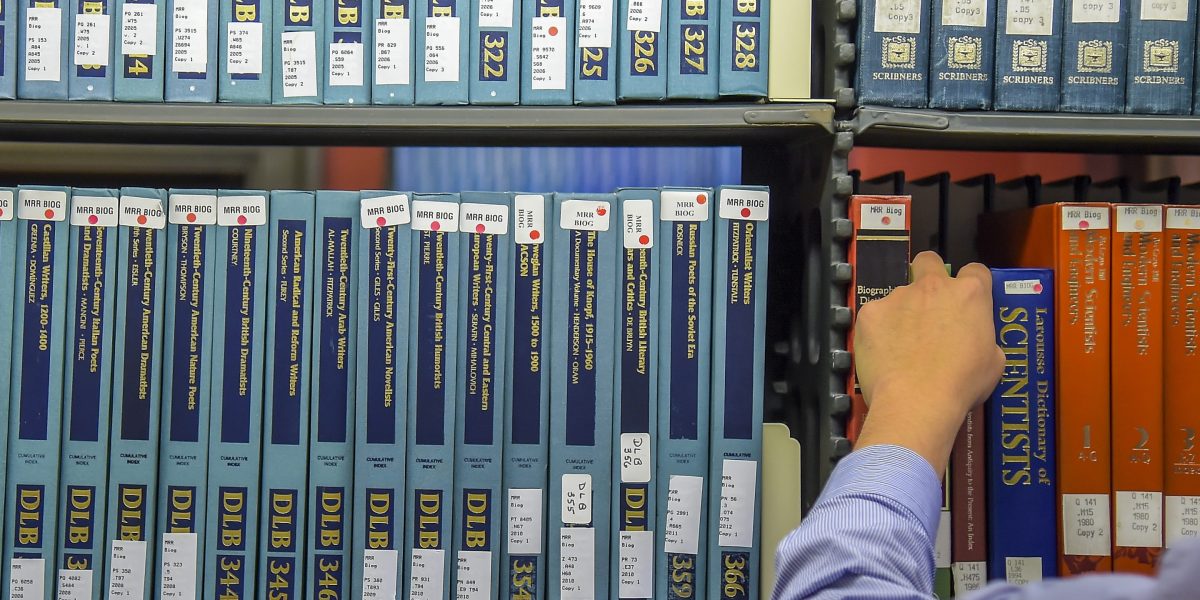
Researchers from Cornell and UCLA found over 146,000 AI-generated fake citations in scientific papers, primarily due to large language models like ChatGPT and Gemini. This widespread issue undermines the reliability of academic research, as many scientists failed to verify AI-generated references before publication.[AI generated]

Why's our monitor labelling this an incident or hazard?

The article explicitly identifies AI systems (LLMs) generating false citations that have been found in a large number of scientific papers, directly undermining the reliability of scientific research. This constitutes harm to communities (the scientific community and society relying on research) and breaches academic integrity, which aligns with violations of intellectual property and fundamental rights. The harm is realized and widespread, not merely potential. The involvement of AI in generating these fake citations is direct and causal. Hence, the event meets the criteria for an AI Incident rather than a hazard or complementary information.[AI generated]
AI principles
Transparency & explainabilityRobustness & digital security

Industries
Education and training

Affected stakeholders
WorkersGeneral public

Harm types
Reputational

Severity
AI incident

Business function:
Research and development

AI system task:
Content generation


Articles about this incident or hazard

Thumbnail Image

AIが生成した「偽の引用」が14万件超、科学論文の信頼性を揺るがす事態に

2026-05-21
CNET
Why's our monitor labelling this an incident or hazard?
The article explicitly identifies AI systems (LLMs) generating false citations that have been found in a large number of scientific papers, directly undermining the reliability of scientific research. This constitutes harm to communities (the scientific community and society relying on research) and breaches academic integrity, which aligns with violations of intellectual property and fundamental rights. The harm is realized and widespread, not merely potential. The involvement of AI in generating these fake citations is direct and causal. Hence, the event meets the criteria for an AI Incident rather than a hazard or complementary information.
Thumbnail Image

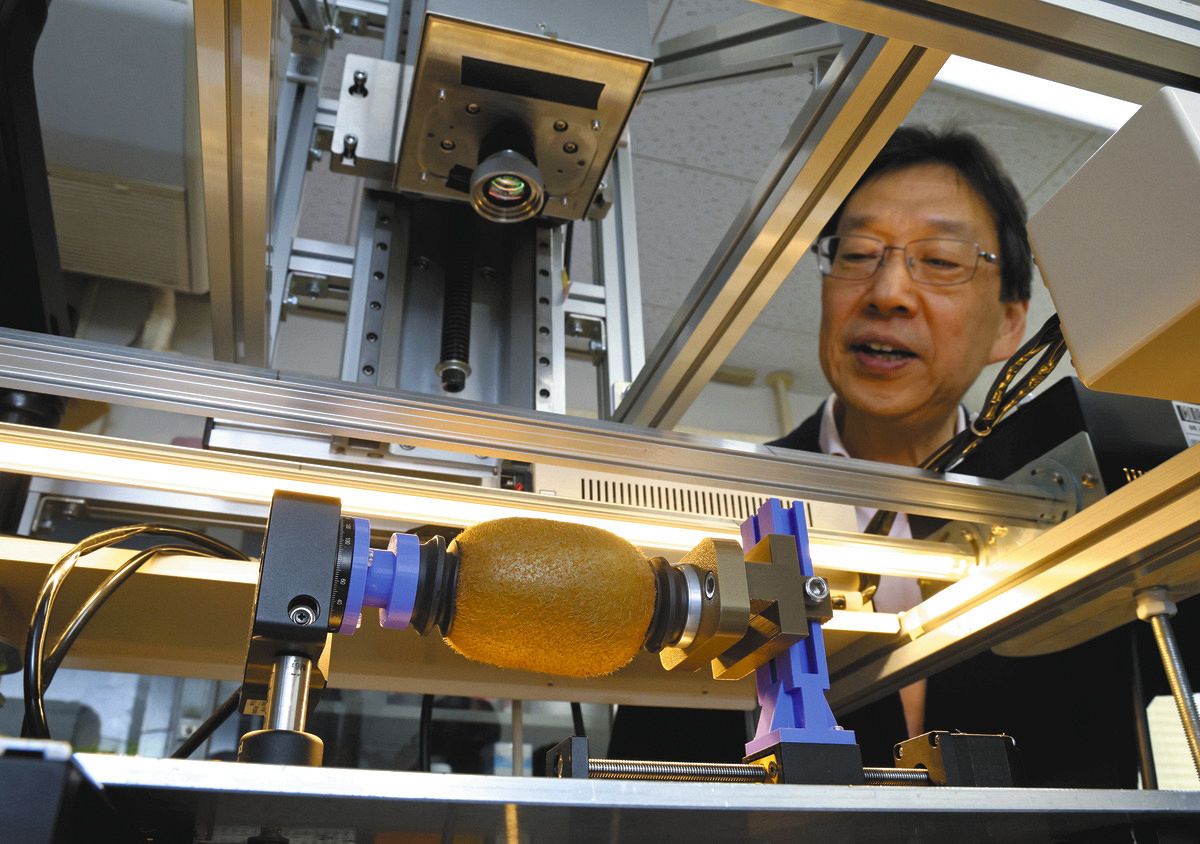
猛暑に強い果物の開発、研究者を突き動かした「50年後」への危機感 中部の6大学が共同研究へ:中日新聞Web

2026-05-24
中日新聞Web
Why's our monitor labelling this an incident or hazard?
The article involves the use of AI systems (e.g., AI analyzing crop quality and growth via imaging technologies) in the context of smart agriculture. However, it describes a research and development effort aimed at preventing future harm from climate change rather than an event where AI use has directly or indirectly caused harm. The potential harms (crop failure due to climate change) are future risks being addressed proactively. Therefore, this event is best classified as Complementary Information, as it provides context on AI's role in addressing environmental challenges and does not report an AI Incident or AI Hazard.
Thumbnail Image

自動運転車両と路側センサを協調、情報通信ソフトを無料公開...名古屋大学 | レスポンス(Response.jp)

2026-05-22
レスポンス(Response.jp)
Why's our monitor labelling this an incident or hazard?
The article discusses the development and open-source release of a software platform that supports autonomous vehicles by integrating roadside sensor data. While this involves AI systems (autonomous driving and sensor data integration), the event itself is about the software release and research collaboration, without any mention of harm or incidents caused by the AI system, nor any plausible future harm directly indicated. Therefore, it does not describe an AI Incident or AI Hazard. It is not a routine product launch but a research software release, which provides complementary information about AI development and ecosystem progress.
Thumbnail Image

Nearly 1.46 lakh AI-hallucinated references entered scientific papers in 2025: Study

2026-05-26
Economic Times
Why's our monitor labelling this an incident or hazard?
The event explicitly involves AI systems (LLMs) generating hallucinated citations that have been published in scientific papers, which is a direct use of AI leading to harm. The harm includes violations of intellectual property rights (fabricated citations infringe on proper attribution and scholarly norms) and harm to communities (scientific and medical communities relying on accurate citations). The widespread infiltration of fake references into peer-reviewed literature and the failure of safeguards to detect them indicate a direct AI Incident rather than a mere hazard or complementary information. The harm is realized and ongoing, not just potential.
Thumbnail Image

1.5 lakh fake AI citations slipped into scientific record in 2025: Study

2026-05-24
The Times of India
Why's our monitor labelling this an incident or hazard?
The event explicitly involves AI systems (LLMs) generating fake citations ('hallucinations') that have been incorporated into scientific papers, causing harm to the scientific community and potentially to public health through compromised clinical guidelines. The harm is realized and documented, not merely potential. The AI system's use in generating citations is the direct cause of the fabricated references. This constitutes a violation of intellectual property rights and scientific integrity, fitting the definition of an AI Incident. The event is not merely a warning or potential risk (AI Hazard), nor is it a response or update (Complementary Information).
Thumbnail Image

New study detected at least 1.4L in 2025 alone; 2nd paper in Lancet flags issue in biomed journals

2026-05-26
The Times of India
Why's our monitor labelling this an incident or hazard?
The event explicitly involves AI systems (large language models) generating fabricated citations (hallucinations) that have been incorporated into published scientific literature. This has directly led to harm by contaminating the scientific record with false information, which can mislead researchers, clinicians, and policymakers, thereby violating intellectual property rights and harming communities dependent on accurate scientific knowledge. The studies document realized harm, not just potential risk, and highlight failures in existing safeguards. Hence, the event meets the criteria for an AI Incident rather than a hazard or complementary information.
Thumbnail Image

AI hallucinations are slipping past experts into papers and books to enter the permanent record | Fortune

2026-05-24
Fortune
Why's our monitor labelling this an incident or hazard?
The article explicitly identifies AI systems (generative AI tools) as the source of fabricated references and inaccurate content that have already appeared in published academic papers, books, and legal decisions. These AI hallucinations have directly led to harm by corrupting the scientific evidence chain, misleading legal outcomes, and disseminating false information, which affects health decisions, legal fairness, and societal trust. The harms are realized and documented with data and examples, meeting the criteria for an AI Incident. The article also discusses the systemic risk and challenges in remediation, reinforcing the significance of the harm caused.
Thumbnail Image

AI hallucinations are creeping into academic research; new verification systems could be the solution: Report

2026-05-25
Firstpost
Why's our monitor labelling this an incident or hazard?
The article explicitly discusses AI systems generating fabricated references (hallucinations) that have been incorporated into academic papers, leading to misinformation and undermining trust in scientific research. This constitutes a violation of intellectual property rights and harms the academic community and society by spreading false information. The harm is realized, not just potential, as thousands of papers with fake references have been published and remain unretracted. Therefore, this qualifies as an AI Incident due to direct harm caused by AI system use and malfunction in academic research.
Thumbnail Image

AI hallucinations are infiltrating expert work -- and entering the permanent body of knowledge

2026-05-24
Yahoo
Why's our monitor labelling this an incident or hazard?
The article explicitly identifies AI systems (AI tools used for research assistance, text generation, and citation generation) as the source of fabricated references and inaccurate content. These AI hallucinations have directly led to harm by corrupting scientific literature, which in turn can affect clinical guidelines and patient care, as well as legal decisions and journalistic integrity. The harm is realized and ongoing, not merely potential. Therefore, this event qualifies as an AI Incident because the AI system's use has directly led to violations of the integrity of knowledge (harm to communities and potentially harm to health through compromised medical guidelines) and breaches trust in expert work. The article also highlights the systemic nature of the problem and the difficulty in remediation, reinforcing the significance of the harm.
Thumbnail Image

AI Generated, Fake Biomedical Citations Increased 12-Fold in The Last 3 Years

2026-05-26
WinBuzzer
Why's our monitor labelling this an incident or hazard?
The article explicitly mentions AI-assisted drafting inserting fabricated sources into biomedical papers, with a significant number of fake citations found across millions of papers. This misuse of AI has directly led to the dissemination of false information in medical literature, which can harm patient care and the integrity of scientific evidence. The harm is indirect but material, as false citations propagate through research and clinical practice. The event involves the use of AI systems in generating content that causes violations of trust and potential harm to health, fitting the definition of an AI Incident.
Thumbnail Image

AI hallucinations pose serious questions for professional services - Raconteur

2026-05-27
Raconteur
Why's our monitor labelling this an incident or hazard?
The article explicitly mentions the use of AI systems (LLMs) in generating professional reports that contain fabricated citations and quotes, which are false and misleading. This constitutes a violation of intellectual property rights and harms the credibility of professional services, thus meeting the criteria for harm to rights and communities. The harm is realized, not just potential, as evidenced by refunds paid and reports removed. The AI system's use and malfunction (hallucination) directly led to these harms. Hence, the event is classified as an AI Incident.