Japan's Internal Affairs Ministry Urges Stronger AI Cybersecurity Measures

Thumbnail Image

The information displayed in the AIM should not be reported as representing the official views of the OECD or of its member countries.

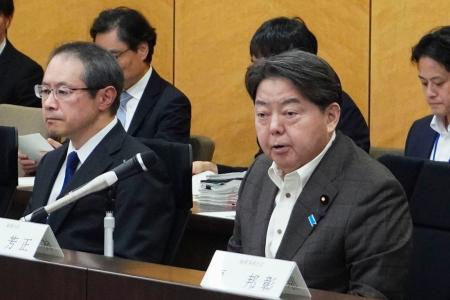
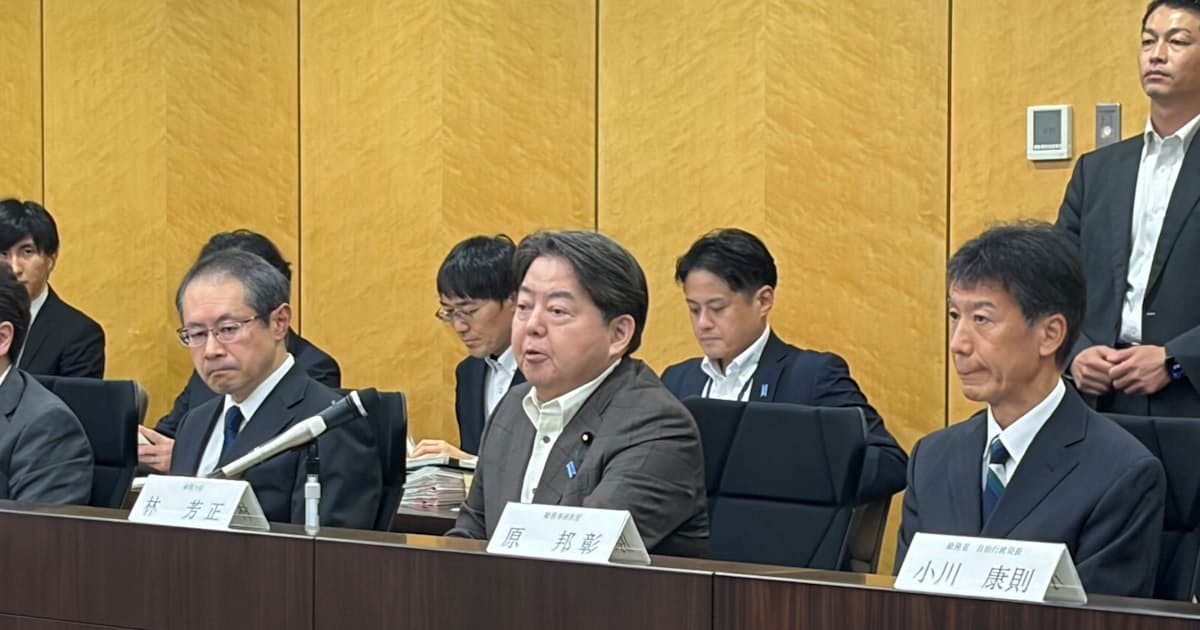
Japan's Ministry of Internal Affairs convened industry and local government leaders to address rising threats from advanced AI-driven cyberattacks, including concerns over Anthropic's Claude Mutos. Officials called for increased budgets, personnel, and public-private cooperation to strengthen defenses and prevent potential disruptions or data leaks. No actual AI incident has occurred yet.[AI generated]

Why's our monitor labelling this an incident or hazard?

The article explicitly mentions a high-performance AI system (Anthropic's Claude Mutos) and concerns about its malicious use in cyberattacks. The Ministry's meeting and warnings indicate a credible risk that such AI could be exploited to harm critical infrastructure sectors. No actual harm or incident is reported, only preventive measures and alerts. Hence, the event is best classified as an AI Hazard, reflecting plausible future harm from AI misuse in cybersecurity contexts.[AI generated]
AI principles
Privacy & data governanceRobustness & digital security

Industries
Digital securityGovernment, security, and defence

Severity
AI hazard

AI system task:
Content generationGoal-driven organisation


Articles about this incident or hazard

Thumbnail Image

総務省、情報通信の事業者や自治体にもAI「ミュトス」対策要請

2026-05-21
日本経済新聞
Why's our monitor labelling this an incident or hazard?
The article explicitly mentions a high-performance AI system (Anthropic's Claude Mutos) and concerns about its malicious use in cyberattacks. The Ministry's meeting and warnings indicate a credible risk that such AI could be exploited to harm critical infrastructure sectors. No actual harm or incident is reported, only preventive measures and alerts. Hence, the event is best classified as an AI Hazard, reflecting plausible future harm from AI misuse in cybersecurity contexts.
Thumbnail Image

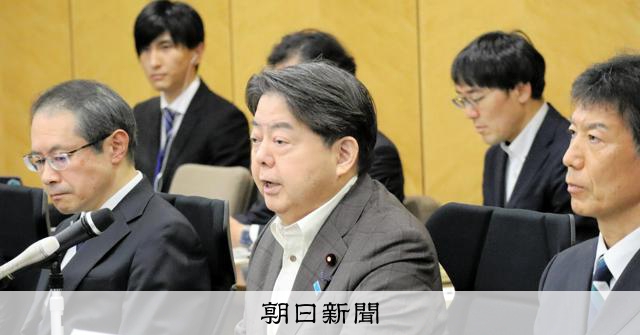
「クロード・ミュトス」対策へ 林総務相もセキュリティー強化を要請:朝日新聞

2026-05-21
朝日新聞デジタル
Why's our monitor labelling this an incident or hazard?
The event involves AI systems explicitly mentioned ("Claude Mutos" and other high-performance AI) and concerns their potential misuse leading to cyberattacks on critical infrastructure, which would constitute harm. However, the article describes a proactive meeting and request for enhanced security measures, indicating that harm has not yet occurred but could plausibly happen in the future. Therefore, this qualifies as an AI Hazard rather than an AI Incident or Complementary Information.
Thumbnail Image

総務省、高性能AIへの対策強化を要請 情報通信など所管業界代表者と会合

2026-05-21
産経ニュース
Why's our monitor labelling this an incident or hazard?
The article centers on a governmental policy and strategic response to the plausible future risks posed by high-performance AI misuse, especially regarding cybersecurity and critical infrastructure. It does not report any realized harm or incident caused by AI, but rather a precautionary approach to mitigate potential threats. Therefore, this qualifies as an AI Hazard, as it involves plausible future harm from AI misuse and the need for strengthened defenses, but no direct or indirect harm has yet materialized.
Thumbnail Image

通信・放送や自治体も対策を 「ミュトス」で注意喚起 -- 総務省:時事ドットコム

2026-05-21
時事ドットコム
Why's our monitor labelling this an incident or hazard?
The event involves an AI system (Claude Mutos) and concerns about its potential misuse for cyberattacks, which could plausibly lead to harm such as disruption of critical infrastructure or information leaks. However, the article does not report any realized harm or incident resulting from the AI system's use or malfunction. Instead, it describes a proactive meeting to raise awareness and coordinate preventive actions. Therefore, this qualifies as an AI Hazard, reflecting credible potential future harm from the AI system's misuse, but no actual incident has occurred yet.
Thumbnail Image

AI脅威、総務相が防御強化促す 「事業者らは予算、人員確保を」

2026-05-21
神戸新聞
Why's our monitor labelling this an incident or hazard?
The event involves AI systems in the context of potential cyberattack threats, but no actual harm or incident has occurred yet. The meeting and calls for defense strengthening are proactive measures to address plausible future risks from AI-enabled cyberattacks. Therefore, this qualifies as an AI Hazard because it concerns credible potential harm from AI systems that could plausibly lead to incidents if not addressed. It is not an AI Incident since no harm has materialized, nor is it merely complementary information because the main focus is on the potential threat and defense measures rather than updates on past incidents or general AI ecosystem developments.
Thumbnail Image

AI脅威、総務相が防御強化促す|埼玉新聞|埼玉の最新ニュース・スポーツ・地域の話題

2026-05-21
��ʐV���b��ʂ̍ŐV�j���[�X�E�X�|�[�c�E�n��̘b��
Why's our monitor labelling this an incident or hazard?
The article discusses preparations and calls for improved defense against AI-driven cyber threats, indicating a plausible risk of future harm from AI systems. However, no actual AI-related harm or incident has occurred yet. Therefore, this qualifies as an AI Hazard, as it concerns credible potential threats from AI cyberattacks and proactive measures to mitigate them.
Thumbnail Image

AI脅威、総務相が防御強化促す/「事業者らは予算、人員確保を」 | 四国新聞社

2026-05-21
四国新聞社
Why's our monitor labelling this an incident or hazard?
The article explicitly mentions AI-related cyberattack threats and the need for defensive measures, indicating the presence of AI systems as potential tools for cyberattacks. However, it does not report any realized harm or incident resulting from AI use or malfunction. Instead, it discusses precautionary measures and calls for enhanced readiness, which aligns with the definition of an AI Hazard—an event or circumstance where AI use could plausibly lead to harm in the future. Therefore, this is an AI Hazard, not an AI Incident or Complementary Information.