UK Launches Pilot Scheme for Self-Driving Taxi and Bus Services

Thumbnail Image

The information displayed in the AIM should not be reported as representing the official views of the OECD or of its member countries.

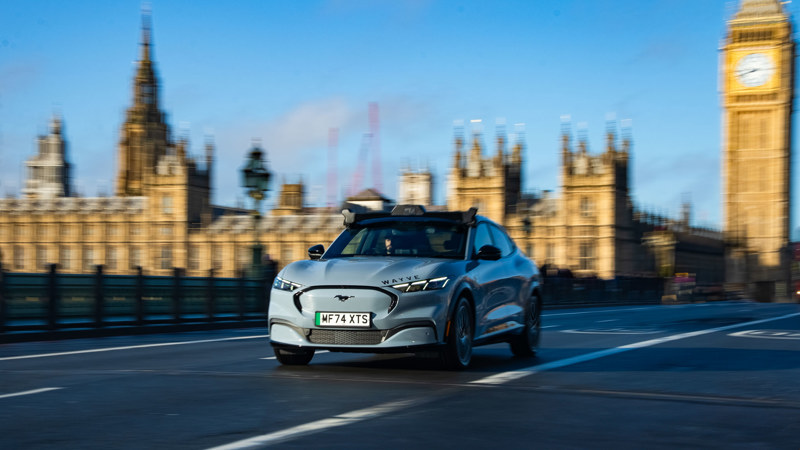
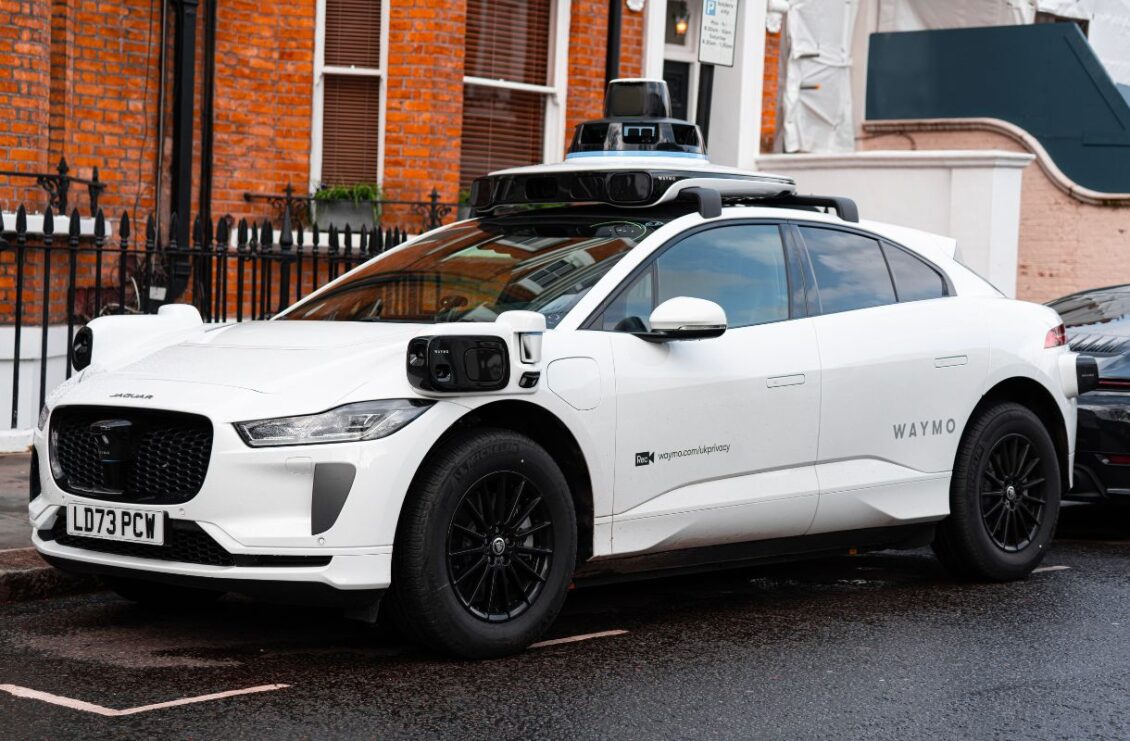
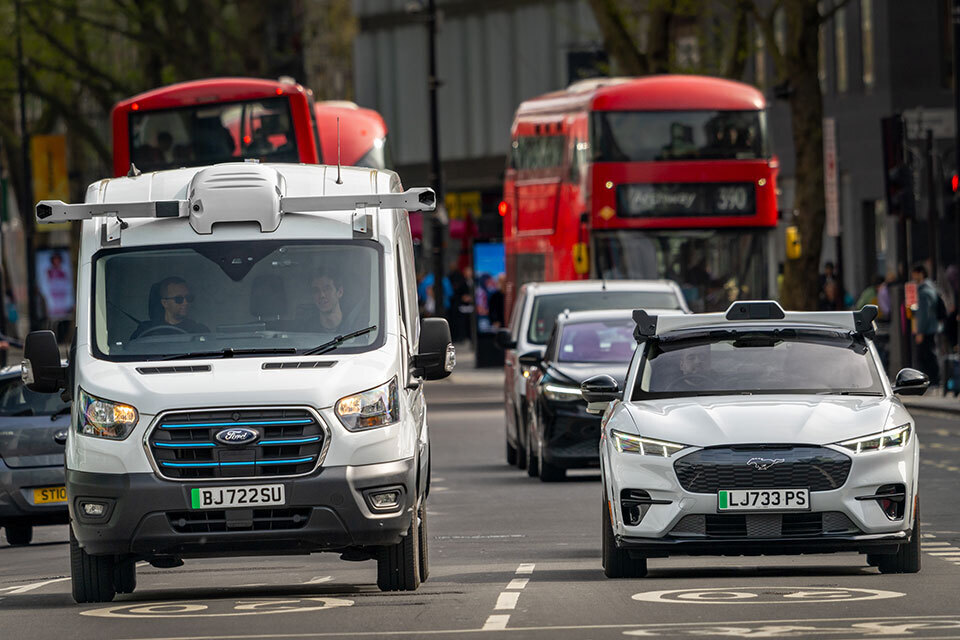
The UK government has opened applications for operators to run self-driving taxi and bus services, allowing firms like Wayve to pilot autonomous vehicles carrying passengers on public roads later this year. The scheme aims to improve accessibility and safety, but introduces potential risks associated with AI-driven transport.[AI generated]

Why's our monitor labelling this an incident or hazard?

The event involves the use of AI systems (self-driving vehicles) and their deployment on public roads, which could plausibly lead to harm if safety issues arise. However, the article does not report any realized harm or incidents caused by these AI systems. Instead, it discusses regulatory and safety measures, pilot programs, and anticipated benefits. Therefore, this event represents a credible potential risk scenario (AI Hazard) rather than an incident or complementary information about a past event.[AI generated]
AI principles
SafetyAccountability

Industries
Mobility and autonomous vehiclesGovernment, security, and defence

Affected stakeholders
ConsumersGeneral public

Harm types
Physical (injury)Physical (death)

Severity
AI hazard

AI system task:
Recognition/object detectionReasoning with knowledge structures/planning


Articles about this incident or hazard

Thumbnail Image

Passengers one step closer to booking taxi and bus-style self-driving vehicles

2026-05-21
GOV.UK
Why's our monitor labelling this an incident or hazard?
The event involves the use of AI systems (self-driving vehicles) and their deployment on public roads, which could plausibly lead to harm if safety issues arise. However, the article does not report any realized harm or incidents caused by these AI systems. Instead, it discusses regulatory and safety measures, pilot programs, and anticipated benefits. Therefore, this event represents a credible potential risk scenario (AI Hazard) rather than an incident or complementary information about a past event.
Thumbnail Image

Major announcement on self-driving cars as UK roads set to be 'transformed'

2026-05-21
Mirror
Why's our monitor labelling this an incident or hazard?
The presence of AI systems is clear as the article discusses autonomous vehicles using AI for navigation and operation. The incidents mentioned (driving through a police cordon in manual mode and noise disturbances) did not cause harm or injury and were managed with safety measures, so they do not qualify as AI Incidents. The article does not describe plausible future harm beyond normal pilot risks, and the focus is on the government pilot scheme, safety assessments, and operator responses, which aligns with Complementary Information. There is no new AI Incident or AI Hazard described, but rather an update on ongoing AI system deployment and regulatory oversight.
Thumbnail Image

Driverless taxis and buses on UK streets by the end of the year

2026-05-22
inews.co.uk
Why's our monitor labelling this an incident or hazard?
The event involves AI systems (self-driving vehicle software) in active use on public roads. The reported incidents of vehicles mistakenly entering dead-end streets and disturbing residents constitute direct harm to communities, fulfilling the harm criteria. The AI system's malfunction or operational errors directly led to these disturbances. Although the article also discusses potential benefits and future plans, the presence of realized harm from AI system use makes this an AI Incident rather than a hazard or complementary information. The involvement of AI in causing these disturbances is explicit and central to the report.
Thumbnail Image

When Londoners can expect to book Waymo self-driving taxis and buses

2026-05-22
getwestlondon
Why's our monitor labelling this an incident or hazard?
The article involves AI systems (self-driving vehicles) and discusses their use and regulatory pilot testing. While it references a past incident involving a Waymo vehicle, the main content is about the pilot scheme launch, safety assessments, and expected benefits. No new harm or direct/indirect AI-caused incident is reported here. The event is about governance, societal and technical responses, and future deployment plans, fitting the definition of Complementary Information rather than an AI Incident or AI Hazard.
Thumbnail Image

Operators sought for British self-driving vehicle services

2026-05-22
FNN - Fleet NewsNet
Why's our monitor labelling this an incident or hazard?
The event involves AI systems (self-driving vehicles) whose use is being piloted under government oversight. While the article highlights potential benefits, it does not report any actual harm or incidents caused by these AI systems. The focus is on the preparation and regulation of AI deployment, which could plausibly lead to harm if safety issues arise in the future. Therefore, this qualifies as an AI Hazard, as it concerns the potential for AI-related harm through the deployment of autonomous vehicles, but no direct or indirect harm has yet materialized.
Thumbnail Image

Self-Driving Taxis and Buses Nearing Reality

2026-05-21
Mirage News
Why's our monitor labelling this an incident or hazard?
The event involves AI systems (self-driving vehicles) whose use is being piloted with regulatory safety measures. No actual harm or incident is reported; rather, the article focuses on the upcoming deployment and the safety and regulatory context. Since the AI systems could plausibly lead to harm (e.g., accidents, safety issues) once deployed, this qualifies as an AI Hazard. It is not an AI Incident because no harm has occurred, nor is it Complementary Information or Unrelated, as the article centers on the AI system's potential impact and regulatory pilot.
Thumbnail Image

Taxi!...Where's the driver?

2026-05-22
Energy Live News
Why's our monitor labelling this an incident or hazard?
The event involves AI systems (self-driving vehicles) whose use is being piloted for passenger transport. While the technology could improve safety and accessibility, the deployment of autonomous vehicles inherently carries risks of accidents or other harms. Since the article discusses the start of pilot testing without any reported incidents or harms, it fits the definition of an AI Hazard—an event where AI system use could plausibly lead to harm in the future. It is not an AI Incident because no harm has occurred yet, nor is it Complementary Information or Unrelated as it directly concerns AI system deployment with potential safety implications.
Thumbnail Image

Passengers one step closer to booking taxi and bus-style self-driving vehicles | Department for Transport

2026-05-22
WiredGov
Why's our monitor labelling this an incident or hazard?
The event involves the use of AI systems in self-driving vehicles, which are explicitly mentioned. The article focuses on the opening of applications for operators to run these vehicles and the pilot scheme's safety and regulatory framework. No actual harm or incident is reported; rather, the article discusses the potential for these AI systems to impact road safety and mobility. Given the nature of autonomous vehicles and their potential to cause injury or disruption if malfunctioning or misused, this pilot scheme constitutes an AI Hazard, as it could plausibly lead to an AI Incident in the future if safety is not maintained.
Thumbnail Image

Applications open for self-driving taxi and bus operators in the UK | ADAS & Autonomous Vehicle International

2026-05-22
Autonomous Vehicle International
Why's our monitor labelling this an incident or hazard?
The article focuses on the launch of a pilot scheme for self-driving vehicle services, which involves AI systems for autonomous driving. However, it does not report any actual incidents, harms, or malfunctions caused by these AI systems. Instead, it outlines the intended use, safety considerations, and regulatory steps to ensure safe deployment. This fits the definition of Complementary Information, as it provides context and updates on AI system deployment and governance without describing an AI Incident or AI Hazard.
Thumbnail Image

You may be able to book a driverless taxi in the UK later this year

2026-05-22
Wales 247
Why's our monitor labelling this an incident or hazard?
The article explicitly mentions self-driving technology (an AI system) being deployed in a pilot scheme for passenger transport. While no harm or incidents have occurred, the use of autonomous vehicles inherently carries risks that could plausibly lead to injury or disruption (e.g., traffic collisions). The event is about the initiation of this pilot and regulatory preparations, not about a realized harm or incident. Hence, it fits the definition of an AI Hazard, as the AI system's use could plausibly lead to harm in the future. It is not Complementary Information because it is not an update or response to a past incident, nor is it unrelated as it clearly involves AI systems.
Thumbnail Image

Britons could book self-driving taxis this year under new Labour plans

2026-05-22
GB News
Why's our monitor labelling this an incident or hazard?
The article explicitly mentions self-driving vehicles, which are AI systems performing autonomous navigation and decision-making. The trials involve carrying passengers on public roads, which could plausibly lead to harm such as accidents or injuries if the AI malfunctions or fails. However, since the article only discusses the planned pilot scheme and no actual harm or incident has occurred, it fits the definition of an AI Hazard rather than an AI Incident. The focus is on potential future risks rather than realized harm or responses to harm.