Japanese Voice Actor Sues TikTok Over AI-Generated Voice Mimicry

Thumbnail Image

The information displayed in the AIM should not be reported as representing the official views of the OECD or of its member countries.

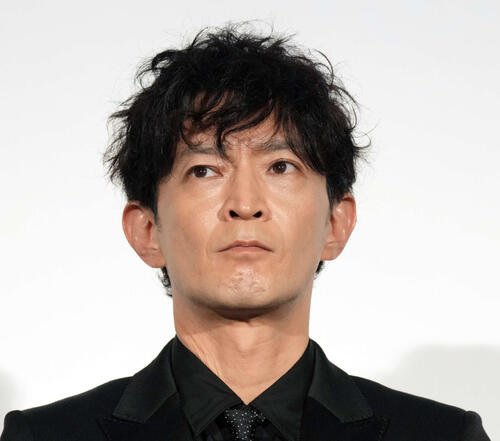
Japanese voice actor Kenjiro Tsuda has sued TikTok in Tokyo District Court, demanding the removal of 188 videos that used generative AI to mimic his voice without permission. The videos, posted by an unknown user, generated significant revenue, raising legal concerns over unauthorized AI use and publicity rights infringement.[AI generated]

Why's our monitor labelling this an incident or hazard?

The article explicitly mentions the use of generative AI to mimic the voice of a popular voice actor without permission, resulting in unauthorized monetized content on TikTok. This unauthorized use infringes on the actor's publicity rights, a recognized form of intellectual property and personal rights violation. The AI system's use directly led to harm by exploiting the actor's voice for profit without consent. Therefore, this qualifies as an AI Incident under the category of violations of human rights or breach of obligations intended to protect intellectual property and personal rights.[AI generated]
AI principles
Privacy & data governanceRespect of human rights

Industries
Media, social platforms, and marketing

Affected stakeholders
Workers

Harm types
Economic/PropertyHuman or fundamental rights

Severity
AI incident

AI system task:
Content generation


Articles about this incident or hazard

Thumbnail Image

声優の津田健次郎 TikTok運営会社に「AIで声模倣」の動画削除求め東京地裁に提訴

2026-05-23
nikkansports.com
Why's our monitor labelling this an incident or hazard?
The article explicitly mentions the use of generative AI to mimic the voice of a popular voice actor without permission, resulting in unauthorized monetized content on TikTok. This unauthorized use infringes on the actor's publicity rights, a recognized form of intellectual property and personal rights violation. The AI system's use directly led to harm by exploiting the actor's voice for profit without consent. Therefore, this qualifies as an AI Incident under the category of violations of human rights or breach of obligations intended to protect intellectual property and personal rights.
Thumbnail Image

声無断利用、責任あいまい 識者「国は基準示して」

2026-05-23
nikkansports.com
Why's our monitor labelling this an incident or hazard?
The event involves the use of generative AI to imitate a person's voice without consent, which is a direct use of an AI system. The unauthorized use of the voice constitutes a violation of intellectual property and personality rights, which falls under violations of human rights or breach of obligations protecting fundamental and intellectual property rights. Since the lawsuit is filed due to actual unauthorized use and harm has occurred, this qualifies as an AI Incident. The discussion of legal standards and expert opinions provides context but the primary focus is the incident of unauthorized AI voice use and the resulting legal action.
Thumbnail Image

「AIで声模倣」人気声優がTikTok運営会社提訴 動画削除請求

2026-05-23
日本経済新聞
Why's our monitor labelling this an incident or hazard?
The article explicitly states that generative AI was used to imitate the voice of the voice actor without permission, leading to the posting of many videos that generated substantial income. This unauthorized use infringes on the actor's publicity rights, which are protected intellectual property rights. The AI system's role is pivotal as it enabled the voice imitation that caused the harm. The harm is realized, as evidenced by the legal action seeking removal of the videos and compensation. Hence, this event meets the criteria for an AI Incident involving violation of intellectual property rights.
Thumbnail Image

津田健次郎さんの「低音ボイス」生成AIで模倣、動画削除求めティックトック提訴...声無断利用で初の訴訟か

2026-05-22
読売新聞オンライン
Why's our monitor labelling this an incident or hazard?
The event explicitly involves a generative AI system used to create unauthorized voice content mimicking a real person, leading to a legal claim of rights violations. The harm is realized (unauthorized use of voice causing rights infringement and potential economic harm). The AI system's use is central to the incident, fulfilling the criteria for an AI Incident under violations of intellectual property and personality rights. The lawsuit and the described harm confirm this classification.
Thumbnail Image

「ツダケンの声がする」のコメントも立証材料に...生成AIの「声の権利侵害」訴訟の争点は「類似性」

2026-05-22
読売新聞オンライン
Why's our monitor labelling this an incident or hazard?
The article explicitly involves a generative AI system used to create videos mimicking a person's voice without consent, leading to a legal dispute over rights infringement. The harm is a violation of intellectual property and publicity rights, which fits the definition of harm (c) under AI Incident. The AI system's use directly caused the harm, and the case is a concrete example of such harm occurring, not just a potential risk. Hence, this is classified as an AI Incident.
Thumbnail Image

「雇うより安価」と著名人の声をAIで無断生成、「フリー素材のように使うのは問題」と声優憤り

2026-05-23
読売新聞オンライン
Why's our monitor labelling this an incident or hazard?
The event involves AI systems explicitly described as voice generation AI services that create synthetic voices of real individuals without permission. The unauthorized use of these AI-generated voices has directly led to harm, including violations of intellectual property and publicity rights, and economic harm to voice actors. The ongoing lawsuits and government discussions confirm the recognition of these harms. Therefore, this qualifies as an AI Incident due to realized violations of rights and harm caused by the AI system's use.
Thumbnail Image

人気声優・津田健次郎さん、生成AIによる「音声無断利用」でTikTokを提訴 : オレ的ゲーム速報@刃

2026-05-23
����Ū������®��@��
Why's our monitor labelling this an incident or hazard?
The event explicitly involves AI-generated voice cloning technology used without consent, which is an AI system. The unauthorized use has led to legal action due to harm to the voice actor's rights and financial interests, fulfilling the criteria for harm (violation of rights and economic harm). The AI system's use is central to the incident, and the harm is realized, not just potential. Hence, it is classified as an AI Incident.
Thumbnail Image

「AIで声模倣」と提訴 人気声優の津田健次郎さんが動画削除請求 TikTok運営会社

2026-05-23
産経ニュース
Why's our monitor labelling this an incident or hazard?
The article describes an AI-generated voice imitation used without permission, resulting in unauthorized videos that generate revenue. This constitutes a violation of the voice actor's publicity rights, a form of intellectual property and personality rights infringement, which is a recognized harm under the AI Incident definition. The AI system's use is central to the harm, as it enabled the creation of the infringing content. Hence, the event meets the criteria for an AI Incident.
Thumbnail Image

生成AIが無断で声模倣 人気声優、動画削除を請求

2026-05-23
神戸新聞
Why's our monitor labelling this an incident or hazard?
The event explicitly involves an AI system generating unauthorized voice mimicry, which is a direct use of AI technology. The harm includes violation of intellectual property and personal rights, as well as economic harm through monetization of the videos. The voice actor's legal action and request for deletion confirm that harm has materialized. Hence, this is an AI Incident as per the definitions provided.
Thumbnail Image

生成AIが無断で声模倣|埼玉新聞|埼玉の最新ニュース・スポーツ・地域の話題

2026-05-23
��ʐV���b��ʂ̍ŐV�j���[�X�E�X�|�[�c�E�n��̘b��
Why's our monitor labelling this an incident or hazard?
An AI system (generative AI) was used to create a voice imitation without permission, which is a direct misuse of AI technology causing harm to the individual's rights. The publication of such AI-generated content without consent is a breach of intellectual property and personal rights, fitting the definition of an AI Incident due to violation of rights caused by AI use.
Thumbnail Image

■「AIの無断模倣」声優が提訴 | 沖縄タイムス+プラス

2026-05-24
沖縄タイムス+プラス
Why's our monitor labelling this an incident or hazard?
The event explicitly involves generative AI used to imitate a person's voice without authorization, which is a direct violation of intellectual property rights and personal rights. The use of AI-generated voice content without consent is a clear harm under the framework's category (c) violations of human rights or breach of obligations protecting intellectual property rights. The lawsuit and demand for video removal indicate that harm has occurred. Hence, this is an AI Incident.
Thumbnail Image

生成AIが無断で声模倣 人気声優、動画削除を請求|秋田魁新報電子版

2026-05-23
秋田魁新報電子版
Why's our monitor labelling this an incident or hazard?
The event explicitly involves an AI system used to generate unauthorized voice mimicry, which constitutes a violation of intellectual property rights and personal rights. The AI system's use directly led to the creation and distribution of infringing content, causing harm to the individual. Therefore, this qualifies as an AI Incident under the framework, as the AI system's use has directly led to a breach of obligations intended to protect intellectual property rights.
Thumbnail Image

「AIで声模倣」と提訴 人気声優、動画削除を請求|全国のニュース|富山新聞

2026-05-23
北國新聞
Why's our monitor labelling this an incident or hazard?
The event explicitly involves an AI system (generative AI) used to imitate a person's voice without permission, leading to unauthorized content distribution and financial gain. This constitutes a violation of intellectual property rights (a breach of obligations under applicable law protecting such rights). Since the harm (rights violation) has already occurred and legal action is underway, this qualifies as an AI Incident rather than a hazard or complementary information.
Thumbnail Image

「AIで声模倣」と提訴 人気声優、動画削除を請求|山形新聞

2026-05-23
やまがたニュースオンライン
Why's our monitor labelling this an incident or hazard?
An AI system was used to generate voice mimicry without authorization, which is a direct use of AI technology causing harm to the voice actor's rights, specifically the violation of publicity rights (a form of intellectual property and personality rights). The event describes actual harm through unauthorized use and monetization of the AI-generated voice content. Therefore, this qualifies as an AI Incident due to the realized violation of rights caused by the AI system's use.
Thumbnail Image

生成AIが無断で声模倣/人気声優、動画削除を請求 | 四国新聞社

2026-05-23
四国新聞社
Why's our monitor labelling this an incident or hazard?
The event explicitly involves a generative AI system used to imitate a person's voice without authorization, leading to the creation and monetization of content infringing on the voice actor's rights. This constitutes a violation of intellectual property rights and personal rights, which is a recognized form of harm under the AI Incident definition. Since the harm has already occurred and legal action is underway, this qualifies as an AI Incident rather than a hazard or complementary information.
Thumbnail Image

「AIで声模倣」と提訴/人気声優、動画削除を請求 | 四国新聞社

2026-05-23
四国新聞社
Why's our monitor labelling this an incident or hazard?
The event explicitly involves an AI system used to clone a person's voice without permission, leading to unauthorized monetization and infringement of publicity rights, which are protected intellectual property rights. This constitutes a violation of rights caused by the AI system's use. Therefore, this qualifies as an AI Incident under the definition of violations of human rights or breach of obligations intended to protect intellectual property rights.
Thumbnail Image

津田健次郎さんが動画削除求めTikTokを提訴 津田さんの声を無断で模倣 : ラビット速報

2026-05-23
ラビット速報
Why's our monitor labelling this an incident or hazard?
The event explicitly involves AI-generated voice synthesis technology used without permission to imitate a person's voice, leading to a legal claim for violation of publicity rights. The AI system's use has directly caused harm to the individual's rights and interests, fulfilling the criteria for an AI Incident. The harm is not hypothetical or potential but has materialized through unauthorized content distribution and legal action. Hence, it is classified as an AI Incident rather than a hazard or complementary information.
Thumbnail Image

声優・津田健次郎さん、「低音ボイス」生成AIで模倣、動画削除求めティックトック提訴...声無断利用で初の訴訟か : 痛いニュース(ノ∀')

2026-05-23
痛いニュース(ノ∀')
Why's our monitor labelling this an incident or hazard?
The event explicitly involves a generative AI system used to mimic a person's voice without permission, leading to a legal dispute over unauthorized use. The harm here is a violation of intellectual property and personal rights due to the AI-generated voice content. Since the unauthorized use has already occurred and legal action is underway, this qualifies as an AI Incident under the category of violations of human rights or breach of obligations under applicable law protecting intellectual property rights.
Thumbnail Image

聲音被AI盜走了!《咒術》人氣聲優怒告TikTok「每月牟利近百萬」 - 哈燒日韓

2026-05-23
中時新聞網
Why's our monitor labelling this an incident or hazard?
The article describes an AI system generating voice content that closely mimics a real person's voice, which is then used to produce monetized videos without consent. This constitutes a violation of intellectual property and publicity rights, which are recognized harms under the AI Incident definition. The AI system's use directly caused these harms, and the legal action confirms the recognition of these harms. Therefore, this event qualifies as an AI Incident.
Thumbnail Image

人氣聲優告TikTok!「聲音被AI偷去賺近百萬」侵權官司創日本首例 | ETtoday星光雲 | ETtoday新聞雲

2026-05-23
ETtoday星光雲
Why's our monitor labelling this an incident or hazard?
The event explicitly involves the use of a generative AI system to mimic a person's voice without authorization, which constitutes a violation of rights (personality and intellectual property rights). The unauthorized AI-generated voice is used commercially, causing economic harm and legal disputes. This fits the definition of an AI Incident because the AI system's use has directly led to a breach of legal rights and harm to the individual involved. The case is also notable as a first in Japan, highlighting the significance of the incident.
Thumbnail Image

生成式AI又惹禍!日本人氣聲優提告侵權求刪影片 TikTok反駁 | 娛樂星聞 | 三立新聞網 SETN.COM

2026-05-23
三立新聞
Why's our monitor labelling this an incident or hazard?
The event explicitly involves a generative AI system used to imitate a person's voice without consent, resulting in unauthorized content distribution and alleged infringement of publicity rights. This is a clear violation of intellectual property and personal rights, which falls under harm category (c) in the AI Incident definition. The lawsuit and the demand for content removal indicate that harm has occurred. Hence, this is an AI Incident rather than a hazard or complementary information.
Thumbnail Image

磁性神嗓被AI盜用180次!《咒術迴戰》聲優提告要求刪片 TikTok回應了

2026-05-23
mnews.tw
Why's our monitor labelling this an incident or hazard?
The event explicitly involves a generative AI system used to create unauthorized voice content mimicking a real person, which has been publicly distributed and monetized. This unauthorized use infringes on the voice actor's publicity rights, a legal protection of personal and intellectual property rights. The direct link between the AI system's use and the harm (violation of rights) is clear, fulfilling the criteria for an AI Incident. The ongoing legal action and demand for content removal further confirm the recognition of harm caused by the AI system's misuse.
Thumbnail Image

日本聲優控用戶利用AI模仿聲音 TikTok反駁 - 民視新聞網

2026-05-23
民視新聞網
Why's our monitor labelling this an incident or hazard?
The event explicitly describes the use of generative AI to imitate a voice without consent, resulting in unauthorized content distribution on TikTok. This constitutes a violation of intellectual property and publicity rights, which falls under harm category (c) - violations of human rights or breach of obligations under applicable law protecting intellectual property rights. The involvement of the AI system in generating the voice content is central to the harm, making this an AI Incident.