AI-Generated Beauty Standards Drive Unrealistic Surgical Demands

Thumbnail Image

The information displayed in the AIM should not be reported as representing the official views of the OECD or of its member countries.

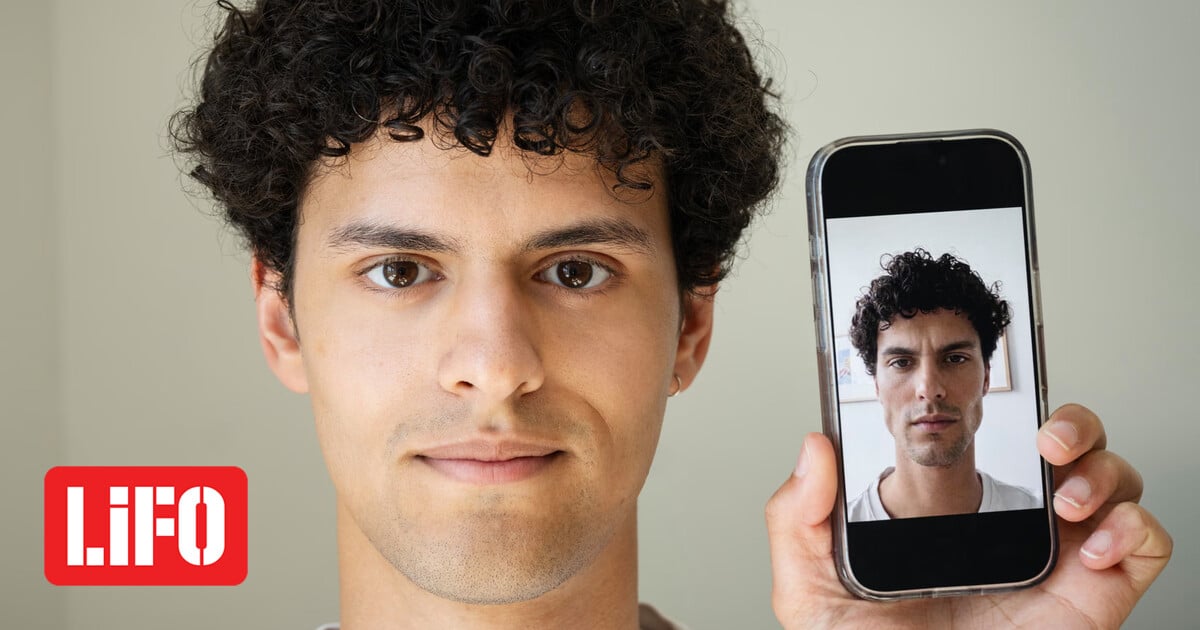
Plastic surgeons in the UK report a surge in patients seeking surgeries based on AI-generated, idealized facial images. These images foster unrealistic beauty standards, leading to psychological harm and unattainable expectations. Experts warn that the trend, known as "AI face," is causing significant mental health concerns among patients.[AI generated]

Why's our monitor labelling this an incident or hazard?

The article explicitly mentions AI chatbots and AI-generated images influencing patients' expectations for plastic surgery, leading to requests for procedures that are unrealistic or potentially harmful. The AI systems' outputs are directly linked to patient demands that could cause physical harm, psychological harm, and financial harm. This fits the definition of an AI Incident because the AI system's use has indirectly led to harm to persons (patients) through unrealistic expectations and potentially harmful surgeries. The involvement is through the use of AI systems (chatbots and image generators) shaping patient perceptions and decisions, fulfilling the criteria for an AI Incident rather than a hazard or complementary information.[AI generated]
AI principles
Human wellbeing

Industries
Media, social platforms, and marketing

Affected stakeholders
Consumers

Harm types
Psychological

Severity
AI incident

AI system task:
Content generation


Articles about this incident or hazard

Thumbnail Image

"AI face": Πλαστικοί χειρουργοί προειδοποιούν για τις μη ρεαλιστικές απαιτήσεις ασθενών | LiFO

2026-05-25
LiFO
Why's our monitor labelling this an incident or hazard?
The article explicitly mentions AI chatbots and AI-generated images influencing patients' expectations for plastic surgery, leading to requests for procedures that are unrealistic or potentially harmful. The AI systems' outputs are directly linked to patient demands that could cause physical harm, psychological harm, and financial harm. This fits the definition of an AI Incident because the AI system's use has indirectly led to harm to persons (patients) through unrealistic expectations and potentially harmful surgeries. The involvement is through the use of AI systems (chatbots and image generators) shaping patient perceptions and decisions, fulfilling the criteria for an AI Incident rather than a hazard or complementary information.
Thumbnail Image

Το "τέλειο πρόσωπο" που φτιάχνει το AI δεν υπάρχει στην ανθρώπινη ανατομία | Techblog.gr

2026-05-25
Techblog.gr
Why's our monitor labelling this an incident or hazard?
The AI system is explicitly involved as it generates highly idealized facial images that patients use to set unrealistic surgical goals. This use of AI has directly led to psychological harm by fostering distorted body image perceptions and unrealistic expectations, which can cause emotional distress. The harm is indirect but clearly linked to the AI system's outputs influencing patient behavior and mental health. The article does not describe mere potential harm or future risks but reports an ongoing phenomenon with real psychological consequences. Hence, it meets the criteria for an AI Incident rather than an AI Hazard or Complementary Information.
Thumbnail Image

"AI face": Η νέα εμμονή με την τελειότητα ανησυχεί τους πλαστικούς χειρουργούς | Pagenews.gr

2026-05-26
Pagenews.gr
Why's our monitor labelling this an incident or hazard?
The article involves AI systems in the form of AI-generated or AI-edited facial images influencing human behavior and expectations. While this influence could plausibly lead to psychological harm or dissatisfaction, no actual harm or incident is reported. The article mainly provides expert opinions and warnings about the societal impact of AI on beauty standards and cosmetic surgery demands. Therefore, it does not meet the criteria for an AI Incident or AI Hazard but rather serves as Complementary Information by providing context and raising awareness about potential social implications of AI.
Thumbnail Image

Το φαινόμενο "AI face" και τα εξωπραγματικά αιτήματα ασθενών

2026-05-24
ertnews.gr
Why's our monitor labelling this an incident or hazard?
The AI system is explicitly involved in generating enhanced facial images and surgical recommendations that patients rely on, leading to unrealistic expectations and psychological harm. The harm is indirect but real, as it affects patients' mental health and decision-making regarding surgery, which can have physical and financial consequences. The article documents actual occurrences of this phenomenon, not just potential risks, so it is an AI Incident rather than a hazard or complementary information.
Thumbnail Image

"AI Face": Η νέα εμμονή της ομορφιάς που τρομάζει τους πλαστικούς χειρουργούς | Alphafreepress.gr

2026-05-24
Alphafreepress.gr
Why's our monitor labelling this an incident or hazard?
The AI system (applications generating highly idealized facial images) is explicitly involved, influencing users' perceptions and decisions. The harm is indirect psychological harm due to unrealistic beauty standards and social pressure, which fits within harm to health and communities. Although no physical injury or legal violation is reported, the psychological impact is significant and recognized by experts. Hence, this qualifies as an AI Incident rather than a hazard or complementary information, as harm is occurring through the AI system's use.
Thumbnail Image

Το φαινόμενο "AI face" και τα εξωπραγματικά αιτήματα ασθενών

2026-05-24
KontraNews
Why's our monitor labelling this an incident or hazard?
The AI system (image-generating AI) is explicitly involved in creating unrealistic facial images that influence patient expectations. This influence can indirectly lead to harm, such as psychological distress or physical harm from surgeries based on these AI-generated ideals. Since the article describes ongoing effects and concerns but does not document a specific realized harm event, it fits best as an AI Hazard, indicating a plausible risk of harm stemming from AI use in this context.